
The best home good patio furniture for you comes down to three things: your climate, how you actually use the space, and how much ongoing maintenance you're willing to do. If you're shopping for life is good patio furniture, start by matching the materials and maintenance level to your local weather and how often you’ll actually use the space. Get those three factors right and you'll end up with furniture that looks good, holds up for years, and doesn't become a chore. Get them wrong and you're replacing cushions every two seasons or watching a beautiful teak set turn gray because nobody told you it would need oiling. Commercial quality patio furniture also makes it easier to predict how it will age, how it will handle weather, and whether it will still look good after multiple seasons. This guide walks you through the whole decision, from picking a material to sizing your layout to knowing what a quality piece actually looks like before you buy.
Home Good Patio Furniture Guide: Choose, Buy, Maintain

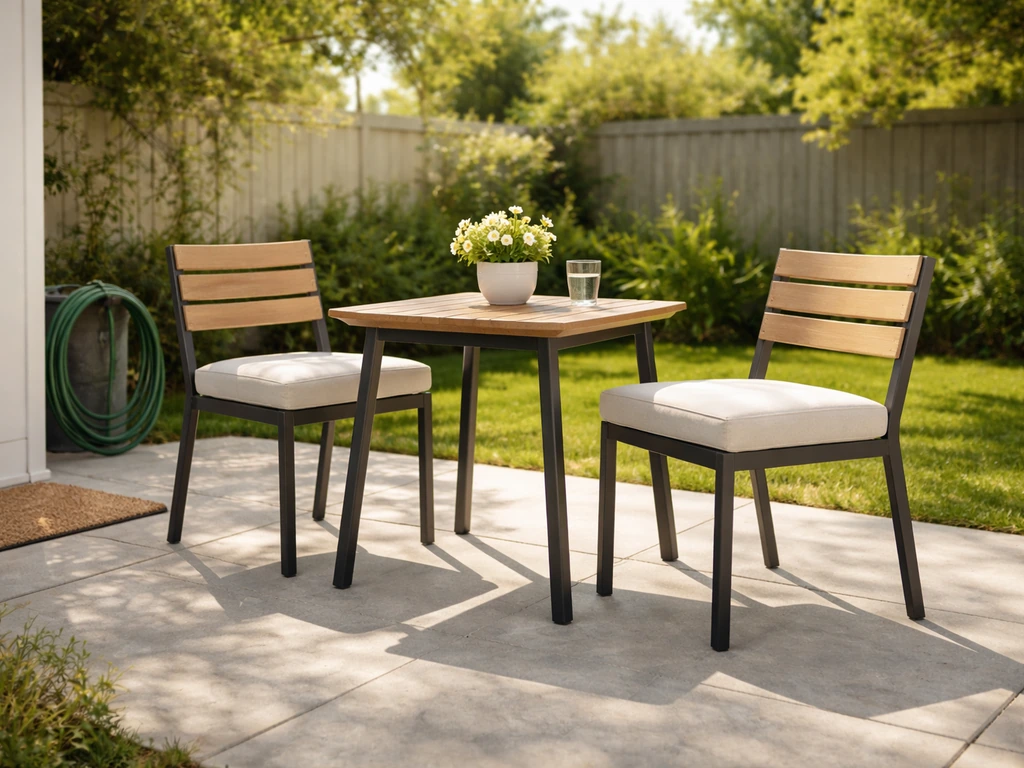
How to choose patio furniture for your space and lifestyle
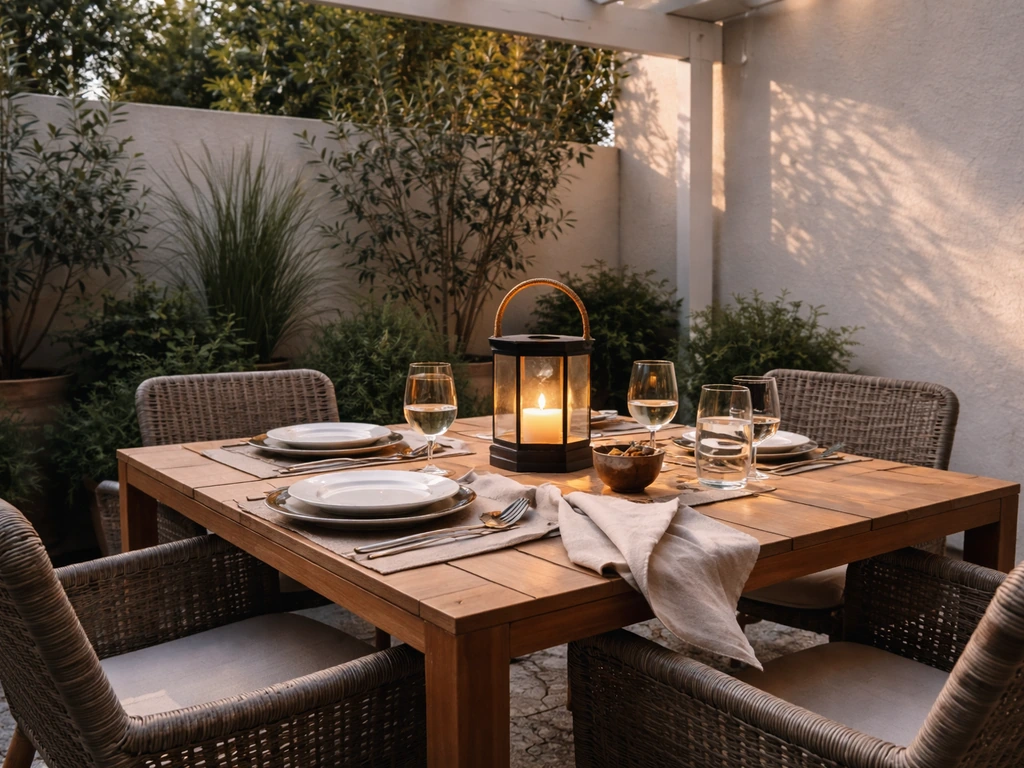
Before you look at a single product, get clear on how you use your outdoor space. A family that eats dinner outside three nights a week needs something completely different from someone who wants a reading nook or a setup for weekend entertaining. This sounds obvious, but it's the step most people skip, and it's why so many patios end up with the wrong furniture.
Start by categorizing your primary use. Dining setups need a table with enough surface area for place settings, chairs with a comfortable seat height around 17 to 19 inches, and enough clearance to pull chairs in and out. Lounging setups need deep-seating sofas and chairs with seat depths of 24 inches or more and thick cushions. Entertaining spaces often need a mix of both, plus side tables and occasional seating you can move around easily. Once you know your use case, you can filter by form before you even think about material or price.
Also be honest about how much you'll maintain the furniture. If the honest answer is "not much," that's fine, but it means you should lean toward aluminum or powder-coated steel rather than wood. If you enjoy caring for your outdoor space and want furniture that ages beautifully, teak or acacia can be deeply satisfying. Match the material to your real habits, not your aspirational ones.
- Dining use: prioritize table size, seat height, and chair stackability if storage is limited
- Lounging use: prioritize seat depth (24 inches or more), cushion thickness, and frame stability
- Entertaining use: look for modular sectionals, lightweight pieces you can rearrange, and side table options
- Year-round outdoor use: prioritize weather resistance and finishes that don't need seasonal retreatment
- Covered patio or pergola: opens up more material options since UV and rain exposure is reduced
Material guide: what each option is actually like to own
Every major patio furniture material has a climate and use case where it excels, and a situation where it's a bad match. Here's a straight breakdown of each one.
Teak
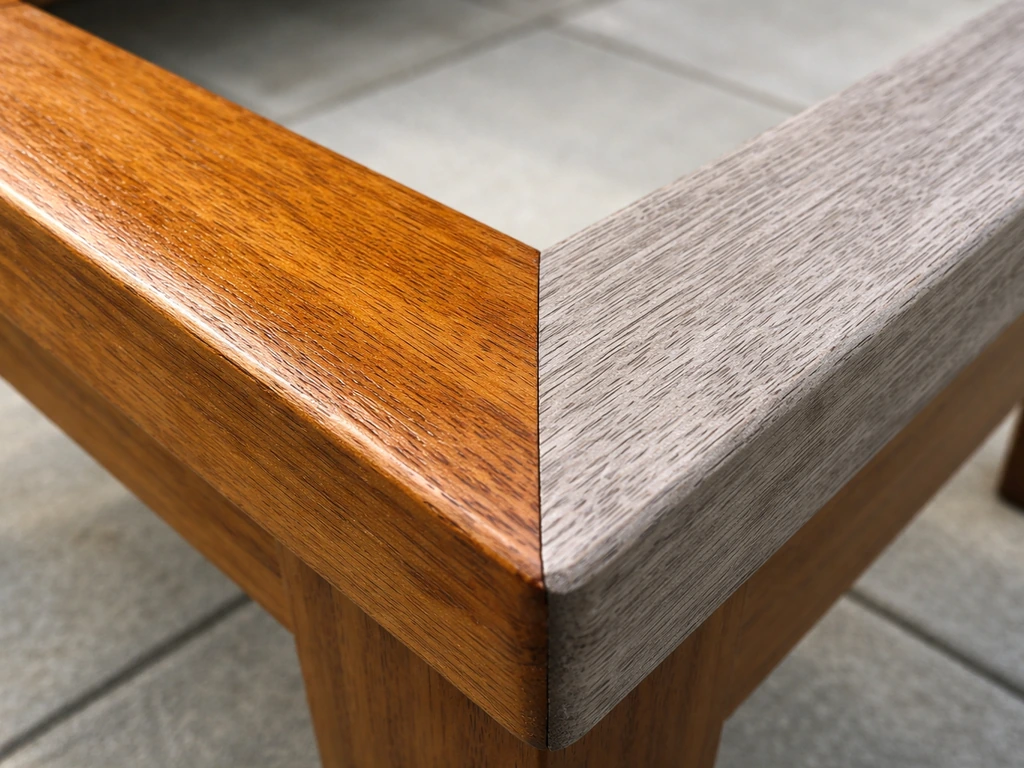
Teak is the gold standard for outdoor furniture longevity, and the price reflects it. Grade A teak, cut from the heartwood of the log, is dense, oily by nature, and genuinely resistant to water, insects, and rot. A quality Grade A teak set can last 20 to 30 years outdoors with basic care. Grade B and C teak (cut from outer sections of the log) has less natural oil and won't hold up nearly as well. Always ask specifically for Grade A, or look for that designation in the product listing.
Teak weathers to a silvery-gray over time if left untreated, which many people find beautiful. If you want to keep the warm golden-honey color, you'll need to apply teak oil or a teak sealer about once a year. The Home Depot's teak care manual recommends rinsing with clean water and drying immediately to prevent water marks, and Carl Hansen emphasizes that outdoor teak requires retreatment more frequently than covered pieces. If you don't want the maintenance, just let it go gray. It's still protected either way.
Best for: coastal climates, rainy regions, anyone who wants a long-term furniture investment. Teak handles humidity and salt air better than almost anything else.
Other woods (acacia, eucalyptus, shorea)
These are often marketed as teak alternatives, and at their best they're genuinely good. Acacia in particular is widely available and attractive, but it's more prone to warping if it dries out unevenly or isn't sealed properly. Garden Trading's acacia care guide specifically flags warping as a failure mode that comes from improper conditions and skipped maintenance. If you buy acacia, commit to keeping it sealed and don't leave it soaked and then bone dry repeatedly. Eucalyptus sits between acacia and teak in performance and price. It's a legitimate choice for a covered patio or mild climate, less so for harsh weather exposure.
Aluminum
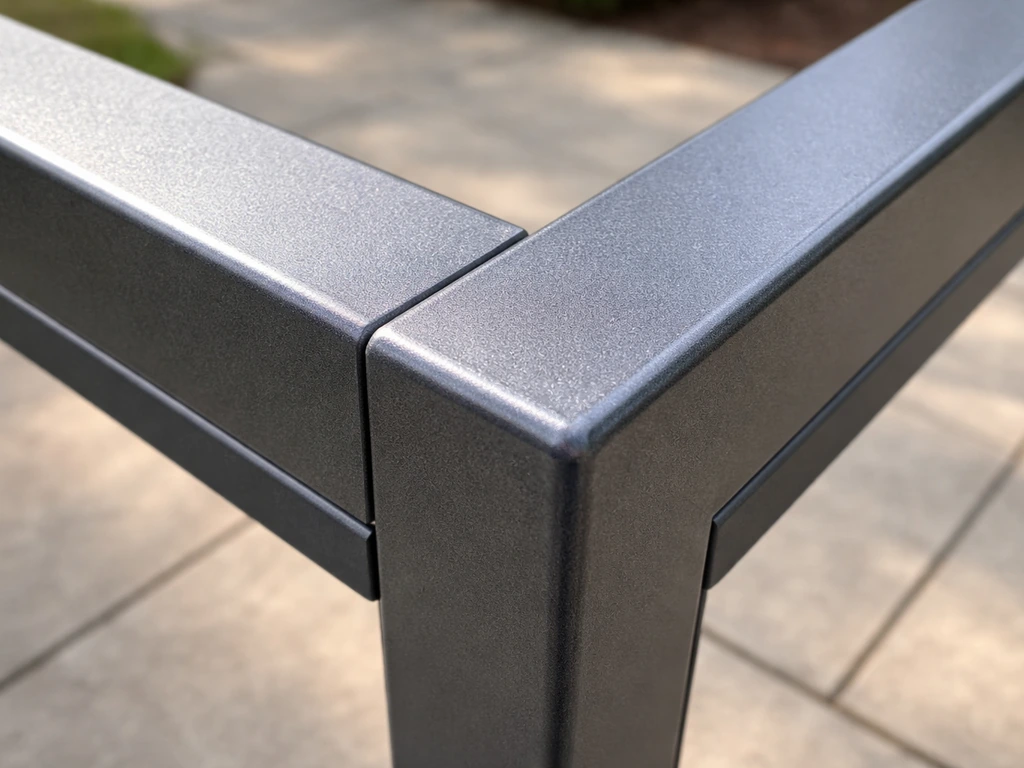
Cast aluminum and extruded aluminum are the most practical choice for most homeowners. It doesn't rust, it's lightweight (especially extruded), and a quality powder-coat finish resists chipping, fading, and UV damage for years. Cast aluminum is heavier and more ornate looking. Extruded aluminum is sleeker and easier to move. Neither will rust, which makes both excellent for humid, coastal, or rainy climates. The main watch-out is thin extruded aluminum, which can feel flimsy. Tap on the frame. Quality pieces sound solid, not hollow and thin.
Wicker and rattan
The word "wicker" describes a weaving technique, not a material. Natural rattan wicker is beautiful indoors but falls apart outdoors within a season or two if exposed to rain and sun. What you want for outdoor use is all-weather wicker, which is resin or HDPE (high-density polyethylene) woven over an aluminum or steel frame. The weave tightness matters a lot. Loose or uneven weave is a sign of lower quality, while tightly uniform weave over a rust-resistant frame is what holds up. A steel frame inside all-weather wicker is acceptable if the steel is galvanized or powder-coated. An aluminum frame is better because it eliminates any rust risk entirely.
Cast iron
Cast iron patio furniture is heavy, durable in terms of wind resistance, and classic-looking. The problem is rust. Cast iron will rust if the finish is compromised, and the finish will get compromised outdoors over time. It's a material that rewards diligent maintenance: touching up chips promptly, applying rust-inhibiting paint when needed, and covering or storing during wet seasons. If you're committed to that level of care, cast iron can last decades and looks genuinely beautiful. If you're not, aluminum gives you the same aesthetic options (especially in ornate designs) with much less maintenance.
| Material | Rust Risk | UV/Fade Resistance | Best Climate | Lifespan (with care) | Maintenance Level |
|---|---|---|---|---|---|
| Grade A Teak | None | Excellent | Coastal, humid, rainy | 20–30 years | Low to moderate |
| Acacia/Eucalyptus | None | Good | Mild, covered patios | 8–15 years | Moderate |
| Aluminum (cast or extruded) | None | Excellent (powder-coat) | All climates | 15–25 years | Low |
| All-weather wicker (HDPE/resin) | None (alum. frame) | Good to excellent | All climates | 10–20 years | Low to moderate |
| Cast Iron | High if finish damaged | Good (painted) | Dry, covered patios | 20+ years | High |
Cushions, covers, and upholstery: the weatherproofing layer
Frames get most of the attention, but cushions are often what fails first and what determines day-to-day comfort. Getting this right matters almost as much as picking the right frame material.
Choosing the right fabric
Sunbrella is the benchmark for outdoor cushion fabric and for good reason. It's made from 100% solution-dyed acrylic yarn, meaning the color is locked into the fiber itself rather than dyed on the surface. That's why it resists fading so effectively even in direct sun. It also resists mold and mildew growth, though Sunbrella's own care guidance notes that dirt buildup can still lead to mildew on the surface, so regular cleaning matters. For care, hand washing is recommended over machine washing in most cases to protect the fabric's coating and structure. Other solution-dyed acrylic fabrics from reputable makers perform similarly. What to avoid is polyester fabric marketed with vague terms like "weather resistant" without specifying solution-dyed construction.
Quick-dry foam: the inside matters too
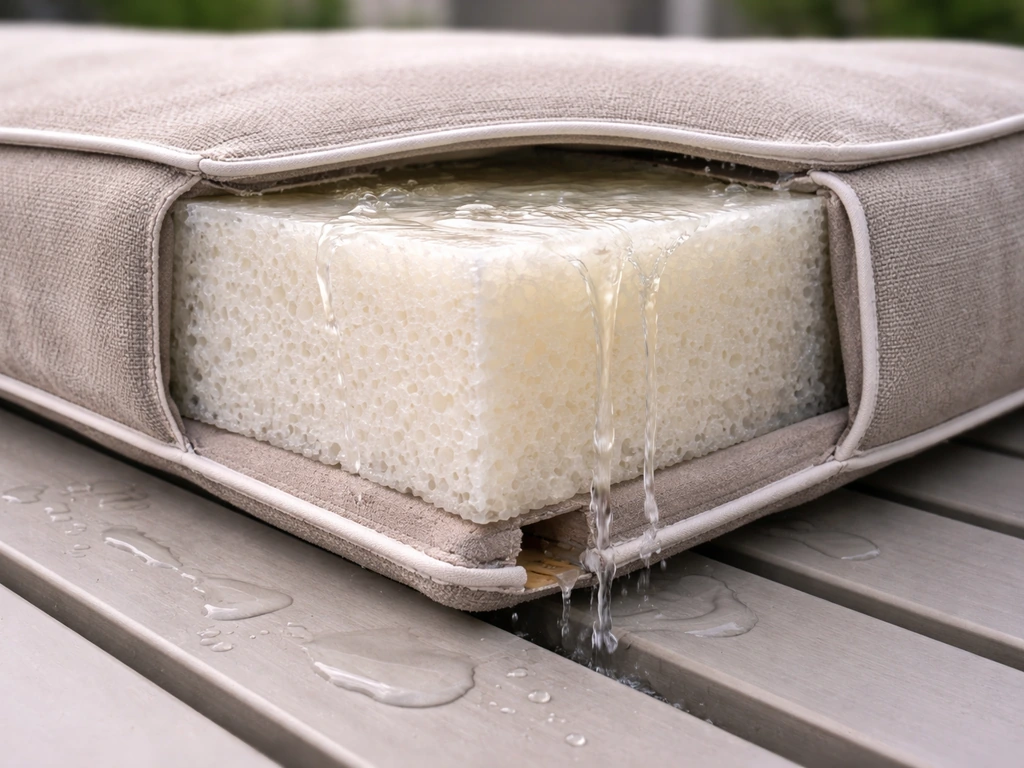
The foam inside an outdoor cushion is just as important as the cover. Standard indoor foam acts like a sponge, absorbing water and holding it for days, which is a perfect recipe for mold and mildew. Outdoor cushions should use reticulated (open-cell) foam, which has an open structure that lets water drain through and dry out in minutes rather than days. Products like Future Foam's Hyper-Dri use this open-cell structure specifically to promote quick drying and reduce mold risk. When evaluating cushion quality, ask whether the fill is reticulated open-cell foam. If a seller can't answer that question, that's a red flag.
Protective covers: breathable is non-negotiable
A cover that traps moisture under it is worse than no cover at all. Gloster's cover guidance emphasizes that even breathable covers can allow small amounts of moisture in, so furniture should be completely dry before covering, especially going into winter storage. Restoration Hardware's cover care guidance makes a similar point, recommending breathable, stain-resistant protection when furniture stays outside. The takeaway: buy a cover specifically designed for outdoor furniture with breathable construction, make sure it fits your piece (a floppy ill-fitting cover pools water), and always let your furniture dry before putting the cover on.
Durability, maintenance, and keeping it going for years
The single biggest factor in how long patio furniture lasts is how consistently it's maintained. Even excellent materials fail early with neglect, and mid-range materials can outlast expensive ones when cared for properly.
Routine cleaning
For most frames, mild soap and water applied with a soft cloth or soft-bristle brush does the job. Gloster's fabric care guidance recommends this same approach for outdoor fabrics: soft cloth or sponge, rinse thoroughly, and air dry. Avoid pressure washing at close range, especially on wicker or wood, since it can damage finishes, loosen weaves, or force water into joints. For teak, rinse with clean water and dry promptly to prevent water marks. For aluminum, check the powder coat for chips or scratches annually and touch up any bare metal spots before they oxidize.
Protecting finishes and preventing rust
Cast iron needs the most attention here. Any chip in the paint is an entry point for rust. Touch up chips with a rust-inhibiting primer and matching paint as soon as you spot them. For teak, reapply teak oil or sealer once a year if you want to maintain the golden color. Carl Hansen's maintenance guidance notes that outdoor furniture needs more frequent retreatment than pieces kept in covered or indoor locations. For aluminum and HDPE wicker, the finish is lower maintenance but still worth an annual inspection.
Repairs worth doing vs. knowing when to replace
Loose joints on wood furniture can usually be reglued with a waterproof outdoor-rated adhesive. Fraying or cracked wicker strands on all-weather wicker can be replaced if you can source matching material. Cushion covers with broken zippers or faded fabric can often be replaced independently of the cushion fill, which saves money. Cast iron with surface rust can be sanded back, primed, and repainted. What's harder to fix is structural frame damage, broken welds on aluminum, or deeply warped wood boards. Those are usually signals that it's time to replace rather than repair.
Sizing, layout, and ergonomics: making it actually fit
Furniture that's the wrong size for the space is one of the most common and most preventable mistakes. Measure your patio before you shop, and work backward from those dimensions.
For dining setups, allow about 24 inches of table width per person at a minimum (Restoration Hardware's seating guide uses this as a baseline). Round dining tables in the 60 to 72 inch range seat 6 comfortably. Rectangular tables in the 84 to 96 inch range seat 6 to 8. Beyond table size, you need at least 36 inches of clearance between the table edge and any wall, fence, or railing so chairs can pull out and people can walk behind seated guests. 48 inches of clearance is more comfortable.
For lounge or conversation seating, leave a 12 to 18 inch gap between a sofa and coffee table so there's legroom but the table is still reachable. Make sure sectionals leave a walkway of at least 30 inches on at least one side. And check seat height: a lounge chair with a seat height below 14 inches can be genuinely difficult to get out of for some people, especially on cushioned frames where you sink in further.
- Measure your usable patio space and mark it on paper before you look at products
- Allow 36 to 48 inches clearance around dining tables for chair movement
- Budget 24 inches of table width per person for comfortable dining
- For lounge areas, leave 12 to 18 inches between seating and coffee tables
- Check seat height, especially for deep-seat lounge frames (17 to 19 inches is comfortable for most adults)
- Leave at least 30 inches of walkway on one side of any sectional
Budgeting and value: what different price points actually get you
Patio furniture pricing is all over the map, and price doesn't always correlate cleanly with quality. The more useful framework is cost-per-year. A $400 set that lasts 3 years costs you $133 per year. A $1,200 set that lasts 15 years costs $80 per year. That math changes how you look at the sticker price.
| Price Tier (dining set) | What You Typically Get | Expected Lifespan | Approx. Cost Per Year |
|---|---|---|---|
| Under $400 | Thin extruded aluminum or steel, basic polyester cushions, minimal warranty | 2–4 years | $100–$200/yr |
| $400–$900 | Better powder-coat finish, some solution-dyed fabric options, lightweight aluminum or composite frames | 5–8 years | $60–$120/yr |
| $900–$2,000 | Solid cast aluminum, quality HDPE wicker, Sunbrella or equivalent cushions, 3–5 year warranty | 10–15 years | $70–$130/yr |
| $2,000–$5,000 | Grade A teak, heavy cast aluminum, premium brand construction, extended warranties | 15–25 years | $80–$200/yr |
| $5,000+ | Luxury/commercial-grade materials, full customization, designer brands, replacement part programs | 20–30+ years | $150–$250/yr |
The sweet spot for most homeowners is the $900 to $2,000 range. That's where you start getting genuinely weather-resistant materials, Sunbrella or equivalent fabrics, and warranties that signal the manufacturer stands behind the product. Below $400, you're almost always in disposable-furniture territory. If budget is tight, it's often better to look at good used patio furniture from reputable brands than to buy cheap new furniture. A used Gloster or Kingsley-Bate teak set with some surface weathering will outlast a brand-new budget set many times over.
It's also worth knowing that affordable quality patio furniture and cheap quality patio furniture are two genuinely different categories. Affordable quality usually means thoughtful material choices at a fair price. To get resort quality patio furniture results, focus on how the frame materials, cushions, and covers work together for your local weather Affordable quality. Cheap often means cutting corners on frame thickness, hardware, or fabric construction in ways that become apparent after one or two seasons. To get cheap quality patio furniture that lasts, look closely at frame thickness, hardware materials, and how the fabric construction holds up after a full season.
How to evaluate brands and avoid common buying mistakes
The single most reliable quality signal for outdoor furniture is the hardware. Look at the bolts, screws, and brackets. Stainless steel or marine-grade hardware is what you want. Zinc-plated or basic steel hardware on outdoor furniture will rust, and rust always spreads. If a product listing doesn't mention hardware material, that's usually because it's not worth mentioning.
A practical inspection checklist
- Frame thickness: for aluminum, thicker walls mean more rigidity; lift the piece and see if it flexes when you push on the back
- Welds: look for smooth, consistent welds without visible gaps or rough spots
- Powder coat: should feel thick and even with no thin spots at corners or edges
- Wicker weave (if applicable): uniform tightness across the whole piece with no loose or uneven sections
- Hardware: confirm stainless steel or galvanized; reject any piece with obvious zinc-plated or basic steel bolts
- Cushion fill: ask for reticulated/quick-dry open-cell foam, not standard polyurethane foam
- Fabric: look for solution-dyed acrylic (Sunbrella or equivalent), not polyester marketed as water-resistant
- Warranty: 3 years or more on the frame is a meaningful signal; 1 year or less suggests low confidence from the manufacturer
- Weight: too light usually means too thin; a quality cast aluminum chair should feel solid, not like a hollow shell
Common buying mistakes to avoid
Buying based on photo alone is the most common mistake. Patio furniture is one category where photos consistently flatter pieces that feel flimsy in person. If possible, see it in person before buying, or at minimum read verified buyer reviews specifically mentioning frame quality and durability after a full outdoor season.
Confusing all-weather wicker with natural rattan is another expensive mistake. Natural rattan looks similar in photos but will deteriorate in outdoor conditions within a single season. Always confirm the material is resin or HDPE wicker before purchasing. Similarly, don't assume "teak" means Grade A. Ask specifically, or look for that designation in writing in the product description.
Finally, don't overlook the cushion and cover budget when planning your purchase. A $1,500 furniture set with $50 cushions and no cover isn't a $1,500 investment, it's a set that will underperform and look worn within a few seasons. Plan to spend 15 to 25 percent of your frame budget on quality cushions and a fitted cover. It makes a real difference in both comfort and longevity.
If you're furnishing a space that needs to hold up to higher traffic, it's also worth comparing what restaurant quality patio furniture and commercial quality patio furniture standards look like, since those categories are engineered for heavier use and can translate well to active family outdoor spaces.
FAQ
How can I tell if patio furniture will work for my exact weather, not just the general material description?
Check whether the piece is built for your exposure pattern, not your climate label. For coastal areas, prioritize rust-free frames (powder-coated aluminum or galvanized/HDPE wicker) and stainless or marine-grade hardware. For heavy rain regions, look for quick-draining cushion designs (open-cell foam) and confirm covers are breathable and fitted, not loose.
Is teak always safe to leave outdoors without doing anything to it?
Yes, it can be left alone, but your expectations should be set. Untreated teak will weather to gray and still resist moisture and rot better than many woods, yet it will develop surface discoloration faster if it stays wet for long stretches. If you want the honey tone, plan on annual retreatment and drying promptly after rain.
What’s the simplest way to test cushion quality when I can’t find technical specs?
Press the cushion and check for resilience, then inspect the underside for signs of construction meant for outdoors (seams that look designed to shed water, no thin, indoor-only filling). If the seller cannot confirm reticulated open-cell foam, treat it as a higher mold risk because standard foam holds water for days.
Can I use an outdoor furniture cover, even if the set already has water-resistant cushions?
You can, but the timing matters. Covers should only go on when the furniture is fully dry, otherwise trapped moisture can accelerate mildew on fabric and promote odor. Also confirm the cover is sized correctly, since an ill-fitting cover can pool water and soak edges.
What should I do before storing patio furniture for winter to prevent damage?
Clean off dirt and allow items to dry completely, then inspect for chips and tears. For metal frames, touch up any bare spots before storage to prevent oxidation. For teak, decide whether you will oil now or let it weather, but in either case, ensure it is dry before covering to reduce water-mark staining.
Is it better to buy matching furniture sets or mix pieces when shopping for home good patio furniture?
Mixing can be better when it lets you tailor comfort and maintenance to how you use the space. A common upgrade path is pairing a sturdy, rust-free frame with higher-quality Sunbrella-style cushions, then adding smaller side tables or modular seating that can be moved away from harsh weather pockets.
How do I verify frame sturdiness without special tools while shopping in person?
Do a “tap and wiggle” check. Quality aluminum frames should feel solid, not hollow, and joints should be tight without noticeable flex. For cast or woven pieces, look for consistent weave tension, straight alignment, and hardware that appears substantial (not tiny, flimsy fasteners).
What are the most common signs I’m looking at low-quality all-weather wicker?
Watch for a loose or uneven weave and confirm it is resin or HDPE rather than natural rattan. Also check the frame material inside: an all-weather wicker product should have a rust-resistant frame such as powder-coated or aluminum, and the weave should look uniform and tightly constructed across seating and arms.
How should I clean patio furniture without accidentally shortening its lifespan?
Use mild soap and water with a soft cloth or soft brush, then rinse thoroughly and air dry. Avoid pressure washing close range because it can force water into joints, loosen finishes, or damage wicker and wood. For teak, rinse and dry promptly to reduce water marks and plan any oiling around your maintenance goals.
Are there hardware checks I can do on the spot that actually predict long-term durability?
Yes. Look for stainless steel or marine-grade hardware, and avoid products that rely on generic zinc-plated or unspecified steel fasteners. If the listing does not mention hardware material, assume it may not be premium and confirm via the manufacturer details or packaging before buying.
How do I estimate how long a patio furniture purchase will last for cost-per-year comparisons?
Choose a realistic lifespan for your conditions, then compare. If you live in a high-wet or high-sun area, reduce expected life for low-maintenance materials and be conservative on cushions and covers, since they fail first. Then compute cost-per-year using your realistic replacement plan rather than the best-case marketing claims.
Can cushions and covers be replaced separately to save money?
Often yes. Many brands sell replacement cushion covers and some sell new cushion covers without requiring a full frame replacement. Focus on matching fabric and dimensions, and replace zippers or covers early if the fabric is fading or the closure fails, since water intrusion usually leads to quicker cushion degradation.
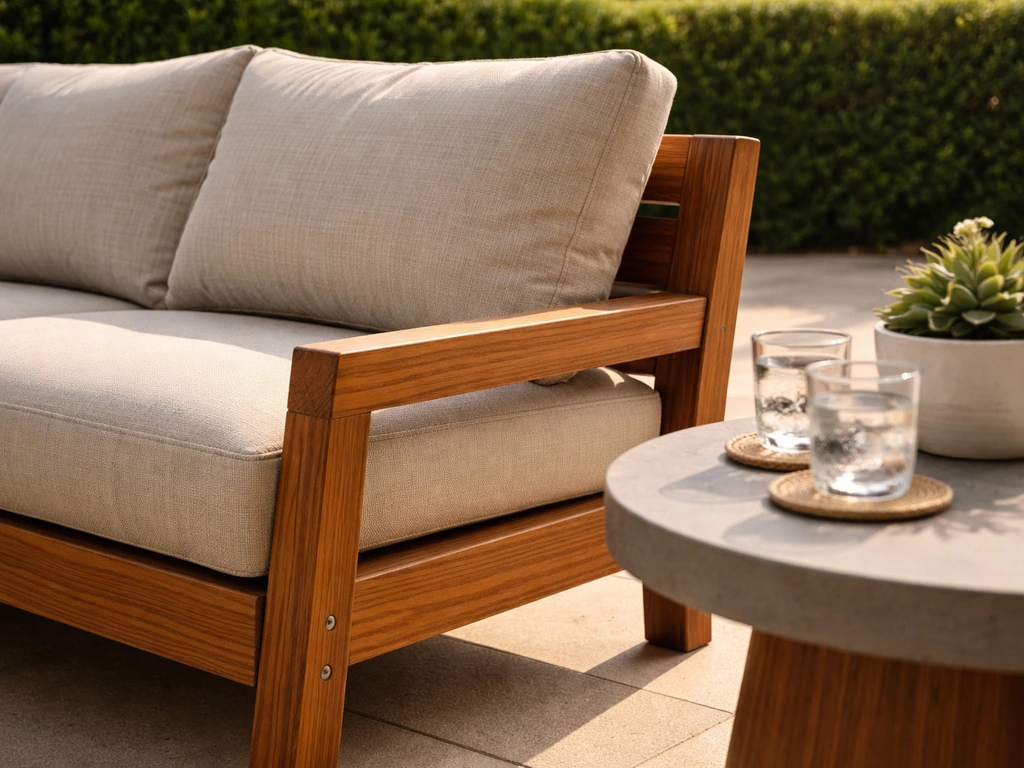
Buyer guide for high quality patio furniture: choose by material and climate with a checklist for durability, comfort, a
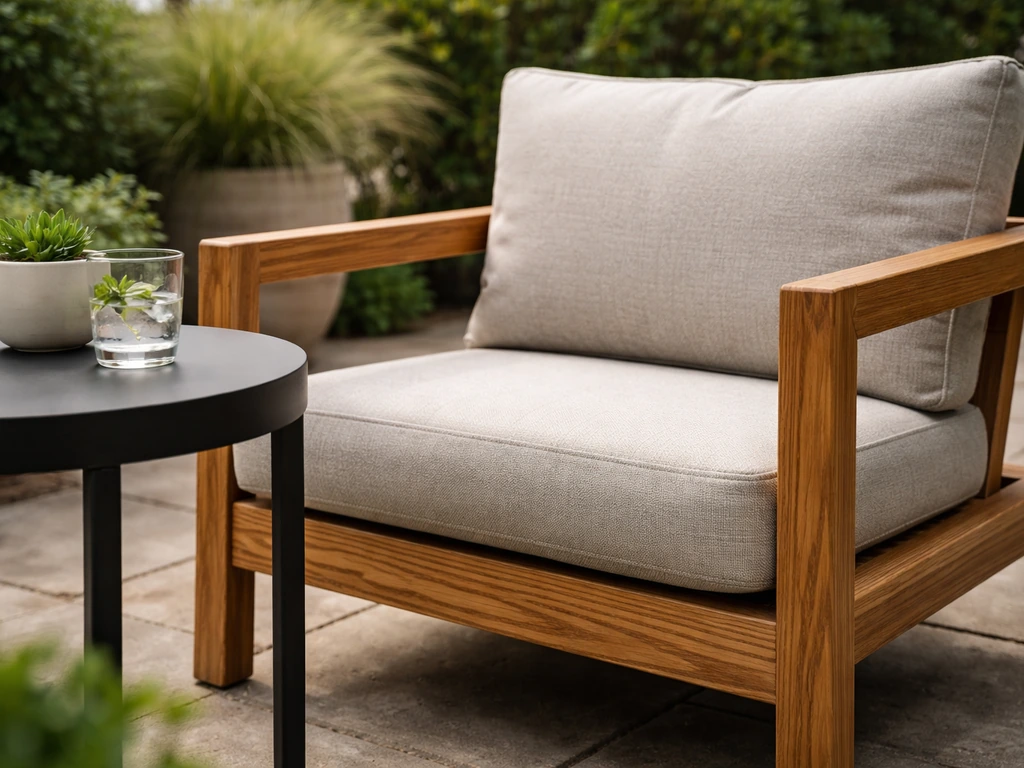
Learn how to choose high-quality outdoor patio furniture by material, cushions, coatings, climate fit, and long-term val
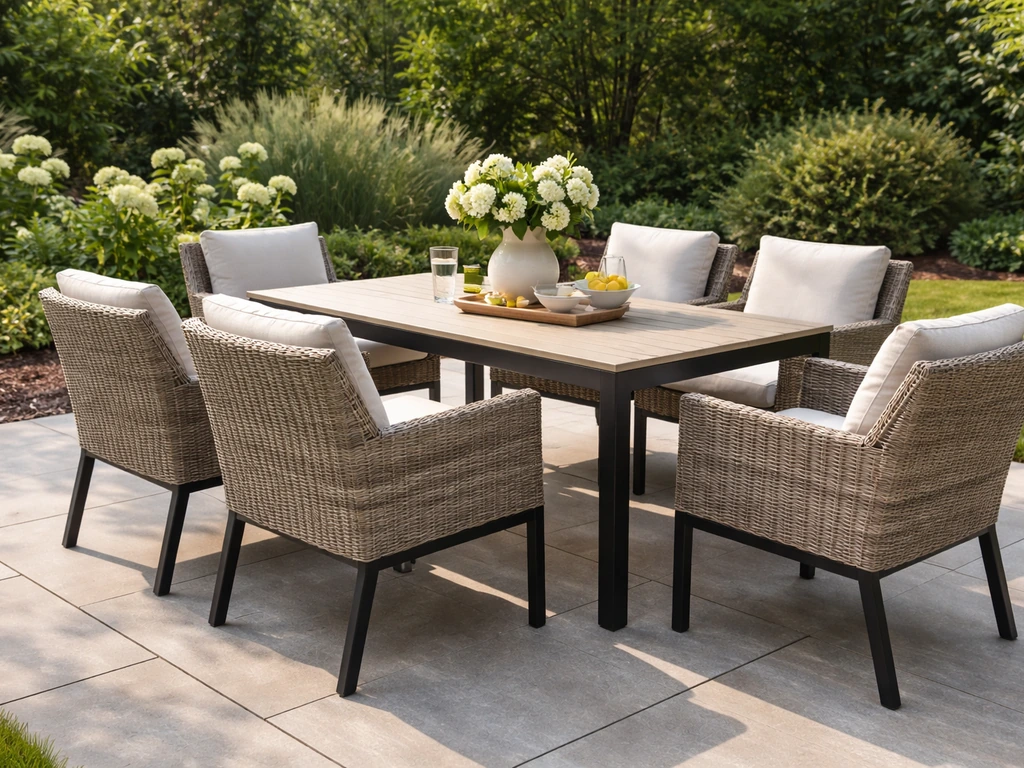
Buy top-rated patio furniture fast with material fit, durability checks, measurements, maintenance tips, and repair vs r