
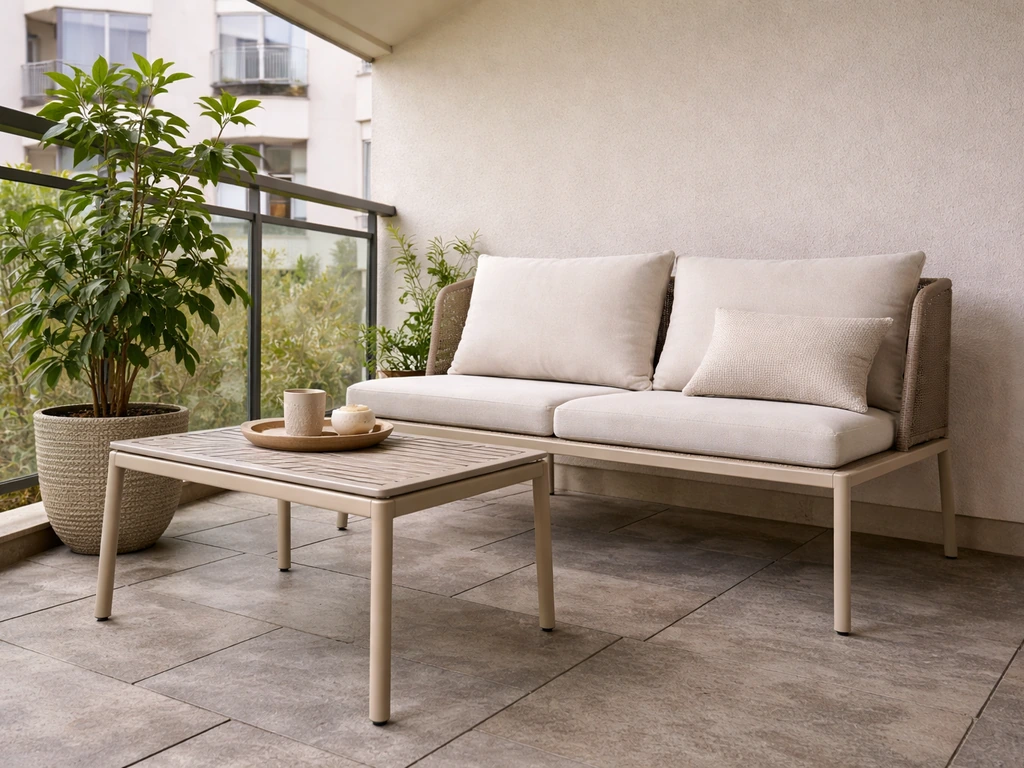
IKEA patio furniture is genuinely good for what it is: affordable, functional outdoor furniture that works well for renters, apartment balconies, seasonal use, and anyone who needs something decent without spending serious money. If you are wondering whether it is a good choice in your space, the material and maintenance details matter as much as the price IKEA patio furniture. It is not, however, built to compete with premium aluminum, solid teak, or cast-iron furniture on longevity. If you go in with the right expectations, use the right pieces for your climate, and take basic care of them, you can get several solid years of use. Go in expecting heirloom-grade durability or skip the maintenance steps, and you will be disappointed.
Is IKEA Patio Furniture Any Good? Honest Quality Check

Marcus Kellerman
6 Jul 2026
What 'any good' actually means for patio furniture
Before deciding whether IKEA outdoor furniture is 'good,' you need a clear benchmark. For patio furniture, quality breaks down into four practical factors: how the frame holds up to weather, how long the finish lasts without chipping or rusting, how the textiles and cushions perform over multiple seasons, and whether replacement parts or warranty support exist when something fails. Budget furniture like IKEA's can score reasonably well on some of these and poorly on others, so the answer is never a simple yes or no.
The other piece of context is value, meaning cost-per-year of usable life rather than sticker price. A $150 IKEA chair that lasts four seasons with moderate care costs roughly $37 per year. A $600 powder-coated aluminum chair from a specialty brand that lasts 15 years costs $40 per year. That math is closer than most people expect, which is why IKEA's value case is real, as long as you are not buying materials or configurations that fail early in your specific climate.
Material-by-material assessment
Aluminum
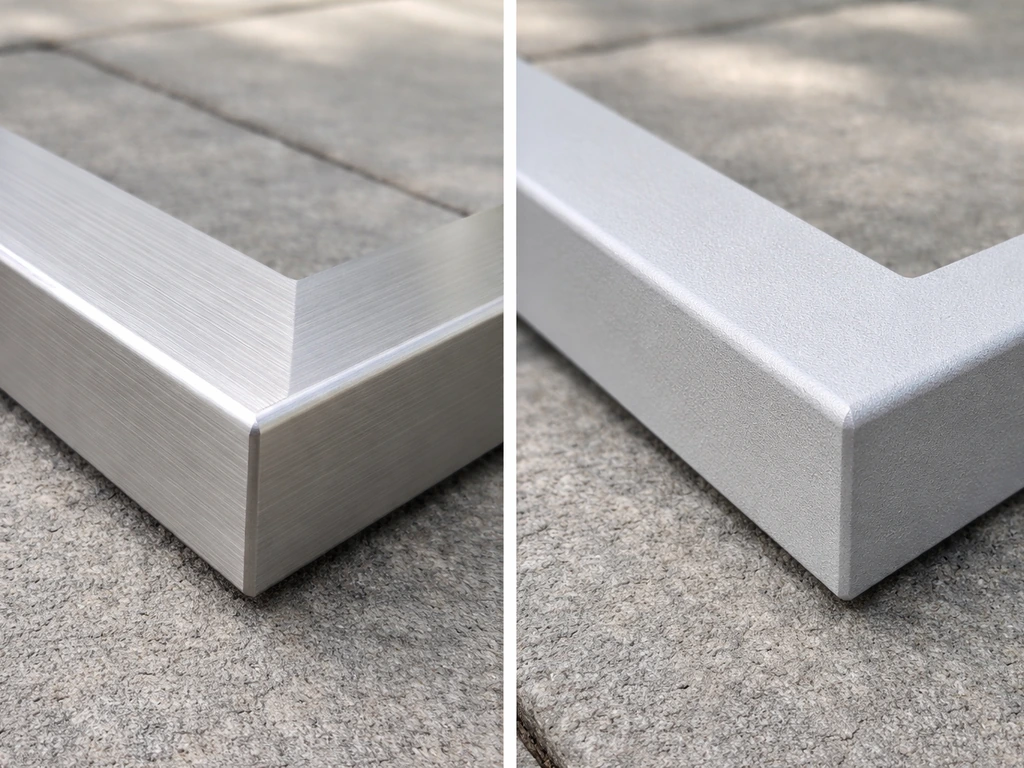
Aluminum is the strongest material in IKEA's outdoor lineup. It is rustproof by nature, lightweight, and needs almost no maintenance beyond an occasional wipe-down with a mild soapy solution. IKEA's own outdoor living guide confirms aluminum is rustproof and that their metal pieces use powder-coated finishes for added protection. For most climates, aluminum IKEA pieces are a legitimate long-term buy.
Steel
Steel is where things get more nuanced. IKEA uses both galvanized steel and powder-coated steel across their outdoor range. The HAVSTEN armchair, for example, uses a galvanized steel tube frame with a polyester powder coating on top, and the insert nuts are also galvanized. The SEGERÖN series uses a powder-coated steel frame. On paper, that protection stack (galvanization plus powder coat) is solid. In practice, the powder coat is the weak point: once it chips, typically from impacts or improper cleaning, moisture gets to the metal underneath. At least one verified customer review on IKEA's own HAVSTEN product page reports rust appearing within 10 months, which suggests the coating integrity matters a lot and that real-world durability can fall short of spec when hardware or finish flaws occur. On IKEA's HAVSTEN product page, a verified customer review snippet reports that the item was already rusted after only 10 months, and that IKEA did not accept the quality issue rust appearing within 10 months. Steel IKEA furniture can perform well in mild climates with careful use, but it carries more corrosion risk than aluminum, especially in humid or coastal settings.
Wood
IKEA's wood outdoor furniture is typically made from acacia, eucalyptus, or FSC-certified pine, depending on the collection. These are not premium teak or ipe, but acacia and eucalyptus have respectable natural oil content and handle moderate weather reasonably well if oiled annually. The trade-off versus true teak is meaningful: teak's natural oils make it nearly maintenance-free outdoors, while IKEA's wood pieces need periodic oiling and more careful seasonal storage to prevent checking and graying. If you are comparing IKEA wood to dedicated teak or high-grade rattan options from specialty brands, the gap in longevity is real.
Wicker and resin/plastic components
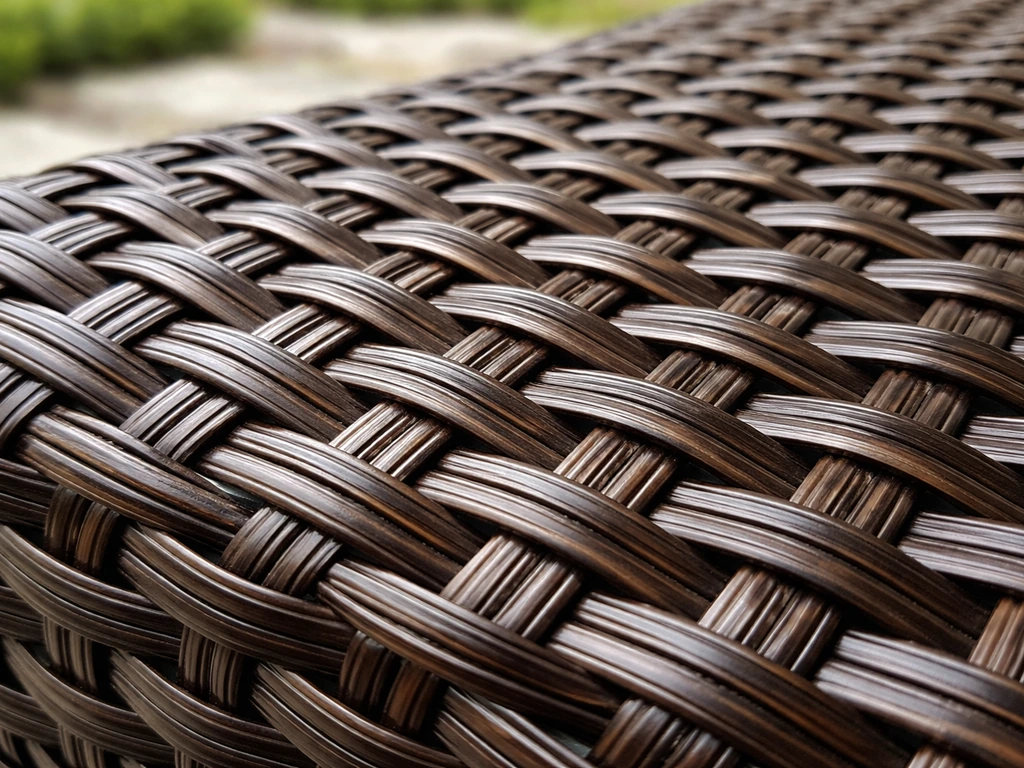
IKEA uses synthetic 'plastic rattan' (resin wicker) rather than natural wicker on their outdoor weave pieces. That is actually a plus: Consumer Reports specifically notes that natural fiber wicker is not meant for outdoor use, so synthetic is the right call. IKEA's plastic rattan holds up reasonably well in moderate sun and rain. The documented risk is freezing temperatures: IKEA's own maintenance guide explicitly warns that plastic and plastic rattan can crack in freezing conditions and recommends storing these pieces in a cool, dry place at season's end. If you live somewhere that gets hard freezes, leaving woven plastic furniture outside through winter is a genuine failure risk.
Cushions and textiles
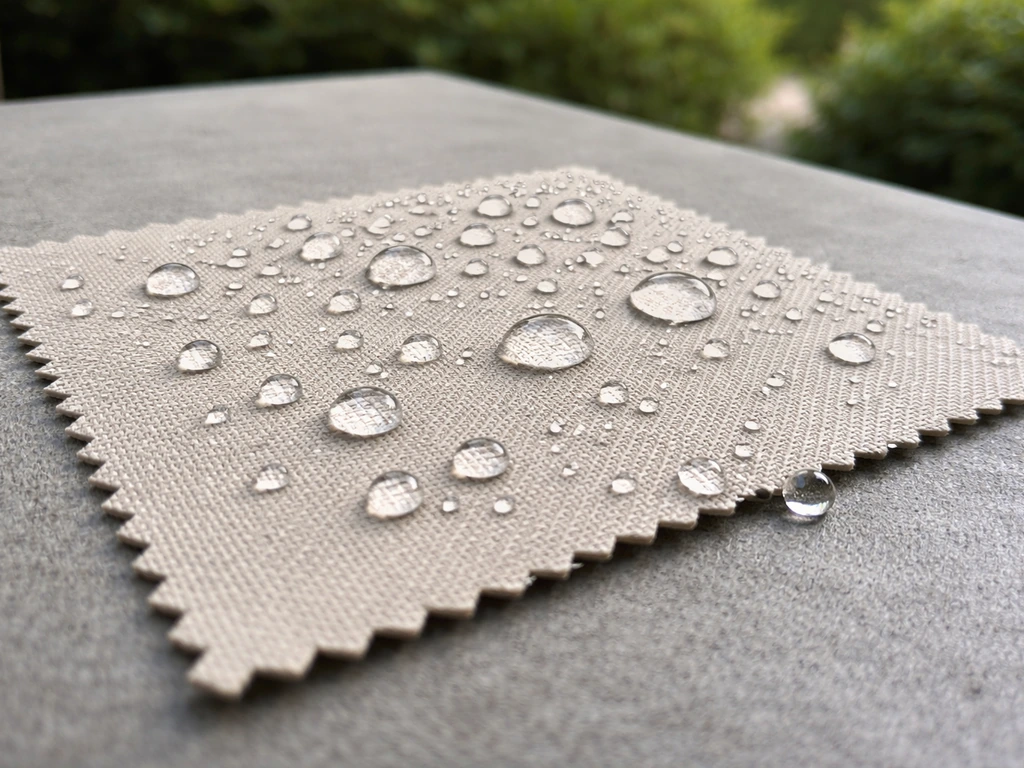
IKEA outdoor cushions use 100% polyester covers (some with recycled content), and many are described as water-repellent, meaning light rain beads off rather than soaking in. That is standard for this price tier. The limitations are UV fade over time and stitching degradation if cushions are left out through harsh weather without any protection. Multiple real-world reports from owners note that stitching can disintegrate when cushions are exposed to repeated freeze-thaw cycles or left outside through winter without covers. IKEA's FRÖSÖN replacement covers are sold separately, which is a genuine plus: you can extend cushion life by swapping covers without replacing the entire cushion. The TOSTERÖ storage box and furniture covers are purpose-built for end-of-season cushion storage and work well as part of a lifespan strategy.
How IKEA outdoor furniture handles different climates
| Climate condition | Best IKEA material choice | Risk level | Key precaution |
|---|---|---|---|
| Heavy rain / high humidity | Aluminum or galvanized steel | Medium (steel) / Low (aluminum) | Dry before storing; check powder coat for chips |
| Intense UV / hot sun | Aluminum frames + covered cushions | Medium (cushion fade) | Store or cover cushions when not in use |
| Freeze-thaw cycles | Aluminum or steel only | High for plastic/wicker | Store plastic rattan indoors before first freeze |
| Coastal / salt air | Aluminum only | High for steel | Avoid steel; rinse aluminum regularly |
| Mild temperate (UK, Pacific NW) | Any material | Low | End-of-season cover is enough |
Coastal environments deserve special attention. Salt air accelerates corrosion dramatically, and even well-coated steel can start to show rust at welded joints within a couple of seasons near the ocean. For coastal buyers, aluminum is the only IKEA metal frame worth considering. If you want to know whether IKEA is the right choice for your outdoor setup in bright sun, check how the materials and finishes hold up over the seasons is outsunny patio furniture good. Brands that specialize in marine-grade aluminum or stainless hardware will outperform IKEA in true coastal conditions, but for a covered porch a few blocks from the water, IKEA aluminum can work fine with regular rinsing.
Build quality: frames, fasteners, finishes, and corrosion risks
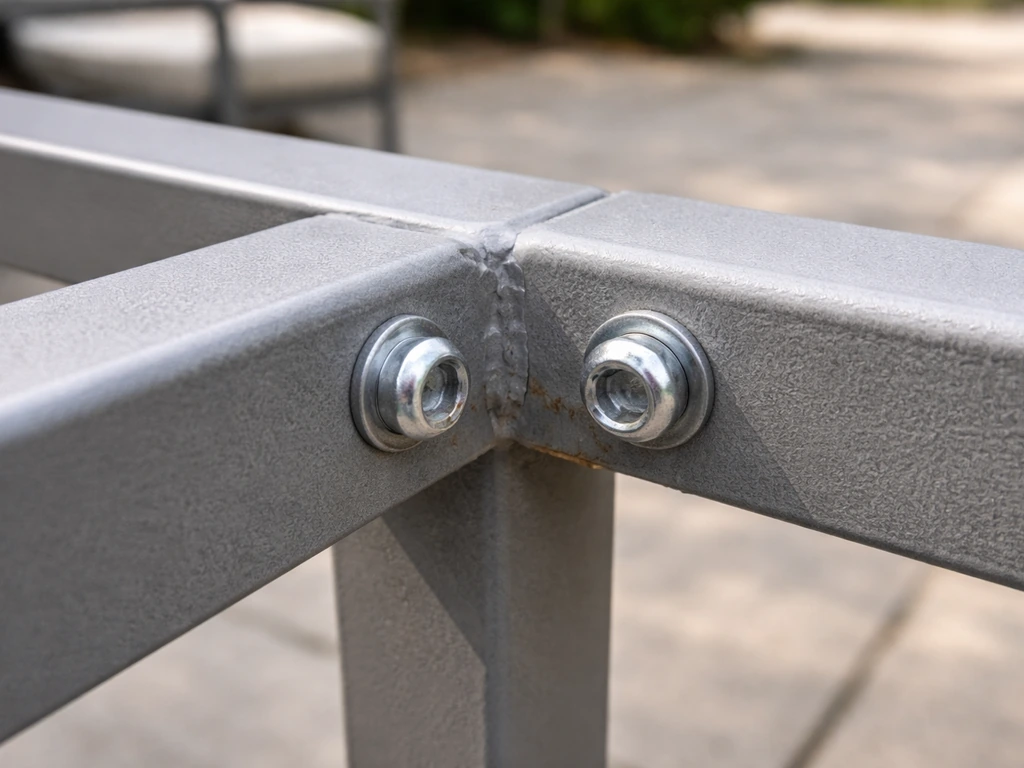
IKEA outdoor furniture uses a combination of construction approaches depending on the collection. The better pieces, like HAVSTEN and SEGERÖN, use galvanized steel frames with powder-coat finishes and galvanized hardware throughout. That is a legitimate corrosion-resistance stack: galvanization provides a sacrificial zinc layer, and the powder coat seals the exterior. Consumer Reports recommends smooth welds, rustproof hardware, and powder-coated finishes as the markers of durable patio furniture, and IKEA's spec sheets check those boxes on paper.
The gap between spec and reality shows up in two areas. First, coating thickness and consistency at welds and corners is harder to control at IKEA's price point than at premium brands. Second, the fasteners and connection points are where early rust reports tend to originate. The 10-month rust complaint on the HAVSTEN is a known data point. It does not mean every unit fails that fast, but it does mean quality control variance is real at this price tier. When you are shopping in-store, inspect welds and joints closely for rough edges, incomplete coating coverage, or visible bare metal. Those are the spots that rust first.
Weight capacity is specified on IKEA product pages, which is useful: the SEGERÖN armchair, for example, is tested to 243 lbs. Check this figure for any piece you are buying, especially for heavier users or frequent entertaining. Cheaper outdoor furniture from any brand can fail at joints under sustained loads.
Who IKEA patio furniture is right for, and who should look elsewhere
IKEA makes sense for:
- Renters or apartment dwellers who want functional outdoor seating without investing heavily in a space they may leave
- Buyers outfitting a covered porch, balcony, or screened patio where direct weather exposure is limited
- People in mild, temperate climates with limited freeze-thaw cycles and low humidity
- Shoppers who need a full outdoor setup on a tight budget and are willing to do seasonal maintenance
- Anyone furnishing a secondary space (vacation home, guest area) where occasional-use durability is enough
- Buyers who want modular flexibility: IKEA's sectional systems let you reconfigure or add pieces over time
IKEA is probably the wrong choice if:
- You live in a coastal or salt-air environment and want steel-frame pieces
- Your patio furniture will be left out year-round with no covers, storage, or seasonal care
- You are in a harsh freeze-thaw climate and considering wicker or plastic-woven pieces
- You want furniture you can genuinely pass down or expect to last 15 or more years
- You host heavily and need high-traffic durability that holds up to daily, all-day use
- You are comparing against premium teak, cast aluminum, or wrought iron options and prioritizing longevity over upfront cost
For comparison, brands like Agio or premium outdoor lines built around fully welded cast aluminum or solid teak target the buyer who wants to set it and forget it for a decade. IKEA is not competing with those brands on durability. It is competing on accessibility, style, and initial price. Similarly, if you have been looking at other value-tier outdoor brands like Ovios or Outsunny, IKEA sits in roughly the same conversation: decent functional quality with similar material trade-offs, where the specifics of each collection matter more than the brand name alone.
What to buy, what to skip, and how to check before you commit
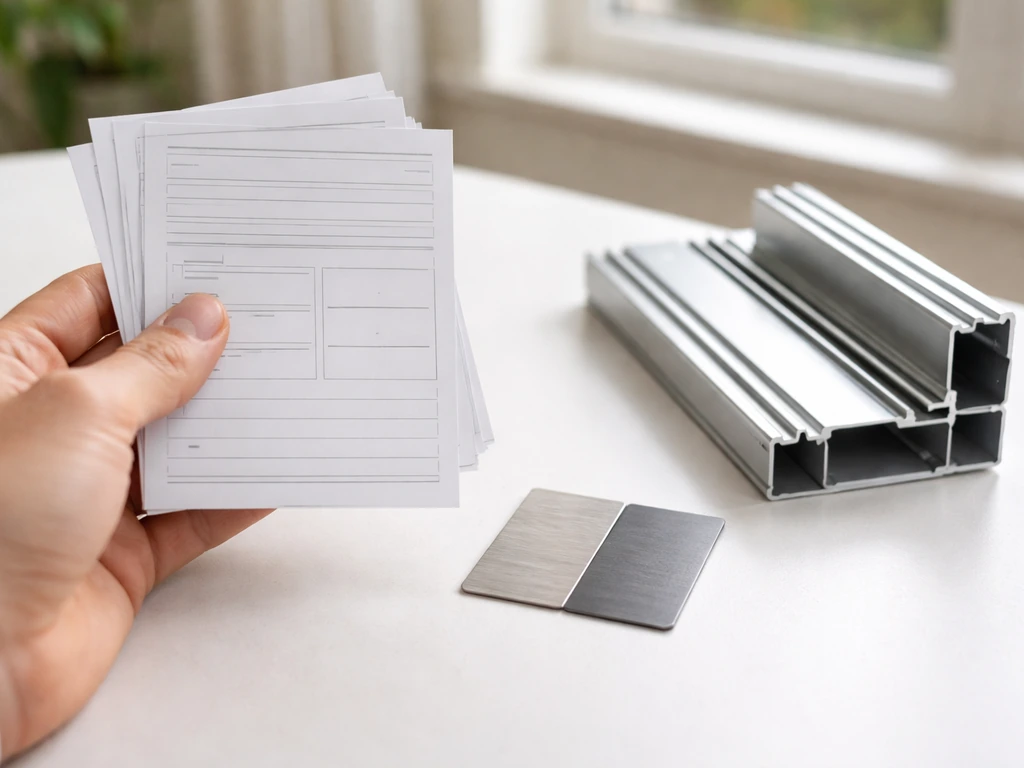
Product and spec checks worth doing
- Confirm the frame material on the product page: aluminum is always preferable to steel for weather resistance. If it is steel, confirm both galvanization and powder-coat are listed.
- Check whether the hardware (nuts, bolts, connectors) is also galvanized or stainless, not just the frame tube.
- Look at the weight limit for seating pieces: it is listed on IKEA product pages and tells you something about the structural spec.
- Read the actual customer reviews on IKEA's site for the specific model. Rust complaints within the first one to two seasons are a red flag for that SKU.
- For cushions, check whether the covers are sold separately as replacements (FRÖSÖN covers are; not all IKEA cushion covers are).
Warranty and parts reality
IKEA's warranty situation for outdoor furniture is worth understanding before you buy, not after. Not all IKEA products come with a warranty, and their seating furniture limited warranty explicitly excludes certain materials. IKEA's own FAQ acknowledges that coverage varies by product and encourages shoppers to check per-item warranty documentation. On the parts side, multiple community reports indicate that replacement parts for specific outdoor models (including the Havsten) are either unavailable or only available within the warranty period. That is a meaningful practical limit: if a frame connector fails at year three and the warranty has expired, your options may be limited to repairing it yourself or replacing the piece. Factor this into your cost-per-year thinking.
Upgrade strategy: what is worth adding
The smartest way to get more life out of IKEA outdoor furniture is to invest in protection from the start. IKEA's own TOSTERÖ furniture covers are waterproof and designed specifically for dining sets and other outdoor configurations. Adding one when you buy the furniture costs relatively little and meaningfully extends both the finish and cushion life. If you have a larger setup, IKEA's TOSTERÖ storage box is purpose-built for cushion storage between uses or over winter. Separately, if your budget allows upgrading just one component, replace the included cushion inserts with higher-density foam wrapped in the FRÖSÖN replacement covers: the covers have decent UV and water resistance, and better foam holds its shape longer under regular use.
Care and maintenance that actually extends the lifespan
IKEA's own maintenance guidance is practical and worth following closely. For all metal frames (aluminum and steel), clean with a mild soapy solution and rinse off. Do not use abrasive cleaners or pressure wash directly at joints: both can degrade the powder coat, which is the main barrier to corrosion. Inspect the powder coat each spring for chips, especially at joints and corners. Touch up bare metal spots immediately with a spray-on outdoor metal paint or clear coat to prevent rust from spreading.
For cushions, the two biggest lifespan killers are leaving them out wet and storing them damp. IKEA Canada's cushion care guide specifically states that cushions must be fully dry before being stored in a bag or box, because trapped moisture leads directly to mildew and foam breakdown. Shake off light rain, prop cushions on their side to air-dry after heavier rain, and only store them bone dry. Washing the FRÖSÖN polyester covers in warm water by hand (no tumble drying, no bleaching) per IKEA's care tag instructions keeps them clean without degrading the water-repellent treatment.
At the end of each season, the priority list is: store or cover plastic and plastic rattan pieces before freezing temperatures arrive (cracking is a real and documented failure mode), bring cushions inside or into a dry storage box, and cover any steel-frame pieces you are leaving outside with a waterproof cover. Aluminum pieces are the most forgiving to leave out, but covering them still protects the powder coat finish and keeps cleaning easy in the spring. Following this routine consistently is the difference between IKEA furniture that lasts three seasons and furniture that lasts six or seven. If you want to answer whether a patio set is good quality, focus on frame corrosion risk, finish durability, and whether you can maintain and protect it in your local weather good quality patio furniture.
FAQ
Is IKEA patio furniture any good if I live somewhere with freezing winters?
If it is for hard-freeze winters, the biggest “gotcha” is the woven plastic rattan and any cushions left outdoors. Even if the set survives the season, freezing can crack plastic components and accelerate cushion stitching failure. Plan on storing those pieces or using purpose-built covers stored in a dry place before temperatures drop.
Can I use IKEA patio furniture near the ocean?
Aluminum is generally the best match in coastal areas because rust is unlikely, but pay attention to the welded joints and hardware. If you can, rinse the frames after salty weather (lightly with fresh water), and choose models where the hardware is also rust-resistant, not just the frame finish.
Which IKEA materials are most likely to last, steel or aluminum?
It depends more on the specific collection than the general brand. Models with galvanized steel plus powder-coated finishes tend to do fine in mild conditions if you protect the coating from chips. The weak point is usually the powder coat at corners, welds, and impact areas, so inspect those spots at purchase and plan for touch-ups.
What is the easiest way to maintain IKEA metal patio furniture so it lasts?
For IKEA metal frames, avoid pressure washing and abrasive cleaners because they can wear down the powder coat, especially around joints. Use mild soapy water, rinse thoroughly, and check for chips each spring so you can treat bare spots early instead of waiting for surface rust.
Is IKEA patio furniture any good for people who want low-maintenance, long-term durability?
If your goal is “buy once and forget,” IKEA is usually not the right pick for that expectation. It can work for several seasons with consistent cover and seasonal storage, but coating variance and limited replacement-part availability mean you should plan for repairs or eventual replacement sooner than premium cast aluminum or high-end solid wood lines.
Do IKEA patio furniture replacement parts and warranty support really hold up?
Replacement parts are not guaranteed for every outdoor model, and some parts may only be available during the warranty window. Before you buy, confirm whether the exact model has available repair components (like connectors or hardware) and review the per-item warranty terms so a year-3 failure does not become a full replacement.
Will IKEA cushions last if I leave them on the furniture year-round?
Yes, but only if the cushions are protected from both rain and trapped moisture. Store cushions fully dry, and if you use covers, make sure airflow is not preventing evaporation, especially during damp shoulder seasons. Mildew and foam breakdown happen when cushions are stored damp, even if the cover is waterproof.
Can I upgrade IKEA patio cushions without replacing the whole set?
You can extend life by swapping only cushion covers, not necessarily the entire cushions, when the replacement cover is sold for your model. Also consider upgrading foam density if you expect heavy use, but keep the cover care instructions in mind since UV and water-repellent performance affects longevity.
How should I choose IKEA patio furniture for my climate so it stays “good”?
Match the piece to your climate by choosing aluminum for humid or coastal conditions, being cautious with steel in wet climates, and treating plastic rattan as a seasonal or stored item in freeze-prone areas. If you are unsure, prioritize frame material and how you will store it over the style or the price alone.
Is weight capacity on IKEA patio furniture accurate and worth paying attention to?
Yes, check weight capacity on the specific product page and then factor in real-world use like frequent guests, stacked chairs, or leaning on armrests. Under sustained load, weaker connection points can show stress earlier than the overall frame looks like it can handle.
What is the most common mistake that makes IKEA patio cushions fail early?
A common mistake is assuming “water-repellent” means “weatherproof.” It mainly helps with light rain, but UV exposure and repeated wetting still degrade stitching and foam over time. Use covers, and store cushions dry between rainy seasons and at the end of the year.
Next Articles
Is OUTsunny Patio Furniture Good? Durability, Value, Fit
Evaluates whether OUTsunny patio furniture is good by durability, materials, fit, value, and climate suitability, plus b
Is Ovios Patio Furniture Good Quality? Honest Checks
Honest checks on whether Ovios patio furniture is good quality, covering materials, durability, weather resistance, and
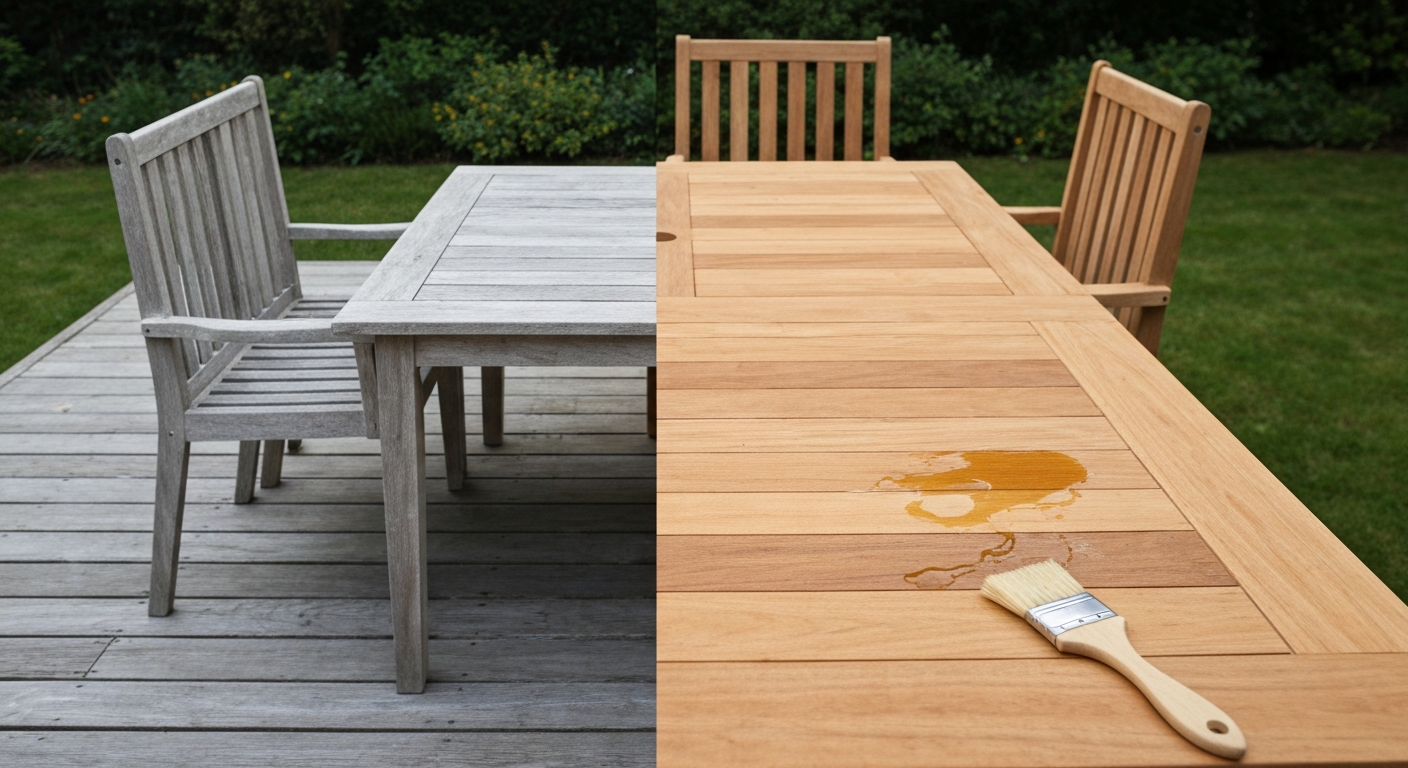
Best Stain for Teak Patio Furniture, Top Picks by Climate
Best stain for teak patio furniture: expert picks, climate-based choices, prep, application, and maintenance tips.