
The best teak oil for patio furniture is a penetrating, tung-oil-based formula with UV inhibitors and mildew protection built in. Products like Star brite Premium Golden Teak Oil hit that combination well for most homeowners: they deepen the wood's natural honey tone, slow graying from UV oxidation, and resist the mold feeding cycle that plagues cheaper oils. If you're in a coastal or high-humidity climate, prioritize mildew inhibitors above everything else. If you're in a dry, sun-heavy region like the Southwest, UV blockers matter most. And if you'd rather skip the maintenance cycle entirely, skipping oil and letting teak weather to its natural silver-gray is a completely legitimate choice.
Best Teak Oil for Patio Furniture: Choose and Apply It

Marcus Kellerman
5 May 2026
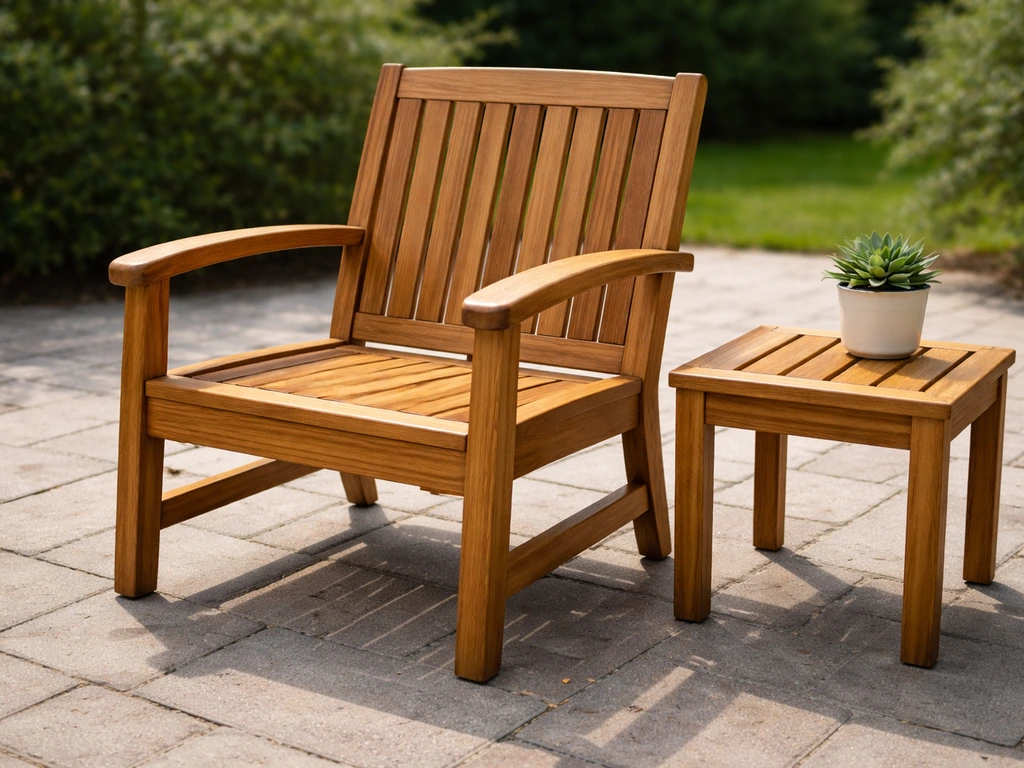
What teak oil actually does (and what it doesn't)
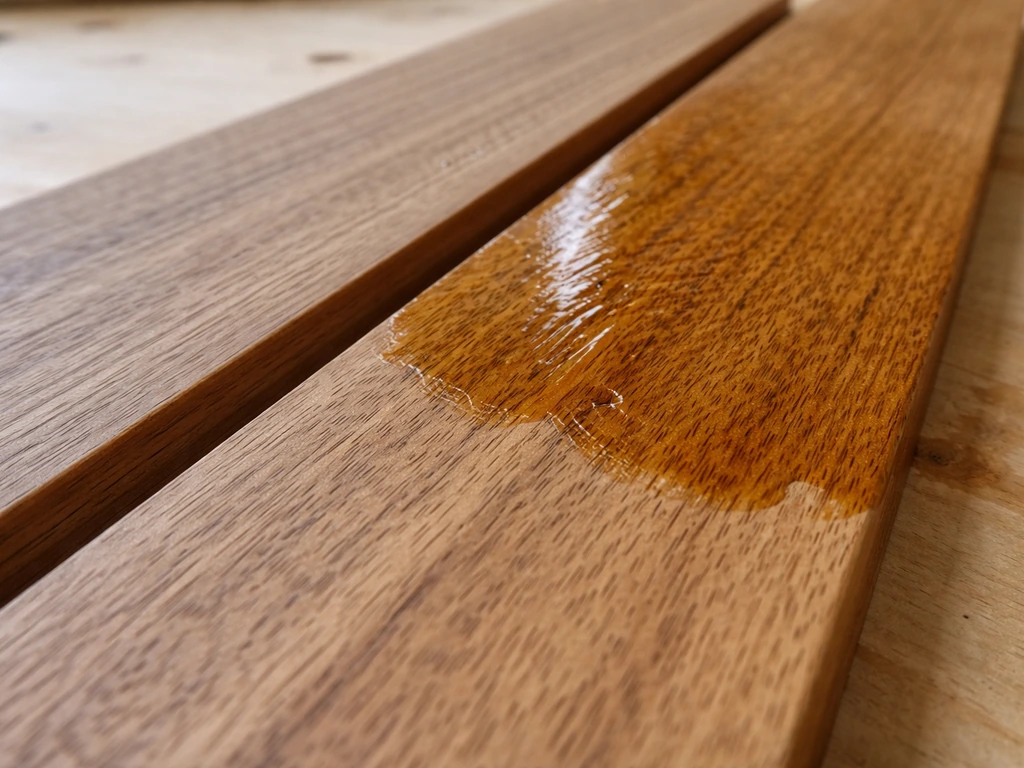
Teak oil is a penetrating finish, not a sealer. That distinction matters more than most product labels let on. When you apply it, the oil soaks into the wood's surface fibers rather than forming a protective film on top. This means it won't peel or flake the way varnish or polyurethane can, but it also means it won't lock moisture out the way a true sealer does. You're feeding the wood and temporarily slowing surface weathering, not waterproofing it.
What teak oil does well: it restores the warm golden-brown color that oxidizes and fades with sun exposure, it adds some short-term resistance to moisture absorption, and it keeps the wood from drying out and cracking. What it doesn't do: it won't permanently stop teak from turning silver-gray (UV-driven oxidation will still happen), and it doesn't replace a sealer if long-term color preservation is your goal. The USDA Forest Products Laboratory puts the outdoor lifespan of penetrating oils at roughly 1 to 1.5 years in typical exposure conditions, which matches what most experienced teak owners find in practice.
There's also a maintenance trap worth knowing about. As the oil slowly migrates out of the wood between applications, it mixes with surface moisture and dirt, creating a food source for mold and mildew spores. This is why poorly maintained oiled teak often turns black rather than gracefully gray. If you're going to oil your furniture, you need to commit to a cleaning and reapplication schedule, or you'll end up with worse-looking wood than if you'd left it alone.
One more myth to clear up: teak doesn't need oil to survive. The wood's natural silica and oil content make it genuinely durable without any treatment. Oiling is a cosmetic and moderate-protection choice, not a structural necessity. Teak left untreated weathers to a consistent silver-gray patina that's largely maintenance-free. If you love that look and don't want to deal with reapplication cycles, walking away entirely is a valid strategy.
How to choose the best teak oil for your patio conditions
Not all teak oils are created equal, and the right pick really does depend on where you live and how your furniture is situated. Here's how to think through the key variables.
Oil base: tung vs. linseed vs. blended
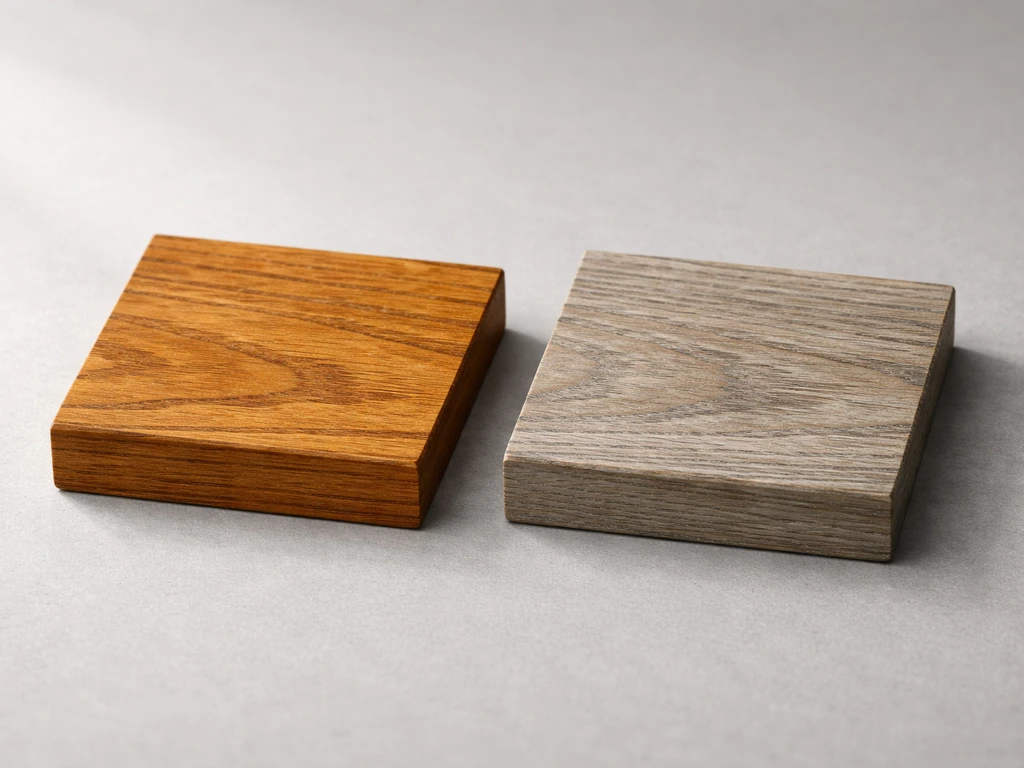
Most teak oils sold today are either tung oil-based, linseed oil-based, or a blended formula using one or both plus solvents and additives. Tung oil is the better base for outdoor use: it's more water-resistant, dries harder, and doesn't darken teak as aggressively as linseed oil. Linseed oil-based products tend to enrich the color more but also attract dirt faster and darken the wood significantly over time. Blended oils can be fine if they lead with tung oil and include quality additives, but read the label carefully. If a product just says "oils and solvents" without specifying, treat it skeptically.
UV inhibitors
UV exposure is what drives the graying process. The sun oxidizes teak's surface fibers, breaking down the lignin that holds the golden color. Products with UV inhibitor additives (sometimes listed as UV filters or UV stabilizers) slow this process meaningfully. The USDA Forest Service Forest Products Laboratory provides finishing guidance and research on how wood finishes perform outdoors, including how sunlight, water, and weathering affect wood and finish systems [Products with UV inhibitor additives slow this process meaningfully](https://research.
fs. usda. gov/treesearch/62269). TIMBEREX Timberguard Teak, for example, includes UV filters and has a recoat window of about 45 minutes between coats, which suggests a thinner, more penetrating formula.
If your furniture sits in full sun for most of the day, UV protection should be your top priority when comparing labels.
Mildew and mold inhibitors
Coastal climates, the Pacific Northwest, the Gulf Coast, Florida, and anywhere with high summer humidity all have the same enemy: mold and mildew. If you're in one of these regions, you need an oil with a mildew inhibitor, full stop. Products like Country Casual Teak's Mildew and Stain Guard are designed specifically around this problem. It's worth noting that even with mildew inhibitors, the reapplication schedule matters: Country Casual recommends reapplying annually after cleaning, or more frequently (several times per year) if water stops beading or stain repellency is important to you.
Climate-based recommendation summary
| Climate / Condition | Top Priority Additive | Product Type to Look For | Reapplication Frequency |
|---|---|---|---|
| Full sun / dry (Southwest, high desert) | UV inhibitors | Tung-oil base with UV filters | Every 6–12 months |
| Coastal / salt air (Southeast, Gulf, Pacific Coast) | Mildew inhibitors + UV | Marine-grade tung oil with mildew protection | Every 3–6 months |
| High humidity / rainy (Pacific NW, Florida, Gulf) | Mildew inhibitors | Penetrating oil with biocide additives | Every 3–6 months |
| Moderate / mixed climate (Midwest, Mid-Atlantic) | UV + balanced formula | Standard tung-oil teak oil with UV additives | Every 6–12 months |
| Cold winters / snow (Northeast, Mountain West) | Moisture resistance | Tung-oil base; clean and oil before winter storage | Once in spring, once in fall |
Best teak oil decision by furniture condition
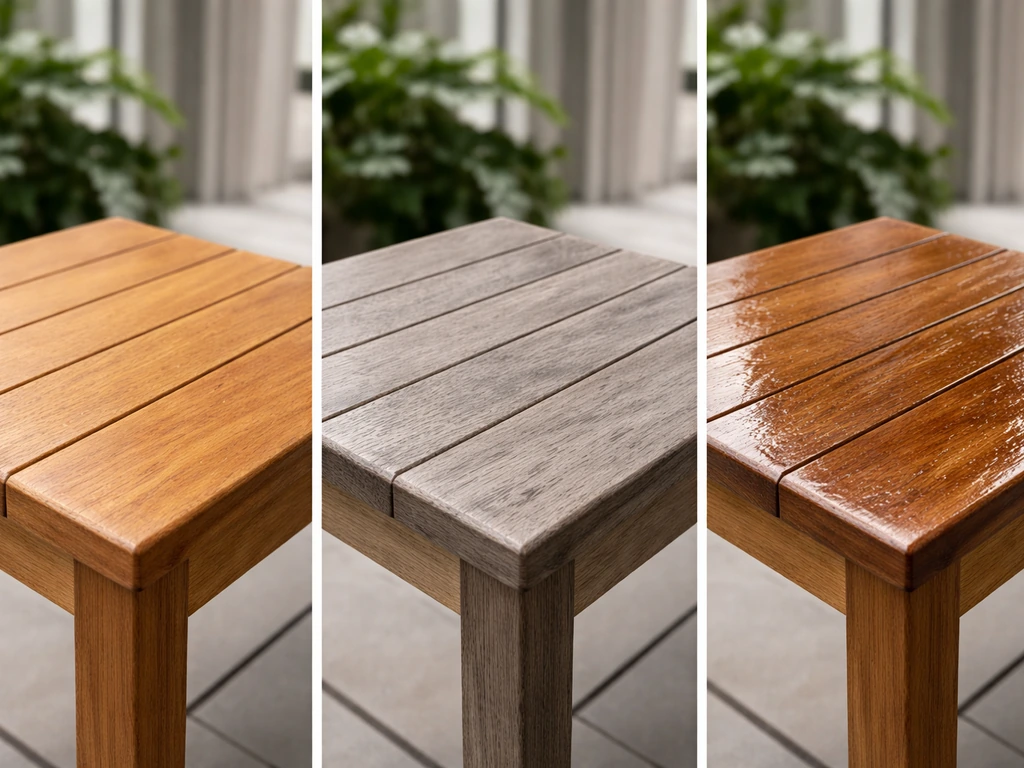
The condition of your furniture changes what you should buy and how you should apply it. Jumping straight to oil on weathered or previously treated furniture is one of the most common mistakes people make.
New teak furniture
New teak is smooth, golden, and still has a relatively high natural oil content. You don't actually need to oil it immediately, and some manufacturers recommend waiting a season before first treatment. If you want to maintain the golden color from day one, a light application of a tung-oil-based product with UV inhibitors is appropriate. Apply one thin coat, wipe off excess after 15 to 30 minutes, and let it cure for 48 hours before the furniture gets wet. Don't over-saturate new wood. It won't absorb as much and excess oil sitting on the surface is what causes tackiness.
Teak that has turned gray (weathered but sound)
Gray teak is not damaged teak. The silver patina is a surface change caused by UV oxidation, not structural decay. If you want to restore the golden color, you need to clean and brighten before oiling. Star brite recommends a two-step workflow for badly weathered or black-gray wood: apply their Teak Cleaner and Brightener to dry wood, scrub with a stiff-bristle brush, let it sit 2 to 3 minutes, then rinse. Let the wood dry completely before applying oil. Skipping this step and just applying oil to gray teak will lock in the dull color and uneven surface rather than restore it.
Previously oiled teak
This is the trickiest category. If the previous oil application is still in good condition (the wood looks even, no black spots, water still beads), you can clean the surface and apply a fresh coat without full prep. If the old oil has gone sticky, developed uneven spots, or the wood has mildew staining, you need to clean aggressively with a teak cleaner first, let the surface fully dry, and then reapply. Do not layer fresh oil over a tacky or contaminated surface. That just compounds the problem.
Cracked or very dry teak
Very dry, cracked teak needs cleaning, light sanding (120 to 150 grit, always with the grain), and then a more generous initial coat of oil to help the wood absorb and rehydrate. Wipe off excess after 20 to 30 minutes and let it dry overnight before a second coat. Don't skip sanding on badly dried wood, as the surface pores are often clogged with oxidized material that prevents oil from penetrating properly.
Step-by-step prep and application for outdoor teak
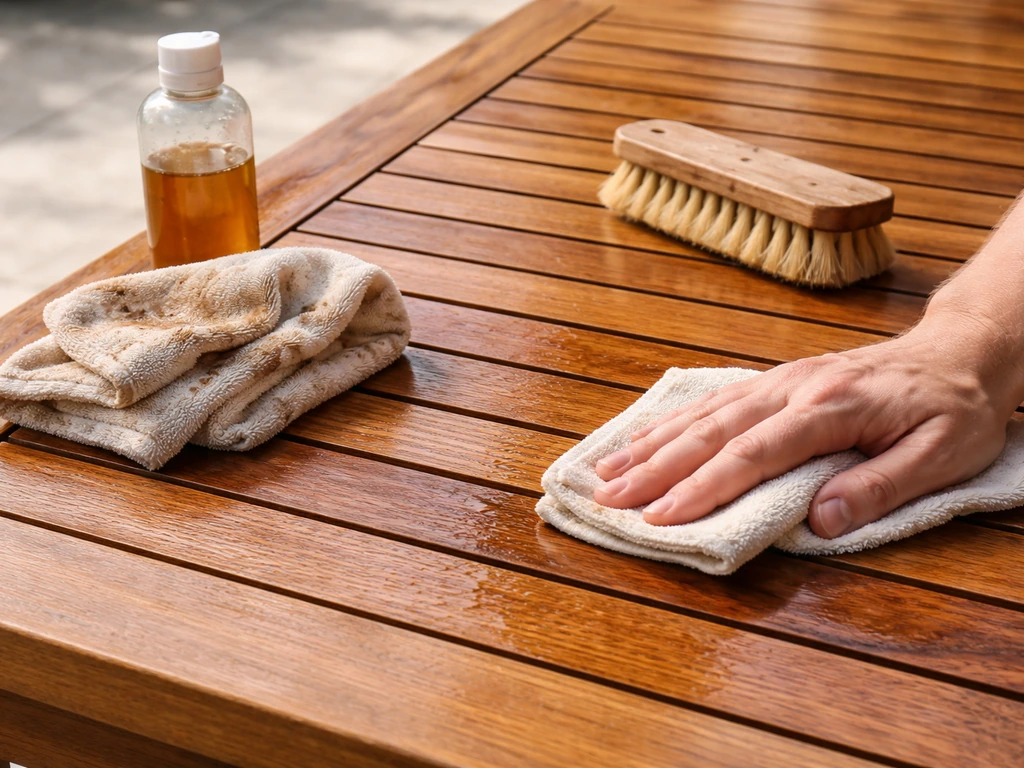
Here's the workflow that consistently produces even results without tackiness or streaking. Follow it in order and don't cut corners on the drying steps.
- Clean the wood first. Use a teak-specific cleaner or brightener, not household bleach (bleach won't kill the mold spores living inside the wood fibers) and not a pressure washer (it exposes raw grain and still doesn't kill mildew). Apply cleaner with a bristle brush or bronze wool, scrub lightly with the grain, wait 2 to 3 minutes, then rinse thoroughly.
- Let it dry completely. This is non-negotiable. Applying oil to damp wood prevents proper penetration and can cause peeling or uneven color. Minimum 24 hours of dry weather after cleaning; 48 hours is safer.
- Sand if needed. Lightly weathered or smooth teak usually needs no sanding. Rough, cracked, or previously finished surfaces benefit from 120 to 150 grit sandpaper, always working with the grain. Avoid brass brushes, which can raise the grain and damage soft wood fibers.
- Choose your conditions. Apply oil in the shade or on a cloudy day. Direct, intense sun causes the oil to dry too fast on the surface before it has penetrated, which leaves a surface film instead of a true penetrating finish.
- Apply the first coat. Use a clean cloth, foam brush, or natural-bristle brush. Work with the grain and apply evenly. Don't glob it on; a thin, even coat penetrates better than a heavy one.
- Wipe off excess after 15 to 30 minutes. This step is critical and the most commonly skipped. Unabsorbed oil sitting on the surface will not cure properly and becomes a tacky, dust-attracting film. Buff the surface until it feels almost dry to the touch, not oily or wet. Star brite's instructions say to wait just 5 minutes before wiping, which works for their thinner formulas. For thicker tung-oil products, 20 to 30 minutes is the better window.
- Let it dry overnight. At minimum, give each coat 8 to 12 hours of dry time before a second coat. Some products like teakwood oil UK recommend overnight drying between coats.
- Apply a second coat if needed. Most furniture benefits from two coats on the first seasonal application, especially if the wood was dry or weathered. Repeat the apply-and-wipe process. A third coat is rarely necessary and risks buildup.
- Keep it dry for 48 hours. Protect the furniture from rain and heavy dew for at least 48 hours after the final coat while the oil fully cures.
How often to reapply and what maintenance looks like season to season
The standard rule of thumb for outdoor teak is every 6 to 12 months, but that range is wide for a reason. The actual timing depends on your climate, sun exposure, and how the wood looks and feels. The best test is the water-bead test: pour a small amount of water on the wood. If it beads up, the oil is still doing its job. If it soaks straight in, it's time to reapply. Surface dryness and slight graying are other reliable cues.
Outdoor Interiors recommends oiling at least twice per year to maintain the golden color, which is a reasonable minimum for full-sun furniture in moderate climates. For coastal or high-humidity conditions, three to four applications per year is not unusual. Teak Master notes that annual oiling is appropriate for harsh exposures, but that sanding every year is generally not recommended since it removes more wood than necessary.
A practical seasonal routine for most climates: do a thorough clean and two-coat application in spring before heavy use, check the water-bead test in midsummer and apply a maintenance coat if needed, and do a final clean and single protective coat in fall before storing or covering the furniture for winter. In mild climates where furniture stays out year-round, substitute the fall application with a late-summer one and then a light spring touch-up.
Troubleshooting common problems
Tackiness or gummy surface
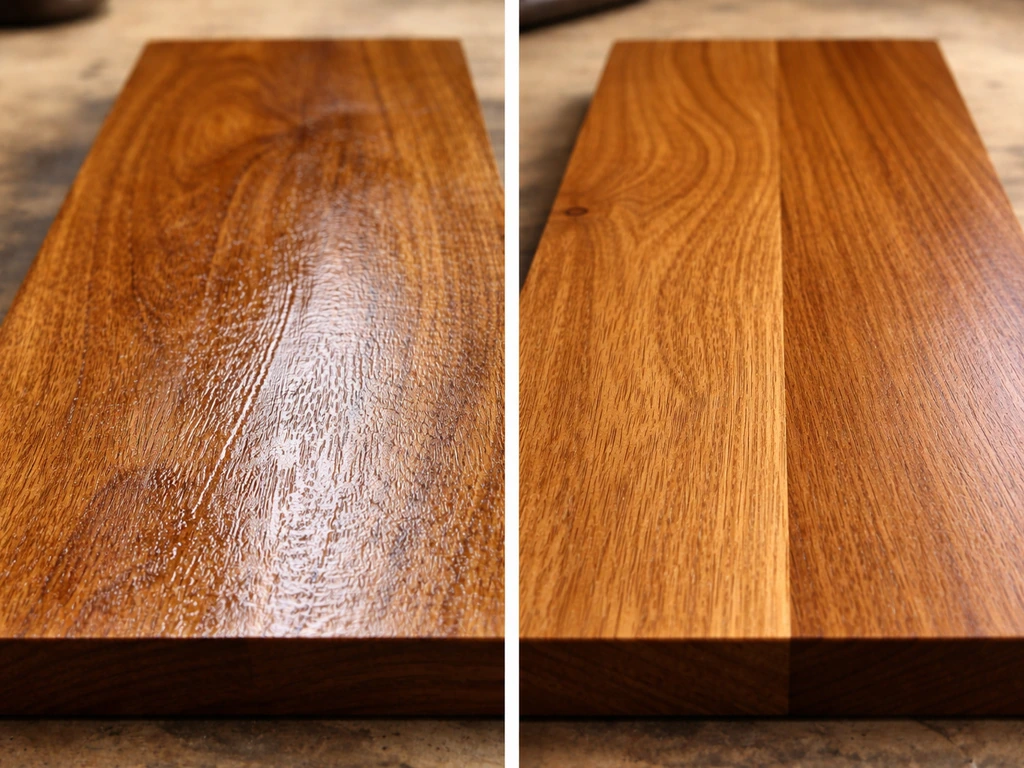
Tackiness happens when too much oil was applied and the excess didn't cure properly. The fix is to wipe the surface down with a clean cloth dampened with mineral spirits or the appropriate solvent for your oil product. This removes the uncured surface layer. Let it dry fully before deciding whether a new coat is needed. Going forward, always wipe excess oil at the 15 to 30 minute mark and apply thinner coats.
Uneven color or streaking
Uneven color usually means the oil was applied to wood that wasn't uniformly clean, or the wood had areas of different porosity absorbing oil at different rates. If streaking is mild, a second coat applied evenly and wiped off promptly can blend things out. If it's significant, you need to strip back with a teak cleaner and brightener, let the wood dry completely, and start fresh. Apply in thin, even strokes working with the grain and don't let any section sit without being wiped.
Black spots or mildew
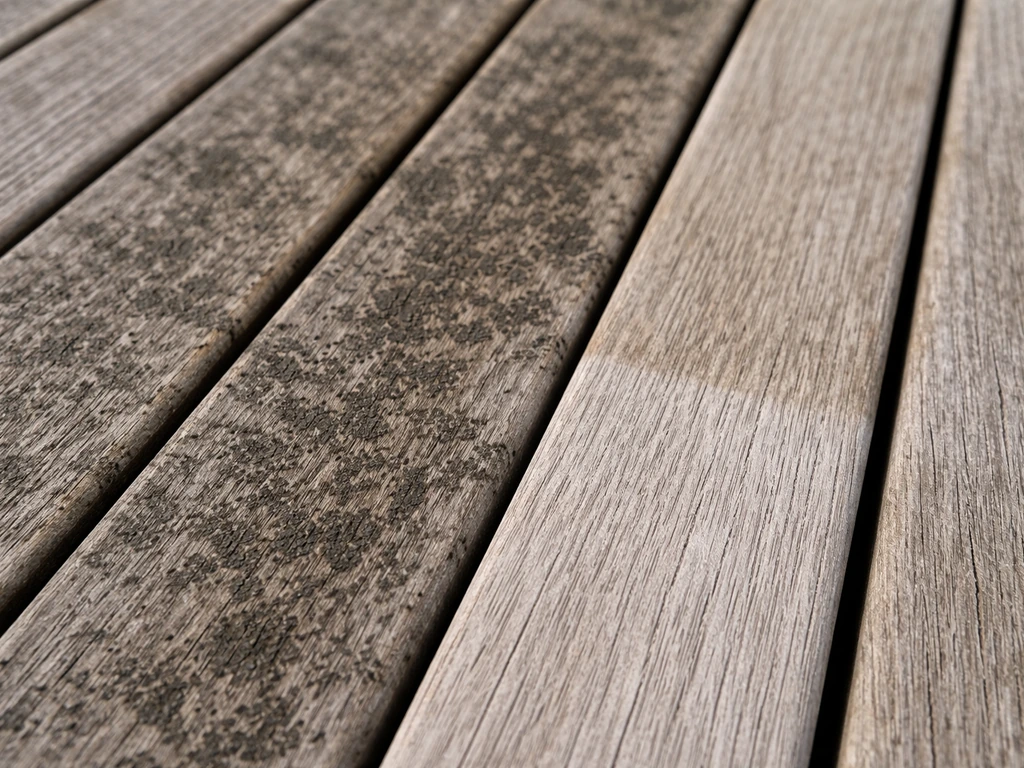
Black spots are almost always mold or mildew, not just surface staining. Skipping the wipe-off step, applying oil in humid conditions, or having a schedule gap that let the wood stay wet for extended periods are the usual culprits. Don't just apply fresh oil over black spots. Use a two-part teak cleaner (cleaner plus brightener/oxalic acid step) to kill the mold and lift the staining, then rinse, dry fully, and re-oil. Avoid household bleach for this, as it won't eliminate the mold spores embedded in the wood grain. Switching to an oil with a built-in mildew inhibitor after this treatment will help prevent recurrence.
Oil buildup or residue from multiple applications
If you've applied oil multiple times without properly cleaning between applications, you can end up with a thick, dark residue layer that looks muddy and doesn't absorb fresh product. The solution is a thorough teak cleaner application, light sanding if the buildup is significant, and starting fresh with a thin first coat. Going forward, always clean before reapplying and apply two thin coats rather than one heavy one.
Alternatives and when to choose a sealer or cleaner instead
Teak oil is not always the right answer, and for some furniture conditions and climates, a sealer or a pure cleaner-and-leave approach makes more sense.
Teak sealers
If color preservation is your primary goal and you want longer intervals between maintenance, a penetrating teak sealer is more effective than oil. Sealers form a more durable protective barrier that slows UV graying more aggressively than most oils. Products like Semco Teak Sealer are popular for this use case. The trade-off is that when sealers eventually break down (typically every 1 to 2 years outdoors), they can leave patchy or uneven surfaces that need more intensive prep to refresh.
Teak HQ recommends sealers specifically for people who want to prevent graying, noting that oil's open-pore approach actually creates more opportunity for dirt and mildew to accumulate over time. If you want to go deeper on comparing stain and sealer options alongside oil, the topic of the best stain for teak patio furniture is worth exploring alongside this guide.
If you want the shorter path to choosing the best stain for teak patio furniture, look at how stain products handle UV exposure and mildew compared with oil.
Just cleaning, no treatment
If you actually like the silver-gray patina or are willing to accept it, a periodic wash with a teak cleaner and a rinse is genuinely all the maintenance your furniture needs. Teak's natural durability means it doesn't require oil to last decades. The patina is cosmetic, not structural damage. Tribu, one of the better-regarded teak furniture manufacturers, positions natural weathering as virtually maintenance-free.
If you've been reading about how long teak patio furniture lasts, you'll know the answer is measured in decades regardless of whether you oil it or not. Teak patio furniture can last for decades, and the right maintenance approach can help you reach that lifespan how long teak patio furniture lasts.
If you’re deciding on the best teak patio furniture for your space, it helps to match the wood treatment approach to how much sun and humidity the pieces will face. The silver look is not a sign of failing wood.
When to avoid oil entirely
Skip teak oil if: your furniture already has a varnish or lacquer finish (oil won't penetrate and will pool on top), you're in an extremely high-humidity or rain-heavy climate where the mildew cycle would require more than four applications per year (a sealer or natural weathering is less labor-intensive), or your furniture is high-quality plantation teak that you plan to keep for 20-plus years and would rather not refinish repeatedly. Knowing whether the furniture itself is high-quality teak is worth factoring in here, since the grade and density of the wood affects how it absorbs and holds any treatment.
The bottom line is this: teak oil is a good choice for homeowners who want the warm golden color, are willing to clean and reapply on a seasonal schedule, and choose a quality formula (tung-oil base, UV inhibitors, mildew protection for humid climates). If that sounds like more work than it's worth, you have two better options: use a sealer for longer protection intervals, or let the wood weather naturally and just keep it clean. Any of the three approaches can result in beautiful, long-lasting teak furniture. The difference is just how you want to spend your maintenance time.
FAQ
Can I use teak oil on furniture that already has varnish or lacquer?
In most cases no, because the oil cannot penetrate a film finish, it pools on top, and it can leave tacky spots. If you see a glossy surface or thick coating feel, strip back to bare teak or choose a product designed for film removal and refinishing before oiling.
How do I know whether it’s time to reapply oil besides the water-bead test?
Use feel and appearance together: if the wood looks uniformly dry, feels rough or “grabby,” or the color starts looking chalky instead of honey-toned, it’s usually ready. If water beads but color is fading quickly, your UV inhibitors may be depleted, so a maintenance coat can still be worthwhile even when repelling water seems okay.
Is “tung oil” always the best base for the best teak oil for patio furniture?
Outdoor tung-oil-based formulas are often the best starting point, but what matters is the additive package. A tung-oil product without UV inhibitors can still gray quickly, and a tung-oil product without mildew protection can fail in humid or coastal conditions. Always prioritize UV inhibitors for full-sun placement and mildew inhibitors for high humidity.
Why does my teak turn black after oiling, even when I used the same product?
Black typically signals mold or mildew growth accelerated by moisture trapped in pores plus missed cleaning. Common causes are oiling over contaminated residue, applying in humid conditions without letting it dry fully, or skipping the cure period before the furniture gets wet. When black spots appear, clean and brighten first, then re-oil.
What’s the correct way to apply to avoid tackiness and sticky patches?
Apply thin coats, work with the grain, and wipe off excess at the recommended window (often around 15 to 30 minutes). Make sure the surface can cure in dry air for the full drying period before exposure to dew or rain. If you see tackiness after curing, wipe with the compatible solvent recommended for your oil, then let it dry fully before deciding on another coat.
Can I layer more oil over old oil without full prep if it still looks good?
Only if the prior coat looks even, is not sticky, and there are no mildew stains or black spots. If the surface is tacky, uneven, or contaminated, clean aggressively and dry fully first. Layering oil over contamination compounds the problem and increases the chance of dark, muddy residue.
Do I need sanding before every oiling?
No. Sanding is mainly for very dry, cracked teak or cases where there’s residue buildup blocking penetration. For routine maintenance, cleaning and re-oiling is usually enough. If you sand too often, you remove wood and can change how evenly future coats absorb.
How long should I wait after oiling before it rains or gets wet?
Let it cure until it is dry through the surface and has had at least the full cure time stated by the product, commonly around 48 hours. If your climate is humid and dew is heavy, longer is safer because oil can remain uncured in the outer pores even if the surface looks dry.
Should I clean and brighten gray teak before oiling?
Yes, if your goal is to restore golden color. Gray or dull-black tones come from UV oxidation and surface change, and oil will not “erase” that by itself. A cleaner-and-brightener workflow on dry wood helps lift oxidation unevenness so the next coat penetrates consistently.
Does teak oil protect against UV enough to stop graying?
Most teak oils slow graying, they do not permanently stop UV-driven oxidation. If you see continued silvering in full sun, switch to a product with stronger UV inhibitors or consider a penetrating teak sealer for longer intervals. Natural weathering is also an option if you want zero maintenance besides periodic cleaning.
When would I choose a penetrating teak sealer instead of the best teak oil for patio furniture?
Choose a sealer when color preservation and longer maintenance intervals are higher priorities than “feed the wood” penetration. Sealers form a more durable barrier that typically slows UV graying more aggressively, but they can fail unevenly after a period, requiring more involved prep when you refresh.
Can I leave teak oil-coated furniture uncovered outdoors during winter or does it need storage?
If it stays outdoors, your biggest risk is moisture cycles and mildew in wet seasons. Clean before winter, apply the final coat in the recommended fall window, and ensure it has adequate dry time before storing or covering. If you cover the furniture, use breathable covering when possible to reduce trapped humidity.
What’s the safest way to remove mildew before re-oiling?
Use a two-step teak cleaner process that includes the brightener or oxalic-acid-type step designed for teak. Avoid household bleach, it may not eliminate spores embedded in the grain. After cleaning, rinse thoroughly, let it dry completely, and only then apply oil or switch to an oil with mildew inhibitors.
Next Articles
Best Teak Patio Furniture: Top Brands and Buying Guide
Curated best teak patio furniture brands and a buying checklist for solid teak, durability, and smart value.
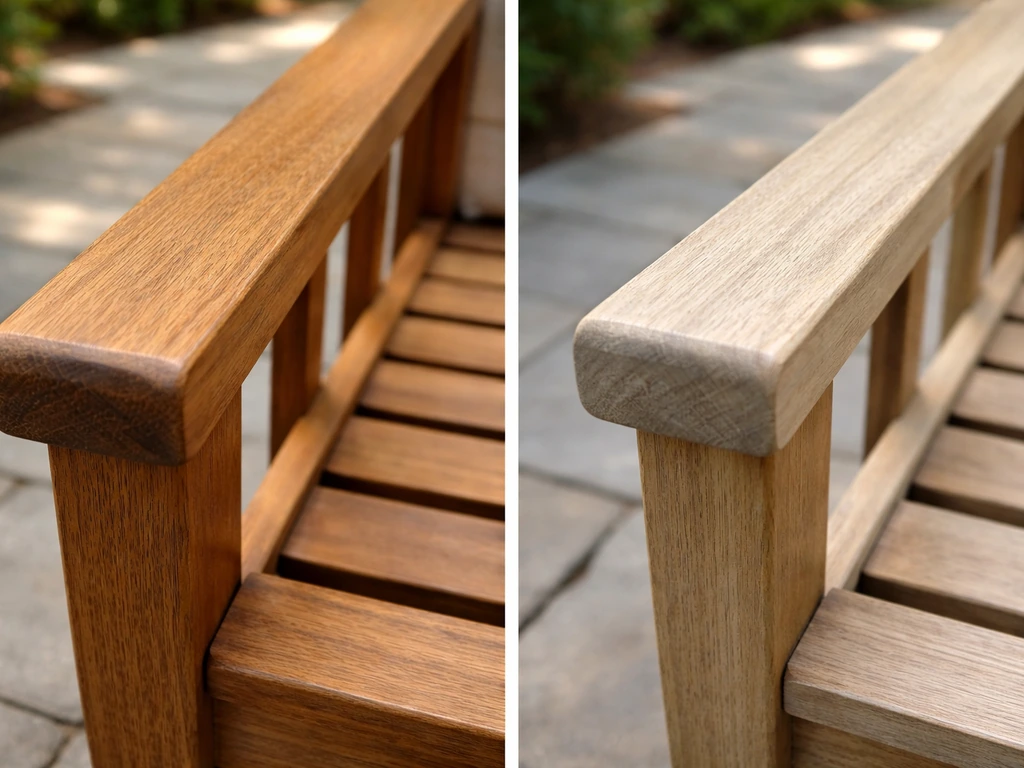
Teak vs Eucalyptus Patio Furniture: Which Is Better?
Teak vs eucalyptus patio furniture: durability, aging, maintenance, sustainability, and which to buy for your budget and
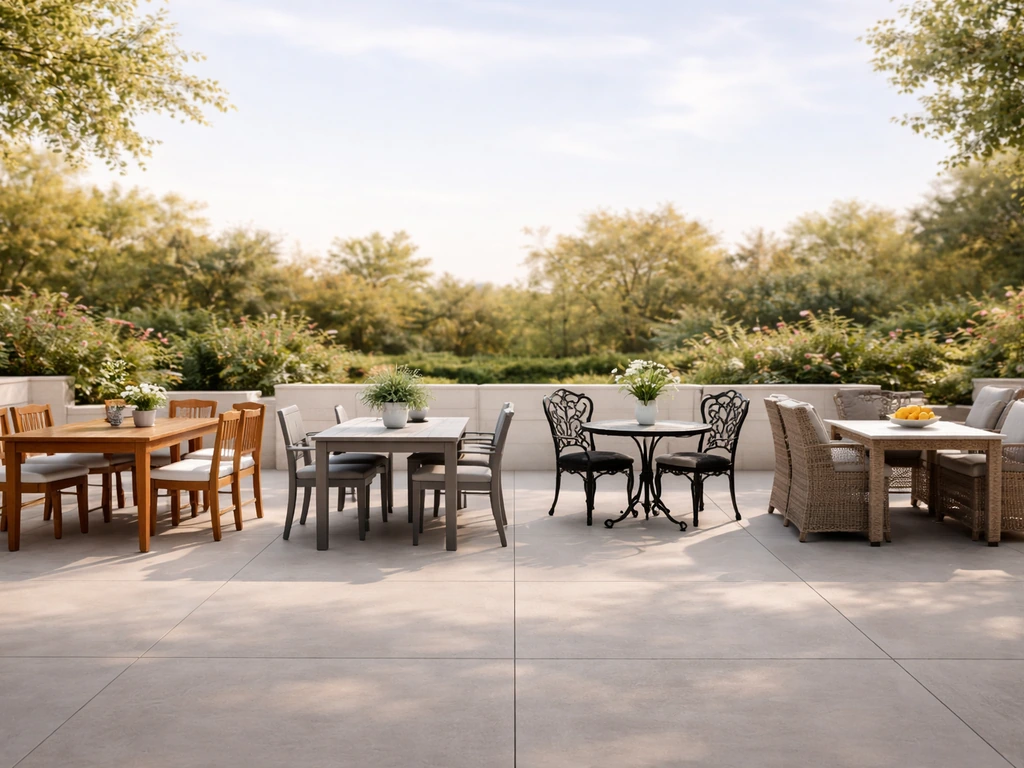
How Long Does Patio Furniture Last by Material and Care
Lifespan ranges for patio furniture by material with care tips, repair vs replace signs, and buying checks for durabilit