
Truly high-quality outdoor patio furniture holds up to rain, UV, wind, and decades of use without rotting, fading, rusting, or falling apart at the joints. The materials that consistently deliver that are Grade A teak, marine-grade or powder-coated aluminum, and high-density polyethylene (HDPE) wicker. Everything else can work, but only when the construction details, coatings, and climate match is right. Here is how to tell the difference before you buy, so you are not replacing furniture every three years.
High-Quality Outdoor Patio Furniture: What to Buy

Marcus Kellerman
29 Apr 2026
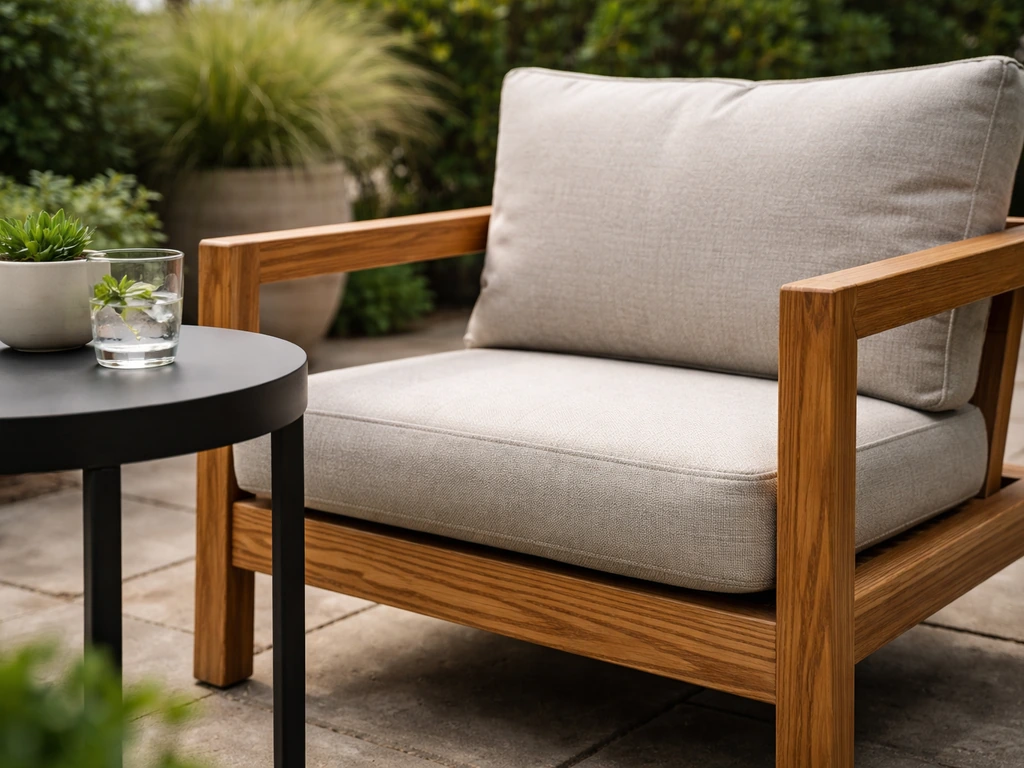
What 'high-quality' actually means for outdoor furniture
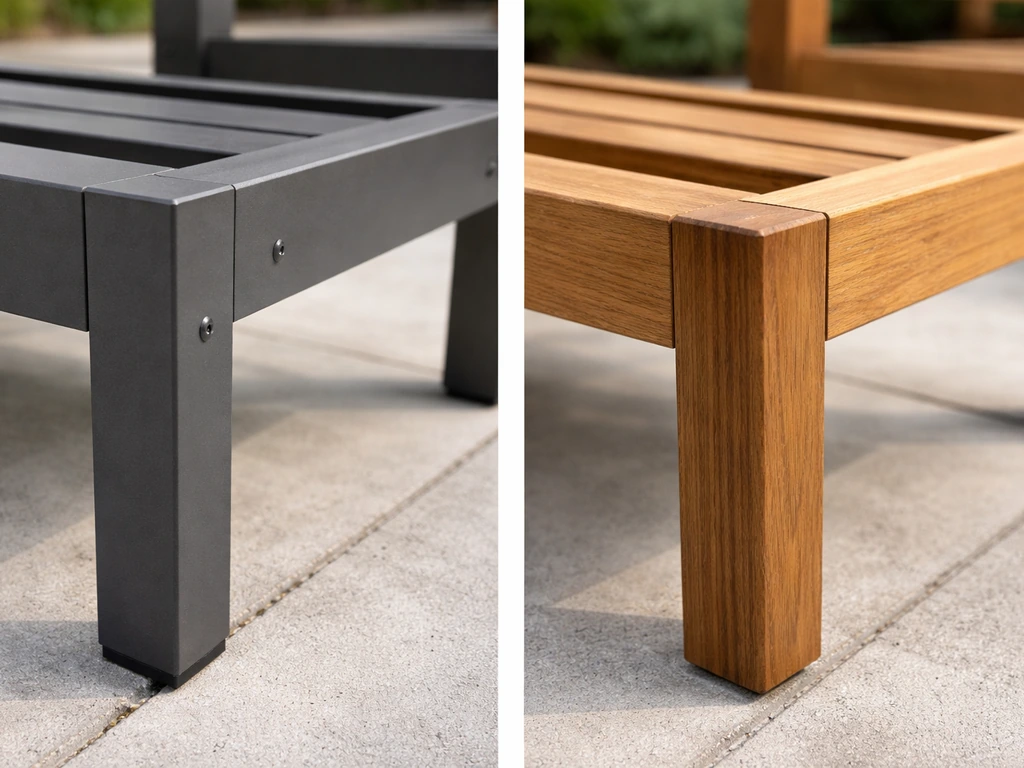
The word 'quality' gets stamped on everything from $200 bistro sets to $10,000 teak sectionals, so let's define it precisely. For outdoor furniture, quality means four things working together: weather resistance (the piece survives your local climate without structural or cosmetic failure), construction integrity (joints, hardware, and welds hold under load and movement), comfort (cushions, seat depth, and back angle are designed for real use), and long-term value (the cost spread across years of actual service is reasonable). A chair that looks great on day one but splits by year three is not high quality regardless of its price tag.
One useful mental model is cost-per-year. A $600 aluminum lounge chair that lasts 20 years costs $30 per year. A $250 steel chair that rusts out in four years costs $62.50 per year and ends up in a landfill. When you frame it that way, paying more upfront for the right materials and construction almost always wins.
How the major materials actually compare
Each material has genuine strengths and real trade-offs. The right choice depends on your climate, how much maintenance you want to do, and what you are sitting on it for. Here is an honest breakdown.
| Material | Expected Lifespan | Weather Resistance | Maintenance Level | Best Climate |
|---|---|---|---|---|
| Grade A Teak | 25–50+ years | Excellent (natural oils resist rot, insects, and water) | Low to moderate (oil or let silver naturally) | All climates, especially humid and coastal |
| Powder-coated Aluminum | 15–25+ years | Excellent (rust-proof, UV-stable finish) | Very low | All climates, especially coastal and snowy |
| Cast Iron | Decades (with care) | Good (heavy, stable) but rust-prone without maintenance | High (annual paint/sealing required) | Dry climates; poor for humid/coastal |
| HDPE Wicker | 10–20 years | Very good (UV-stabilized, water-resistant) | Very low | All climates including humid |
| Natural Rattan/Wicker | 3–7 years outdoors | Poor (absorbs moisture, rots, fades quickly) | High and largely ineffective outdoors | Covered patios only in dry climates |
| Other Hardwoods (Eucalyptus, Ipe) | 10–25 years | Good to very good depending on species and finish | Moderate (annual sealing/oiling) | Most climates; seal in wet regions |
Teak: the benchmark everyone else is measured against
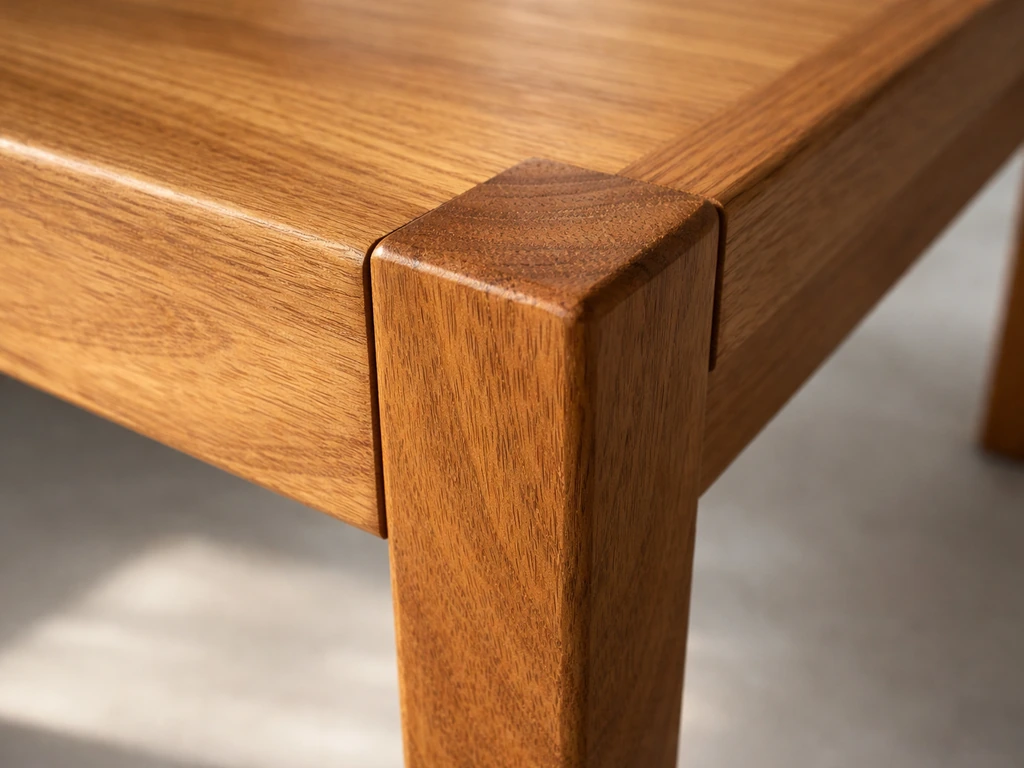
Grade A teak (cut from the heartwood center of the tree) is dense, oily, and dimensionally stable. It does not warp, crack, or rot even when left out year-round. You can oil it annually to keep the warm honey color or let it weather to a silver-gray patina. Either way the structural integrity stays intact. Grade B and C teak are cut closer to the sapwood, contain less natural oil, and degrade much faster. Always confirm you are buying Grade A. The trade-off is price: a quality teak dining set starts around $1,500 to $2,000 and goes well past $10,000 for premium brands.
Aluminum: the practical workhorse
Extruded or cast aluminum does not rust, full stop. Pair it with a quality powder-coat finish (look for at least 80 microns thickness) and you get a frame that handles coastal salt air, poolside splashing, and hard winters without complaint. It is also light enough to rearrange easily, which matters more than most people expect. The caution here is wall thickness: cheap aluminum furniture uses thin-gauge extrusions that dent and bend. Tap the frame with your knuckles. Quality aluminum sounds solid; thin stock sounds hollow and tinny.
Cast iron: heavy and beautiful, but demanding
Cast iron bistro sets and benches have real aesthetic appeal and their weight means they will not blow over in a gust. But iron rusts aggressively in humidity and coastal environments. If you want cast iron, you need to touch up chips immediately with outdoor paint and apply a rust-inhibiting sealant annually. In a dry climate with a covered patio, it is manageable. In Florida or Seattle, it becomes a maintenance burden fast. Cast aluminum gives you the same visual weight and classic look without the rust risk, so for most buyers it is the smarter alternative.
Wicker and rattan: know which one you are buying
Natural rattan wicker is an indoor material that gets marketed as outdoor furniture constantly. It swells, cracks, molds, and fades quickly in any real outdoor environment. If a set looks like wicker and is priced under $500, it is almost certainly natural rattan or paper fiber wrapped over a steel frame, and it will not last. What you actually want is HDPE (high-density polyethylene) all-weather wicker woven over a powder-coated aluminum frame. HDPE is UV-stabilized plastic and handles sun, rain, and humidity with almost no maintenance. It looks nearly identical to natural wicker but lasts many times longer.
Weather resistance and how furniture is tested for it
Reputable manufacturers test their materials and finishes against standardized protocols. Two worth knowing: ASTM G154 is an accelerated UV weathering test for non-metallic materials that simulates the effects of outdoor UV exposure, heat, and moisture. ASTM B117 is the salt spray (fog) test used to assess corrosion resistance in metals and coatings. When a brand says a finish 'passed 1,000 hours of salt spray testing,' that refers to ASTM B117. Neither test has a clean 1:1 conversion to calendar years, but they give you a meaningful way to compare finishes across brands. Ask for this data when evaluating premium pieces.
Beyond lab testing, look at the practical indicators. Powder-coat finishes on aluminum should be applied electrostatically, then cured in an oven, giving a hard even coat that resists chipping. Stainless steel hardware (grade 316 for coastal environments) will not bleed rust stains onto frames or cushions. UV-stabilized fabrics and plastics contain additives that slow photodegradation rather than just surface dyes that wash off. These are the details that separate furniture rated for outdoor use from furniture that merely looks like it.
What to inspect before you buy: frames, joints, cushions, and hardware
Frames and joinery
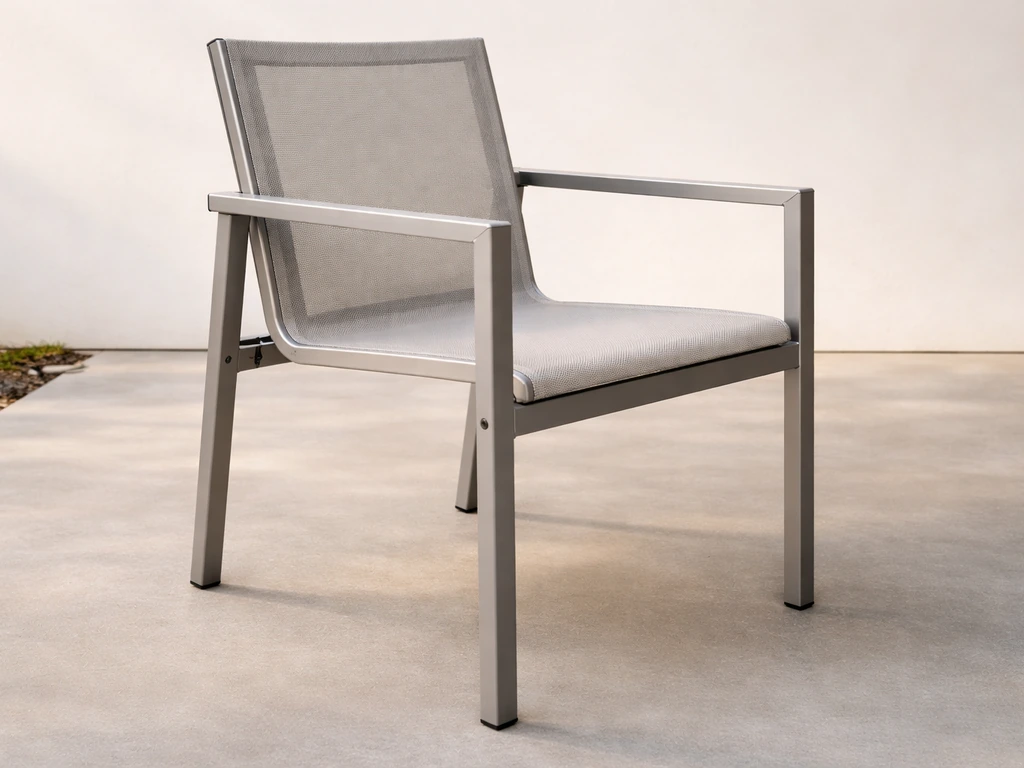
Sit in the chair and shift your weight. Rock it side to side. A quality frame does not flex, creak, or wobble. Welded aluminum joints should be smooth with no voids or rough spots. On wood furniture, mortise-and-tenon joinery is a strong indicator of quality. Avoid anything held together primarily with screws driven straight into the end grain of wood. Check that leg levelers or glides are included on hard-surface pieces, both for stability and to protect flooring. On dining chairs, flip them over and look at the corner blocks or bracing inside the seat frame. A quality piece will have them.
Hardware
Every bolt, screw, hinge, and bracket is a potential corrosion point. On quality outdoor furniture, all exposed hardware should be 304 or 316 stainless steel, or hot-dip galvanized at minimum. Zinc-plated or chrome-plated hardware will rust within one to two seasons in any wet or salty environment and the staining will spread to the surrounding material. Hinges on reclining chairs and folding tables take repeated stress, so thickness and smoothness of operation matter. Give them a few cycles in the store to check for binding, roughness, or play.
Cushions and upholstery
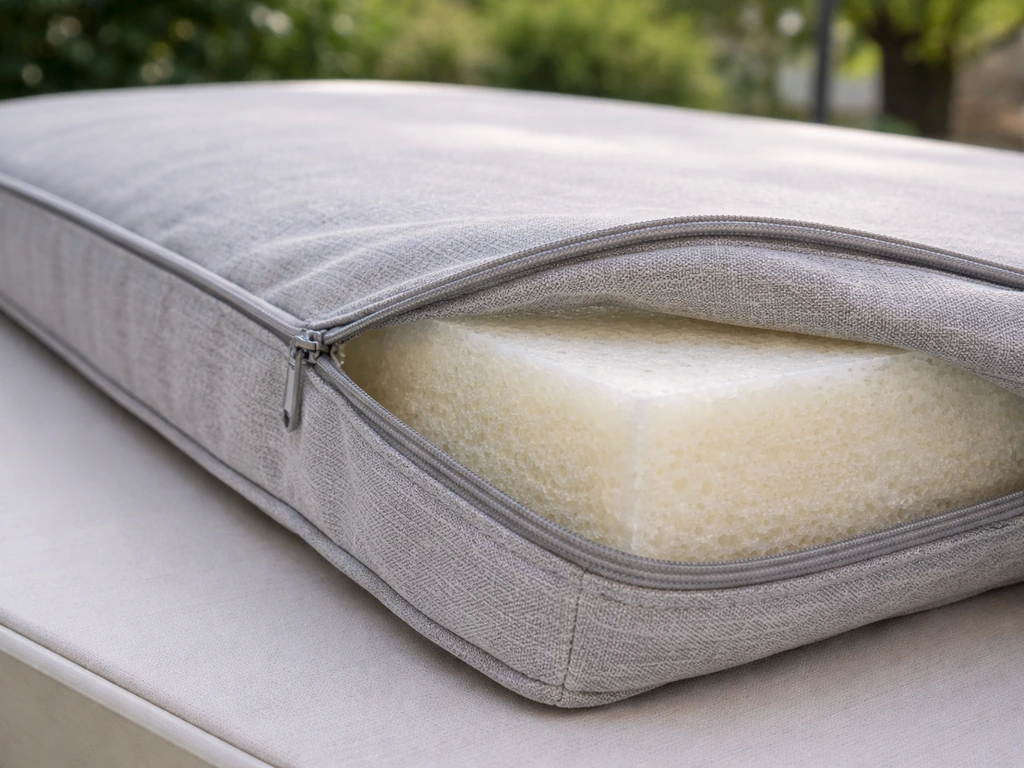
The cushions are often where budget corners get cut on otherwise decent furniture. For outdoor use, the fabric needs to be solution-dyed, meaning the color is dyed through the yarn rather than applied to the surface. Solution-dyed acrylics resist fading dramatically better than surface-dyed fabrics because even as fibers break down from UV exposure, the color does not strip off the surface. blank" rel="noopener noreferrer">Sunbrella is the standard reference fabric and backs its outdoor upholstery with a 5-year limited warranty covering loss of strength or color under normal exposure, offering replacement fabric as the remedy. Comparable options include Outdura and Tempotest. Avoid any cushion fabric labeled just 'polyester' without UV or solution-dye specification. High-quality patio cushions also need the right fabric and foam so they stay comfortable and resist fading cushion fabric.
The foam core matters as much as the fabric. Look for open-cell, quick-dry foam rated for outdoor use. It allows water to drain rather than soaking and retaining moisture, which causes mold and breakdown. High-quality cushions will also have mesh or perforated inner liners, sewn piping that is tight and even, and zippers on the covers for washing. Thick cushions (4 inches or more) with high-density foam hold their shape longer than thin ones with cheap fill.
Picking the right materials for your climate
Where you live should drive a significant portion of your material decision. The same furniture that thrives in Phoenix will struggle in Miami and fail in coastal Maine without the right care.
- Coastal and humid (Florida, Gulf Coast, Pacific Northwest, Hawaii): Prioritize powder-coated aluminum, Grade A teak, or HDPE wicker. Use Grade 316 stainless hardware exclusively. Avoid cast iron, natural rattan, and any frame with exposed untreated steel.
- Hot and dry (Arizona, Nevada, inland California): UV degradation of plastics and fabrics is your main enemy. Prioritize solution-dyed upholstery, UV-stabilized HDPE, and tightly cured powder coats. Store cushions when not in use or keep the set covered.
- Cold and snowy (Midwest, Northeast, mountain regions): Freeze-thaw cycles stress wood joinery and cause moisture-logged cushions to mold. Aluminum is excellent here. If using wood, bring cushions inside for winter and consider furniture covers. Teak handles cold better than most woods but should still be stored if possible.
- High wind (Great Plains, mountain passes, open rooftop terraces): Weight and low center of gravity matter. Cast aluminum with heavier profiles, or teak with wide bases. Avoid lightweight sling furniture without ballast or anchoring options.
- Covered patios in any climate: Your options open up. You can use natural rattan, lighter aluminum frames, and less aggressive fabric specs since direct rain and UV exposure are limited.
Is the price actually justified? Brands, value, and what to avoid
Price is not a reliable proxy for quality in outdoor furniture. There are $3,000 sets that perform worse than $800 sets because the brand is paying for marketing and visual design rather than materials and construction. The inverse is also true: some mid-range brands have quietly excellent build quality. Here is how to evaluate whether a price is justified rather than just expensive.
- Check the warranty: Genuine confidence in a product shows in warranty length and what it covers. A 5-year structural warranty on frames and a 5-year fabric warranty (as Sunbrella offers for its upholstery) are reasonable benchmarks. A 1-year warranty on a $2,000 chair is a red flag.
- Ask about material specs: Any reputable seller should be able to tell you the aluminum wall thickness, teak grade, foam density, and hardware type. Vague answers like 'commercial grade' or 'weather-resistant' without specifics are a warning.
- Look at the hardware and welds up close: These are harder to fake than visual design. If the welds are rough, the hardware is chromed steel, or the powder coat is thin and chalky, the price is not justified.
- Research the brand's repair and parts support: Can you order replacement slings, cushions, or hardware parts in two years? Brands that sell replacement components are investing in their product's longevity; brands that don't are planning on a repurchase.
- Compare by cost-per-year, not sticker price: Estimate the realistic lifespan given your climate and maintenance habits, then divide. A $1,200 teak chair lasting 25 years is a better value than a $400 chair lasting 4.
A few brand categories worth knowing: Luxury brands like Brown Jordan, Gloster, and Restoration Hardware Outdoor build genuinely excellent furniture but charge for the name as well. Mid-range brands like Telescope Casual, Tropitone, and Woodard offer solid commercial-grade construction at more accessible prices and are widely used in hospitality settings. At the lower end, look for HDPE wicker sets from brands like Polywood (which specializes in recycled HDPE lumber) if budget is a concern, as the material genuinely holds up regardless of price tier.
Keeping it high-quality: maintenance, cleaning, and repair
Regular cleaning
Most high-quality outdoor furniture cleans easily with mild dish soap and warm water applied with a soft brush, then rinsed off. Do this two to four times per season, or more if you are near the ocean. For teak, use a dedicated teak cleaner annually before oiling if you want to maintain the warm color. For powder-coated aluminum, a rinse and wipe-down is usually all that is needed. Avoid abrasive cleaners or pressure washing at close range on any painted or powder-coated surface.
Fabric and cushion care
Solution-dyed acrylic fabrics like Sunbrella can typically be cleaned with a mixture of mild soap and water, then air-dried. For mold and mildew, a diluted bleach solution (roughly 1 cup of bleach per gallon of water) applied carefully to Sunbrella-type fabrics will kill spores without damaging the fabric, but always check the manufacturer's specific instructions first. Remove cushions and store them indoors or under covers if you know a heavy rain event or prolonged wet period is coming. This one habit extends cushion life by years.
Wood maintenance
Teak and other hardwoods benefit from annual oiling or sealing to slow weathering and maintain structural integrity. Use teak oil or a penetrating wood sealer rather than surface film-forming products, which peel. Apply after cleaning when the wood is dry. If the wood has already greyed but is structurally sound, you can bring it back with a teak cleaner and brightener before applying a fresh coat of oil. Minor surface cracks are cosmetic and do not affect structural performance. Deep cracks at joinery points need to be filled with a waterproof wood filler and sealed.
Metal touch-ups and rust prevention
Powder-coated aluminum almost never needs touch-up unless chipped in a collision or accident. If it does chip, use a matching powder-coat touch-up pen or spray available from the manufacturer to seal the bare metal before rust or oxidation starts. On cast iron, any chips must be addressed immediately, as exposed iron rusts fast. Sand to bare metal, apply a rust-inhibiting primer, then a matching outdoor enamel, and finish with a clear sealant. Doing this annually is non-negotiable with cast iron.
Off-season storage
Even high-quality furniture benefits from covers or storage during prolonged off-season periods. High-quality patio furniture covers made from solution-dyed polyester or PVC-backed fabric with vented panels prevent moisture buildup while blocking UV and debris. If you stack or store chairs indoors, put furniture pads between pieces to prevent scratching powder coats. Frames can stay outside in most climates; cushions almost always should come in.
Your shopping checklist and next steps
Before you place any order, run through these steps. They take 20 to 30 minutes and will prevent most buyer's remorse.
- Measure your space first: Map out the furniture footprint including clearance. Dining chairs typically need 24 inches of pull-out room behind the table. Sectionals on small patios often leave no room for traffic flow. Tape out the dimensions on your patio before committing.
- Confirm your climate requirements: Use the climate list above to narrow your material choices before you even start browsing brands.
- Check the frame material and specs: Get the aluminum gauge or wall thickness, the wood grade, or the wicker material type in writing. If the seller cannot provide it, walk away.
- Evaluate the hardware: Confirm 304 or 316 stainless steel on all exposed fasteners, especially for coastal or humid environments.
- Test or verify the cushions: Confirm solution-dyed acrylic fabric with quick-dry foam. Check that covers are removable and washable.
- Read the warranty carefully: Look for what is covered, for how long, and what the remedy is. Replacement parts or equivalent fabric are meaningful; 'warranty' that only covers manufacturing defects for 90 days is not.
- Check the return policy: For large sets ordered online, confirm dimensional accuracy is your responsibility and understand the return freight cost. Many patio furniture returns cost $150 to $400 to ship back, making exchanges painful.
- Plan for accessories: Factor in covers, storage solutions, and any additional cushions or high-quality patio chairs that need to coordinate with your selection.
- Order a swatch or sample if buying cushions online: Color on screen and color in sunlight differ significantly. Most reputable fabric brands offer sample swatches.
- Stage your layout before final assembly: If assembling on-site, do a dry layout before tightening all fasteners so you can adjust placement and orientation.
Once you have the furniture in place, set a simple care calendar: a quick wash each spring and fall, an annual wood oiling or hardware inspection if applicable, and cushions brought in or covered at the first sign of extended wet weather. That routine, combined with the right material choice for your climate, is essentially the entire formula for getting 15 to 25 years from a well-built outdoor set. If you want the best high end patio furniture, focus on build quality, weather resistance, and the materials that match your climate. Top of the line patio furniture is built to keep delivering that kind of long-term performance, not just good looks for one season. The research, the upfront cost, and the small maintenance habit all pay off compounding every season the furniture keeps performing.
FAQ
What’s the safest way to choose high-quality outdoor patio furniture if I’m not sure about my climate’s severity?
Start with the most forgiving core materials for your area, powder-coated or marine-grade aluminum frames, HDPE wicker, and solution-dyed fabrics, then reduce risk further by prioritizing stainless 316 hardware for coastal or high-humidity locations. If you get long rainy stretches, also confirm your cushions are quick-dry (open-cell foam) and plan to store them during prolonged wet spells.
Is “all-weather” labeling enough to guarantee high-quality outdoor patio furniture?
No. “All-weather” is often marketing, verify the details that drive real durability, UV-stabilized fabric specifications (solution-dyed or UV-treated), stainless 304 or 316 hardware or hot-dip galvanized hardware, and a powder-coat process that is applied electrostatically and cured. If a product avoids naming these, treat it as a potential weak point.
Can I buy one material type and use it everywhere, for example teak or HDPE wicker?
You can, but you still need matching care and expectations. Teak is very forgiving outdoors, but it still benefits from annual cleaning plus oiling or sealing if you want to prevent excessive graying. HDPE wicker tolerates sun and rain with minimal care, but the cushion fabric and foam still determine whether the set stays comfortable after wet seasons.
How do I tell if aluminum furniture has thin, low-quality stock before buying?
Do a simple physical check, tap the frame near joints and watch how it responds when you sit or apply side-to-side force. Thin-gauge frames tend to sound hollow, dent easily, and show wobble or creaking during weight shifts. Also inspect the weld quality, smooth seams with no voids or rough gaps are a stronger sign than just paint coverage.
What cushion specs matter most for long-term performance?
Look for solution-dyed acrylic or an explicitly UV-rated outdoor fabric, open-cell quick-dry foam, and a well-fitted cover system with zippers so you can remove and clean covers. If the cushion is labeled only as “polyester” without UV or dye-through info, fading and early texture breakdown are more likely.
Do I really need covers for high-quality outdoor patio furniture if it is made of durable materials?
Cushions should be protected most of all. Frames made from aluminum or HDPE can often stay outside with less risk, but cushions absorb moisture and can develop mold if they remain wet for days. Choose breathable, vented covers and store cushions indoors during prolonged rain or long off-season periods.
How often should I clean high-quality outdoor patio furniture, and what’s a safe routine?
Plan on mild soap and warm water washes about 2 to 4 times per season, more frequently if you are near the ocean or surrounded by heavy pollen. Use a soft brush, rinse thoroughly, and avoid pressure washing close to powder-coated or painted surfaces since that can accelerate surface wear and water intrusion at seams.
If teak cracks or splits a little, is that still considered high-quality?
Minor surface cracking is usually cosmetic and does not necessarily signal structural failure. However, deep cracks at joinery points or movement at joints are a red flag. If you buy teak, inspect joinery areas closely and prioritize pieces that show tight joints and consistent gaps rather than open or shifting seams.
How can I avoid getting rust stains from hardware on high-quality patio furniture?
Use the correct stainless or galvanized grade and verify what’s exposed. Zinc- or chrome-plated hardware is more likely to bleed rust stains in wet or salty conditions. For coastal areas, prioritize stainless 316 for exposed fasteners, and address any chips or broken coatings immediately before corrosion spreads.
What should I check on furniture joints, hardware, and connections if I want maximum longevity?
Inspect how the frame is braced inside, look for corner blocks or reinforcements on seat frames, and confirm leg levelers or glides are included for stable placement on uneven surfaces. Then check all moving parts for smooth operation with no binding or play, especially hinges on reclining or folding designs.
Is it worth paying for ASTM testing claims when choosing high-quality outdoor patio furniture?
It helps, but use it as a comparison tool, not a calendar guarantee. Ask for the specific test data and what material type it applies to, since UV testing (non-metallic) and salt spray testing (metals/coatings) do not translate directly into years of outdoor life. Still, consistent test documentation is a sign the manufacturer is controlling material and finish quality.
What are common buying mistakes that make even “premium” patio furniture fail early?
The biggest mistakes are matching the wrong cushion fabric to your weather, underestimating hardware corrosion (using plated fasteners in salty or humid areas), and skipping off-season moisture control for cushions. Another frequent issue is treating clearance chips as cosmetic, chips on powder coat or any exposed metal should be sealed quickly to prevent oxidation.
Next Articles
Is Teak Patio Furniture Good? Durable, Smart Buying Guide
Is teak patio furniture good? Evidence-based verdict, lifespan, care, buying tips, comparisons, and eco guidance.
How Long Does Teak Patio Furniture Last? Lifespan Guide
Teak patio lifespan ranges, factors that shorten or extend durability, and a maintenance plan to protect joints and fini
High Quality Teak Patio Furniture: How to Choose and Care
Checklist for buying high quality teak patio furniture, spot real construction, compare materials, and maintain it by cl