
The 10 brands worth seriously considering right now are POLYWOOD, Gloster, Hanamint, Trex Outdoor Furniture, Brown Jordan, Telescope Casual, Lloyd Flanders, Woodard, Restoration Hardware (RH Outdoor), and Outer. Each one earns its spot for a different reason: material specialization, warranty strength, climate suitability, or long-term value. None of them are right for every buyer, which is exactly why this guide exists. If you are shopping for the best patio furniture brands in Canada, focus on lines that offer long warranty coverage, replacement parts, and proven climate performance. Your job is to match the brand to your material preference, your local climate, and your budget, not just pick whichever name sounds most familiar.
Top 10 Patio Furniture Brands: Best Picks by Material and Climate

Marcus Kellerman
28 Apr 2026
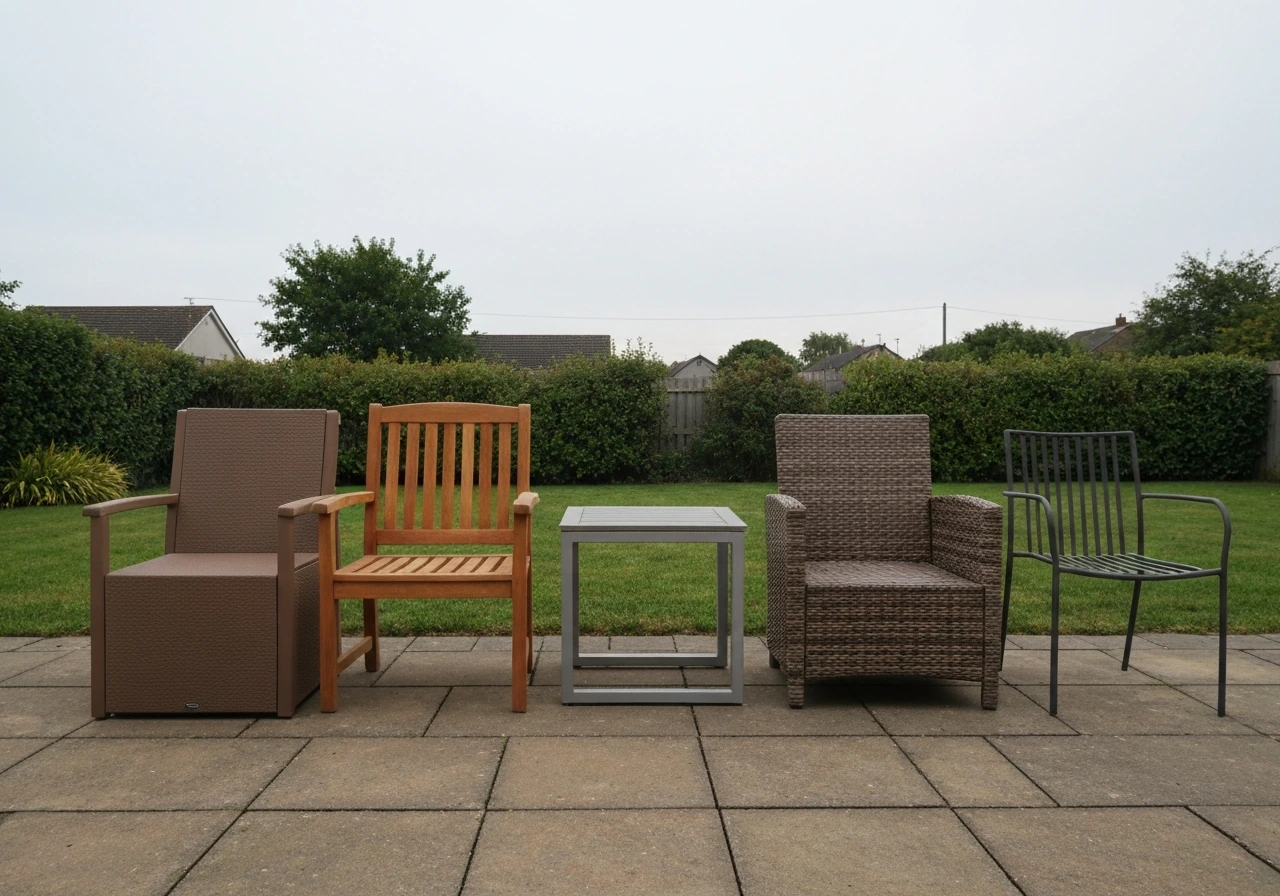
How to choose patio furniture brands (what actually matters)
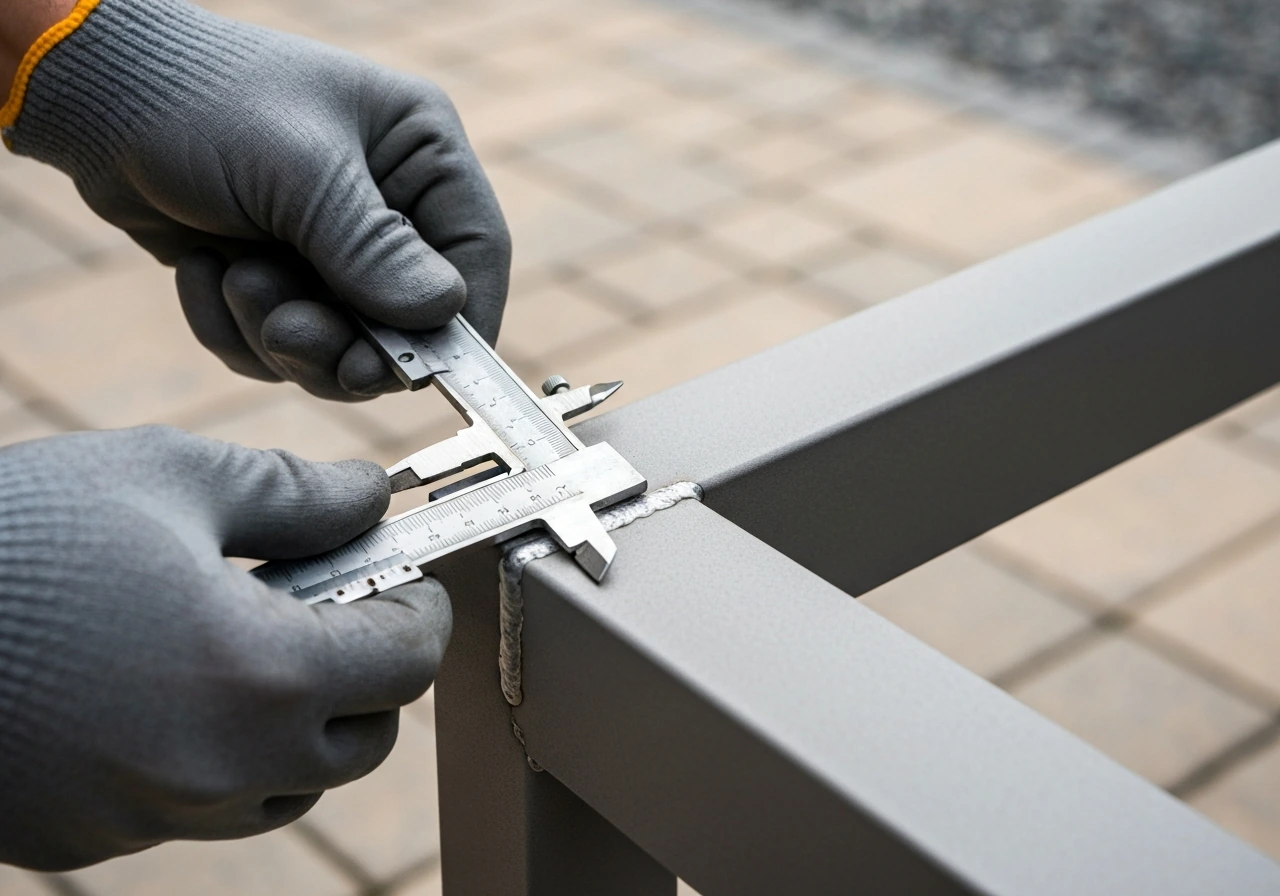
Brand name alone tells you almost nothing. What matters is how a brand handles its materials, what its warranty actually covers, and whether you can get replacement parts five years from now. Here is the framework I use before recommending any brand to someone.
- Material quality and construction method: Look for marine-grade aluminum with powder coat finishes rated to AAMA 2604 or 2605 standards, FSC-certified teak or eucalyptus, HDPE lumber for recycled-material pieces, and high-density wicker weaves on proper aluminum frames. Cheap brands often use hollow steel frames with thin paint instead of true powder coat.
- Warranty depth and honesty: A 1-year warranty on frames is a red flag. Solid brands cover frames for 5 to 20 years. Read what is actually excluded, because umbrella frames, cushions, and hardware often fall under separate terms.
- Replacement parts availability: Can you order a replacement cushion, a new sling, or a hardware pack three years from now? Brands that support this ecosystem extend the life of your furniture dramatically and signal genuine confidence in their products.
- Fabric and cushion specs: Sunbrella and similar solution-dyed acrylic fabrics are inherently fade resistant because the color goes through the entire fiber, not just the surface. Cheap polyester cushion covers fade in a single season in full sun.
- Frame finish and corrosion protection: Gloster, for example, pre-treats aluminum extrusions with a chrome conversion coating before applying an electrostatic powder coat. That two-step process matters in coastal or humid environments.
- Climate fit: Not every brand builds for every condition. Teak-heavy brands shine in wet climates. Powder-coated aluminum works almost anywhere. Cast iron needs vigilance in coastal zones. Know your environment before you shop.
If a brand is vague about its materials, hides its warranty in fine print, or does not sell replacement parts at all, move on. Good outdoor furniture is an investment, and the brands that stand behind their products make that investment worthwhile.
Top 10 patio furniture brands overview
These 10 brands span a range of materials, price points, and design aesthetics. I have grouped brief notes on each so you can quickly identify which ones belong on your shortlist.
1. POLYWOOD
POLYWOOD is the gold standard for recycled HDPE lumber furniture. Their frames carry a 20-year residential warranty, which is not marketing fluff. The lumber is made from recycled plastic, does not rot, does not require sealing, and handles moisture and UV far better than wood. Their aluminum line adds a rustproof, corrosion-resistant option with a 5-year frame warranty. They also run a free hardware replacement program by serial number with free shipping in the contiguous U.S., which is exactly the kind of post-sale support that separates real brands from disposable ones. The one honest caveat: their aesthetic leans classic and cottage-style. If you want sleek European minimalism, look elsewhere.
2. Gloster
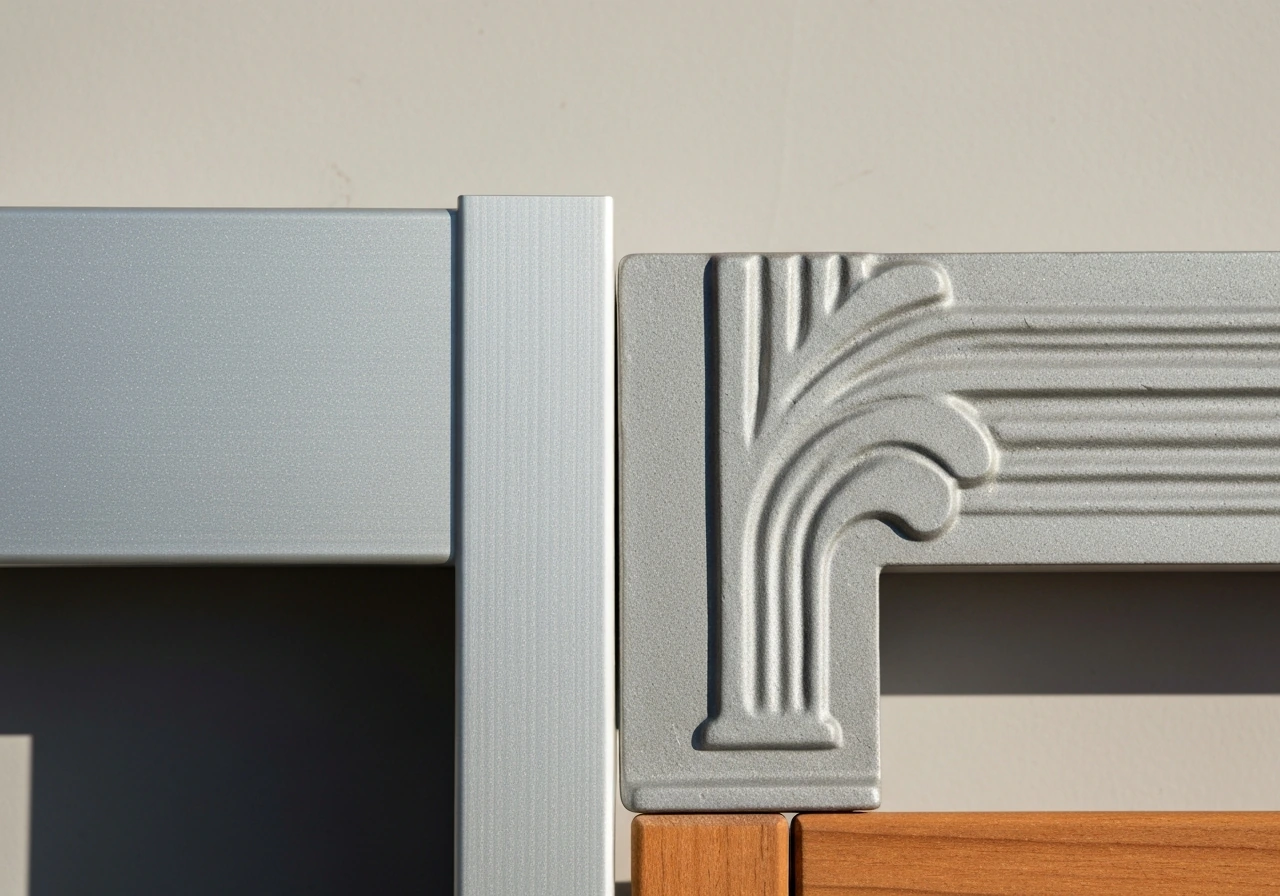
Gloster is a premium brand that does aluminum and teak at a level very few competitors match. Their aluminum is pre-treated with a chrome conversion coating before powder coating, which adds a meaningful layer of corrosion resistance. Teak, aluminum, stainless steel, and powder coat components all carry a 5-year warranty. If you are spending serious money and want a design-forward piece that will genuinely last, Gloster belongs in the conversation. Expect to pay for it.
3. Hanamint
Hanamint specializes in cast aluminum furniture with ornate, traditional styling. Their powder coat finish is warranted against peeling and blistering for 3 years, and their frames are cast aluminum rather than extruded, which means thicker walls and greater durability. This is the brand for buyers who want wrought-iron aesthetics without the rust risk and maintenance overhead of actual iron. They sell through specialty patio retailers, and the quality shows in the heft of their pieces.
4. Trex Outdoor Furniture
Trex, known for composite decking, applies similar recycled-material logic to outdoor furniture. Their powder coat finish is warranted for 5 years against peeling, and cushion fabrics carry a 1-year warranty. Worth noting: umbrella frames and bases fall under a separate Treasure Garden warranty path, not Trex's own, which is important to verify before you buy an umbrella through them. Their furniture is a solid, eco-friendly mid-range pick that punches above its price.
5. Brown Jordan
Brown Jordan is one of the oldest names in American outdoor furniture, founded in 1945. They are known for powder-coated aluminum and sling furniture with a clean, modernist design language. Their commercial-grade roots mean frames are engineered for longevity. If you want a piece that doubles as a design statement and can live outdoors year-round in most climates, Brown Jordan delivers. Price is squarely in the premium tier.
6. Telescope Casual
Telescope Casual has been manufacturing in the U.S. since 1903, which gives them an unusually deep bench of experience with aluminum and sling furniture. They offer extensive customization on sling fabrics and frame colors, which makes them a strong pick if you are designing a specific look. Their frames are cast and extruded aluminum with durable powder coat finishes. They are a particularly smart choice for dining sets and chaise loungers where sling comfort matters.
7. Lloyd Flanders
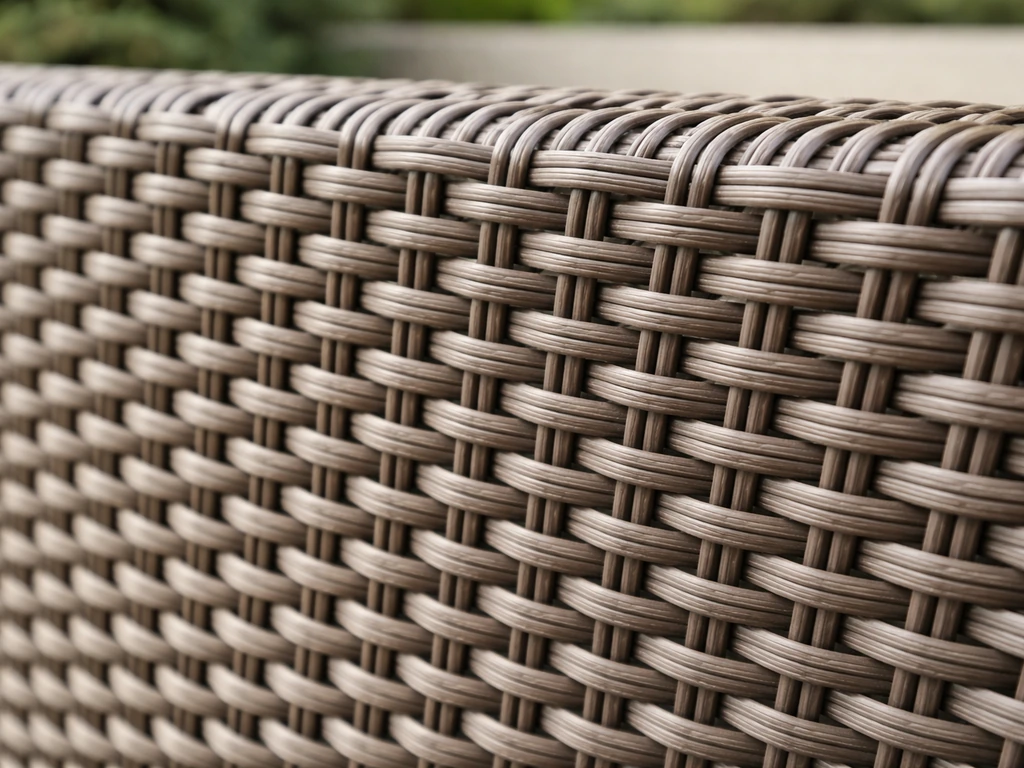
Lloyd Flanders is the benchmark for all-weather wicker and resin wicker furniture. They invented the loom-weaving process for synthetic wicker, and their woven pieces are built on powder-coated aluminum frames. Their wicker is more tightly woven and consistent than most competitors, and the frames underneath are built to commercial standards. If wicker or rattan-style furniture is on your list, Lloyd Flanders is worth the premium.
8. Woodard
Woodard is one of the few brands still offering genuine wrought iron and steel furniture alongside aluminum lines. Their steel pieces are heavier and more wind-resistant than aluminum, which matters on exposed decks and patios. They use multi-step paint processes and have a long track record in commercial settings. If you are in a low-humidity climate and want the real weight and look of iron or steel, Woodard is the name to check.
9. RH Outdoor (Restoration Hardware)
RH Outdoor sits at the very top of the price spectrum. Their teak, aluminum, and weathered concrete pieces are built for buyers who want museum-quality aesthetics outdoors. The materials are genuinely premium, but so is the markup. Where RH earns its spot is in teak sourcing and craftsmanship: their pieces are built to last decades with proper care. If budget is not your primary constraint and design is paramount, this is worth exploring. Just read the warranty terms carefully and compare cost per year before committing.
10. Outer
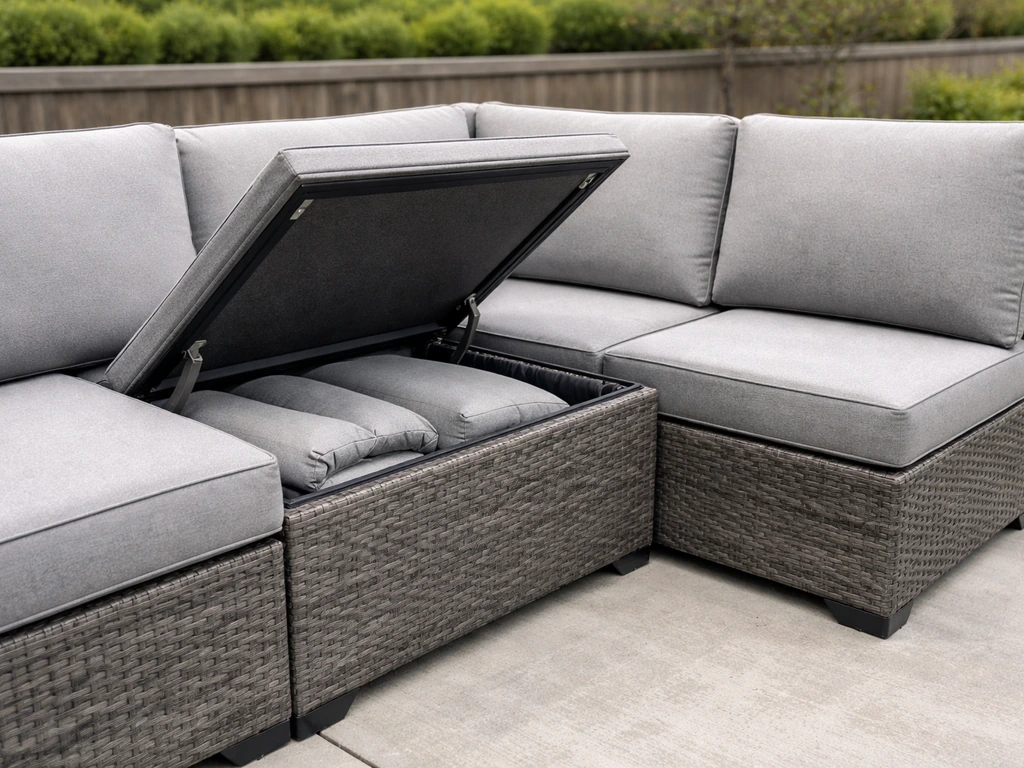
Outer is a newer direct-to-consumer brand that has earned real credibility for its modular sectionals with a built-in weatherproof storage system for cushions. Their OuterShell technology lets you leave cushions outside without a storage hassle, which solves one of the most common maintenance complaints about outdoor furniture. Their aluminum frames and all-weather wicker options are solid, and their neighborhood showroom model lets you see furniture in real homes before buying. For buyers who want modern sectionals with smart design thinking, Outer stands out.
Material strengths by brand
Each of these brands has a material sweet spot. Buying a brand outside its strength zone usually means paying a premium for something they do not do as well as a specialist. Here is how the material map breaks down.
| Material | Best Brand(s) | What to Verify |
|---|---|---|
| Recycled HDPE / Poly Lumber | POLYWOOD, Trex | HDPE grade, frame joinery, UV inhibitor content, warranty length |
| Teak | Gloster, RH Outdoor | FSC certification, grade A vs. grade B teak, finish type (oiled vs. unfinished), joint construction |
| Powder-Coated Aluminum | Brown Jordan, Telescope Casual, Gloster, POLYWOOD | AAMA coating standard (2604 or 2605), frame wall thickness, weld quality, pre-treatment process |
| Cast Aluminum | Hanamint, Woodard | Wall thickness, sand-cast vs. die-cast construction, powder coat adhesion, part replacement availability |
| All-Weather Wicker / Rattan-Style | Lloyd Flanders, Outer, POLYWOOD | Frame material underneath (aluminum preferred), weave density, UV and moisture resistance, cushion fabric spec |
| Steel / Wrought Iron | Woodard, Hanamint (cast aluminum alternative) | Rust prevention treatment, paint thickness, climate suitability, weight for wind resistance |
| Performance Fabric / Cushions | All brands above (verify Sunbrella or equivalent) | Solution-dyed acrylic vs. polyester, fill material (foam vs. blended fiber), drainage design, fade warranty |
On cushions specifically: look for solution-dyed acrylic fabric like Sunbrella. The color is baked into the fiber during manufacturing, which is why it holds up against UV far better than surface-dyed or polyester alternatives. POLYWOOD's performance fabric is designed to resist moisture, salt, sun, mold, and mildew, and their cushions include foam and blended polyester fiber fill with a quick-dry construction. That combination of fabric and fill design is what you want to replicate when evaluating any brand's cushion spec.
Climate fit and durability expectations
Where you live should heavily influence which brand and material you pick. A piece that thrives in dry Arizona heat can corrode, warp, or crack in a Pacific Northwest winter. Here is how to think about climate matching.
Hot, sunny, and dry climates
UV is the primary enemy here. HDPE lumber (POLYWOOD, Trex) handles sun exposure exceptionally well because the pigment and UV inhibitors go through the entire material. Powder-coated aluminum is also strong, but cheap coatings will chalk and fade. Look for brands using AAMA 2604 or 2605 rated finishes. Cushion fabric matters enormously: solution-dyed acrylic will last years, polyester may look faded and tired within one full season. Avoid dark-colored metal surfaces in intense desert heat since they absorb heat and become uncomfortable to touch.
Wet, rainy, and humid climates
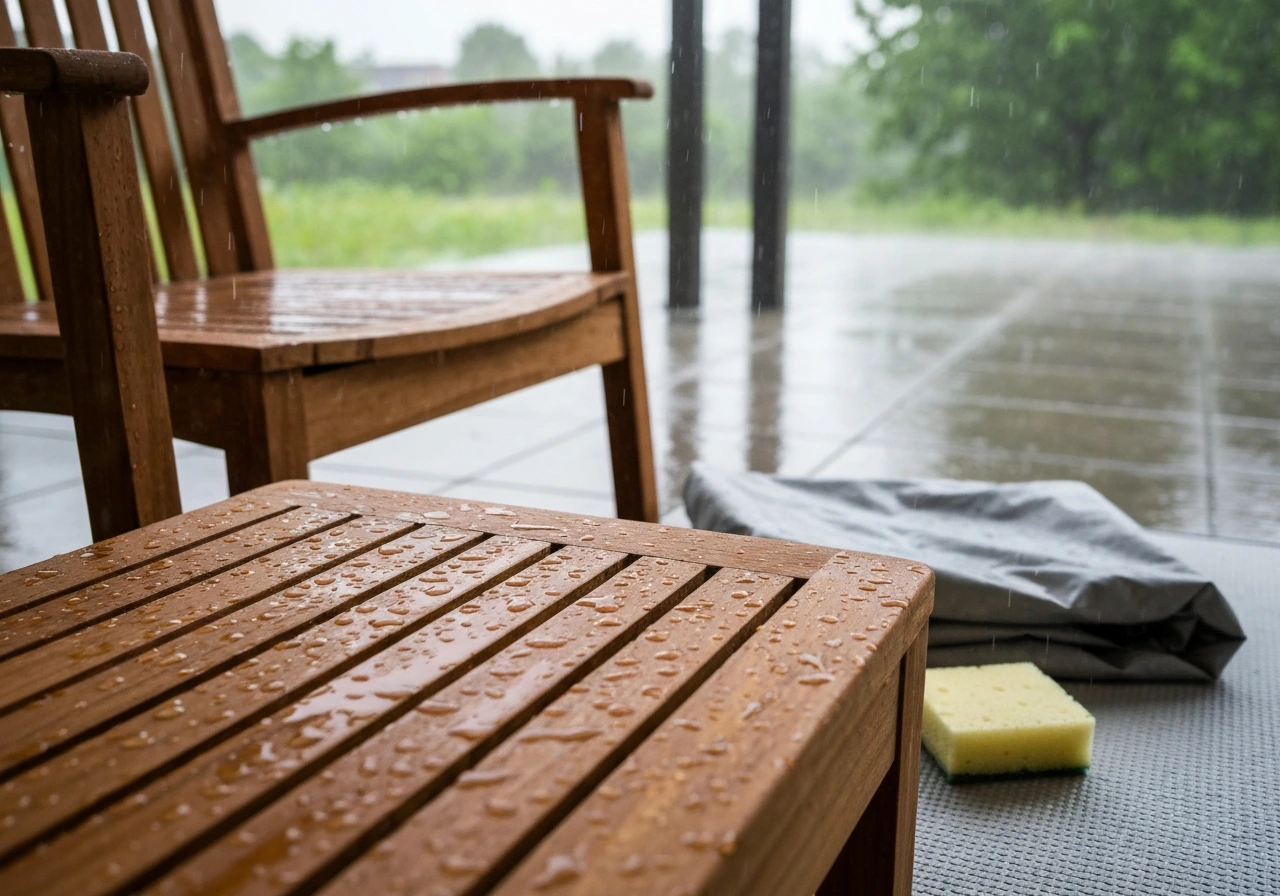
Teak performs best here among natural woods because its natural oils resist water absorption and fungal growth. Grade A teak from Gloster or RH Outdoor can be left outdoors year-round in wet climates with annual cleaning and occasional oiling. HDPE lumber is also excellent since it does not absorb water at all. Avoid steel and iron unless you are prepared for diligent seasonal maintenance. All-weather wicker on aluminum frames (Lloyd Flanders, Outer) holds up well as long as the frame underneath is fully powder-coated and not bare steel.
Coastal and salt-air environments
Salt air accelerates corrosion on almost every metal surface. The best performers here are HDPE lumber (zero corrosion risk), marine-grade aluminum with high-quality powder coat, and teak. For patio top garden furniture Fuengirola, match the material to the coastal sun and salt air, and then confirm warranty coverage and replacement-part availability. Gloster's chrome conversion pre-treatment before powder coating adds meaningful protection in salt environments. POLYWOOD's materials page explicitly lists salt resistance as a design criterion. Avoid cast iron, plain steel, and any brand that does not specifically mention coastal durability. Stainless steel hardware matters too: cheap zinc or plated screws will seize or corrode while your frame is still fine.
Cold, snowy, and freeze-thaw climates
Freeze-thaw cycles crack finishes and expand moisture trapped in porous materials. Teak and HDPE lumber handle this best among solid materials. Aluminum contracts and expands without cracking under normal outdoor temperature swings. Wicker is generally fine if the frame underneath is sealed. The bigger concern in cold climates is cushion storage: foam and fiber fill can absorb moisture over winter and mildew badly. Plan for covered storage or use cushion bags. Brands like Outer reduce this friction with integrated cushion storage solutions. Most warranties, including Gloster's 5-year coverage, exclude damage from improper storage, so do not leave cushions out under snow and expect warranty coverage.
Price tiers and long-term value
The sticker price of outdoor furniture almost never tells you what it actually costs per year of use. A $400 set that lasts three seasons before the frame rusts and the cushions shred costs more per year than a $1,200 set that runs a decade with minor maintenance. Here is how to think about the tiers.
| Price Tier | Typical Spend (4-piece set) | Representative Brands | Expected Lifespan | Cost Per Year (approx.) |
|---|---|---|---|---|
| Budget | $200–$600 | Big-box store generics | 2–4 seasons | $75–$200/yr |
| Mid-Range | $600–$1,800 | Trex, POLYWOOD, Telescope Casual (entry lines) | 8–15 years | $60–$150/yr |
| Premium | $1,800–$4,500 | Hanamint, Lloyd Flanders, Outer, Brown Jordan | 12–20 years | $90–$250/yr |
| Luxury | $4,500+ | Gloster, RH Outdoor, Brown Jordan (top lines) | 20+ years with care | $150–$300/yr |
Mid-range often wins on pure cost-per-year math. A POLYWOOD dining set with a 20-year residential warranty is genuinely low-maintenance over that span. Luxury brands like Gloster earn their price through design, material refinement, and a level of craftsmanship that is genuinely visible when you sit in the furniture. Where the math falls apart is at the budget tier: you rarely get past year three without meaningful degradation, and replacement costs compound quickly. If budget is a real constraint, buy fewer pieces from a mid-range brand rather than a full set from a cheap one.
When comparing listings, check what is actually included in the set price. Cushions are sometimes sold separately, and umbrella bases almost always are. Factor those add-ons in before you compare brands side by side. This is also where checking top rated patio furniture resources and outdoor patio furniture ratings from dedicated review sites can help you pressure-test what dealers claim about long-term value. If you want patio furniture that performs well in real-world use, focus on patio furniture top rated lists and corroborate them with durability and warranty details top rated patio furniture resources. If you want top rated patio furniture brands you can trust, focus on well-reviewed options and confirm the durability and warranty details before buying.
Styles and product types to match your space
Matching the product type to your space is as important as matching the brand to your climate. Here is how I think about the main categories.
Dining sets
For dedicated outdoor dining, you want a table with a surface that handles heat, moisture, and occasional spills without special treatment. Teak dining tables (Gloster, RH Outdoor) are excellent but require annual cleaning. Cast aluminum tables (Hanamint, Woodard) are nearly zero-maintenance and hold up in most climates. POLYWOOD's HDPE tables cannot be damaged by moisture and wipe down easily. For chairs, sling-style options (Telescope Casual, Brown Jordan) are comfortable and drain immediately after rain, which is a practical advantage over cushioned chairs in wet climates.
Conversation sets and sectionals
This is where all-weather wicker and modular designs shine. Lloyd Flanders and Outer both do modular sectionals extremely well. Outer's built-in cushion storage is genuinely useful for people who do not want to drag cushions inside every evening. For conversation sets with a traditional look, Hanamint's cast aluminum club chairs and loveseats give you a premium feel without the maintenance of real iron. If modern aesthetics are the goal, Brown Jordan and Gloster make conversation pieces that look as refined as indoor furniture.
Chaise loungers and pool furniture
Poolside furniture needs to dry fast, resist chlorine splash, and handle daily heavy use. Sling loungers (Telescope Casual, Brown Jordan) are excellent here because the fabric dries instantly and the frame stays cool. POLYWOOD HDPE loungers are also a strong pick for pool settings. Avoid cushioned loungers without quick-dry, solution-dyed fabric near pools since chlorine and water will degrade standard foam and polyester quickly.
Deep-seating and lounge chairs
Deep-seating sets prioritize comfort and usually pair thick cushions with low frames. Lloyd Flanders, Outer, and POLYWOOD all do this well. The cushion fill matters more here than in any other product type. Look for high-density foam cores wrapped in polyester fiber, with drainage holes in the cushion base. Brands that specify foam weight (typically 1.8 lb per cubic foot or higher for outdoor use) are being transparent about quality. Avoid any deep-seat cushion without drainage or quick-dry fabric if you live anywhere with regular rainfall.
Buying tips, shipping, returns, and what to verify before you pay
Before you complete any outdoor furniture purchase, run through this checklist. It will save you frustration and money.
- Read the warranty document, not the marketing summary. Look for what is excluded: accidental damage, cushions, hardware, umbrella frames, and commercial use are commonly carved out. POLYWOOD explicitly excludes umbrella frames and bases from their residential warranty, for example, and Trex routes umbrella warranty claims through a separate manufacturer.
- Confirm replacement parts availability. Can you order a replacement sling, cushion, or hardware pack by serial number? POLYWOOD offers a free hardware replacement pack per serial number. Not every brand is this transparent. Search the brand's website for 'replacement parts' before you buy.
- Check fabric specs. Demand solution-dyed acrylic (Sunbrella is the benchmark) or confirm that the proprietary fabric carries comparable UV and fade resistance specs. A 1-year fabric warranty from a reputable brand is standard; anything shorter is a warning sign.
- Verify frame coating quality. Ask or research whether the powder coat is applied over a pre-treatment. Gloster's chrome conversion step before powder coating is above average. At minimum, look for a multi-step powder coat process rather than a single-coat spray finish.
- Factor in shipping damage policy. Large furniture ships with real risk of damage. Brands like POLYWOOD have clear workflows: report damage immediately and submit a warranty request form to trigger replacements. Know the process before it happens to you.
- Check return windows carefully. Most specialty patio brands have limited return windows (often 30 days) and may charge restocking fees for large items. Confirm this before ordering, especially from direct-to-consumer brands.
- Compare total landed price including cushions. Many sets list frame-only prices. Add cushion sets, covers, and umbrella bases before doing price comparisons across brands.
- Look at best patio furniture brand resources and top rated patio furniture reviews for independent assessments that go beyond brand marketing.
Repair, care, and when to upgrade
Good outdoor furniture does not just survive with neglect. A little consistent maintenance extends the life of even mid-range pieces dramatically, while poor care shortens the life of expensive ones.
Routine cleaning by material
For aluminum frames, a mild soap and water wash a few times per season is enough. POLYWOOD's care guidance covers mold, mildew, and stain removal for aluminum using standard cleaning solutions without abrasives. For teak, clean with a soft brush and teak cleaner annually; apply teak oil if you want to maintain the golden color, or leave it to weather naturally to silver-gray. For HDPE lumber, a garden hose and soft brush handle almost everything. Wicker and resin wicker should be vacuumed in the weave and wiped down with a damp cloth. Avoid pressure-washing wicker at close range since it can loosen the weave at stress points.
Seasonal storage and protection
Frames for aluminum, HDPE, and teak can typically stay outdoors year-round in most climates. Cushions should be stored in a dry location or protective bags during extended rain periods and winter months. If you are in a freeze-thaw climate, bring cushions inside entirely from October to April. Use breathable furniture covers (not sealed plastic tarps) for frames over winter to prevent moisture trapping while still protecting the finish.
Common repairs and when they make sense
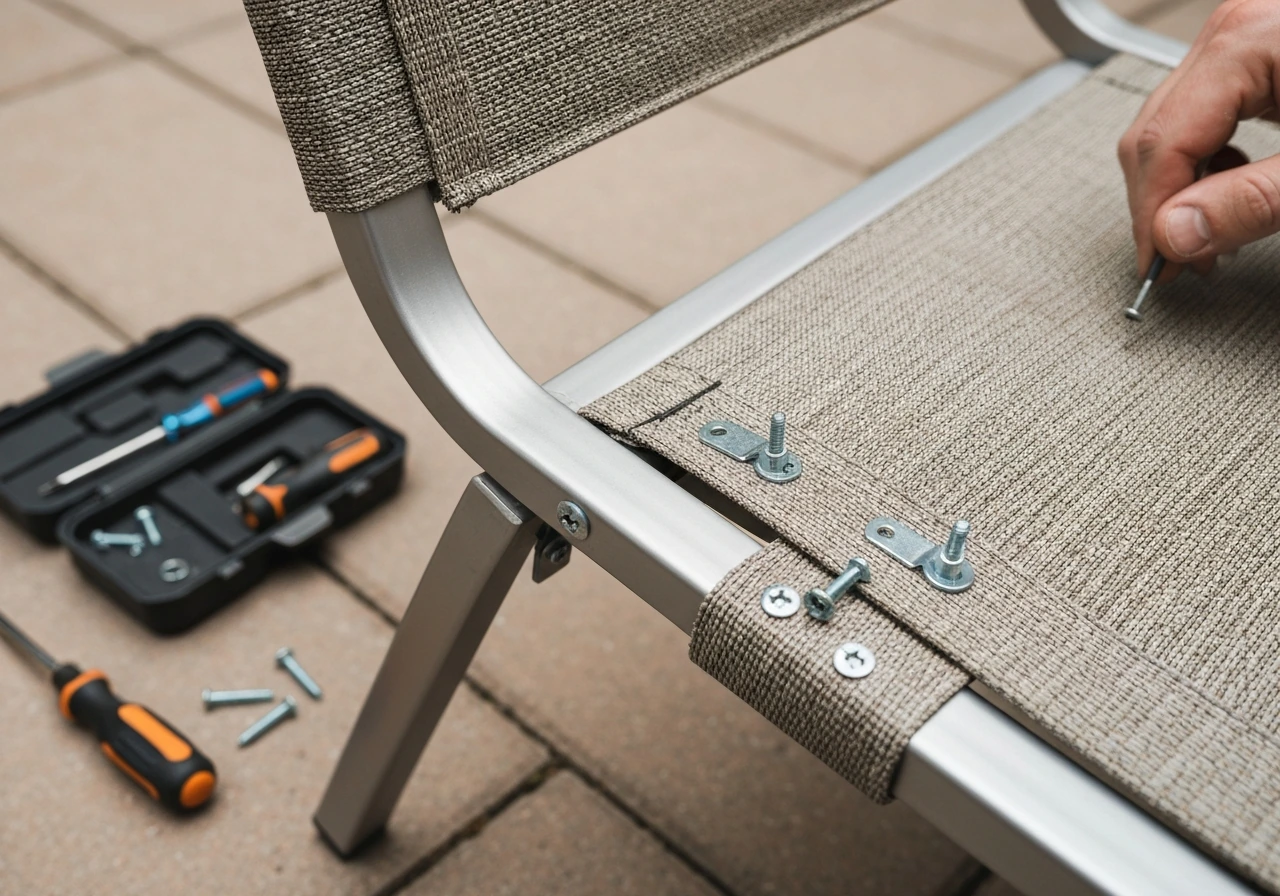
Sling replacement is one of the most cost-effective repairs in outdoor furniture. A faded or stretched sling on a Telescope Casual or Brown Jordan chair can be replaced for a fraction of the cost of a new chair, and specialist sling replacement services are widely available. POLYWOOD's replacement cushions blog explicitly supports this logic: if the frame is solid, buy replacement cushions rather than new furniture. Their replacement cushion process routes through warranty status and parts ordering, which is straightforward when you have a serial number.
Hardware replacement is another easy win. Corroded screws, worn glides, and broken clips are cheap parts that dramatically affect comfort and stability. POLYWOOD offers free hardware replacement packs by serial number with free shipping in the contiguous U.S. Even brands without this specific program usually sell hardware through their support channels.
When to stop repairing and upgrade instead
The upgrade signal is usually structural: a cracked weld, a frame that has bent out of shape, or aluminum that has corroded through the wall. Surface issues like faded fabric, worn finishes, or stretched slings are all worth repairing on a good frame. But if the frame itself is compromised, putting money into cushions or slings is wasted. A quick rule: if the repair cost exceeds 40 to 50 percent of the replacement cost of the piece, and the frame has structural issues, it is time to upgrade. If the frame is solid and the repair is purely cosmetic or cushion-based, repair every time. Brands with strong frame warranties, like POLYWOOD's 20-year residential coverage, make this decision easier because you have a clear signal from the manufacturer about expected frame life.
When you do upgrade, use the same framework you started with: match material to climate, verify the warranty, confirm replacement parts exist, and look at cost per year rather than sticker price. The brands at the top of this list have all earned their reputations through exactly those factors, and any one of them is a significant step up from what most big-box stores offer. If you want the best patio furniture supplier for your location, prioritize brands that clearly offer replacement parts, strong warranties, and real climate testing. If you are comparing the best products patio furniture for your setup, focus on warranty length, materials that fit your climate, and whether replacement parts are easy to find.
FAQ
Are these top 10 patio furniture brands equally good for commercial or heavily used patios (restaurants, rentals, hotels)?
Start with the product warranty that matches your use case. Residential coverage does not always apply to daily commercial exposure (sun intensity, higher wind, more continuous use). Also confirm whether the warranty requires registration, proof of purchase, or proper seasonal storage (especially for cushions), since many exclusions are about maintenance rather than defects.
Can I buy aluminum-based patio furniture from these brands in a coastal, salt-air area without it corroding?
Yes, but only if you check the frame coating and the hardware grade. Look for full powder coating coverage, not touch-up paint, and confirm that bolts, screws, and glides are stainless steel or otherwise corrosion-resistant. In salt air, even “rust-resistant” aluminum can fail early if the coating is thin or the fasteners are zinc-plated.
What should I consider if I live somewhere with freeze-thaw winters and I want all-weather wicker or resin wicker?
You can, but avoid assuming “wicker” means it will survive freezing winters. Your priority is the frame (fully powder-coated aluminum, no bare steel) and the cushion strategy (dry storage or sealed-bag protection). If cushions stay outdoors through freezes, mildew risk increases and warranties often exclude moisture damage from improper storage.
How do I interpret warranty terms for powder-coated aluminum, and what finish failures are covered?
Blistering and peeling usually point to a finish failure, not just an aesthetic issue. When comparing brands, look for explicit coverage against peeling or blistering and note whether it is time-limited to the finish only or includes related components. Also ask whether touch-up paint is available or if you need to replace entire frames.
How can I tell if a cushion will actually hold up in frequent rain, not just resist fading?
For solution-dyed acrylic, check the fabric construction details beyond the name, especially whether it is truly quick-drying and how the cushion base is built. For deep seating, look for drainage openings and high-density foam plus fiber wrap. If a listing does not mention drainage and quick-dry behavior, assume it will retain moisture in rain and reduce lifespan.
If I buy an umbrella from one of these brands, is the umbrella covered under the same warranty as the rest of the furniture?
Not necessarily. Even when a brand has strong frame warranties, umbrella warranties are often handled by a different manufacturer or coverage path. Verify umbrella fabric, ribs, and frame coverage separately, and confirm replacement part availability for ribs, tips, and bases before buying an umbrella bundle.
When should I repair patio furniture (replace slings or cushions) versus buying a new set?
If the frame is structurally sound, replacement is usually the cheapest path. Use a simple decision rule: if the repair cost is under roughly half the replacement cost and the frame is not bent, cracked, or corroded through, repair is typically worth it. If structural issues exist, cushions or slings become a wasted spend regardless of how cheap replacements are.
What questions should I ask before buying to confirm I will be able to get replacement parts years later?
Make sure the brand sells parts by model or serial number, not just “contact us.” Replacement availability is often strongest for cushion systems, hardware, and slings, and weaker for rare finish batches or discontinued frames. If you cannot find part numbers or a clear ordering path, treat it as a long-term risk even if the initial product quality is excellent.
Do I really need to bring cushions inside, and what type of cover is safest for frames during winter?
For the safest coverage, plan storage based on climate severity, not just brand claims. In freeze-thaw areas, store cushions fully indoors from roughly fall through spring, and use breathable covers for frames to avoid trapped moisture. Avoid sealed plastic tarps directly on furniture because they can increase condensation and staining over winter.
Which of these material types are safest for poolside use where chlorine splashes are common?
It can, but only with careful fabric selection and drying time. If you regularly spill chlorine water or leave splashes to dry, choose sling-style options that drain quickly and are made for pool chemistry exposure, or select cushions with solution-dyed acrylic and confirmed quick-dry construction. Avoid standard polyester foam setups near pools unless the brand explicitly supports that environment.
How do I choose the best deep-seating set if comfort is my top priority but I also want low maintenance?
Yes, but the “right” match depends on whether you want comfort or long-term stiffness. Deep seating benefits most from drainage holes and cushion fill specifications, not just brand reputation. Wicker and HDPE bases can be very durable, but comfort will still depend on cushion thickness, foam density, and how quickly water drains from the cushion base.
Next Articles
Outdoor Patio Furniture Ratings: How to Choose Fast
Use outdoor patio furniture ratings to compare materials and pick durable, weatherproof, comfortable patio sets fast for
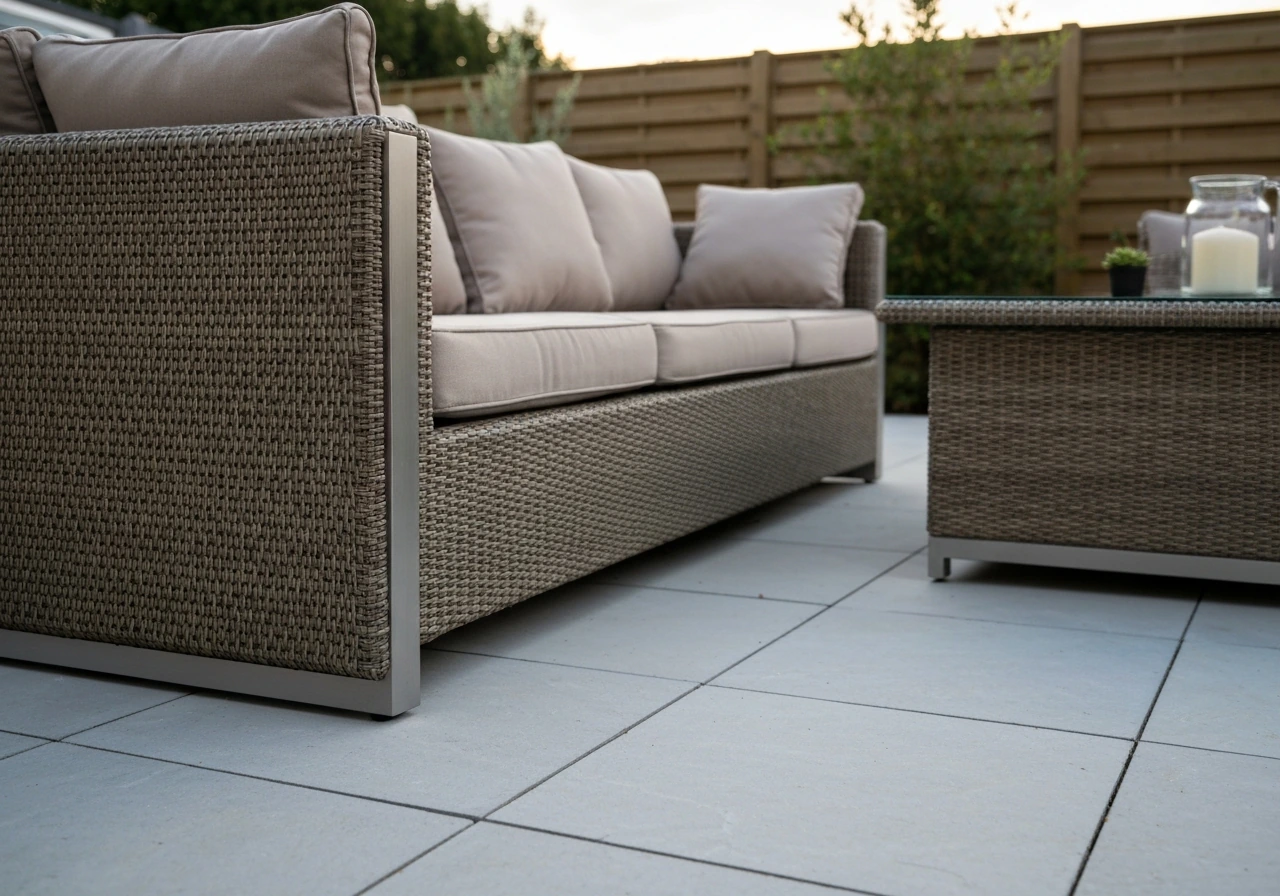
Best Patio Furniture Brand: How to Choose and Top Picks
Learn how to pick the best patio furniture brand, compare top manufacturers, materials, durability, value, and maintenan
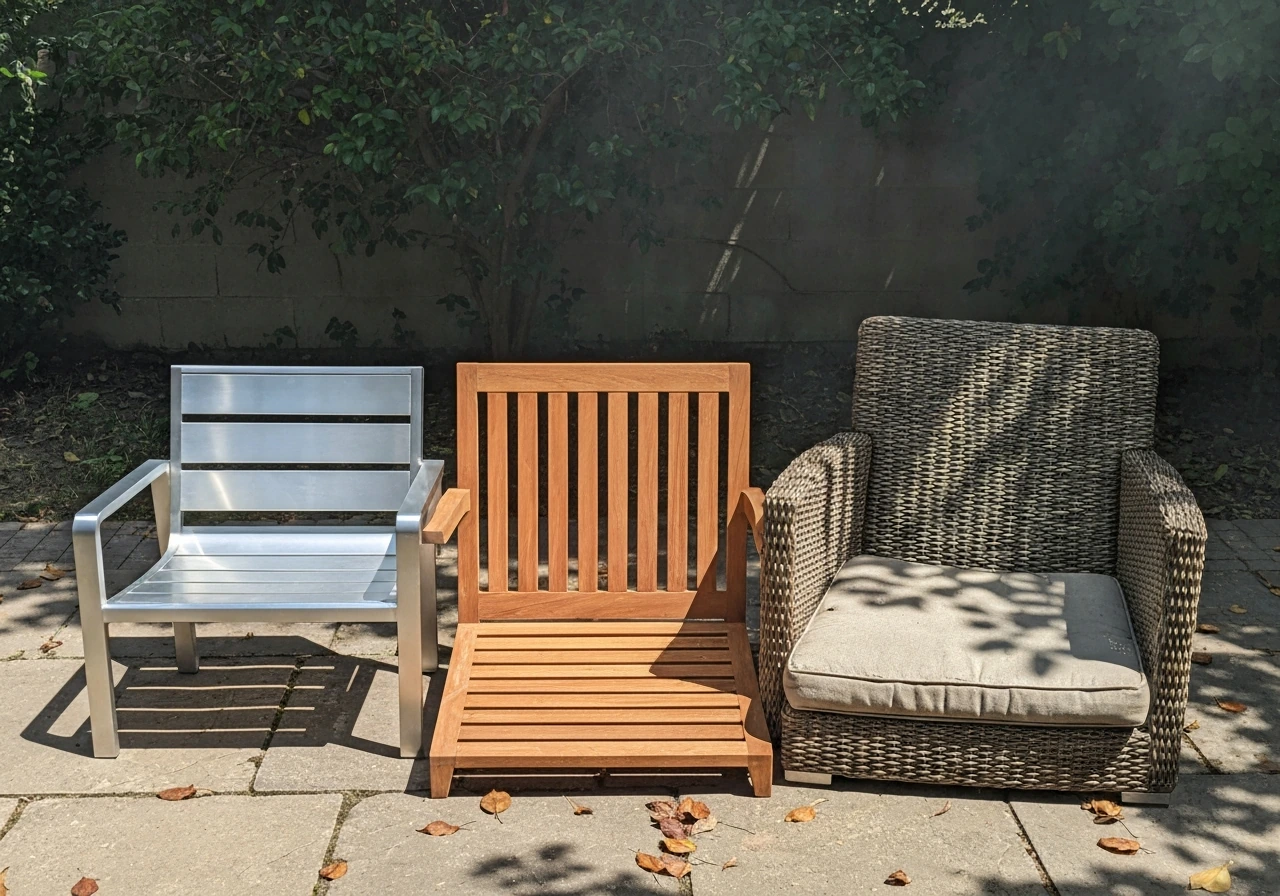
Top Rated Patio Furniture Brands by Material and Climate
Compare top rated patio furniture brands by material and climate, with durability, warranty, and buying tips for lasting