
The best patio furniture brand depends almost entirely on your material preference, climate, and how much you want to spend over a 10-to-20-year window rather than just today. For most people buying quality aluminum or all-weather furniture, Outer and POLYWOOD sit at the top right now. For premium cast and extruded aluminum with serious longevity, Castelle is hard to beat. If you want a mid-range brand with solid construction and reasonable warranties, KETTLER is worth a close look. But picking the right brand means knowing what signals real quality versus marketing polish, and that's exactly what this guide walks you through.
Best Patio Furniture Brand: How to Choose and Top Picks

Marcus Kellerman
28 Apr 2026
How to define "best" for your patio
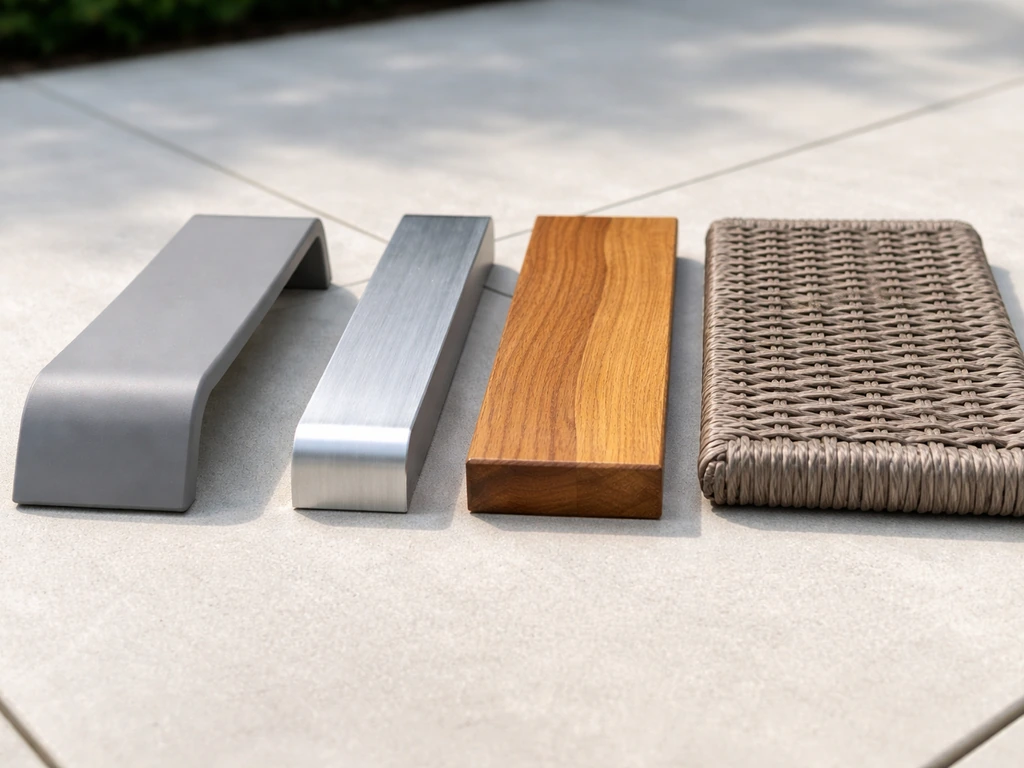
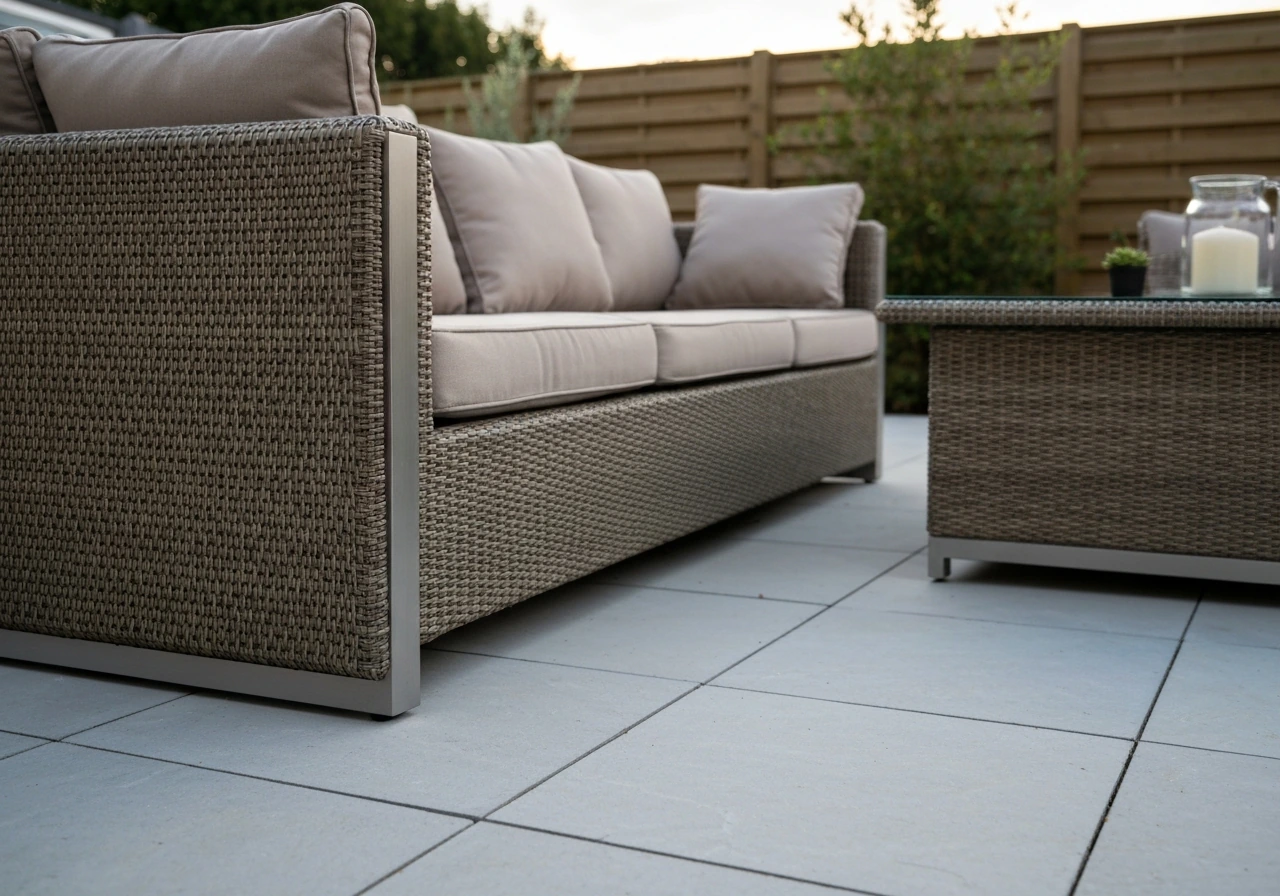
"Best" is not a single answer. A brand that makes brilliant teak furniture for a shaded Pacific Northwest deck is probably the wrong choice for a sun-hammered Florida pool deck. Before you look at any brand name, lock in four things about your situation: the climate and exposure level (coastal salt air, high UV, freezing winters, or all of the above), how much maintenance you're willing to do, whether you have covered storage for off-seasons, and how long you actually want the furniture to last.
Think about cost-per-year rather than sticker price. A set that costs $3,000 and lasts 20 years runs you $150 per year. A $900 set that degrades in five years costs you $180 per year and also forces you to go shopping again. The brands with the best long-term warranties and replaceable parts win the cost-per-year game almost every time, even when they look expensive upfront.
- Climate and exposure: salt air, UV intensity, freeze-thaw cycles, humidity
- Maintenance appetite: none, seasonal wipe-down, or annual refinishing
- Storage availability: covered patio, shed, garage, or fully exposed year-round
- Use pattern: daily outdoor dining, occasional lounging, or poolside every day
- Budget framing: total cost over 10-15 years, not just today's price tag
Top patio furniture brands and manufacturers by style and quality
The outdoor furniture market splits into three rough tiers: premium brands with long warranties and genuine material quality, solid mid-range brands that offer good value without the flagship price, and budget-tier brands that can work for light use but rarely hold up for more than a few seasons of real exposure. Here are the brands worth knowing at each level.
| Brand | Best For | Primary Materials | Price Tier | Frame Warranty |
|---|---|---|---|---|
| POLYWOOD | Low-maintenance, eco-friendly, coastal climates | HDPE lumber, marine-grade hardware | Mid to upper-mid | 20-year lumber, 5-year welds/powder coat |
| Castelle | Premium aluminum, luxury residential | Cast and extruded aluminum | Premium | 15-year frame |
| Outer | Modern design, all-weather wicker and aluminum | All-weather wicker, aluminum, stainless steel | Upper-mid to premium | 10-year frame (aluminum/wicker structure) |
| KETTLER | European-style aluminum, solid mid-range | Powder-coated aluminum | Mid-range | 3-year frame / 1-year fabric |
| Crate & Barrel Outdoor | Stylish rustproof aluminum, design-forward | Rustproof powder-coated aluminum | Upper-mid | Varies by product |
| Hanover | Budget-friendly starter sets | Steel, aluminum, wicker | Budget to mid | Limited; general rust excluded |
Brand-by-brand guidance: what they're best at
POLYWOOD
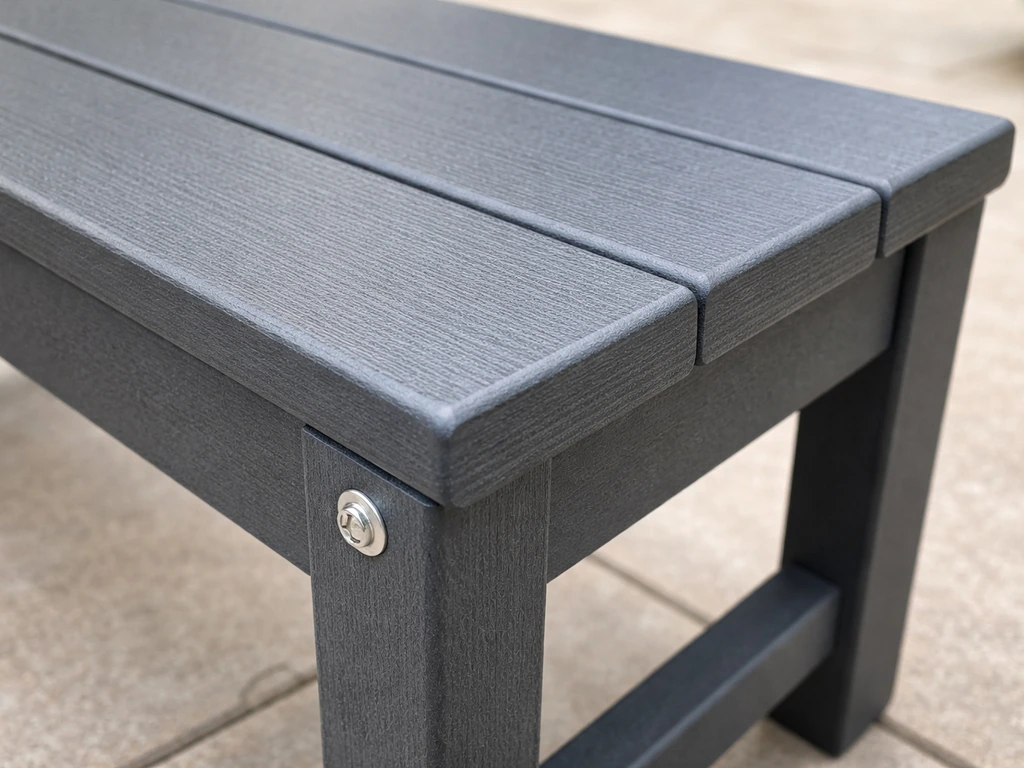
POLYWOOD makes furniture from high-density polyethylene (HDPE), the same dense recycled plastic used in marine environments. The lumber itself carries a 20-year residential warranty, which is genuinely rare in this industry. Frame welds and powder coat finish are warranted for 5 years, and even sling fabrics get a 3-year warranty for tears and loss of dimensional stability. The hardware is marine-grade, which matters a lot if you're near saltwater. The tradeoff is aesthetic: POLYWOOD furniture has a specific look that fits cottage, coastal, and traditional styles better than it does minimalist modern. It also weighs more than aluminum. But for people who want to leave furniture outside year-round in harsh climates and basically never refinish it, POLYWOOD is the most defensible long-term choice in its price range. Note that the warranty excludes damage from corrosive atmospheres and treats normal weathering (fading, chalking) as expected rather than defective, so read those terms before buying if you're in an extreme salt-air zone.
Castelle
Castelle builds with cast and extruded aluminum, which means it's rust-resistant by material nature rather than just by coating. The 15-year frame warranty on residential aluminum furniture is one of the longest in the business. Castelle offers a wide selection of frame finishes and premium cushions, and its collections skew toward classic and transitional residential aesthetics. If you're outfitting a serious outdoor living space and want furniture that holds its value over 15-plus years, Castelle is one of the few brands where the warranty actually backs up the marketing.
Outer
Outer has built a reputation on modern, comfortable outdoor furniture with genuinely strong warranties by component. Its all-weather wicker armchairs, for example, carry a 10-year warranty on the wicker frame and cast stainless steel legs, with a 5-year limited warranty on cushions and the All-Weather Wicker material itself. Aluminum chaise lounges come with a 10-year frame warranty. The brand sells direct-to-consumer and maintains a Neighborhood Showroom model where you can see pieces in real homes before buying. Design-wise, Outer is contemporary and clean, which appeals to people upgrading from builder-grade sets.
KETTLER
KETTLER is a German brand with a long track record in aluminum outdoor furniture. Its powder coating is baked on as a dry protective layer, which does improve longevity compared to liquid-applied finishes. Warranties are more modest (3-year frame, 1-year fabric on many products), which places it squarely in the mid-range tier rather than premium. That said, the construction quality is noticeably better than budget big-box alternatives, and the brand's material care guidance is thorough. For buyers who want European styling and a step up from entry-level without paying premium prices, KETTLER is a reasonable middle ground.
Hanover
Hanover is widely available through big-box retailers and offers accessible price points for starter sets. The tradeoff is warranty coverage: the official warranty explicitly excludes general frame rusting, and coverage is limited to manufacturing defects rather than wear. That's a meaningful gap if you expect the furniture to hold up for more than three to five seasons in wet or coastal climates. Hanover can work well for covered patios, light seasonal use, or situations where budget is the hard constraint, but go in with realistic lifespan expectations. If you’re searching for patio top garden furniture Fuengirola options, start by matching the materials and warranty coverage to how much sun, salt air, and rain your terrace gets.
Material and construction quality checks when choosing a brand
Brand names matter less than construction details when you're actually evaluating a piece. Here's what to check regardless of the label on the tag.
Frame and hardware
Aluminum is almost always a better default than steel for outdoor use because it doesn't rust. If a piece is steel, it needs thick powder coat and ideally a galvanized or zinc-treated base layer. For cast aluminum, look for weld quality at joints, not just smooth surfaces. Hardware (bolts, screws, brackets) should be stainless steel or marine-grade rather than standard zinc-plated steel, which will corrode. POLYWOOD, for example, specifically notes marine-grade hardware in its construction specs, and that detail alone makes a difference in coastal environments.
Powder coat and finish
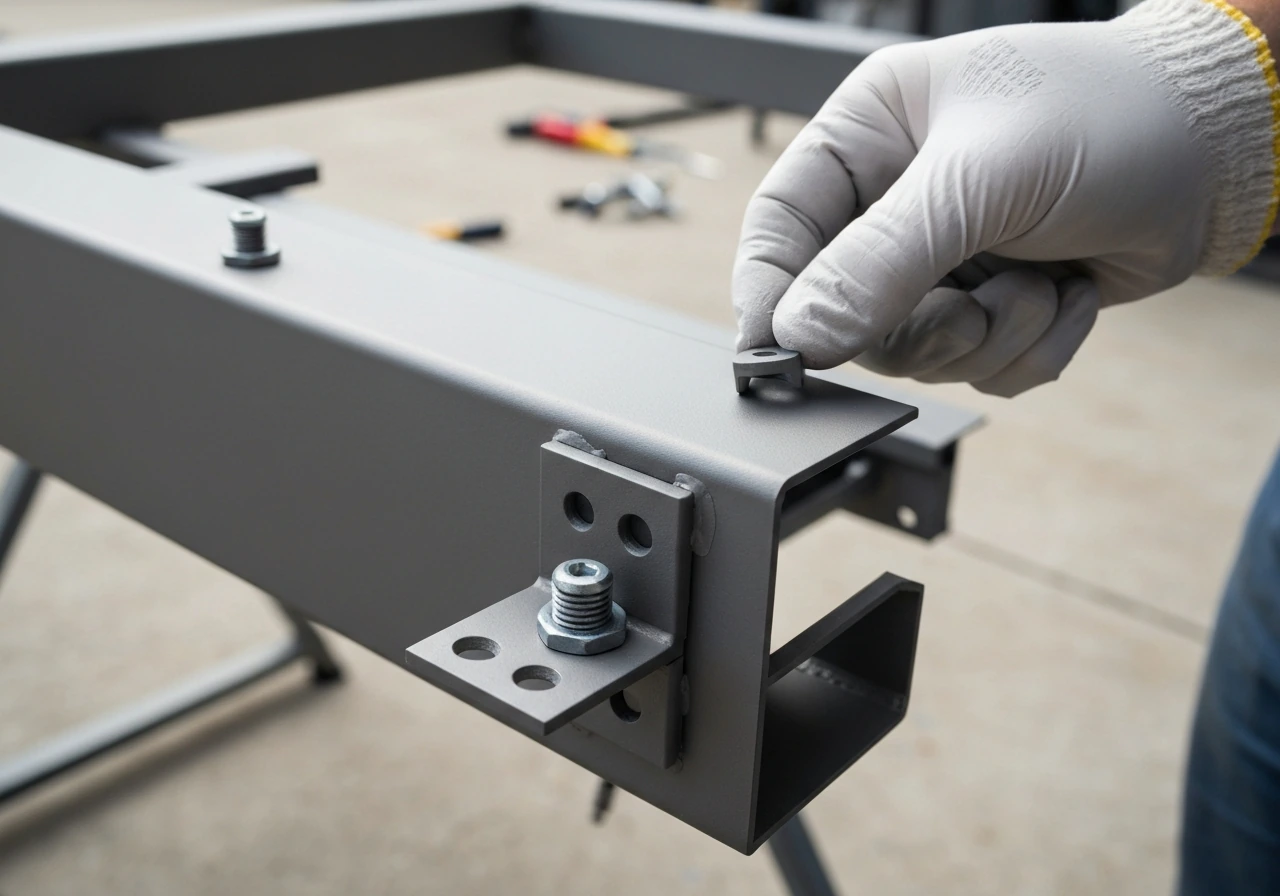
Powder coating done right means the dry powder is electrostatically applied and then baked onto the metal, creating a harder, more adhesion-resistant surface than wet paint. The red flag to check: warranty language around powder coat. POLYWOOD warrants that its powder coat finish won't peel for 5 years. Some lower-tier brands specifically exclude chipping, fading, and future corrosion from underneath the powder coat, which is almost useless protection in practice. Ask exactly what the finish warranty covers before buying.
Cushion and fabric construction
Cushion foam degrades from UV, rain, and temperature cycling, and interior-grade foam used in outdoor cushions will break down fast. Look for brands that specify outdoor-rated foam construction. For fabric, Sunbrella is the benchmark: it's 100% solution-dyed acrylic, meaning the color runs through the fiber rather than sitting on the surface, and it carries a 5-year limited warranty for upholstery use (and 10 years for shade/marine applications). Many quality brands use Sunbrella as their cushion fabric, which is a useful shorthand for fabric quality even if the brand isn't a household name.
Wicker and rattan
Natural rattan and wicker are not outdoor materials. They absorb moisture, fade, and crack with sustained sun and rain exposure. What you want outdoors is all-weather wicker, which is typically resin-wrapped synthetic fiber woven over an aluminum frame. The quality difference lies in the weave density, UV inhibitors in the resin, and whether the underlying frame is aluminum (corrosion-resistant) or steel (not ideal outdoors long-term). Outer's all-weather wicker, for instance, is warranted for 5 years for the material and 10 years for the underlying frame.
Teak and wood
Teak is the gold standard for outdoor hardwood because of its natural oil content, which resists moisture, insects, and cracking. The catch is price and sourcing: quality teak from sustainably managed plantations costs significantly more than eucalyptus or acacia alternatives, which are often sold as near-equivalents but don't have the same natural oil density or grain tightness. If a brand is selling "teak-look" or unspecified hardwood at a low price point, that's a signal to ask specifically what the species and grade are.
How to pick the right brand for your climate and use
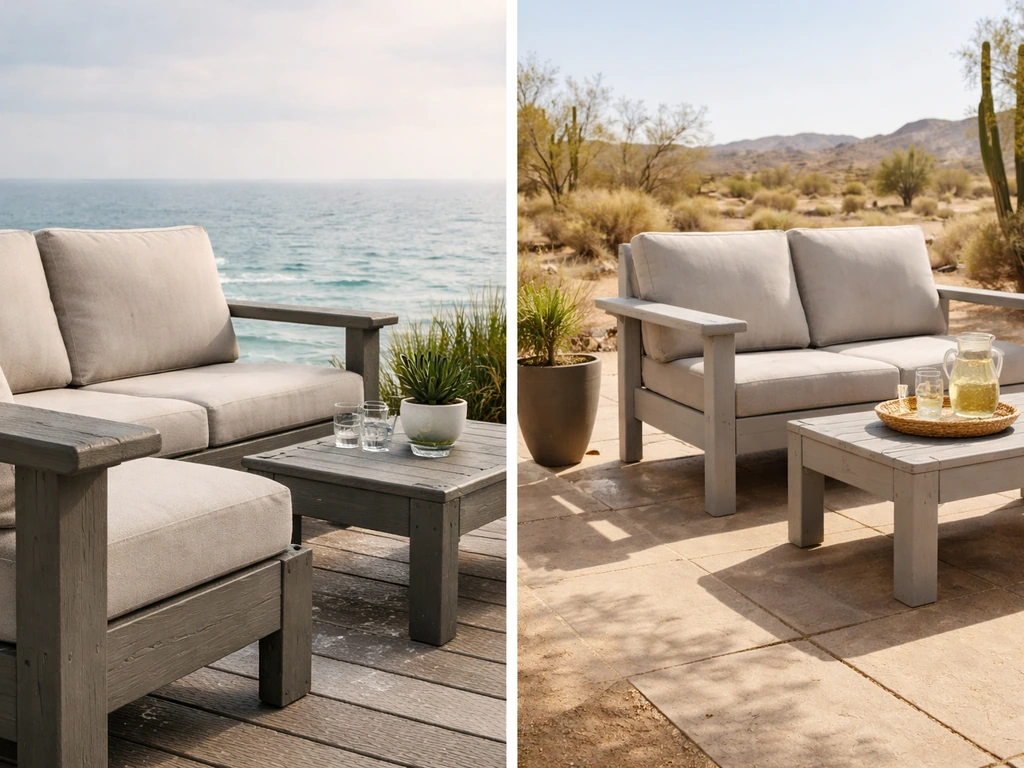
Coastal and salt-air environments
Salt air accelerates corrosion on almost everything, including powder-coated aluminum if the coating gets scratched. In these environments, POLYWOOD's HDPE construction with marine-grade hardware is a strong choice because the lumber itself doesn't corrode and the hardware is rated for marine exposure. Castelle's cast aluminum is also appropriate if the finish is maintained. Be aware that POLYWOOD's warranty excludes damage from corrosive atmospheres, so "marine-grade" describes the construction quality, not an unlimited durability guarantee. Avoid steel frames, standard zinc hardware, and natural fiber cushion covers in salt-air zones.
High UV and desert climates
Intense sun bleaches fabrics fast and degrades resins in synthetic wicker. In high-UV regions, prioritize solution-dyed fabrics (Sunbrella is the easiest benchmark), HDPE lumber or powder-coated aluminum for frames, and UV-stabilized resin for any wicker components. POLYWOOD's sling warranty language directly calls out sunlight as a failure driver for dimensional stability, which is an honest acknowledgment: even quality materials have UV limits. Using furniture covers and storing cushions during the hottest months extends both the furniture life and the warranty period.
Freeze-thaw and northern climates
In climates with hard winters, the furniture either goes into covered storage or stays out. If it stays out, HDPE (POLYWOOD) handles freeze-thaw cycles better than most materials because it doesn't absorb water and won't crack the way untreated wood can. Powder-coated aluminum also holds up in cold climates, but any surface scratches that expose bare metal become corrosion entry points when salt from driveways and roads ends up on the patio. Teak handles cold reasonably well if properly oiled but should be stored if possible.
Everyday dining vs. occasional lounging
If the patio is a genuine outdoor dining room used multiple times a week, cushion durability and frame sturdiness matter more than for a set that gets light weekend use. Daily use means cushion foam compresses faster, joints see more wear, and finishes take more cleaning. For heavy everyday use, invest in brands with longer cushion warranties (Outer's 5-year cushion warranty is a useful reference point) and make sure replacement cushions are actually available and not proprietary shapes sold only as complete sets.
Beginners vs. upgraders
If this is your first serious patio setup, the most practical move is to start with a quality mid-range aluminum set (KETTLER or similar) and add cushions in Sunbrella fabric. You'll learn what you actually use and what layout works before committing to premium prices. If you're upgrading from a worn-out set and already know your patterns, spend the extra money on a longer-warranted brand like POLYWOOD, Castelle, or Outer, and buy more pieces than you think you need now because matching discontinued collections is genuinely frustrating.
Price-to-value and warranty: avoiding marketing hype
A warranty is only useful if it covers what actually fails. The most common failure points in outdoor furniture are: frame rust or weld cracking, powder coat peeling or flaking, cushion fabric fading or tearing, and foam deterioration. Check each of these against the warranty language before you buy, not after.
Here's a practical comparison of warranty coverage across the brands covered in this guide, so you can see what you're actually getting at each tier:
| Brand | Frame | Powder Coat / Finish | Cushion / Fabric | Notable Exclusions |
|---|---|---|---|---|
| POLYWOOD | 5-year welds/joints; 20-year HDPE lumber | 5-year (won't peel) | 3-year sling (tears, dimensional stability) | Corrosive atmospheres; normal weathering/fading |
| Castelle | 15-year aluminum frame | Included in frame coverage | Varies by fabric selection | Normal wear; check specifics at time of purchase |
| Outer | 10-year (aluminum frames and wicker structure/stainless legs) | Included | 5-year limited (cushions and All-Weather Wicker material) | Cushion softening/conforming is normal use, not a defect |
| KETTLER | 3-year frame | Included in frame warranty | 1-year fabric | Standard exclusions apply; modest overall coverage |
| Hanover | Limited; defects only | Limited | Limited | General frame rusting explicitly excluded |
The phrase "manufacturing defects" in a warranty sounds reassuring until you realize it excludes almost everything that actually happens to outdoor furniture over time: rust from scratched powder coat, fabric fading from sun, foam breakdown from moisture. Hanover's warranty explicitly excludes general frame rusting, which is a significant caveat for steel-framed products. When evaluating any brand, look for warranties that name specific failure modes and cover them, not just warranties that claim "defect coverage" in vague language.
Replacement parts availability is another real value indicator that rarely appears in marketing materials. POLYWOOD, for example, maintains an ordering flow for replacement hardware, which means a loose bolt or corroded screw doesn't require replacing the whole chair. That kind of repairability extends functional life significantly and changes the true cost calculation.
Where to buy and how to maintain for long-term value
Where to buy
Buy directly from the brand's own website or from an authorized dealer whenever possible. This matters for two practical reasons: warranty claims are often routed back through the original purchase channel, and counterfeit or gray-market versions of popular designs (especially wicker and teak looks) are common on marketplace platforms. POLYWOOD, for instance, routes warranty service through the purchase source, so buying from an unauthorized third-party seller can complicate or void your warranty claim. Outer uses a direct-to-consumer model with regional showroom access. Castelle is sold through authorized outdoor furniture dealers rather than mass market channels.
For mid-range brands like KETTLER, established outdoor specialty retailers and the brand's direct website are safer bets than marketplace listings where sellers may be offloading last-season inventory without full warranty support. Big-box retailers are fine for brands like Hanover that are built for that channel, but don't expect the same warranty process or parts support you'd get from a specialty brand.
Maintenance by material
Maintenance is the lever that separates a 7-year lifespan from a 20-year one, even with quality brands. The required effort varies significantly by material.
- HDPE/POLYWOOD lumber: wash with soap and water seasonally; no sanding, painting, or oiling needed; marine-grade hardware can be checked and replaced individually
- Powder-coated aluminum: wash off salt, pollen, and grime regularly; touch up any chips or scratches with manufacturer-matched paint immediately to prevent corrosion from working under the coating
- All-weather wicker: rinse with a garden hose to clear debris from the weave; avoid pressure washing which can stress the resin fiber at the weave points
- Sunbrella and solution-dyed fabrics: machine-wash or hand-wash covers with mild soap; avoid bleach substitutes that can break down acrylic fiber; allow to air dry completely before re-covering cushions
- Cushion foam: store cushions inside or under weatherproof covers during sustained rain or off-season; outdoor-rated foam still benefits from drying time after soaking to prevent mildew at the core
- Teak: apply teak oil annually if you want to preserve the golden-brown color; if you prefer the natural silver-gray patina, leave it untreated but rinse off salt and debris; avoid silicone-based products that seal the grain
- Cast iron and steel: inspect for rust spots annually; sand and touch up with outdoor-grade rust-inhibiting paint at the first sign of corrosion; never let bare metal stay exposed to moisture
Red flags to watch for when buying
A few things should make you pause or walk away regardless of how appealing the price is. Vague warranty language that says "defects" without naming covered failure modes is a red flag. Warranties that explicitly exclude rust on steel frames are telling you upfront the frame will rust. "Teak-look" or "hardwood" labeling without a species name usually means you're getting lower-grade wood. Cushion covers marketed as "water-resistant" rather than "solution-dyed" or "Sunbrella" typically means the coating on the fabric resists water temporarily but the fiber underneath will still absorb moisture and fade. And any brand that doesn't have a clear process for replacement parts or warranty service contact should be treated with skepticism, because you will eventually need both.
If you're comparing multiple options and want to go deeper on specific ratings and user feedback across these brands, looking at top-rated patio furniture lists and outdoor patio furniture ratings alongside this guide gives you a fuller picture. If you want to shortlist the top rated patio furniture brands, use those ratings to compare warranty coverage, parts availability, and fabric or frame materials top-rated patio furniture lists. If you want the best patio furniture brands in Canada, cross-check these picks against Canadian availability, warranty terms, and local climate durability needs top rated patio furniture brands. The brands recommended here consistently appear in those assessments, which reinforces the core point: quality construction and honest warranties are what separate the best patio furniture brands from the rest, not the size of the marketing budget. To find the best patio furniture supplier for your needs, compare warranty terms, replacement parts availability, and which materials hold up in your specific climate. If you are shopping for the best products patio furniture, use this guide’s climate and warranty checks to narrow the choices quickly.
FAQ
How do I choose the best patio furniture brand if I’m not sure what material my climate needs?
Start by matching the material to your exposure rather than the brand name. If you have coastal salt air or wet winters, prioritize HDPE (POLYWOOD) or cast aluminum (Castelle) with marine-grade hardware, and only consider “teak-look” if the species is explicitly identified. Then compare warranties for specific failure modes like frame corrosion, powder-coat peeling, and cushion fabric fading, not generic “manufacturing defects.”
Which patio furniture brands are safest if I plan to leave cushions outside all year?
If you cannot store cushions off-season, the “best” option is usually one with solution-dyed fabric and a clear cushion coverage timeline. Sunbrella-style solution-dyed upholstery and outdoor-rated foam typically hold up longer under repeated UV and rain, and a longer cushion warranty matters more than a frame warranty when furniture is used year-round outdoors.
How can I tell whether a brand’s powder coating warranty is actually meaningful?
Powder coating quality is not only about thickness, it’s about coverage durability. Look for finish warranty wording that includes chipping, peeling, and corrosion under the finish, plus how the warranty treats damage from scratches. If the warranty only covers “cosmetic defects” or excludes future corrosion after impact, assume salt and road grime can start rust at exposed metal.
Is teak worth it, or should I avoid “teak-look” patio furniture brands?
Teak is durable, but “best brand” decisions get tricky with low-cost substitutes. If a listing says teak-look or hardwood without a species and grade, treat it as a risk. For real teak, ask whether it’s genuine plantation teak and whether the manufacturer provides care guidance (oil vs maintenance) and any coverage for cracking or splits over time.
Do the best patio furniture brands usually offer replacement cushions when collections get discontinued?
Not necessarily. Warranties tied to replacement cushions only work if the brand sells them as standard SKUs or offers a defined replacement ordering process. Before buying, confirm cushion availability for your exact collection (including season-year changes) and whether replacement is sold separately or only as complete sets.
What should I check for salt-air patios beyond frame material?
For salt air, the key is hardware, not just the frame. Even powder-coated aluminum can corrode where coatings get scratched, and standard zinc-plated screws are a common weak point. Prioritize marine-grade or stainless hardware and look for warranty language that acknowledges corrosive atmospheres, plus plan on basic cleaning to remove salt deposits from joints.
Will the “best patio furniture brand” change if I have freezing winters?
If you expect freezing winters, freeze-thaw performance depends on water absorption and frame finish integrity. HDPE-based lumber generally handles freeze-thaw better than untreated wood, and powder-coated aluminum can work well if it stays scratch-free. If your driveway or walkway creates salt spray, consider covers and a quick post-storm rinse to limit corrosion entry points.
What warranty details matter most for patio cushions in real daily use?
A common mistake is assuming the cushion warranty equals long-lasting comfort. Cushion foam is typically the first to degrade under repeated compression and moisture, so verify whether the warranty covers foam breakdown, not only fabric tears. Also confirm whether the foam is outdoor-rated, since interior-grade foam can fail quickly even when the cover looks fine.
How do I avoid wasting money on a brand with a warranty that won’t help when something breaks?
Look for a brand that names covered failures (like wicker frame cracking, sling dimensional stability loss, fabric tearing, or corrosion under specific conditions) and states how claims are handled. Buying from authorized channels is practical because claims often need proof of purchase and routing through that retailer or the brand’s service process.
How do I verify a patio furniture brand can be repaired over time?
Replacement parts availability is a major differentiator, especially for chairs with moving parts (casters, glides, or sling tension components). Ask whether the brand sells replacement hardware by part number and whether service is available by mail or through dealers, and check whether “marine-grade” hardware is replaceable when it’s worn or corroded.
What’s the smartest upgrade path when I want long-lasting patio furniture but can’t buy the top-tier brand?
If budget is tight but you want a longer usable lifespan, target a mid-range aluminum or all-weather wicker frame with an outdoor-rated fabric system. You can often buy a solid frame from a reputable mid-tier brand and upgrade cushions separately to solution-dyed or premium outdoor fabric, which improves UV resistance without paying premium pricing for the entire set.
How should my brand choice account for humidity and mildew risk?
If you’re dealing with humid climates, mildew risk and cleaning frequency become part of durability. Choose fabrics and cushions designed for outdoor use, prioritize solution-dyed or performance acrylic, and ensure frames allow airflow (especially under cushions). Warranty-wise, focus on fabric fading and mildew-related coverage only if it’s explicitly addressed, otherwise treat mildew as maintenance-dependent.
Next Articles
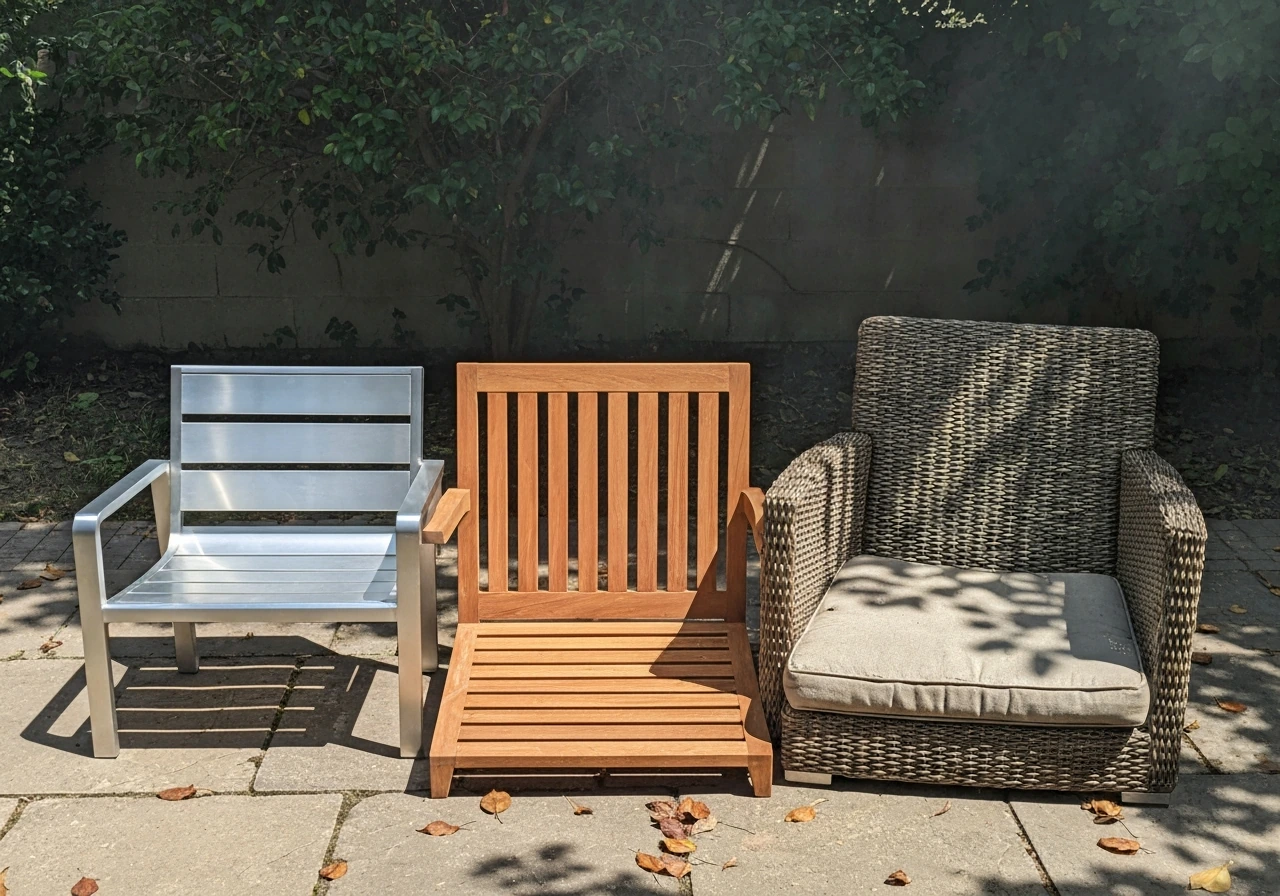
Top Rated Patio Furniture Brands by Material and Climate
Compare top rated patio furniture brands by material and climate, with durability, warranty, and buying tips for lasting
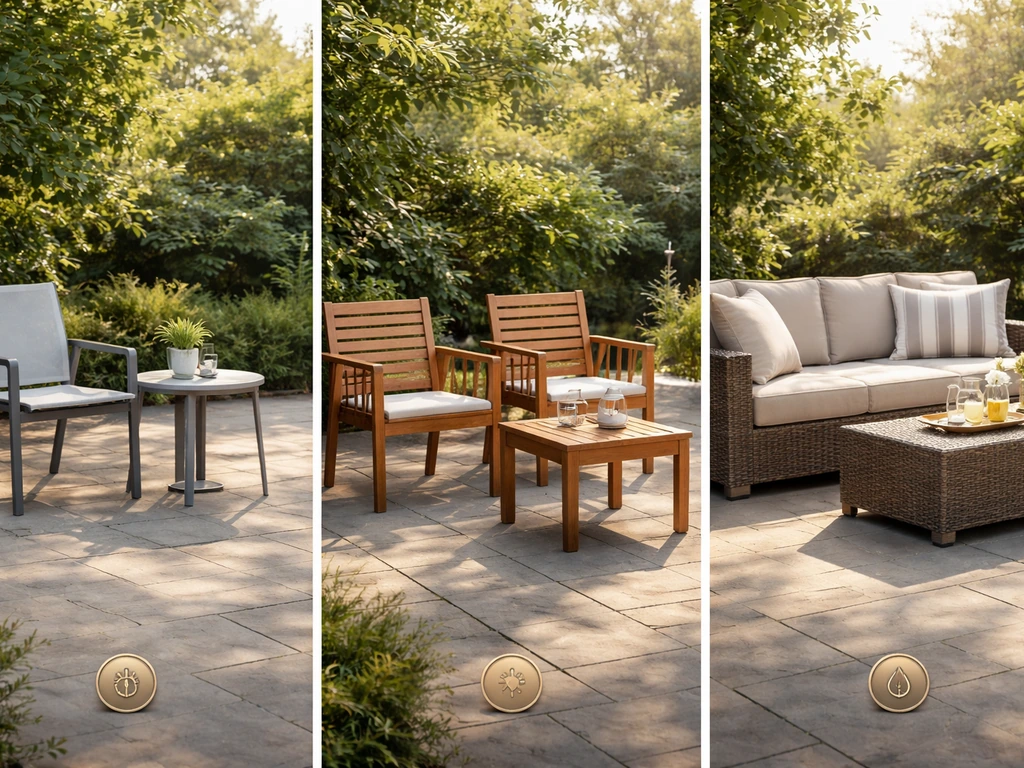
Outdoor Patio Furniture Ratings: How to Choose Fast
Use outdoor patio furniture ratings to compare materials and pick durable, weatherproof, comfortable patio sets fast for
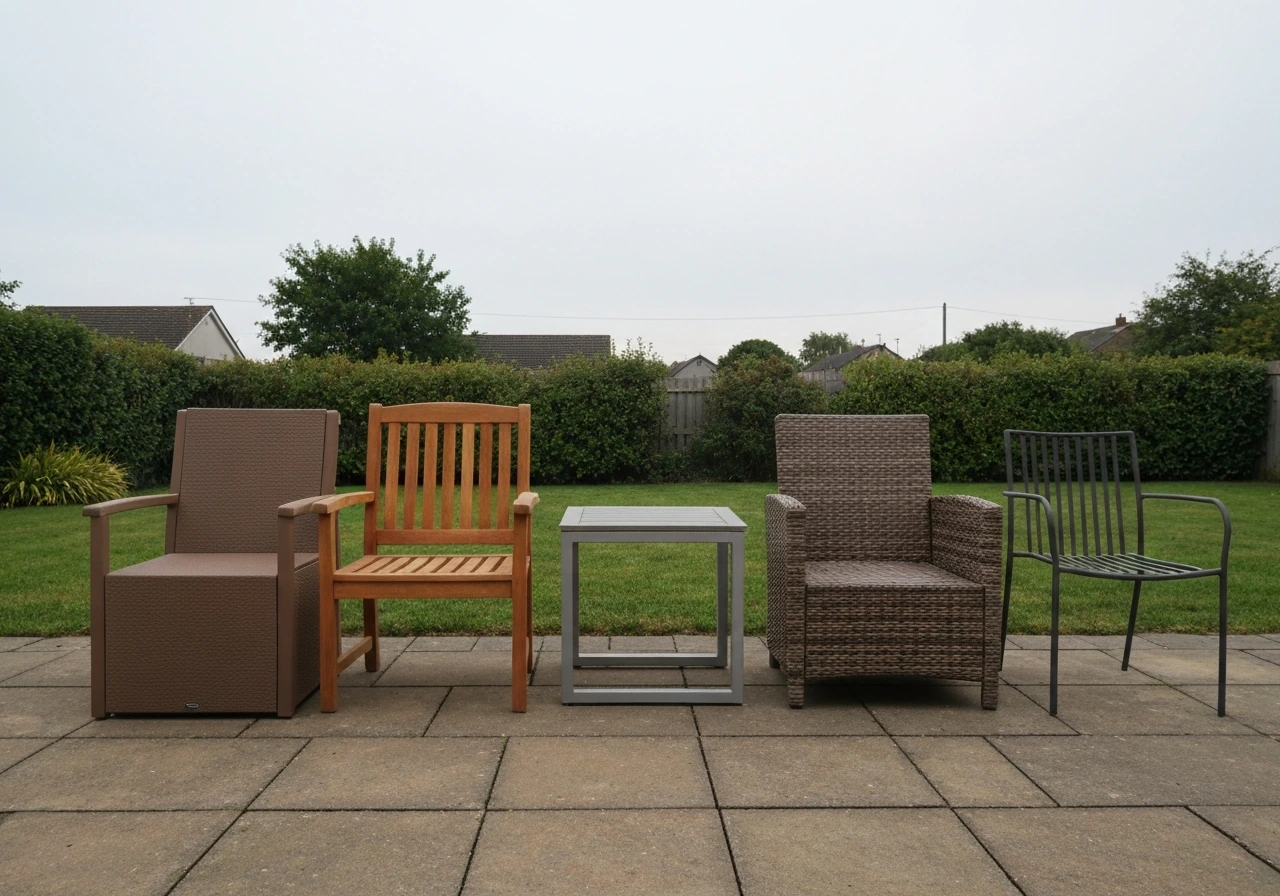
Top 10 Patio Furniture Brands: Best Picks by Material and Climate
Ranked top 10 patio furniture brands by material and climate, with what to verify, price value, and care tips.