
High-quality patio furniture means pieces built from materials that genuinely resist weathering, assembled with hardware that won't corrode, finished with coatings thick enough to survive real seasons, and backed by warranties that actually reflect the manufacturer's confidence. The short version: A-grade teak, marine-grade aluminum with 60-plus microns of powder coat, HDPE resin wicker, and properly sealed cast iron are the materials that earn the label. Everything else is a compromise you should go into with open eyes.
High Quality Patio Furniture: Buyer Guide by Material

Marcus Kellerman
30 Apr 2026
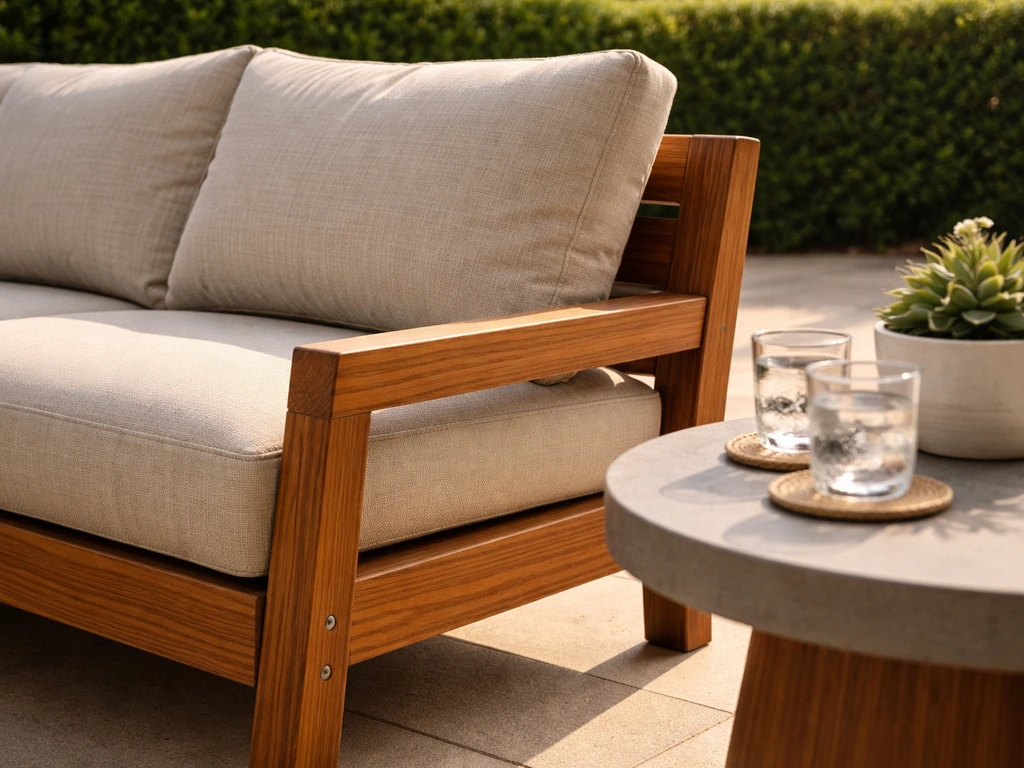
What 'high quality' actually means for patio furniture
Quality in outdoor furniture isn't the same as quality indoors. A beautifully jointed hardwood dining chair can fall apart in two seasons if the wood species was wrong or the finish inadequate. So when evaluating quality here, you're looking at four things: weather resistance (how well the material handles moisture, UV, and temperature swings), construction integrity (welds, joinery, fasteners), coating and finish durability (protection against fade, rust, and cracking), and long-term repairability (can you fix it in year six or does it become landfill?).
A lot of furniture priced at $800-$1,200 for a set looks premium in photos but fails these tests. Deep discounters use thin-walled aluminum, low-grade wicker resin that cracks under UV, hardware that rusts through in one wet season, and cushion fabrics with zero UV-resistance specs. Genuinely high-quality patio furniture costs more upfront but delivers a cost-per-year that's dramatically lower when you stop replacing sets every three years. When you invest in top of the line patio furniture, the savings usually come from fewer replacements and repairs over time.
Materials that signal real quality
Teak and premium hardwoods
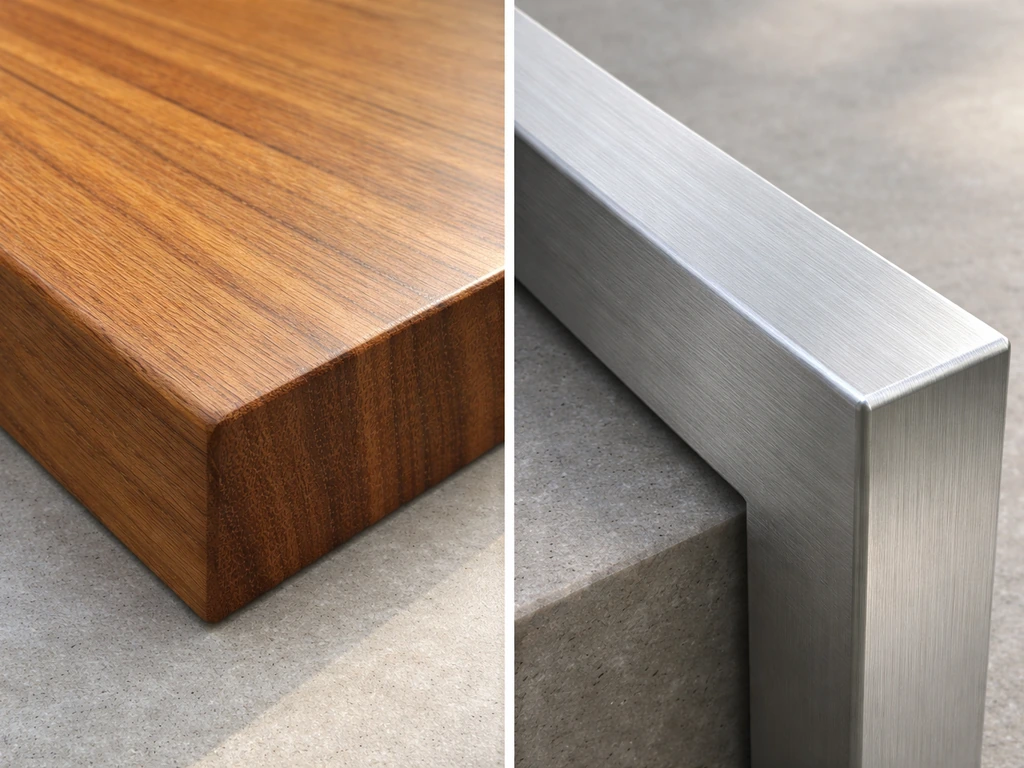
Teak is still the gold standard for outdoor wood furniture, and the grade matters enormously. A-grade teak comes from the heartwood of mature trees and has the highest natural oil content, which is what gives teak its legendary rot resistance. That oil content supports more uniform patina development over time and keeps the wood from drying out and cracking. B and C grade teak comes from closer to the sapwood and has far less oil, meaning it needs more maintenance and ages less gracefully. When a listing just says 'teak' without specifying grade, assume it isn't A-grade. Confirm the metal fittings too: stainless steel hardware on a teak frame is the right pairing. Anything plated or galvanized will eventually fail before the wood does.
Aluminum
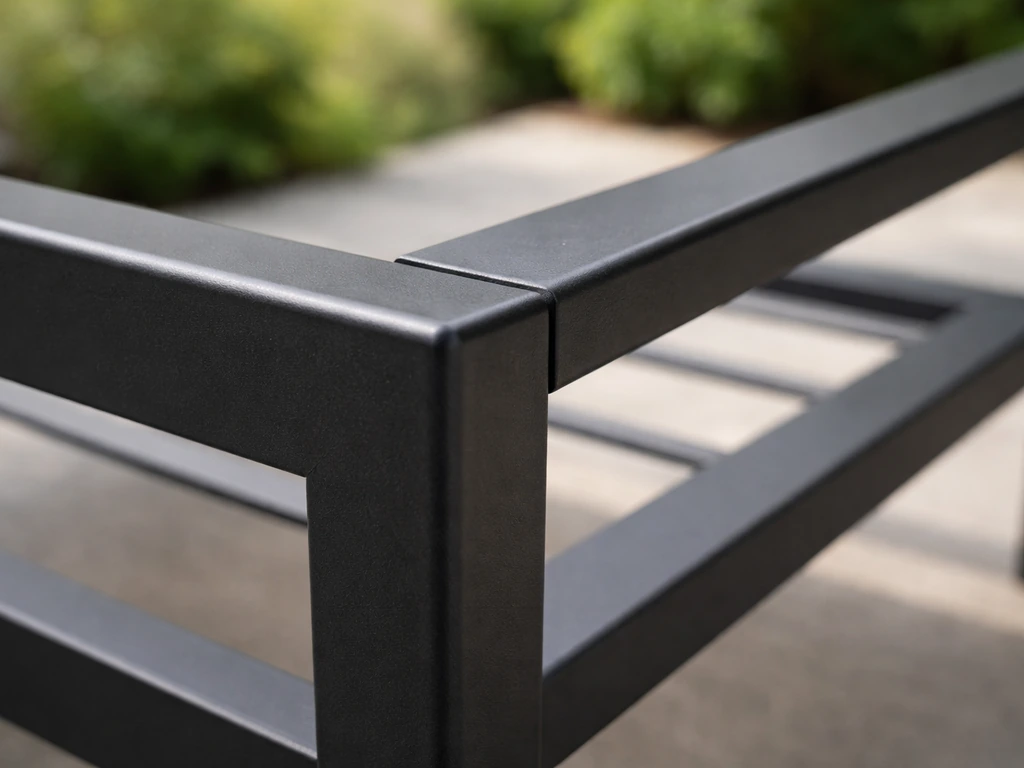
Aluminum is the most practical choice for most climates. It doesn't rust, it's lightweight, and when the frame and finish are done right, it lasts decades. The key quality indicator is powder-coat thickness. Architectural-grade powder coating runs 60 to 80 microns (about 2.4 to 3.2 mils). Furniture that falls below this spec will start showing chips, bubbles, and corrosion at stress points within a few years. You can verify this with a coating-thickness gauge on a floor sample, or simply ask the manufacturer for their spec. Look for smooth, even welds with no porosity. Cast aluminum (poured into molds) is denser and heavier than extruded aluminum and generally signals higher quality in decorative pieces, while extruded aluminum is better for clean, modern framing. Top-tier brands like Castelle back aluminum frames with 15-year warranties, which tells you something real about how the material should perform.
Wicker and rattan
Natural rattan has no place outdoors unless you're under a covered patio and never see rain. All-weather wicker is what you want: it's woven from polyethylene (HDPE) resin rather than natural fiber. The quality differentiator is the grade of that resin. High-density polyethylene with UV inhibitors built into the resin itself (not just surface coatings) is what holds color and flexibility over time. Forever Patio, for example, tests their resin material up to 4,000 hours of UV exposure. Lesser wicker uses cheaper resin with surface-only UV treatment that degrades and goes brittle within two to three seasons. The frame under that wicker matters just as much: look for an aluminum frame rather than steel to avoid rust bleeding through the weave. You can find decent all-weather wicker conversation sets starting around $700, but quality resin and aluminum-framed sets typically start at $1,200 to $1,500.
Cast iron
Cast iron is heavy, beautiful, and genuinely long-lasting if maintained. The problem is rust. A bare cast iron piece left outdoors will begin surface rusting within one wet season. High-quality cast iron furniture comes with multiple layers of finish: a rust-inhibitive primer followed by a topcoat, often powder-coated or enamel-finished. The weight of the piece is actually a quality indicator here since thin sections corrode faster and are more vulnerable to impact damage. Look for pieces that feel substantial and solid, with finish that extends into crevices and detail work, not just on flat surfaces. Avoid any cast iron labeled just 'iron' or 'wrought iron' without finish specifications, as these often use thinner sections with minimal coating.
How to evaluate a patio set before you buy
Frame and joinery
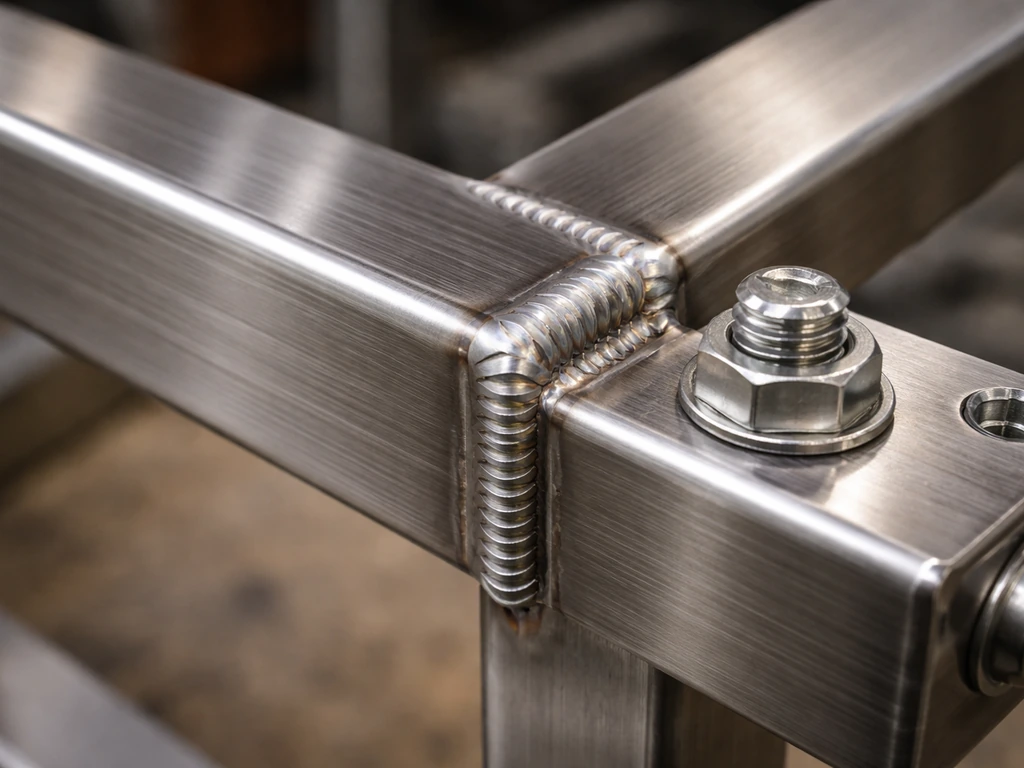
For metal frames, run your hand along welds. Smooth, continuous welds with no pitting or rough edges indicate quality fabrication. Rough or spotty welds mean stress points where water collects and corrosion starts. For wood, check that mortise-and-tenon or doweled joints are tight with no gaps. Knock on the corner of a wood frame: a solid thud versus a hollow sound tells you something about density and dryness. On any frame, grab the legs and try to rack (twist) the piece. Quality furniture should feel rigid.
Hardware
This is where a lot of mid-range furniture fails. Zinc or iron fasteners corrode quickly and stain the surrounding material. Look specifically for stainless steel bolts, screws, and connectors. On wicker furniture, check the bracket points where the frame connects to legs: these are common failure spots. Quality pieces use stainless hardware with rubber or nylon washers to prevent galvanic corrosion where two different metals meet.
Cushions and fabric
Cushion quality is often the first thing to fail on otherwise solid furniture. Look for fabric with actual UV-resistance specifications, not just marketing language. blank" rel="noopener noreferrer">Sunbrella is the benchmark: it carries a 5-year limited warranty and has independently tested UV performance. When a brand uses Sunbrella or specifies ASTM G154 testing at 1,000 hours or more, that's a real claim. Cheaper cushion fabrics fade, mildew, and delaminate within one or two seasons. For sling and strap seating, brands like Phifer's Phifertex line specify UV resistance and fade resistance for their sling materials, and Modern Wicker's warranty benchmarks strap systems for 3 years against separation, tearing, or loss of elasticity. Phifer’s Phifertex Wicker Weaves swatch card also states that Phifer provides a blank" rel="noopener noreferrer">3-year limited warranty for Phifertex outdoor fabrics. Use these as your minimum standard. Cushion foam density matters too: quality outdoor cushions use a quick-dry foam with open-cell structure, typically wrapped in a polyester batting, and a foam density of around 1.8 to 2.0 lb/ft³ or higher.
Finish and coatings
For aluminum, powder-coat thickness in the 60 to 80 micron range is your benchmark. For wood, verify whether the finish is an exterior-grade oil, sealant, or lacquer and what the reapplication schedule is. For cast iron, look for evidence of a multi-step coating process and confirm whether the topcoat is powder-coated or liquid-applied enamel. Powder coat on cast iron is more durable but harder to spot-repair; enamel is easier to touch up but thinner. Neither is wrong, but you need to know which you have.
Match your material to your climate
The best material for a dry Arizona patio is different from what belongs on a New England deck or a Florida gulf-view terrace. Getting this wrong is one of the most expensive mistakes you can make, and it's entirely avoidable.
| Climate / Condition | Best Material Choice | What to Avoid |
|---|---|---|
| Coastal / salt air | Marine-grade 316 stainless hardware, teak, or HDPE wicker with aluminum frame | Cast iron, low-grade powder-coated aluminum (note: some brands void coastal warranties) |
| High UV / desert / intense sun | Powder-coated aluminum, HDPE wicker with UV-inhibited resin, Sunbrella-covered cushions | Natural rattan, low-quality sling fabrics without ASTM G154 testing |
| Humid / rainy / Pacific Northwest | Teak (A-grade), powder-coated aluminum, HDPE wicker | Untreated iron, natural rattan, porous softwoods |
| Freeze-thaw / cold winters | Powder-coated aluminum, teak, HDPE wicker (store cushions) | Cast iron if subject to impact; water can expand in cracks |
| High-use / daily dining | Heavy-gauge aluminum or teak for frames, commercial-grade Sunbrella or Phifertex sling fabrics | Thin-walled aluminum, strap seating with no UV spec |
The coastal caveat deserves special attention. Some manufacturers, including Sunset West, explicitly state that coastal environments can cause premature weathering of aluminum finish and that this is not covered under their warranty. This isn't a flaw in their product; it's honest documentation of a real chemical challenge. If you live within a mile of the ocean, you need to either choose materials rated for salt exposure (marine-grade stainless hardware, teak, HDPE) or plan to rinse your aluminum furniture frequently and touch up any coating damage immediately.
Frequency of use matters too. A set that gets used two weekends a month ages differently than one that sees daily outdoor dining for a family of five. For heavy daily use, prioritize thicker frame walls (aluminum wall thickness of at least 1.5 to 2mm for chairs), high-density foam cushions, and commercial-grade fabric. The same logic that applies to restaurant patio furniture applies to any heavy-use residential setup.
Sets vs. individual pieces: which way to buy
Patio sets offer coordinated design and usually a lower per-piece price than buying individually. But they also lock you into a cushion color, a scale, and a layout that may not fit your space or evolve with your taste. The question is whether you're furnishing a specific defined space (sets work well) or building a flexible, curated outdoor room (individual pieces give you more control).
For quality shoppers, buying individual chairs from a high-quality brand and pairing them with a solid teak or aluminum table from another is often a better long-term value than buying a complete set at a mid-tier price. High quality patio chairs are the ones you can buy once and keep outdoors for years, because their materials, coatings, and hardware are designed to resist weather and UV. Sets at the $1,500 to $2,500 range often use one or two quality materials (decent frame, good fabric) but cut corners elsewhere (thin cushion foam, plated hardware). At $3,500 and above in the set category, you start to see consistent quality across all components.
Common low-quality traps to avoid in both sets and individual pieces:
- Sets marketed as 'teak look' or 'teak finish' that are actually low-grade acacia or rubberwood with a stain
- Wicker labeled 'rattan' or 'natural fiber' for outdoor use (it will fail in rain)
- Aluminum framed furniture without any powder-coat thickness spec (ask before you buy)
- Cushion fabric labeled only 'outdoor fabric' or 'water resistant' with no UV testing or warranty
- Cast iron pieces priced under $100 per chair (too light, minimal finish, surface rust within a season)
- Sets with plastic connector hardware joining legs to frames, even when the frame itself is metal
If you're looking specifically at high-end patio furniture or top-of-the-line configurations for a full outdoor room, the calculus shifts toward individual piece selection for maximum material consistency. For most homeowners furnishing a standard patio, a quality set from a brand with verifiable warranty terms is the smarter starting point.
Price vs. long-term value: what warranties actually tell you
A warranty is one of the best proxy indicators of quality you have before you own the product. A manufacturer willing to warrant an aluminum frame for 15 years (like Castelle) is telling you something about material thickness, weld quality, and coating spec that no marketing copy can match. A brand offering only a 1-year limited warranty on everything is telling you just as much.
Here's a rough warranty benchmark to use as a buying filter:
| Component | Minimum Acceptable Warranty | Strong Warranty Signal |
|---|---|---|
| Aluminum frame | 5 years structural | 10-15 years (e.g., Castelle's 15-year frame warranty) |
| Aluminum powder-coat finish | 3 years against peeling/cracking/blistering | 5 years (as seen in Gallo Design Group's framing) |
| Cushion / outdoor fabric | 2 years | 5 years (Sunbrella's 5-year limited warranty) |
| Sling / strap systems | 1 year | 3 years against separation, tearing, or loss of elasticity |
| Teak frame | 2 years | 5+ years with grade specification |
| HDPE wicker resin | 3 years | 5 years with UV-inhibitor spec |
Think about total cost over ten years, not sticker price. A $600 patio set that lasts three years before the cushions mildew and the frame starts corroding costs you $200 per year. A $2,400 set that lasts 12 years with basic maintenance costs $200 per year too, but you get 12 years of use without replacing anything. A truly high-quality teak or aluminum set with proper care can last 20 to 25 years, pushing your cost-per-year well below any budget set. High-quality outdoor patio furniture is built with the right materials and coatings so it can handle real weather and years of use high-quality teak or aluminum set.
Expected lifespan by material
- A-grade teak: 25 to 50 years with basic care (oiling or sealing annually)
- Marine-grade powder-coated aluminum: 15 to 25 years with occasional touch-up
- HDPE resin wicker with aluminum frame: 10 to 20 years depending on UV exposure
- Cast iron with maintained finish: 20 to 40 years, but requires active rust prevention
- Budget steel or low-grade aluminum: 3 to 7 years before structural or finish failure
Care, protection, and simple repairs that preserve your investment
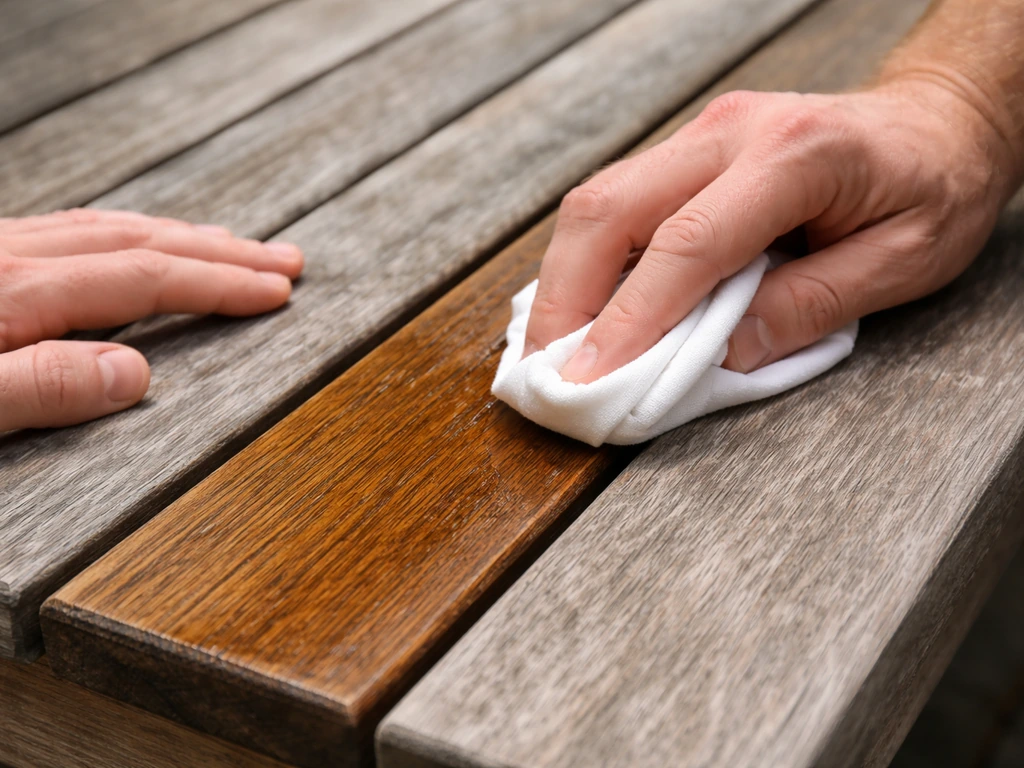
Teak maintenance
Teak doesn't require much, but it does require something. Left completely alone, it will weather to a silver-gray patina, which many people find attractive and which doesn't harm the wood structurally. If you want to maintain the honey-brown tone, clean the surface with a mild teak cleaner (not a pressure washer on full blast, which opens the grain) and apply a teak protector once per year in most climates, and twice per year if you're near saltwater. The goal isn't to waterproof the wood; teak's natural oils do that. The goal is to slow down the UV graying process if you prefer the original color. Check the metal hardware annually and replace any fasteners showing corrosion before they stain the wood.
Aluminum care and touch-up
Powder-coated aluminum needs almost no maintenance beyond washing with mild soap and water a few times a season. The one thing you must not ignore is chips and scratches in the coating. Once bare aluminum is exposed to salt air or road-spray environments, it can develop white oxidation spots that spread under the coating. Touch up chips immediately with a color-matched powder-coat touch-up pen or spray, available from most quality furniture brands. In coastal areas, rinse furniture monthly with fresh water to remove salt deposits, especially around welds and connection points.
Cast iron rust repair
When cast iron furniture develops rust spots (and it will, eventually), address them before they spread. Sand the affected area down to bare metal, apply a rust-inhibitive primer, and then topcoat with a paint that matches the original finish. The National Park Service's guidance on cast iron maintenance makes the same recommendation: the key is not waiting. A pinhole rust spot caught early takes 20 minutes to fix. Left for a season, it can require refinishing the entire piece. Keep a small can of rust-inhibitive spray primer on hand if you own cast iron outdoor furniture.
Wicker and resin care
HDPE wicker is the lowest-maintenance material on this list. Rinse it with a garden hose, scrub with mild soap if there's grime in the weave, and dry it in the sun. The one vulnerability is impact damage: a sharp hit from a moving chair or a dropped object can crack individual strands. Most manufacturers sell replacement resin strands, and reweaving a small section is a manageable DIY repair with basic instructions. Check the frame where it meets the weave annually for any signs of rust bleed-through, which indicates a steel rather than aluminum frame or a coating failure.
Cushion protection
Even Sunbrella fabric benefits from being stored or covered when not in use for extended periods. A quality patio furniture cover (fitted, UV-resistant, vented to prevent condensation) extends cushion life significantly. In wet climates, store cushions inside during heavy rain seasons if you don't have a covered patio. Mildew on outdoor cushions isn't a fabric failure if the cushion was left soaked; it's a maintenance failure. Clean mildew spots promptly with a diluted bleach solution on solution-dyed fabrics like Sunbrella, then rinse and dry completely before reuse. This is also where having high-quality patio furniture covers pays for itself, since a good cover on the whole set reduces how often you need to clean cushions at all. To get the same long-term performance, prioritize high-quality patio cushions with UV-resistant fabric and quick-dry foam that can handle sun and moisture.
Quick pre-purchase checklist
- Confirm the aluminum powder-coat spec is 60 microns or above, or ask the manufacturer directly
- Check that all hardware is stainless steel, not zinc-plated or galvanized
- Verify fabric carries a UV test spec (ASTM G154 at 1,000 hours or more) or a named warranty like Sunbrella's 5-year
- For teak, confirm A-grade heartwood and stainless steel fittings
- For wicker, confirm HDPE resin with UV inhibitors and an aluminum (not steel) frame
- For cast iron, look for multi-coat finish spec and check for weight (heavier is better quality)
- Read the warranty fine print for climate exclusions, especially coastal use restrictions
- Calculate cost-per-year: divide the price by the warranted or expected lifespan
- Look for smooth, continuous welds with no rough or porous spots on metal frames
- Confirm cushion foam type (open-cell quick-dry) and density (1.8 lb/ft³ or higher)
FAQ
If two listings both claim “high quality patio furniture,” what details should I compare first?
Ask for exact specifications, not just “weatherproof” or “outdoor.” For aluminum, look for a stated powder-coat thickness range and warranty length, for cushions look for UV test method or hour rating (not only the brand name), and for wood ask the teak grade (A-grade) plus what exterior finish system is used and how often it must be reapplied.
How can I tell whether “all-weather wicker” is truly high quality, especially in the listing photos?
Wicker quality is often determined by resin plus frame. If the seller does not state the resin type (HDPE), resin-grade with UV inhibitors, or whether UV inhibitors are built into the resin, treat it as a risk. Also confirm the frame is aluminum, because rust from a steel frame can bleed through and permanently discolor the weave.
What should I do if I find chips or scratches in powder-coated aluminum soon after purchase?
Not necessarily. Powder-coat touch-ups are designed to bond to intact coating, so deep gouges that expose bare metal should be treated quickly and may need the color-matched touch-up product plus correct prep (clean and dry, remove loose coating). If chips are widespread on structural areas or near welds, plan for professional refinishing or a frame/coating warranty claim.
Is it normal for outdoor chairs to feel a little “loose” or rattle, and when is that a red flag?
Test for stability with a simple rack check, then look at the frame geometry. If the piece twists easily, relies on thin legs, or uses undersized joints, replacement cushions will not fix the underlying issue. For heavy-use settings, prioritize thicker aluminum wall frames (your article mentions about 1.5 to 2 mm for chairs) and rigid connection points at the legs.
What cushion features matter most for long-term comfort, not just UV resistance?
Cushion longevity depends on both fabric and foam. Even with excellent fabric, low-density foam that stays wet will break down and compress permanently. Look for quick-dry foam (open-cell or similar drying design) and a removable cover or at least venting so cushions can dry quickly after morning dew or storms.
Can I buy the same high quality patio furniture everywhere, or do warranties change by location?
It can be a mistake in certain climates. In coastal or near-ocean areas, some aluminum finishes may be excluded from warranty coverage, even if the material is otherwise “marine-grade.” If you are within a mile of the ocean, plan to rinse frequently, touch up coating damage immediately, and verify the hardware is salt-rated, such as marine-grade stainless.
What is the correct “maintenance timing” strategy so I do not accidentally shorten the life of high quality patio furniture?
Yes, but the right approach differs by material. Teak can be kept warmer in tone with periodic protector applications, but it still needs cleaning rather than pressure washing. For aluminum, chips need prompt touch-up to prevent corrosion under the coating. For cast iron, rust spots require early spot treatment, otherwise repairs expand to whole-surface refinishing.
How do I read a patio furniture warranty so I do not get surprised later?
Assume the warranty covers performance, not just defects, and look for exclusions that match your use. For example, coastal exclusions, “not for salt exposure” notes, or limitations for commercial use are common. Before buying, confirm what parts are covered (frame, finish, cushions, hardware) and what maintenance steps you must do to keep the warranty valid.
If I do not have a covered patio, what is the best way to prevent cushion mildew and premature breakdown?
Many sets fail because cushions are not just a color choice, they are a water and drying system. If you will not use a cover or have a covered patio, prioritize cushions that dry quickly and consider storing cushions during heavy rain. A set may look “premium” but still mildew and delaminate if it cannot dry after soaking.
Do patio furniture covers actually protect cushions, or can they make mildew worse?
Covers help, but choose based on fit and airflow, not just size. A fitted, UV-resistant cover that is vented reduces condensation that causes mildew on cushions and covers. If your cover traps moisture against fabric, it can shorten fabric and foam life even though it blocks sun.
Should I replace cushions only, or is it better to replace the furniture when something starts to fail?
It depends on what fails first. If the frame is stable and the hardware is stainless or corrosion-resistant, replacing cushions on a high quality frame can be a smart cost-per-year move. If the problem is coating failure or structural rust bleed-through, replacing cushions alone will not address the root cause and may lead to repeated rework.
What quick inspections should I do each season to catch problems before they spread?
Yes. Even “premium” aluminum can develop oxidation spots if coating damage is ignored, especially around welds and stress points. For teak, check hardware annually since corrosion can stain the wood. For cast iron, early rust pinholes are quick repairs, while delayed rust often becomes a refinishing job.
Next Articles
High-Quality Outdoor Patio Furniture: What to Buy
Learn how to choose high-quality outdoor patio furniture by material, cushions, coatings, climate fit, and long-term val
Is Teak Patio Furniture Good? Durable, Smart Buying Guide
Is teak patio furniture good? Evidence-based verdict, lifespan, care, buying tips, comparisons, and eco guidance.
How Long Does Teak Patio Furniture Last? Lifespan Guide
Teak patio lifespan ranges, factors that shorten or extend durability, and a maintenance plan to protect joints and fini