
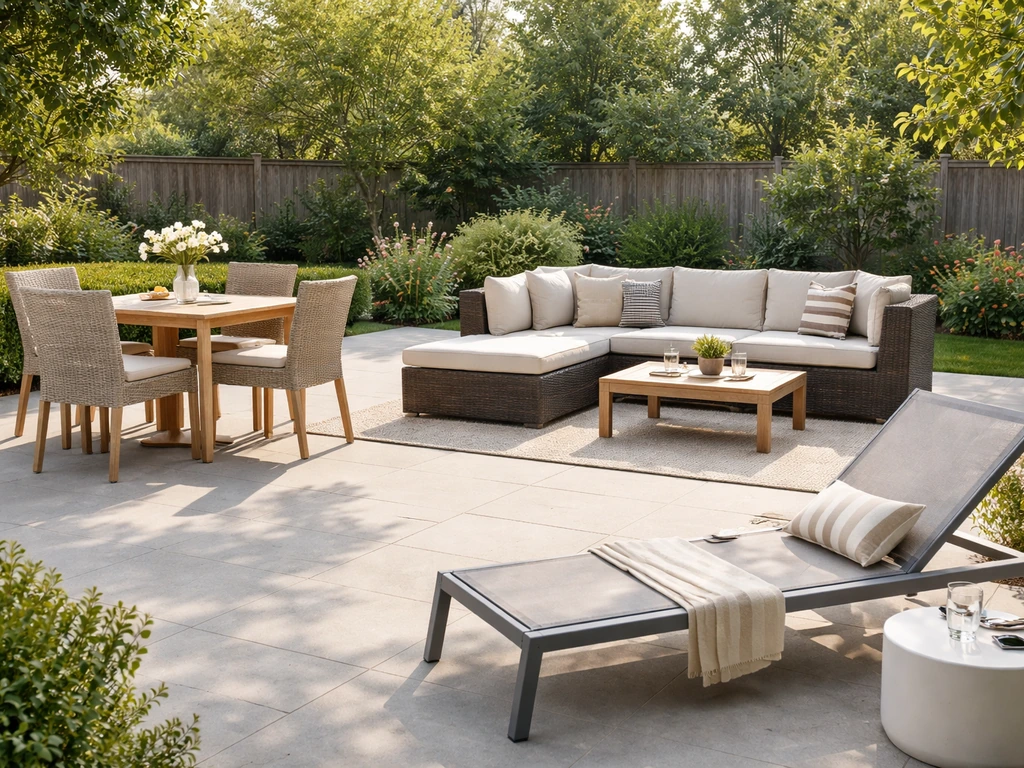
Patio furniture costs anywhere from under $100 for a basic single chair to over $10,000 for a full premium sectional or dining setup. Most homeowners spend between $500 and $3,000 for a functional set that covers a standard patio. The exact number depends on material, set size, cushion quality, and where you buy, and that sticker price rarely tells the full story once you add delivery, covers, and eventual maintenance. Many people ask why patio furniture costs so much, and you can often find similar explanations in Reddit threads about materials, quality, and added fees.
How Much Does Patio Furniture Cost? Prices by Type

Marcus Kellerman
23 Jun 2026
Typical price ranges by set type
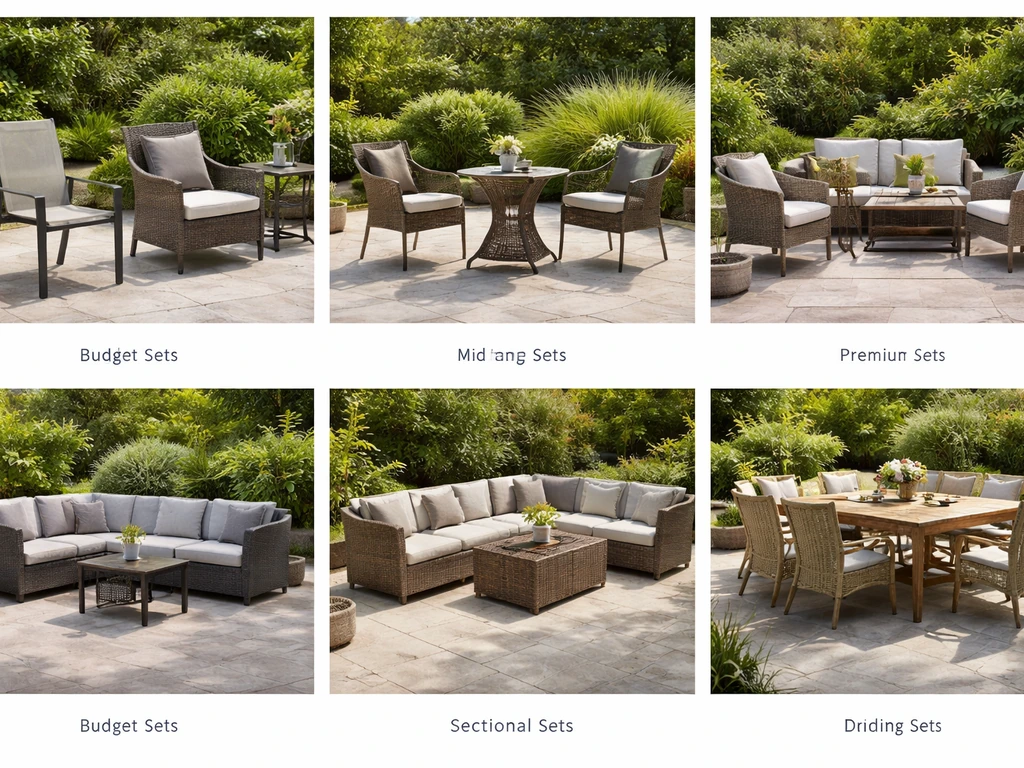
Before diving into why prices vary so much, it helps to know the realistic ballpark for each common set type. Here's what you can expect to pay today, based on current retail pricing across major sellers.
| Set Type | Budget | Mid-Range | Premium |
|---|---|---|---|
| Single chair | $50–$120 | $150–$400 | $500–$900+ |
| Chairs, set of 2 | $120 | $260 | $700+ |
| Bistro set (table + 2 chairs) | $150–$300 | $400–$800 | $1,200–$2,500 |
| 3–5 piece conversation set | Under $300 | $800–$1,800 | $3,000–$5,500 |
| 5-piece dining set | $500–$900 | $1,200–$1,900 | $4,500–$7,000+ |
| 7-piece dining set | $800–$1,500 | $2,000–$3,500 | $6,500–$10,000+ |
| Sectional / deep-seating set | $600–$1,200 | $1,800–$3,500 | $5,000–$10,000+ |
To put real numbers to those ranges: Macy's currently lists a 5-piece conversation set on sale for around $257, which sits at the very low end of what's worth considering. Rooms To Go shows a 5-piece dining set (Siesta Key) at $1,699.99, which is a fair mid-range option. On the premium end, Furniture.com lists a 5-piece Sunbrella sectional for $5,179, a 7-piece for $7,359, and a 10-piece for $9,879. PatioLiving puts a Skyline Design 5-piece dining set at $4,979 and a 7-piece at $6,499, both with Sunbrella cushions. These aren't outliers; they're what the market actually looks like.
What actually drives the price up (or down)
Material is the biggest single variable in patio furniture pricing, but it's far from the only one. Build quality, frame thickness, finish type, cushion grade, and what's included in the box all swing the number significantly.
Frame and construction
Thick-walled aluminum frames cost more to produce than thin-gauge steel wrapped in a powder coat. Cast aluminum corners and joints hold up better than welded thin-wall tubing, and you'll feel the difference immediately when you sit down, there's no flex or wobble in a well-built frame. Frame thickness and joint construction are the clearest signals of longevity, especially in humid or coastal climates where welds and thin metal corrode faster.
Finish quality
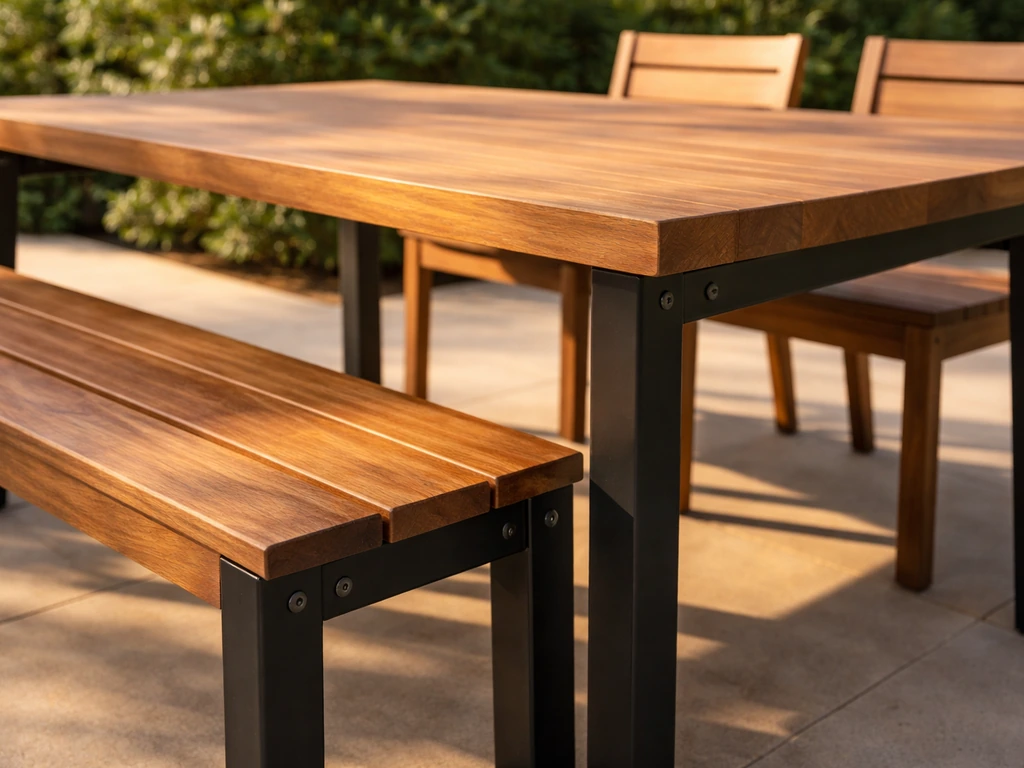
Powder coating is standard on most aluminum and steel frames, and quality varies widely. Good powder-coated aluminum frames carry a 5-year finish warranty from reputable manufacturers like blank" rel="noopener noreferrer">HAPCO and Houe, covering against peeling, cracking, and corrosion under normal exposure. Cheap powder coats start chipping in 1 to 2 seasons. Lowe's own patio furniture warranty policy explicitly distinguishes between powder-coat failure expectations across price tiers, a detail worth reading before you buy.
Cushion grade
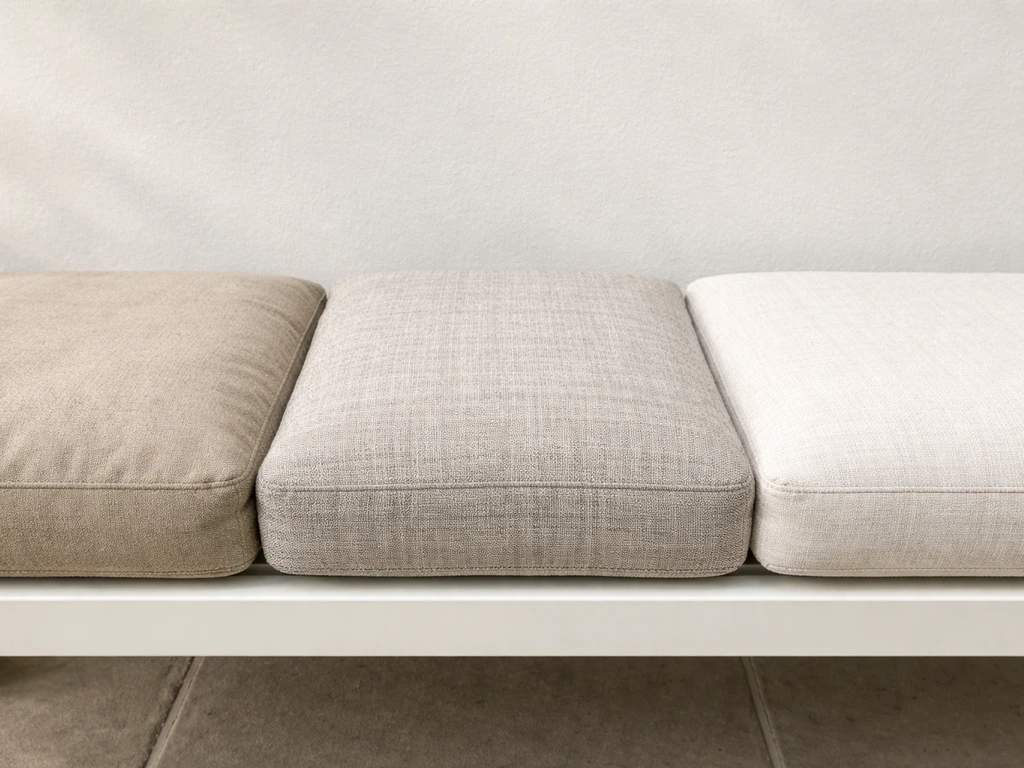
Cushions are where budget sets cut the most corners. Quality outdoor cushions use reticulated (open-cell) foam at 1.8 pounds per cubic foot or higher, which drains water instead of holding it. Cheap cushions use closed-cell foam that traps moisture, mildews quickly, and compresses flat within a season. The fabric matters just as much: Sunbrella carries a 5-year limited warranty on its upholstery fabric and is the benchmark for fade and mildew resistance. Most budget sets use generic polyester fabric that fades and grows mildew within two summers. Proper drainage holes in cushion covers are a detail that separates quality manufacturers from budget ones.
Set size and included pieces
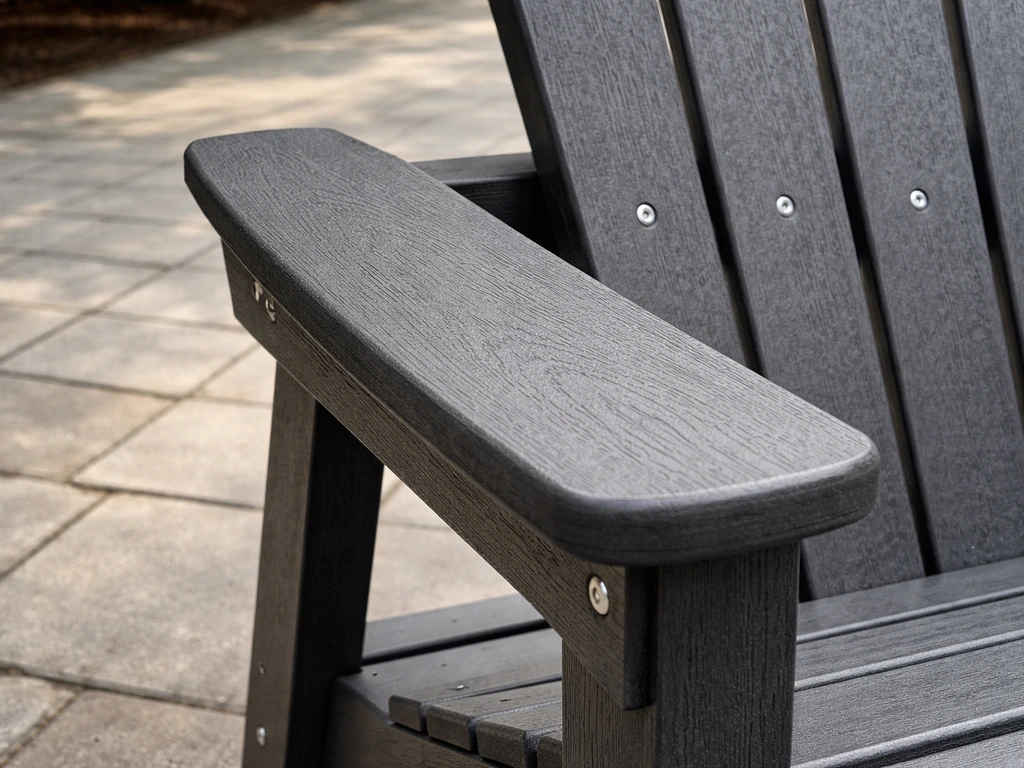
More pieces cost more, obviously, but watch what's actually included. Some 5-piece sets count cushions or a side table as separate pieces to inflate the number. A legitimate 5-piece dining set should include a table and four chairs. Verify the piece count before comparing prices between retailers.
Accessories and extras
Umbrellas, umbrella bases, storage boxes, and ottomans are almost never included in the set price but are frequently needed. Budget $150 to $400 for a decent umbrella with a weighted base. Outdoor furniture covers run $85 to $120 each, IKEA's covers start at $89.99, and a Classic Accessories cover on eTrailer runs about $84.
Material by material: what you pay and what you get
This is where most buying decisions actually live. Picking the right material for your climate matters more than picking the right brand. Here's how each one stacks up on price, durability, and long-term value.
Aluminum
Aluminum is the most versatile material across all climates. It doesn't rust, it's lightweight, and powder-coated finishes hold up well with basic care. Cast aluminum is heavier and more durable than tubular extruded aluminum, and costs more accordingly. Expect to pay $800 to $2,500 for a solid mid-range aluminum conversation or dining set. Budget aluminum exists under $500 but uses thin-gauge tubing that wobbles and bends. The Happatio 4-piece oversized conversation set with 6-inch deep-seating cushions runs around $1,600 to $1,800 and is a good example of what quality mid-range aluminum looks like. For longevity, a quality powder-coated aluminum frame should last 15 or more years in most climates with minimal maintenance.
Teak
Teak is the premium standard for wood outdoor furniture and commands the price to match. A quality teak dining set starts around $2,000 and runs well past $8,000 for large sets with cushions. The cost is justified by teak's natural oil content, which resists moisture, insects, and rot without much intervention. Left untreated, it weathers to a silver-gray patina that many people actually prefer.
If you want to maintain the original warm color, KETTLER recommends waiting 3 to 4 months before applying any protective product to new teak, then maintaining annually. ARB Teak's warranty is only valid if you follow their care guide, worth reading before assuming teak is maintenance-free.
A well-cared-for teak set can last 25 to 50 years, making the cost-per-year math surprisingly reasonable.
Wicker and rattan (synthetic)
Natural rattan is an indoor material and falls apart outdoors. What you're actually buying in most patio wicker sets is synthetic resin wicker woven over an aluminum or steel frame. Quality varies enormously. A good synthetic wicker set over an aluminum frame runs $800 to $2,500 for a conversation set and holds up well in most climates. Cheap synthetic wicker over a steel frame will start cracking and fading within 2 to 3 seasons. The frame underneath is the real indicator of longevity, look for aluminum, not steel, if you're buying wicker. Price-wise, a LatestCost example shows an aluminum-frame synthetic wicker dining set with standard cushions in the $500 to $1,200 mid-range.
Cast iron and wrought iron
Iron furniture is heavy, classic-looking, and can last decades if maintained. The problem is rust. In humid, coastal, or rainy climates, iron requires annual repainting or sealing, and even one winter of neglect can cause visible deterioration. Cast aluminum pieces that mimic the look of cast iron are a smarter choice for most buyers, lighter, rust-proof, and usually similarly priced.
Reddit's r/Flipping community regularly notes that cast aluminum sets with a basket-weave or ornate look outperform actual wrought iron for long-term value, especially on the resale market. Many shoppers cross-check those claims by searching for the best patio furniture discussions on Reddit, including threads that compare durability and real-world value best patio furniture reddit.
If you love the look of iron and live in a dry climate, a quality wrought iron set runs $400 to $2,500 and is worth considering.
Steel
Steel frames are cheaper to manufacture than aluminum and heavier, which makes furniture feel substantial. The catch is rust. Even galvanized or powder-coated steel will eventually rust if the coating chips, especially in humid or salty environments. Steel makes sense for dry inland climates where the coating stays intact. For coastal or high-humidity regions, skip it. Entry-level steel sets start around $200 to $500 for a 3 to 5-piece setup.
Recycled plastic (HDPE)
High-density polyethylene (HDPE) lumber, Polywood being the best-known brand, is genuinely low-maintenance and nearly indestructible in weather terms. It doesn't rot, splinter, fade significantly, or require sealing. It's heavier than it looks and can feel plasticky, but for high-moisture environments (near pools, lakesides, coastal climates) it's one of the smartest long-term investments. A quality Polywood-style Adirondack set runs $300 to $700. Dining sets run $800 to $2,500. The upfront cost is higher than basic wood, but the maintenance cost is nearly zero.
| Material | Typical Set Cost (mid-range) | Expected Lifespan | Best Climate Fit | Maintenance Level |
|---|---|---|---|---|
| Cast aluminum | $800–$2,500 | 15–25 years | All climates | Low |
| Teak | $2,000–$8,000+ | 25–50 years | All climates | Low to moderate |
| Synthetic wicker (aluminum frame) | $800–$2,500 | 10–15 years | Most climates | Low |
| Wrought/cast iron | $400–$2,500 | 10–20 years | Dry, inland climates | High |
| Steel | $200–$1,200 | 5–10 years | Dry, inland climates | Moderate |
| HDPE / recycled plastic | $800–$2,500 | 20–30 years | Coastal, humid, wet | Very low |
| Eucalyptus/hardwood | $500–$2,000 | 10–20 years | Most climates | Moderate |
Budget vs mid-range vs premium: what the money actually buys
There's a real and meaningful quality gap between price tiers, but it doesn't always show up where you expect. Here's what shifts at each level.
Budget (under $500 for a set)
At this price point you're mostly getting thin-gauge steel or low-grade aluminum, polyester fabric that fades in one season, and cushion foam that compresses and mildews quickly. BestReviews notes that some 3 to 5-piece sets exist under $100, but those are better thought of as temporary solutions than real furniture. Budget furniture works fine for a rental property, a first apartment patio, or as a stopgap while you save up. Don't expect it to last more than 2 to 4 seasons even with care.
Mid-range ($500–$2,500 for a set)
This is where value actually appears. You start getting powder-coated aluminum frames with real structural integrity, resin wicker over aluminum, Sunbrella or Sunbrella-equivalent fabrics, and decent foam cushions. A $1,500 to $2,000 conversation set in this range should last 8 to 12 years with basic seasonal care. This is the range most homeowners should target, and it's where the best cost-per-year math usually works out.
Premium ($3,000 and above)
At $3,000 and above, BestReviews notes you're often getting both a conversation sectional and a matching dining set, or a single large set with top-tier construction. At $5,000 and beyond, you're buying cast aluminum with architectural-grade powder coating, Sunbrella fabric as standard, deeply filled cushions with proper drainage, and brand warranties that actually mean something. Sets like the Furniture.com Summon Sunbrella sectional at $5,179 or the PatioLiving Skyline Design dining sets at $4,979 to $6,499 are built to last 20-plus years. If you're outfitting a permanent outdoor living space and don't want to replace it in 5 years, premium makes sense. Whether that's worth the spend is a genuinely complicated question, and worth thinking through carefully before you buy.
Climate and region affect more than just your comfort
Where you live should fundamentally shape what material you buy. The same set that lasts 20 years in Phoenix will deteriorate in 5 years in coastal Florida if it's made from the wrong materials. This isn't a minor consideration.
- Coastal and humid climates: Aluminum, HDPE, and teak are the safe choices. Steel and iron rust aggressively in salt air. Synthetic wicker over a steel frame will fail noticeably faster here.
- Hot, sunny, arid climates (desert Southwest): UV degradation is the main enemy. Sunbrella or equivalent fabric is non-negotiable. Lighter-colored finishes and UV-stable plastics outlast dark fabrics and cheaper polyester.
- Cold winter climates (Midwest, Northeast): Freeze-thaw cycles stress cushion foam and can crack low-quality plastic. Storing cushions indoors and using furniture covers extends life significantly. Aluminum outperforms steel here because it doesn't rust when condensation forms.
- Rainy, temperate climates (Pacific Northwest): Drainage matters above all. Look for cushions with drainage holes and reticulated foam. Teak and HDPE handle constant moisture better than most woods. Iron is a poor choice.
- High-wind regions: Weight and stability matter. Cast aluminum and iron hold up better than lightweight tubular steel. Sectionals should be anchored or stored when not in use.
Climate also affects maintenance costs, and the markup you're effectively paying for durability. Understanding what drives patio furniture pricing at a structural level helps explain why the same basic design costs so differently depending on materials and market positioning. Home Depot's care guidelines note that material-specific maintenance needs vary significantly, and skipping those steps (like re-oiling hardwood or touching up powder coat chips) is the single most common reason furniture fails prematurely.
How to estimate your total project cost
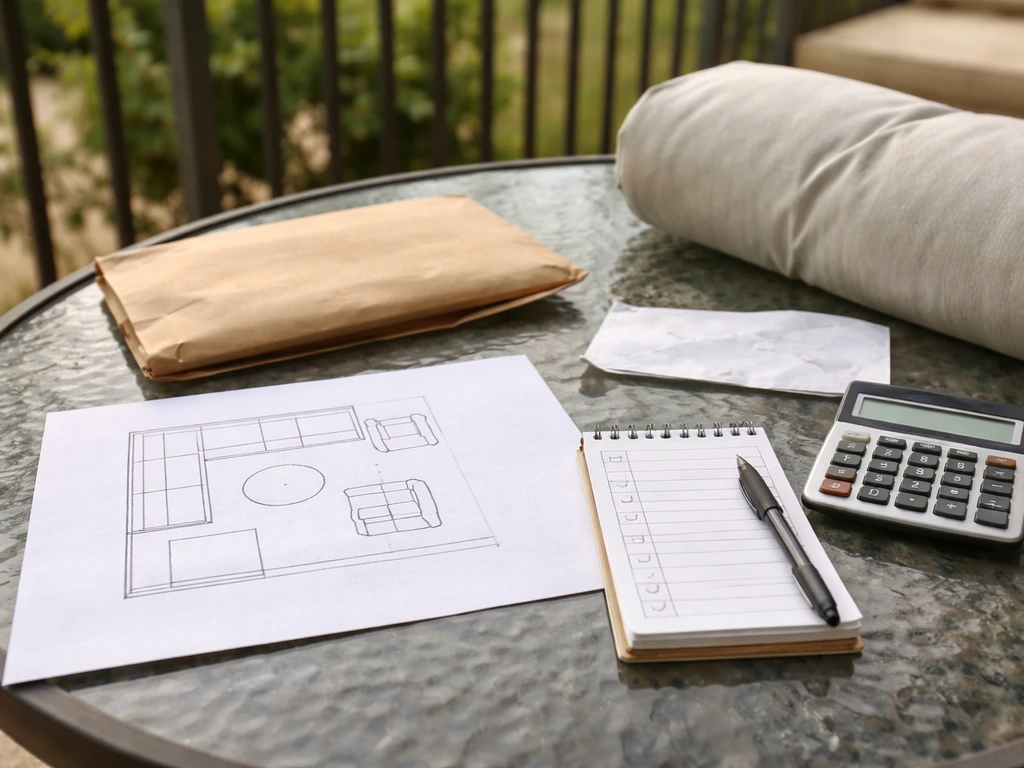
The set price is almost never what you actually spend. Here's a realistic way to add it up before you commit. To figure out how much to spend on patio furniture, start with the set price, then add accessories and any delivery or maintenance costs.
- Start with seating count. Figure out how many people you regularly need to seat. A 4-person patio needs a different set than an 8-person entertaining space. Don't overbuy — a well-chosen 4-piece set is better than a cramped 7-piece on a small patio.
- Add the set price. Use the ranges above for your category and target price tier.
- Add delivery. Most large retailers charge $50 to $200 for standard delivery. White-glove or room-of-choice delivery runs $150 to $400. IKEA charges separately for delivery and assembly — those are not bundled. Home Depot's delivery team explicitly does not assemble patio furniture, so factor in whether you'll need to pay separately for that.
- Add assembly if needed. Assembly on a large sectional or dining set typically runs $80 to $200 through third-party services if the retailer doesn't offer it.
- Add covers. Budget $85 to $120 per cover piece you need. A full sectional cover alone can run $120 to $180.
- Add accessories. Umbrella plus base: $150 to $400. Storage box: $100 to $300. Side tables or ottomans not included in the set: $80 to $300 each.
- Factor in annual maintenance. Teak oil, touch-up paint for powder-coat chips, and cushion cleaning supplies run $30 to $80 per year. HDPE and aluminum cost almost nothing annually. Iron costs more.
As a rough example: a $1,700 mid-range 5-piece dining set, plus $150 delivery, $100 assembly, two covers at $90 each, and an umbrella setup at $250 gets you to about $2,380 before you've bought a single bottle of teak oil or touch-up spray. That's a more honest number to plan around than the set's sticker price alone. How much to spend on patio furniture is a question that looks different once you see the full picture. That bigger, all-in total can help answer whether is expensive patio furniture worth it for your specific setup.
Where to buy and how to avoid overpaying
Timing your purchase
Patio furniture goes on sale at predictable times, and buying at the wrong time costs real money. Memorial Day is the biggest sale event of the year, ABC News' 2026 Memorial Day roundup confirmed steep markdowns on outdoor sectionals during that window, and IKEA runs explicit promotional pricing through early July (their current outdoor sectional sale runs through July 2, 2026). Lowe's Summer Sale events typically advertise up to 40% off patio furniture. If you miss spring, Labor Day sales clear summer inventory, and the deepest discounts, sometimes 50% to 70% off, happen in August through October when big-box stores clear last season's stock. End-of-summer clearance is where experienced shoppers make their best finds, though selection is limited by then.
Where to shop by budget
- Budget: IKEA, Wayfair, Target, Amazon. Good for temporary or low-stakes setups. Inspect material specs carefully — descriptions can be vague.
- Mid-range: Lowe's, Home Depot, Rooms To Go, Macy's, Hayneedle. Broader selection of genuine mid-grade aluminum and wicker sets with reasonable warranties.
- Premium: Furniture.com, PatioLiving, Frontgate, Pottery Barn, local outdoor furniture dealers. Better materials, stronger warranties, and staff who can actually answer questions about construction.
- Used and resale: Facebook Marketplace and Craigslist regularly list quality cast aluminum sets that owners are replacing for aesthetic reasons rather than functional failure. Reddit's r/Flipping community notes that prices swing heavily by season — listings from October through March are priced to move.
Quality checks before you buy
Whether you're shopping in-store or online, there are specific things to look for that separate genuinely good furniture from furniture that merely looks good in photos.
- Frame material: Confirm it's aluminum, not steel, if rust resistance matters to you. Product listings sometimes say 'metal' without specifying which.
- Frame gauge: Thick-walled tubing or cast construction versus thin-wall extrusion. Wobble-test in store — a solid frame doesn't flex when you press the back.
- Cushion foam density: Look for 1.8 PCF or higher. If the listing doesn't mention foam density, the foam is probably low-grade.
- Fabric: Sunbrella is the benchmark. If the listing says 'solution-dyed' or 'olefin,' those are second-best but acceptable. 'Polyester' without further qualification is a warning sign.
- Warranty specifics: A 5-year powder-coat warranty is the standard for quality aluminum. A 5-year Sunbrella fabric warranty is meaningful. Vague 'one-year limited' warranties on everything are budget signals.
- Drainage holes: Check that cushion covers have them, or that the design allows water to escape rather than pool.
- Joinery and welds: Visible rough welds, uneven seams, or wobbling joints at the corners indicate poor construction regardless of material.
Comparing like for like
The most common pricing mistake is comparing a 5-piece set from one retailer to a 5-piece set from another without checking what those five pieces actually are. Confirm table dimensions, chair construction (stackable versus fixed), cushion inclusion, and frame material before treating two sets as equivalent. A $1,700 Rooms To Go set and a $1,700 Wayfair set can be very different products underneath the marketing photos.
When comparing higher-end options, it's also worth understanding the full cost structure behind what you're paying, some of that premium reflects genuine craftsmanship, some reflects retail markup, and knowing the difference helps you negotiate or wait for a better price. Markup can vary by retailer and set type, so understanding the markup on patio furniture helps you spot when a price is truly a deal.
FAQ
What’s the true total cost when I buy patio furniture, not just the sticker price?
Use an all-in estimate: set price plus delivery, assembly, at least one cover per seating area, and an umbrella or shade system if needed. Also budget for 1 to 3 years of “catch-up” costs like replacement cushions or cover upgrades if the original set does not include storage-friendly covers.
How much should I budget for cushions if I want something that lasts more than a few seasons?
If cushions are included, inspect the cushion foam type and drainage. As a practical rule, plan on paying more upfront for open-cell foam and weather-rated fabric, and expect replacement cushions later only if you skip covers or live in nonstop sun exposure.
Are patio furniture covers included in most sets?
Usually no. Even if a retailer bundles a cover, it’s often basic and not weatherproof in heavy rain or coastal wind. For budgeting, plan on separate covers for each seating group and storage items, and look for covers with breathable fabric so trapped moisture does not mildew.
How much does delivery and assembly typically add to patio furniture cost?
Many stores charge separately for delivery and white-glove assembly, and the fees rise for larger sectional configurations. If your quote is unclear, ask whether stairs, long carries, and appointment scheduling are included, because those add-ons can change your total by hundreds of dollars.
What’s the cost difference between a 5-piece and a 7-piece set, beyond “more seats”?
Piece count often hides value differences, like whether the set includes thicker cushions, a higher-end fabric, or a true umbrella base. Compare item-level specs (table material, chair frame and arm style, cushion thickness) because a 7-piece set can be cheaper than a 5-piece set if the materials are lower grade.
Is it cheaper to buy a full set or mix-and-match pieces?
Mix-and-match can be cheaper when you only need one or two upgrades, like buying a higher-quality dining table and adding budget chairs, or pairing a premium conversation sofa with less expensive side pieces. However, mixing increases the chance that cushion colors, cushion depths, or cover sizes do not match, which can add extra replacement costs later.
How much should I spend on an umbrella and base for dining furniture?
Budget separately for a weighted base and appropriately sized umbrella for the table footprint. A common mistake is buying a smaller umbrella that does not cover chairs, then needing a second shade solution later; measure the table plus chair spread before choosing umbrella diameter.
Do I need to pay extra for warranty coverage on patio furniture?
Warranties can be worth paying attention to, especially for powder coating finish and upholstery fabric, because fading and peeling are the most common early failures. Read the exclusions carefully, since many warranties assume regular cleaning, cover use, and “normal exposure,” not full-time harsh weather.
Is HDPE or Polywood worth the extra upfront cost?
It often is in high-moisture or freeze-thaw regions because maintenance is minimal, and you avoid re-oiling or rust prevention cycles. The tradeoff is weight and feel, plus you may need to plan for stain removal and occasional cleaning to keep color looking consistent over time.
How can I avoid the most common pricing comparison mistake between retailers?
Verify the actual dimensions and included components, not the piece count. Check whether cushions are included, whether fabric is weather-rated, chair stackability, and whether the “frame material” matches your climate needs, because two similar-looking sets can use different metals and cushion construction.
When is the best time to buy patio furniture if I want the lowest price?
The best discounts typically cluster around major spring holidays and end-of-season clearances, but selection may be limited. If you want the widest choice in sizes and cushion colors, prioritize spring sales first, then use end-of-summer clearance as your “deal” window for remaining models.
How much maintenance cost should I factor in for teak, aluminum, and steel?
Teak usually requires periodic treatment to preserve color, while aluminum with good coating is mostly low maintenance if you clean and touch up chips promptly. Steel can create higher long-term costs in humid or coastal climates because rust repair or repainting becomes recurring if coatings are damaged.
Next Articles
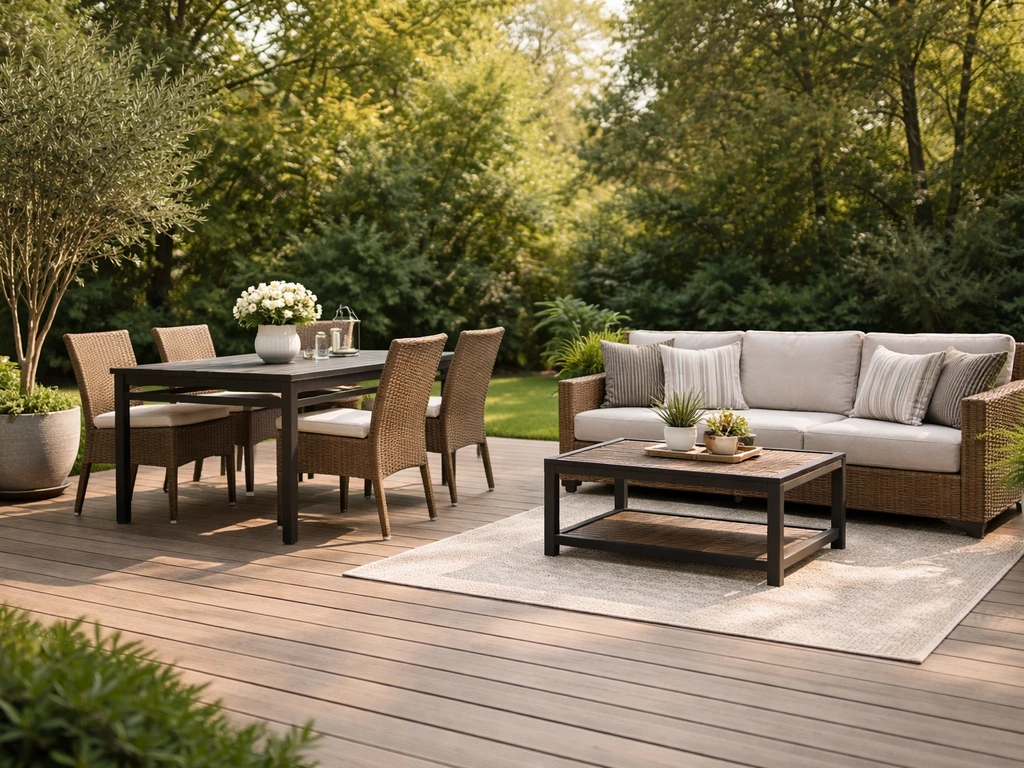
Best Patio Furniture Reddit Picks by Material, Brand, and Climate
Reddit-backed patio furniture picks by material and climate, plus brand strengths, failure points, and buying specs

Why Patio Furniture Is So Expensive: Real Cost Drivers
Learn why patio furniture costs more: materials, construction, coatings, labor, and total cost of ownership by climate.
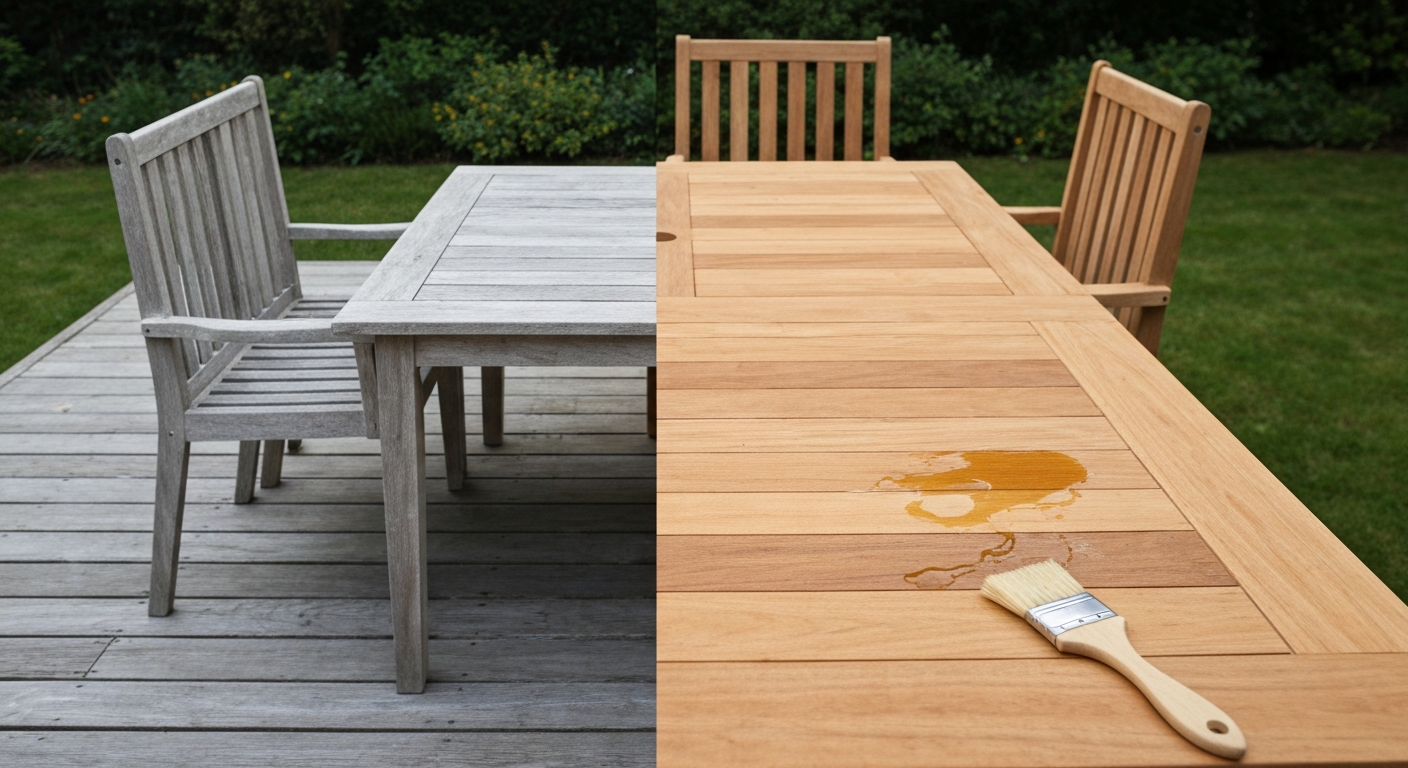
Best Stain for Teak Patio Furniture, Top Picks by Climate
Best stain for teak patio furniture: expert picks, climate-based choices, prep, application, and maintenance tips.