
The best rattan patio furniture for most people in 2026 is synthetic resin wicker (PE or HDPE woven over a powder-coated aluminum frame), not real rattan. Real rattan looks beautiful but absorbs moisture, grows mold, and deteriorates fast outdoors. Resin wicker mimics the look, handles rain, UV, and humidity without rotting, and lasts years longer with minimal effort. If you have a fully covered porch and live somewhere dry, real rattan can work. Everyone else should go synthetic and focus their energy on getting the frame material, weave quality, and cushion fabric right. What is rattan patio furniture? Many products labeled “rattan” are actually resin wicker made with polyethylene, which performs better outdoors than natural rattan.
Best Rattan Patio Furniture Buying Guide for 2026

Marcus Kellerman
24 May 2026
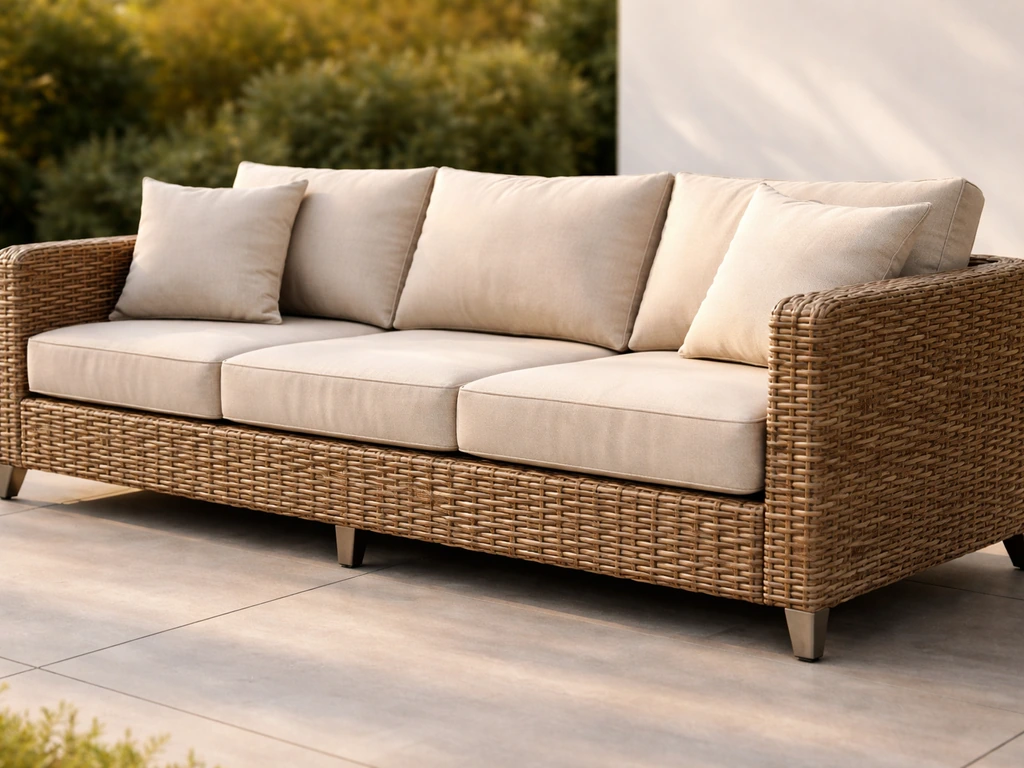
Real rattan vs. "rattan" (resin wicker): what you're actually buying
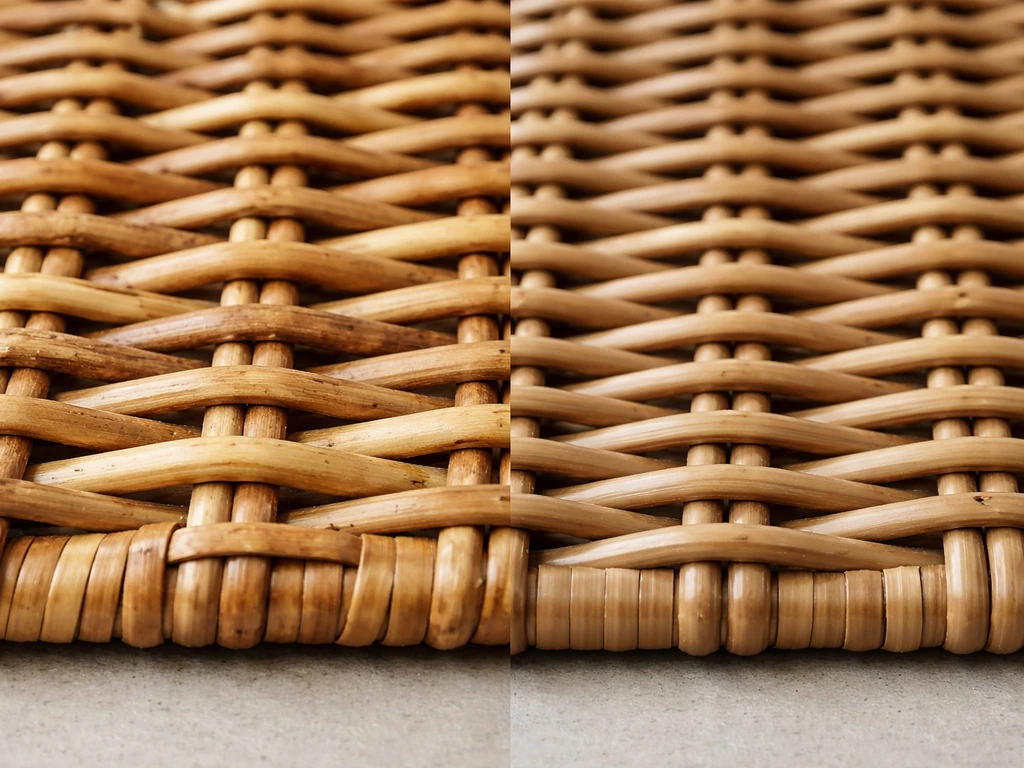
Rattan is a climbing palm from Southeast Asia, one of roughly 600 species in the Calamoideae subfamily, with only about 20% of those species producing material that's commercially useful for furniture. The plant's skin is stripped, shaped, and woven into chairs, sofas, and tables. It's a genuinely beautiful natural material with a warm, organic look that's hard to replicate exactly.
The problem is that "rattan" has become a catch-all marketing term. In the UK especially, artificial wicker is routinely sold as "rattan garden furniture." In the US, you'll see the same thing on big-box retailer listings. What most outdoor furniture labeled as rattan actually contains is polyethylene fiber (PE or HDPE resin) woven over a metal frame. This synthetic material is engineered specifically for outdoor use: it's non-porous, moisture-resistant, UV-stabilized, and far more stable across temperature swings than any plant-based fiber.
Wicker, just to clear this up, is a weaving style, not a material. Natural wicker is most commonly woven from rattan. Synthetic wicker (resin wicker, PE wicker, all-weather wicker) is the same basket-weave pattern executed in extruded polyethylene. When a product says "wicker" without specifying PE or resin, ask. When it says "rattan" without specifying natural, assume it's synthetic unless you're buying from a specialist.
| Feature | Real Rattan | Resin Wicker (PE/HDPE) |
|---|---|---|
| Material | Natural palm fiber | Extruded polyethylene over metal frame |
| Water resistance | Poor: absorbs moisture, swells, rots | Good: non-porous, water-resistant |
| UV resistance | Fades and dries out | UV inhibitors built into resin (top brands: 2000–4000 hr tested) |
| Mold/mildew risk | High in humid or rainy conditions | Low if dried properly |
| Best location | Covered, dry porch or sunroom | Covered or uncovered patio, most climates |
| Repairability | Can be re-woven by a craftsperson | Replacement strands available from some brands |
| Typical lifespan outdoors | 1–3 years unprotected | 5–10+ years with basic care |
| Cost range | Variable; often higher for authentic pieces | $300–$2,500+ depending on set size and brand |
How to judge quality: frames, weave, cushions, and hardware
Most people fixate on how furniture looks in a product photo and miss the specs that determine whether it holds up. Here's what actually matters.
The frame is the most important part
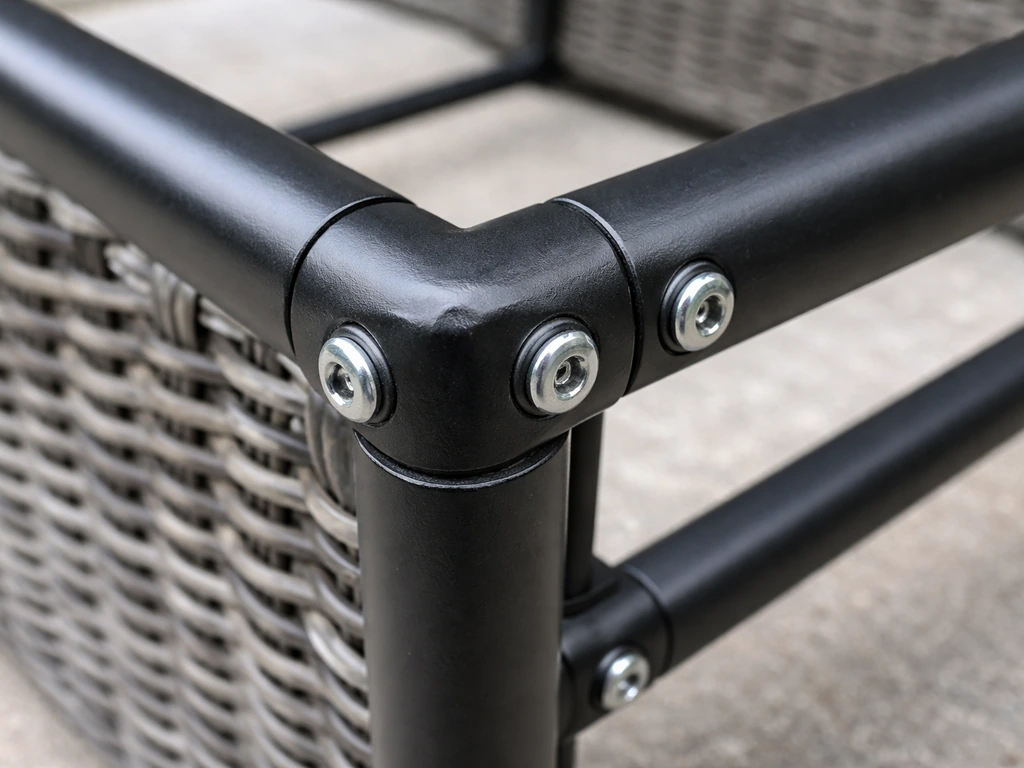
For resin wicker, you want an all-aluminum powder-coated frame. Aluminum doesn't rust, stays light, and holds up in coastal and humid environments where steel frames (even coated ones) will eventually corrode. If a listing says "metal frame" without specifying aluminum, that's usually steel. Steel isn't automatically bad, but powder-coated steel is heavier and more vulnerable to rust if the coating gets chipped. Brands like KETTLER explicitly build their wicker furniture on all-aluminum powder-coated frames, and that's the construction benchmark worth shopping toward.
Weave quality and resin grade
Look for HDPE (high-density polyethylene) resin, not generic PE. HDPE is denser, more UV-stable, and less prone to strand cracking over time. The best brands blend color directly into the resin rather than painting the surface, so the color doesn't chip or fade unevenly. Forever Patio, for example, tests its HDPE resin up to 4000 UV hours. KETTLER's polyethylene weave is rated to 2000 UV hours against an industry standard of 1000. When you're comparing budget options against mid-range, that gap matters more than any styling difference. Tight, consistent weave with no loose ends or gaps at the joints is the visual tell for better-grade construction. Run your hand over the weave and flex a strand gently at a joint point. Any crunchiness, roughness, or visible splitting right out of the box is a red flag.
Cushions and fabric
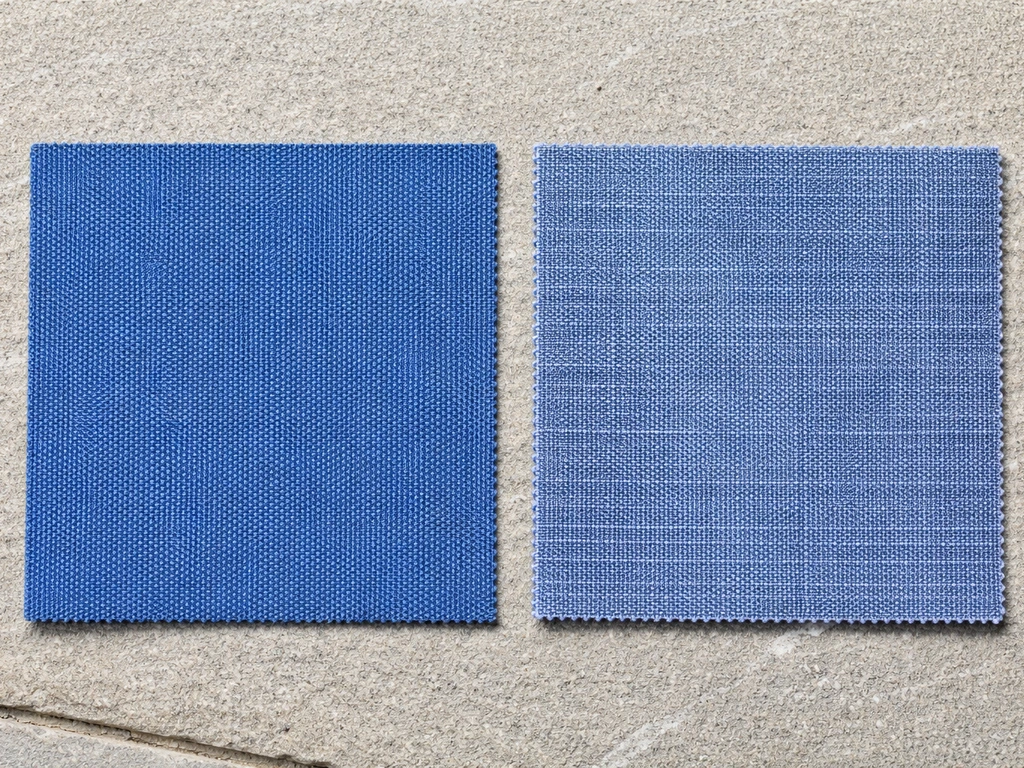
Solution-dyed acrylic (Sunbrella is the best-known brand) is the industry benchmark for outdoor cushion fabric. The color is locked into the fiber at the molecular level, not printed on top, which gives it genuine UV and fade resistance along with mold and mildew resistance. Polyester cushion covers are cheaper but fade noticeably faster and trap moisture more readily. If a set comes with "outdoor fabric" cushions that don't specify solution-dyed acrylic, expect to replace them within two to three seasons. For a quality set you plan to keep for a decade, factor in upgrading the cushions if necessary.
Hardware and joinery
Check that bolts, screws, and connectors are stainless steel or coated aluminum, not bare steel. Rust staining on hardware bleeds onto frames and cushions and is a maintenance headache. On modular sets, test whether sections click together firmly and whether the connections feel stable under body weight. Wobbly joints and rattling hardware straight from the box don't improve with outdoor exposure.
Warranty as a proxy for confidence
A 3-year frame warranty and 1- to 2-year weave/wicker warranty is the minimum I'd accept from a reputable brand. KETTLER offers 3 years on the frame and 1 year on cushions. Forever Patio warrants the resin weave for 3 years specifically against separation and cracking. Eurolux Patio splits coverage between 3 years on the frame and 2 years on the wicker. Shorter warranties or vague warranty language usually signal lower-grade materials.
Weather performance by climate
Resin wicker is genuinely versatile, but no outdoor furniture is invincible. Knowing your climate's specific stressors helps you set expectations and care routines.
High UV and intense sun
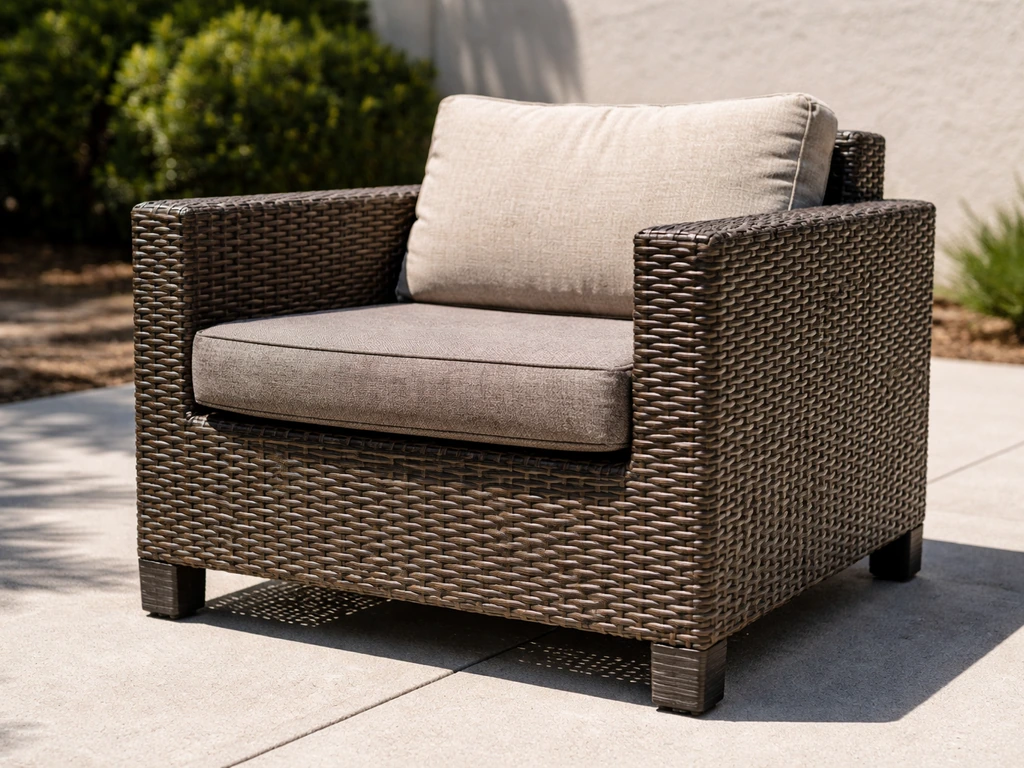
UV is the primary enemy of both the weave and the cushions. Premium HDPE resin with UV inhibitors built in (not painted on) is essential in Sun Belt climates, Arizona, Florida, Southern California. Aim for furniture rated above 2000 UV hours. Add solution-dyed acrylic cushions and use a breathable furniture cover when the set isn't in use for extended periods.
Rain and high humidity
HDPE resin wicker's non-porous surface resists moisture, which is why it's the right call for the Pacific Northwest, Southeast US, Gulf Coast, and anywhere with frequent rain. The weave itself won't absorb water, but cushions will, and pooled water in joinery or frame crevices can still cause issues over time. Dry cushions after rain and make sure the frame design allows water to drain rather than pool. In very humid environments, even synthetic wicker can develop surface mildew if it stays wet under a cover. Allow air circulation. Real rattan in the same conditions absorbs moisture directly, grows mold, and starts deteriorating within months.
Freeze-prone regions
Cold is a hidden problem for resin wicker. Synthetic fibers become brittle in sub-freezing temperatures, and repeated freeze-thaw cycles cause strands to crack and snap at stress points. Forever Patio explicitly excludes freezing temperature damage from its warranty coverage, which tells you everything about the material's limits. In climates that regularly drop below freezing, bring resin wicker furniture indoors or into a garage for winter. A single hard freeze won't necessarily destroy a quality set, but leaving it outside through a full northern winter will accelerate wear significantly.
Coastal and high-salt environments
Salt air corrodes steel rapidly, which makes an all-aluminum frame non-negotiable in coastal settings. The resin weave itself handles salt exposure better than most materials, but rinse the furniture periodically with fresh water to remove salt deposits from both the weave and the frame hardware. Stainless steel hardware is especially important here. Teak and aluminum are the other strong contenders in coastal climates, but quality aluminum-frame resin wicker is competitive if you maintain it.
Best picks by patio setup and use case
"Best" depends heavily on how you use your patio and what's above (or not above) your furniture. Here's how to match the right setup to your situation.
Covered patio or screened porch
This is the one scenario where real rattan is a reasonable choice if you love the natural look. Protected from direct rain and intense UV, real rattan can last several years with routine care. If you want the look without the fragility, a mid-range PE wicker set on a covered porch will still outlast real rattan by a wide margin. For a covered dining setup, a 6- to 8-piece PE wicker dining set with an aluminum frame is a smart investment. Look for chairs with armrests at the right height relative to the table (standard dining height is around 30 inches for the table, 18 inches for seat height).
Uncovered or exposed patio
HDPE resin wicker on an all-aluminum frame is the only sensible choice here. Prioritize UV-rated resin (2000+ hours), solution-dyed acrylic cushions, and a set that includes breathable furniture covers. A conversation set (sectional sofa plus coffee table) works well for lounging-focused uncovered patios. Make sure the sectional connectors are robust and that cushion covers zip off for washing.
Everyday dining
For dining, comfort and stability matter as much as weather resistance. Look for chairs that don't rock or flex at the legs under a heavier adult. Swivel glider chairs add usability for relaxed meals. A 5- or 7-piece dining set in the $700 to $1,500 range from a reputable brand gives you durable weave, cushioned chairs, and a table that won't wobble. Tempered glass or aluminum tabletops are more durable than synthetic tops and easier to clean.
Lounging and relaxation
Deep-seating lounge sets and daybeds are where PE wicker furniture really shines aesthetically. A good chaise lounger or sectional with thick, waterproof cushions transforms a patio into an outdoor room. For lounging, prioritize cushion thickness (at least 4 inches) and a high fill-weight foam core, not just a thin polyester pad. Check that the lounger's adjustment mechanisms (if it reclines) use rust-proof hardware.
Small balcony or apartment patio
A 2-piece bistro set or a small sectional configured as an L-shape often works best here. Measure your space carefully: leave at least 36 inches of clearance for walking paths and 18 inches between a chair and the balcony railing if it faces a view. Stackable chairs save storage space in tight quarters.
Care, cleaning, and storage to extend lifespan
Resin wicker is low-maintenance, but low-maintenance doesn't mean no maintenance. A little routine care doubles the lifespan of any set.
- Wipe down the weave regularly with a clean, damp cloth to remove dust, pollen, and debris from between the strands. For deeper cleaning, use mild soap and water with a soft brush. Rinse thoroughly and let it dry fully in the sun before covering or storing.
- Clean cushions according to the fabric manufacturer's instructions. Solution-dyed acrylic covers can usually be scrubbed with a soft brush, mild soap, and rinsed off with a hose. Never machine-wash foam cores.
- Bring cushions inside on rainy days or when a sustained rain is forecast. Wet cushions left on the furniture develop mold in the seams and stitching even if the cover fabric resists it.
- Use a breathable furniture cover when the set won't be used for a week or more. Airtight covers trap moisture and create the exact conditions for mold growth. Look specifically for vented covers.
- Do not apply oils, silicone sprays, or sealants to synthetic wicker. These block the micropores in the weave and trap moisture inside, which can cause mold to develop from within.
- Store the furniture indoors (garage, storage shed, or basement) during winter in freeze-prone climates. If indoor storage isn't possible, use a high-quality breathable cover and place it in the most sheltered spot available.
- In coastal environments, rinse the furniture with fresh water every few weeks to remove salt deposits from the weave and hardware.
Maintenance, repairs, and when to replace
The first things to fail on resin wicker furniture are almost always the cushions, then individual weave strands, then the frame if it's steel rather than aluminum. Cushion foam compresses over time and fabric fades even with good-quality covers. Plan to replace cushions every 3 to 5 years depending on sun exposure. This is actually a good reason to buy from a brand that sells replacement cushions, and many do (POLYWOOD and other larger brands list replacements directly).
Individual strand breakage in the weave typically starts showing up after 5 to 7 years on mid-grade sets, sooner on budget sets exposed to freeze-thaw cycles. A few broken strands don't compromise the set structurally, but they look bad and can pull further. Some brands, including POLYWOOD, offer replacement woven inserts that can be ordered even outside the warranty period. This is worth checking before you buy: a set from a brand that supports repairs has a much longer useful life than one where a cracked strand means buying new.
Frame failures are rare on aluminum-frame sets and are usually warranty-covered if they happen in the first few years. If you bought a steel-frame set and notice rust staining bleeding through the powder coat, that's the beginning of the end for the structural integrity. Touch-up powder-coat paint can slow the spread but won't stop it permanently.
Replace the furniture when: frame joints become structurally unsafe, widespread weave cracking makes the set uncomfortable or visually beyond repair, or the cost of replacement parts exceeds 50% of what a comparable new set would cost. A quality aluminum-frame HDPE set, properly cared for, should not reach that point for at least 7 to 10 years.
Price and value: what affects cost and how to avoid junk
A 7-piece patio set runs anywhere from roughly $300 to $1,500 depending on material quality, brand, and configuration. That range includes complete junk at the low end and genuinely excellent furniture at the high end. Here's how to read the price signals.
| Price Range | What You're Typically Getting | Durability Expectation |
|---|---|---|
| Under $400 (set) | Thin steel frames, low-grade PE weave, polyester cushions, minimal warranty | 2–4 years with careful use |
| $400–$800 (set) | Steel or entry-level aluminum frames, mid-grade PE weave, improved cushion fabric | 4–6 years |
| $800–$1,500 (set) | All-aluminum frames, HDPE weave with UV inhibitors, solution-dyed acrylic cushions, 3-year warranty | 7–10+ years |
| Over $1,500 (set) | Premium construction, hand-woven HDPE, heavy-duty aluminum, full accessory ecosystem, extended warranty | 10–15+ years with maintenance |
What drives cost up legitimately: aluminum vs. steel frames, HDPE vs. generic PE resin, UV-hour testing (2000–4000 hours vs. the industry standard 1000), solution-dyed acrylic cushions, hand-weaving vs. machine-weaving, and brand reputation for replacement parts and warranty follow-through. What drives cost up without adding value: excessive branding markup, retail channel markup on furniture that's identical to a lesser-known brand at half the price, and "rattan" marketing on low-grade synthetic weave over a steel frame.
The specs to look for explicitly in any product listing: all-aluminum frame, HDPE or high-density PE resin weave, solution-dyed acrylic cushion fabric, powder-coated finish, stainless or coated hardware, and a clearly stated warranty with at least 3 years on the frame. If a listing doesn't specify the frame material, the resin grade, or the cushion fabric type, treat it as a budget gamble.
Your pre-purchase checklist
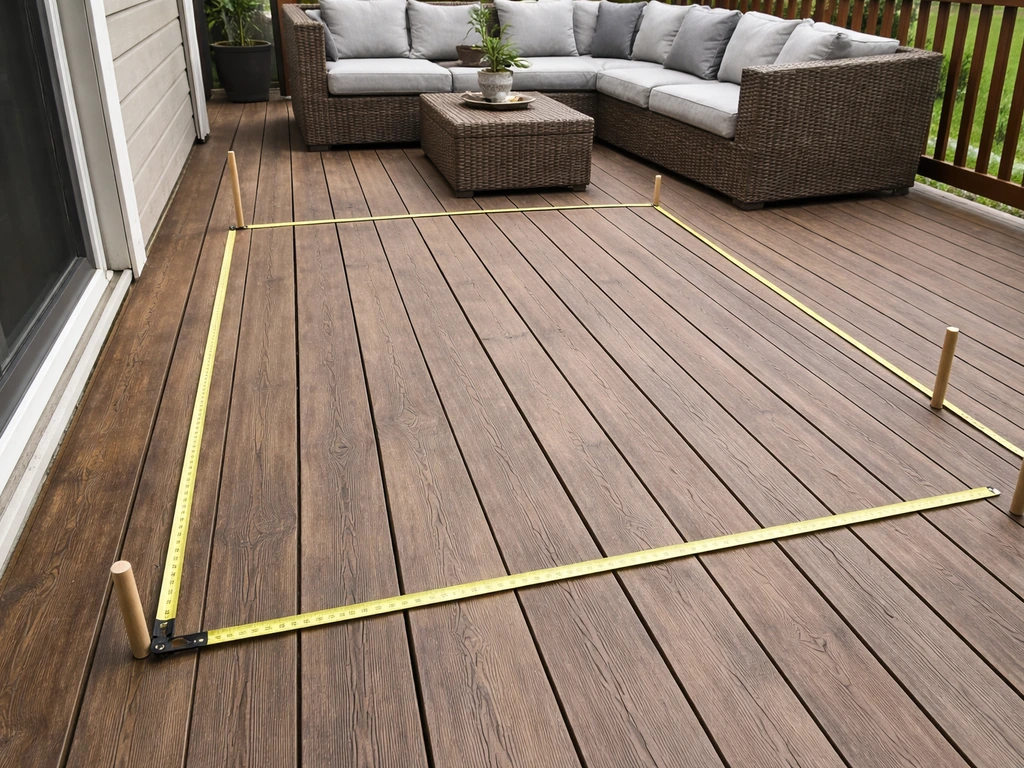
- Measure your patio space and confirm the set dimensions with 36-inch clearance for walkways and 18-inch clearance from walls or railings.
- Confirm the frame is all-aluminum, not steel or "metal."
- Confirm the weave is HDPE or high-density PE resin, not generic polyester or low-grade PE.
- Check that UV resistance is rated at 2000 hours or higher if you're in a sun-heavy climate.
- Look for solution-dyed acrylic cushion covers (Sunbrella or equivalent), not standard polyester.
- Read the warranty: minimum 3 years on the frame, at least 1 year on the weave.
- Check whether the brand sells replacement cushions and woven parts.
- If you're in a freeze-prone climate, confirm you have indoor storage space for the set in winter.
- For coastal locations, verify stainless steel or coated hardware throughout.
One last thing worth saying plainly: the wicker vs. rattan terminology confusion is real and persistent, and the question of whether rattan is actually durable outdoors is worth examining closely before you commit to a set, especially if you're drawn to the look of natural rattan for a covered space. The short version is that synthetic beats natural in almost every outdoor durability category, but the aesthetic gap is narrower than it used to be. The best mid-range and premium PE wicker furniture today looks convincingly natural while lasting years longer. That's the sweet spot most buyers should target.
FAQ
How can I tell if the cushion fabric is truly solution-dyed acrylic (and not just “acrylic-like” outdoor fabric)?
“Solution-dyed acrylic” is typically a performance-grade fabric; the easiest way to confirm is to look for the exact phrase on the listing (or a fabric spec like solution-dyed acrylic) rather than generic terms such as “acrylic” or “outdoor.” If the seller only says “polyester” or “outdoor fabric” with no dye-process or fiber details, assume it is less fade-resistant and budget for cushion replacement sooner.
Can I leave synthetic (PE/HDPE) resin rattan patio furniture outside during winter?
Yes, but only if you treat it like a seasonal item for freezing weather. Resin wicker strands can crack after repeated freeze-thaw cycles, even if the set survives a single cold snap. Plan to bring the furniture indoors or into an unheated garage during winter, and keep cushions dry and stored off the floor to prevent mildew.
If a product says “rattan wicker” or only “wicker,” does that guarantee it is outdoor-safe?
Not always. In many listings, “wicker” just describes the weave pattern, while “rattan” is used as a catch-all marketing term. If the product does not explicitly say PE or HDPE resin (or it calls it “natural rattan” without clarifying it is a palm-based material), treat it as synthetic unless proven otherwise, then verify the frame is all aluminum.
What should I look for in a furniture cover so I do not cause mildew under it?
Measure the furniture openings and joints, then choose a cover style that allows airflow. A fully airtight cover can trap moisture under it during humid spells, increasing the chance of surface mildew on cushions and causing pooled water in seams. Use a breathable cover, shake off rainwater if the set stays outside for extended periods, and remove covers after storms when feasible.
Are cushion thickness and foam type worth paying for on best rattan patio furniture (resin wicker sets)?
For long-term comfort, the cushion filling matters more than the cover material. Look for cushions with waterproof or water-resistant foam and thicker seats (especially for lounge sets), then confirm whether covers zip off for washing. If the listing does not mention cushion thickness or fill type, compare equivalent sets by price but be prepared to replace cushions within a few seasons.
What is the fastest way to spot a low-quality frame or hardware before it ruins the whole set?
Use rust-stain checks as your early warning system. If you see orange bleed-through at hardware points, it means bare or poorly protected steel is corroding and it can spread into cushion seams. In that case, stop adding new cushions, dry everything thoroughly, and prioritize replacing hardware or the affected frame if rust is already under the coating.
How can I tell whether a brand will actually support repairs, like replacement cushions or weave inserts?
Confirm repairability by looking for replacement parts listings or warranty terms that include weave replacement. A good sign is availability of replacement woven inserts and separately purchasable cushion sets. If the brand only offers “replace the whole item” language when parts fail, your long-term cost will be higher even if the initial price is lower.
If resin wicker is non-porous, do I still need to worry about moisture damage?
It depends on your climate and how much the furniture stays wet. Resin wicker handles water on the weave, but it does not eliminate risk from wet cushions and pooled water at frame joints. Plan a quick dry routine after rain, ensure the frame design drains, and allow air circulation under covers in humid conditions.
Next Articles
Is Teak Patio Furniture Good? Durable, Smart Buying Guide
Is teak patio furniture good? Evidence-based verdict, lifespan, care, buying tips, comparisons, and eco guidance.
How Long Does Teak Patio Furniture Last? Lifespan Guide
Teak patio lifespan ranges, factors that shorten or extend durability, and a maintenance plan to protect joints and fini
High Quality Teak Patio Furniture: How to Choose and Care
Checklist for buying high quality teak patio furniture, spot real construction, compare materials, and maintain it by cl