
Truly high quality teak patio furniture starts with Grade A heartwood, properly kiln-dried to around 8% moisture content, joined with mortise-and-tenon construction, and fastened with 316 marine-grade stainless steel hardware. If a piece checks those four boxes, you have a genuine foundation for furniture that can last 25 to 50 years or more. Everything else, including brand name, finish, and price tag, is secondary to those fundamentals.
High Quality Teak Patio Furniture: How to Choose and Care

Marcus Kellerman
14 May 2026
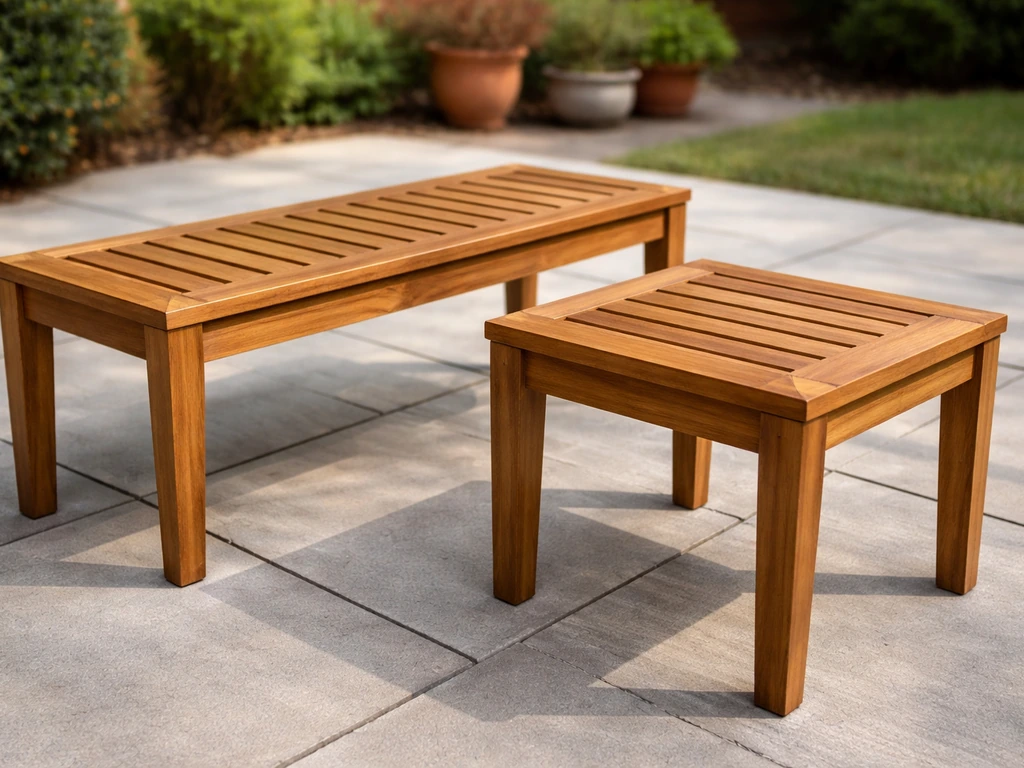
What 'high quality' actually means in teak furniture
The teak market is full of marketing language that sounds impressive but tells you nothing. Words like 'premium,' 'FSC certified,' and 'artisan-crafted' are not quality signals on their own. Real quality teak furniture comes down to three things: the part of the tree the wood came from, how it was dried, and how it was assembled. That's it.
The biggest red flag to watch for is unusually low pricing. If a solid teak dining set is priced at a fraction of what comparable pieces cost, there's almost always a reason. The most common one: the piece is mostly sapwood (Grade C) that's been dyed or treated to mimic the warm golden-brown color of higher-grade heartwood. That coloring fades fast, the wood doesn't carry the same natural oils, and the furniture degrades far sooner than true teak should.
Another trap is veneer teak, which uses a thin layer of teak over a cheaper substrate. Veneer uses significantly less hardwood, and while it may look identical in a listing photo, it behaves nothing like solid teak when exposed to outdoor temperature swings, moisture, and UV. Always confirm 'solid teak' in writing from the seller before you buy.
Teak grade, grain, thickness, and construction: what to actually look for

Grade: where in the tree the wood comes from
Teak grading reflects the part of the log used. Grade A is the dense heartwood at the center of the tree: tightly grained, richest in natural teak oils, most stable, and most weather-resistant. Grade B comes from just outside the heartwood and is still good but has slightly less oil content and more variable grain. Grade C is the sapwood closest to the bark, which is pale, porous, low in natural oils, and far less durable outdoors. For outdoor furniture that you want to last, Grade A is the only grade worth buying.
Kiln drying: the spec most buyers skip
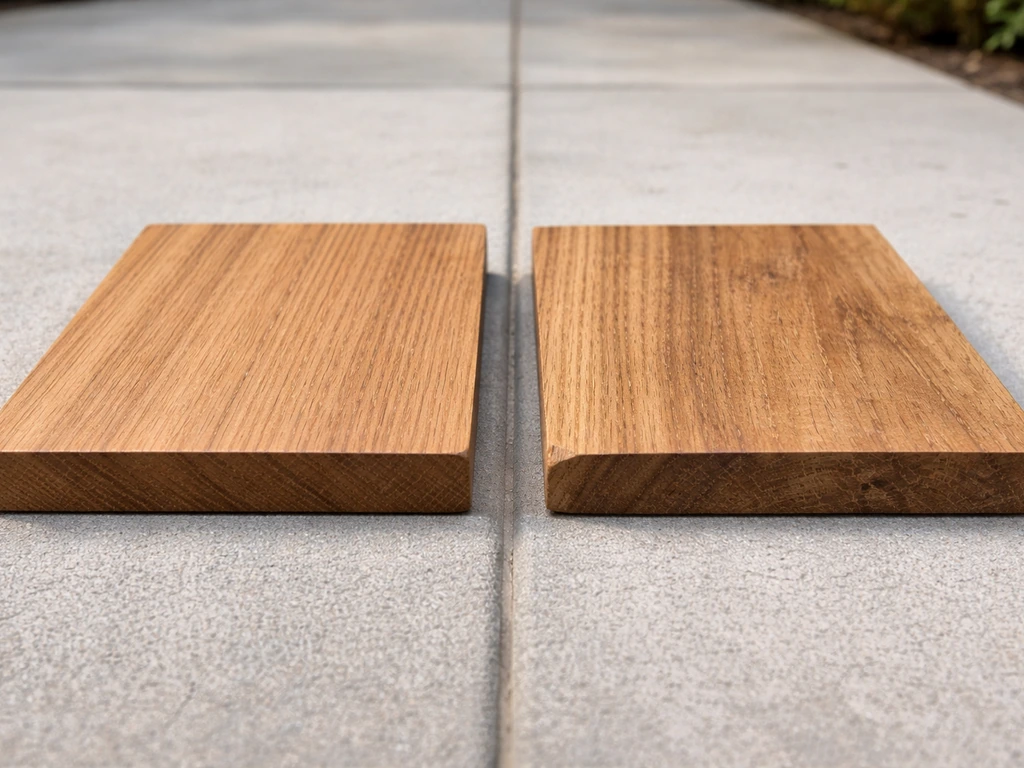
This is where a lot of otherwise good-looking teak furniture quietly fails. Teak that hasn't been properly kiln-dried holds residual moisture in the wood fibers, and as that moisture moves over time it causes splits, cracks, and loose joinery. Quality manufacturers kiln-dry their teak for roughly three weeks to bring moisture content down to around 8%, which also helps even out the difference between surface and core moisture for better long-term stability. In warm or Mediterranean climates, some specs go even lower, to 6 to 8%. For cooler or wetter climates like the UK or Pacific Northwest, 10 to 15% is the more common target range. The point is: ask for the moisture content spec. If a seller can't tell you, that's a sign they either don't know or don't care.
Joinery: the construction detail that determines long-term rigidity
Mortise-and-tenon joinery is the benchmark for high-end teak furniture. This traditional interlocking joint creates a mechanical connection between frame members that stays rigid year after year, even as the wood expands and contracts slightly through seasons. Cheaper construction relies on dowels, pocket screws, or butt joints with adhesive, all of which loosen noticeably over time outdoors. When you're evaluating a piece, look for mortise-and-tenon explicitly mentioned in the product specs, or ask the seller directly. A good chair frame should feel completely solid when you grab the back and try to flex it, with zero wobble.
Thickness and grain: quick visual checks
Thicker slats and frames generally indicate better material allocation. For dining chairs, look for seat slats at least 0.75 to 1 inch thick. Table tops on quality pieces are typically 1 to 1.5 inches thick. Grain should be tight and consistent, not wild or cathedral-patterned, which tends to indicate outer-ring wood. Color-wise, Grade A teak has a warm golden-brown tone when freshly finished. If you see pale or whitish streaking throughout the piece (not just a surface blemish), that's sapwood inclusion.
Hardware and frame quality checks
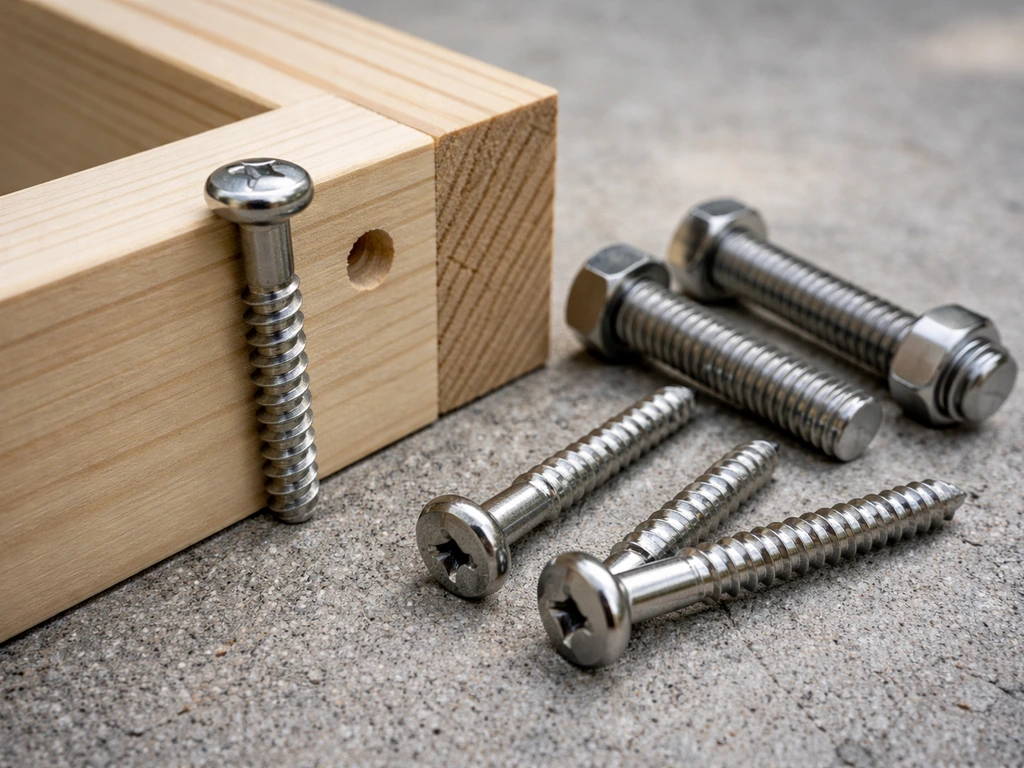
Hardware is often where budget teak furniture cuts corners in ways that are invisible at purchase and very obvious 18 months later. The standard to look for outdoors is 316 marine-grade stainless steel. Not 304, not 'stainless steel' without a grade specified. Grade 316 has a higher molybdenum content than 304, which gives it substantially better resistance to chloride corrosion, making it the right choice for any outdoor application and especially for coastal environments. Teak Warehouse describes 316 as the 'top echelon' among stainless grades used for outdoor furniture, and for coastal salt-air exposure it's the only grade worth trusting.
One nuance worth knowing: even 316 stainless can develop surface staining or slight discoloration in high-salt environments. This is a surface phenomenon caused by chloride interaction and doesn't mean the fastener is failing structurally. It's cosmetic and easily cleaned. What you want to avoid is base-metal rusting from zinc-plated or galvanized hardware, which stains the wood permanently and can cause fastener failure under load.
Beyond the screws and bolts, check that leg-to-frame connections are tight with no visible gaps, that any table extension hardware (on extending dining tables) slides smoothly with no grinding, and that folding or reclining mechanisms on chairs operate with firm, controlled movement rather than slipping or sticking.
Matching teak to your climate
Teak is genuinely one of the most climate-versatile outdoor materials available, but 'all-weather' doesn't mean 'zero consideration needed.' Different environments put different stresses on teak and its hardware, and knowing yours upfront helps you buy smarter.
| Climate Type | Main Stress on Teak | What to Prioritize |
|---|---|---|
| Coastal / Salt Air | Corrosion of hardware; surface salt deposits | 316 marine stainless hardware, regular cleaning, avoid non-marine fasteners |
| High Humidity / Tropical | Mold/mildew on surface; wood moisture uptake | Properly kiln-dried wood (8% MC), good drainage design, quarterly cleaning |
| Freeze-Thaw / Cold Winters | Moisture in joints expanding/contracting; cracking if wood is improperly dried | Tight mortise-and-tenon joinery, covers or storage in deep winter |
| Inland / Arid / Desert Sun | UV bleaching, surface checking if oiled and dried rapidly | Shade when possible, more frequent oiling if retaining color, good covers |
| Temperate / Moderate | General weathering and graying | Standard maintenance, 1-2 oil applications per year or let gray naturally |
For freeze-thaw climates specifically, properly kiln-dried teak with tight joinery is non-negotiable. Improperly dried teak moves after installation, and freeze-thaw cycling accelerates the cracking and joint-opening that results from that movement. If you live somewhere that sees hard frosts, also look for furniture designed with minimal crevices or moisture-trapping pockets, which reduces the risk of standing water freezing inside joints.
Coastal buyers should clean furniture more frequently to remove salt deposits: monthly in heavy salt-air zones rather than the quarterly schedule that works fine in cleaner environments. The design detail that matters here is the same one that matters in freeze-thaw: minimal crevices mean less salt accumulation and easier rinsing.
How to compare brands and prices without getting fooled
Teak furniture pricing is all over the map, and the gap between a $400 dining chair and a $1,200 one isn't always unjustified. But it's also not always justified by quality. Here's how to cut through the noise.
- Ask for the teak grade and moisture content spec in writing. Any reputable brand will have this information. If they can't tell you the grade (A, B, or C) and approximate kiln-dried moisture content, move on.
- Confirm solid teak vs. veneer. Ask specifically: 'Is this solid teak throughout, including all structural members?' Not just 'teak furniture' or 'teak finish.'
- Ask about the joinery method. Mortise-and-tenon is the answer you want for chairs and tables. Dowel-and-glue or screw-assembly is a downgrade.
- Ask the hardware grade. '316 marine stainless' or '304 stainless' are specific, checkable answers. 'Stainless steel' with no grade is not.
- Check the warranty terms carefully. A 3-year commercial warranty or a 5-year residential warranty with clear defect definitions is a good sign. Watch for exclusions tied to maintenance choices: some warranties are voided if you apply teak oil, so your maintenance plan needs to match the warranty terms.
- Look at the return and repair policy. Some brands will ship replacement parts for minor repairs under warranty. Others have strict no-return policies on teak items except for manufacturing defects. Know what you're agreeing to before you pay.
- Price-check against known benchmarks. Entry-level Grade A teak dining chairs from established brands typically run $200 to $400 each. Dining tables start around $600 to $800 for smaller sizes and go well above $2,000 for large extending tables. Prices significantly below these ranges deserve extra scrutiny about grade and construction.
One practical move: look at multiple brands selling what appear to be similar pieces and compare spec sheets side by side. The brand that lists grade, moisture content, joinery type, and hardware grade is giving you real information. The one using only aesthetic descriptions and lifestyle language probably can't back up its pricing with construction quality.
Your maintenance plan: what teak actually needs
The oil-vs-gray decision
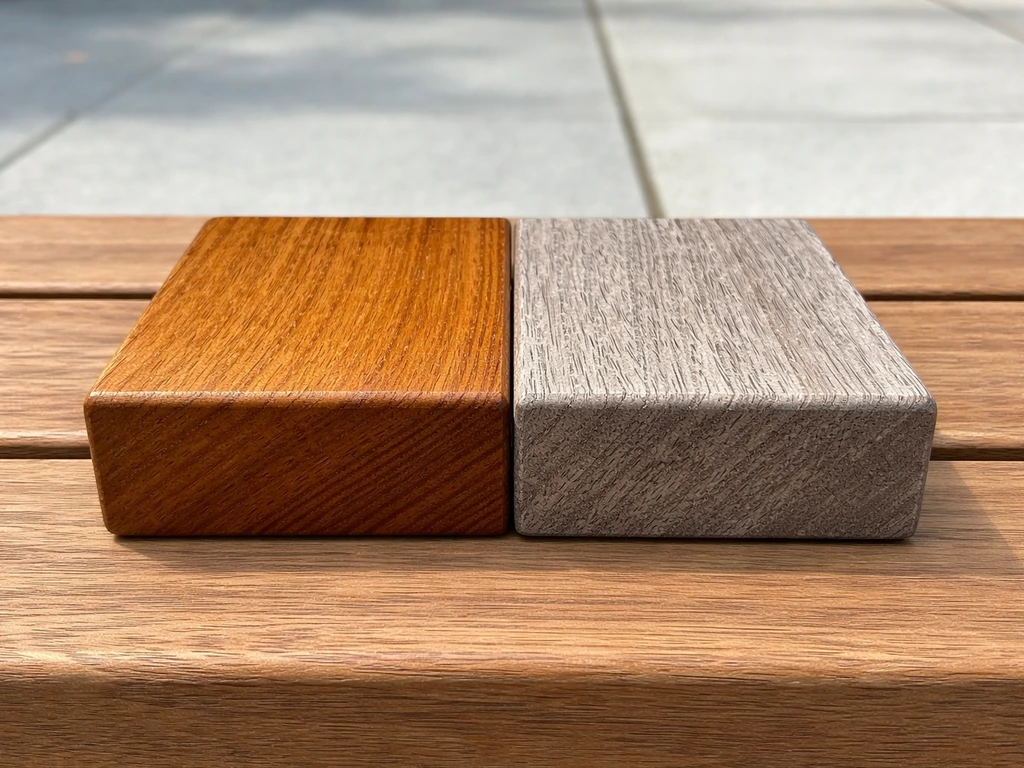
This is the first decision every teak owner faces, and the good news is there's no wrong answer, only a preference. Teak left outdoors without treatment will gradually weather to a silver-gray patina, a process that takes roughly 1 to 2 years depending on sun exposure and climate. That gray color is stable and completely natural. The wood's internal oils continue to protect the structure even as the surface changes. Many designers actually prefer the silver look, and the maintenance demand is minimal: occasional cleaning and you're done.
If you want to preserve the warm golden-brown color, you'll need to apply teak oil periodically. To keep patio furniture looking its best, choose the best teak oil for patio furniture that matches your finish and climate. The frequency ranges from once or twice a year for established furniture up to once a month for the first six months after purchase if you're starting fresh and want to maintain vivid color early on. One important caution: not all teak oil products work the same way, and some brands explicitly advise against using wood oil outdoors entirely, recommending natural weathering instead. When choosing a product for color, look for the best stain for teak patio furniture that matches outdoor conditions and your finish type. Also check your warranty before oiling: some manufacturers void coverage if you apply any wood treatments. If your furniture has a 'weathered teak' factory finish or any specialty coating, follow the brand's specific care instructions because standard teak cleaners or oils can damage those finishes.
Cleaning routine
For regular cleaning, a soft brush and mild soapy water is all you need. Rinse with a garden hose at low pressure. Do not use a power washer: it damages the wood surface and forces water into the grain. In dusty, high-pollen, or coastal environments, clean monthly. In cleaner, temperate climates, quarterly is usually enough. If you see mildew or dark staining (common in humid climates), a diluted teak cleaner designed specifically for outdoor teak will handle it. Avoid bleach-based cleaners, which can dry out the wood.
Covers, storage, and winter prep
Teak doesn't need to be stored indoors in most climates, but good furniture covers are a worthwhile investment anywhere. They reduce cleaning frequency, slow the weathering process if you want to maintain color, and protect hardware from continuous salt or moisture exposure. In freeze-thaw climates, moving furniture to a covered area or garage during the hardest winter months is the single best thing you can do for joint longevity. If outdoor storage is your only option, use breathable covers rather than plastic wrapping, which traps moisture and encourages mildew.
Handling loose joints, surface fixes, and hardware replacement
A properly built mortise-and-tenon teak frame should stay tight for many years, but if a joint does loosen, it can usually be re-glued with a waterproof exterior wood glue, clamped, and allowed to cure. This is a straightforward repair that doesn't require a professional. Surface scratches and weathering marks on teak sand out easily with fine-grit sandpaper (180 to 220 grit), followed by a light re-oiling if you've been maintaining color. For hardware replacement, always replace with the same grade or better. If the original hardware was 304, upgrade to 316 at replacement. Sourcing matching hardware from the original brand is easiest, and some brands will ship replacement parts under warranty for exactly this kind of repair.
Teak vs other patio materials: when teak is the right call
Teak is not the right material for every buyer, and it's worth being honest about that before you commit.
| Material | Lifespan | Maintenance | Weight | Best For |
|---|---|---|---|---|
| Grade A Teak | 25-50+ years | Low to moderate depending on finish goal | Heavy | Long-term investment, coastal/harsh climates, natural aesthetics |
| Powder-Coated Aluminum | 15-25 years | Very low | Light | Budget-conscious buyers, renters, lightweight rearrangement needs |
| Synthetic Wicker/Rattan | 10-15 years | Low | Light to moderate | Casual use, covered patios, warmer climates |
| Other Hardwoods (e.g. Eucalyptus) | 10-20 years | Moderate to high | Heavy | Budget alternative to teak with similar aesthetic |
Aluminum is the most common practical alternative to teak. It's lighter, genuinely low-maintenance, and significantly cheaper upfront. The tradeoff is that aluminum doesn't age beautifully the way teak does: powder coating can chip, scratch, and fade over 10 to 15 years, and the furniture typically ends up in a landfill rather than being passed down. If you move frequently, have a covered patio, or have a tight budget, aluminum is a smart choice. If you're planting permanent outdoor furniture in a space you own and want it to still look great in 20 years with modest upkeep, teak wins on long-term cost-per-year math without much contest. If you follow these quality checks, you can feel confident that a teak patio furniture set will perform well outdoors teak wins.
Synthetic wicker looks appealing and costs less, but most residential-grade synthetic wicker starts showing UV-related brittleness and fading after 5 to 10 years of outdoor exposure. It's a reasonable choice for a covered porch or apartment balcony with limited sun, but it's not a long-term outdoor investment. For harsh climates, high UV, or full-sun exposure, teak is in a different durability category entirely.
Your buying checklist and questions to ask
Before you finalize any teak furniture purchase, run through this checklist. It takes five minutes and can save you a lot of regret.
- Confirmed Grade A teak heartwood throughout all structural members
- Kiln-dried to approximately 8% moisture content (or climate-appropriate range specified)
- Solid teak construction, not veneer or teak-veneer-over-MDF
- Mortise-and-tenon joinery on all primary frame connections
- 316 marine-grade stainless steel fasteners and hardware (not just 'stainless')
- Warranty terms reviewed: length, defect definitions, and any maintenance-related exclusions
- Return and repair policy understood before purchase
- Seller can provide written answers to grade, moisture content, joinery, and hardware specs
The questions worth asking any seller directly: What teak grade is used throughout, including non-visible structural members? What is the kiln-dried moisture content? What joinery method is used on chair and table frames? What grade of stainless steel is used for all hardware and fasteners? Does applying teak oil affect the warranty? What is your process for warranty defect claims and replacement parts? A seller who answers all of these clearly and specifically is a seller worth trusting.
High quality teak patio furniture is one of the few outdoor purchases where spending more upfront actually delivers compounding returns over time. A well-built set maintained reasonably well can outlast two or three replacement cycles of cheaper alternatives, and unlike aluminum or synthetic materials, it tends to look better with age rather than worse. Get the grade right, confirm the joinery and hardware, match it to your climate, and pick a maintenance approach you'll actually stick to. That's the whole formula.
FAQ
How can I tell if a set is truly solid teak, not veneer on top?
If the listing does not explicitly say “solid teak,” assume it may include veneer or mixed woods. Ask the seller to confirm what the structural members are made from, not just the visible surfaces, and request photos of underside frames or seat bases to verify full-thickness teak use.
My teak has turned gray, what’s the best way to restore its color?
Teak can be brightened after it weathers, but the fastest “reset” is usually a teak cleaner formulated for outdoor mildew and grime, followed by thorough rinsing and drying time. Avoid harsh oxidizers or bleach, they can lighten the wood unevenly and make future oiling patchy.
What design features matter most for freeze-thaw climates?
Even in freeze-thaw areas, the biggest risk is water getting trapped in joints and crevices. Look for designs with fewer internal pockets, rounded or chamfered edges where water runs off, and keep furniture level with good drainage so surfaces do not hold standing water.
How often should I oil high quality teak patio furniture if I want to maintain a warm tone?
For oily, resin-rich Grade A teak, light cleaning and periodic treatment is usually enough. If you choose teak oil, do it only when the surface is clean and dry, and apply evenly with a soft cloth or brush, thin coats are better than heavy soaking to reduce sticky buildup that can attract dirt.
Is it ever okay to use a power washer on teak?
Power washing is risky because it can roughen the grain and push water deeper into the wood, which increases the chance of mildew staining. If you need stronger cleaning, use a soft brush and a mild teak cleaner, then rinse at low pressure and let the furniture fully dry before any oil or sealant.
If I replace a screw or bolt, does it need to be 316 stainless every time?
Yes, but only when you replace with matching or higher-grade hardware and secure the same joint style. If the piece was originally built with 316 stainless fasteners, downgrading later can lead to corrosion staining that permanently marks teak.
What should I do if the seller won’t provide the teak moisture content spec?
The moisture content target is the key spec, but you can also judge by feel and workmanship. Look for tight, uniform joinery with no visible gaps, check that parts look evenly finished, and avoid pieces that look “too new” but have warped or loosened joints right out of the box.
Can I oil over mildew or dark stains?
Start by cleaning first, then address mildew or dark staining with a cleaner made for outdoor teak. If discoloration is caused by organic growth, oiling without cleaning usually locks in the problem, leading to faster re-staining.
Should I cover teak furniture with a plastic tarp or something else?
A cover helps, especially for coastal and winter regions, but “plastic with no airflow” can trap moisture and encourage mildew. Choose breathable covers and keep the furniture dry underneath, if the cover gets wet, adjust or remove it temporarily to ventilate.
What’s the correct way to fix a loosened mortise-and-tenon joint?
If a joint loosens, re-gluing is usually straightforward, but only after disassembly and thorough cleaning of old glue residue and dirt. Use an exterior waterproof wood glue, clamp properly, and allow full cure time before outdoor exposure to prevent immediate re-separation.
How do I know whether teak oil will void my warranty?
Teak oil can affect warranty when the manufacturer specifies “no oils” or requires specific products. Before applying anything, check whether the furniture has a factory coating (like weathered teak) and follow the stated care instructions exactly, otherwise you may void coverage for defects.
Is pale or whitish streaking always a problem on teak furniture?
If you see widespread whitish streaking that looks embedded in the grain, that can indicate sapwood inclusion, which is usually a quality downgrade for long-term durability. A small surface blemish or localized knot does not necessarily mean sapwood everywhere, but uniform pale streaking throughout should be a warning sign.
How should my maintenance routine change if I live near the ocean or in heavy rain?
Yes, but match the choice to your climate. In rainy regions, focus on cleaning frequency and drainage rather than heavy coatings, in high-sun areas prioritize UV control and consistent maintenance, and if your patio is coastal, plan more frequent rinsing to remove salt before it accumulates.
Next Articles
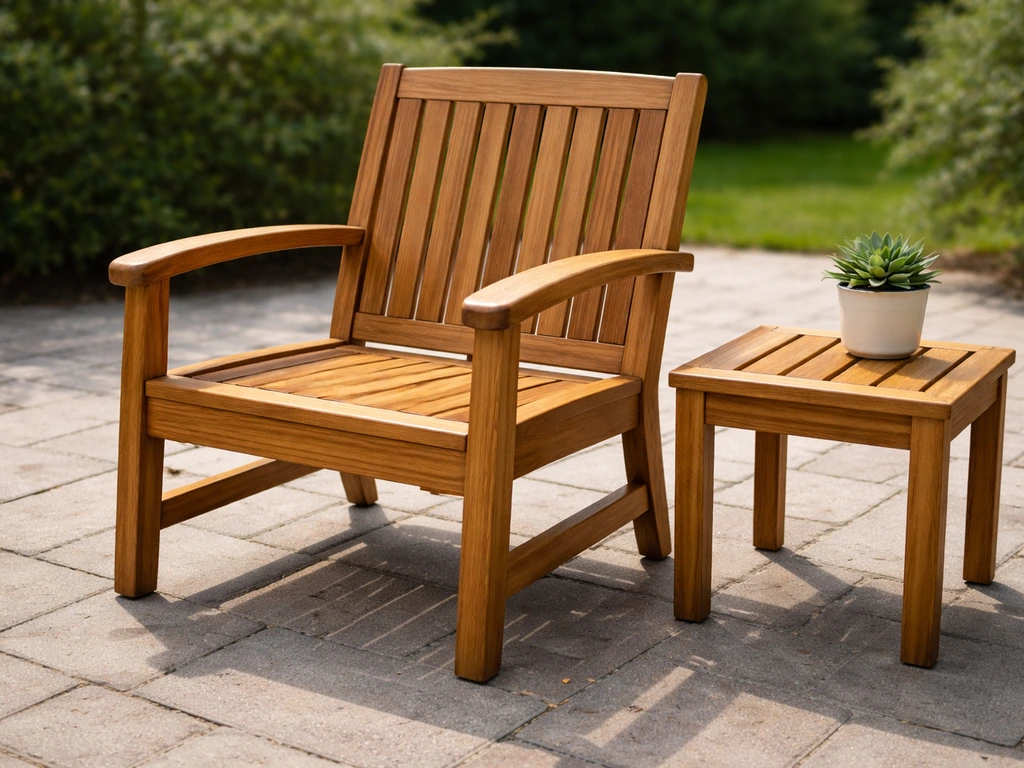
Best Teak Oil for Patio Furniture: Choose and Apply It
Pick the best teak oil for patio furniture, compare types, and follow step-by-step prep and coats for lasting finish.
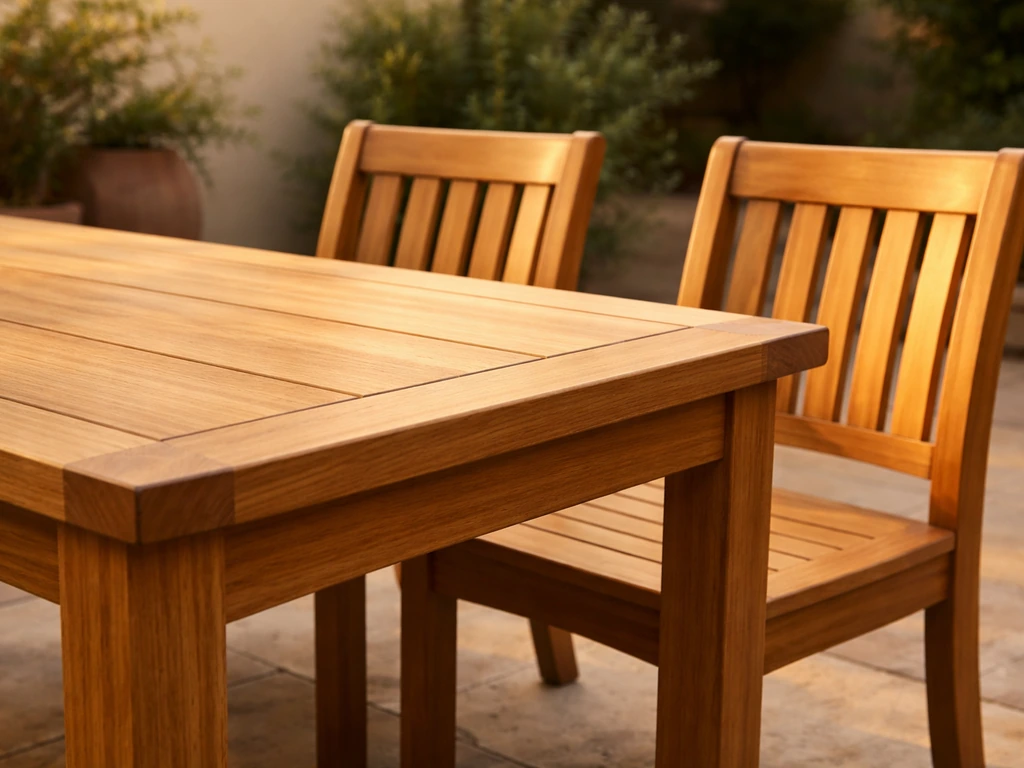
Best Teak Patio Furniture: Top Brands and Buying Guide
Curated best teak patio furniture brands and a buying checklist for solid teak, durability, and smart value.
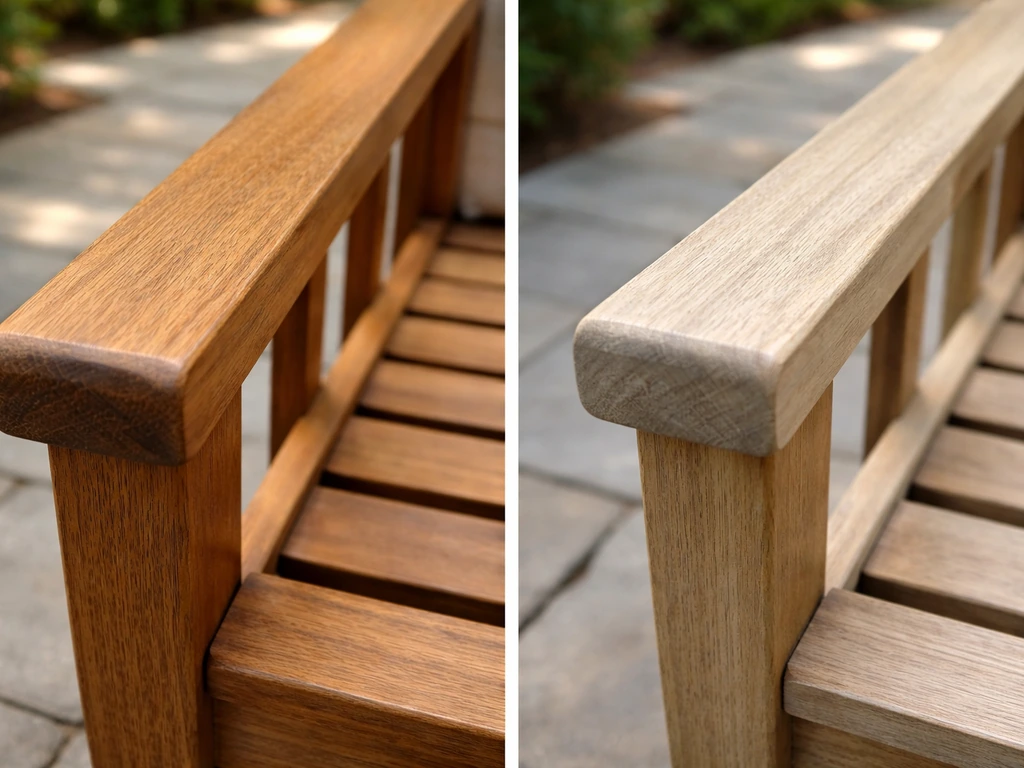
Teak vs Eucalyptus Patio Furniture: Which Is Better?
Teak vs eucalyptus patio furniture: durability, aging, maintenance, sustainability, and which to buy for your budget and