
Yes, wicker patio furniture does attract spiders more than smooth, solid-surface materials like aluminum or cast iron, but the furniture itself isn't the root cause. Spiders follow insects, shelter, and moisture. Wicker's open weave and textured frame give them both a hiding spot and a ready-made anchor for webs. The good news is you can take several practical steps today to make your wicker setup a lot less appealing to spiders without harming the furniture at all.
Does Wicker Patio Furniture Attract Spiders? Fix It Fast

Marcus Kellerman
11 Jul 2026
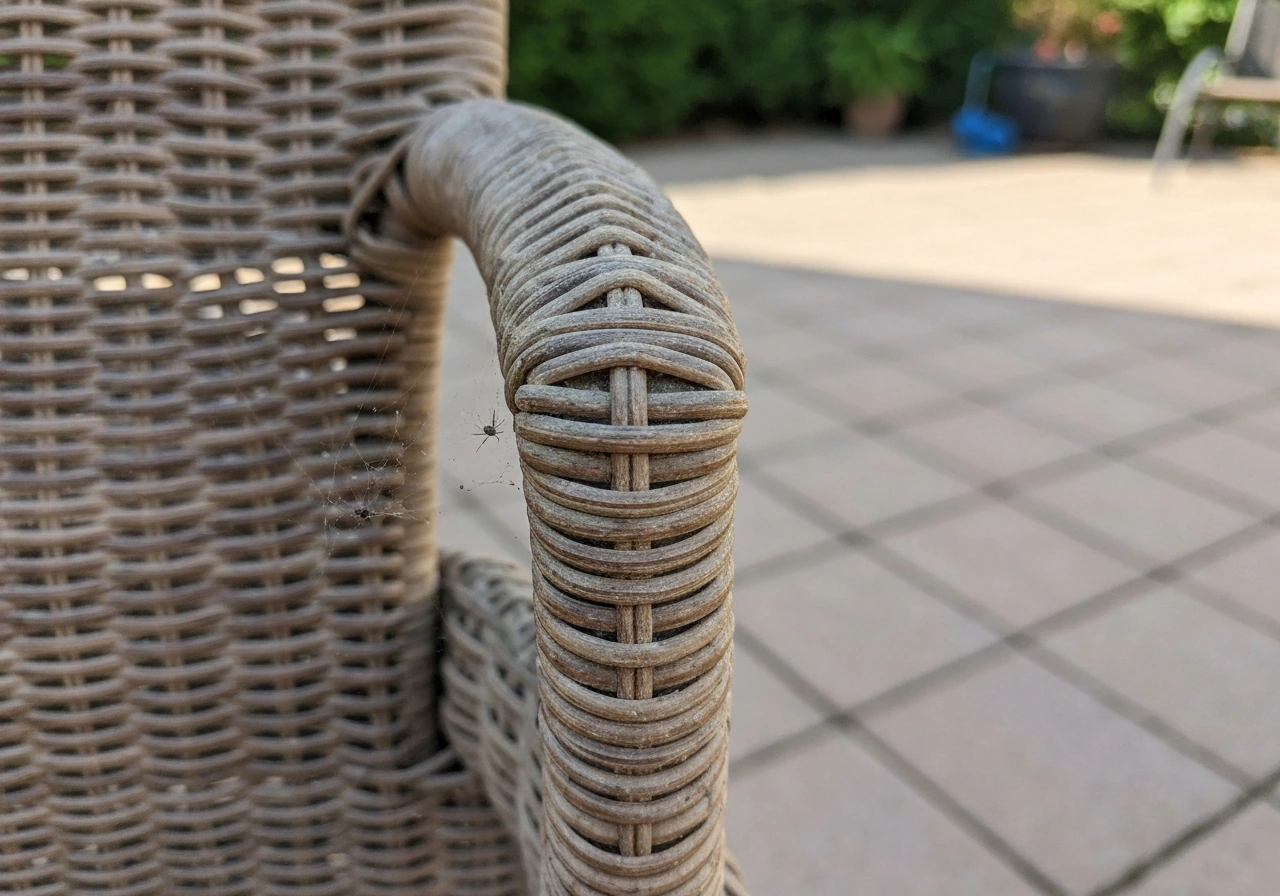
What actually draws spiders to your patio in the first place
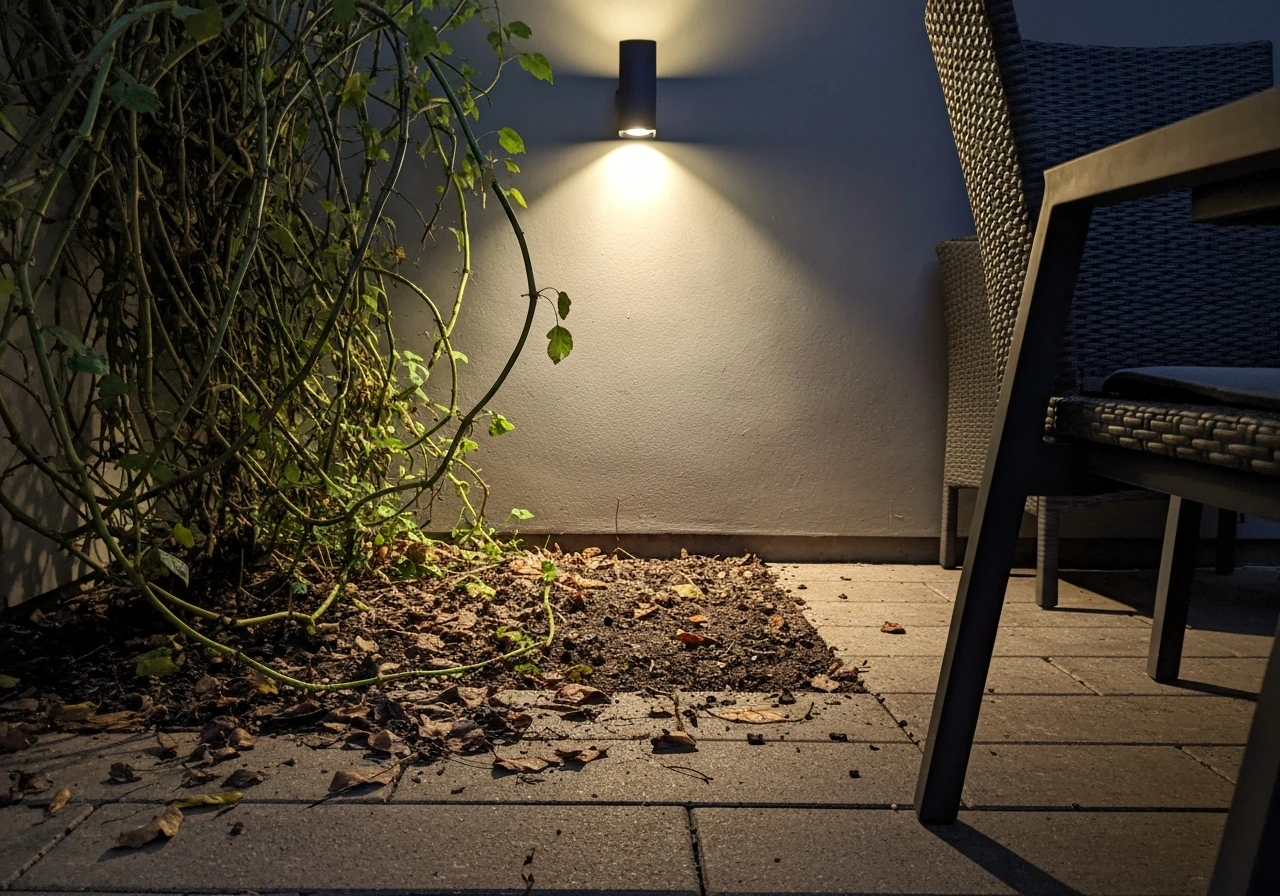
Spiders don't care about your furniture brand or how much you paid. They're opportunists, and they show up where food, shelter, and moisture are easy to find. Cornell University's IPM program and UC IPM both point out that outdoor lighting is a huge factor: lights attract flying insects at night, and where insects gather, web-building spiders follow. If you've got a bright porch light or string lights near your seating area, you're essentially running an all-night buffet.
Beyond lighting, NC State Extension notes that spiders concentrate wherever insects are abundant, including near water sources like outdoor spigots, garden hose hookups, and wet plant pots. Terminix's general guidance adds clutter, moisture, and cracks or crevices to the list. Put that all together and you get a picture: a wicker sofa tucked against the house wall, next to a potted fern, under a porch light, near a dripping faucet is practically a spider invitation.
- Outdoor lighting that attracts insects, especially at night
- Dense nearby plantings or overgrown shrubs touching the furniture
- Standing water, wet soil, or moisture under or around the seating area
- Clutter under and around the furniture (cushion storage, stacked pots, forgotten items)
- Gaps and crevices in walls, siding, or foundations directly behind the furniture
Why wicker specifically gives spiders what they want
Wicker's defining feature, the woven texture and open framework, is exactly what makes it a better spider habitat than a slick aluminum chair or a smooth teak bench. Every crossover point in the weave is a potential anchor for a web strand. Every hollow in the frame is a potential retreat for a spider waiting for prey. This is true whether we're talking about natural rattan wicker or synthetic resin wicker, though the degree varies.
Natural rattan vs. synthetic wicker
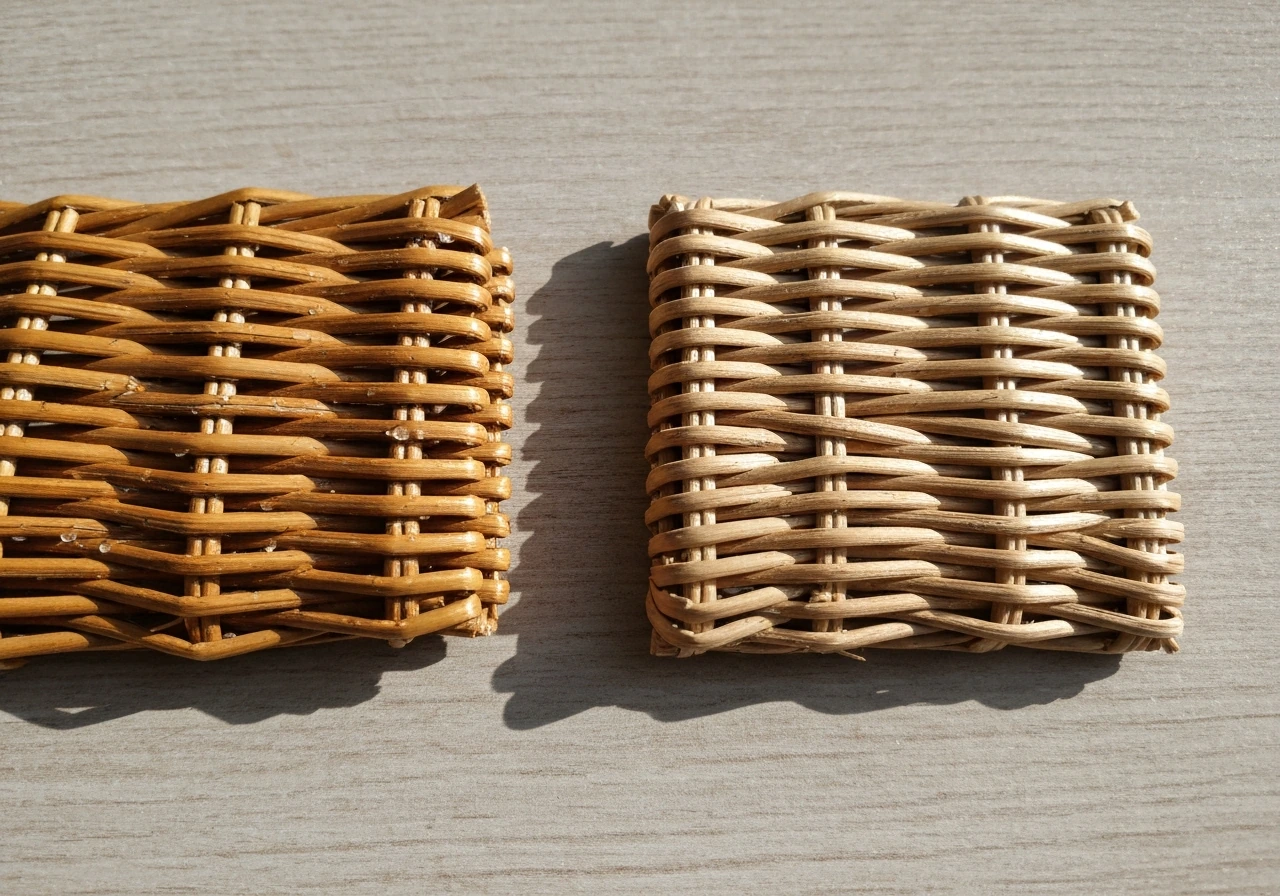
Natural rattan wicker is more spider-friendly for a few reasons. Rattan is a plant material, so over time it can absorb moisture and develop tiny surface cracks, mold, or organic debris in the weave. That creates more varied microhabitats. Synthetic resin wicker (what most outdoor wicker sold today actually is) has a smoother, more uniform surface and doesn't degrade the same way. It repels moisture better, which removes one of the conditions spiders and insects thrive on. If spider activity is a serious concern for you, synthetic wicker is the better starting point compared to natural rattan.
Open weave vs. tight weave
The tighter the weave, the fewer hiding spots. Some wicker styles have wide open gaps between strands, especially on the underside of seat frames and along the back. These open areas are essentially ready-made web anchors. Tighter weaves reduce that, though no wicker is completely closed off. The undersides and internal frames are almost always hollow, and that's where spiders tend to build and lay egg cases where you won't notice them until you move the furniture.
Steps you can take right now to cut down on spiders
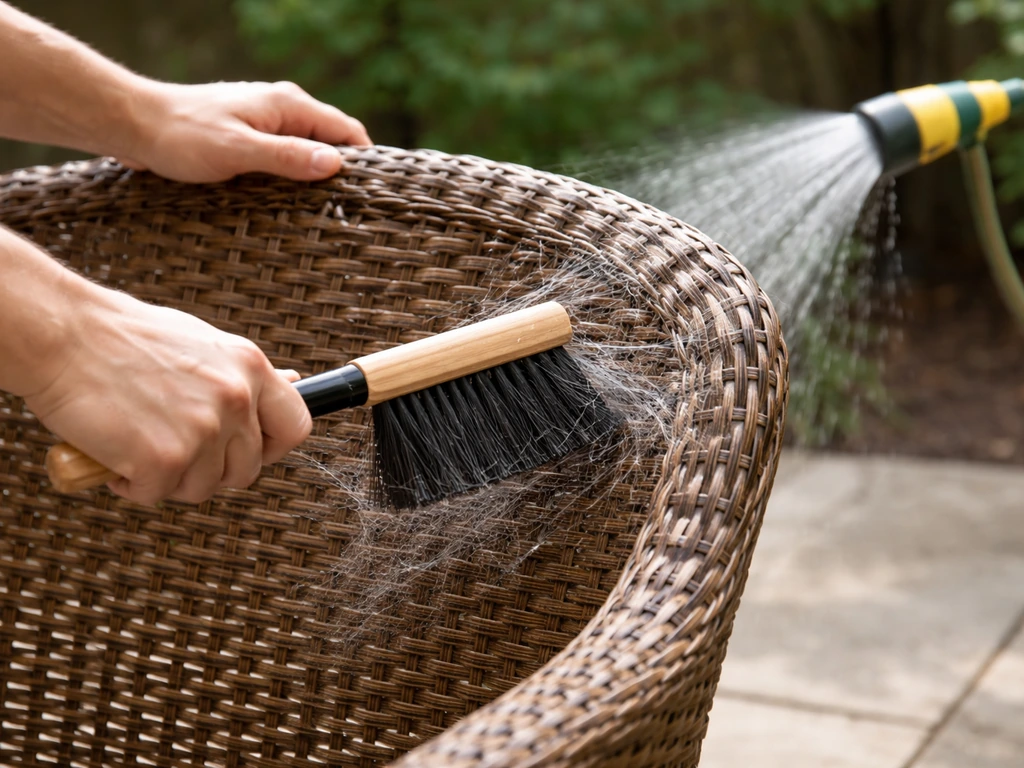
You don't need to replace your furniture or call an exterminator today. Start with the basics and you'll see a real difference within a week or two.
- Remove existing webs immediately. UC IPM recommends using a broom or a high-pressure hose to knock down and destroy webs on exterior surfaces. Do this on all faces of the furniture, especially underneath seats and along back frames. Spiders will often abandon a spot if their web is repeatedly destroyed.
- Vacuum up spiders, egg cases, and web remnants. NPIC (Oregon State University) specifically recommends vacuuming webs, egg sacs, and live spiders when you find them on patio furniture or decks. A small handheld vacuum works perfectly for getting into wicker gaps.
- Switch to yellow-tinted LED bulbs or motion-activated lights near the seating area. Yellow and warm-spectrum lights attract far fewer insects than bright white or blue-white lights, which directly reduces spider food sources.
- Pull furniture away from walls and dense plantings. Even a few inches of clearance reduces the connection between a shrub or wall crack and your furniture. Trim back any plants touching or overhanging the wicker.
- Eliminate moisture sources nearby. Fix any dripping spigots, empty plant saucer water, and ensure your patio surface drains properly rather than pooling near the furniture legs.
- Reduce clutter under and around the furniture. NC State Extension and UC IPM both note that removing harborage sites (stacked items, stored gear, boxes) is a core sanitation step. Clear everything stored under or immediately beside the seating.
- Apply a perimeter spider repellent. Peppermint oil diluted in water (roughly 15-20 drops per 16 oz of water) is a widely used DIY deterrent you can spray along the furniture base and nearby patio edges. Cedar-based sprays are another option. Neither will stain or damage synthetic resin wicker. For natural rattan, test on a hidden spot first. Commercial spider sprays can also be applied around the perimeter of the patio, not directly saturating the furniture.
Cleaning and storage routines that keep spiders away long term
Consistent cleaning is the single most effective long-term tool. Spiders settle in undisturbed spots. A wicker patio trash can can also create similar hiding spots, so keep the bin area clean and dry. If you're wiping down and inspecting the furniture regularly, they don't get the chance to establish.
Regular in-season cleaning
Once a week during peak outdoor season (late spring through early fall), do a quick pass with a soft brush or vacuum attachment over the weave, paying special attention to the undersides of seats and the interior corners of frames. A mild soap and water solution (a few drops of dish soap in a bucket of warm water) works for deeper cleans every two to four weeks. Rinse with a garden hose on a moderate setting. For natural rattan, let it dry fully in the sun before covering or storing, since trapped moisture is what accelerates deterioration and creates better spider habitat. Synthetic resin wicker dries faster and is less fussy about this.
End-of-season storage
Before storing wicker for winter, do a thorough inspection and cleaning. Check every hollow section of the frame for egg cases, which look like small papery or silky white sacs. Remove them with a vacuum or stiff brush. Once the furniture is clean and fully dry, store it in a breathable cover or a dry garage or shed. Avoid plastic wrapping that traps humidity, since that creates exactly the damp environment that attracts both spiders and the insects they eat. If you're stacking cushions nearby, keep them in sealed bags or bins since fabric cushions attract spiders differently than the hard wicker frame, more on that in the next section.
Wicker vs. other patio materials: which ones deter spiders best
If you're in the middle of a buying decision or thinking about replacing pieces, material choice genuinely matters when it comes to spider activity. Here's how the common options compare. Wood and wicker patio furniture behave differently against spiders, largely because of how each material holds moisture and provides hiding spots.
| Material | Spider Attraction Level | Why | Best Spider-Deterrent Move |
|---|---|---|---|
| Synthetic resin wicker | Moderate | Open weave creates web anchors and hiding spots, but smooth surface repels moisture better than natural materials | Regular vacuuming of weave and undersides; keep away from walls |
| Natural rattan wicker | Moderate-High | Organic material absorbs moisture, develops cracks, and degrades over time, creating more micro-habitats | Seal and oil regularly; dry thoroughly; consider switching to synthetic |
| Powder-coated aluminum | Low | Smooth, non-porous, non-organic; nowhere to anchor webs or hide; no moisture absorption | Standard cleaning; minimal spider risk |
| Teak or hardwood | Low-Moderate | Smooth-grained surface resists webs, but cracks from weathering or unfinished joints can attract spiders | Keep sealed and crack-free; teak oil maintenance matters here |
| Cast iron | Low | Very smooth and heavy; no crevices unless rusted or corroded; cold surface discourages sheltering | Keep rust-free; rust pitting creates crevices over time |
| Fabric cushions (any material) | Moderate-High | Soft, textured, and often left undisturbed; spiders and egg cases hide easily in seams and folds | Store cushions in sealed bins when not in use; wash regularly |
| Solid wood (pine, cedar, etc.) | Moderate | Knots, grain texture, and gaps at joints attract spiders; cedar has natural repellent properties | Cedar is worth choosing for this reason; seal regularly |
The clear winner for deterring spiders is powder-coated aluminum: smooth, non-porous, and structurally tight. Cast iron is similar but heavier and requires corrosion maintenance. If you love the look of wicker, synthetic resin is a meaningfully better choice than natural rattan from a spider-management perspective, and it holds up better outdoors in general. The fabric cushion issue applies to all furniture types, so that's worth managing regardless of what frame material you choose. The pros and cons of wicker furniture as a whole category involve more than just pest concerns, but spider activity is a legitimate factor to weigh.
When it's more than a nuisance: knowing when to call pest control
Most outdoor spiders in North America are harmless and actually beneficial since they eat other insects. Finding a few spiders or occasional webs on your wicker is normal and manageable with the steps above. But there are situations where you should take it more seriously and bring in professional pest control.
- You're finding large numbers of spiders daily even after repeated cleaning and web removal
- You've identified black widow or brown recluse spiders in or around the furniture (black widows have a distinctive red hourglass marking; brown recluses have a violin-shaped marking on their back)
- Anyone in your household has been bitten and is experiencing symptoms beyond local redness, including nausea, muscle cramps, spreading rash, or fever
- You're finding significant egg case clusters repeatedly, indicating an established breeding population rather than wandering individuals
- The infestation appears to be coming from inside a wall, soffit, or structure adjacent to where the furniture is placed
If you're waiting on a pest control appointment, keep using the steps above in the meantime. Remove webs and egg cases daily with a vacuum or broom. Don't sit in the furniture without checking it first, especially the undersides of arm rests and seat frames. Move the furniture away from the wall and out of dense shade if possible. Keep outdoor shoes and clothing you leave on the patio in sealed bags or bins. If you're in a region where black widows or brown recluses are common (most of the southern and western US for black widows; south-central and midwestern US for brown recluses), treat any unfamiliar spider as potentially venomous until you've confirmed the species.
The bottom line is that wicker does invite spiders more than smoother materials, but it's manageable with consistent habits. Yes, wicker patio furniture can get wet, but letting it stay damp can increase moisture in the weave and make it more inviting to spiders. Weekly cleaning, smart lighting, clutter reduction, and moisture control will eliminate the majority of the problem. If you're in the middle of choosing furniture and spiders are a real concern for your area, lean toward synthetic resin wicker over natural rattan, or consider aluminum as your baseline and add wicker accents. Either way, you've got more control over this than it might feel like right now.
FAQ
If I vacuum my wicker furniture weekly, will that stop spiders permanently?
Not usually. Spiders are attracted to insects and shelter, so a clean, dry wicker chair is still less inviting. If you use the furniture regularly, the bigger risk is when spiders lay egg cases in undisturbed undersides or frame corners and webs go unnoticed until you move it.
Do spider problems come more from wicker or from the cushions on wicker furniture?
Outdoor cushions often become the bigger “magnet.” If they are fabric and sit damp or stay under dense shade, they can attract prey insects and give spiders hiding places, even if the wicker frame is synthetic resin. Keep cushions dry, shake them off before use, and store them in breathable containers when not in use.
What’s the fastest lighting change I can make if I notice webs at night?
Bright light is a major driver, but the timing matters. Using motion-activated bulbs or turning off nonessential string lights after dusk reduces flying insects and therefore web-building activity. Also keep the light off directed toward the seating area underside where spiders can hide.
Can wet weather alone cause spiders to appear on wicker, even if I clean the furniture?
Yes, especially in humid climates or during heavy rain. If you cannot dry furniture fully between storms, moisture can linger in the weave and under-frame cavities. Consider using a breathable cover after rain, or leave the furniture uncovered in open airflow and only cover when you are sure the piece is dry.
If I remove webs every day, will spiders stop coming back to wicker?
It helps, but only as part of the system. Webbing can restart quickly if prey insects remain, especially near porch lights or dripping hose hookups. For best results, remove webs you see, then address the insect source (light/clutter/moisture) so the spiders do not keep returning.
Where should I look for spider egg cases on wicker furniture?
Egg cases can be small and easy to miss, and they are often tucked into hollow sections and the undersides of seat frames. A good routine is to inspect those areas after storage and during weekly cleaning, using a flashlight and focusing on interior corners before you cover the furniture.
Are there any quick spray products that reliably eliminate spiders from wicker?
Don’t rely on pesticides sprayed directly on the weave for long-term control. Many outdoor spiders are not easy to eliminate with light spot treatments, and sprays can miss hidden egg cases inside hollow frames. If you use chemicals at all, treat the perimeter and insect sources, and prioritize cleaning, moisture control, and lighting.
Should I cover wicker patio furniture for winter with a plastic cover?
Some wicker covers shed moisture and reduce airflow, which can create a damp microclimate, especially with plastic covers. If you cover furniture, choose a breathable, fitted cover and make sure the furniture is fully dry first. Avoid tightly sealed plastic wrapping.
How far should I keep potted plants and hose hookups from wicker patio furniture?
Yes, because they can trap insects and give spiders additional shelter. Keep planters, wet hoses, and stacked items away from the furniture legs and backs, and dry up any standing water near spigots. Even a small wet spot near the seating can sustain the insect population that spiders feed on.
What should I do if I suspect black widows or brown recluses on my patio?
Yes. If you have venomous spider species where you live, treat any unusual spider cautiously until identified. Focus on prevention habits first (lighting, cleaning, storage), and if you find multiple concerning sightings, bring in a pest control professional rather than handling spiders directly.
Next Articles
Wicker Patio Trash Can Buying and Care Guide
Choose the right wicker patio trash can with climate-ready materials, weather resistance, sizing, odor control, and care
Can Wicker Patio Furniture Get Wet? Waterproof Guide
Find out if wicker patio furniture can get wet, when it risks mold or warping, and how to dry and protect it.
Best Stain for Teak Patio Furniture, Top Picks by Climate
Best stain for teak patio furniture: expert picks, climate-based choices, prep, application, and maintenance tips.