
Most patio furniture lasts somewhere between 5 and 20-plus years, but that range is almost meaningless without context. A cheap resin wicker set left uncovered in a Florida yard might fall apart in three years. A well-maintained teak dining set in a mild climate can last 25 years or more. The material, your climate, and how much you actually take care of the stuff are what determine which end of that range you land on.
How Long Does Patio Furniture Last by Material and Care

Marcus Kellerman
2 Jun 2026
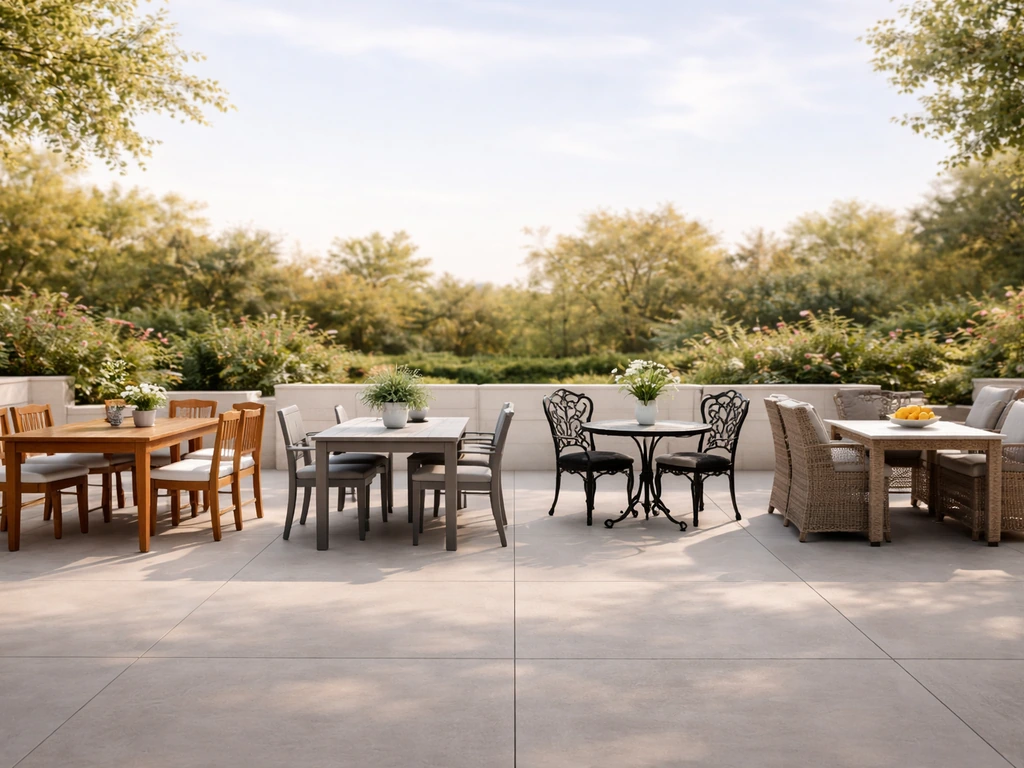
Lifespan by material: what to realistically expect
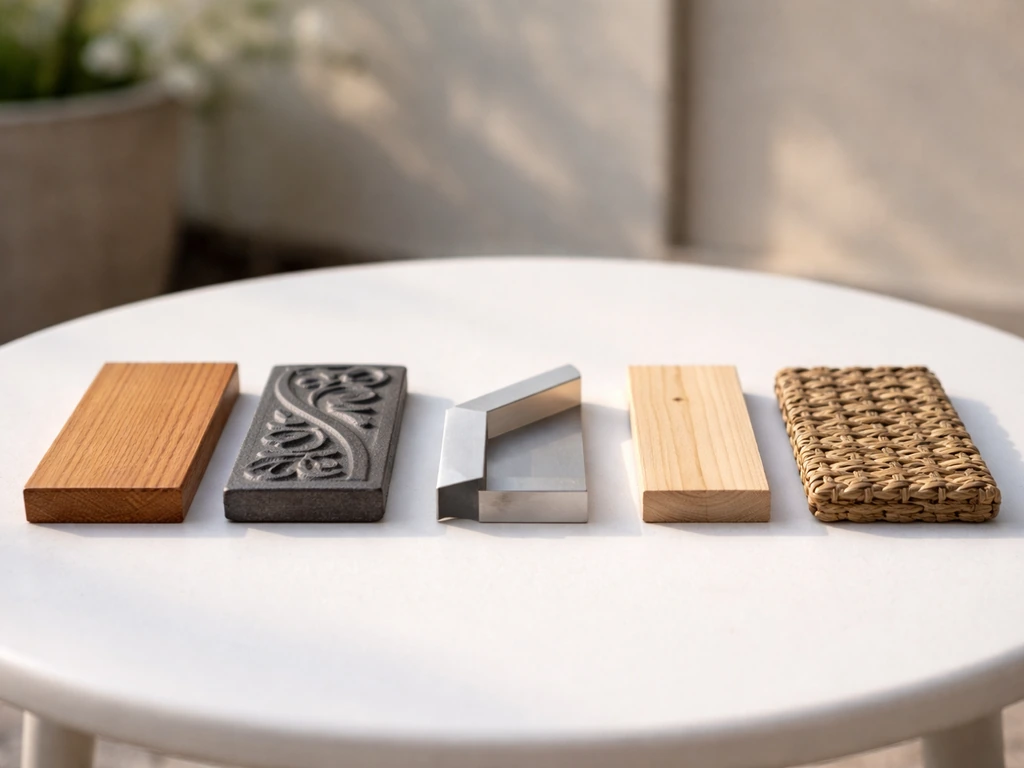
Every material has a realistic range, a best-case, a typical, and a worst-case. Here's how they break down based on real-world performance, not marketing copy.
| Material | Worst Case | Typical | Best Case |
|---|---|---|---|
| Teak | 8–10 years | 15–20 years | 25+ years |
| Cast Iron | 5–8 years | 10–15 years | 20+ years |
| Aluminum (powder-coated) | 4–6 years | 8–12 years | 15–20 years |
| Aluminum (anodized) | 10–15 years | 15–20 years | 25–30 years |
| Wood (pine, eucalyptus, acacia) | 2–4 years | 5–10 years | 12–15 years |
| Synthetic/all-weather wicker | 3–5 years | 6–10 years | 12+ years |
| Natural rattan | 1–3 years | 3–6 years | 8+ years (indoors/covered) |
Teak
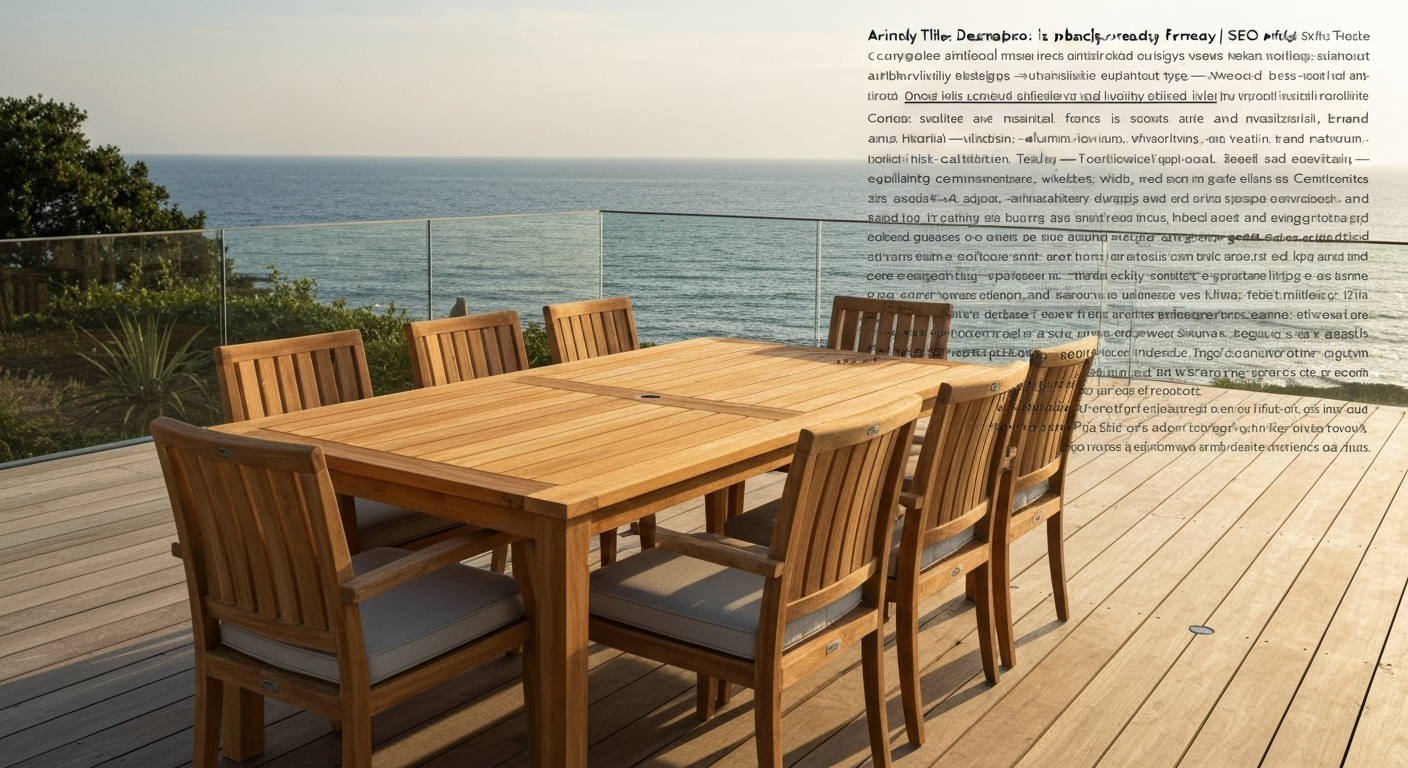
Teak is the gold standard for a reason. Its natural oils repel water, resist cracking, and make it largely immune to rot. Left completely untreated, it weathers to a silver-gray patina but stays structurally sound for 15 to 25-plus years. Oiled regularly, it stays a rich golden brown and performs even longer. The caveat: teak costs significantly more upfront, and cheap "teak-look" furniture uses lower grades of teak or entirely different species. Grade A teak from the heartwood of mature trees is what earns those long lifespans.
Cast iron
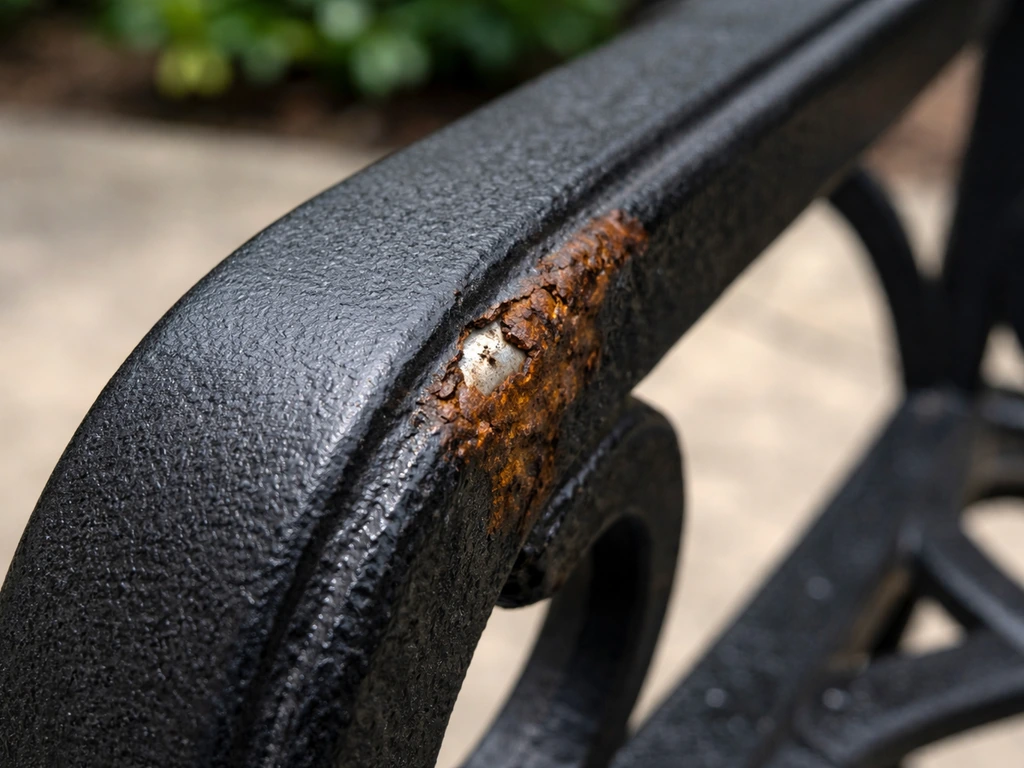
Cast iron is incredibly heavy and structurally nearly indestructible, the frames themselves can last decades. The problem is rust. Once the protective finish chips or cracks, moisture gets in fast, and rust spreads quickly. With consistent touch-ups and proper sealant, cast iron can genuinely last 15 to 20 years. Left neglected, especially in humid or coastal climates, it can rust through in five to eight years. If you love cast iron, commit to the maintenance or don't buy it.
Aluminum
Aluminum is the most forgiving structural material for outdoor use because it simply doesn't rust. What varies dramatically is the finish quality. Standard powder coating in harsh conditions typically lasts 5 to 10 years before it starts chalking, fading, or peeling. Peak Home Furnishings also notes that standard powder coating typically delivers about a 5 to 10 year durability baseline in harsh conditions and architectural-grade anodizing can last 15 to 30 years [5 to 10 years for standard powder coating](https://peakhomefurnishings.
com/blogs/outdoor-furniture/aluminum-finish-guide). Architectural-grade anodizing, on the other hand, can last 15 to 30 years because the finish is part of the metal itself rather than a coating applied on top. When you're shopping aluminum, the finish grade matters almost as much as the frame thickness.
Wood (pine, eucalyptus, acacia)
Non-teak hardwoods like eucalyptus and acacia can last 8 to 12 years with regular sealing and proper care. Softer woods like pine are really a budget option, they're fine for a few seasons but rarely make it past five to six years outdoors without serious maintenance. Eucalyptus is the strongest budget-friendly alternative to teak; it has decent natural oils and holds up well if you seal and store it properly. The lifespan of any wood furniture is directly tied to how consistently you maintain the finish.
Synthetic wicker and natural rattan
These two materials get lumped together constantly, but they perform very differently outdoors. Natural rattan belongs indoors or in a fully covered, dry space, UV and moisture degrade it quickly, and typical outdoor lifespan is only three to six years even with care. Synthetic (all-weather) wicker made from high-density polyethylene (HDPE) resin is a completely different product. Quality HDPE wicker resists UV fading, moisture, and freeze-thaw cycles reasonably well, with a typical lifespan of six to ten years. Low-quality synthetic wicker, usually made from thin PVC strands, can start cracking and unraveling within three to five years.
How your climate cuts years off (or adds them)
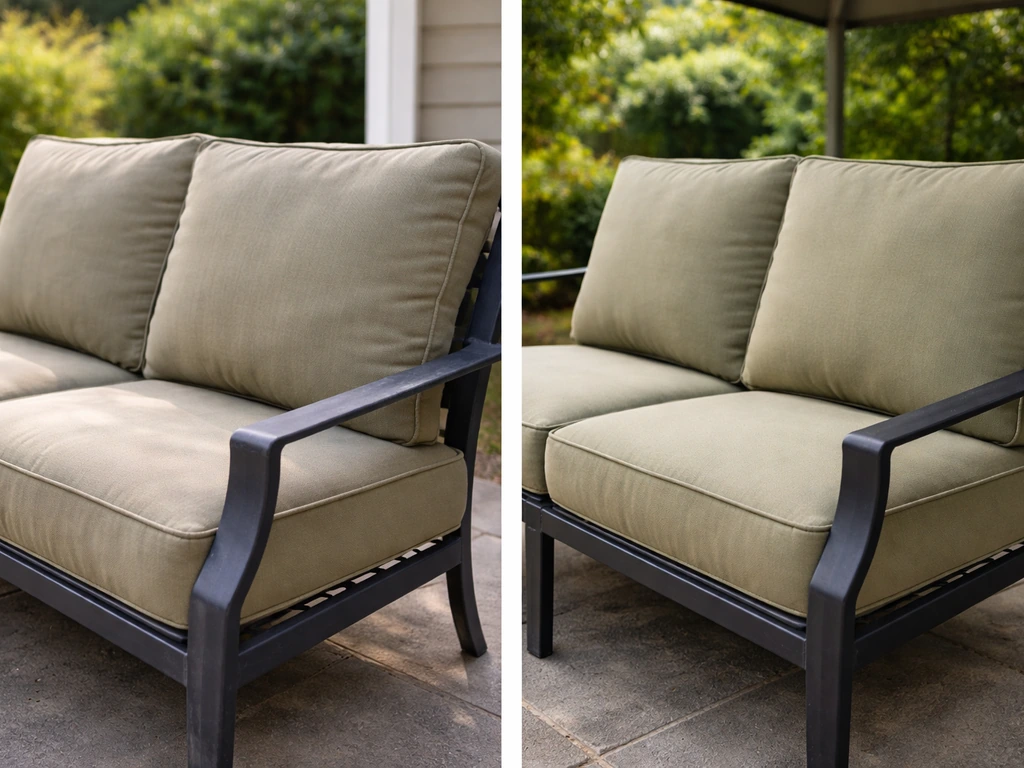
Climate is the single biggest variable outside of material choice. Two identical sets, same brand, same price, same material, will have completely different lifespans depending on where they live.
UV and sun exposure
Intense UV radiation is relentless on finishes, fabrics, and synthetic materials. In high-UV climates like the Southwest, Florida, or Arizona, powder-coated aluminum can start chalking within three to four years. Synthetic wicker fades and becomes brittle faster. Cushion fabric degrades noticeably in a single season if it's not solution-dyed. If you're in a high-sun region, UV resistance is a non-negotiable spec to check before you buy.
Rain and humidity
Consistent moisture accelerates rust on ferrous metals, rot in untreated wood, and mold growth on cushions and wicker. High-humidity climates like the Southeast require more aggressive drying routines and storage practices. If water is constantly pooling on surfaces or cushions are staying damp for long periods, you're shortening the lifespan of almost every material category.
Freeze-thaw cycles
This is the silent killer for outdoor furniture in northern climates. Water expands when it freezes, and if it's inside small cracks in wood, wicker weave, or paint, it pries those cracks open wider every cycle. Over a winter with multiple freezes, wood can warp and split, wicker can crack, and paint can flake. Furniture that's stored indoors or under a breathable, weatherproof cover through a northern winter will consistently outlast furniture left exposed. This isn't optional in cold climates, it's mandatory if you want furniture to last.
Coastal salt air
Salt air is especially aggressive on metal finishes and hardware. Even aluminum, which doesn't rust in the traditional sense, can develop white oxidation and pitting near the ocean. Stainless steel hardware, specifically grade 316 marine stainless, is the minimum standard for coastal use. Hardware is often the first thing to fail on coastal furniture, so check bolts, screws, and connectors carefully. Rinse furniture regularly with fresh water if you're within a mile or two of the shore.
Maintenance habits that actually make a difference
You don't need to obsess over your patio furniture, but a few consistent habits will genuinely double its lifespan. Here's the maintenance playbook that works across materials.
Regular cleaning
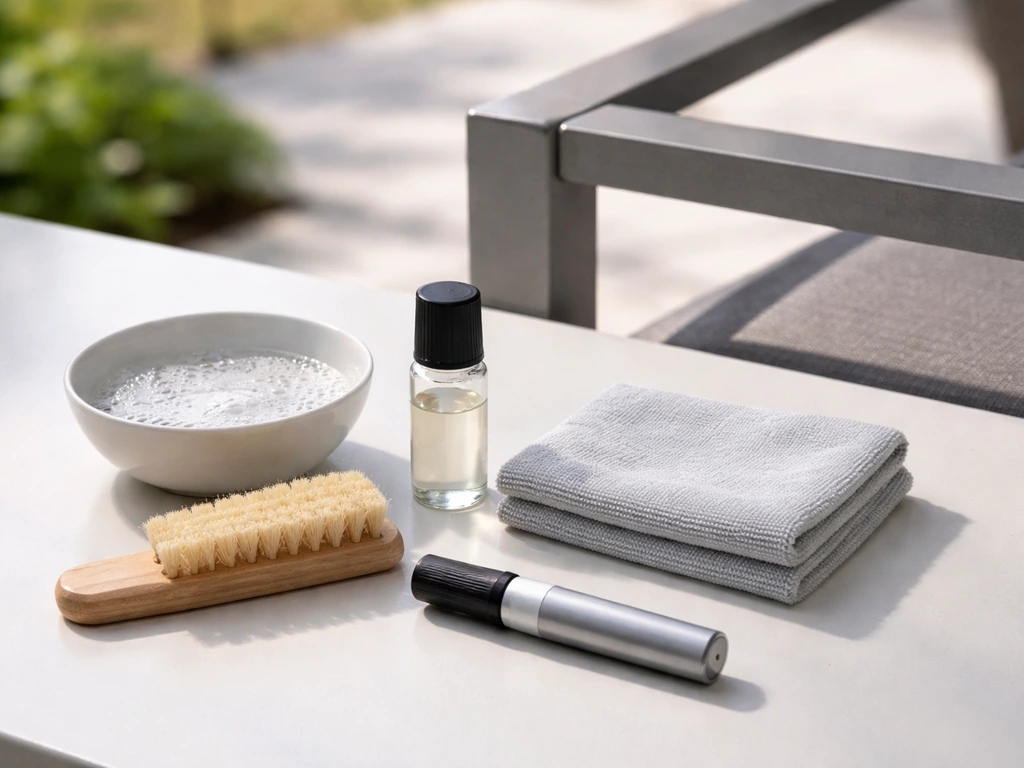
Clean frames and surfaces at least twice a season with mild soap and water. Don't use harsh chemical cleaners unless the manufacturer specifies them, they can strip protective coatings and dry out wood. For metal frames, rinse off pollen, bird droppings, and grime quickly because these can trap moisture and accelerate corrosion. For wicker, use a soft brush to get into the weave where debris and moisture hide. For wood, clean before reapplying any sealer or oil.
Covers
Covering furniture when it's not in use is one of the highest-return habits you can develop. It reduces UV exposure, prevents moisture accumulation, and keeps debris off surfaces. The cover needs to breathe, completely waterproof tarps that trap humidity underneath can actually cause mold and rust faster than no cover at all. Look for covers made from vented, UV-resistant polyester. Make sure they fit well enough that wind can't constantly flap them across surfaces, which causes abrasion.
Drying and storage
After rain, tilt cushions on edge so they drain and dry rather than sitting flat and staying wet for hours. Store cushions in a dry space when not in active use. In climates with freezing winters, moving furniture into a garage or shed extends lifespan by years across almost every material type. If indoor storage isn't possible, at minimum stack chairs and cover everything tightly with breathable, form-fitting covers before the first freeze.
Rust prevention and wood care
For metal furniture, inspect finishes annually. Touch up any chips in paint or powder coating immediately with matching touch-up paint before rust gets a foothold. For cast iron, a light coat of paste wax over the paint provides an additional moisture barrier. For wood furniture, reseal or re-oil every one to two years depending on your climate, more frequently in harsh sun or rain exposure. Teak oil or a quality teak sealer extends both the appearance and the structural integrity of the wood.
Signs your furniture is aging out, and what's worth fixing
Every piece of outdoor furniture eventually signals that it's running out of life. The question is whether what you're seeing is fixable or a sign to start shopping.
End-of-life warning signs
- Structural wobble or flex that wasn't there when the piece was new — a sign of weakened joints, rotting wood, or failing welds
- Rust that has broken through the surface and is pitting or lifting the metal underneath — not just surface discoloration
- Wood that is soft to the touch, spongy, or crumbling — indicating rot has penetrated beyond the surface
- Wicker strands cracking, splitting, or pulling away from the frame in multiple locations
- Cushion foam that is permanently compressed, lumpy, or has absorbed water and won't dry out
- Loose or corroded hardware that no longer holds the frame together securely
When repair makes sense
Repair is usually worth it when the frame itself is sound and only surface or accessory components have failed. Replacing cushions on a solid aluminum or teak frame is an easy win, new cushions can cost $50 to $200 per piece but extend the life of a good frame by another 5 to 10 years. Repainting or re-powder-coating a cast iron or steel frame is worth doing if the metal underneath is clean and solid. Re-oiling or resealing wood that has dried out but isn't rotted is straightforward and cheap. Reweaving a section of synthetic wicker is possible but labor-intensive, usually only worth it on high-end or sentimental pieces.
When to replace instead
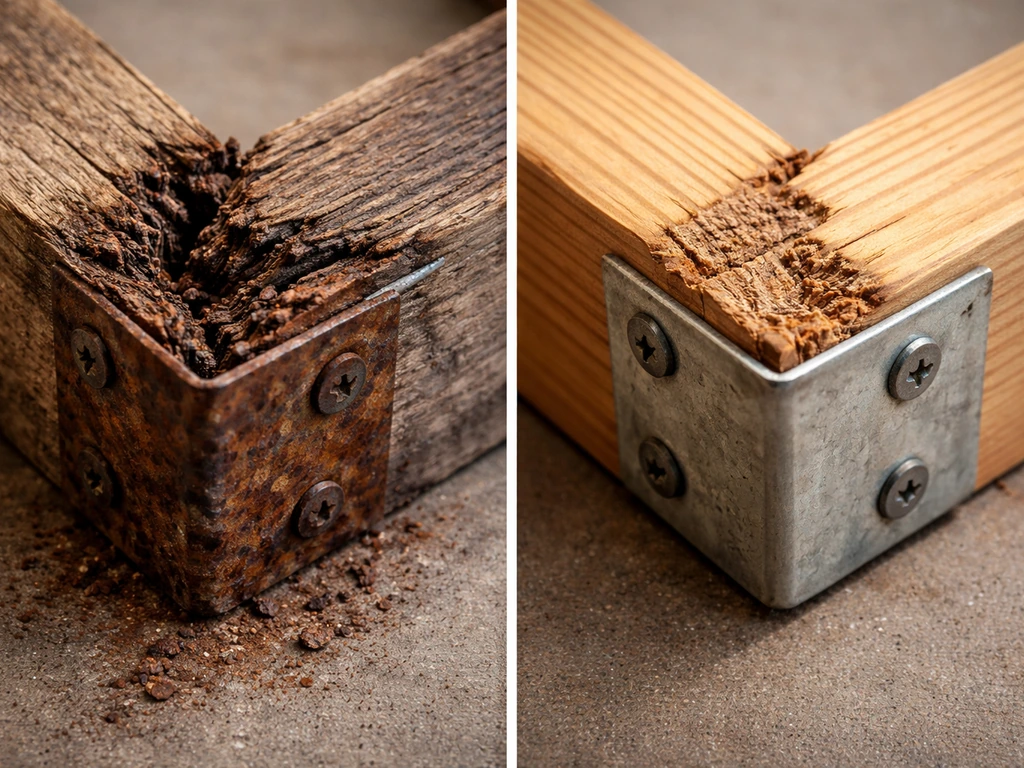
Replace when the structural integrity of the frame is compromised. Rot inside a wood joint, deep rust pitting on metal, broken welds that can't be safely re-welded, or wicker that has failed in so many spots the frame is essentially exposed, these aren't worth fixing. The repair cost approaches or exceeds replacement cost, and the underlying structural weakness usually means the piece will fail again soon. A wobbling chair is also a safety issue, not just an aesthetic one.
Buying for longevity: what to inspect before you purchase
Most people focus on price and aesthetics when buying patio furniture. Durability is usually an afterthought, and that's exactly why a lot of furniture fails prematurely. If you want the best durable patio furniture, focus on construction details like finish quality, hardware, and how well the materials handle your specific climate Durability is usually an afterthought. If you're buying for the long term, here's what to actually examine.
Frame and structural quality
- Aluminum frame wall thickness: look for 1.5mm or thicker for chairs, 2mm or more for tables — thin-walled tubing flexes and fails at joints faster
- Welds on metal furniture should be clean and smooth with no gaps, pitting, or rough edges — poor welds are the first place frames crack
- Wood thickness and grade: teak furniture should use Grade A heartwood, not sapwood or lower grades that are more porous and less oil-rich
- For wicker, check that the weave wraps tightly around the frame rather than being loosely stapled or glued — look at the underside of seats especially
- Cast iron finishing should be uniform with no thin spots where rust can quickly take hold
Finish and coating quality
Ask whether aluminum is powder-coated or anodized, anodizing is significantly more durable. For powder-coated pieces, the thickness and quality of the coating matters. Tap on the surface and listen for a solid, even sound rather than a thin, tinny resonance that suggests a very thin coat. For wood, check whether the piece is pre-treated with a UV-resistant finish or if you'll need to apply one immediately. Untreated wood sold as "ready for outdoor use" without any sealant applied is a red flag.
Hardware
Check every bolt, screw, and connector. Stainless steel hardware, grade 316 for coastal environments, 304 for inland, is the standard you want. Zinc or chrome hardware will corrode within a few seasons in most climates. Poorly fitted or mismatched hardware on a showroom piece is a sign of overall lower manufacturing quality.
Cushions and fabric
Solution-dyed acrylic fabric (Sunbrella is the best-known brand) is the benchmark for outdoor cushion fabric, the color is woven into the fiber rather than applied as a dye, so UV doesn't bleach it out. Cushion foam should be open-cell and quick-drying rather than dense closed-cell foam that traps water. Sit on cushions in the store and check for recovery, foam that compresses and stays compressed under light pressure won't hold up well over seasons of use.
Build quality factors that separate good furniture from great
Brand name alone doesn't predict durability, what matters is the actual construction quality, and you can assess most of it yourself before buying.
| Component | Lower Quality | Higher Quality |
|---|---|---|
| Aluminum frame | Thin-walled tubing, standard powder coat | Thick-walled extrusion, anodized or marine-grade powder coat |
| Wicker/weave | Thin PVC strands, loosely attached | HDPE resin, tightly woven, UV-stabilized |
| Wood | Pine or softwood, untreated | Grade A teak, eucalyptus, or acacia with UV sealant |
| Hardware | Zinc, chrome, or unspecified steel | 304 or 316 marine-grade stainless steel |
| Cushion fabric | Polyester print, surface-dyed | Solution-dyed acrylic (Sunbrella or equivalent) |
| Cushion foam | Dense closed-cell, slow-drying | Open-cell, quick-dry foam with water-channeling channels |
| Joints and welds | Rough, gapped, or bolted-only | Clean TIG welds or mortise-and-tenon wood joinery |
Price does correlate with quality at the extremes, very cheap furniture almost always uses thin frames, PVC wicker, and low-grade hardware. But there's a middle tier of mid-range furniture ($300 to $800 per piece) that often offers excellent construction quality without the luxury markup of designer brands. The key is knowing what to look for rather than relying on brand reputation or price alone.
A realistic long-term care plan
Think of outdoor furniture the way you think about a car or a deck: it needs routine maintenance on a schedule, not just attention when something goes wrong. Here's a practical annual rhythm that works for most material types.
- Spring: Clean all surfaces thoroughly, inspect hardware and joints for corrosion or looseness, tighten any loose bolts, and apply fresh sealant or oil to wood pieces
- Mid-season: Rinse frames and cushions after heavy rain or pollen events, check cushion foam for moisture retention, and spot-treat any rust or finish chips on metal pieces immediately
- Fall (before cold weather): Deep clean everything, apply paste wax to cast iron or steel, re-oil any wood that's dried out, store cushions indoors, and cover or move frames into storage before the first freeze
- Coastal climates: Add a monthly fresh-water rinse of all frames and hardware to remove salt deposits, and inspect hardware every spring for early signs of pitting or corrosion
With this kind of routine, quality patio furniture should realistically last 10 to 15 years in moderate climates and 8 to 12 years in harsh ones. Teak with consistent oiling can easily hit 20-plus years. Aluminum with quality anodizing and good hardware can approach the same. The furniture that fails in five years almost always failed because of neglect, not because the material was inherently poor.
The honest answer on how long patio furniture should last
If you buy mid-to-upper-tier furniture, maintain it with a consistent routine, cover it during harsh weather, and store cushions properly, you should expect 10 to 20 years of functional life from most material types. Teak and anodized aluminum are the two materials that reliably hit the top of that range. Cast iron can too, but only with serious maintenance commitment. Synthetic wicker and powder-coated aluminum sit more comfortably in the 8 to 12 year range under good care. Natural rattan and budget wood furniture are shorter-life options unless you're committed to protecting them from the elements almost entirely.
The most important framing shift is thinking about cost per year rather than sticker price. A $1,500 teak dining set that lasts 20 years costs $75 per year. A $400 wicker set that needs replacing in four years costs $100 per year and sends furniture to a landfill twice as often. When longevity is your goal, the question of which outdoor furniture materials and builds hold up best over time becomes the most practical financial question you can ask.
FAQ
How can I tell if my patio furniture is aging past the point of repair?
Most furniture starts losing “useful life” before it visually collapses, so a good check is to look for soft spots, wobble at joints, and finish breakdown within seams and frame corners. If cushions feel safe but frames have rust-through, rot at joints, or recurring flaking even after touch-ups, the piece is usually beyond repair and replacement is safer.
Can worn patio furniture be repaired instead of replaced?
Yes, but only if you match the fix to the failure mode. Cushion covers, foam, and minor frame touch-ups can extend life, and re-powder-coating typically works when the metal underneath is clean and not deeply pitted. If the problem is rotted wood inside a joint, deep rust pits, or a broken weld you cannot secure safely, repairs usually come back quickly.
Do I need a waterproof cover, or will any cover work?
Not always. Fully waterproof covers can trap moisture that promotes mold on cushions and rust on metal, especially after rain or in humid climates. Use breathable, vented, UV-resistant covers, and keep cushions draining and fully dry before bringing them under any cover.
What’s the biggest mistake that shortens patio furniture life in cold climates?
If you have freezing winters, the single biggest mistake is leaving furniture fully exposed through freeze-thaw cycles. Move the set indoors, a garage, or a shed when possible, or at minimum stack and cover tightly with breathable, form-fitting covers before the first freeze.
How often should I clean and re-seal patio furniture to maximize lifespan?
Clean it regularly, then dry it thoroughly. For metal, rinse off salty residue from coastal air and remove debris that holds water. For wood, clean before re-oiling or sealing so you are not sealing in grime. For wicker, remove debris from the weave where moisture sits, then let it dry completely before covering.
What cushion materials last longest outdoors?
Solution-dyed outdoor cushion fabric lasts longer because color is integrated into the fiber rather than just sitting on top. Also look for quick-drying, open-cell foam so water does not remain trapped after rain. If foam stays compressed after light pressure or cushions feel consistently damp, expect a shorter cycle of replacement.
Does patio furniture last shorter near the ocean, and what should I check first?
Salt air can accelerate failure at the hardware first, even on aluminum frames. Use marine-grade hardware (grade 316 stainless for coastal conditions) and inspect bolts, screws, and connectors more frequently than you would inland. Rinse with fresh water after salty weather, especially within a mile or two of the shore.
What does “teak” on patio furniture packaging really mean for how long it lasts?
“Teak-look” matters. Longer lifespans depend on true teak grade and construction quality, not just the style. If you buy teak, confirm it is actual teak (and ideally a heartwood grade) rather than lower-grade teak veneer or a different species marketed as teak. This is one of the most common reasons people feel misled by longevity claims.
Which lasts longer on aluminum patio sets, powder coating or anodizing?
Aluminum durability depends heavily on finish type and coating quality. Anodized aluminum generally outlasts powder-coated finishes, which can chalk, fade, or peel sooner in harsh sun. Also inspect frame thickness and how securely hardware is attached, because thin frames can fail even if the finish looks fine.
How do I decide whether to refinish, replace parts, or buy a new set?
If the furniture is sturdy but the surface is failing, consider a “cost per year” approach. Calculate the replacement cost and estimate your expected service time under your climate and maintenance reality. Often, replacing cushions or re-finishing a solid frame is a better deal than replacing the whole set if the structural members are still sound.
Next Articles
Best Durable Patio Furniture: Materials, Choices, and Care
Compare aluminum, teak, cast iron, and wicker for the most durable patio furniture and learn how to choose and care.
What Outdoor Patio Furniture Lasts the Longest by Material
Durability rankings by material and furniture type, plus climate-matched buying and care tips for long-lasting patio set
Is Teak Patio Furniture Good? Durable, Smart Buying Guide
Is teak patio furniture good? Evidence-based verdict, lifespan, care, buying tips, comparisons, and eco guidance.