
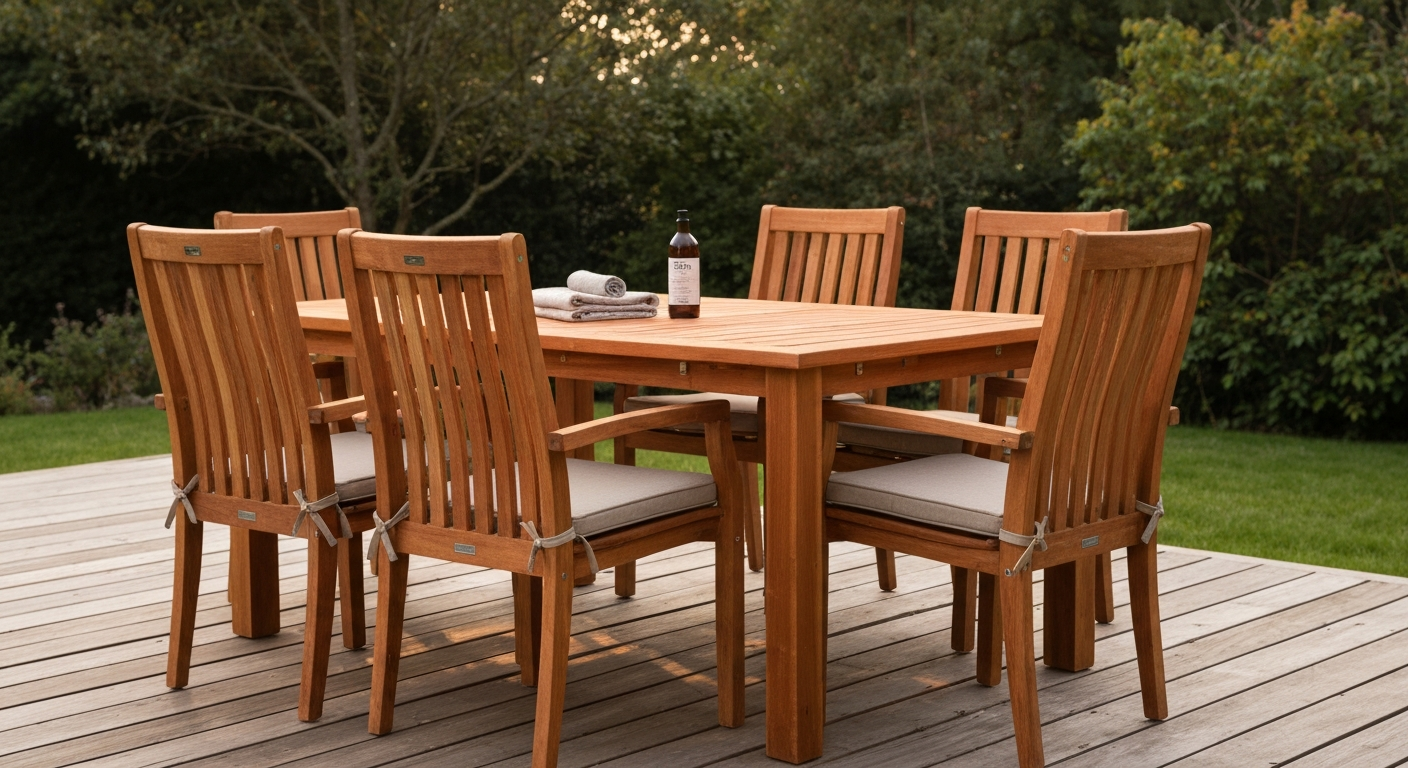
Yes, eucalyptus wood is a genuinely good choice for patio furniture, but the honest answer is more specific than that: it depends heavily on which eucalyptus species you are buying and how it was grown and dried. The best plantation-grown eucalyptus hardwoods are dense, hard, and resistant enough to handle most outdoor climates for 10 to 25 years with routine care. They cost significantly less than teak yet outperform cheaper softwood alternatives by a wide margin. Where eucalyptus falls short is in species-level inconsistency: some retail pieces are made from high-performing species like Eucalyptus grandis or E. saligna, while others use lower-grade material that can check, split, and degrade far faster. Buy smart, and eucalyptus delivers strong value. Buy blind, and you could end up disappointed.
Is Eucalyptus Wood Good for Patio Furniture? Expert Guide

What exactly is eucalyptus wood?
Eucalyptus is a large genus of flowering trees native primarily to Australia, with over 700 species. For furniture manufacturing, only a handful of plantation-grown species are commercially relevant. Understanding which species you are actually buying matters because the physical and durability properties vary dramatically across the genus.
The species you will encounter most often in outdoor furniture sold in North America and Europe include Eucalyptus grandis (rose gum), E. saligna (Sydney blue gum), E. globulus (Tasmanian blue gum), E. camaldulensis (river red gum), and E. robusta (swamp mahogany). Most affordable retail furniture marketed simply as 'eucalyptus wood' is made from plantation-grown E. grandis or close hybrids because these grow quickly, are widely farmed in Brazil and South Africa, and produce workable lumber in reasonable time frames.
From a technical standpoint, eucalyptus heartwood density spans roughly 540 to 980 kg/m3 depending on species, provenance, and moisture content. E. grandis heartwood sits in the middle of that range at roughly 540 to 775 kg/m3 at 12% moisture content, while denser species like E. camaldulensis can reach 900 to 980 kg/m3. Janka hardness across commercial species ranges from about 800 lbf on the lower end to over 2,370 lbf for E. globulus, which The Wood Database identifies as one of the hardest eucalypts. Blue Gum | The Wood Database lists Eucalyptus globulus (southern/Tasmanian blue gum) with a very high Janka hardness of about 2,370 lbf (10,550 N). For comparison, teak typically lands around 1,000 to 1,170 lbf. On hardness alone, several eucalyptus species beat teak outright.
How eucalyptus actually performs outdoors
Durability and rot resistance
This is where the species question bites hardest. Natural decay resistance in eucalyptus is genuinely variable. Field data and European EN 350 standard tests have placed plantation E. globulus in a low durability category in some European trials, while Australian Standard AS 5604 rates E. globulus heartwood as Class 2 above ground (service life 15 to 40 years) and Class 3 in ground contact (5 to 15 years). The discrepancy between European and Australian test results is real and comes down to provenance, extractive content in the heartwood, and growing conditions. For patio furniture, which is above-ground use, the Australian field experience is generally the more relevant benchmark, and it is encouraging for quality heartwood. Denser species like E. camaldulensis are consistently described in forestry literature as durable for heavy structural applications including sleepers and wharves, which is about as demanding as it gets.
Insect and termite resistance
Termite resistance is the weakest point in eucalyptus's outdoor credentials. Published field tests using subterranean termite species (Coptotermes, Reticulitermes) label E. grandis as susceptible to moderately susceptible under aggressive exposure. This is a meaningful gap compared to teak, whose natural tectoquinone extractives give it well-documented termite resistance. Thermal modification and preservative treatments have been shown in experimental work to significantly improve termite resistance in eucalyptus, and some manufacturers do treat their stock. If you live in a high-termite region (the Gulf Coast, much of Florida, Hawaii, parts of California), ask specifically whether the furniture has been treated. Untreated plantation eucalyptus in contact with soil or decking in those zones carries genuine risk.
Dimensional stability
Eucalyptus moves. Australian timber data show typical radial shrinkage of 3 to 5% and tangential shrinkage of 6 to 11% for commercial eucalypts, which is on the higher end compared to teak. This movement, combined with the growth stresses that develop in plantation trees, means poorly dried eucalyptus lumber is prone to checking (surface cracks) and splitting, especially at exposed end grain. Industry machining guides warn that dense eucalyptus is hard on tooling and requires careful, slow drying to minimize stress degrade. Well-kiln-dried stock from a reputable manufacturer largely sidesteps this problem, but it is the main reason cheap eucalyptus furniture can look terrible after a single winter.
Appearance
Fresh eucalyptus has a warm reddish-brown to honey tone with a tight, often interlocked grain. It machines to a smooth surface and looks genuinely attractive right out of the box. Left unfinished outdoors, it weathers to a silver-grey patina similar to teak, which many people find appealing. Grain irregularity from interlocked fibers can show up as wavy figure on flat-sawn boards, which adds visual interest but requires sharp tooling to avoid tearout during manufacturing.
Eucalyptus patio furniture: honest pros and cons
- High hardness and density in most commercial species means excellent resistance to denting, scratching, and physical wear
- Above-ground decay resistance is solid for quality heartwood, particularly from reputable plantation sources rated to AS 5604 Class 2
- Lower price than teak: typical 5-piece dining sets retail from roughly $1,000 to $2,200, versus teak equivalents that often start at $2,500 and climb well above $5,000
- Weathers gracefully to silver-grey if left unfinished; takes oil finishes well when properly dried
- Widely available from FSC-certified plantation sources, making it a reasonably sustainable choice
- Species variety means you can find material that genuinely rivals teak in hardness and density
- Species labeling on retail furniture is inconsistent; 'eucalyptus' on a tag tells you almost nothing about actual durability
- Termite resistance is weak in plantation E. grandis without treatment, a real concern in warm, humid climates
- High shrinkage and movement values mean poorly dried stock splits and checks readily
- Low heartwood permeability makes preservative impregnation difficult without special pre-treatment (microwave, thermal modification)
- Growth stresses in plantation trees can cause warping at joints over time in low-quality milling
- Denser species are hard on tools, which means budget manufacturers may cut corners on finish quality
Eucalyptus vs. teak vs. acacia: which wood wins for your patio?
This is the comparison that matters most for shoppers. Teak is the benchmark outdoor wood, acacia is the budget alternative that has flooded the market, and eucalyptus sits in a real middle position: harder than teak in several species, cheaper than teak, but with more variable durability and higher maintenance demands. The table below uses representative values from published material databases and forestry literature.
| Property | Eucalyptus (plantation) | Teak | Acacia (commercial) |
|---|---|---|---|
| Density (kg/m³, air-dry) | 540–980 (species-dependent) | 580–660 | 600–900 (species-dependent) |
| Janka hardness (lbf) | 800–2,370 (species-dependent) | 1,000–1,170 | ~1,160 (A. melanoxylon) |
| Natural decay resistance | Variable: Class 2–4 above ground depending on species/provenance | Very durable (Class 1–2) | Moderate to high; variable by species |
| Termite resistance | Susceptible to moderate (untreated) | Good (natural extractives) | Variable; generally moderate |
| Dimensional stability | Moderate to low (high shrinkage) | High (low shrinkage) | Moderate |
| Typical retail price (5-piece set) | $1,000–$2,200 | $2,500–$6,000+ | $600–$1,800 |
| Expected lifespan (with maintenance) | 10–25 years | 20–50+ years | 10–20 years |
| FSC-certified availability | Common (plantation-grown) | Available but less common | Common (plantation-grown) |
| Maintenance demand | Moderate (annual oiling recommended) | Low to moderate | Moderate to high |
Choose teak if budget is not your primary constraint, you want the lowest-maintenance outdoor hardwood available, and you are buying furniture you expect to pass on. Teak's natural tectoquinone oils make it uniquely self-protective; it simply forgives more neglect than anything else in this category. The teak vs. For a focused comparison, see our guide on teak vs eucalyptus patio furniture. eucalyptus question deserves a full breakdown of its own, but the short version is that teak wins on durability consistency and you pay a premium for exactly that.
Choose eucalyptus if you want a genuine hardwood at a fraction of teak's price, are committed to annual oiling, and can verify the species and drying quality before you buy. For temperate climates with moderate humidity and no serious termite pressure, quality eucalyptus delivers outstanding cost-per-year value.
Choose acacia if you are on a tighter budget and accept that you are buying a wood with more variable durability. Acacia and eucalyptus are actually close competitors at the mid-price point, and it is worth reading comparisons between acacia and teak and acacia pros and cons alongside this article if you are still deciding between those three options. For a focused comparison, see acacia vs teak patio furniture to weigh durability, cost, and maintenance.
Climate and region guidance
Hot and humid climates (Southeast US, Gulf Coast, Florida, Hawaii)
This is the most demanding environment for eucalyptus. High humidity accelerates fungal decay, and the termite pressure in these zones is among the highest in the country. Untreated plantation eucalyptus needs annual oiling at minimum, and I would strongly recommend only purchasing pieces that are either made from naturally denser and more durable species (E. camaldulensis, E. robusta) or have documentation of preservative or thermal treatment. Even treated eucalyptus will need more active maintenance here than teak would.
Coastal environments (salt air, UV exposure)
Salt air is corrosive to metal hardware first and wood second. Make sure any eucalyptus furniture bought for coastal use has stainless steel or marine-grade hardware throughout. The wood itself handles UV and salt spray acceptably if oiled regularly, but unfinished or neglected pieces will check and grey faster in intense coastal sun. UV-stabilizing teak oil or a marine-grade penetrating oil is the right product for this setting.
Dry climates (Southwest US, Mediterranean)
Dry heat is actually where eucalyptus performs best relative to its weaknesses. Decay and termite pressure are lower, and the main enemy is solar UV and desiccation cracking. Oil your furniture more frequently in dry climates (twice yearly rather than once) to prevent surface checking, and store cushions out of direct midday sun. The low humidity also means dimensional movement is less of a structural problem.
Freeze/thaw climates (Northeast, Pacific Northwest, Upper Midwest)
Freeze/thaw cycling is hard on any wood that retains moisture in its cell structure. Dense eucalyptus heartwood actually handles this reasonably well compared to more porous species, but annual oiling before the first frost is non-negotiable to reduce moisture uptake. I recommend storing eucalyptus furniture indoors or under breathable covers during extended winter periods. Pieces left outside unprotected through multiple freeze/thaw cycles will develop checking at joints and exposed end grain within a few seasons.
Finishes, treatments, and a practical maintenance schedule
The right finish for eucalyptus is a penetrating oil, not a film-forming coating like paint or varnish. Film coatings trap moisture and peel dramatically on dense, oily hardwoods. Teak oil, eucalyptus-specific oil, and high-quality linseed/tung oil blends all work well. Look for products with UV inhibitors if the furniture lives in direct sun. Apply oil to clean, dry, lightly sanded wood (220-grit is fine) and wipe off excess after 15 to 20 minutes to prevent sticky residue.
For pieces that will be left to weather naturally to grey, a UV-blocking clear sealer applied once a year will slow the greying process and prevent checking without altering the appearance much. If you prefer the silver-grey look, a simple annual cleaning is all you need.
- Spring (before use season): Clean with a mild soap solution and a stiff brush; rinse and allow to dry completely for 48 hours before applying oil
- Apply a penetrating teak or eucalyptus oil evenly across all surfaces, including undersides and joints; wipe excess after 15–20 minutes
- Inspect all hardware for rust or corrosion; replace any non-stainless fasteners
- Check joints and mortise-and-tenon connections for early checking or loosening; re-glue with exterior-grade adhesive if needed
- Fall (before off-season): Apply a second oil coat in harsh climates, cover with breathable furniture covers, or move indoors
- Every 2–3 years: Lightly sand the entire piece with 150–220 grit paper before oiling to remove grey surface oxidation and restore fresh wood
What to expect for lifespan and cost-to-value
A quality eucalyptus dining set from a reputable manufacturer, properly maintained, should last 15 to 25 years in temperate to mild climates. In demanding humid or coastal environments with less consistent care, expect closer to 10 to 15 years. That makes the cost-per-year math attractive: a $1,500 set lasting 15 years costs you $100 per year. A $4,000 teak set lasting 30 years costs about $133 per year, but with far less annual effort. A $700 acacia set lasting 8 to 10 years also runs about $75 to $87 per year, but you will be shopping again sooner.
The sticker price range for eucalyptus outdoor furniture in the current US retail market spans from roughly $100 to $200 for small bistro pieces up to $1,500 to $2,500 or more for multi-piece conversation sets. That wide range reflects both quality differences and retailer markup. Major home improvement retailers like Home Depot list 5-piece eucalyptus dining sets from around $1,000 to $2,200. At the lower end of that range, I would scrutinize build quality carefully before buying. At the middle to upper end from a brand with clear sourcing and species disclosure, eucalyptus furniture is genuinely strong value.
How to identify and inspect quality eucalyptus furniture before you buy
The biggest problem with buying eucalyptus furniture is that most pieces are simply labeled 'eucalyptus' with no species disclosure. Here is what I look for in stores and online listings to separate good pieces from problematic ones.
- Species disclosure: any manufacturer serious about quality will name the actual species; if the listing just says 'eucalyptus,' ask or treat it as an unknown
- Weight: dense eucalyptus is noticeably heavy; if a chair feels light for its size, it may be sapwood-heavy or poorly sourced material
- End grain: look at the cut ends of legs or tabletop edges; tight, even rings with a clear color distinction between heartwood (darker) and sapwood (lighter) indicate well-selected timber
- Joinery: mortise-and-tenon, dowel, or double-bolt joinery outperforms simple butt joints and screws; avoid pieces with visible large-head screws as the primary structural connection
- Hardware: check that bolts, screws, and brackets are stainless steel or galvanized; any sign of rust in a store or showroom is a red flag for the rest of the construction
- Surface finish: run your hand across the surface; it should feel smooth and uniformly oiled, not patchy, rough, or tacky
- Checks and cracks: minor surface hairline checks on fresh wood are acceptable and common; deep splits that run through the piece or cracks at mortise-and-tenon joints indicate poor drying
- FSC or PEFC certification: look for a certification label or ask for documentation of chain-of-custody if sustainability matters to you
Cleaning, repairs, and upkeep you can do yourself
Most routine eucalyptus maintenance is genuinely DIY-friendly. A mild dish soap mixed with warm water and a scrub brush handles dirt, mildew, and most surface staining. For stubborn mildew or grey oxidation, a diluted oxalic acid wood cleaner (sold specifically for teak and hardwood furniture) works well and brightens the wood back toward its original tone. Rinse thoroughly and let the piece dry completely before oiling.
Surface checks (hairline cracks) are cosmetic on most pieces and do not compromise structural integrity. Fill deeper splits with an exterior-grade wood filler or a flexible sealant if you want to prevent moisture entry. For a crack that has opened at a joint, work exterior wood glue into the gap with a thin brush, clamp if possible, and let it cure fully before use.
Loose joints on chairs and benches are the most common structural repair. Most eucalyptus furniture uses bolt-together or knock-down hardware that you can simply retighten with a wrench. For permanently glued mortise-and-tenon joints that have worked loose, drill out old glue, clean the socket with a chisel or small file, and re-glue with a two-part epoxy or polyurethane exterior adhesive. Clamp overnight. This repair is fully reversible and will outlast the original joint if done properly.
To restore severely weathered or neglected eucalyptus, sand the entire surface progressively from 100 to 220 grit, clean with oxalic acid cleaner, allow to dry 48 hours, then apply two coats of penetrating oil 24 hours apart. The transformation is dramatic and extends the furniture's life by many years.
Sustainability, sourcing, and certifications
Eucalyptus's sustainability story is one of its genuine strengths. Unlike old-growth tropical hardwoods, the vast majority of furniture-grade eucalyptus is plantation-grown, primarily in Brazil, South Africa, Portugal, and Spain. Eucalyptus plantations grow fast (rotation cycles of 7 to 15 years for some species), require no irrigation in many regions, and can sequester significant carbon. The FSC (Forest Stewardship Council) and PEFC (Programme for the Endorsement of Forest Certification) both certify eucalyptus plantations, and FSC-certified eucalyptus furniture is widely available in the US and European retail market.
Wild-harvested eucalyptus from native Australian forests is a different story and uncommon in the furniture trade, but worth checking if you are buying from a small or unverified manufacturer. Look for an FSC chain-of-custody certificate number, which you can verify directly on the FSC website. Be skeptical of vague 'sustainably sourced' language without a certification number to back it up.
One nuance worth knowing: eucalyptus plantations in some regions have been associated with water consumption concerns and monoculture biodiversity issues. These are legitimate considerations in certain contexts (notably some parts of Iberia and South America), and buying FSC-certified material is the best available assurance that the specific plantation meets environmental and social standards.
Decision checklist and quick buyer Q&A
Use this checklist before committing to a eucalyptus furniture purchase. If you can check most of these boxes, you are looking at a piece worth buying.
- The species is disclosed (preferably E. grandis, E. saligna, E. globulus, E. robusta, or E. camaldulensis)
- The piece feels heavy for its size, indicating dense heartwood rather than sapwood-heavy material
- Joinery is mortise-and-tenon, doweled, or double-bolted rather than simple screws
- All hardware is stainless steel or hot-dipped galvanized
- No deep splits or cracks visible at joints or through structural members
- An FSC or PEFC certification number is available on request or visible on packaging
- The manufacturer or retailer can confirm kiln drying to appropriate moisture content (ideally 8–12% for indoor storage; 12–15% is acceptable for direct-to-outdoor stock)
- If you are in a high-termite zone, you have confirmed the wood is treated or made from a naturally resistant species
Common questions answered quickly
Does eucalyptus furniture need to be oiled? Yes, once a year at minimum in most climates, twice yearly in dry or very sunny environments. Oiling prevents surface checking and extends the life of the wood significantly.
Can eucalyptus furniture be left outside year-round? In temperate climates, yes, with annual oiling and breathable covers for winter. In freeze/thaw or very humid climates, bringing it under cover or indoors for the harshest months will substantially extend its life.
Is eucalyptus better than teak for outdoor furniture? Teak is more consistent and lower-maintenance, which is why it commands a premium. Quality eucalyptus is a strong alternative at a lower price point but requires more active maintenance and more care in the buying process to ensure you are getting good-quality material.
How long will eucalyptus patio furniture last? With regular oiling and basic care, 15 to 25 years in mild to temperate climates is realistic for quality material. Neglected or cheap pieces can start degrading in 3 to 5 years.
Is eucalyptus furniture eco-friendly? Plantation-grown, FSC-certified eucalyptus is among the more sustainable choices in outdoor hardwood furniture. Verify the certification before taking sustainability claims at face value.
FAQ
Quick verdict: Is eucalyptus wood a good choice for patio furniture?
Short answer: Yes—sometimes. Many eucalyptus species offer excellent strength, attractive grain, and good hardness for outdoor furniture, but durability, decay and insect resistance are species- and provenance-dependent. Eucalyptus can be a cost-effective, attractive alternative to traditional outdoor woods if you choose the right species/grade, apply appropriate finishes or preservative treatments, and match the wood to your climate and maintenance willingness.
Which eucalyptus species are commonly used for furniture and what are their technical properties?
Common species used for furniture include Eucalyptus grandis (rose gum), E. globulus (blue gum), E. saligna (Sydney blue gum), E. camaldulensis (river red gum) and E. robusta (swamp mahogany). Typical technical highlights across species: density range ~540–980 kg/m³ (12% MC), Janka hardness widely variable (~800–2,370 lbf depending on species), modulus of rupture and elasticity in ranges that make many eucalypts strong structural woods. Specific values vary by species and provenance—some eucalypts match or exceed the hardness of teak and acacia, others are much softer.
What are the evidence-based pros of eucalyptus for patio furniture?
Pros: - High strength and hardness in many species—resists dents and heavy use. - Attractive grain and color range—from pale blond to deep red/brown—stains and finishes well. - Readily available and often less expensive than teak. - Many plantation eucalypts are sustainably grown and fast‑growing. - Can be improved with thermal modification or preservative treatments for better outdoor performance.
What are the evidence-based cons and risks of eucalyptus for patio furniture?
answer":"Cons/risks: - Natural durability to decay and termites is highly variable by species and provenance; some species are susceptible. - Heartwood can be low in permeability, making preservative impregnation or water‑borne treatments difficult. - Tendency to shrinkage, movement and checks if not properly dried and milled. - Hard, dense eucalypts are abrasive to tools and can be prone to splitting during machining. - Untreated or poorly graded eucalyptus outdoors may have a shorter service life in harsh climates compared with teak.
How does eucalyptus compare directly to teak and acacia?
Summary comparison: - Durability: Teak generally rates highest for natural rot and termite resistance; acacia varies by species but is often moderately durable; eucalyptus ranges from not durable to durable depending on species/provenance. - Hardness/stability: Many eucalyptus species are equal to or harder than teak; acacia hardness is often similar to or higher than teak. - Cost/value: Eucalyptus is generally less expensive than teak and comparable or cheaper than quality acacia. - Workability/treatability: Teak machines well and accepts finishes predictably; eucalyptus can be more difficult to dry/treat due to low permeability. When to prefer each: - Choose teak when maximum low‑maintenance natural durability and long service life are required and budget allows. - Choose acacia for a mid‑range durable, attractive option. - Choose eucalyptus when you want strong, attractive, lower‑cost furniture and are prepared to select the right species/grade and maintain it.
Can you provide a short comparison table (eucalyptus vs teak vs acacia)?
| Feature | Eucalyptus | Teak | Acacia | |---|---:|---:|---:| | Typical density | Very variable (≈540–980 kg/m³) | ~580–660 kg/m³ | Variable; often similar to teak or higher | | Janka hardness | Wide range; can be lower or much higher than teak | ~1,000–1,170 lbf | Often comparable or higher than teak | | Natural durability | Species/provenance dependent (non‑durable to durable) | Very durable (high natural resistance) | Moderate–high (species dependent) | | Treatability | Often low permeability — variable | Good finishability and natural oils | Generally good with standard finishes | | Typical cost | Budget to mid-range | High | Mid-range | (Note: values are species- and source-dependent; use species datasheets for exact figures.)
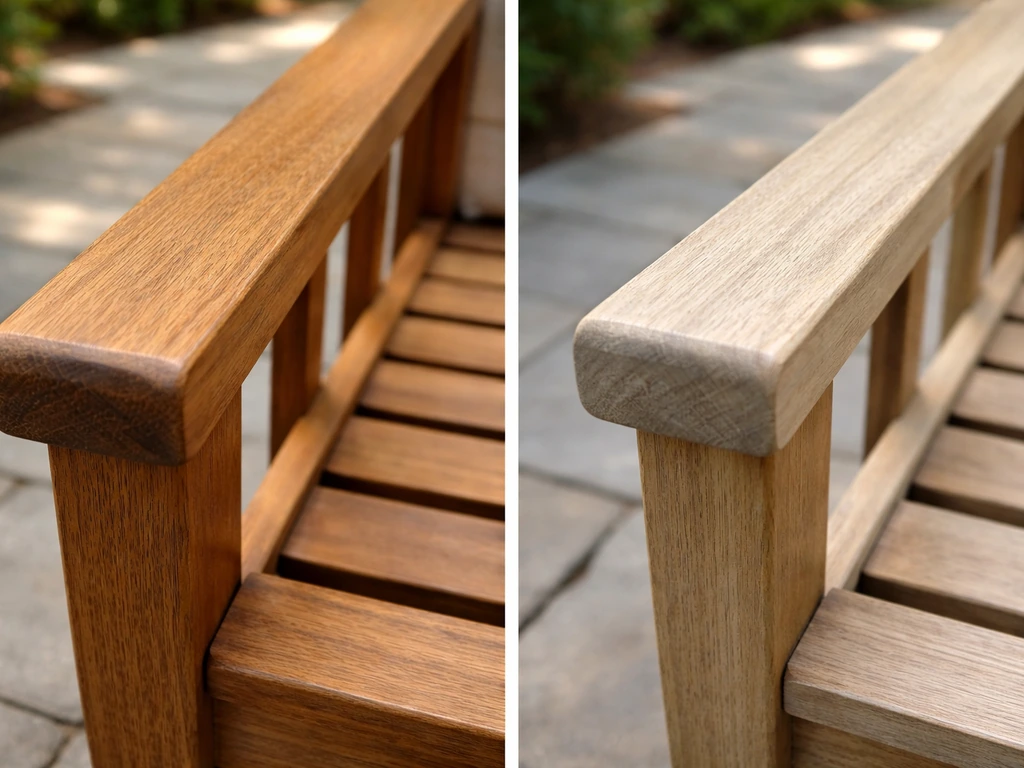
Teak vs eucalyptus patio furniture: durability, aging, maintenance, sustainability, and which to buy for your budget and
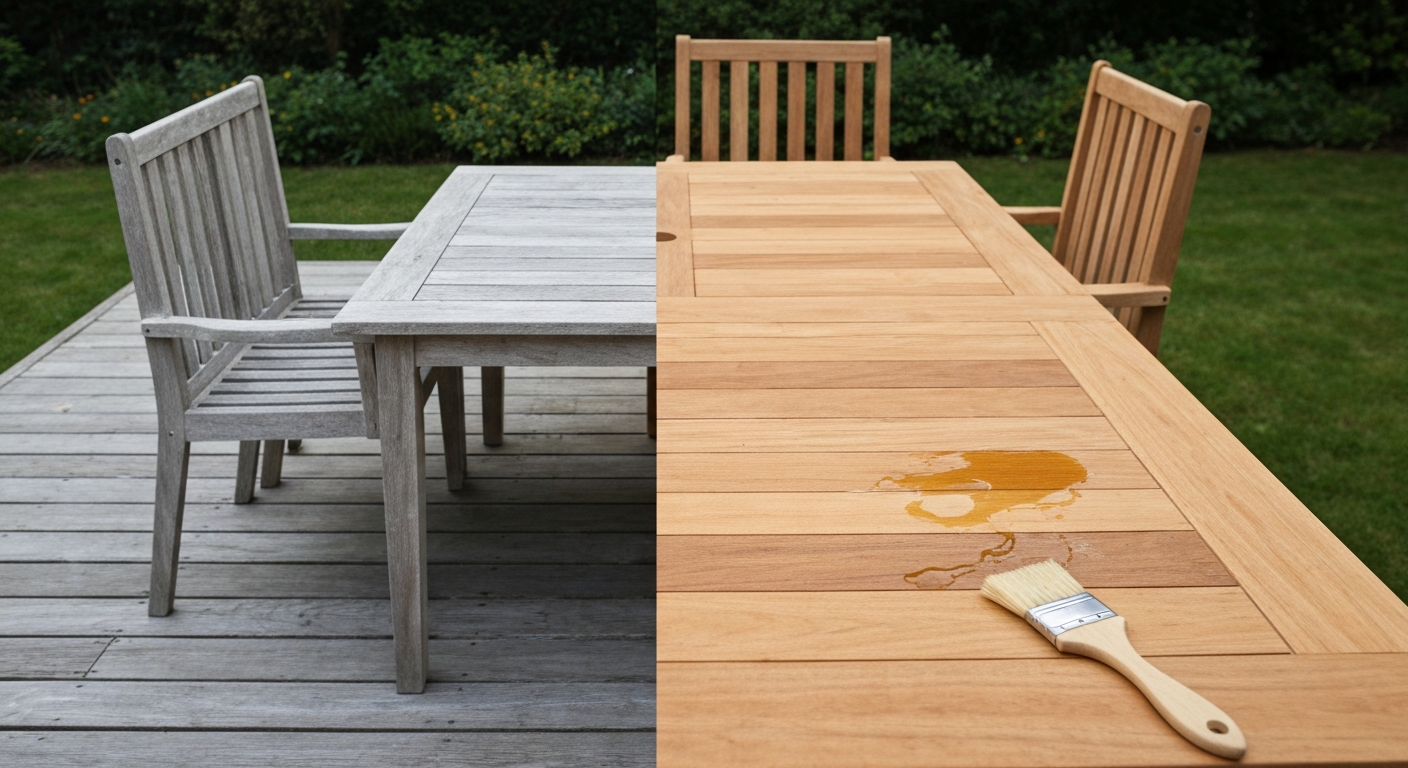
Best stain for teak patio furniture: expert picks, climate-based choices, prep, application, and maintenance tips.
Is teak patio furniture good? Evidence-based verdict, lifespan, care, buying tips, comparisons, and eco guidance.