
Wrought iron patio furniture is not out of style in 2026. Clean-lined wrought iron is actively showing up in designer recommendations and trend coverage this year, framed as part of a "European summer ease" aesthetic alongside grounded palettes like terracotta, caramel, and sun-washed neutrals. What is out of style is heavy, ornate scrollwork paired with peeling paint and no cushions. The material itself is fine. The execution is what dates a set.
Is Wrought Iron Patio Furniture Out of Style in 2026?

Marcus Kellerman
10 Jul 2026
Where wrought iron sits in today's patio design trends
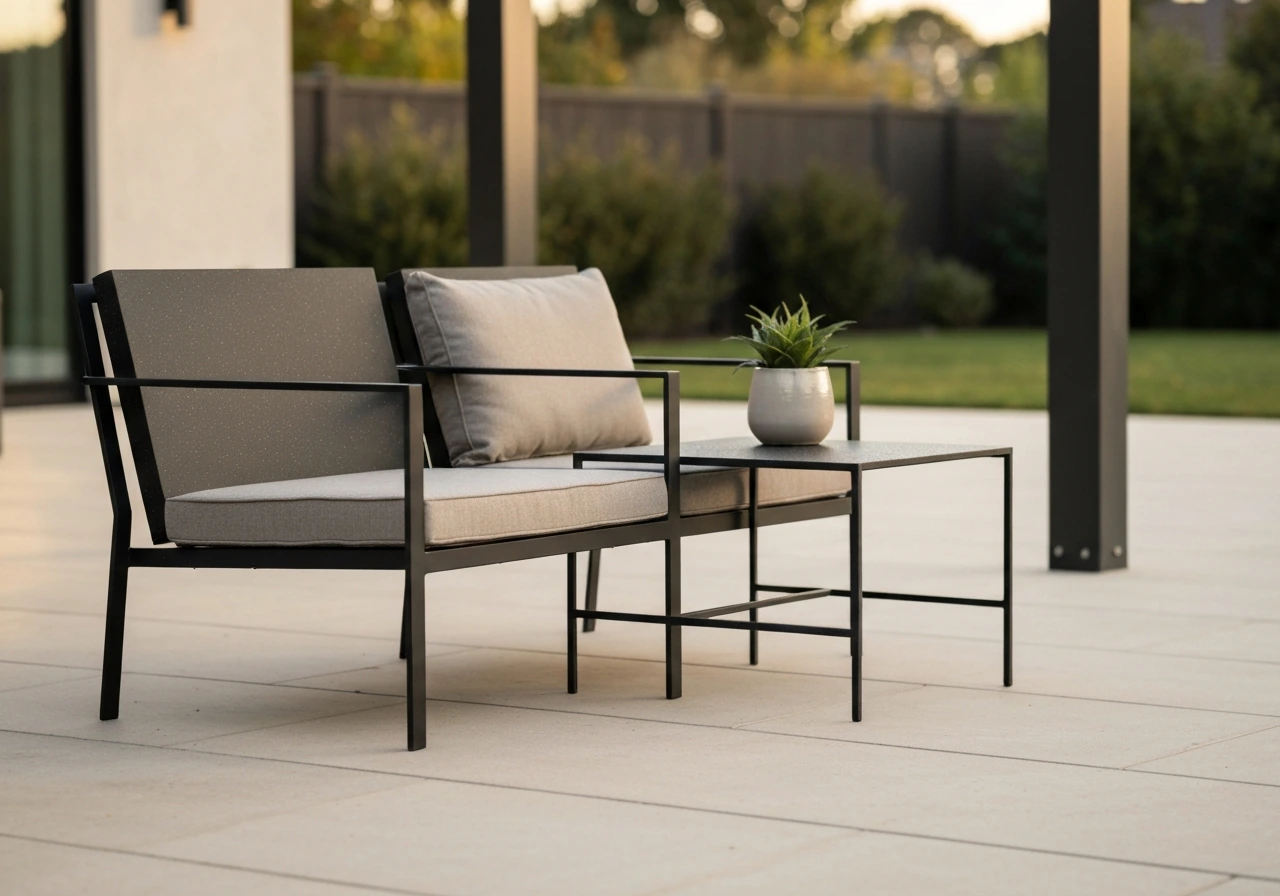
Homes & Gardens flagged wrought iron as a trend direction for 2025 and beyond, and Elle Decor's 2026 outdoor coverage specifically calls out wrought-iron details as part of a current designer look. That said, the same sources also note that heavy, ornate iron pieces read as dated in 2026, especially when they're competing with the cleaner, lighter aesthetic that's dominating outdoor spaces right now. So the honest answer is: wrought iron has a place in today's patio design, but it needs to be the right kind of wrought iron styled the right way.
blank" rel="noopener noreferrer">The Houzz 2024 outdoor trends data shows homeowners moving toward cohesive, intentional outdoor rooms rather than mismatched patio sets. That shift actually benefits well-chosen wrought iron because the material has visual weight and permanence that reads as deliberate rather than temporary. If you're wondering whether wrought iron patio furniture is good, prioritize a durable, multi-layer powder coat and a simpler, modern design is wrought iron patio furniture good. Where wrought iron loses ground is in the budget-ornate category: busy fleur-de-lis scrollwork, rust-streaked frames, and chairs with no cushions. That combination looks neglected, not vintage.
If you're drawn to the material for its authenticity and longevity, you're on solid ground. If you're holding onto a set because you haven't gotten around to replacing it, that's a different conversation, and the rest of this guide will help you decide what to do.
How to tell if your wrought iron patio furniture still looks current
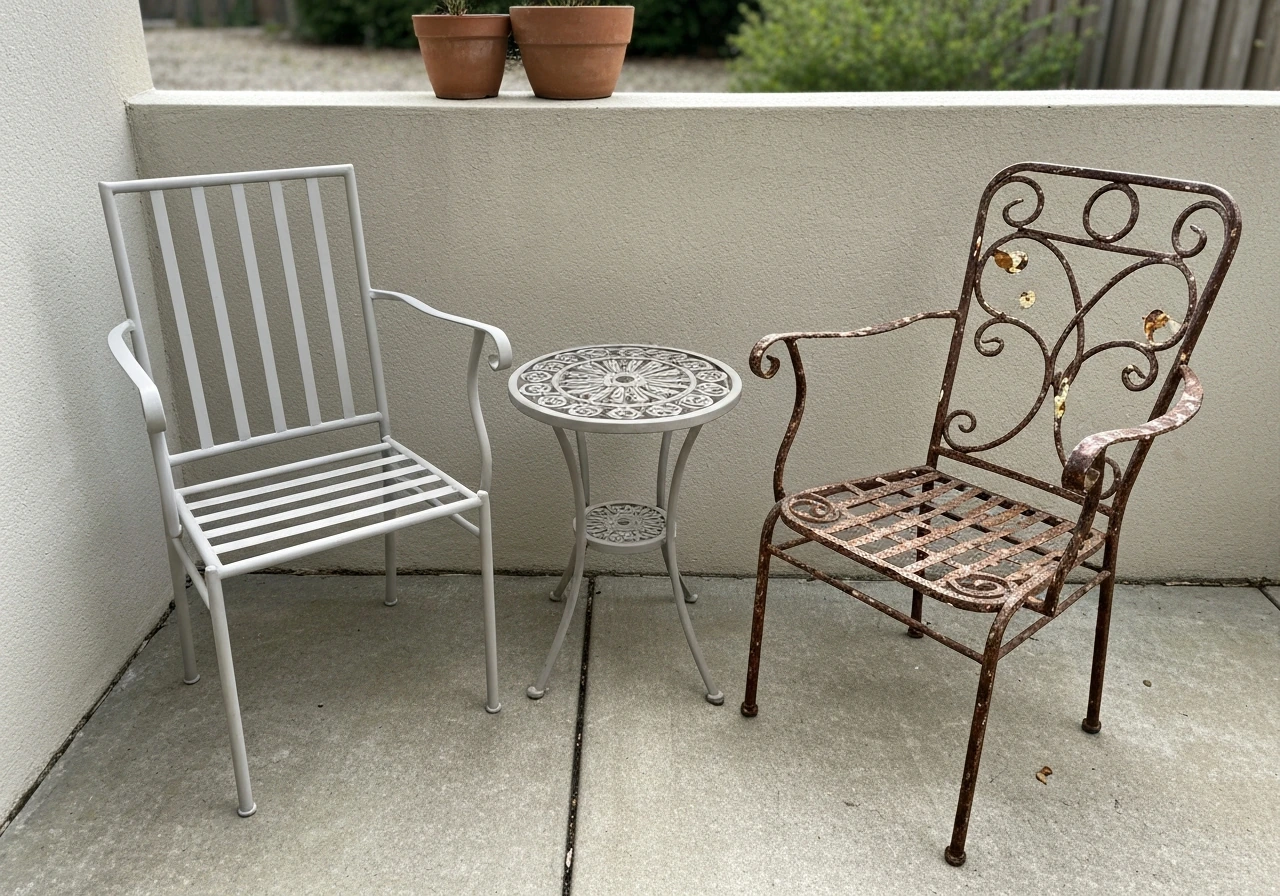
The fastest way to evaluate your existing set is to look at three things: the line complexity, the finish condition, and how you're using it. Start with the lines. Simpler is more current. If your chairs have clean horizontal rails, minimal ornament, and straight or gently curved legs, they're still workable in a 2026 outdoor space. If you've got elaborate scrollwork cascading down every surface, it's going to fight against any modern styling you try to layer over it.
Finish condition is the second signal. Peeling paint, rust streaks, and flaking powder coat are the biggest visual dating factors on any wrought iron set. A piece with a crisp, intact finish in a current color (matte black, dark bronze, warm white, or even a deep forest green) can look completely contemporary. The same piece with orange rust creeping from the joints looks like a yard sale find. This is fixable, and I'll cover the how-to below.
Third, look at context. Wrought iron sitting alone on bare concrete without cushions or a rug looks dated. The exact same set on a well-anchored outdoor rug, with quality cushions in a current textile, next to a side table and some lighting, looks like a considered design choice. Styling carries a lot of weight here.
Comfort, usability, and updates (cushions, covers, finishes)
Bare wrought iron is uncomfortable. There's no way around it. The material is hard, can get hot in direct sun, and offers no give. This is why adding quality cushions isn't optional if you actually want to use the furniture. Cushions in performance fabrics (Sunbrella or similar solution-dyed acrylics) are worth the investment since they handle UV, moisture, and mildew far better than standard polyester. A good cushion set also lets you refresh the look of an older frame without touching the frame itself.
On the finish side, if your existing powder coat is peeling or showing rust, you have two realistic options: a professional re-powder-coat (done at a shop, more durable, worth it for high-quality pieces) or a DIY repaint using a rust-converting primer followed by a spray or brush-on topcoat rated for metal. For DIY, the process matters: wire-brush all loose paint and rust, apply a rust converter to any active rust spots, prime, then paint. Skipping steps leads to paint failure within a season. Lowe's and Bob Vila both document this workflow, and it applies equally to touch-ups or full refinishing.
Color is a free update. Matte black is the current default for iron furniture and reads modern in almost any outdoor context. If you are shopping for the best iron patio furniture, a modern matte black finish is a strong starting point because it tends to look current longer Matte black is the current default for iron furniture. If black feels heavy for your space, a dark bronze or antique pewter works well. Bright white is classic and clean but shows dirt faster. Whatever you choose, use a finish appropriate for outdoor metal rather than interior paint, which will fail quickly under UV and moisture exposure.
Covers are worth using seasonally in wet climates. A fitted cover for the off-season reduces the annual maintenance burden significantly, since most paint and powder coat degradation starts with sustained moisture exposure at joints and ground-contact points.
Durability and weather performance vs newer materials
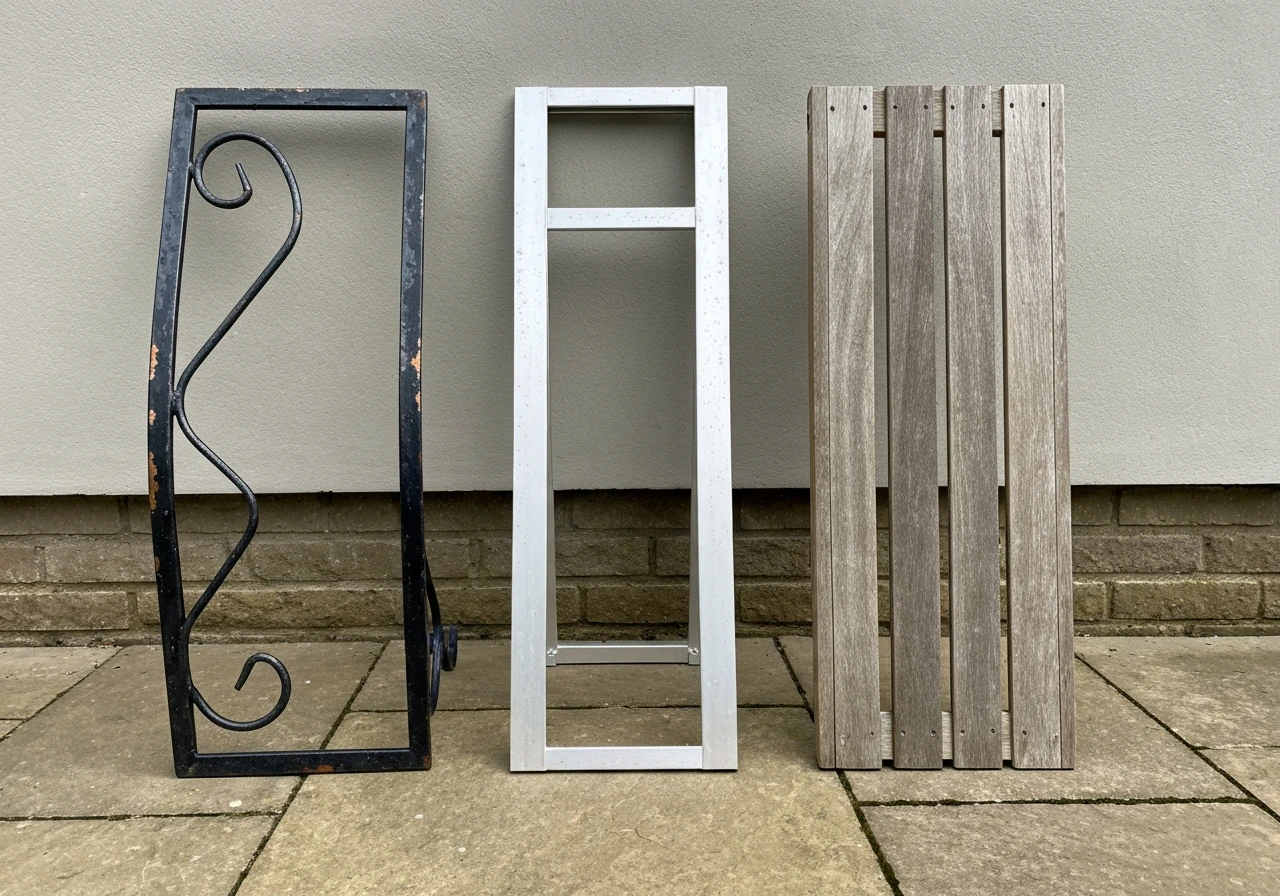
Wrought iron is genuinely heavy-duty from a structural standpoint. It doesn't flex, crack, or degrade from UV the way polymer and wicker do. In a calm weather environment with reasonable maintenance, a quality wrought iron set will last decades. The problem is corrosion. Iron rusts, and wrought iron rusts faster than cast iron, according to metals research. That's not a disqualifying flaw, but it's the central tradeoff you're managing.
| Material | Rust/Corrosion Risk | Weight | Maintenance Level | Typical Frame Lifespan | Notes |
|---|---|---|---|---|---|
| Wrought iron | High without good coating | Very heavy | Moderate to high | 20-30+ years with upkeep | Strong finish system is essential |
| Cast iron | High without good coating | Extremely heavy | Moderate to high | 20-30+ years with upkeep | More brittle than wrought iron; also rusts |
| Powder-coated aluminum | Very low | Light | Low | 15-25 years | Tropitone offers 15-year frame warranties |
| Teak | None (wood) | Moderate | Low to moderate | 20-25 years | Requires oiling or accept silver-gray patina |
| Wicker/rattan (synthetic) | None (resin) | Light | Very low | 8-15 years | UV degrades resin over time |
| Steel (non-wrought) | High | Heavy | High | 10-15 years outdoors | Thinner wall stock than iron; welds crack faster |
Powder-coated aluminum is the main competition for wrought iron from a practical standpoint. It's lighter, nearly rust-proof, and major brands back their frames with 15-year warranties. If you want near-zero corrosion worry, aluminum wins outright. But it doesn't have the visual weight or permanence of iron, and cheaper aluminum sets feel flimsy in a way that wrought iron never does. Teak is a different category entirely, priced higher, requires its own maintenance rhythm, and belongs in a different style conversation.
The quality of the coating system makes or breaks wrought iron's outdoor performance. Top-tier manufacturers like KETTLER use a four-layer Electrotherm coating system with uniform thickness and edge coverage specifically designed to protect in coastal environments. Lesser sets use thin single-coat paint over minimal prep, which fails within two or three seasons in any wet climate. The difference between those two outcomes is the single most important factor in wrought iron's long-term durability.
Cost, maintenance effort, and long-term value
Wrought iron dining sets on Home Depot currently range from roughly $400 to over $2,000 for quality sets, and that price range reflects enormous variation in coating quality, wall thickness, and weld construction. If you're wondering how much wrought iron patio furniture costs, keep reading for the pricing ranges and what drives them how much is wrought iron patio furniture. Budget sets in the $400-600 range will likely need refinishing within two to four years in any humid environment. Quality sets at $1,000 and up, properly maintained, can realistically last 20 to 30 years.
Think in cost-per-year rather than sticker price. If you're shopping for the best price wrought iron patio furniture, focus on total value, not just the upfront cost sticker price. A $1,200 wrought iron set that lasts 25 years with annual inspection and occasional touch-ups costs about $48 per year plus maybe $20-30 in supplies some years. A $500 budget set that needs full refinishing every three years and fails structurally at year eight costs more on a per-year basis and creates ongoing hassle. That math changes if you're in a climate that demands constant rust management, which I'll get into below.
The annual maintenance routine for well-finished wrought iron is not especially burdensome: inspect joints and ground-contact points for early rust once a year (spring is ideal), touch up any chips or scratches with a matching rust-inhibiting paint before moisture gets in, and apply a light coat of car wax or paste wax over the finish to extend it. Early-stage rust is a 20-minute fix. For iron furniture, the Outdoor Furniture Use and Care manual also recommends sanding to remove rust before finishing or repainting Early-stage rust is a 20-minute fix.. Established rust that's been ignored for three seasons is a weekend project.
Compared to teak (which needs oiling or acceptance of weathering), aluminum (which is genuinely low-maintenance but may need occasional touch-ups on chips), and wicker (which eventually needs replacement rather than repair), wrought iron sits in the middle: more maintenance than aluminum, less than bare steel, with better repair potential than wicker and comparable longevity to teak when well maintained.
Climate-by-climate recommendations for keeping or switching
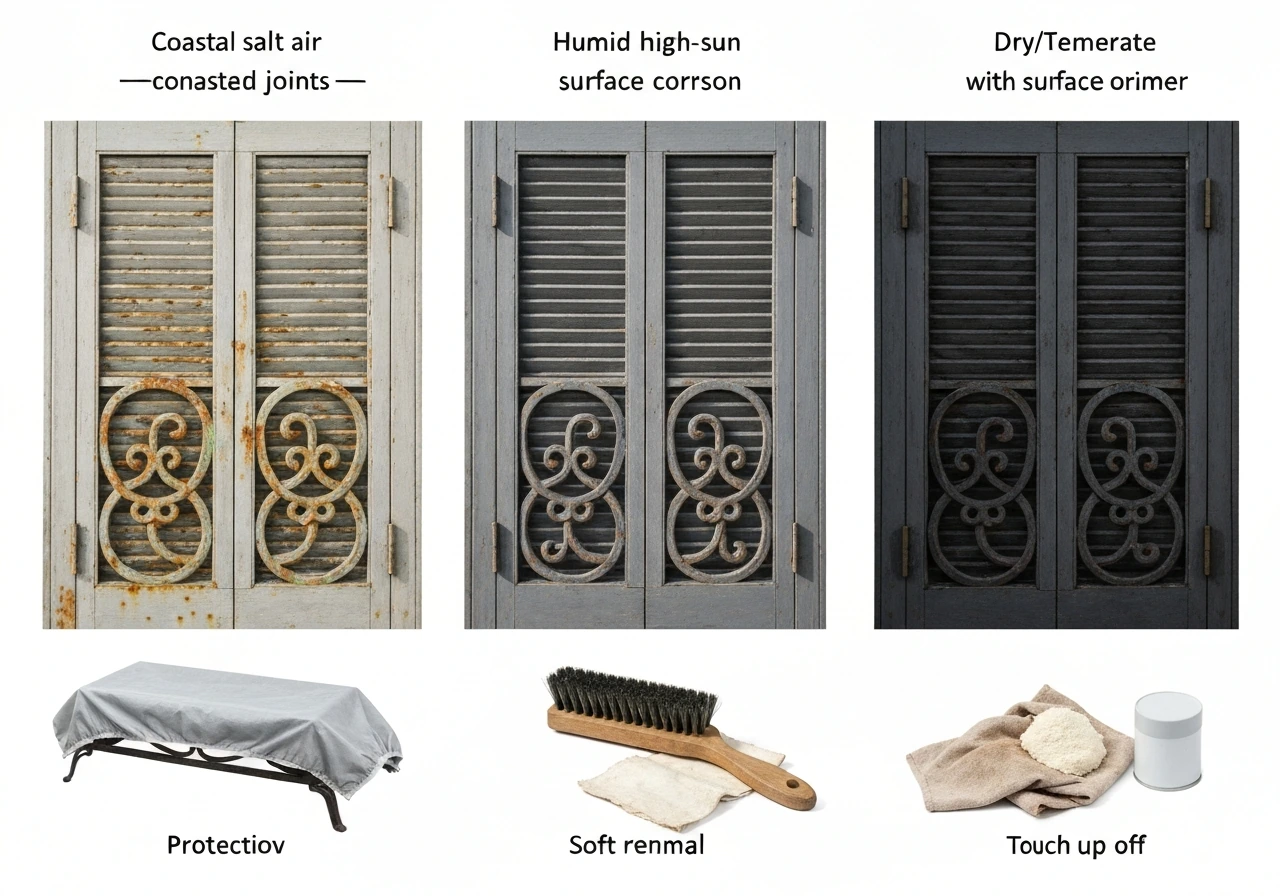
Climate is the honest deciding factor here. The same piece of wrought iron furniture will thrive in one region and deteriorate rapidly in another. Here's how to think about it by zone:
Coastal and high-humidity climates (Florida, Gulf Coast, Pacific Northwest, Hawaii)
Salt air and sustained humidity are wrought iron's worst enemies. Chloride exposure from coastal environments drives pitting corrosion, and relative humidity determines how quickly rust progresses once a finish is compromised. If you're within a mile or two of the ocean, wrought iron is a high-maintenance choice unless you have a premium coating system (like a multi-layer powder coat over an e-coat or zinc-rich primer), keep the furniture covered when not in use, and commit to annual inspection. For most people in these climates, powder-coated aluminum is the lower-stress option. If you love wrought iron, it's doable, but you need to go in with eyes open about the upkeep.
Freeze-thaw climates (Midwest, Northeast, Mountain West)
Cold winters are not the primary threat to wrought iron. The threat is freeze-thaw cycling with moisture: water gets into a small chip in the finish, freezes, expands, and lifts the surrounding paint. This accelerates dramatically if the furniture sits outside uncovered all winter. The simple answer here is to store the furniture indoors during the off-season or use fitted covers. Do that, and wrought iron handles cold climates well. It's heavy enough that wind isn't a problem, and UV exposure is lower than southern climates, so the finish lasts longer on average.
Hot, dry climates (Southwest, inland California, desert regions)
This is where wrought iron performs best. Low humidity means rust formation is slow even if the finish gets nicked. UV is the bigger concern, and a quality powder coat handles that well. The furniture will get hot in direct sun (as will aluminum), so shade placement or cushions with heat-resistant covers matter more for comfort than for material preservation. Expect very long frame life here with minimal intervention.
Temperate climates with moderate rain (Mid-Atlantic, Pacific Coast inland, upper South)
Wrought iron works well here with standard maintenance. Annual inspection, touch-ups on chips, and covering or storing during extended wet periods is sufficient. This is the sweet spot for the material: durable, attractive, and not demanding more care than any other quality outdoor furniture.
Buying guide: modern wrought iron styles and how to spot quality
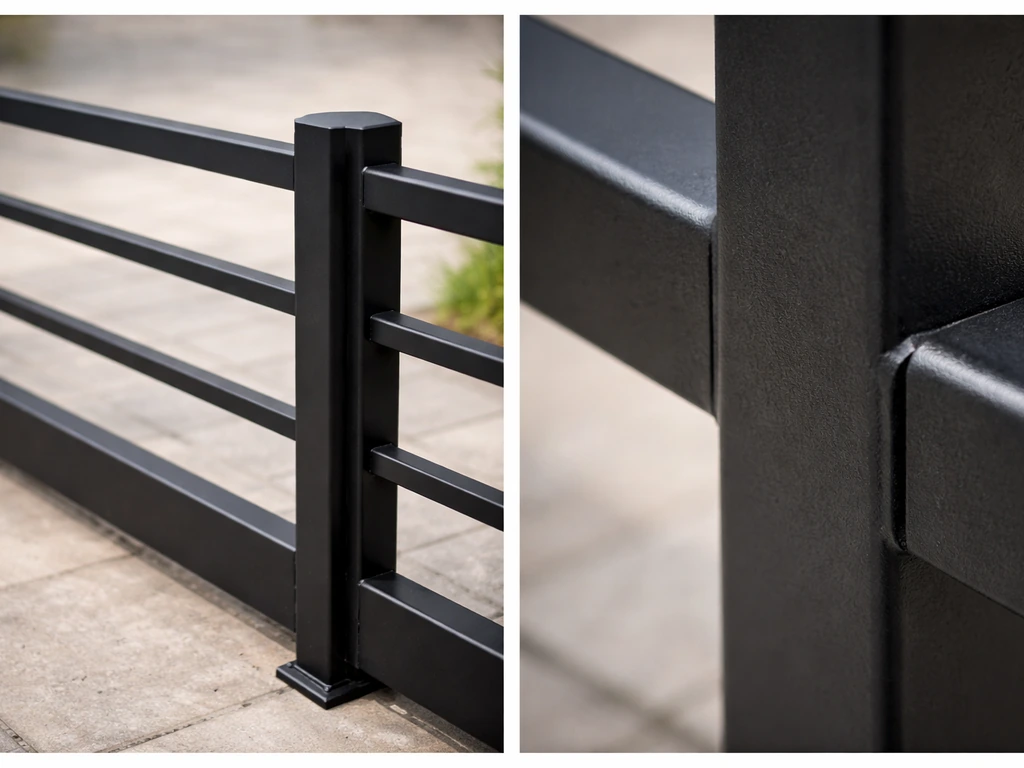
If you're buying new or replacing an old set, here's what to look for in a wrought iron piece that will actually hold up and look current in 2026:
Style signals that read modern
- Clean horizontal lines with minimal or no decorative scrollwork
- Slatted or simple panel seat backs rather than elaborate cutwork
- Matte or satin finish rather than glossy, in black, bronze, or warm neutral tones
- Paired with simple, solid-color outdoor cushions in current textiles
- Mixed-material tables (iron frame with stone, concrete, or wood top) rather than all-iron sets
Construction quality indicators
The single best indicator of a long-lasting wrought iron piece is the coating system. Look for powder coat that's been applied over a phosphate pretreatment or e-coat primer, not bare metal. Manufacturers who document their coating process (layer count, micron thickness, pretreatment type) are telling you something important. Avoid sets that describe their finish only as "powder coated" without further detail, especially at low price points. Thin powder coat (under 60 microns) over unprimed steel is a known failure point.
On the structural side, look for continuous MIG welds at stress points rather than spot welds, minimum 1.5mm wall thickness on load-bearing frame members, and gusset plates or reinforcement where legs meet the seat frame. Budget sets skip these because they add cost, but they're the difference between a frame that lasts 8 years and one that lasts 25.
Warranty terms are a useful proxy for construction confidence. A manufacturer offering a 10-year warranty on powder coat finish and frame is making a different product than one with a one-year warranty. Top-tier aluminum brands like Tropitone cover frames for 15 years; wrought iron brands that can match or approach that range are building to a meaningfully higher standard.
What to budget and expect
For a quality wrought iron dining set (four to six chairs, one table) that will perform well in most climates with normal maintenance, plan on $800 to $1,500 minimum from a reputable brand. Sets under $500 can work in dry, low-stress climates with attentive maintenance, but they'll require more frequent refinishing work and are more likely to have structural issues over time. At the high end, specialty or custom wrought iron can run well above $2,000, and the craftsmanship at that level is genuinely different from mass-market pieces. Whether that premium is worth it depends on your long-term relationship with the furniture and whether you're treating it as an heirloom or a medium-term investment.
One last note: wrought iron and cast iron are different materials with different performance profiles, particularly around weight, brittleness, and rust behavior. Cast iron vs wrought iron patio furniture comparisons usually come down to weight, how quickly each rusts, and how easy they are to maintain outdoors wrought iron and cast iron. If you're comparing options in that category or deciding between the two, that's worth digging into separately before you buy. The price question is also worth researching carefully since the market range is wide and knowing what separates budget from quality sets will save you from an expensive mistake.
FAQ
How can I make an older, ornate wrought iron set look modern in 2026 without replacing it?
Focus on the finish first, repaint only after removing loose rust and peeling coating, then refresh the styling with performance cushions and a larger outdoor rug. Swap to matte black or dark bronze, and keep accessories simple (one or two planters, minimal iron side tables) so the lines read intentional instead of decorative.
What are the biggest “red flags” when shopping for new wrought iron patio furniture?
Avoid sets that mention powder coating without details, especially any that do not specify coating system layers or pretreatment (phosphate or e-coat). Also watch for thin frame members and minimal weld coverage at stress points, plus missing information on warranty length for both frame and coating.
Is it okay to use wrought iron in a coastal area?
It can work, but only with a high-grade coating system and a maintenance plan. Choose multi-layer powder coat over proper pretreatment, consider zinc-rich layers if available, keep the furniture covered when not in use, and do annual joint inspections. If you want the lowest effort option, aluminum powder-coated frames are typically less stressful in salt air.
Do I need cushions for wrought iron patio furniture, or are covers enough?
Covers help protect the finish, but they do not fix the comfort problem. Wrought iron is hard and can get very hot in direct sun, so performance cushions are the practical upgrade, and using removable cushion covers makes seasonal cleaning easier.
What should I look for in cushion fabric for wrought iron patios?
Prioritize solution-dyed acrylics or similar fabrics that resist UV fading and moisture. Also check that the cushion foam is designed for outdoor use (not just “water resistant”), because cheap foam can hold water and mildew even if the fabric repels moisture.
If my wrought iron has surface rust, can I just paint over it?
Usually not. If rust is active or paint is peeling, paint will fail quickly. The safer approach is to wire-brush loose material, treat active rust with a rust-converting product, then prime and topcoat with a metal-rated outdoor paint, following the correct order rather than skipping prep.
What is the difference between a touch-up and a full refinishing for wrought iron?
Touch-ups are for small chips where the powder coat is intact around the damage, clean and then spot-prime and paint those areas before moisture gets in. Full refinishing is for widespread peeling, rust creeping from joints, or a coating that is failing across multiple surfaces, because once failure starts it tends to spread.
How often should I inspect and maintain wrought iron?
A practical baseline is one inspection per year, ideally in spring, focusing on ground-contact points, weld areas, and any place water can pool. If you live in a wet climate, shorten the cycle to every six months during heavy rain seasons and address chips as soon as you notice them.
Can I leave wrought iron outside through winter?
You can, but unmanaged winter moisture is the risk. If you get freeze-thaw cycles, store the furniture indoors or use fitted covers that keep water from pooling, especially at chips near joints. Covers that trap moisture can still accelerate corrosion, so choose breathable or well-fitted options when possible.
Does black wrought iron always look best, or can it look dated?
Matte black is the safest “current” choice, but it can look flat or heavy if the surrounding palette is too dark. If your patio is monochrome, consider pairing with lighter cushions and warm wood accents, or switch to dark bronze or antique pewter to keep the overall look balanced.
How do I tell whether my wrought iron is still “in style” versus outdated?
Use a three-part test: line simplicity (clean rails and minimal cascading scrollwork), finish integrity (no peeling and no rust streaking), and styling context (it should not sit bare on concrete). If those three are updated, the set typically reads current even if the original design was more traditional.
Is wrought iron more durable than aluminum, or is it just more visually timeless?
In many climates, wrought iron can last decades, but it is only durable when the coating system stays intact and you keep rust in check. Aluminum is usually lower-maintenance and can resist corrosion better with less effort, so “durable” depends on how much upkeep you are willing to do and your local moisture level.
Next Articles
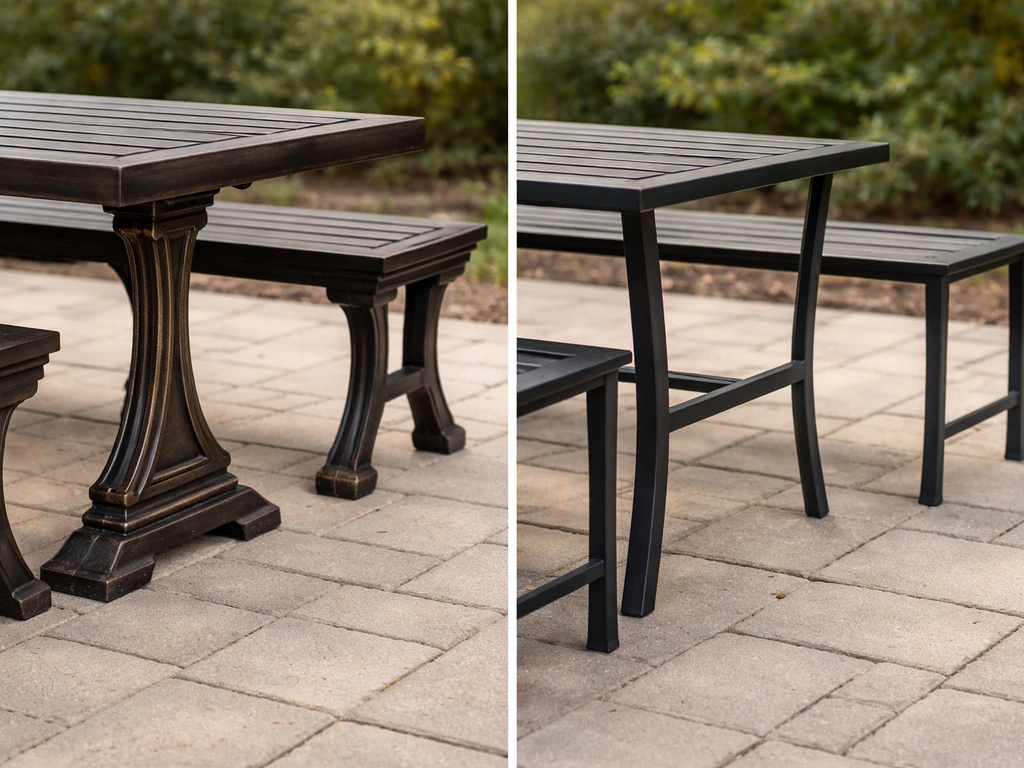
Cast Iron vs Wrought Iron Patio Furniture: Practical Comparison
Compare cast iron vs wrought iron vs steel patio furniture for rust risk, strength, weight, comfort, maintenance, and li
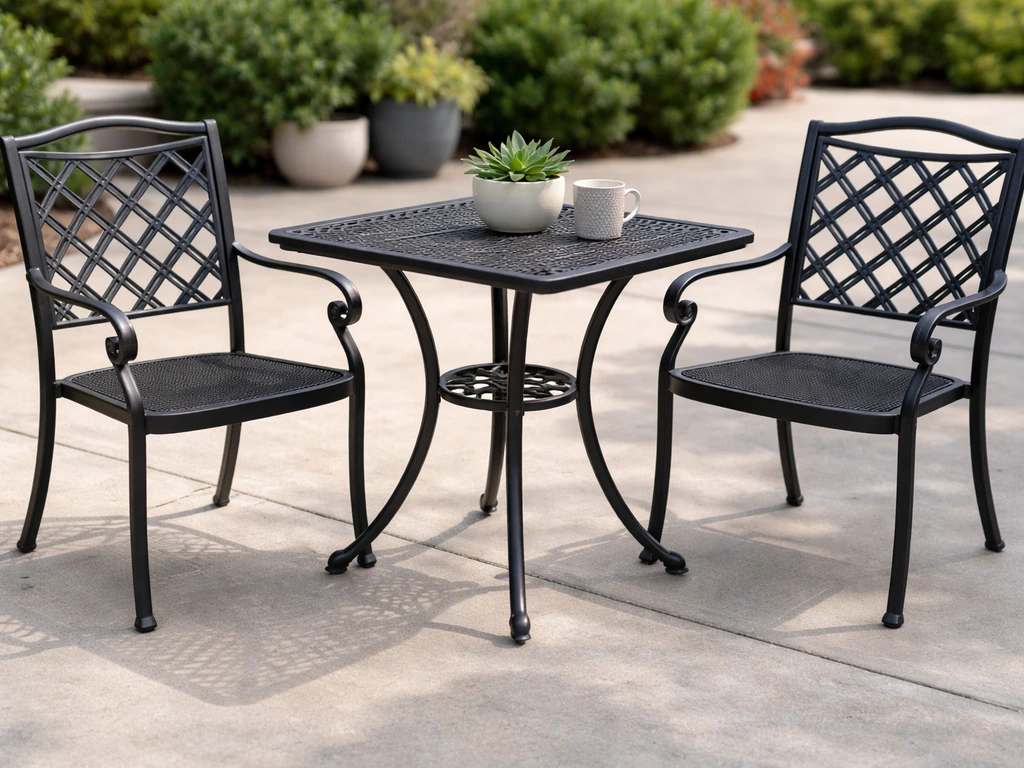
Best Wrought Iron Patio Furniture: Buying Guide and Care Checklist
Buy the best wrought iron patio furniture: quality checks, rustproof finishes, and care steps for long-lasting outdoor u
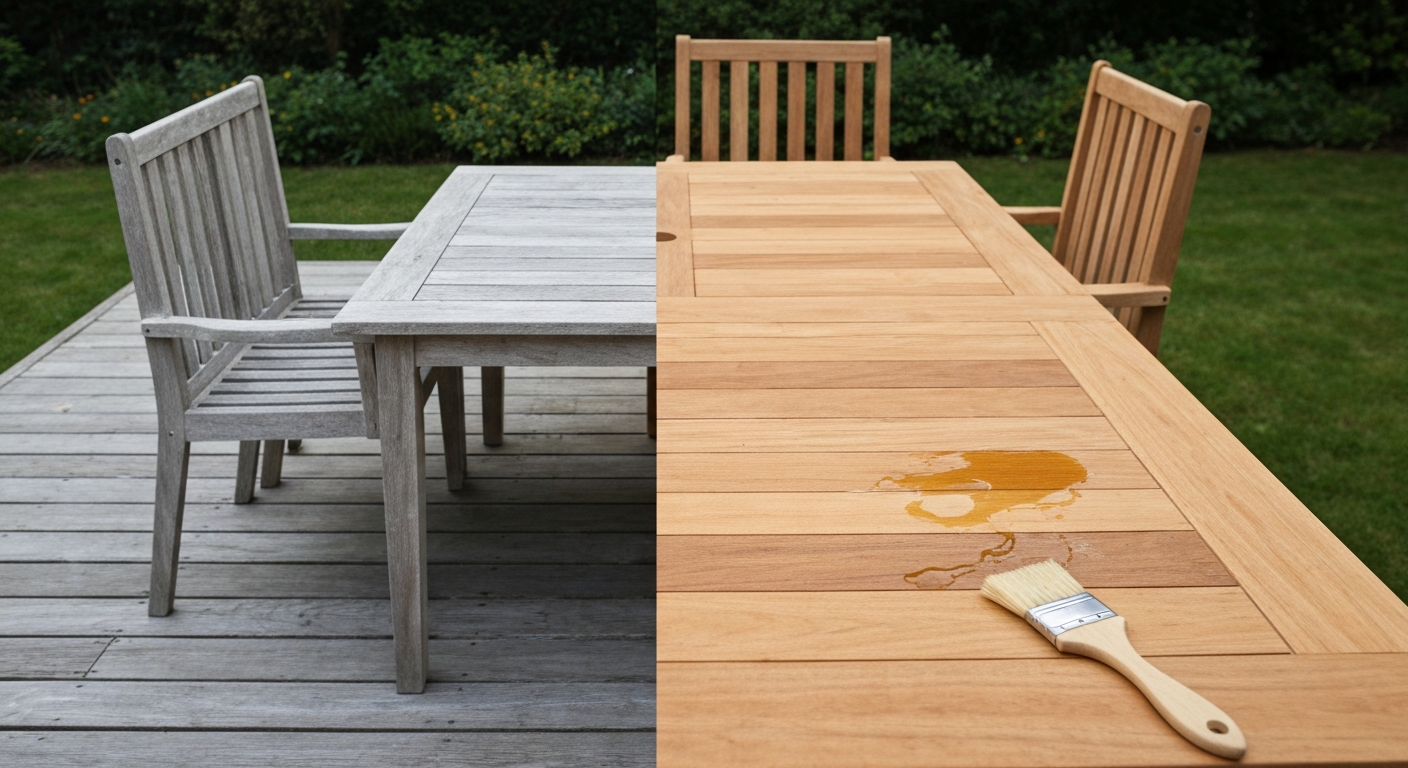
Best Stain for Teak Patio Furniture, Top Picks by Climate
Best stain for teak patio furniture: expert picks, climate-based choices, prep, application, and maintenance tips.