
If you're looking for a Wirecutter-style answer on patio furniture, here it is: the best pick for most people is a powder-coated aluminum frame set with all-weather wicker or sling seating and high-density foam cushions wrapped in solution-dyed acrylic fabric. It handles rain, UV, and humidity better than almost anything else at the same price, it's light enough to move, and it lasts 10 to 15 years with basic care. But that's the general answer. The right pick for you depends on your climate, how you use the space, and how much maintenance you're actually willing to do, and that's what this guide walks through.
Wirecutter Best Patio Furniture Picks for 2026 Buying Guide

Marcus Kellerman
29 May 2026
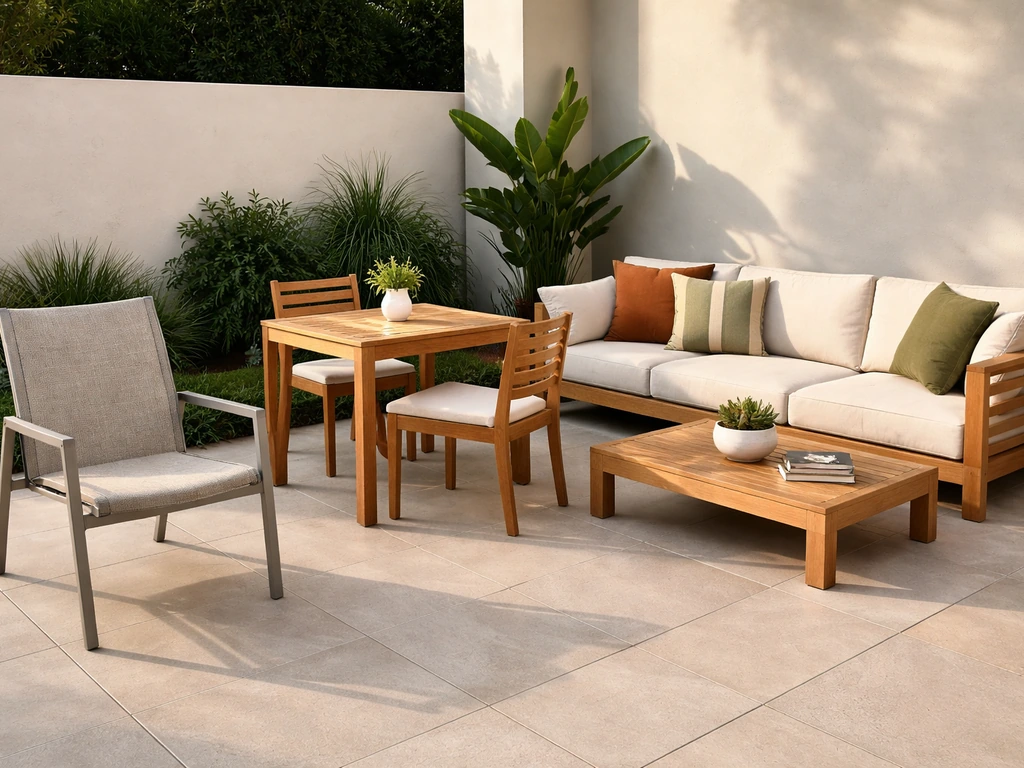
What a Wirecutter-style pick actually means for patio furniture
Wirecutter's methodology, applied broadly, comes down to four things: durability over time, real-world weather performance, comfort under repeated use, and long-term value rather than just sticker price. For patio furniture specifically, that framework means a winning pick survives at least one full seasonal cycle without rust streaks, faded fabric, or wobbly joints. It also has to be repairable, replacement cushions available, hardware accessible, frame cleanable without special products. Repairability is a bigger factor than most shoppers realize. A $400 set you can maintain for 12 years beats a $700 set that's garbage in four.
The other thing Wirecutter-style testing prioritizes is separating frame quality from cushion quality, because they fail at different rates and for different reasons. Even a flawless aluminum or teak frame becomes unusable if the cushions flatten, mold, or crack within two seasons. The best sets treat both the structure and the upholstery as equally important investments. When you're comparing options, always look at both independently.
Top picks by material and style
Each major outdoor furniture material has a specific use case it's genuinely suited for and at least one situation where it underperforms. Here's how they break down.
Aluminum: the best all-rounder
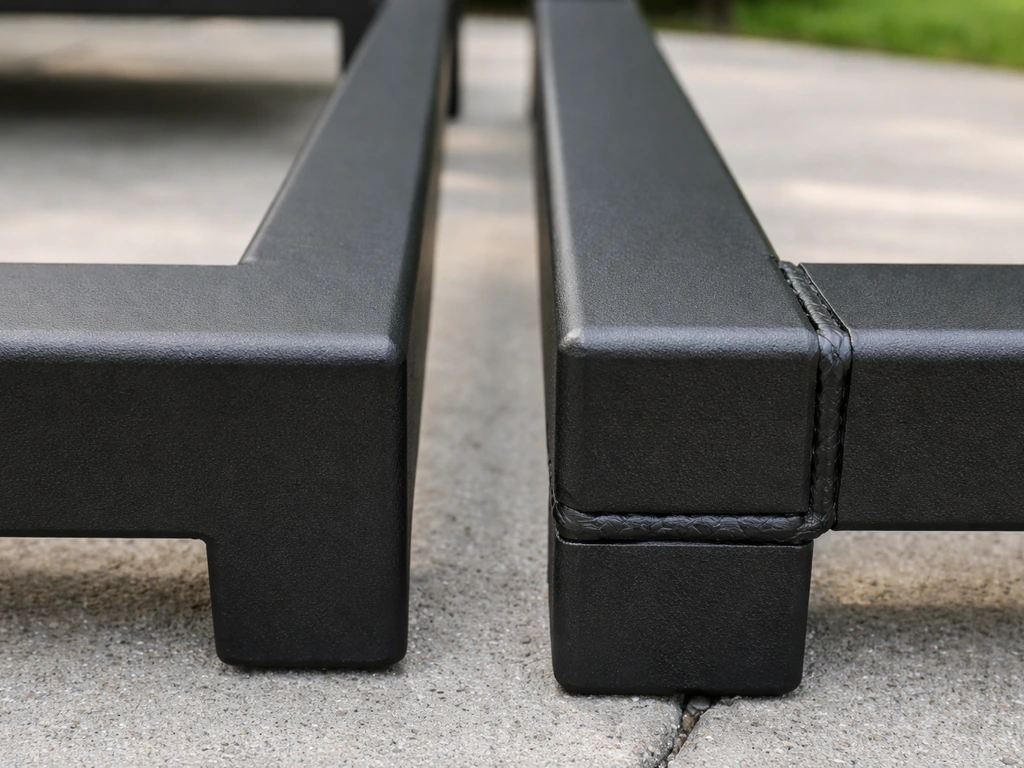
Powder-coated aluminum is the most practical choice for most climates and most budgets. It doesn't rust, it's light enough to rearrange without help, and the powder coating holds color for years if it's applied correctly (look for at least two coats). Cast aluminum is heavier and more ornate than extruded aluminum and holds up in wind better. Extruded aluminum, used in most modern minimalist frames, is lighter and cleaner-looking but can flex if the gauge is too thin. A good thickness for extruded aluminum frames is 1.5mm or more. Anything thinner and you'll feel it wobble.
Teak: the premium long-game material
Teak is the gold standard for outdoor wood because of its natural silica and oil content, which makes it inherently resistant to rot, insects, and moisture without any treatment. A quality Grade A teak set (harvested from the outer, mature part of the log) will last 20 to 30 years outdoors. The catch is price, expect to pay $1,500 to $3,000 or more for a solid teak dining set, and aesthetics. If you leave it untreated, teak weathers to a silvery-gray patina that many people love but some find dull. Annual oiling keeps it honey-brown. For a more affordable alternative, eucalyptus behaves similarly and costs roughly 30 to 40 percent less, though it doesn't match teak's lifespan.
Wicker and resin rattan: comfort and style at mid-range prices
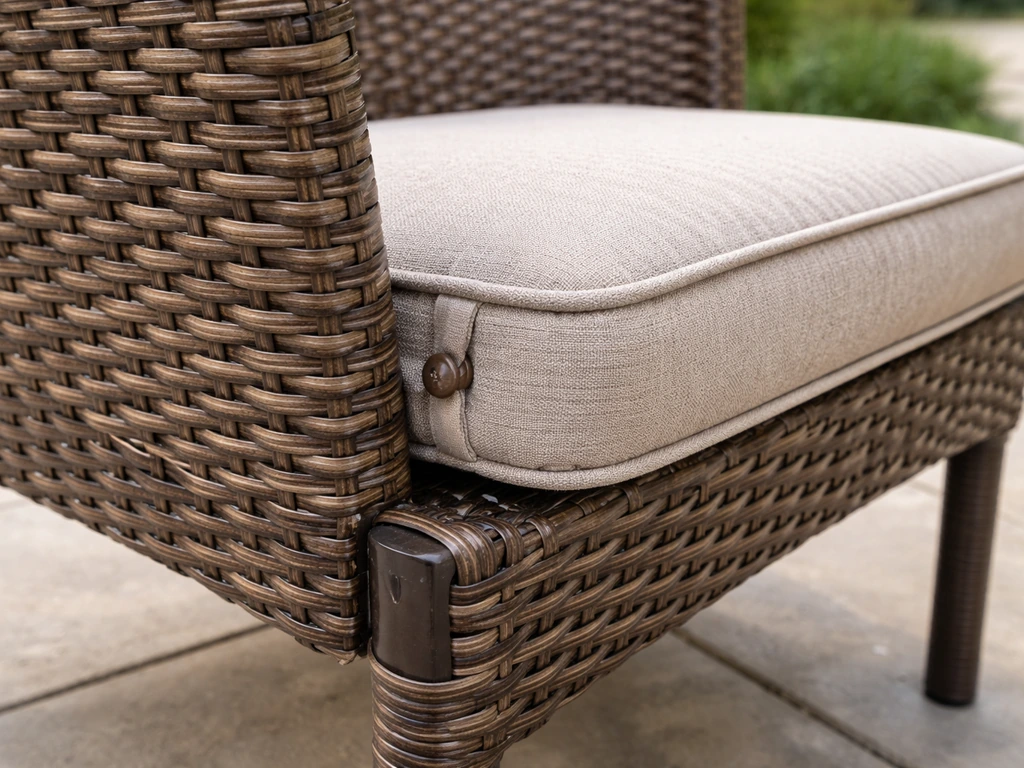
Natural rattan and wicker are genuinely beautiful but are not outdoor materials in wet or cold climates. They fade, crack, and mold when exposed to sustained moisture or freezing temperatures. What works outdoors is all-weather resin wicker, polyethylene strands woven over an aluminum frame. If you want the best value wicker patio furniture, prioritize all-weather resin wicker over natural wicker, and confirm the frame is aluminum for long-term weather resistance. Good all-weather wicker (round resin, not flat) holds its shape and color for 8 to 12 years in most climates. The woven texture is forgiving to sit in without cushions, and the style range is broad. If wicker aesthetics are important to you, this is the right version to buy. Several sibling topics on this site go deeper into wicker quality tiers, value picks, and brand comparisons if you want to drill into that specific category.
Cast iron: the heirloom option
Cast iron outdoor furniture is heavy, cold to the touch, and requires more maintenance than aluminum, but it's also genuinely timeless. A well-made cast iron bistro set can last decades if you repaint it every few years to prevent rust. The weight (a single bistro chair can run 30 to 40 lbs) makes it ideal for windy spots where lighter furniture blows around. It's less practical for large dining or lounging sets because moving it is a serious effort. Best use case: a small, permanent seating area like a front porch or garden corner that you don't reconfigure seasonally.
Treated wood (acacia, teak, eucalyptus, FSC cedar): the natural mid-tier
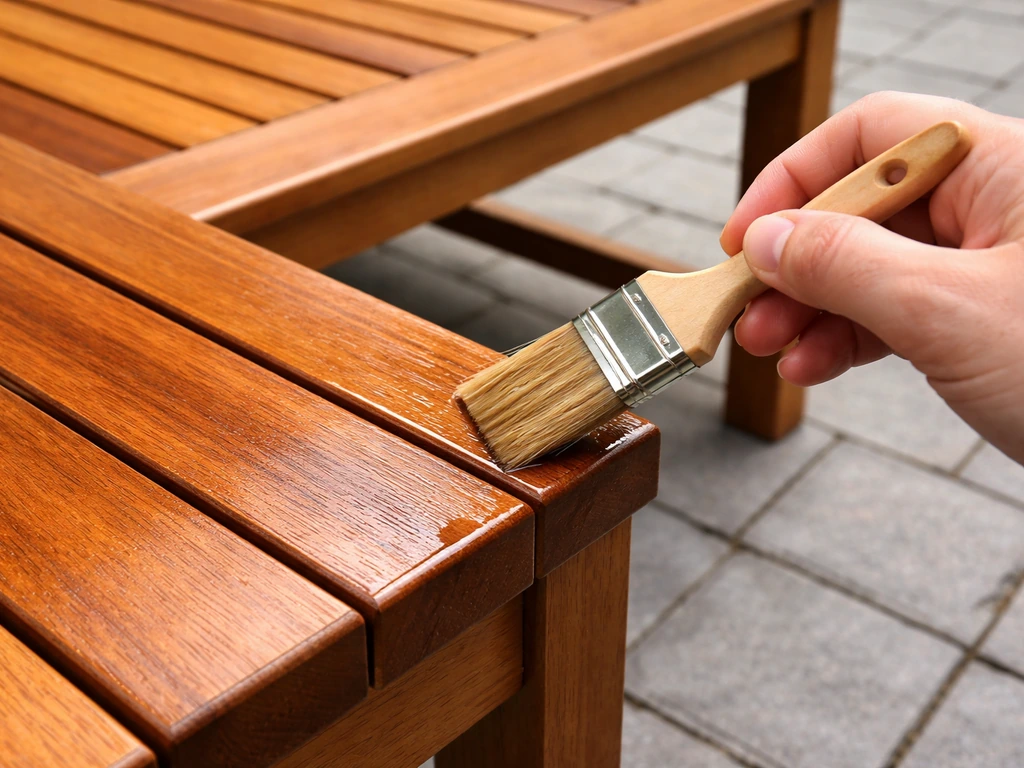
Beyond teak, acacia is the most widely available hardwood in mid-range outdoor furniture. It's dense and naturally oily but less so than teak, meaning it needs annual oiling to prevent cracking and drying in direct sun. Expect 7 to 12 years of solid life with consistent care. FSC-certified cedar is a lighter option with good natural rot resistance, popular in Adirondack chairs and casual loungers. It's easier to work with for DIY repairs but not as dense as tropical hardwoods. The key variable for any wood outdoor furniture is joint construction: reinforced mortise-and-tenon or stainless hardware prevents the loosening that kills most wood sets before the wood itself fails.
| Material | Lifespan (with care) | Best climate | Maintenance level | Relative cost |
|---|---|---|---|---|
| Powder-coated aluminum | 10–15 years | All climates | Low | Mid ($300–$1,500+) |
| Teak (Grade A) | 20–30 years | All climates | Low–medium | High ($1,500–$4,000+) |
| All-weather resin wicker | 8–12 years | All except extreme cold | Low–medium | Mid ($400–$2,000+) |
| Cast iron | 20+ years (with repainting) | Dry, sheltered spots | Medium–high | Mid–high ($200–$1,500+) |
| Acacia/eucalyptus wood | 7–12 years | Moderate, seasonal | Medium | Low–mid ($200–$1,200+) |
| FSC cedar | 5–10 years | Mild, shaded | Medium | Low ($100–$800+) |
Durability and weather resistance by climate
Where you live is one of the most important factors in choosing outdoor furniture, and it's one most buying guides skim over. Here's what actually holds up where.
High rainfall and humid climates
In consistently wet climates (the Pacific Northwest, the Southeast, the Gulf Coast), moisture resistance is the top priority. Powder-coated aluminum and Grade A teak are both excellent. Resin wicker works well if the underlying frame is aluminum (steel frames will rust where the coating chips). Avoid any wood furniture that hasn't been treated with a penetrating oil sealer, and check every year for mold on cushions. Solution-dyed acrylic fabrics (Sunbrella is the most recognized brand) resist mold and mildew significantly better than polyester or standard outdoor fabrics, worth the price premium.
Snow and freezing temperatures
Freeze-thaw cycles are brutal on anything with absorbed moisture. Natural wicker, most woods, and thin-gauge metals can crack or warp. The best choices for cold climates are powder-coated aluminum, teak (which sheds water well), and cast iron (which can stay out but should be repainted regularly). Store or cover all cushions before winter, no fabric or foam is designed to survive repeated freezing wet cycles. If you're in a heavy-snow region, bringing lightweight furniture indoors or into a garage is worth the extra effort.
Intense sun and dry heat
UV degradation is the main enemy in hot, sunny climates like the Southwest or desert regions. Fabrics fade and stiffen, plastics yellow and crack, and wood dries out and splits without regular oiling. Aluminum and teak hold up best. For fabrics, solution-dyed acrylic (where the color goes through the fiber rather than sitting on the surface) lasts significantly longer than solution-coated alternatives. Lighter-colored frames also stay cooler to the touch, which matters if you're in a place where metal bakes in direct sun.
Coastal salt air
Salt air is corrosive and unforgiving. It accelerates rust on steel frames and degrades coatings faster than inland climates. Within a mile of the ocean, avoid any steel framing (even stainless can pit in heavy salt exposure over time). Marine-grade aluminum (6061 or 6063 alloy) or solid teak are the only truly reliable long-term choices. Rinse furniture with fresh water monthly to remove salt buildup. Stainless steel hardware (not zinc or standard plated) is essential at every bolt point, because mixed metals corrode faster than a uniform material.
Best sets for different needs and spaces
Small patios and balconies
The single most useful piece for a small patio is a bistro set: two chairs and a small round table, typically 24 to 28 inches in diameter. Powder-coated steel or cast iron bistro sets fold or stack, which helps in tight spaces. For a balcony that can't handle weight, lightweight aluminum or resin pieces are the right call. Measure your space before buying and leave at least 30 inches of clearance around each chair for comfortable movement. Many people buy a dining set that technically fits the table footprint but becomes uncomfortable because there's no room to pull chairs out.
Dining setups for hosting
For regular outdoor dining, a table that seats six requires roughly a 10x12 foot space minimum to feel comfortable. Extendable tables (aluminum frames with resin or aluminum tabletops) give you flexibility between everyday use and larger gatherings. Look for tables with umbrella holes and a base that actually accommodates a weighted umbrella pole, many cheaper tables have holes that are too small or flimsy to use safely. Dining chairs with contoured backs and armrests hold up for long meals far better than basic side chairs.
Lounging and deep-seating sets
Deep-seating sets (with cushions 5 to 6 inches thick) are designed for relaxation, not dining. The key measurement is seat depth: anything under 22 inches feels cramped for most adults, and anything over 26 inches can be hard to get in and out of without sinking awkwardly. The cushions are doing most of the work in a deep-seating set, so this is where fabric and foam quality matter most. High-resilience foam (1.8 lb density or higher) holds its shape over years of use. Cheaper sets use shredded foam or low-density fill that flattens within a season or two.
Families and high-traffic entertaining
For households with kids, frequent guests, or heavy everyday use, durability and easy cleaning trump aesthetics. Aluminum sling chairs (fabric stretched across the frame with no cushion) are nearly indestructible and extremely easy to clean. Textilene or PVC mesh fabrics dry fast, resist fading, and can be scrubbed without damage. Avoid upholstered pieces with piping or complex seam details in high-traffic setups, those seams hold moisture and dirt and are the first thing to fail. A matching outdoor rug helps define the space and protects any wood decking underneath heavy table legs.
How to buy smart: what actually matters beyond the price tag
Frame construction
Reinforced joints are the most important structural detail to look for. On wood furniture, mortise-and-tenon joints with stainless bolts are far more durable than dowels or staples. On metal frames, look for welded corners rather than screwed brackets. Wobble any display model at the store or shake it in the box at home, a solid frame shouldn't flex noticeably. On wicker pieces, the weave should be tight and even, with no visible gaps at the corners where strands meet the frame.
Cushion quality
Cushion quality is where most budget sets cut corners, and it's the first place they fail. Look for high-density foam (1.8 lbs per cubic foot or more), covers made from solution-dyed acrylic or polyester with a UV-stabilized coating, and concealed or rust-proof zippers. Cushion testing methods used by materials organizations like SATRA include hardness measurement under repeated compression loads, the kind of repeated sitting that flattens cheap foam in one season. SATRA describes its cushion durability testing approach, using hardness measurement plus additional procedures like a pounding test to simulate extended use hardness measurement under repeated compression loads. If you can't find the cushion fill spec, push down firmly on the display piece. If it barely springs back, the foam is low-density. Better-quality brands sell replacement cushions separately, which is a sign they expect their frames to outlast the upholstery.
Price vs. longevity math
Think in cost-per-year rather than sticker price. A $600 set that lasts 5 years costs $120/year. A $1,200 set that lasts 15 years costs $80/year and looks better doing it. That math shifts even further when you factor in replacement costs, if you buy cheap twice in 10 years, you've paid more than the premium set and dealt with the hassle of disposing of and reassembling furniture. The middle of the market ($800 to $1,800 for a complete dining or lounge set) tends to offer the best longevity-per-dollar, with quality dropping sharply below $500 and returns diminishing above $2,500 unless you're buying solid teak or cast aluminum. For a similar idea in the wicker world, compare the best wicker patio furniture for the money using cost-per-year, not just the sale price.
Hardware and fasteners
Stainless steel hardware is non-negotiable for anything staying outdoors year-round. Zinc-plated or galvanized bolts look fine at purchase but corrode within two or three seasons in wet climates. Check the hardware spec in the product description, any reputable brand will list it. On assembling your furniture, apply a small amount of marine-grade anti-seize compound to any bolts you might want to remove later. It prevents corrosion welding, which otherwise makes disassembly almost impossible after a few years outdoors.
Care, maintenance, and repair: how to make it last
Routine cleaning
Most outdoor furniture needs nothing more than a hose-down and mild soap (dish soap works fine) two or three times a season. For resin wicker, use a soft brush to get into the weave. For aluminum, rinse thoroughly after any salt exposure. For teak or acacia, a teak cleaner followed by a penetrating oil once a year keeps the wood from drying and cracking. Don't pressure-wash wood furniture at high PSI, it raises the grain and introduces moisture into the joints faster than it removes dirt.
Cushion care
Stand cushions on edge after rain so water drains out rather than pooling in the foam. Most solution-dyed acrylic covers can be spot-cleaned with diluted bleach (1/4 cup per gallon of water) without damage, check the manufacturer's label first. Store cushions indoors or in a weatherproof deck box during extended wet periods or whenever you're away for more than a week. If mold appears, scrub with a diluted bleach solution, rinse thoroughly, and dry completely in the sun before storage. Never store damp cushions in a closed bin.
Covers and seasonal storage
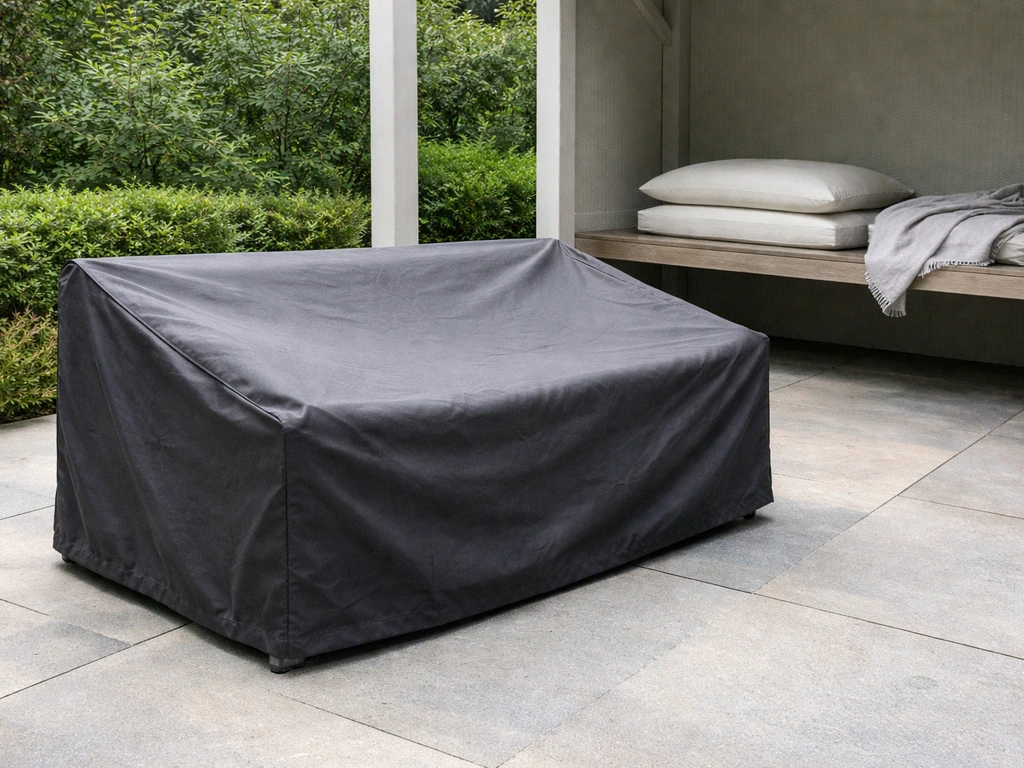
Furniture covers extend lifespan measurably, especially for cushions and upholstered pieces. Use covers sized for your specific furniture dimensions, an ill-fitting cover pools water in folds instead of shedding it. Look for covers with vents (small mesh panels) to prevent condensation buildup underneath, and tie-down straps or elastic hems so wind doesn't blow them off. For harsh winters, bringing lightweight aluminum pieces into a garage adds years to their finish life. Cast iron and heavy teak can stay out but benefit from covers and a coat of oil or paint before the cold season.
Basic repairs
For aluminum frames, touch up any scratched or chipped powder coating with spray paint matched to the original color, this prevents the underlying metal from oxidizing. For cast iron, sand any rust spots to bare metal, treat with a rust converter, and repaint with outdoor metal paint. For wood, tighten any loose joints by removing the bolt, cleaning the joint surfaces, applying exterior wood glue, reassembling, and clamping overnight before retightening. On resin wicker, broken strands can be re-woven using replacement rattan reed stock sold by the foot online, it's tedious but doable and much cheaper than replacing the set.
Your shopping checklist and next steps
Before you buy anything, run through this list. It takes about 10 minutes and will save you from the most common patio furniture regrets.
- Measure your space and mark it with painter's tape or a garden hose before shopping — include clearance around chairs and a path to any door.
- Decide on your primary use case: dining, lounging, or both. This determines whether you need a dining set, a deep-seating sectional, or a combination.
- Identify your climate's main threat: moisture, UV, salt, or cold. Choose your frame material accordingly (aluminum or teak for most threats, cast iron for wind).
- Set a realistic budget using cost-per-year math: multiply expected years of use by your acceptable annual spend to get your target price range.
- Check cushion fill density and fabric type before buying — look for 1.8 lb+ foam and solution-dyed acrylic or UV-stabilized polyester covers.
- Verify hardware is stainless steel, not zinc-plated, especially if you're within a few miles of saltwater.
- Confirm replacement parts availability: can you buy new cushions, replacement straps, or hardware directly from the brand in two or three years?
- Plan for storage or covers before winter or storm season — factor in where you'll store cushions and whether you need a deck box or shed space.
- Check whether wicker-specific or non-wicker options better fit your aesthetic and maintenance tolerance — both categories have strong picks at different price points.
- Read at least five customer reviews specifically mentioning year two or three of ownership, not just first impressions — that's where durability shows up.
Once you've worked through the checklist, you'll have a clear material, a budget range, and a use case locked in. From there, the decision usually comes down to two or three specific sets rather than an overwhelming field of options. If you're torn between wicker and a harder material like aluminum or teak, the non-wicker category offers genuinely different aesthetics and maintenance profiles worth exploring alongside the wicker options. If you want patio furniture that is not wicker, aluminum and teak are two of the most durable, low-maintenance categories to compare first non-wicker category. If you're specifically trying to find the best non-wicker patio furniture, focus on materials like powder-coated aluminum, teak, and cast iron and match them to your climate. Either way, buying with longevity in mind, frame quality, cushion specs, hardware materials, and a care plan, is exactly how a Wirecutter-style pick earns its recommendation.
FAQ
What should I do if I want Wirecutter best patio furniture but I cannot bring cushions inside when it rains?
If you leave cushions out all season, prioritize a full solution-dyed acrylic cover, high-resilience foam (about 1.8 lb density or higher), and zippers that are rust-resistant. For humid or rainy climates, choose sling or deep-seating sets only if the brand specifies mildew-resistant fabric treatment and offers replacement cushions separately.
How can a powder-coated aluminum patio set still rust, and what can I check right away?
Even the best aluminum frame can fail early if the powder coating chips at weld points. After delivery, inspect corners and any bolt-on areas, then touch up scratches promptly with color-matched spray paint to prevent oxidation where coating damage starts.
I have a small patio, how do I measure correctly so dining chairs do not feel cramped?
For wired patterns or under-seat storage, measure seat height from the floor, plus the clearance behind chairs for pulling out. A 10x12 dining space rule works, but if your chairs have arms, you often need an extra few inches for comfortable arm clearance when people stand up.
Is all-weather resin wicker actually “winter-proof,” or should I store it?
If your area gets heavy rain or frequent freeze-thaw, avoid any natural wicker or unfinished wood. Use all-weather resin wicker only if it is woven over an aluminum frame, and plan for cushion storage or at least draining cushions on edge after wet days.
How do I tell whether a wicker or lounge set will be easy to repair over time?
Woven resin can stretch and foam can flatten. Look for replacement cushion availability and consider snap-on or zip-off covers that can be cleaned and dried quickly. If the cushion system is proprietary, you may be stuck replacing everything instead of renewing upholstery.
What is the difference between solution-dyed acrylic and other “outdoor fabrics” that claim UV resistance?
Solution-dyed acrylic typically holds color longer, but you still need to protect it from lingering moisture. In hot climates, keep fabrics clean of sunscreen and body oils, since residue accelerates stiffness and fading even when UV-resistant.
Why does my patio furniture wobble after a few months, and what maintenance fixes it?
Do a wobble test at home after assembly, not just in the store. Tighten fasteners after the first week of use, because some frames settle slightly, and recheck annually. If bolts are zinc-plated, plan on replacing or sealing them for year-round exposure.
What changes if I live near the ocean, even if my patio is covered?
For salt air, prioritize marine-grade aluminum alloy and stainless hardware at every bolt point, then rinse furniture monthly with fresh water. Also wipe down after windy storms, where salt spray lands as a film that can hide under cushion seams and straps.
Can I use a pressure washer on patio furniture if I want it to look new?
A hose-down is usually enough for aluminum and resin wicker, but foam and fabric need drainage and drying. Stand cushions on edge after rain, and only spot-clean with diluted bleach after verifying the manufacturer label, because some premium coatings are sensitive to strong cleaners.
What’s the best option for families, sling chairs or cushion-heavy deep seating?
If you have kids or frequent guests, sling or mesh seating is usually the most forgiving, but confirm the frame is aluminum and the mesh is PVC or Textilene rated for outdoor UV. Avoid complex piping and tight seams on upholstered pieces because they trap dirt and take longer to dry.
How do I choose deep-seating furniture so it is comfortable instead of awkward?
For deep-seating sets, choose cushions that are thick enough to support you without sinking, then verify the seat depth (22 to 26 inches is a comfortable range for most adults). If seat depth is right but the cushion is wrong, you still get “hammock” feel, so foam spec matters as much as fabric.
Should I buy a furniture cover, and how do I choose one that actually helps?
Cushion covers should fit tightly but not strain at corners, because water collects where fabric bunches. If you buy a cover, look for ventilation panels to reduce condensation and straps or elastic hems to prevent billowing and water trapping during wind or rain.
What is the safest way to store cushions and furniture for winter?
For storage, cushions should be fully dry first, then stored in vented conditions if possible. Never store damp cushions in a closed bin, and if you live where freeze-thaw is common, keep lightweight frames and loose cushion sets indoors or in a garage to prevent moisture absorption.
Next Articles
Is Teak Patio Furniture Good? Durable, Smart Buying Guide
Is teak patio furniture good? Evidence-based verdict, lifespan, care, buying tips, comparisons, and eco guidance.
How Long Does Teak Patio Furniture Last? Lifespan Guide
Teak patio lifespan ranges, factors that shorten or extend durability, and a maintenance plan to protect joints and fini
High Quality Teak Patio Furniture: How to Choose and Care
Checklist for buying high quality teak patio furniture, spot real construction, compare materials, and maintain it by cl