
You can absolutely get durable, comfortable patio furniture without paying resort prices. Choosing home good patio furniture that matches your climate helps it hold up for years without paying resort-level prices. The key is shifting how you think about "affordable": stop looking at the sticker price and start thinking about cost per year of use. A $300 set that falls apart in two seasons is far more expensive than a $700 set that lasts a decade. Once you lock in that mindset, the shopping math gets a lot clearer. The materials you choose, the specs you check, and the climate you live in will do more to determine your real-world value than any sale tag ever will.
Affordable Quality Patio Furniture: Buy Smart for Long Life

Marcus Kellerman
26 May 2026
What "Affordable Quality" Actually Means
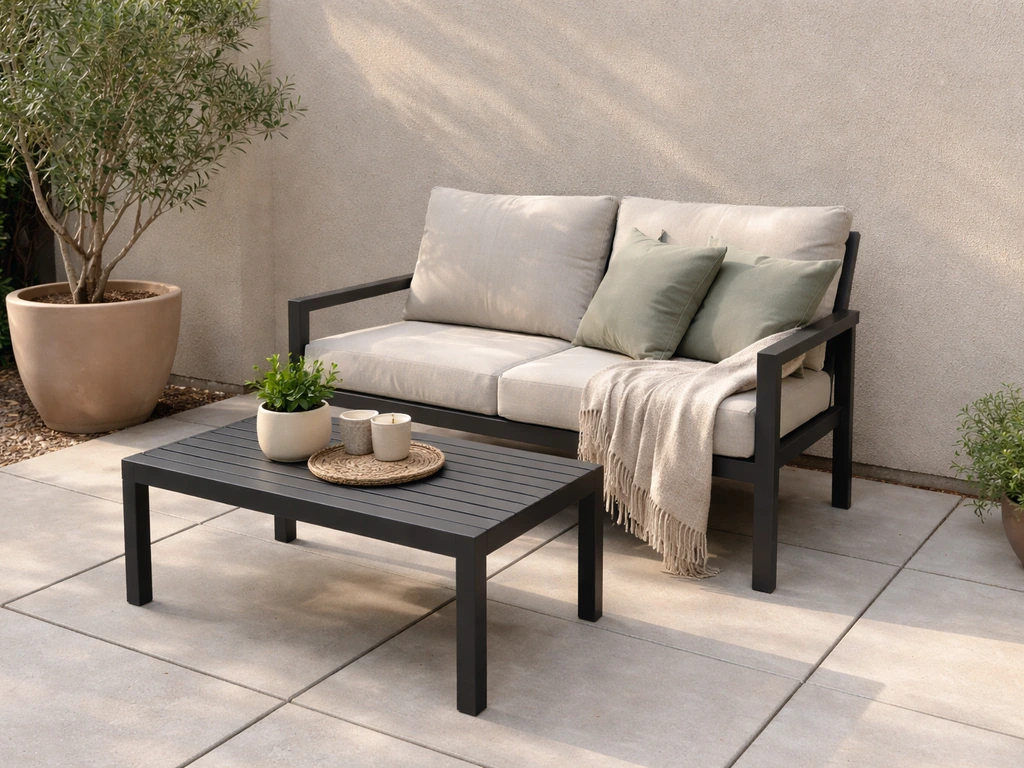
Quality and affordability aren't opposites. They just require different evaluation criteria than most shoppers use. The trap is treating outdoor furniture like a consumable. It isn't. It's a multi-year investment that lives in one of the harshest environments in your home, exposed to UV, rain, temperature swings, and humidity 365 days a year. Framing value through that lens changes everything about how you shop.
Here's a quick value checklist to run before any purchase. If a piece passes most of these, it's likely to be genuinely good value rather than just cheap.
- Frame warranty of at least 3 to 5 years: aluminum with powder coat from reputable retailers regularly comes with 5-year limited warranties, and some structural coverage runs as long as 7 years. Use warranty length as a quality signal.
- Fabric rated for outdoor UV and moisture: look for solution-dyed acrylic (Sunbrella is the benchmark), which carries a 5-year limited warranty from major retailers. Avoid polyester labeled only as "water-resistant" with no UV rating.
- Cushion seam and construction quality: budget cushions often fail at seams first. One-year warranty coverage on cushion seams is baseline; anything less is a red flag.
- Frame construction: welded joints on aluminum, not just bolted or crimped. Poor prep during welding creates porosity and weakens the joint over time.
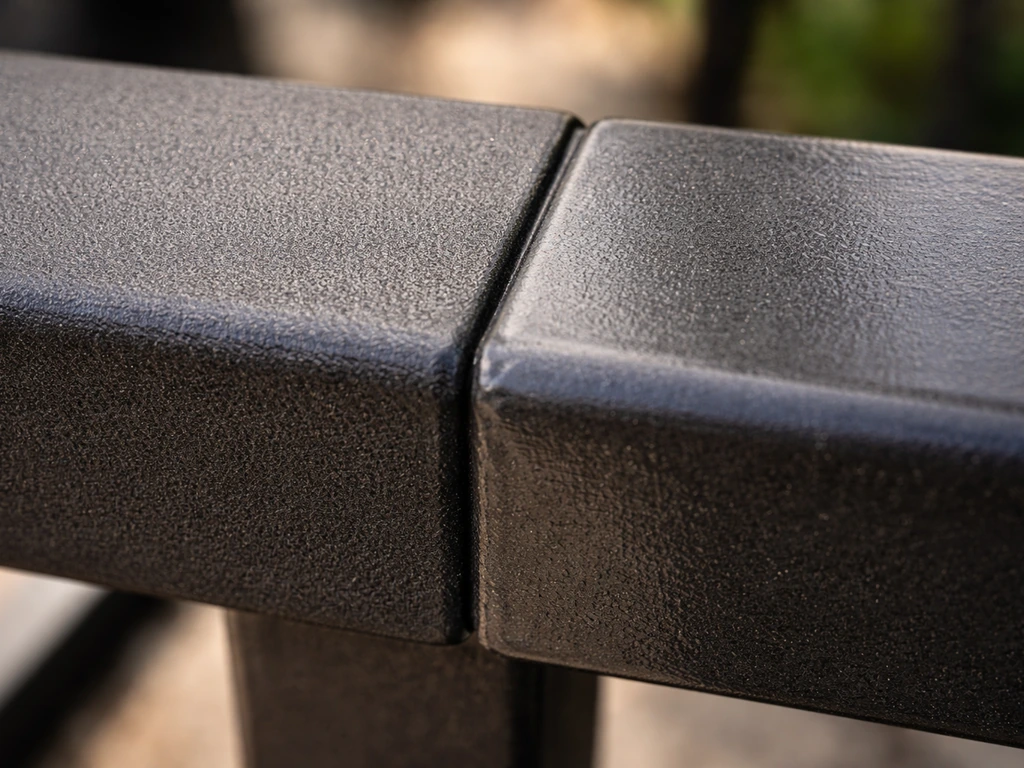
- Finish quality on metal: powder coat should be thick, evenly applied, and baked on (not spray-painted). Thin or poorly cured powder coat chips easily, and exposed metal will oxidize.
- Weight and feel: lightweight aluminum that flexes when you sit is using thin-gauge tubing. Pick it up. Heavier gauge feels solid. It usually is.
- Return policy and brand support: if a brand won't stand behind a product with a real warranty or clear returns process, walk away.
- Estimated cost per year: divide the price by the realistic lifespan for that material in your climate. A $500 aluminum set lasting 10 years costs $50/year. A $200 set lasting 2 years costs $100/year.
It's also worth knowing the tradeoffs you're accepting when you stay under a certain budget. At the $200–$500 range for a full set, you're typically getting lighter-gauge frames, entry-level fabric, and minimal warranty coverage. From $500–$1,200, you start getting heavier construction, better powder coat, and quality fabric options. Above $1,200 is where you're paying for premium materials, brand names, or commercial-grade specs. Genuinely affordable quality almost always lives in that middle tier.
Material by Material: What Actually Holds Up Outside
Every material has a sweet spot for climate, budget, and maintenance commitment. There's no single best material for all situations, but there are clear winners for specific needs. Here's an honest breakdown of each.
Aluminum
Aluminum is the closest thing to a universal recommendation for affordable quality outdoor furniture. It doesn't rust, it's lightweight, and a good powder-coat finish resists UV, chipping, and moisture for years. The critical spec is frame gauge and weld quality. Budget aluminum uses thin tubing with crimped or poorly welded joints.
Better-value aluminum uses heavier gauge with fully welded joints where the prep and cleaning process is done right before welding, which prevents the porosity that causes structural failure down the road. Powder-coat finish quality matters enormously here: a thick, properly cured coat resists chipping, and if it does chip, you can touch it up before oxidation starts. Clean it periodically with mild dish soap and water, never leave cleaning products sitting on the surface, and touch up any chips immediately.
That's genuinely low maintenance. If you want pieces that match that kind of low-maintenance, outdoor-ready approach, life is good patio furniture is worth a look.
Teak
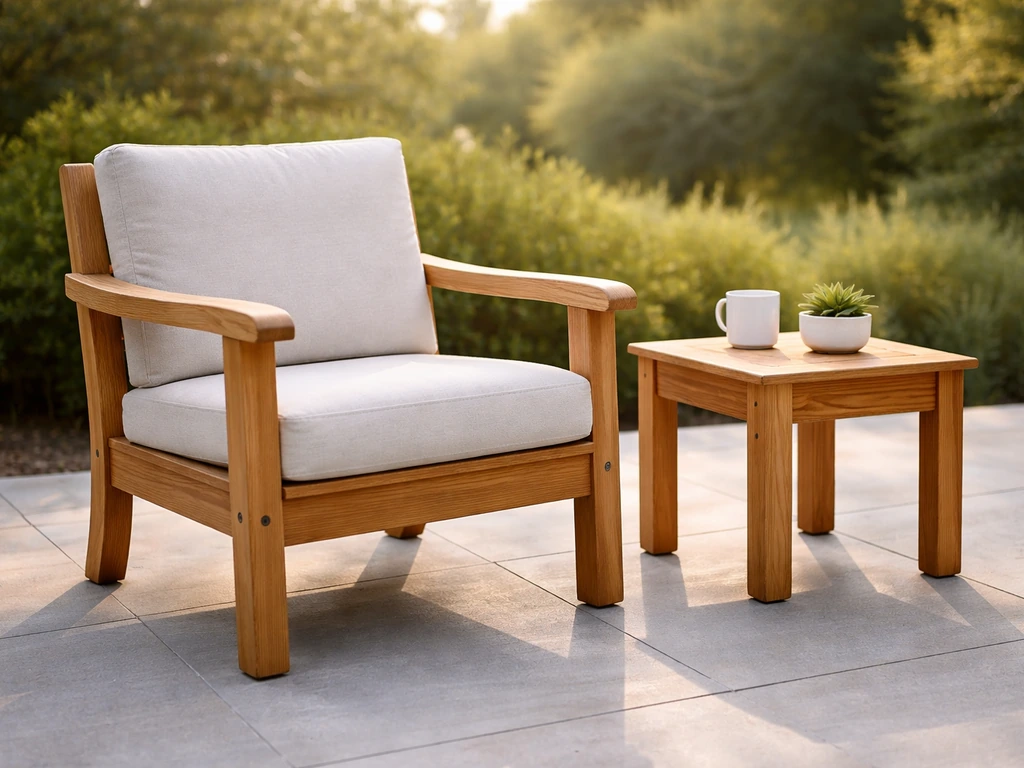
Teak is the gold standard for outdoor hardwood, and with good reason. Its natural oil content makes it inherently resistant to moisture, insects, and rot without any treatment at all. Left untreated, it weathers to a silver-gray patina that many people love. If you want to maintain the honey-brown color, you'll need to treat it regularly.
The choice between teak oil and teak sealer matters here: oil supports the natural look and allows easy spot touch-ups, but requires more frequent reapplication; sealer provides stronger protection and simpler long-term maintenance but is harder to reverse. For the budget-conscious, the good news is that teak's durability means you can often find solid used or clearance pieces that still have decades of life in them. The bad news is that entry-level "teak" pricing is still higher than aluminum.
It's a genuine long-term investment material.
Acacia Wood
Acacia is the affordable alternative to teak in the hardwood category, and it punches above its price point when properly maintained. It's dense, attractive, and widely available. The catch is that it needs more care than teak. You'll want to clean it regularly, apply a protective oil or sealer seasonally, cover or store it when not in use, and make sure it dries completely after rain. Acacia that's neglected weathers and checks (develops surface cracks) faster than teak. But acacia that's looked after consistently can last many years and deliver excellent value. Think of the maintenance as the price you pay for getting hardwood aesthetics at a lower entry cost.
Synthetic Wicker (HDPE/PE Resin)
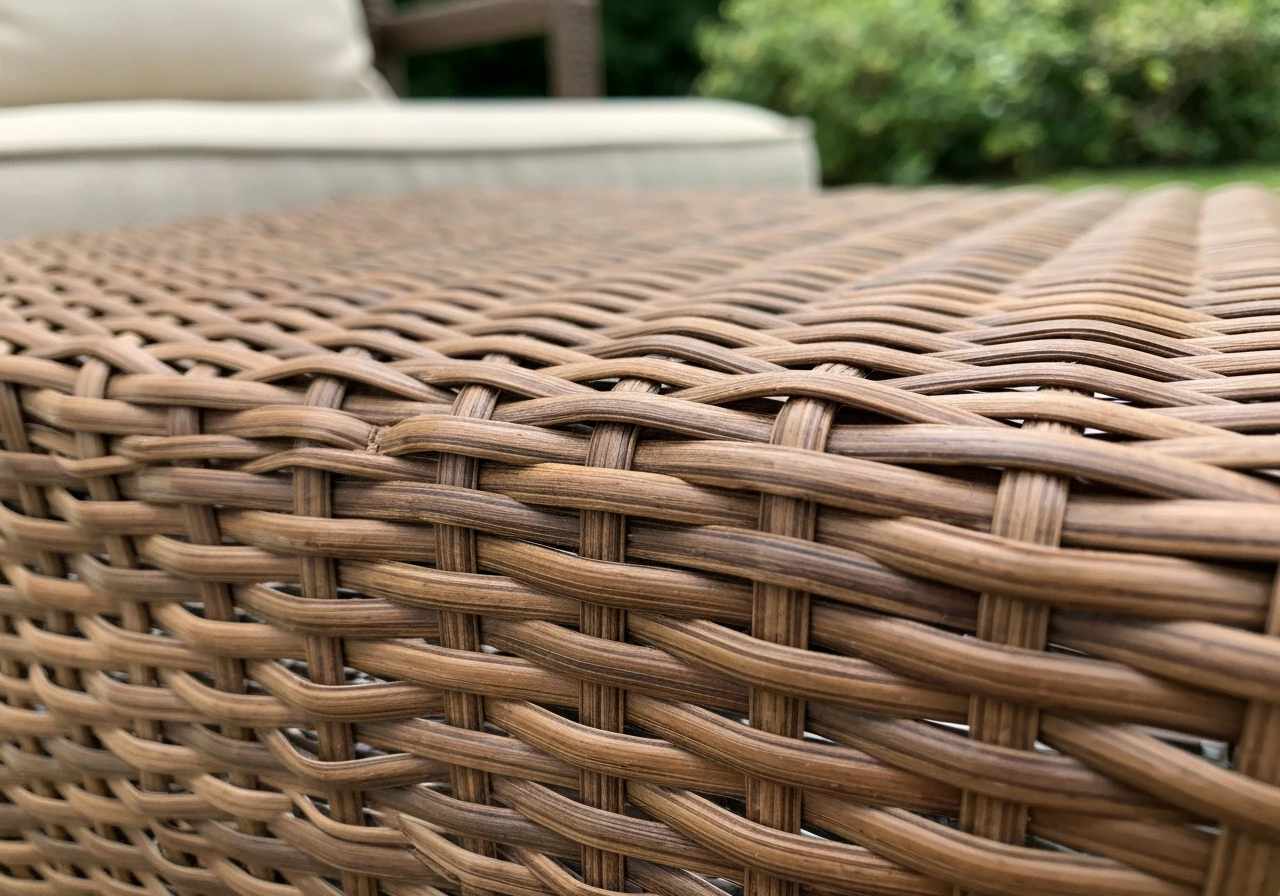
"Wicker" is one of the most misused words in outdoor furniture marketing. Natural rattan wicker absolutely cannot live outside year-round. It will crack, split, and deteriorate fast. What you want for outdoor use is [synthetic wicker made from HDPE (high-density polyethylene) or PE resin.
](https://www. seasonalliving. com/wp-content/uploads/2011/08/PLATO-COLLECTION-PRODUCT-CARE-042511. pdf) The best versions have UV inhibitors and color mixed directly into the resin, so they don't fade or become brittle over time.
HDPE specifically scuffs less easily and holds up better than cheaper PVC-based alternatives. When shopping, look past the word "wicker" and find out what the weave is actually made of. A listing that says "resin wicker" without specifying HDPE or PE is a yellow flag; cheap PVC resin-wicker gets brittle in UV and snaps. Pair HDPE wicker with a solid aluminum or powder-coated steel frame and you have a combination that genuinely weathers well.
Natural Rattan
Natural rattan belongs indoors or in a covered lanai where it never sees rain or direct sun. It's beautiful and relatively affordable, but it's a plant fiber. Moisture swells it, UV dries it out, and outdoor conditions will destroy it within a few seasons. If you love the rattan aesthetic outdoors, get the HDPE synthetic version and save natural rattan for covered spaces.
Cast Iron
Cast iron outdoor furniture is heavy, classic-looking, and genuinely long-lasting when maintained. The durability story is really about the protective coating: once rust starts, it spreads under the coating through a process called undercutting, and it accelerates fast in humid or coastal environments. Cast iron with a thick, quality protective coating in a dry climate can last decades. The same piece in a wet or salty environment will demand regular inspection, spot treatment, and repainting every few years. This is the highest-maintenance metal option. For most buyers, aluminum delivers similar longevity with far less upkeep. Cast iron makes sense if you want the specific aesthetic and are committed to the maintenance routine.
Steel (Powder-Coated)
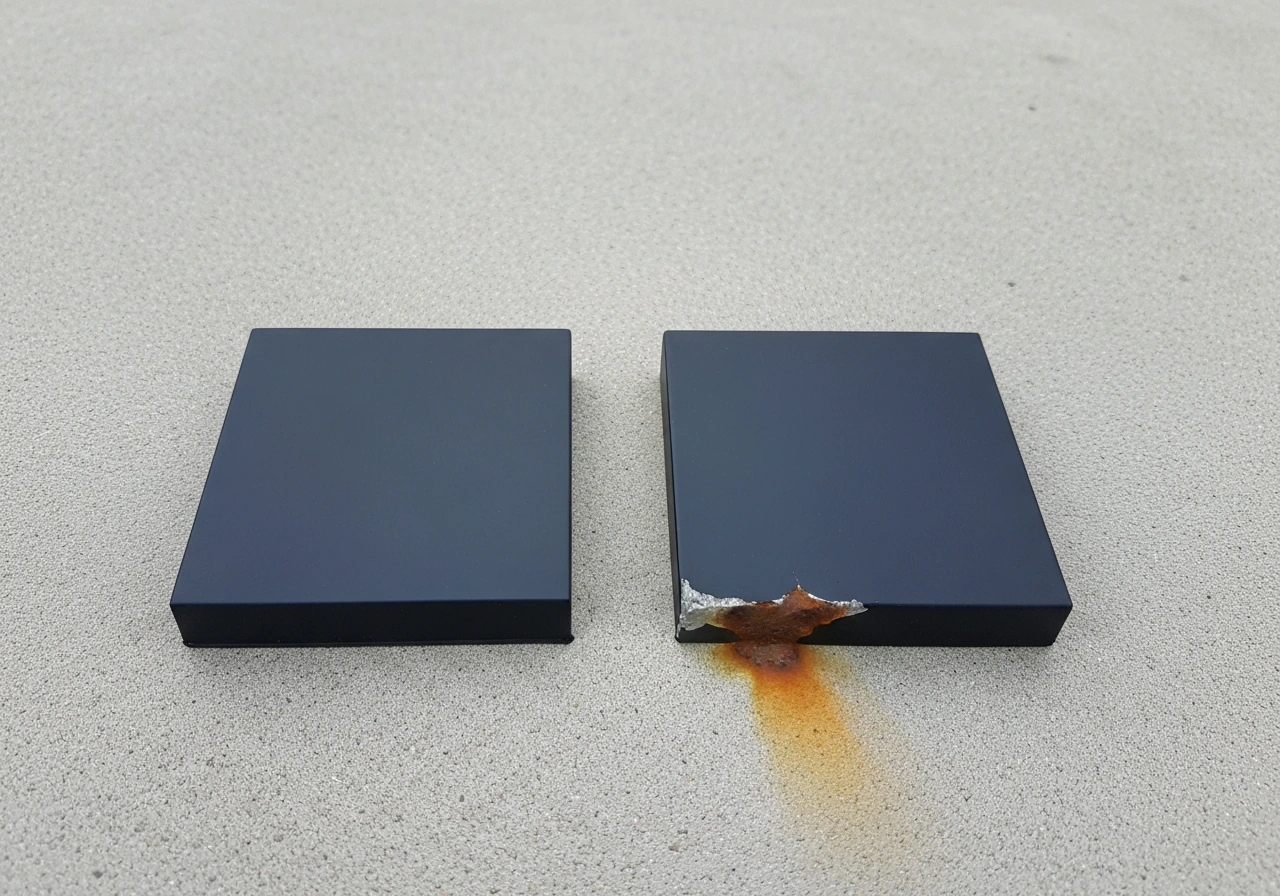
Standard steel outdoor furniture is heavier than aluminum and more prone to rust if the coating is compromised. Important caveat: many retailers exclude corrosion and rust from warranty coverage on steel and iron furniture, so check the exclusions before you buy. Steel can be good value in dry climates where coating integrity is easier to maintain. In humid, rainy, or coastal areas, aluminum is almost always the smarter choice for similar money.
| Material | Best For | Maintenance Level | Rust/Rot Risk | Typical Budget Range (Set) |
|---|---|---|---|---|
| Aluminum (powder-coated) | Most climates, low-maintenance buyers | Low | Very low if coat is intact | $400–$1,200 |
| Teak | Wet climates, long-term investment | Low to medium | Very low | $800–$3,000+ |
| Acacia Wood | Moderate climates, budget hardwood | Medium to high | Moderate without care | $300–$900 |
| HDPE Synthetic Wicker | Covered patios, sun/rain exposure | Low | None (non-metal frame aside) | $400–$1,200 |
| Natural Rattan | Covered/indoor spaces only | High | High outdoors | $200–$700 |
| Cast Iron | Dry climates, traditional aesthetic | High | High if coating fails | $400–$1,500 |
| Steel (powder-coated) | Dry climates, budget | Medium | Moderate to high | $200–$800 |
Match Your Furniture to Your Climate
Your local weather is the single biggest factor in how long any piece of furniture will last. Buying without considering climate is one of the most expensive mistakes you can make with outdoor furniture.
Coastal and Salt Air Environments
Salt accelerates corrosion on every metal surface. For coastal buyers, aluminum with a quality powder-coat finish is the material to default to for frames. Cast iron and standard steel are genuinely problematic here because salt air will find any tiny breach in the coating and rust will spread underneath it fast. If you love the cast-iron look, plan on inspecting it every season and recoating any compromised areas immediately. For wicker-style furniture, HDPE synthetic wicker on an aluminum frame is an excellent coastal choice. Teak also handles salt air beautifully thanks to its natural oil content. Whatever you buy near the coast, rinse it down regularly to remove salt buildup before it starts working on surfaces.
High Rainfall, Humidity, and Snow
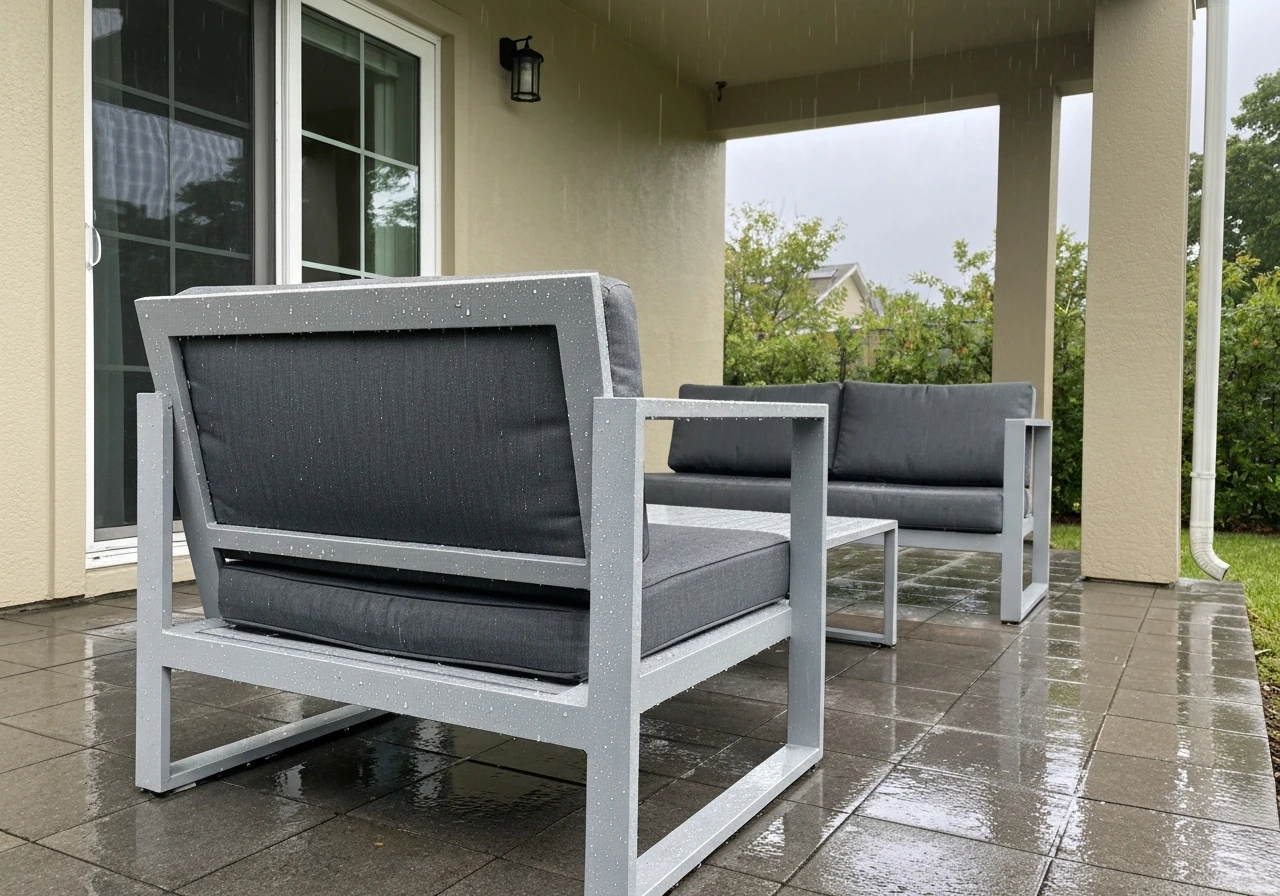
Wet climates punish anything that absorbs moisture. Natural rattan, untreated wood, and poorly sealed cushion foam all suffer. Aluminum and teak are the standouts here because neither is damaged by prolonged moisture exposure. For wood lovers in rainy climates, teak is worth the investment; acacia can work but needs more diligent sealing and should be stored or covered in wet seasons. Cushions need fabric that drains and dries fast, and foam that doesn't hold water. Look for open-cell outdoor foam or quick-dry foam cores, not repurposed indoor cushion foam. In snow climates, store anything that isn't aluminum or teak indoors or under proper covers for winter. The freeze-thaw cycle is brutal on coatings, sealers, and woven materials.
Intense Sun and UV Exposure
High UV climates destroy cheap fabric in one season. The fix here is solution-dyed acrylic fabric for cushions and any upholstered surfaces. The reason it lasts is structural: the color is locked into the fiber itself during manufacturing, not applied to the surface, so UV can't bleach it out the way it destroys printed or surface-dyed fabric. A 5-year warranty on solution-dyed acrylic fabric from a major retailer is a realistic baseline. For frames and finishes in intense sun, check that powder coat is UV-rated. Cheaper powder coats not formulated for outdoor UV will chalk and fade. HDPE resin wicker with UV inhibitors built into the material handles intense sun significantly better than PVC-based alternatives.
Hot and Dry Climates
Dry desert climates are actually forgiving for metal furniture since corrosion risk is low. Cast iron and powder-coated steel work reasonably well here where they'd be problematic near the coast. The bigger concerns in arid climates are UV bleaching of fabrics and drying/cracking of wood. For wood furniture in hot, dry regions, choose a denser hardwood like teak or well-sealed acacia and apply a UV-protective sealer rather than just oil. Lighter oils may evaporate too fast in high heat to be effective.
How to Shop Smart and Avoid the Cheap Traps
Most low-quality outdoor furniture fails in predictable ways, and most of those failure modes are detectable before you buy if you know what to look for. Here's how to shop with a skeptical, practical eye.
Read Warranties Before You Buy, Not After
Warranty terms tell you exactly what a manufacturer believes about their own product. A 7-year structural/frame warranty on powder-coated aluminum is a strong vote of confidence. A 90-day warranty on everything is a red flag. Read the exclusions carefully: some warranties explicitly exclude corrosion, rust, and oxidation on steel and iron, which means you're on your own the moment moisture gets under the coating. For fabric, a 5-year limited warranty on solution-dyed acrylic is achievable and worth looking for. Cushion seam coverage of even one year is baseline acceptable.
Frame and Weld Red Flags
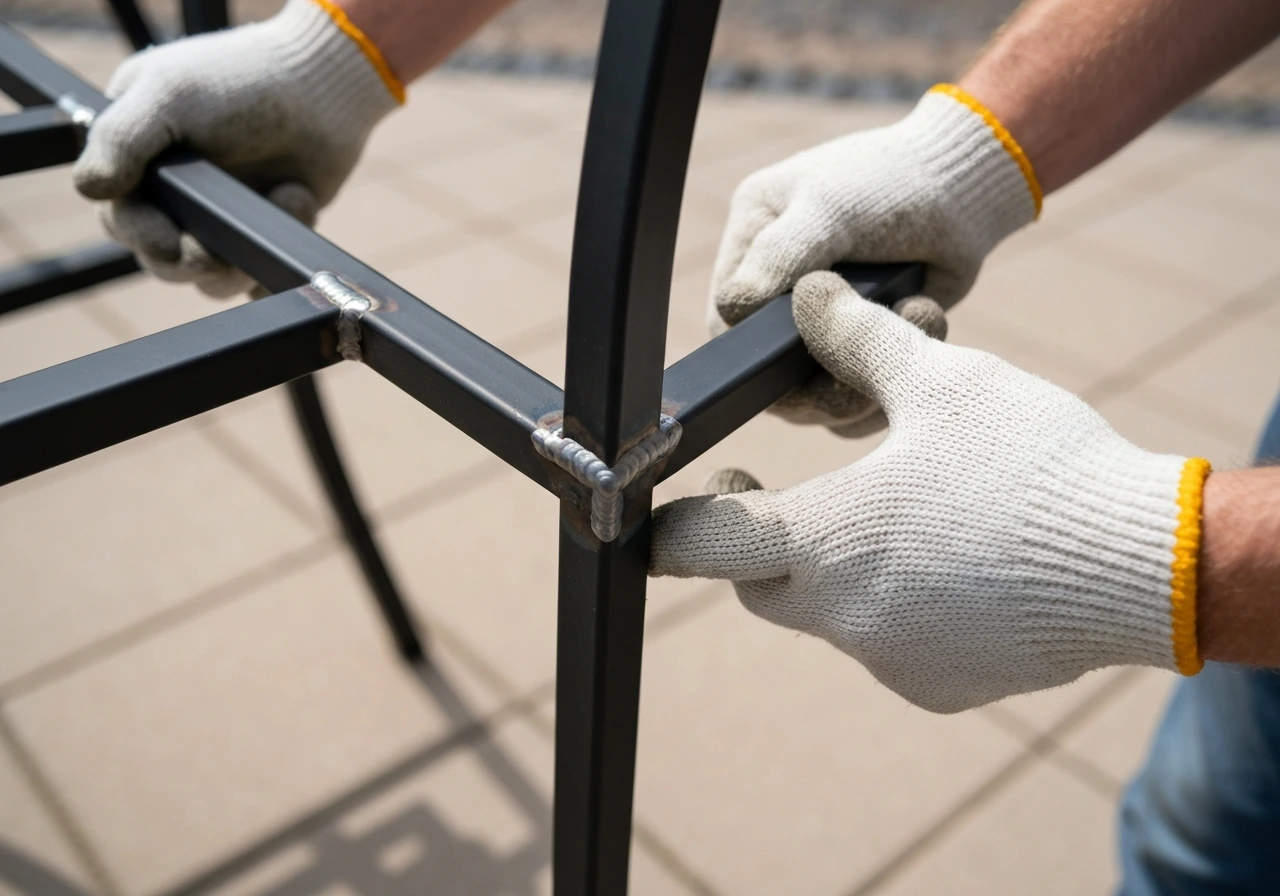
Hold the frame and shake it gently. Flex or wobble in joints, especially at corners and where legs meet the seat frame, indicates inadequate construction. Visually inspect welds: quality aluminum welds are smooth and consistent. Rough, porous-looking welds or joints that appear to be held together with crimping rather than welding are signs of corners being cut in manufacturing. Contamination or inadequate cleaning before welding creates porosity in the joint that weakens it structurally over time, even if the piece looks fine initially. Bolted knock-down frames aren't inherently bad, but the bolt quality and hardware grade matter. Cheap zinc hardware in outdoor conditions will seize or corrode within a few seasons.
Powder Coat and Finish Quality
Legitimate outdoor powder coat is sprayed on and then baked in an oven to cure, creating a durable bond to the metal surface. Cheap alternatives may use spray paint or thin powder coat with poor surface prep. Signs of inadequate prep or application: visible drips or uneven texture, thin coverage at corners and edges, coating that feels rough or gritty rather than smooth. When powder coat chips due to poor prep or thin application, the exposed metal oxidizes quickly.
Anodizing is an alternative finish where the metal surface is converted to an integrated oxide layer that doesn't chip or scratch as easily, but it's less common at lower price points. If you're buying powder-coated aluminum, look for descriptions that mention outdoor-rated or UV-stable powder and check whether touch-up paint is available from the brand.
The Wicker Naming Trap
"Wicker" describes a weaving technique, not a material. You need to know what the weave is made from. Natural rattan wicker is not suitable for outdoor use. PVC resin wicker is cheap to produce and is sold widely as "all-weather wicker," but it becomes brittle and snaps in UV and temperature extremes far faster than HDPE. High-quality HDPE synthetic wicker specifically has UV inhibitors and color mixed into the resin itself, not just coated on the surface. When a listing uses vague language like "resin wicker" without specifying HDPE or PE, that's a flag worth investigating before buying.
Quality Tiers vs. Brand Names
Brand names don't guarantee quality at the outdoor furniture price points most homeowners are shopping. What you're actually buying is a set of material specs, construction methods, and warranty terms. You can find genuinely well-built aluminum furniture at Home Depot, Wayfair, and similar mass-market retailers if you filter by warranty duration and check the frame specs. A 5-year limited warranty on aluminum is achievable in the $500–$900 range for a full dining or lounge set.
Commercial-grade and resort-quality furniture certainly offer exceptional durability, but those specs come with pricing that goes well beyond what most residential buyers need. The sweet spot for homeowners is mid-tier: not the entry-level clearance rack, but not premium commercial grade either. If you're comparing styles, prioritize commercial quality patio furniture specs like durable frames, UV-rated finishes, and longer warranties affordable quality outdoor furniture.
Fabric Specs to Check Before You Buy
For cushion fabric, the hierarchy goes: solution-dyed acrylic at the top, solution-dyed polyester in the middle, and surface-printed polyester at the bottom. If a listing just says "weather-resistant fabric" with no further detail, assume it's surface-printed polyester and factor in early fading. Sunbrella is the name-brand benchmark for solution-dyed acrylic, but there are other manufacturers producing comparable performance fabric. The key spec is whether color is solution-dyed (dye embedded through the fiber) versus surface-printed or coated.
Comfort, Sizing, and Style on a Real Budget
Comfort is not a luxury add-on. Furniture that's uncomfortable gets used less and is harder to justify over time. A few practical spec checks before buying can save you from expensive disappointment.
Seat Height and Dimensions
For outdoor dining chairs paired with a standard dining table, seat height should fall between 17 and 19 inches. Outside that range, you'll feel the mismatch every time you sit down. Lounge and deep-seating pieces don't have the same standard, but seat depth matters enormously: less than 20 inches of seat depth in a lounge chair will feel cramped for most adults. Check listed dimensions, not just photos. Marketing photography is designed to make pieces look larger and more generous than they are.
Sets vs. Individual Pieces
Sets almost always deliver better value per piece than buying individually. You get matched frames, consistent finish, and usually a better price-per-seat than assembling the same chairs and table separately. The tradeoff is flexibility. If you have a non-standard space or want to mix styles, individual pieces give you more control. For most buyers furnishing a deck or patio from scratch, a set is the practical starting point, and you can add accent pieces (side tables, additional chairs) over time. If you are shopping for cheap quality patio furniture, start with a matched set and then upgrade cushions if you want longer-lasting comfort.
Cushion Quality and Upgrading
One of the best affordable-quality strategies is to buy a well-built frame set with basic or no cushions, then invest in better-quality cushions separately. Frame quality is structural and determines longevity. Cushions are replaceable and upgradable. If the frame is solid aluminum with a good powder coat, you can swap cushions as they wear or upgrade to solution-dyed acrylic covers down the line without replacing the whole set. When evaluating cushions as a package, check foam density (higher density lasts longer and holds shape), look for removable and washable covers, and verify that the filling won't hold water. Quick-dry foam or hollowfill polyester batting is far preferable to dense, non-draining foam outdoors.
Style Choices That Hold Their Value
Neutral frames in black, charcoal, or bronze powder coat age better aesthetically than trendy colors and are easier to style with different cushion colors as your taste changes. Simple, clean silhouettes in aluminum or teak tend to look more timeless than heavily ornate designs. For wicker-style furniture, neutral gray or brown weaves give you the most flexibility with cushion and accessory colors over the years.
Care, Maintenance, and Repair to Protect Your Investment
The biggest driver of long-term value isn't the purchase price, it's whether you maintain what you buy. Even a genuinely good piece of outdoor furniture will fail early with zero maintenance. The good news is that the maintenance routines for most materials are simple and take minimal time.
Aluminum and Powder-Coated Metal
Wipe down powder-coated aluminum periodically with mild dish soap and water. Never leave cleaning products sitting on the surface longer than a few minutes, as some cleaners can damage the coating over time. Inspect the finish at the start and end of each season. If you find any chips, touch them up immediately with touch-up paint made for powder-coated surfaces. The goal is to never let bare metal stay exposed long enough to start oxidizing. That's essentially the entire maintenance program for aluminum.
Cast Iron
Cast iron requires more vigilance. Inspect it seasonally for any sign of rust, which typically appears as bubbling or lifting of the protective coating first, then surface rust underneath. Sand any affected areas back to clean metal, apply a rust-inhibiting primer, and repaint with an outdoor-rated enamel or protective coating. In wet or coastal climates, this may need to happen annually. Don't let rust get established; once it starts undermining the coating, it spreads laterally underneath the surface and becomes much harder to address.
Teak and Acacia Wood
Teak requires the least of all outdoor woods. If you want to maintain its original color, apply teak oil or teak sealer annually (sealer provides longer protection with less frequency; oil is easier to touch up but needs reapplication more often). If you prefer the silver-gray weathered look, you need to do essentially nothing except clean it. Acacia needs more attention: clean it regularly, apply a UV-protective oil or sealer at least once a season, and cover or store it during extended wet periods or winter. Let it dry fully before covering to prevent mold from developing underneath.
Synthetic Wicker
HDPE synthetic wicker is low maintenance. Clean with mild soap and water, rinse thoroughly, and let it dry. Check the weave annually for any broken or loose strands. Minor repairs on resin wicker can be done with replacement strand kits available from some manufacturers. The frame underneath (usually aluminum or steel) needs the same attention as any powder-coated metal. If a strand breaks, address it before it starts unraveling.
Cushions and Fabric

Bring cushions in during extended rain or when you know you won't be using the furniture for several days. Even solution-dyed acrylic fabric, as durable as it is, lasts longer when it's not sitting waterlogged in the sun indefinitely. For cleaning, mild soap and water handles most staining on quality outdoor fabric. Never use bleach on solution-dyed acrylic. Store cushions in a dry location or a breathable storage bag during winter. If covers are removable and machine washable, wash them at the start and end of season. Replacing cushion covers every few years is far cheaper than replacing the whole set, and it's one of the best ways to keep affordable furniture looking fresh.
Seasonal Storage and Covers
Outdoor furniture covers are a low-cost investment that meaningfully extend lifespan. In climates with freezing winters, deep snow, or extended rain seasons, covering or storing furniture is not optional if you want it to last. Aluminum and teak can technically handle outdoor winter conditions, but covers significantly reduce UV and moisture cycling stress on finishes and fabric over the years. If you can't store pieces fully, at minimum store cushions indoors and cover frames. Furniture that's properly covered or stored annually will often outlast similar pieces left fully exposed by 5 or more years.
FAQ
What should I prioritize first, frame material or cushions, when choosing affordable quality patio furniture?
Start with a frame material decision first, then match cushions to your climate. If you are buying affordable quality patio furniture for heavy rain or coastal air, prioritize powder-coated aluminum frames with solution-dyed acrylic cushions, and skip all-weather claims that do not specify the fabric dyeing method (solution-dyed vs surface-printed).
Can I buy affordable quality patio furniture now and upgrade later without wasting money?
Yes, if you follow the maintenance rules and buy compatible replacement parts. The easiest upgrade path is a high-quality aluminum frame set with basic cushions, then later swap to removable solution-dyed acrylic covers. Avoid “cushions included” bundles if the cushions are made with indoor foam or water-holding filling, because that is harder to fix without replacing the whole cushion.
How do I read warranties so I do not assume coverage that is not real?
Reputable warranties usually reference coverage for the specific part and failure mode, not just the overall product. Look for language covering “structural” or “frame” and note warranty exclusions for corrosion or rust on steel and iron. Also confirm whether cushion coverage mentions seams or only the fabric, since seam failures are a common early cutoff point.
What are the best signs of truly durable powder coating on affordable quality patio furniture?
For powder coat, choose pieces that specify outdoor-rated or UV-stable coating, and inspect edge coverage where paint often thins. A quick test is to look for smooth, even texture and no drips, then check for touch-up paint availability from the brand, because chips exposed to moisture are where many failures begin.
I live near the coast, will powder-coated aluminum still last if I do not rinse it often?
If you are near the ocean, rinse regularly, even if the furniture is “rust-resistant.” Use fresh water to remove salt after windy salty days, and touch up any chips immediately with the manufacturer’s recommended powder-coat compatible product. This matters because salt accelerates undercutting beneath coatings on most metals.
Is natural rattan a good option for year-round outdoor patios?
No, and the failure pattern is usually fast. Natural rattan may look okay initially but will crack and deteriorate within a few seasons outdoors due to UV and moisture cycling. If you want rattan style outside, choose HDPE or PE resin wicker with UV inhibitors, and confirm the listing actually specifies the resin type.
My dining chairs look fine in photos, but people say the height feels wrong. What should I measure?
Not necessarily, and the seat height guidance depends on your chair type and the table height you are pairing it with. Measure your table height first and then confirm the chair’s listed seat height, because photos can make chairs appear taller or deeper. If seats feel off, you will use the furniture less, which reduces the practical value of your purchase.
How can I tell whether “weather-resistant” cushions are likely to fade quickly?
Yes, but do not treat “weather-resistant” as equivalent to “solution-dyed.” If the listing does not clearly state solution-dyed acrylic or a comparable solution-dyed fiber, assume color may fade earlier. For intense sun regions, choose solution-dyed acrylic and verify there is a multi-year warranty baseline for fabric.
Which is lower-maintenance for hardwood style, teak or acacia, in real life?
Choose it based on how much effort you will realistically do. Teak usually means less frequent intervention, you may still need annual oil or sealer if you want a specific color. Acacia can last many years, but it depends on seasonal sealing, proper drying after rain, and consistent covering, otherwise it cracks sooner.
What is the safest way to winterize affordable quality patio furniture in freezing climates?
In snow or freeze-thaw climates, covers help but storage often matters more. Bring cushions indoors during long wet spells, and store non-aluminum pieces under proper covers or indoors for winter. Even strong finishes can degrade when moisture repeatedly freezes and expands in seams, fabric, and woven materials.
Are knock-down patio furniture frames durable or will the bolts fail early?
Not if you do not check the hardware and rust management. If a set uses knock-down bolts with low-grade zinc hardware, they can seize or corrode within a few seasons. Plan on inspecting fasteners seasonally and replacing any corroding hardware, or choose designs that use corrosion-resistant hardware grades.
Next Articles
Home Good Patio Furniture Guide: Choose, Buy, Maintain
Step-by-step guide to choosing home good patio furniture by use, climate, and materials, plus maintenance and rust prote
Is Teak Patio Furniture Good? Durable, Smart Buying Guide
Is teak patio furniture good? Evidence-based verdict, lifespan, care, buying tips, comparisons, and eco guidance.
How Long Does Teak Patio Furniture Last? Lifespan Guide
Teak patio lifespan ranges, factors that shorten or extend durability, and a maintenance plan to protect joints and fini