
Cast aluminum patio furniture is genuinely one of the best long-term outdoor furniture investments you can make. It doesn't rust, it's lighter than cast iron, it holds intricate decorative detail better than extruded aluminum, and a properly powder-coated set can look sharp for 15 to 20 years with minimal effort. If you're shopping for a dining set right now, focus on three things above everything else: coating thickness and quality, weld integrity at the joints, and a brand that backs its frame with at least a 10-year warranty. Get those three right and everything else is details.
Best Cast Aluminum Patio Furniture: Buyer Guide and Checklist

Marcus Kellerman
28 May 2026
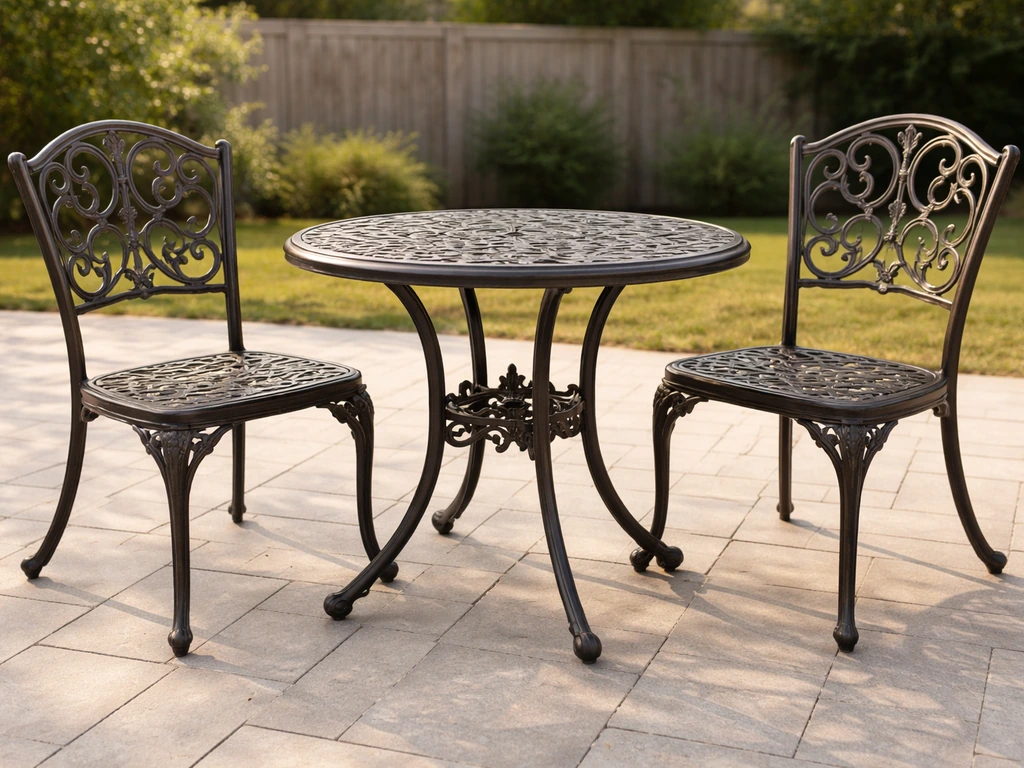
What cast aluminum patio furniture actually is
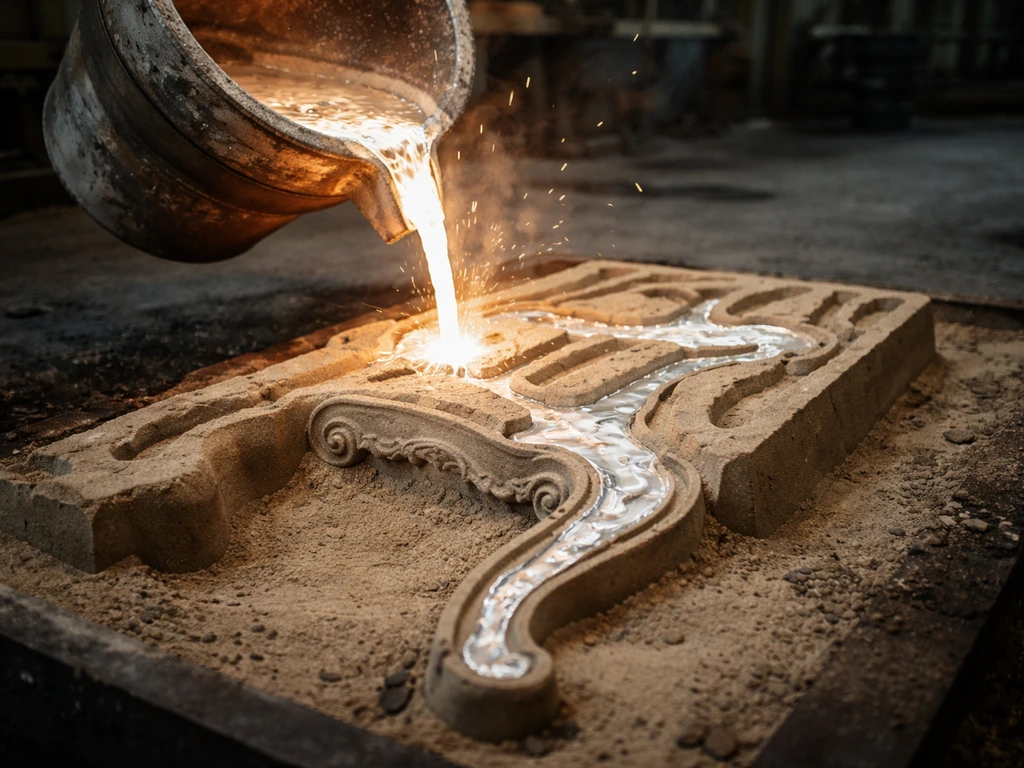
Cast aluminum is made by pouring molten aluminum into a mold, which is how manufacturers can create those ornate scrollwork patterns and curved legs you see on traditional patio sets. That's a fundamentally different process from extruded aluminum, where metal is pushed through a die to make straight structural profiles. Extruded aluminum is excellent for modern, clean-line furniture, but it can't replicate the decorative complexity of casting. Cast pieces also tend to be thicker and heavier than extruded, which translates directly to a more solid feel when you sit down.
Aluminum itself is naturally corrosion-resistant because it forms a thin oxide layer when exposed to air. That means cast aluminum won't rust the way steel or cast iron does, even when bare metal is exposed. But "won't rust" doesn't mean "maintenance free forever." The powder coat finish on top can still chip, chalk, or fade if it was applied too thin or if you're in a coastal environment with constant salt air. The aluminum underneath will survive, but a compromised finish makes the furniture look old fast and reduces long-term protection.
One thing worth knowing before you shop: cast aluminum components can have minor surface imperfections like small pits or texture variations as a natural result of the casting and finishing process. Even premium brands like Tropitone acknowledge this in their warranty language. These are cosmetic quirks of the manufacturing method, not defects. If a piece looks perfect in a catalog photo but arrives with a small surface texture variation, that's normal. Actual defects to watch for are things like visible cracks, inconsistent coating coverage, or joints that feel loose.
How to choose the best cast aluminum patio furniture: a practical checklist
Shopping for cast aluminum furniture is easier when you have a specific list of things to evaluate rather than just vibes about whether something "looks solid." Here's the checklist I'd use before buying anything.
Coating quality and thickness
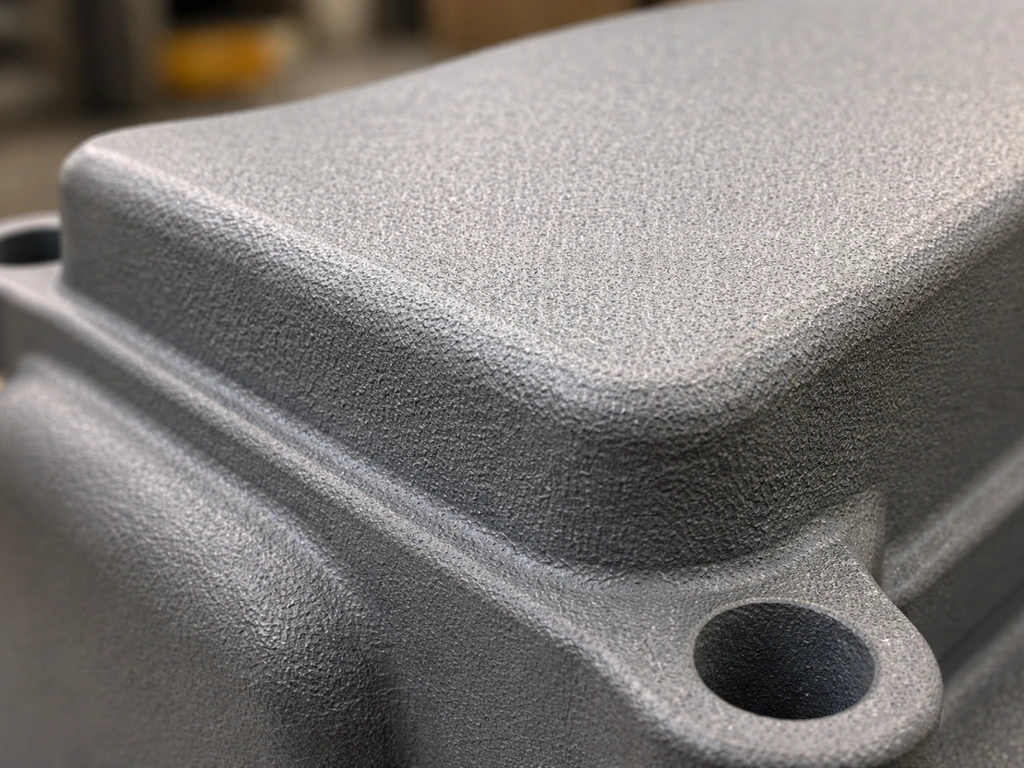
Powder coat is the industry standard finish for cast aluminum outdoor furniture, and thickness matters more than almost anything else. Standard industrial specs typically fall around 2 to 5 mils (50 to 125 microns) of dry film thickness, but pieces exposed to UV and salt spray really benefit from 4 mils or more. Dry film thickness is measured in mils or microns, and low dry film thickness is associated with coating that does not meet recommended film thickness requirements.
Tropitone specifically markets their powder coat as three times as thick as conventional paint, which is a meaningful claim when you're thinking about long-term UV and weather resistance. When a brand doesn't publish their DFT specs, it's a yellow flag. Ask, or look for ASTM B117 salt spray test data, which measures how well coated metals hold up to corrosive environments.
Weld and joint integrity
This is where cheap furniture fails first. Joints that are only tack-welded or fastened mechanically will loosen over seasons of thermal expansion and contraction. What you want is full circumference welding at all load-bearing joints, which is exactly what Tropitone uses and describes as the strongest way to join two pieces of aluminum. When you're evaluating furniture in a showroom or looking at spec sheets, check whether the brand specifies their welding method. If they don't mention it at all, assume it's not a selling point for them.
Frame warranty length
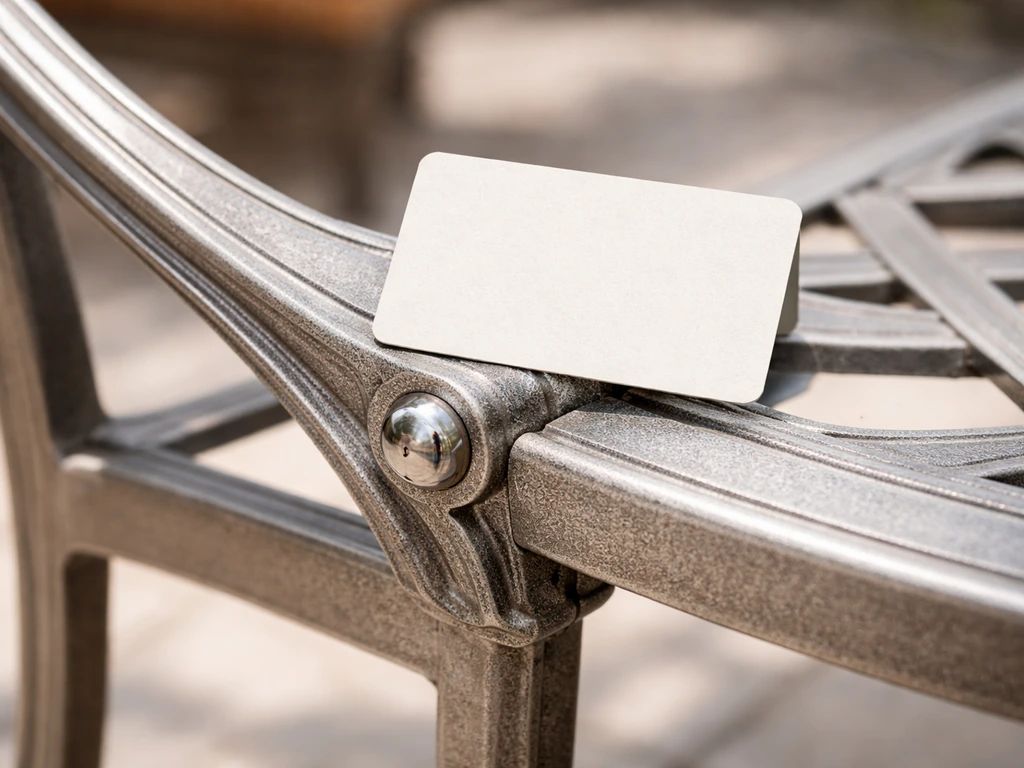
A long frame warranty is the single most honest signal of a brand's confidence in their construction. blank" rel="noopener noreferrer">Tropitone covers aluminum frames for 15 years under residential use. Castelle offers the same 15-year frame warranty, plus a separate 5-year finish warranty covering peeling, cracking, and blistering. These warranties aren't just marketing; they represent real financial exposure for the brand if they build poorly. Brands offering only 1 to 3 year warranties on frames are telling you something important about their build quality.
Comfort and ergonomics for dining
For dining chairs specifically, arm height is a critical but often overlooked spec. If chair arms are too tall, they won't slide under a standard dining table (which typically sits around 30 inches high). Castelle's Prism Sling Dining Chair lists an arm height of 25 inches, which works well for most standard dining tables. Always cross-check arm height against your table's apron clearance, especially if you're buying chairs and a table separately. Beyond arm height, look for sling seat material or thick cushions rated for UV and moisture resistance, and check that the seat depth and back angle feel supportive for a 45-minute dinner rather than just a quick perch.
Style and fit for your space
Cast aluminum's biggest aesthetic strength is its range. Traditional ornate sets with curved legs and scrollwork are the classic look, but plenty of brands now produce cast aluminum in cleaner transitional styles that don't read as overly formal. Measure your patio before you shop, and account for chair pull-out space (roughly 3 feet per side around the table). A 6-person rectangular dining set typically needs a minimum space of about 10 by 14 feet to feel comfortable, not cramped.
Best cast aluminum patio dining set styles and what to buy
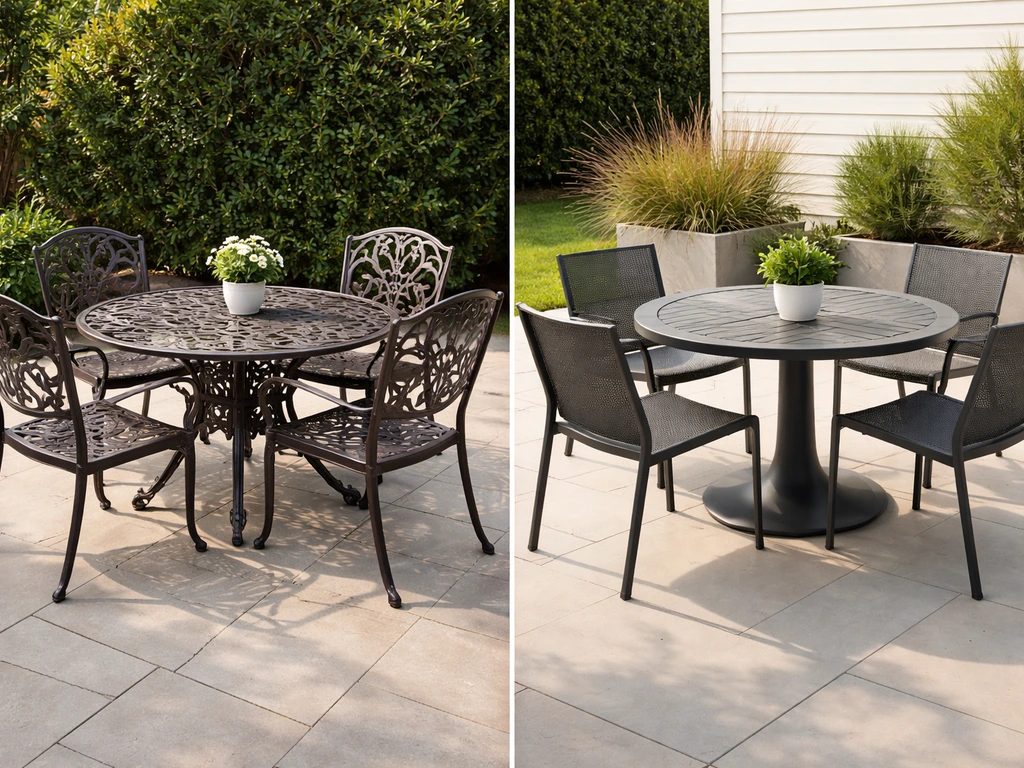
The dining set category is where cast aluminum really earns its reputation. Unlike aluminum sling loungers or extruded tube chairs, a cast aluminum dining set is built to be a permanent fixture on your patio, used daily, pulled in and out constantly, and exposed to everything your climate throws at it. Here's how to think about the different style tiers and which options stand out.
Traditional ornate sets
These are the sets that come to mind when most people picture cast aluminum: curved legs, lattice or scrollwork backs, often with a round table and four to six cushioned chairs. Tropitone and Castelle dominate this category at the premium end. Both brands use commercial-grade construction and back their frames with 15-year warranties. These are sets you're buying once and keeping. Expect to pay $3,000 to $7,000 or more for a complete 6-person set from either brand. That sounds steep until you amortize it over 15 to 20 years of actual use.
Transitional and mid-range sets
Brands like Hanover offer solid cast aluminum dining sets at more accessible price points. The Brigantine collection, for example, explicitly specifies rust-resistant aluminum frames and provides detailed spec sheets with item dimensions and weights, which is a sign of a brand comfortable with transparency. These sets typically carry shorter warranties than the premium tier but represent a reasonable middle ground for homeowners who want cast aluminum quality without the premium brand price. Expect to spend $1,200 to $2,500 for a quality mid-range 6-person dining set.
Modern and minimalist cast aluminum
If traditional ornate patterns aren't your style, look for brands that use cast aluminum for structural components (legs, joints, corner brackets) while pairing them with sling, teak, or concrete tabletop surfaces. This gives you the durability of cast aluminum construction without the formal aesthetic. These sets tend to photograph better in contemporary spaces and are increasingly popular as patio design has moved toward cleaner lines.
How cast aluminum holds up to weather, and what maintenance actually looks like
Rain, humidity, and coastal conditions
Cast aluminum's inherent rust resistance makes it an excellent choice for humid climates and most coastal environments. Where you need to pay attention is the finish, not the metal. Salt air and constant moisture will degrade a thin or poorly applied powder coat faster than it would in a dry climate. If you're within a mile or two of the ocean, prioritize brands that publish salt spray test data or specifically market their coating for marine environments. A 4-mil-plus powder coat tested to ASTM B117 standards is what you want in that situation.
Cold climates, snow, and freeze-thaw cycles
Aluminum handles temperature swings well and won't crack from cold the way some materials do. The risk in cold climates is water infiltrating the hollow frame sections, freezing, and expanding. Castelle's warranty actually excludes damage from sub-freezing conditions and specifically cautions against improper storage that allows moisture to accumulate inside frames. The practical takeaway: in cold climates, store cushions inside, orient furniture to minimize water pooling in joints and hollow sections, or use breathable furniture covers that don't trap condensation. Flipping chairs upside down on the table during winter is a simple move that dramatically reduces the freeze-thaw risk.
UV and heat
In hot, sunny climates, the metal itself handles heat well, but dark powder coat colors will absorb more heat and can be uncomfortable to touch after hours in direct sun. Lighter colors (white, sand, bronze with lighter undertones) are more practical in desert Southwest or Florida-type climates. UV is the primary enemy of powder coat over time; even a well-applied coating will eventually show chalking after many years of direct sun exposure. A good UV-stable topcoat, which premium brands include as standard, significantly extends the time before this happens.
Realistic maintenance routine
Cast aluminum is genuinely low maintenance, but "low" doesn't mean zero. A few times per season, wash frames with mild soap and water using a soft cloth or sponge. Avoid abrasive pads or steel wool, which will scratch the powder coat. Tropitone recommends a non-abrasive stainless steel cleaner or polish for aluminum frame care when you want to go beyond basic washing. POLYWOOD and other sources emphasize following aluminum-specific care guidance rather than generic outdoor cleaner products, since some chemical cleaners can dull or stain the finish. Once a year, inspect all joints and welds for any signs of coating chips, then touch up with manufacturer-supplied touch-up paint to prevent moisture from reaching bare aluminum at those spots.
Price vs. quality: what drives the difference and how to verify it
Cast aluminum furniture spans a massive price range, from $400 for a budget 4-person set to $8,000 for a premium 6-person dining set. Understanding what drives those differences helps you figure out where the smart spending threshold actually is for your situation. If you want a quick starting point, look for products marketed specifically as the best aluminum patio furniture for your climate and your budget.
| Quality Indicator | Budget Tier ($400–$1,200) | Mid-Range ($1,200–$3,000) | Premium ($3,000+) |
|---|---|---|---|
| Frame warranty | 1–3 years | 3–5 years | 15 years (Tropitone, Castelle) |
| Finish warranty | Often none | 1–3 years | 5 years |
| Powder coat thickness | Rarely specified | Sometimes specified | Published, 4+ mils |
| Weld method | Tack or mechanical fasteners | Mixed | Full circumference at load-bearing joints |
| Salt spray/ASTM B117 testing | Rarely done | Occasionally | Standard at premium brands |
| Cushion foam and fabric quality | Basic, UV-fades quickly | Mid-grade solution-dyed | Commercial-grade solution-dyed acrylic |
| Available replacement parts | Unlikely | Sometimes | Yes, standard practice |
The single most useful thing you can do before buying is read the warranty carefully, not just the headline number. Look for what's covered (frame construction defects vs. finish issues) and what's excluded. Castelle separates these clearly: 15 years for structural frame failure, 5 years for finish peeling, cracking, and blistering. Tropitone uses a similar 15/5-year structure. When a warranty doesn't differentiate between frame and finish coverage, it usually means the finish coverage is weaker than it appears. Also look for exclusions: damage from improper storage, sub-freezing conditions, and misuse are standard carve-outs, but watch for exclusions so broad they effectively void coverage for normal outdoor use.
Beyond warranties, weight is a practical proxy for quality. A heavier cast aluminum piece generally means more metal was used in casting, which means thicker walls and more structural mass at joints. Ask for or look up product weights in spec sheets. A set that suspiciously light for its size may be using thinner castings to cut costs. Hanover, for example, provides item weights in their spec documentation, which makes comparison shopping much easier.
Finally, think in cost-per-year rather than sticker price. A $3,500 premium dining set that lasts 20 years costs $175 per year. A $900 budget set that looks tired after 5 years and needs replacing costs $180 per year, and that's before accounting for the hassle of replacement shopping. At that math, the premium set is the better value even before you factor in daily comfort and aesthetics.
The brands worth serious consideration for top-tier cast aluminum quality are Tropitone, Castelle, and a handful of other contract-grade manufacturers. If you're trying to narrow it down to the top rated cast aluminum patio furniture choices, start with brands that offer transparent specs and long warranty coverage top-tier cast aluminum quality. For strong mid-range value with honest specs, Hanover and similar brands offer real cast aluminum construction with enough transparency to evaluate before you buy.
If you want to go deeper on specific brand comparisons and the broader aluminum furniture category, exploring how cast aluminum stacks up against extruded aluminum options and other material types is worth your time before making a final call. To narrow down the best cast aluminum patio furniture brands for your needs, focus on frame and finish warranties plus published coating and testing details. The best cast aluminum patio furniture brands and top-rated cast aluminum patio furniture rankings are natural next steps once you've confirmed cast aluminum is the right material for your climate and style. To help you narrow it down quickly, you can also compare the best cast-aluminum dining set styles, finishes, and warranty terms best aluminum patio furniture.
FAQ
If I buy chairs and a table separately, will the frame and finish warranties still protect me the same way as a full set?
Yes, but the warranty terms matter. If you buy chairs and table separately, confirm that the finish and frame warranties apply to each item, and check whether touch-up paint and matching powder coat are available for the exact color line. Some brands only provide finish warranty support when chips come from normal use, not accidental impacts during assembly or transport.
Where do powder-coat problems usually appear first on cast aluminum furniture?
Look specifically for surface preparation and coating coverage at stress points, like the inside corners of chair legs and under the tabletop edges. A thin or uneven powder coat there often shows up as bubbling or flaking first, even when the main visible areas look fine.
Does ornate scrollwork automatically mean the furniture is higher quality, or can decoration hide weak construction?
In most cases you should choose based on the coating and weld quality, not the decoration. Decorative scrollwork can still be on a strong frame if the brand uses full circumference welding at load-bearing joints and backs it with a long frame warranty.
What should I do if a brand markets powder coating but does not publish dry film thickness or testing?
If the brand publishes a dry film thickness range, prefer sets that state a minimum target rather than a broad range. If they only say “powder coated” without thickness or test references, treat that as a cost-saving signal. When possible, ask for salt spray or coating test data tied to outdoor use expectations.
How can I quickly check weld and joint integrity in a showroom?
You can spot loose or weak joints by doing a firm, controlled push on chair frames and table pedestals (with the furniture standing level). If you feel movement at the joints where legs meet the frame, or if the finish looks cracked right at the weld seam, that’s a strong rejection signal.
Can I use common outdoor cleaner products to maintain cast aluminum, or should I use only specific formulas?
Yes, but avoid aggressive cleaners or anything with acids, strong solvents, or bleach, since those can dull or thin the powder coat over time. Stick to mild soap and water for routine cleaning, and use manufacturer-recommended products for deeper cleaning.
What’s the safest winter storage approach to prevent freeze-thaw damage in cold climates?
For winter protection, keep water from entering hollow sections and let moisture escape instead of trapping it. Use breathable covers, store cushions indoors, and avoid fully sealing furniture in a way that creates condensation inside. Flipping chairs as a storage step is helpful, especially when there is frequent freeze-thaw weather.
Do dark powder coat colors wear out faster, or is it mainly a heat and comfort issue?
Coating color can matter for comfort, but also for long-term appearance. Dark colors absorb more heat and can make the surface unpleasant to touch, while all colors slowly chalk with UV exposure. Prioritize UV-stable topcoats and lighter or medium tones if your patio gets intense direct sun for long stretches.
What parts of a cast aluminum dining set tend to wear out first, even when the frame is strong?
Check table surfaces and attachment points separately. A cast aluminum dining set can last for decades, but tabletops, cushions, and sling components often age sooner. Confirm replacement cushion availability, sling fabric ratings (UV and moisture), and whether the tabletop surface is removable for cleaning or replacement.
Beyond arm height, what other chair dimensions should I verify before buying a dining set?
For dining chair fit, verify arm height relative to table apron clearance, and also check the chair’s seat depth and whether the back angle supports your usual dining posture. If you often have guests, measure the usable clearance with the chairs you intend to buy pulled fully in.
Is heavier cast aluminum always better, and how should I compare weight across brands fairly?
Weight is a useful proxy, but compare using manufacturer specs for the exact model, not general “cast aluminum is heavy” assumptions. Two sets with the same size can differ due to table design (solid vs. slatted) or accessory components, so always compare published weights.
How can I tell whether surface imperfections are normal casting texture or a coating problem?
If you notice small pitting or uneven texture on arrival, treat it as cosmetic unless you also see coating discontinuities, cracks, or coating gaps down to bare metal. Surface texture variation from casting can be normal, but any exposed aluminum spots, visible cracks, or rust-like staining are not acceptable.
What’s the correct way to handle small chips when touch-up paint is available?
When you touch up chips, clean the area first and apply touch-up paint only to the damaged spot, then let it cure fully before exposing it to rain. If the chip is deep enough to expose raw aluminum, covering that spot quickly helps prevent moisture from creeping under the remaining coating.
How often should I inspect cast aluminum furniture, and what exactly should I look for during those checks?
Even with low maintenance furniture, schedule inspections after storms or during seasonal transitions. Look for coating chips at joints, looseness at connections, and any fabric deterioration at slings or cushions. Early fixes prevent localized failures that can spread into frame corrosion at exposed spots.
Next Articles
High Quality Aluminum Patio Furniture: How to Choose
Checklist for high quality cast aluminum patio furniture: inspect build, finish, hardware, comfort, climate fit, and mai

Best Aluminum Patio Furniture: How to Choose What Lasts
Choose the best aluminum patio furniture by checking alloy, finish, hardware, comfort, climate fit, and maintenance for
Is Teak Patio Furniture Good? Durable, Smart Buying Guide
Is teak patio furniture good? Evidence-based verdict, lifespan, care, buying tips, comparisons, and eco guidance.