
High quality cast aluminum patio furniture is made from molded aluminum components (not hollow tubes), finished with a thick powder coat, assembled with corrosion-resistant hardware, and built to stay structurally sound for 15 to 25 years outdoors with minimal maintenance. That combination is what separates a set that looks good at year ten from one that's pitting, fading, and wobbling by year three.
High Quality Aluminum Patio Furniture: How to Choose

Marcus Kellerman
18 May 2026
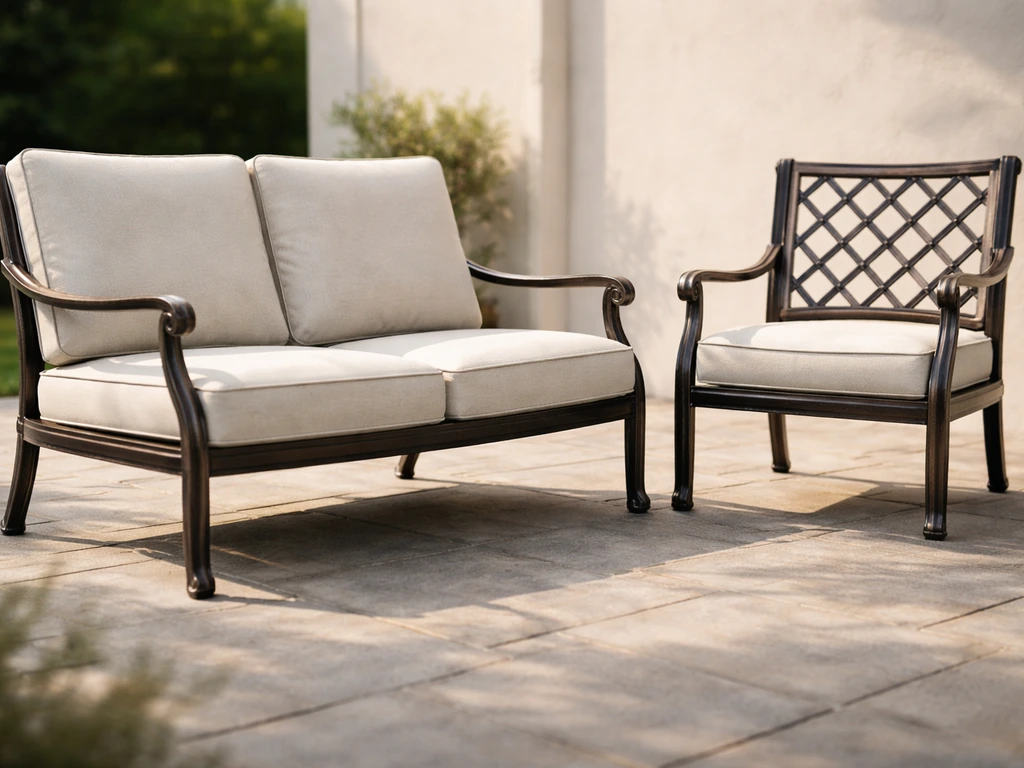
What 'high quality' actually means for cast aluminum furniture
The phrase gets thrown around loosely, so let's pin it down. High quality cast aluminum patio furniture means the structural components (legs, arms, back rails, seat frames) are made by pouring molten aluminum into molds, not by extruding hollow tubes through a die. That distinction matters because castings produce solid, complex shapes with consistent wall thickness and far greater rigidity than thin-walled extrusions. You get better load distribution, cleaner joints, and a frame that doesn't flex or creak underfoot.
Beyond the casting method, high quality means the alloy is appropriate for outdoor structural use. Alloys in the 319 family (AlSi6Cu) and structural casting alloys like A356 are common in quality cast components because they combine good castability with genuine mechanical strength. When a manufacturer is willing to specify the alloy, that's a good sign. When they just say 'aluminum,' probe harder.
True quality also shows up in fit and finish: seams that align cleanly, a powder coat with no thin spots or bubbles, hardware that doesn't look like it came off a budget shelf bracket, and feet that actually sit level on real-world surfaces. If you see any of that done poorly, the rest of the set is probably cut from the same corners.
Cast vs. extruded aluminum: the build difference that defines durability
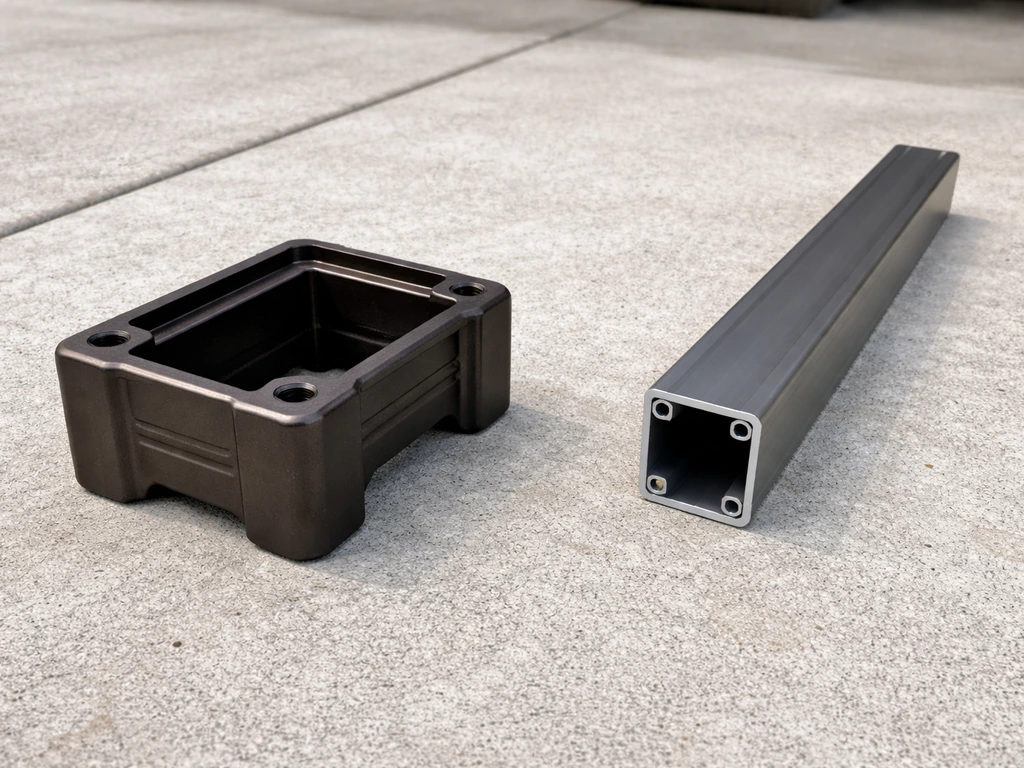
Cast aluminum and extruded aluminum are both aluminum, but they behave very differently as patio furniture. Extruded frames are hollow, which keeps weight down but also means the structure relies on thin walls and mechanical fasteners to stay rigid. Cast frames are solid at the joints and structurally complex in ways that an extruded section simply cannot replicate. You can tell the difference by weight (cast sets are noticeably heavier) and by looking at the joints: cast pieces show organic, curved geometry rather than mitered tubes with visible seam welds.
The frustrating part is that you cannot always distinguish them by appearance alone, especially with a good powder coat hiding the underlying surface. That's why you should rely on manufacturer specs, not just looks. Ask directly or read product descriptions carefully: 'cast aluminum' should appear as a specific claim, not implied by decorative styling.
For alloy quality, the numbers to know are 319 (a well-proven sand and permanent mold casting alloy used across structural and commercial casting applications) and A356 (considered a workhorse for structural castings). Extrusions for furniture frames often use 6061 or 6063, which are excellent corrosion-resistant alloys in their own right. Neither is inherently inferior, but the form they take matters: a solid cast joint outperforms a bolted extruded joint for long-term outdoor rigidity.
The coating system is almost as important as the metal
Powder coating is the standard finish for quality outdoor aluminum furniture, and film thickness is the number that separates a durable coating from a cosmetic one. Look for at least 3 mils of dry film thickness. AAMA 2605 is the most demanding coating standard for aluminum exterior products, and it includes a 4,000-hour salt-spray resistance requirement. Some premium furniture manufacturers use PVDF fluoropolymer (the same resin technology used in architectural cladding) because it resists UV, color fade, and chalking better than standard polyester powder coats. If you're in a coastal or pool-adjacent setting, that coating quality is not a luxury.
How cast aluminum actually holds up outdoors
Aluminum does not rust in the way steel does, but it is not immune to corrosion. Exposed aluminum forms a white oxide layer (oxidation) when the coating is compromised, and in coastal salt-air or pool-chemical environments, pitting can develop underneath a failing coating before you even notice it from the surface. That bubbling you might write off as a paint defect is often underfilm corrosion already in progress.
The biggest corrosion risk in cast aluminum furniture isn't the aluminum itself, it's the hardware. When stainless steel fasteners meet aluminum in the presence of moisture (especially salt water or chlorinated water), galvanic corrosion occurs at the junction. The aluminum acts as the anodic (less noble) metal and degrades faster than it would in isolation. Quality manufacturers address this by using fully welded aluminum frame construction wherever possible to eliminate dissimilar-metal junctions, or by using nylon isolators and marine-grade fasteners where bolts are unavoidable.
For freeze/thaw climates, cast aluminum's density is an advantage: solid castings don't trap water in the same way that hollow extrusions do, reducing the cracking risk that comes when standing water freezes inside a tube. Still, cover or store cushions, and check that any drainage holes in seating surfaces are clear before winter.
| Environment | Primary Risk | What to Look For |
|---|---|---|
| Coastal / salt air | Galvanic corrosion at fasteners, coating pitting | Welded construction, AAMA 2605-rated coating, marine-grade hardware |
| Pool / spa adjacent | Pool chemical attack on coating, fastener corrosion | PVDF or thick polyester coat, stainless or aluminum-only hardware |
| Humid / tropical | Oxidation if coating chips, mold on cushions | Durable topcoat, breathable cushion fabric, drainage channels |
| Freeze/thaw / cold | Water ingress, cushion mildew, seasonal cracking | Solid cast joints, drainage holes, cushion storage in winter |
| Hot / arid / UV-intense | Color fade, chalking, UV degradation of coating | PVDF fluoropolymer or high-UV-resistance polyester powder coat |
What to inspect before you buy: a practical checklist
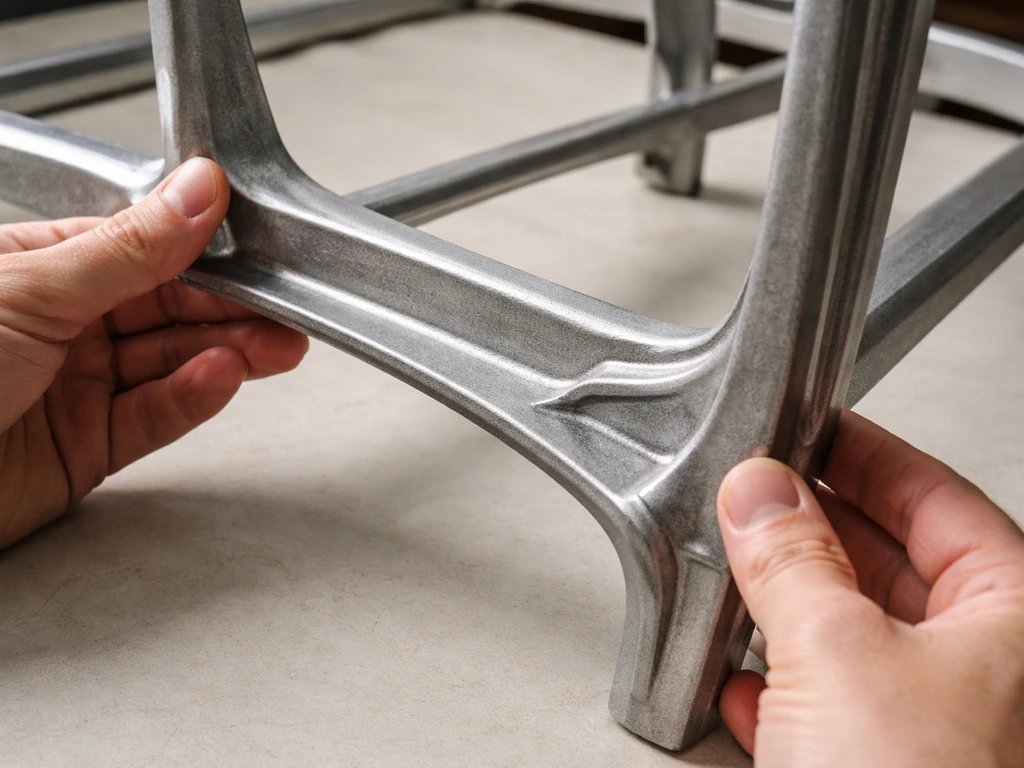
Whether you're buying in-store or online, these are the specific things worth checking. Most of them take about two minutes in a showroom, and for online purchases, you should be able to get answers from the manufacturer's spec sheet or customer service.
Frame and casting quality
- Weight: cast aluminum chairs typically run 15 to 30 pounds each. Anything that feels suspiciously light for its size is probably extruded or thin-walled.
- Joints: look for smooth, organic transitions at connection points. Sand casting produces slightly textured surfaces; pressure die casting produces smoother ones. Either is fine. What's not fine is visible gaps, rough flash lines, or cold shuts (lines where two metal flows met poorly).
- Weld quality: welds should be smooth and continuous, not spotted or porous-looking.
- Frame flex: sit in the chair and shift your weight. Quality cast frames don't flex or creak.
Coating and finish
- Run your hand across the surface. High-quality powder coat feels uniform and slightly textured, not thin or slick like spray paint.
- Look at the underside of frames and the insides of curves: these are the areas manufacturers cut corners on. Thin or missing coating here is a red flag.
- Ask for the coating specification: minimum 3 mils dry film thickness, AAMA 2604 or 2605 compliance is ideal.
- Check for any chips, bubbles, or thin spots around hardware mounting points before you leave the store.
Hardware and fasteners
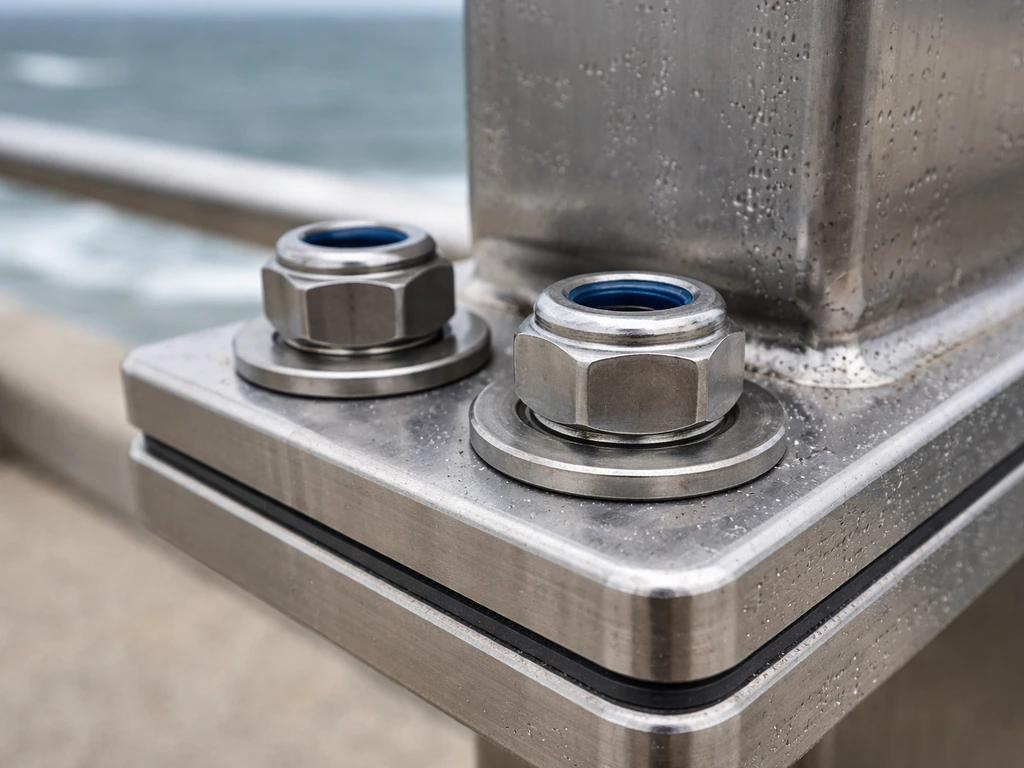
- Fasteners should be stainless steel 316 grade (not 304) in coastal applications, or aluminum hardware where possible.
- Check that bolted connections are tight and include nylon/plastic isolators or anti-seize treatment to slow galvanic interaction.
- Avoid furniture where visible screws or bolts show signs of rust-colored staining even in the showroom.
Comfort, stability, and usability
- Seat depth and back angle: for dining chairs, a seat depth of 17 to 19 inches and a slight back recline are comfortable for most adults. Lounge chairs should have deeper seats (20+ inches) and more recline.
- Arm height: standard dining chair arms sit around 26 to 27 inches from the floor. Check that they clear your dining table.
- Glides and feet: adjustable or rubber-capped feet are worth seeking out, especially for stone, tile, or uneven pavers. They protect surfaces and keep the set from rocking.
- Cushion compatibility: if the frame is designed for cushions, check that the cushion lip or channel holds them in place. Cushions that slide off constantly are a sign of a design that wasn't tested for real use.
- Weight capacity rating: look for at least 250 lb per seat for standard dining chairs, higher for lounge and occasional chairs.
Matching the style and construction to your climate
Climate should drive your construction priorities, not just your color choice. If you're on the coast within a mile or two of the ocean, fully welded frame construction and an AAMA 2605-rated or PVDF coating are non-negotiable. The salt-air corrosion risk at fastener points is real and well-documented, and it will destroy a bolted set in a fraction of its expected lifespan. Spend more here or you'll spend again in five years.
For pool-adjacent use, pool chemicals (especially chlorine and algaecides) attack both coatings and metal. A thick polyester or PVDF powder coat holds up better than thin coatings. Rinse the furniture down after pool parties or heavy splash days, and don't let poolside chemical residue sit on the surface for extended periods.
In hot, high-UV climates like the Southwest or Florida, color fade is your biggest visible enemy. PVDF fluoropolymer coatings significantly outperform standard polyester in UV resistance and chalk resistance. Darker colors show fade earlier than lighter neutrals, so factor that into your color selection if you hate the idea of repainting in ten years.
In freeze/thaw zones (upper Midwest, Northeast, mountain regions), the main practical concern is winter storage of cushions and protecting the furniture from standing water. Cast aluminum handles cold extremely well structurally, but water that pools in horizontal frame channels can freeze and stress joints over many cycles. A furniture cover and a quick wipe-down before covering handles this.
Style-wise, cast aluminum's strength allows for ornate, curved designs that extruded furniture can't replicate cleanly. If you want a classic, traditional, or Mediterranean look, cast aluminum is genuinely the right material for it. If you want clean modern lines, high-quality extruded aluminum sets can do that more economically. There's overlap in quality; it's worth comparing cast aluminum options against the best aluminum patio furniture in the extruded category to see which construction fits your design goals.
For quick shopping decisions, compare options across the top rated cast aluminum patio furniture brands and models, then verify the specs discussed in this guide. Comparing the best cast aluminum patio furniture options side by side can help you verify construction quality, warranty terms, and coating standards before you buy. If you are comparing materials, the best aluminum patio furniture typically includes detailed spec claims about casting, alloys, and coating performance.
What to budget and how to avoid getting burned
Expect to pay $800 to $2,500 for a quality four-piece cast aluminum dining set from a reputable brand. Full living sets (six to eight pieces) from established manufacturers run $2,500 to $6,000 or more. Anything significantly below those ranges for a named 'cast aluminum' set deserves skepticism about whether you're actually getting cast components or just extruded frames with a decorative appearance.
Think in cost-per-year, not sticker price. A $1,800 cast aluminum set that lasts 20 years costs $90 per year. A $600 set that needs replacement in six years costs $100 per year and comes with the hassle of shopping again. That's before accounting for the environmental cost of disposal.
Watch out for these specific red flags when evaluating sets:
- Vague material claims like 'aluminum alloy' with no casting method specified
- Unusually light weight for the size of the piece
- Very thin or uneven powder coat visible at edges, undersides, or around hardware
- Hardware that shows surface rust or staining at point of sale
- No mention of coating specification or AAMA compliance anywhere in product documentation
- Cushion fabric with no UV or fade-resistance rating for outdoor use
- No warranty, or a warranty under three years for frames
Established brands in the best cast aluminum patio furniture category typically offer 5 to 15 year structural warranties on frames, which tells you something about how confident they are in their own construction. That warranty length is itself a useful quality signal when comparing brands.
Keeping cast aluminum looking good for the long haul
The good news is that cast aluminum is genuinely low maintenance compared to wood or steel. The care routine is simple and the stakes of skipping it occasionally are low, as long as the coating is intact. Here's what actually matters:
Routine cleaning
Clean with warm water and mild dish soap using a soft cloth or sponge. That's it. Don't use abrasive scrubbers, wire brushes, or abrasive powders. Don't use harsh degreasers, bleach solutions, or acidic cleaners. If you apply any cleaning product, rinse it off within 20 minutes and don't let it sit on the coating. Rinse thoroughly and dry with a soft cloth to prevent water spots and residue-driven surface degradation.
- Rinse the furniture with clean water to remove loose dirt and pollen
- Mix a small amount of mild dish soap in warm water
- Wipe all surfaces (including undersides of seats and inside of frame curves) with a soft cloth or sponge
- Rinse completely with clean water within 20 minutes of applying soap
- Dry with a clean soft cloth, especially at hardware points and joints
Seasonal and preventive care
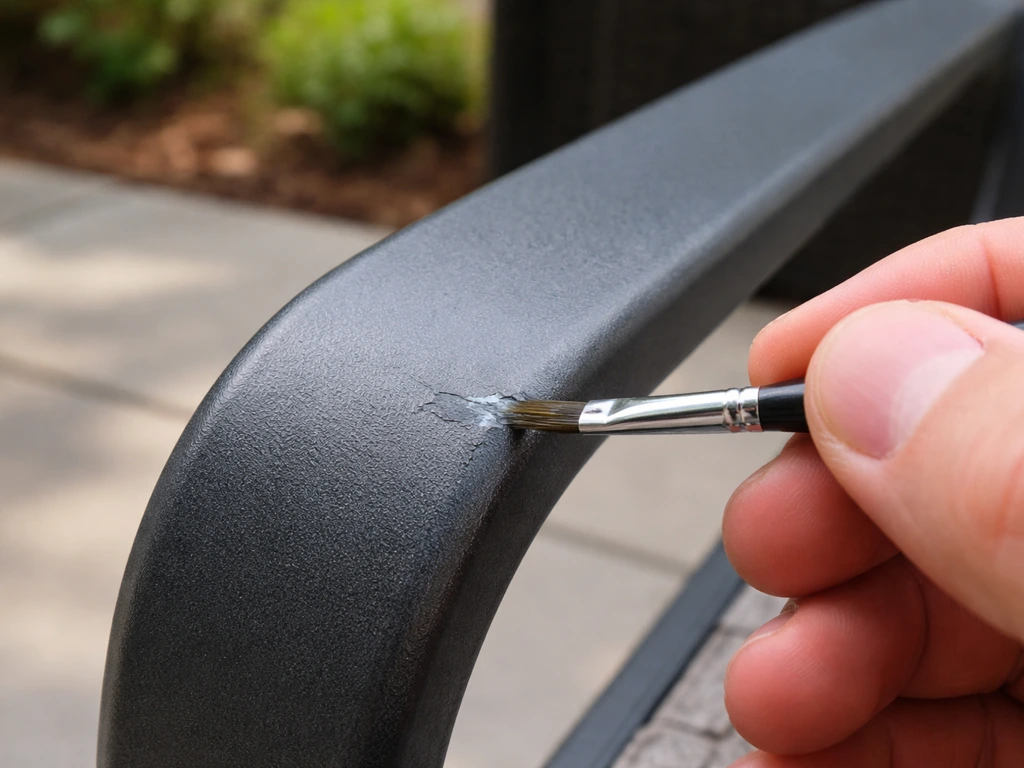
- Inspect the powder coat twice a year for chips, scratches, or bubbles. Address chips quickly with touch-up paint rated for powder-coated aluminum surfaces, because exposed metal oxidizes and the damage spreads.
- In coastal environments, rinse the furniture monthly (or after salt-spray events) even if it doesn't look dirty. Salt residue is invisible but corrosive.
- After pool use or chemical exposure, rinse the frames and any hardware within a few hours.
- Clear any drainage holes in seat surfaces before the rainy season and before winter in freeze/thaw zones.
- Use furniture covers for extended periods of non-use, especially in winter or during tropical storm season.
- Store cushions indoors or in a deck box during off-season months. Cushion mildew is a maintenance problem even when the aluminum frame is perfectly fine.
- Apply a car wax or aluminum-specific protectant to the powder coat every one to two years. This adds a sacrificial layer between the coating and UV/salt exposure and makes future cleaning easier.
What to avoid
- Pressure washing at close range or high PSI can drive water into seams and strip coating at edges
- Abrasive pads or steel wool will scratch the powder coat surface and create entry points for moisture
- Leaving acidic or chlorinated water sitting on surfaces for extended periods
- Stacking metal furniture without padding between pieces (causes coating-to-coating abrasion)
- Ignoring early bubbling in the finish, which is almost always underfilm corrosion, not a cosmetic issue
If you follow those basics, a well-made cast aluminum set from a quality brand should hold its structure and finish for 15 to 25 years in most climates. That's the realistic performance floor for furniture built to the standard described in this guide, and it's why buying right the first time is almost always the better financial decision compared to cycling through cheaper sets every few years. If you want to narrow the field quickly, comparing the best cast aluminum patio furniture brands is a good next step.
FAQ
Can high quality aluminum patio furniture be left outdoors year-round in coastal or pool environments?
Yes, but only if the frame and hardware were designed for it. If you are using it on a covered patio with occasional puddling, look for drainage-friendly design and fully welded joints, plus corrosion-resistant fasteners. Even cast aluminum can develop under-coating pitting when salt or pool chemicals are allowed to sit near bolt heads or contact points.
Is there a quick way to tell cast aluminum from extruded aluminum if the finish hides the details?
Not always, and relying on weight alone can mislead you. Some extruded frames use thicker walls or reinforced corners and can get close in mass, while a cast set may be lighter due to design choices. Confirm by asking for casting versus extrusion claims and by checking whether joints show cast geometry at the frame connections rather than mitered tube seams.
What should I look for to verify powder-coat quality beyond “powder coated” marketing?
Your best signal is the spec sheet or product documentation that explicitly states a coating standard or fluoropolymer use. “Powder coated” alone is too vague. Look for dry film thickness (minimum 3 mil is a practical baseline), and, for harsh UV, prefer PVDF or a coating standard that includes high salt-spray and durability testing.
How do warranties on high quality aluminum patio furniture typically differ between the frame and the finish?
Start by checking warranty language on both frames and finish. Many brands offer long structural coverage but shorter finish coverage, or exclusions for chemical exposure. If the warranty does not clearly mention coating or corrosion at fastener points, treat it as limited proof and plan extra rinsing and inspection in poolside or salt-air conditions.
If I replace a loose bolt or missing foot on my cast aluminum set, what parts do I need to match?
For set-up and long-term corrosion prevention, avoid mixing stainless and non-marine hardware unless the manufacturer specifies it is compatible. If you need replacement parts, use the exact fastener type the brand recommends (often marine-grade stainless or aluminum-compatible hardware with isolators) rather than upgrading randomly.
Will PVDF or AAMA 2605 matter if I keep the furniture under a pergola or covered patio?
Color fade protection depends heavily on coating chemistry and preparation. A PVDF-coated set usually holds color better in high-UV areas, but installation and care matter too. Avoid abrasive cleaners that roughen the surface, and rinse off sunscreen residue or airborne grime after heavy exposure cycles.
How should I winterize a cast aluminum set in a freeze/thaw climate?
Usually, but focus on the details that collect water: horizontal channels, under-seat areas, and any drainage holes. In freeze/thaw zones, even cast frames can experience stress if water pools for long periods. Use a cover that allows airflow, store cushions dry, and do a quick pre-winter clear-out.
What should I do if I notice bubbling or white residue on the powder coating?
Yes, and it is one of the highest-risk mistakes. The “white oxide” and bubbling can be early signs of coating failure. If you see under-film bubbling, stop using harsh cleaners and avoid sanding without a planned refinishing approach. Contact the manufacturer for repair or touch-up guidance before the corrosion spreads beneath the coating.
How should I clean high quality aluminum patio furniture after pool parties?
Often, yes, because thick film and resilient resins are only part of the system. For poolside use, prioritize coating thickness, corrosion-resistant hardware, and a design that minimizes residue contact near joints. Rinse soon after chemical exposure, and do not let splash zones dry with concentrated residue on the surface.
How can I test for rigidity in-store without tools?
The practical difference is maintaining structural rigidity versus purely decorative alignment. Cast sets tend to have more rigid joints due to solid connection geometry, while extruded sets often rely on fastener and tube wall behavior for stiffness. When comparing, press gently on the arm or seat edge and look for frame wobble at joints, not just finish quality.
My furniture has spots, is it corrosion or just fading/chalking?
Discoloration and rust-like spotting can come from different causes. If spots appear around hardware heads or seams, think galvanic corrosion at the junctions. If the coating is intact and only the color changed evenly, it is more likely UV fade. If you tell me the spot location (center of panel versus near bolts) and whether it feels raised or blistered, I can help narrow it down.
Can I repaint or touch up high quality aluminum patio furniture myself, especially if it’s PVDF-coated?
Yes, but plan the long term. Even with a durable coating, touching up should be compatible with the existing resin system to avoid adhesion issues. For PVDF-coated products, touch-up options may be more limited, so ask the manufacturer what repair method they support before you buy generic spray paint.
At what price point should I distrust a claim that the furniture is cast aluminum?
If a “cast aluminum” set is priced far below typical market ranges for a known brand, it is worth skepticism. Confirm that the listing explicitly says cast components for legs, frames, and back rails (not only decorative elements). Also verify alloy and coating claims and ask for a warranty term, because warranty length often reflects how the manufacturer backs its construction.
Next Articles

Best Aluminum Patio Furniture: How to Choose What Lasts
Choose the best aluminum patio furniture by checking alloy, finish, hardware, comfort, climate fit, and maintenance for
Is Teak Patio Furniture Good? Durable, Smart Buying Guide
Is teak patio furniture good? Evidence-based verdict, lifespan, care, buying tips, comparisons, and eco guidance.
How Long Does Teak Patio Furniture Last? Lifespan Guide
Teak patio lifespan ranges, factors that shorten or extend durability, and a maintenance plan to protect joints and fini