
The best aluminum patio furniture for most people is cast aluminum or 6000-series extruded aluminum with a thick powder-coat finish (at least 2 mils dry film), 316 stainless steel or marine-grade hardware, and either a quality sling or Sunbrella-grade cushion system. That combination holds up in almost every climate, needs almost no annual maintenance beyond mild soap and water, and outlasts cheaper alternatives by a decade or more when you care for it correctly.
Best Aluminum Patio Furniture: How to Choose What Lasts

Marcus Kellerman
7 May 2026

What 'best' actually means for aluminum patio furniture
When most people search for the best aluminum patio furniture, they are really asking three questions at once: Will it last? Will it be comfortable? And will it still look good in five years without becoming a part-time job to maintain? The answer to all three depends less on the brand name on the tag and more on the construction details underneath it.
Durability in aluminum furniture comes down to alloy choice, frame thickness, weld quality, and finish protection. Comfort is driven by the seating system (sling, cushion, or contoured frame) and ergonomic dimensions. Long-term value is really a cost-per-year calculation: a $1,200 dining set that lasts 20 years costs $60 per year, while a $400 set that needs replacing in 4 years costs $100 per year and generates far more waste. That reframe is worth holding onto as you shop.
The word 'aluminum' covers a wide range of products, from thin extruded tubing assembled with sheet-metal screws to heavy cast aluminum frames built to commercial standards. Treating those as the same product category is the first mistake most buyers make. The sections below will help you tell them apart before you spend a dollar.
Top picks by category: dining sets vs. general patio seating
Best aluminum patio dining sets
For a dining set, the table and chairs need to work together dimensionally and structurally. Standard dining height is 28 to 30 inches at the table surface with chairs sitting at 17 to 19 inches. Counter-height sets run 34 to 36 inches at the table. For aluminum specifically, look for tables with a thicker top frame rail (at least 1.5 inches square or round tubing) and welded corner joints rather than bolted brackets, which flex and loosen over years of use. Chairs should have cross-bracing at the base and a felt or rubber cap on every leg to protect both the floor and the frame itself.
Cast aluminum dining sets from brands like Tropitone, Woodard, and Brown Jordan represent the upper tier. Tropitone, for example, backs its residential aluminum frames with a 15-year structural warranty and a 5-year finish warranty, which tells you something real about how confident they are in the construction. Mid-range solid options come from brands like Telescope Casual, Homecrest, and OW Lee. These are worth the premium over big-box imports, especially if you are in a harsh coastal or freeze-thaw climate. For a 4-person set, budget $800 to $1,500 for mid-tier quality. For a 6- to 8-person set at a proven brand, expect $2,000 to $5,000 and up, but that cost amortizes well over 15-plus years.
Best general patio seating and conversation sets
For lounge chairs, conversation sets, and deep seating, aluminum is arguably the ideal structural material: lightweight enough to reposition easily, strong enough to hold adult weight without flexing, and corrosion-resistant without annual sealing. Here the seating system matters even more than with dining, because you are expecting people to sit for extended periods. Sling seating (where fabric is tensioned across the frame) works extremely well with aluminum because the frame's lightness makes repositioning easy and the sling itself dries fast after rain. Deep-cushion lounge chairs and sectionals require high-quality cushion covers rated for UV and moisture, which is covered in more detail in the comfort section below.
For conversation and lounge sets, Tropitone, Telescope Casual, Homecrest, and Woodard all offer solid aluminum frames. At a slightly lower price tier, brands like Hanover, Cambridge Casual, and Polywood (which uses a different material entirely but is worth knowing about as a comparison) serve buyers well. Stick with brands that publish finish specifications and warranty terms in writing rather than those that use vague language like 'weather resistant coating.' If the product page does not tell you the powder-coat thickness or alloy grade, that is a signal to dig deeper before purchasing.
How to judge aluminum quality before you buy
Alloy and frame construction
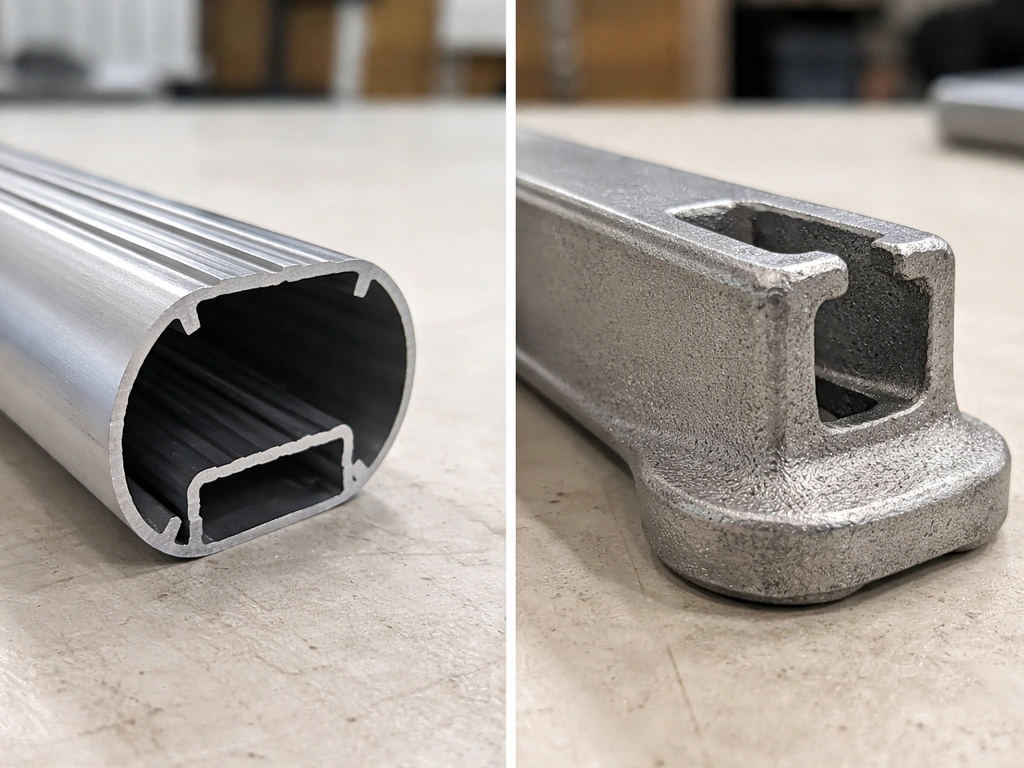
Not all aluminum is equal. The two main types you will encounter in patio furniture are extruded aluminum (tubing formed by pushing molten aluminum through a die) and cast aluminum (poured into molds, allowing more complex shapes). Cast aluminum is generally heavier, stronger at joints, and used in higher-end ornamental furniture. Extruded aluminum is lighter, more common in modern and contemporary styles, and perfectly durable when the alloy grade is right. Look for 6061 or 6063 alloy designations if available, as these are the standard structural-grade aluminum alloys used in quality outdoor products. Thin-wall tubing under 1mm wall thickness is a quality warning sign in chairs or tables that bear weight.
Welds, joints, and hardware
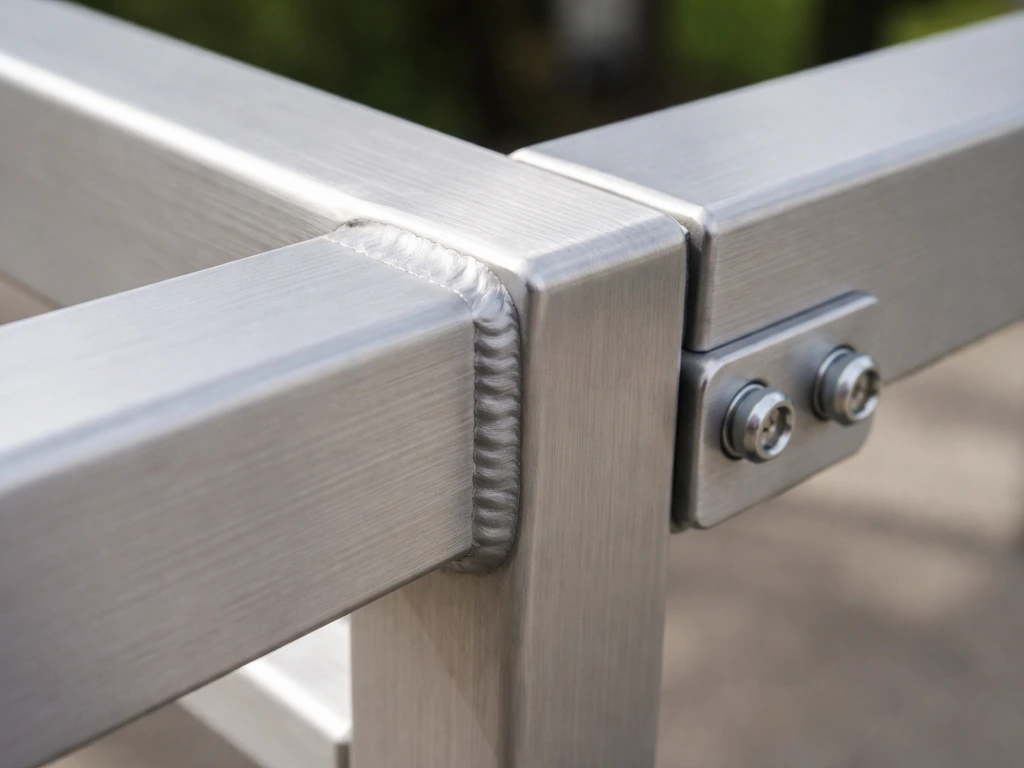
Welds should be smooth, fully penetrated, and consistent. Rough, porous, or incomplete welds are structural weak points that fail faster under stress and are also more prone to corrosion starting at the weld seam. For hardware, screws, bolts, and fasteners are where cheaper furniture always cuts corners. In a coastal environment especially, zinc-plated or plain steel hardware will rust visibly within one to two seasons even on an otherwise solid aluminum frame. Specify 316 stainless steel hardware at a minimum for coastal and high-humidity environments. Grade 316 contains molybdenum, which significantly improves resistance to chloride corrosion compared to the more common 304 grade. Inland buyers can often accept 304 stainless, but 316 is never the wrong call.
Powder-coat finish quality
Powder coating is the most common finish on aluminum patio furniture and, when done correctly, it is excellent. The key variable is thickness and process. A proper exterior-grade powder coat using TGIC polyester thermoset powder should have a minimum dry film thickness of 2.0 mils. Below that threshold, the finish wears through faster, especially at edges and contact points. Better manufacturers also use a pretreatment process (typically a chromate or zirconium conversion coating) before powder is applied, which dramatically improves adhesion and corrosion resistance underneath the finish. Ask the manufacturer or retailer for finish specs if they are not published. A brand that warranties its finish for 5 years in writing (like Tropitone's 5-year finish coverage) is generally using a more rigorous process than one offering only a 1-year or no finish warranty. Anodizing is another finish option that penetrates the aluminum rather than sitting on top, making it more scratch-resistant, though it is less commonly seen on decorative patio furniture than powder coat.
Matching aluminum patio furniture to your climate
Aluminum's general corrosion resistance makes it suitable for nearly every climate, but 'suitable' and 'optimal' are not the same thing. The details of your specific environment should drive specific purchasing decisions around hardware, finish, and design. Once you know your climate, prioritize high quality aluminum patio furniture with marine-grade hardware and an exterior-grade powder coat for the best long-term performance.
| Climate / Environment | Key Challenge | What to Prioritize |
|---|---|---|
| Coastal / saltwater (within 5 miles of ocean) | Salt air oxidizes hardware and attacks finish at edges and joints | 316 SS hardware, thick powder coat with full pretreatment, rinse frames monthly, avoid bare aluminum components |
| High humidity / rain (Southeast, Pacific NW) | Moisture sits in frame joints and under cushions, promoting mildew and finish blistering | Drainage holes in tube frames, quick-dry cushion fills, solution-dyed fabric covers |
| Freeze/thaw cycles (Midwest, Northeast) | Expansion and contraction stresses joints; snow and ice load frames; road salt in air | Heavier wall tubing, welded (not bolted) joints, store or cover in winter, avoid aluminum near road salt spray |
| Hot/arid climates (Southwest, desert) | UV degrades cushion fabric and finish gloss; heat makes frames hot to touch | UV-stabilized powder coat, fade-resistant sling or solution-dyed cushion fabric, shade placement |
| Inland temperate | Lowest stress environment; standard finish and hardware adequate | Standard powder coat, 304 SS hardware acceptable, full weather covers extend finish life significantly |
Coastal buyers deserve a special note: the aluminum frame itself is not the weak link, the hardware and finish edges are. A set that looks perfect on a showroom floor in Phoenix will begin showing rust bleed from its screws and bolts within one season on a Florida or California coast if the hardware is not marine-grade. This is one of the more common disappointments buyers report, and it is entirely preventable by specifying 316 stainless at purchase.
Comfort, ergonomics, and practical features
Sling vs. cushion seating systems
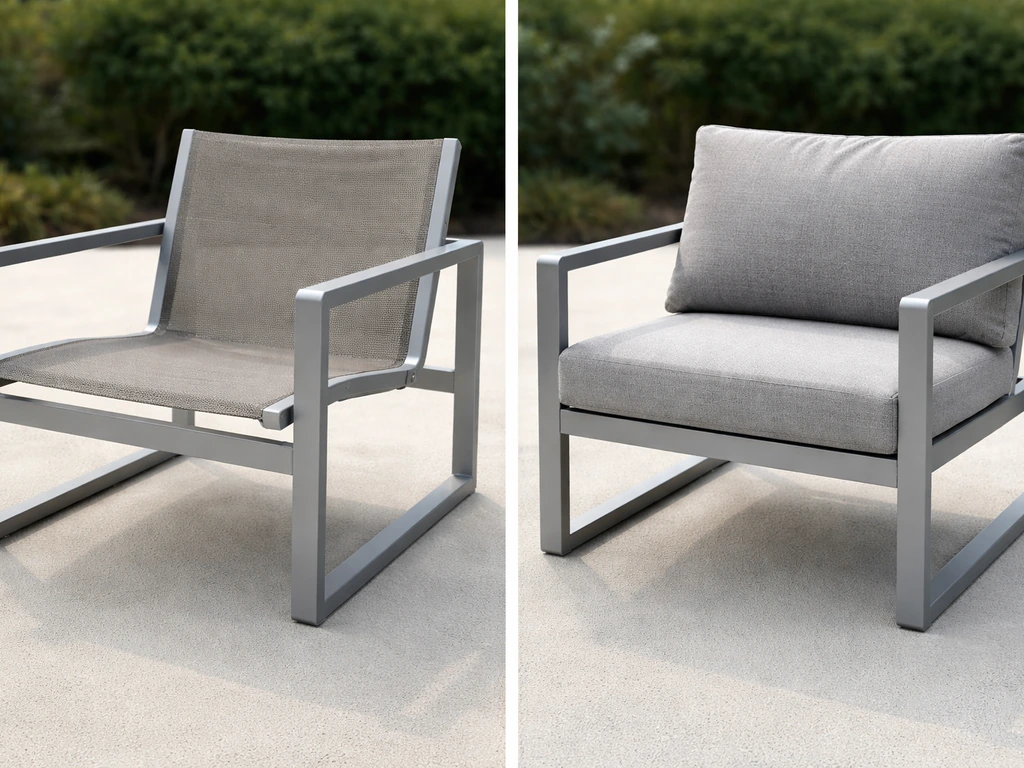
The seating system is where comfort is actually determined, and it interacts directly with how much maintenance you will do. Sling seating uses a taut fabric panel stretched between frame rails. It is excellent for dining chairs and chaise lounges because it dries immediately after rain, resists mildew, and requires almost no maintenance beyond wiping. High-quality sling fabric from manufacturers like Phifertex or Textilene is UV-stabilized and rated for outdoor exposure. KETTLER’s Textilene care guidance notes that Textilene is UV-resistant and can handle sun exposure without color fading or degrading over time Textilene is UV-stabilized and rated for outdoor exposure. Lower-quality slings fade and sag within a few seasons. Sling seating is not ideal for long lounging sessions because it offers less cushioning under the body.
Cushion seating, when done properly, is more comfortable for extended sitting but requires more attention. The best outdoor cushions use solution-dyed acrylic fabrics (Sunbrella being the industry benchmark, carrying a 5-year warranty against color loss, strength loss, abrasion, and pilling under normal use) or solution-dyed polyester, which is colorfast and UV-resistant. The fill material matters too: open-cell polyester foam dries slowly and is a mildew risk; quick-dry foam with a drainage hole, or polyester fiber fill, performs far better outdoors. Always look for removable, washable covers. Cushion depth of 4 to 5 inches is comfortable for most adults in lounge applications; dining chair seat pads of 2 to 3 inches are standard and adequate.
Sizing, stability, and practical design
For dining sets, allow at least 24 inches of table width per person and a minimum of 36 inches between the edge of the table and any wall or fence to allow comfortable chair movement. A 6-person dining table in aluminum typically runs 72 to 84 inches long. Stability matters most for tables: look for leveling glides on all legs and a center pedestal option for larger tables if your patio surface is uneven. Weight is a factor too: heavier cast aluminum tables stay put in wind far better than lighter extruded-tube designs. For lounge and conversation seating, check that the furniture sits on wide, flat feet rather than small points, which sink into grass or soft pavers over time.
Stackability and storage options are worth considering if you have limited off-season storage or a smaller patio. Many aluminum dining chairs are designed to stack 4 to 6 high, which is genuinely useful for a pool or entertaining area where you move furniture around often. Aluminum's light weight (typically 40 to 60 percent lighter than comparable steel or cast iron) makes stacking and moving practical without being a chore.
Maintenance, care, and protecting your investment
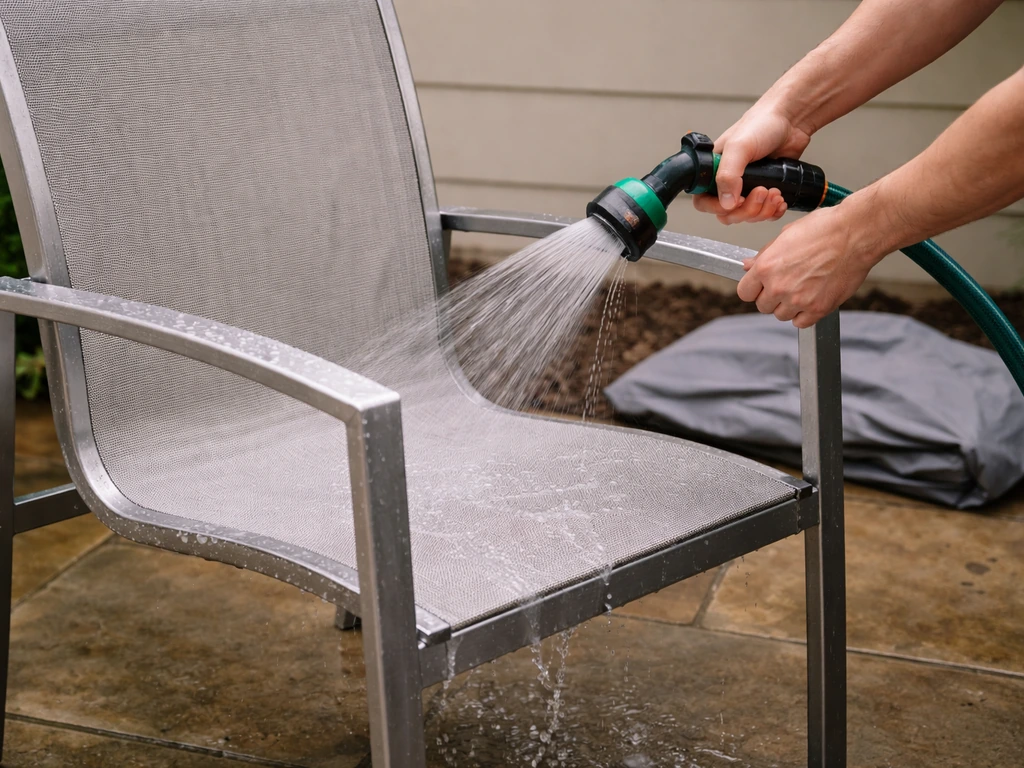
The biggest myth about aluminum patio furniture is that it is completely maintenance-free. The frame itself is extremely low maintenance, but the finish, the hardware, and any fabric components all benefit from regular attention. Getting this right is the difference between furniture that looks new at year 10 and furniture that looks tired at year 4.
- Clean the frame 2 to 4 times per year using warm water and a mild neutral detergent applied with a soft, non-abrasive cloth. Do not use a pressure washer on powder-coated surfaces, which can force water under the finish at edges and joints and cause delamination.
- Avoid aggressive cleaning agents including bleach-based cleaners, abrasive pads, or solvent-based products. These damage powder coat and can compromise the finish's UV protection.
- Treat small scratches on powder-coated frames promptly. Many manufacturers sell a matching touch-up lacquer for this exact purpose. A small exposed spot left untreated will corrode outward from that point.
- Rinse coastal furniture monthly (or more in heavy salt-air conditions) with fresh water to remove salt deposits before they work into joints and under the finish.
- Inspect and hand-tighten hardware (especially bolts at chair legs and table apron joints) every season. Hardware that loosens and is left to work back and forth accelerates wear at the joint.
- Store or cover cushions during extended rain or when not in use. Even Sunbrella-grade fabric benefits from being kept dry and out of UV when not actively needed.
- Use fitted furniture covers during winter or multi-week periods of non-use. A quality cover dramatically slows finish oxidation and keeps debris from working into joints and fabric.
Powder-coated aluminum will naturally experience some reduction in surface gloss and very slight color shift over years of UV exposure, even with good care. This is normal and does not indicate structural failure. Applying a furniture-grade carnauba wax or specialty aluminum protectant once per season can slow this process and restore some surface sheen. What you are watching out for is peeling, blistering, or bubbling of the finish, which indicates moisture intrusion and needs to be addressed with touch-up or professional refinishing before it spreads.
Your buying checklist, where to shop, and mistakes to avoid
Pre-purchase checklist
- Frame alloy and wall thickness: ask the seller or check the spec sheet. Quality furniture lists this; budget furniture often does not.
- Joint construction: welded joints preferred over bolted brackets for load-bearing connections.
- Powder-coat specification: minimum 2.0 mils dry film thickness, TGIC polyester or equivalent, with a pretreatment process noted.
- Hardware material: 316 stainless for coastal, 304 stainless acceptable for inland, anything zinc-plated or unspecified is a red flag.
- Finish warranty in writing: 5 years is the benchmark for a quality finish; 1 year or 'limited' with no duration stated suggests a thinner process.
- Frame warranty: 10 to 15 years structural coverage from reputable brands is realistic and expected.
- Cushion fabric rating: solution-dyed acrylic (Sunbrella or equivalent with a 5-year fabric warranty) or solution-dyed polyester for weather resistance.
- Cushion fill: quick-dry foam or fiber fill with drainage; avoid standard indoor polyester foam in outdoor cushions.
- Dimensional fit: measure your space, confirm table height, chair height, and clearances before ordering.
- Leveling glides and floor protectors: verify these are included or available, especially for dining tables.
Where to shop
For mid-to-high-quality aluminum patio furniture, specialty outdoor furniture retailers (both local and online) consistently beat big-box home improvement stores on construction quality, material transparency, and post-sale support. Retailers that carry Tropitone, Woodard, Brown Jordan, Telescope Casual, OW Lee, or Homecrest are working in the quality tier where published specs and real warranties are the norm. Wayfair and Amazon carry some solid options from legitimate brands, but they also carry a significant volume of import furniture with vague specs, so apply the checklist above rigorously before ordering from any online marketplace. Direct-brand websites often show the most complete specification data, which makes comparison shopping more reliable.
The most common buying mistakes
- Assuming 'aluminum' means maintenance-free. The frame is low maintenance; the finish, hardware, and fabric are not.
- Buying based on style photos without checking specs. Many gorgeous-looking sets use thin tubing, soft alloys, and minimal powder coat that fail within a few seasons.
- Ignoring hardware material. Rust-bleeding screws on an otherwise intact aluminum frame is a frequent and avoidable disappointment, especially coastal.
- Over-focusing on initial price without calculating cost per year. A $400 set replaced every 4 years costs more long-term than an $1,100 set that runs for 15 years.
- Buying cushions separately from a different brand without checking compatibility. Cushion dimensions vary significantly between manufacturers, and a mismatch affects both comfort and appearance.
- Skipping furniture covers. UV and moisture exposure between seasons is the primary driver of finish and fabric degradation. A $40 to $80 cover per piece adds years of life.
- Not rinsing coastal furniture regularly. Monthly fresh-water rinsing in salt-air environments is the single highest-impact maintenance action and takes about 10 minutes.
If you are also evaluating cast aluminum specifically (which has its own design aesthetic and weight profile) or comparing aluminum brands head to head, those topics go deeper into alloy composition, casting techniques, and brand-tier comparisons that are worth reviewing alongside this guide. The core principle stays the same: the construction and finish details tell you far more than the price tag or brand name alone.
FAQ
Is aluminum patio furniture actually the best choice for both dining sets and lounge sets?
Usually, yes, but it depends on what you mean by “best.” If you want dining furniture that stays attractive and doesn’t loosen, avoid ultra-light frames and prioritize welded corner joints, properly sized top rails (at least 1.5 inches square or equivalent), and 316 stainless hardware in salty or high-humidity conditions. If you only need lounge pieces that get less structural stress, aluminum often performs even better because frames are lighter and the sling or cushion system dries quickly.
What should I prioritize if I live near the ocean, hardware or powder coat?
“Best” hinges on what parts are failing first in your climate. In coastal areas, the common failure is not the aluminum frame, it is hardware rust bleed and finish edge breakdown. That means buying 316 stainless or marine-grade fasteners and choosing an exterior powder coat that meets the stated dry film thickness, plus ensuring the retailer can provide finish specifications.
How can I tell whether the powder coating is truly durable when a product listing is vague?
Don’t judge quality by finish color alone. A legitimate exterior powder coat should have a published dry film thickness (commonly around 2.0 mils dry film), and the listing should describe an appropriate pretreatment process for better adhesion. If the product page refuses to share either alloy or finish specs, treat that as a warning sign and ask for the documentation before ordering.
Can I use regular car wax on aluminum patio furniture, or do I need a specific protectant?
Yes, but you need a plan for the risk areas. Carnauba wax or an aluminum protectant once per season can improve surface appearance, yet it will not stop peeling caused by moisture intrusion. If you notice blistering, bubbling, or peeling, stop using the area as-is and arrange touch-up or refinishing early so water cannot get under the coating.
Should I always buy 316 stainless hardware, or is 304 okay for inland areas?
In most cases, 304 stainless hardware can work inland, while 316 is the safer default for coastal or high-chloride environments. The key is the fastener exposure, because screws and bolts are small corrosion “weak points” even when the rest of the frame is excellent. If you get coastal spray, heavy fog, or lots of humidity, choose 316 to reduce rust bleed within the first few seasons.
Are all extruded aluminum patio sets durable, or can they still fail early?
Look for wall thickness and construction details, not just the fact that it is “extruded.” A practical red flag is thin-wall tubing, especially if the listing suggests under about 1 mm wall thickness. Pair that with expectations of weld quality and joint design, because poorly built extruded frames can feel fine at first and loosen faster over time.
How do I inspect weld quality when shopping in person?
Welds matter because they are structural and also a corrosion starting point. Quality welds should be smooth, fully penetrated, and consistent. If you see porous, rough, or incomplete welds, that often predicts both earlier failure and corrosion at the seam, even if the overall frame looks solid.
What’s the comfort difference between sling chairs and deep-cushion aluminum lounge sets?
It’s a real tradeoff. Sling seating dries fast and usually needs minimal maintenance, but it offers less cushioning under the body for long lounging. If you plan to lounge for extended periods, prioritize deeper cushion systems with UV and moisture-resistant covers, and pay attention to cushion depth (around 4 to 5 inches) and quick-dry interior fill.
What cushion fill should I look for to prevent mildew on outdoor cushions?
Avoid foam that stays wet. Open-cell polyester foam can hold moisture longer and increases mildew risk outdoors. For best long-term performance, choose quick-dry foam with drainage or polyester fiber fill, plus removable covers that can be washed, because keeping fabric clean reduces odor and fabric breakdown.
Are aluminum patio chairs stackable enough to be practical during entertaining?
You generally should, especially if you have seasonal storage. Stackability can be a practical feature for smaller patios, pool areas, and frequent entertaining. When shopping, confirm the chair model stack height (many are designed to stack several high) and check leg cap stability so they don’t shift or damage the finish when stacked.
How do I choose aluminum dining furniture if my patio is uneven or windy?
Usually, yes, but how the set is built determines whether it feels solid as you sit and move. For dining, chair wobble often comes from base bracing and leg hardware, so check for cross-bracing at the base and proper leg caps. For tables, look for leveling glides on all legs and heavier designs for windy sites.
What maintenance is actually required for the best aluminum patio furniture over 10 years?
Yes, but treat “maintenance-free” as a myth. Aluminum frames are low maintenance, yet finish edges, hardware, and fabric or cushions still need care. Expect light cleaning (mild soap and water), seasonal checks for rust at contact points, and at least periodic protectant use to slow normal UV dulling.
Next Articles
Is Teak Patio Furniture Good? Durable, Smart Buying Guide
Is teak patio furniture good? Evidence-based verdict, lifespan, care, buying tips, comparisons, and eco guidance.
How Long Does Teak Patio Furniture Last? Lifespan Guide
Teak patio lifespan ranges, factors that shorten or extend durability, and a maintenance plan to protect joints and fini
High Quality Teak Patio Furniture: How to Choose and Care
Checklist for buying high quality teak patio furniture, spot real construction, compare materials, and maintain it by cl