
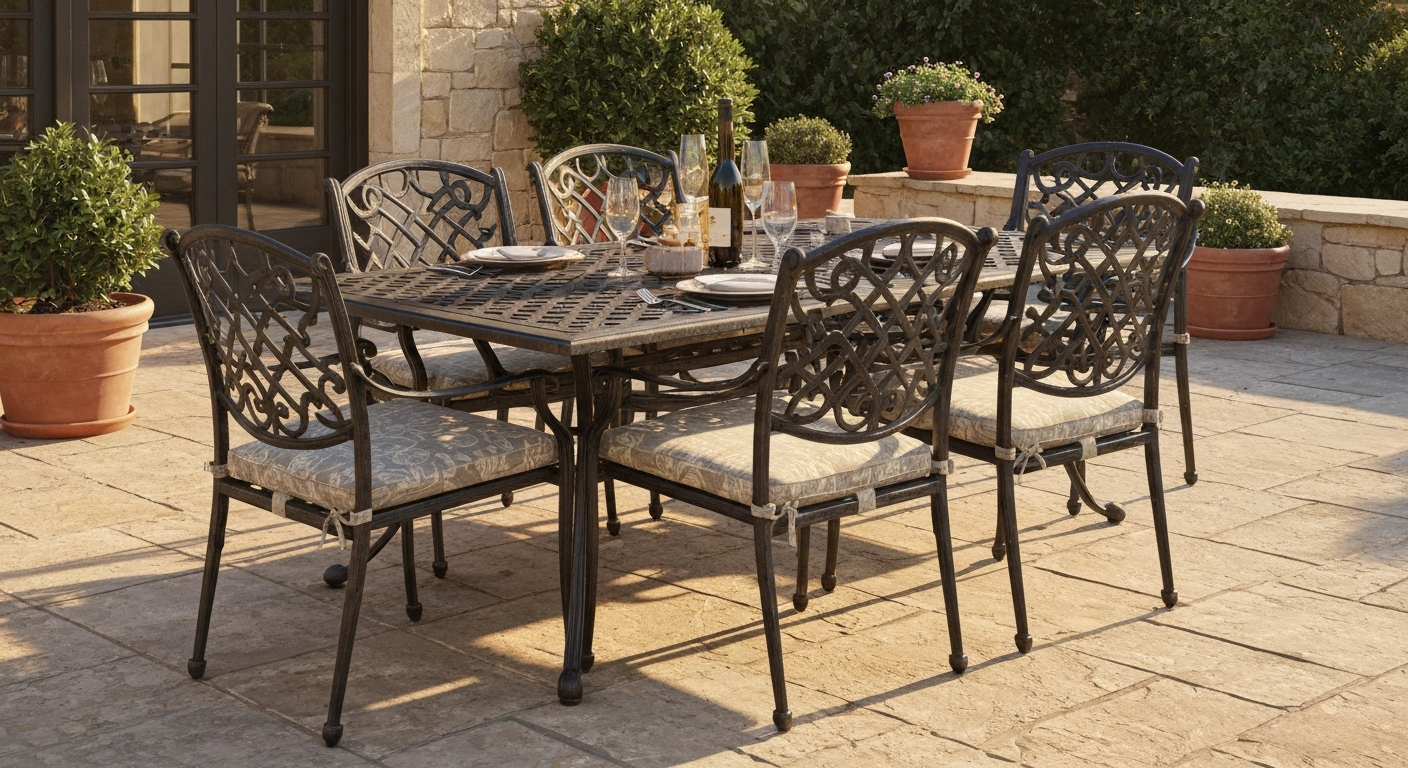
The best cast iron patio furniture for most homeowners is a well-coated, ductile iron dining set or bench from a foundry-backed brand like Woodard, Fermob (for lighter iron-composite options), or a reputable heritage manufacturer, priced between $400 and $2,500 depending on the piece. Cast iron is genuinely heavy, genuinely durable, and genuinely beautiful when maintained, but it rewards buyers who understand its limitations up front: it rusts if the coating fails, it can crack if dropped or struck hard, and it is not the right call for every climate. If you know what you are getting into, it is one of the longest-lasting outdoor materials you can buy.
Best Cast Iron Patio Furniture: Top Picks & Buying Guide

Marcus Kellerman
19 Jul 2026
Who This Guide Is For
This guide is written for homeowners, landscape designers, and renovation-minded buyers who are seriously considering cast iron patio furniture and want straight answers about quality, longevity, and value. It covers everything from how cast iron is made and how it compares to wrought iron, aluminum, and teak, to exactly which climates work for it, how to stop rust before it starts, and which specific products are worth your money. If you are also comparing iron types more broadly, the wrought iron versus cast iron decision is its own conversation that is worth reading alongside this one.
What Cast Iron Patio Furniture Actually Is
Cast iron is made by melting iron with a carbon content of roughly 2.5 to 4.0 percent (plus about 1 to 3 percent silicon) and pouring the molten material into sand or permanent molds. Typical bulk composition ranges for common cast irons are about 2.5–4.0% carbon and approximately 1–3% silicon (balance iron) blank" rel="noopener noreferrer">Typical bulk composition ranges for common cast irons are about 2.5–4.0% carbon and approximately 1–3% silicon (balance iron).. Once it cools and solidifies, you get a casting that holds the shape of the mold exactly, which is why cast iron furniture can feature highly ornate scrollwork, floral motifs, and crisp geometric patterns that are nearly impossible to achieve any other way. The carbon content is what sets cast iron apart from steel and wrought iron: it is what makes the material hard but also what makes it brittle in tension.
There are two types that matter for outdoor furniture. Gray cast iron contains flake (lamellar) graphite in its microstructure. Those flakes act as stress concentrators, which is why gray cast iron is strong in compression but can crack under impact or bending loads. Ductile (nodular) cast iron, developed by adding magnesium during casting, converts those graphite flakes into spheres. The result is significantly higher tensile strength, better impact resistance, and much more forgiveness under point loads. Quality furniture manufacturers generally specify ductile iron (meeting ASTM A536) for structural components. If a brand cannot tell you which they use, that is a red flag.
In terms of styles, cast iron furniture tends toward classical and traditional aesthetics: Victorian-era garden chairs and benches with leaf or lattice patterns, French bistro sets, ornate dining chairs with curved backs, gliders, and park-style benches. Contemporary manufacturers have pushed toward cleaner geometries, but the casting process still favors decorative complexity over minimalism. If you want a sleek, modern look, aluminum or powder-coated steel will serve you better.
The Real Pros and Cons of Cast Iron Outdoors
What cast iron genuinely gets right
- Exceptional mass and stability: a cast iron dining chair typically weighs 25 to 45 pounds. It will not blow across your patio in a storm. This is a genuine safety and usability advantage on exposed terraces and open gardens.
- Intricate detailing: the casting process captures detail that welded or bent metals cannot. If you want authentic Victorian scrollwork or Art Nouveau organic patterns, cast iron is the material that makes those possible.
- Long service life when coated: properly powder-coated cast iron, refreshed every 8 to 15 years, can outlast almost any other patio material. There are cast iron garden benches in public parks that have been in service for 80-plus years.
- Repairability: broken sections can be welded using nickel-based filler rods with proper preheat procedures. Unlike plastic or wicker, cast iron has a real repair pathway.
- Classic aesthetic that holds value: unlike some modern styles, traditional cast iron furniture retains or increases its secondhand value and pairs well with brick, stone, and masonry landscaping.
Where cast iron falls short
- Weight is a practical burden: moving a cast iron dining set for cleaning, storage, or reconfiguration is real physical work. A six-piece dining set can weigh 300 to 500 pounds total.
- Brittleness under impact: cast iron, particularly gray iron, can crack or chip if a piece falls or is struck hard. The material is strong in compression but weak in tension, which matters if you have kids who tip chairs or live somewhere with falling debris.
- Rust vulnerability when coating fails: this is the most common ownership problem. If the powder coat chips or scratches and the bare iron is exposed to moisture, rust develops quickly and spreads under the coating if not addressed promptly.
- Higher cost than steel or aluminum alternatives: quality cast iron furniture costs more than powder-coated steel or aluminum at equivalent aesthetic levels. Budget cast iron from low-grade foundries often uses gray iron with thin coatings, which defeats the purpose.
- Not easy to move seasonally: if your climate requires furniture storage in winter, cast iron is a significant logistical challenge without a dolly or multiple people.
Cast Iron vs Wrought Iron: What Actually Differs
This comparison confuses a lot of buyers because the names sound similar and the finished furniture often looks nearly identical. The material difference is substantial. Wrought iron is a near-pure iron with very low carbon content (typically under 0.08 percent) and contains fibrous slag inclusions that give it a characteristic grain and considerable ductility. It is worked (hammered, drawn, bent) at high temperatures rather than poured into molds. Historically, wrought iron was the standard for garden furniture from the 18th through early 20th centuries. True wrought iron is no longer commercially produced at scale; what is sold today as 'wrought iron patio furniture' is almost always mild steel that has been hand-forged or bent and welded to replicate the look. For a practical buying guide and top picks on the best wrought iron patio furniture, consult our separate best wrought iron patio furniture guide. If you’re asking 'is wrought iron patio furniture good', see our detailed comparison of wrought iron (and modern steel equivalents) to learn its strengths, weaknesses, and when a steel alternative is preferable. For pricing and buying guidance on these wrought-iron-style pieces, see our guide on how much is wrought iron patio furniture. For buyers focused on cost-effective steel alternatives, see our guide to the best price wrought iron patio furniture for budget-conscious options and where to find reliable low-cost suppliers.
Cast iron, by contrast, is poured. The high carbon content makes it harder and more brittle, capable of holding complex molded shapes but less tolerant of bending or impact. Genuine wrought iron (and its modern steel equivalent) is tougher in the sense that it bends before breaking. Cast iron does not: it fractures. For outdoor furniture, this means wrought iron (or its steel stand-in) handles accidental impacts better, while cast iron handles compression loads and maintains shape under sustained weight better. For anyone wrestling with the full cast iron versus wrought iron decision, that topic deserves a dedicated look at manufacturing differences, historical context, and current market realities.
How Cast Iron Stacks Up Against Every Major Outdoor Material
| Material | Weight | Rust/Corrosion Risk | Detail Capability | Durability (years, coated) | Repairability | Typical Price Range (chair) | Best Climate Fit |
|---|---|---|---|---|---|---|---|
| Cast Iron | Very heavy (25–45 lb/chair) | High if coating fails | Excellent (molded) | 30–80+ with maintenance | Good (weld/nickel rod) | $150–$600 | Dry, temperate, inland |
| Wrought Iron / Forged Steel | Heavy (20–40 lb/chair) | Moderate-high if uncoated | Good (hand-forged) | 20–50+ with maintenance | Excellent (weld/bend) | $120–$500 | Temperate, low-salt inland |
| Powder-Coated Aluminum | Light (8–15 lb/chair) | Very low (no rust) | Moderate | 15–30+ | Limited (structural cracks) | $80–$400 | Coastal, humid, all regions |
| Galvanized / Powder-Coated Steel | Medium (15–25 lb/chair) | Moderate (rust at bare spots) | Good | 10–25 with maintenance | Good (weld) | $60–$300 | Temperate, dry climates |
| Teak | Medium-heavy (18–30 lb/chair) | None (naturally resistant) | Moderate (carved/jointed) | 25–70+ (grays without oil) | Moderate (wood joinery) | $200–$800 | All climates, excellent coastal |
| HDPE/All-Weather Wicker | Light (6–12 lb/chair) | None | High (woven patterns) | 15–25 | Limited | $80–$350 | Coastal, humid, freeze-thaw |
The table above reflects real-world performance ranges, not manufacturer marketing. Teak and aluminum consistently outperform cast iron in coastal and high-humidity environments. Cast iron wins on stability, decorative detail, and long-term structural mass in appropriate climates. The weight column matters more than most buyers expect before they own a piece.
Does Cast Iron Patio Furniture Rust?
Yes, cast iron rusts, and it rusts readily. Iron oxidizes when it contacts both oxygen and moisture, and cast iron's relatively porous surface structure means that once a protective coating is breached, rust can spread under the finish faster than on denser metals. AMPP (formerly NACE International), the authoritative body on corrosion science, identifies humidity, salt, and surface contaminants as the primary accelerants of iron corrosion in outdoor environments. Near the coast, airborne chloride salts dramatically accelerate the process. In freeze-thaw climates, ice crystal formation inside coating cracks mechanically opens new pathways for moisture to reach bare metal.
The good news is that rust on cast iron is manageable and preventable with the right coatings and habits. Quality manufacturers apply powder coatings, which the Powder Coating Institute recognizes as delivering substantially better UV and corrosion resistance than conventional liquid paint. Super-durable polyester and fluoropolymer powder coatings tested under ASTM B117 salt spray protocols can show realistic outdoor lifetimes in the 8 to 20-plus year range depending on chemistry and exposure. That is the standard you want: a named powder coat system, not a spray-can finish.
Rust prevention in practice
- Inspect the coating annually in spring. Look for chips, scratches, or bubbling paint, especially at joints and feet where water pools.
- Touch up any bare metal immediately using a rust-inhibiting metal primer followed by a matching topcoat. Do not wait seasons to address a chip.
- Apply a paste wax or clear protective sealant over the entire piece once a year. This adds a sacrificial barrier over the existing coating.
- Use furniture feet or rubber pads to keep legs off wet pavers and decking. Prolonged contact with standing water is where most foot-corrosion starts.
- Cover or store cast iron furniture during extended wet or winter periods. A breathable furniture cover is sufficient for moderate climates; move indoors for coastal or harsh-freeze regions.
- If rust has already developed, treat it with a phosphoric acid-based rust converter (such as those using Rust-Oleum's phosphoric acid chemistry). This converts iron oxides to a more stable iron phosphate film that accepts primer and topcoat. Wire brush loose rust first, apply converter, allow to cure, then prime and repaint.
For severely rusted pieces, professional restoration using abrasive (shot or sand) blasting, iron phosphate pretreatment, and a multi-stage powder coat system will return a piece to like-new durability. The cost typically runs $150 to $400 per piece depending on complexity, which is genuinely worth it for quality furniture. A full professional refinish is covered in the restoration section below.
Climate and Region: Where Cast Iron Shines and Where It Struggles
Climate is probably the single most important factor in deciding whether cast iron is right for your patio. I have seen buyers in coastal Florida choose cast iron because they love the look, and within three years they are dealing with systemic rust despite diligent care. Here is a plain-language breakdown of cast iron's regional suitability.
Hot and dry climates (Southwest US, inland Mediterranean regions)
This is cast iron's best environment. Low humidity means minimal oxidation risk, UV is the dominant stressor rather than moisture, and a quality powder coat handles UV well for a decade or more. The furniture's mass is actually an asset in dry heat because it does not retain or amplify heat the way thin metal does (though cast iron does get hot in direct sun, so cushions are advised for seating). Phoenix, Las Vegas, Albuquerque, and similar climates are genuine sweet spots for cast iron.
Temperate and four-season climates (Midwest, Mid-Atlantic, UK, Northern Europe)
Cast iron is workable here with proper seasonal care. The main concern is freeze-thaw cycling, which stresses coatings and can crack cast iron at thin sections if water penetrates and freezes inside a joint or hollow section. Annual inspection, prompt touch-up, and either indoor storage or high-quality covers during winter will get decades of service from a good piece. The Pacific Northwest is a tougher sub-case due to near-constant dampness, so extra diligence is required.
Humid subtropical climates (Southeast US, Gulf Coast, Southeast Asia)
High humidity combined with heat accelerates corrosion significantly. Cast iron is manageable but demands active maintenance. Storing furniture during the rainy season, applying protective wax twice a year rather than once, and vigilant coating inspection make it workable. That said, powder-coated aluminum or teak will simply be less work in these climates. If you are committed to the cast iron aesthetic in a humid subtropical environment, choose a piece with a thicker, higher-grade powder coat and budget for refinishing every 8 to 12 years.
Coastal and salt-air environments
This is where cast iron is the wrong choice unless you are unusually committed to maintenance. Airborne chloride salts are relentless at attacking iron coatings, and once corrosion begins under a coating near salt air, it spreads fast. Within a half mile of saltwater, aluminum, teak, or HDPE are the rational materials. Beyond a mile from the coast, with diligent care and premium coatings, cast iron can work, but it is still a higher-maintenance proposition than aluminum or teak. The rust and weather-resistance topic goes deeper than this summary if you want the full picture on corrosion mechanisms.
Top Cast Iron Patio Furniture Picks by Budget and Use
The market for cast iron outdoor furniture sits in a complicated place: genuine quality cast iron furniture is almost always sold through specialty outdoor retailers, estate sales, and heritage brands, while big-box stores often sell pieces labeled 'cast iron' that use thin gray iron castings with spray-applied coatings. The difference in longevity is enormous. Here are the categories and specific recommendations I can stand behind. For a quick shortlist of top-rated options, see our guide to the best iron patio furniture.
Best overall: Woodard Terrace Cast Iron Collection
Woodard has been making cast iron and cast aluminum outdoor furniture since 1866 and remains one of the few manufacturers that publishes details about their coating systems and metal specifications. Their Terrace Collection cast iron dining chairs (approximately $380 to $480 per chair) and benches use ductile iron sections where structurally critical, multi-stage powder coat finishes, and hardware that is marine-grade stainless. The castings are clean with no obvious porosity. Cushions are sold separately. This is the benchmark I use when evaluating other cast iron furniture claims.
Best budget pick: Crosley Furniture Bradenton Cast Iron Bistro Set
At roughly $280 to $350 for a two-chair bistro set, the Crosley Bradenton represents the more accessible end of genuine cast iron furniture. The coating is a standard polyester powder coat rather than a super-durable chemistry, which means you should expect to inspect and touch it up more frequently (every 4 to 6 years in moderate climates). The castings are gray iron, which is fine for a bistro set with low-impact daily use but means you should not be rough with these pieces. For apartment balconies or sheltered patios in dry climates, this is a solid entry point.
High-end pick: Coalbrookdale by Aga Cast Iron Furniture
Coalbrookdale, operating out of the same Shropshire foundry region historically associated with the British Industrial Revolution, produces cast iron garden furniture that is genuinely made to last multiple generations. Their Lily and Fern benches (£600 to £1,200 / approximately $750 to $1,500) are investment pieces, not purchases. The casting quality is exceptional, the joinery is tight, and the paint systems are specified for outdoor longevity. Replacement parts and professional refinishing are available. If you are treating patio furniture as a long-term asset rather than a consumable, this is the tier worth considering.
Best for small spaces: Classic cast iron bistro set (2-chair)
For balconies, small courtyards, or urban patios with limited square footage, a compact bistro table (24-inch round) and two matching chairs is the format that works. Look for sets in the 18 to 22 inch seat width range with a table height of 28 to 30 inches. Fermob's Bistro collection (technically powder-coated steel with cast iron aesthetic) and similar options from French-heritage brands offer excellent small-space options in the $250 to $500 range. If you need true cast iron, Crosley and World Market carry authentic small-format sets in this price band.
Best dining set: Homecrest Outdoor Living Cast Iron Dining
Homecrest, a commercial and residential outdoor furniture manufacturer based in Indiana, produces cast iron dining collections that bridge the gap between residential and light commercial use. Their 5-piece cast iron dining sets (table plus four chairs) run approximately $1,200 to $1,800 and come standard with high-density polyurethane finishes over sand-cast ductile iron. The table frames are particularly well-engineered for stability without play at the joint connections, which is a common failure point on lesser cast iron tables. These are also available through contract furniture channels, which sometimes means better pricing for bulk purchases.
Best benches and gliders: Keystone Collection and Vintage Woodard
Cast iron benches and gliders represent the most durable and historically consistent use of the material. Keystone Outdoor Décor makes traditional park-style cast iron benches in 4-foot and 5-foot lengths ($280 to $450) that use classic leg-and-slat construction with cast iron ends and either wood or metal slats. For gliders, vintage Woodard spring-seat gliders from the 1940s through 1970s are still widely available at estate sales and antique markets for $150 to $400 and can be professionally refinished to better-than-new condition. A restored vintage Woodard glider refinished with two-stage powder coat will outperform most new budget iron furniture by a wide margin.
Commercial and institutional use: Lyon Shaw and Barlow Tyrie
For restaurants, hotels, and public spaces that need cast iron-aesthetic furniture with contract-grade durability, Lyon Shaw (now part of Telescope Casual group) and Barlow Tyrie produce pieces that meet commercial specification standards. These are priced accordingly ($500 to $1,200 per chair) and include commercial warranties that cover coating and structural failure. If you are specifying for a commercial property, the cost-per-year math strongly favors this tier over budget alternatives, which often need replacing every 5 to 8 years in commercial settings.
Maintenance, Repair, and Refinishing
Annual maintenance routine
- Clean all surfaces in spring with a mild detergent and soft-bristle brush. Remove any mildew, bird deposits, or oxidation residue from crevices.
- Rinse thoroughly and allow to dry completely before inspecting the coating.
- Inspect every surface, particularly under joints, at feet, and on horizontal surfaces where water sits, for chips, cracks, or bubbling in the coating.
- Apply touch-up paint or primer to any bare metal within 48 hours of discovery. Use a rust-inhibiting primer followed by a color-matched topcoat.
- Apply a thin coat of paste wax (carnauba-based products work well) to all surfaces. Buff to a light sheen. This adds UV and moisture protection.
- Tighten any bolted connections. Cast iron furniture fasteners can loosen over thermal cycling.
- Check rubber or plastic feet pads. Replace any that are cracked, missing, or compressing unevenly.
Dealing with existing rust
For surface rust on otherwise intact coating, start with mechanical removal: a wire brush, cup brush on a drill, or fine abrasive pad for tight spaces. University and industry cleaning and restoration guidance recommend a hierarchy: begin with mechanical removal of loose rust, follow with phosphoric‑based rust converters where geometry prevents full mechanical access, then apply a suitable primer and topcoat, and always use appropriate PPE and ventilation mechanical removal, then chemical conversion, then primer and topcoat. Remove all loose rust and flaking coating back to sound metal. If geometry prevents full mechanical access in scrollwork and crevices, apply a phosphoric acid-based rust converter per the manufacturer's data sheet instructions. These products convert iron oxides to iron phosphate, which is more stable and accepts primer. Allow full cure time (typically 24 hours), then apply a metal-specific primer followed by your topcoat. Do not skip the primer step; it is what makes the repair last.
Professional refinishing
For pieces with extensive rust, peeling coating, or structural concerns, professional refinishing is the right move. A reputable shop will strip the piece by abrasive blasting (shot or sand), apply an iron phosphate or zinc-phosphate conversion coating to the bare metal, then apply an e-coat base or zinc-rich primer followed by a polyester or super-durable powder topcoat. This multi-stage system is what gives restored furniture 15 to 25 more years of service life. Get a written description of the coating system before committing to a shop: 'powder coat' without chemistry specifics tells you nothing useful.
Repairing broken cast iron sections
Cast iron can be welded, but it requires specific technique. Lincoln Electric's technical welding guides and WeldGuru documentation both emphasize the same approach: use nickel-based filler rods (ERNi-CI or ERNi-99 types), preheat the casting uniformly to 300 to 500 degrees Fahrenheit for lighter ornamental sections (up to 1,200 degrees for heavy sections), weld in short runs to minimize heat buildup, peen each bead lightly to relieve stress, and insulate the piece to cool slowly after welding. Do not quench. Rapid cooling is the most common cause of re-cracking. For small ornamental breaks or thin sections, brazing with silicon bronze is often preferable because it requires less heat and produces less thermal stress. This is specialized work; if you are not experienced with cast iron repair, hire a professional welder with cast iron experience rather than learning on your furniture.
Styling Cast Iron Furniture: What Works and What Does Not
Cast iron furniture is inherently traditional. For more on contemporary trends and whether wrought iron patio furniture is out of style, see our guide. It reads best against natural stone patios, brick walls, garden walls, formal hedging, and mature plantings. It pairs naturally with slate, bluestone, and quarried limestone. It looks awkward against composite decking, concrete pavers in large-format rectified tile, and minimalist modern architecture. The mass of the material also means scale matters: ornate Victorian cast iron chairs can look cluttered in a small contemporary space but exactly right in a generous garden terrace or a grand front veranda.
Color choice significantly affects longevity and appearance. Matte or satin black is the classic and also the most practical: it hides minor touch-up work, absorbs heat in cool climates, and is the easiest to match for repairs. Dark greens, bronzes, and aged iron finishes are period-appropriate and also relatively easy to touch up. White and cream finishes are visually striking but show wear, staining, and repair work far more obviously, and the coating tends to yellow with UV exposure unless a fluoropolymer topcoat is specified. If you love white, budget for more frequent refinishing.
Buying Checklist: What to Verify Before You Purchase
- Confirm whether the material is gray or ductile iron. For any structural piece (chairs, tables, gliders), ductile iron (ASTM A536) is the correct specification.
- Ask about the coating system: what chemistry is the powder coat (polyester, super-durable polyester, FEVE/fluoropolymer)? A brand that can answer this specifically is a brand that takes quality seriously.
- Check hardware: bolts, nuts, and fasteners should be stainless steel or hot-dip galvanized, not zinc-plated. Zinc plating in outdoor use corrodes within a few years.
- Inspect casting quality in person if possible: look for pinholes, sharp edge burrs (indicating poor mold quality), visible porosity, or coating that has been applied to cover surface defects.
- Verify replacement parts availability. Quality brands stock replacement hardware, cushions, and sometimes individual cast sections. Budget brands often do not.
- Check the warranty terms carefully. A 1-year warranty on coating is insufficient for quality cast iron. Look for 5-year or longer coating warranties and structural warranties of 10 or more years.
- Factor in shipping and delivery costs for heavy pieces. Cast iron furniture is expensive to ship; freight delivery on a dining set can add $150 to $300 to the cost.
- For used or vintage pieces, inspect all joints for cracks and all surfaces for rust beneath the coating (bubbling paint is the telltale sign). Factor in professional refinishing cost ($150 to $400 per piece) when evaluating the price.
Long-Term Value: How to Think About the Cost
The right frame for evaluating cast iron furniture is cost per year of service, not sticker price. A $1,200 Woodard dining chair that lasts 40 years with two professional refinishes (at $250 each) costs approximately $42 per year. A $300 budget cast iron chair that needs replacement in 8 years because the coating system was inadequate and rust has compromised the casting costs $37.50 per year without accounting for the inconvenience of replacement shopping. The numbers are close enough that the better piece is almost always the better value, and the better piece also has the cultural and material permanence that makes cast iron worth choosing in the first place. If you are going to buy cast iron, buy it at a quality tier where the material's actual advantages are fully realized.
FAQ
What primary technical references should guide the metallurgy and material-performance sections of the article?
Use field‑standard metallurgy and foundry references: ASM Handbook (Cast Iron chapters) for microstructure, grades and mechanical behavior; ASTM A48 and A536 for gray and ductile cast‑iron specifications; and peer‑reviewed metallurgical sources (ScienceDirect, university materials departments) for explanations of graphite morphology (flake vs nodular) and its effect on strength and brittleness.
Which corrosion and coating standards are essential when evaluating weather resistance and finishes?
Cite corrosion engineering authorities such as AMPP (NACE) for mechanisms and environmental drivers, ASTM B117 salt‑spray practice for accelerated corrosion comparison (with the caveat it’s comparative, not absolute), and architectural/finish standards (AAMA 2604/2605, Powder Coating Institute guidance) to assess and compare powder coatings, liquid coatings and expected lifetimes.
What lab tests and field data should be used to vet top‑pick products and finishes?
Require vendors to provide third‑party or in‑house test data including: ASTM B117 salt‑spray hours, accelerated UV/weathering (e.g., ASTM G154), adhesion tests (ASTM D3359), and any AAMA/AAMA‑equivalent architectural approvals. Supplement with independent field exposure data (real‑world longevity in different climates) and retailer return/repair statistics when available.
How should product selection and vetting be structured to produce reliable top picks across budgets and uses?
Combine four data streams: 1) Technical spec verification (material grade, casting process, finish system and test reports); 2) Hands‑on evaluations or detailed inspection photos (fit/finish, joints, hardware); 3) Aggregated consumer and trade reviews for durability and warranty claim patterns; 4) Manufacturer reputation, warranty terms and parts/repair availability. Weight technical validation and failure‑mode evidence heavier than marketing claims.
What expert inputs are necessary for practical repair, refinishing and welding guidance?
Interview or reference: certified welders/foundry technicians (guidance on preheat, nickel‑based filler rods, controlled cooling), professional restoration shops (abrasive blasting, pretreatment, e‑coat/powder workflows), and coatings chemists (selection of super‑durable powders/fluoropolymers). Use Lincoln Electric and trade welding guides for repair protocol specifics and WeldGuru/industry repair notes for practical cautionary steps.
Which sources should inform the maintenance, rust‑treatment and DIY restoration steps?
Use manufacturer technical data sheets and product MSDS for rust converters/removers (phosphoric acid products), extension‑service and industry cleaning guides for step sequences (mechanical removal → chemical conversion → primer → topcoat), and professional shop workflows for advanced restoration (shot/blasting, metal pretreatment). Emphasize PPE and safety guidance from supplier datasheets.
Next Articles
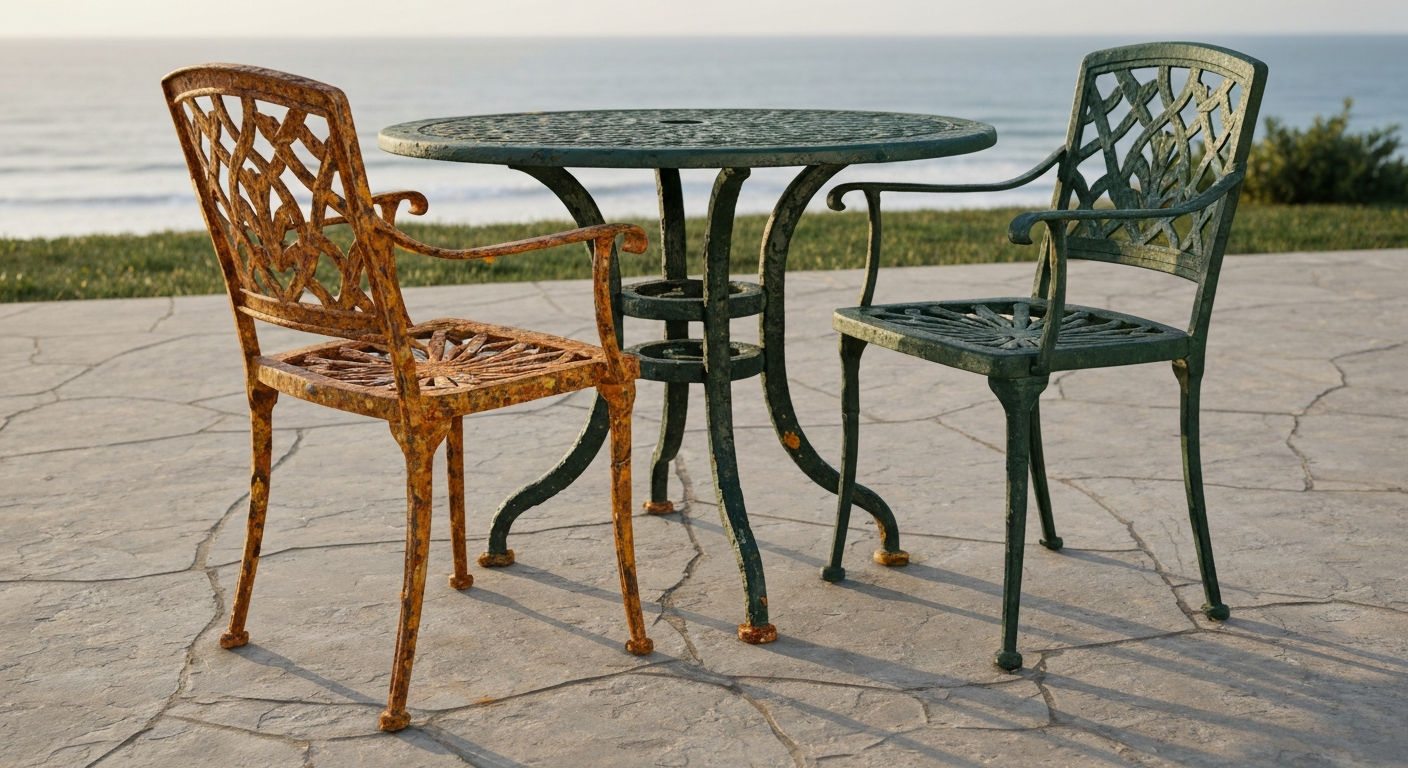
Does Cast Iron Patio Furniture Rust? Risks, Care & Fixes
Learn if cast- and wrought-iron patio furniture rust, why, and how to protect, repair, buy, and care it.
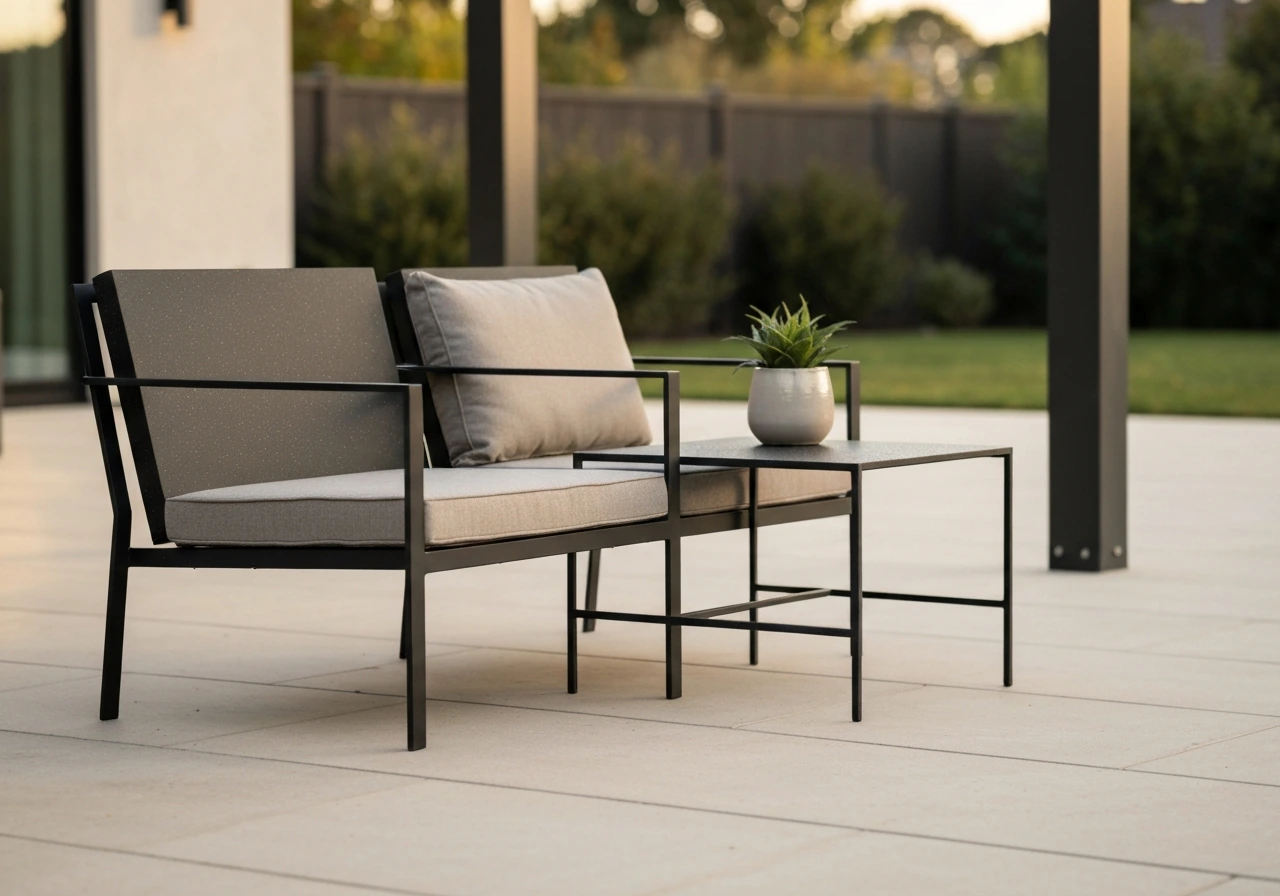
Is Wrought Iron Patio Furniture Out of Style in 2026?
2026 verdict on wrought iron patio furniture: modern styling, rust care, comfort, durability vs aluminum, wood, teak, an
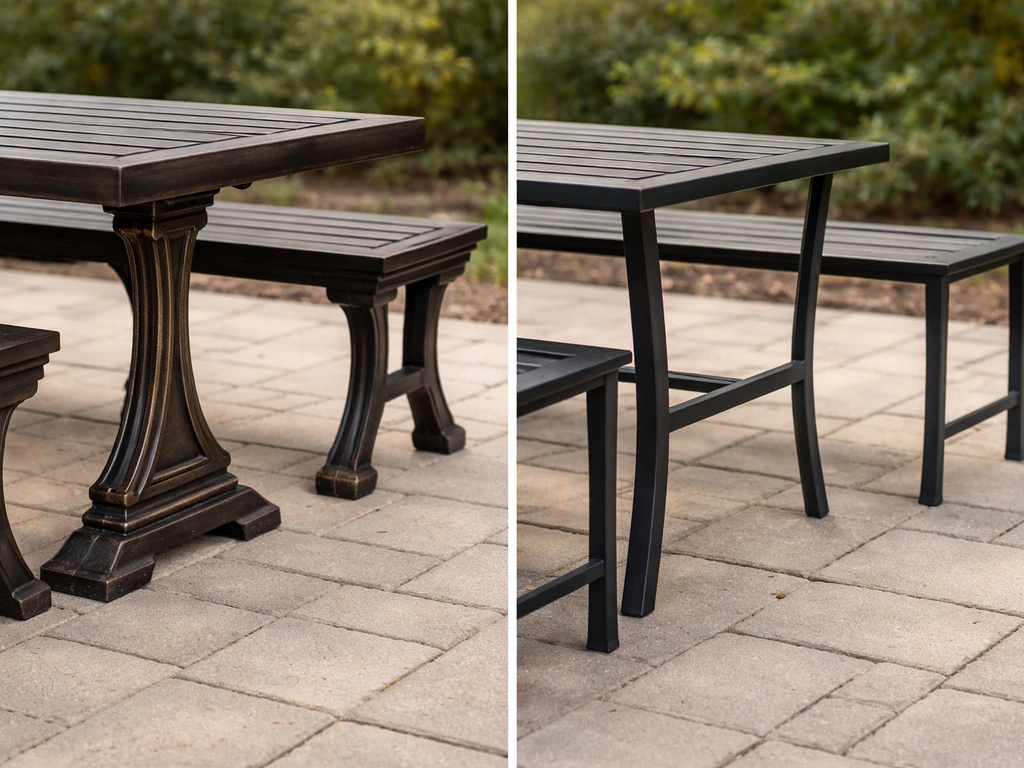
Cast Iron vs Wrought Iron Patio Furniture: Practical Comparison
Compare cast iron vs wrought iron vs steel patio furniture for rust risk, strength, weight, comfort, maintenance, and li