
The best plastic patio furniture for most people in 2026 is made from HDPE (high-density polyethylene) or poly lumber, thick, UV-stabilized, resin-based material that genuinely holds up to sun, rain, and temperature swings without warping, fading, or cracking the way cheap polypropylene pieces do. If you're shopping on a tighter budget, look for injection-molded polypropylene chairs rated for UV resistance with walls at least 3–4mm thick. Anything thinner than that, or with no UV additive listed in the specs, will be brittle and chalky within two seasons.
Best Plastic Patio Furniture: Chairs, Sets, and Buying Guide

Marcus Kellerman
5 Jun 2026
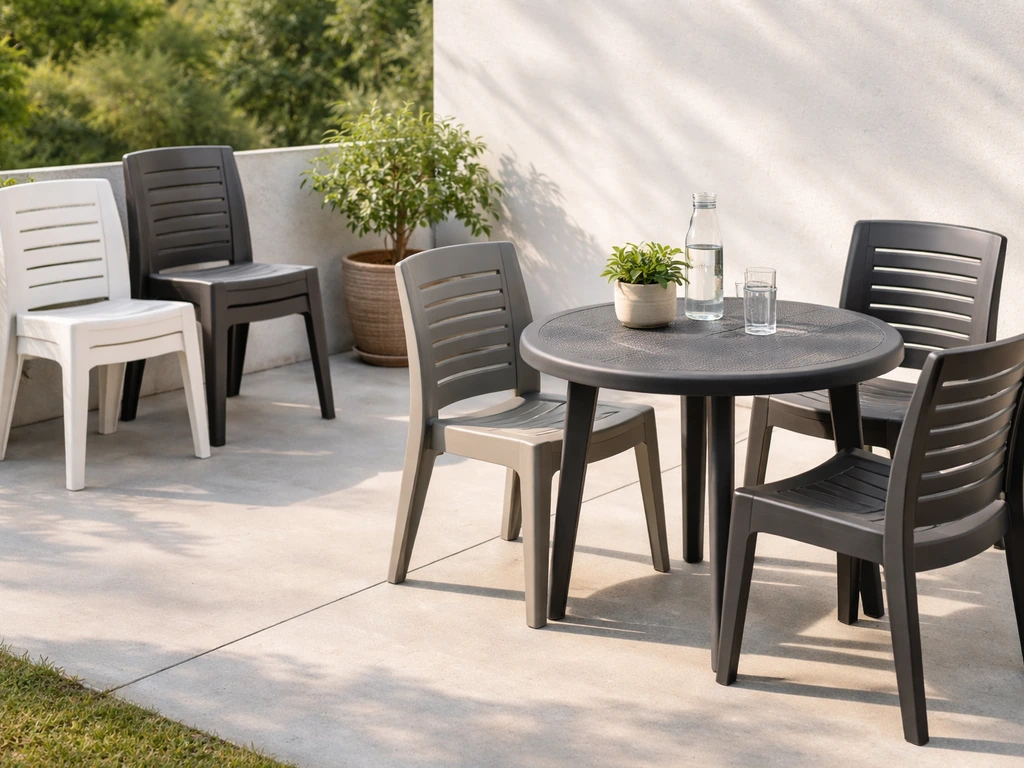
How to choose the best plastic patio furniture for your patio
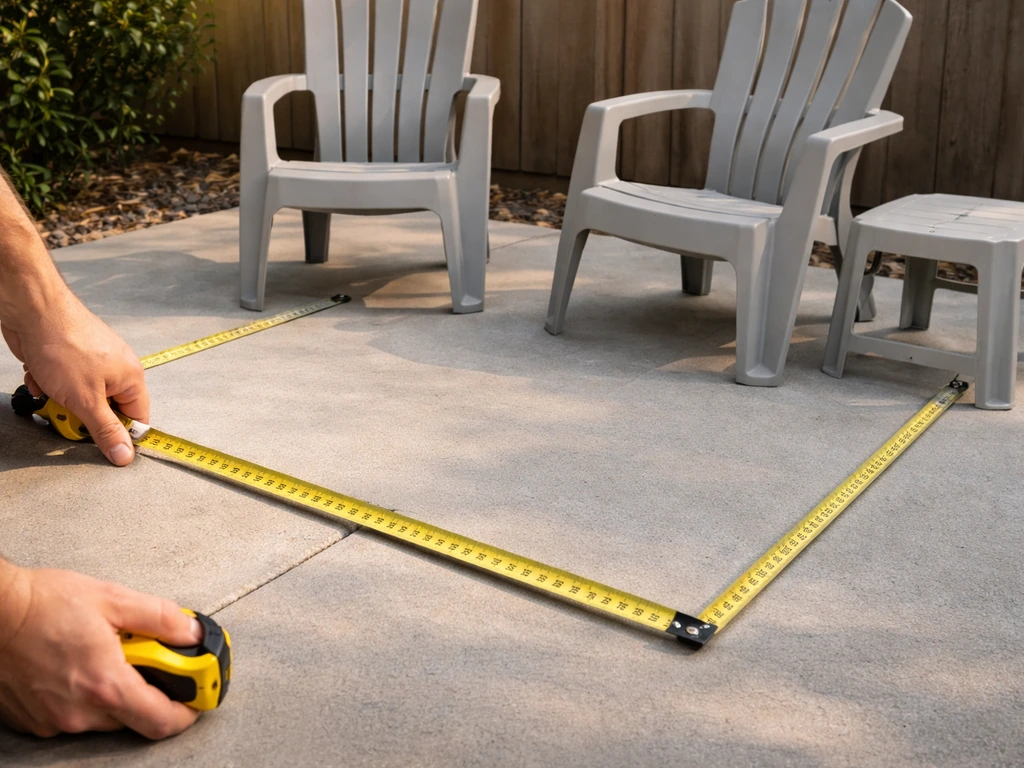
Before you buy anything, answer three questions: What's your climate like? How much space do you have? And how much real use will this furniture see? Your answers will eliminate half the options on the market immediately.
If you're in a high-UV region, the American Southwest, Florida, coastal areas with intense reflected light, UV stabilization is non-negotiable. UV degradation is the single biggest failure mode for plastic outdoor furniture. Brands that list their UV inhibitor content or reference accelerated weathering testing (look for references to ASTM D4329 or ISO 4892-2 xenon-arc testing in product specs) are being transparent about longevity. ISO 4892-2 is an xenon-arc weathering standard that defines the apparatus, exposure cycles, and measurement practices used to simulate outdoor UV exposure and related environmental conditions in accelerated tests ISO 4892-2 xenon-arc testing. Those that just say 'weather resistant' without specifics are usually cutting corners.
If you're in a rainy, humid, or coastal zone, moisture and mildew resistance matter as much as UV. HDPE and poly lumber are essentially non-porous, which means mold and algae have almost nothing to grip. Cheaper hollow polypropylene pieces, especially those with fabric sling inserts or cushion channels, trap moisture and become breeding grounds for mildew within a season or two.
For space planning, measure your patio before you browse. A standard plastic stacking chair is about 22–24 inches wide and 32–35 inches tall. A 4-person dining set typically needs a minimum 10x10 foot area to feel comfortable with chairs pulled out. If your space is smaller than that, stackable chairs with a folding or small bistro table are almost always the smarter call.
- Measure your usable patio square footage before selecting a set size
- Identify your climate's primary threat: UV (sun), moisture (rain/humidity), or freeze-thaw cycles
- Decide whether you need stackability or permanent placement — this affects which material construction is best
- Set a realistic budget per piece, not just total set price — it's easier to compare value that way
- Check whether the furniture will be stored indoors in winter or left outside year-round
Best plastic patio chairs: styles and size options
Plastic patio chairs fall into a few clear categories, and the right style depends on how you'll actually use them. Here's a practical breakdown of what's available and where each type fits.
Stackable side chairs
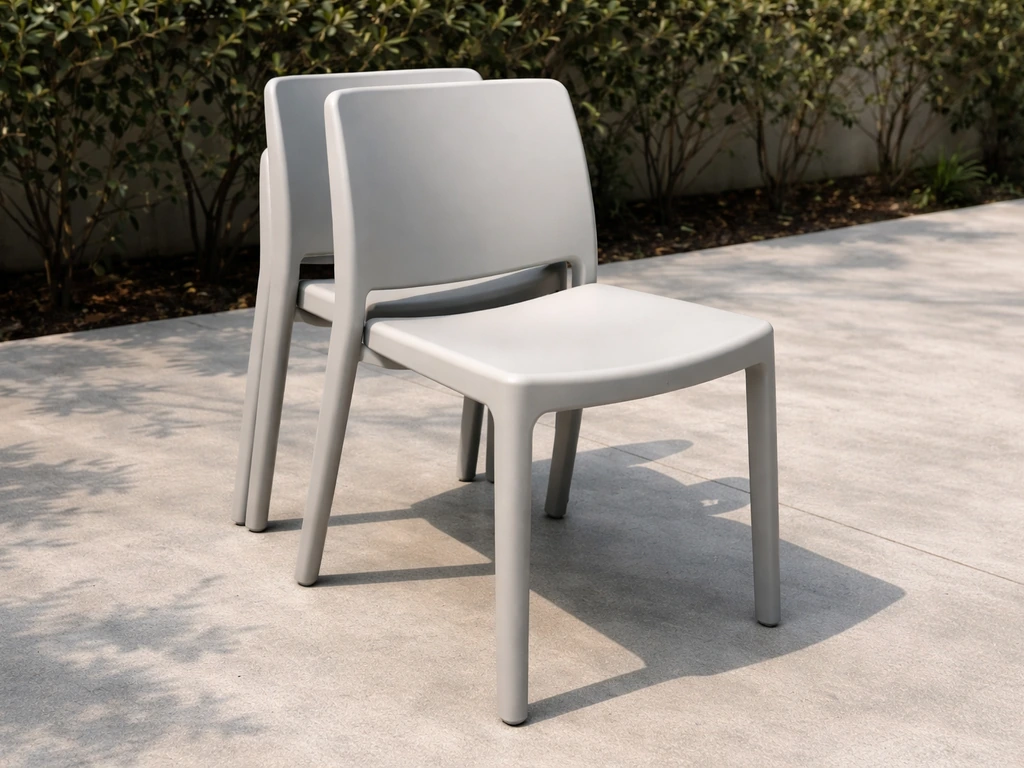
These are the classic utilitarian pick, lightweight, easy to store, and cheap to replace. The best ones are made from thick-walled polypropylene or reinforced resin with UV inhibitors. Dimensions typically run 21–23 inches wide, 33–35 inches tall, with a seat height of 17–18 inches. They're ideal for decks, pool areas, or anywhere you need to move chairs around frequently. Look for chairs that stack at least 6–8 units high without tipping, that's a sign the geometry is well-designed rather than an afterthought.
Armchairs and Adirondack styles
For relaxed seating, front porches, fire pits, conversation areas, HDPE Adirondack chairs are the gold standard in the plastic category. A quality HDPE Adirondack runs 29–33 inches wide, weighs 18–30 pounds, and sits low at roughly 14–16 inches off the ground. Poly lumber versions are heavier but virtually indestructible. When you want the best poly lumber patio furniture, weight, UV stability, and non-porous construction are the key buying signals Poly lumber versions. They won't blow over easily in wind and they hold up in freeze-thaw climates because HDPE doesn't absorb moisture. The trade-off is cost: a single quality piece typically runs $150–$350, versus $30–$60 for a stackable side chair.
Sling and resin wicker chairs
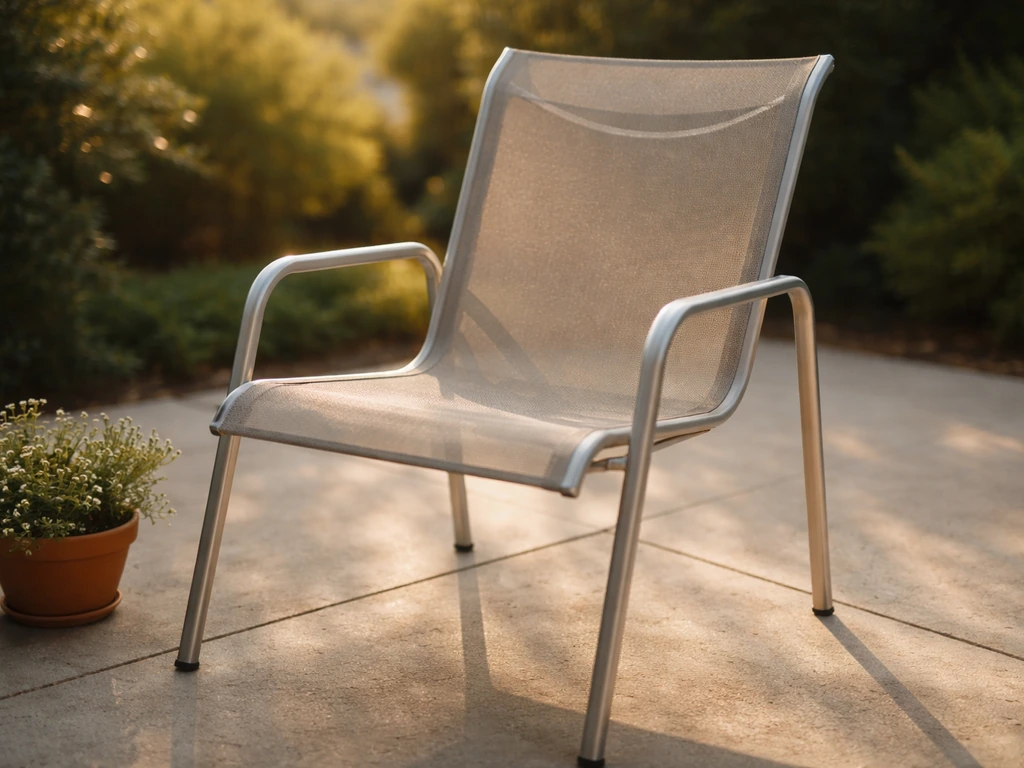
Sling chairs use a fabric or mesh seat suspended in a plastic or aluminum frame. They're comfortable and breathable, which matters in hot climates. The frame itself is usually aluminum with plastic end caps, so durability depends mostly on the sling fabric quality (look for textilene or similar UV-treated mesh) and the frame's powder coating. Resin wicker chairs look more decorative but need shade or a cover in heavy UV environments, the weave traps heat and can loosen at stress points over time.
Dining chairs and seating sets
Plastic dining chairs for outdoor use should have a seat height of 17–19 inches to pair correctly with standard 29–30 inch patio tables. Check the arm width if you're buying armed dining chairs, many people find that wide arms prevent chairs from sliding under the table, wasting space. A 4-person plastic dining set typically needs 6–8 feet of clearance on the long side to allow chair movement. Sets in the $300–$600 range often use better resin formulations and thicker construction than individual budget chairs.
Material and construction details that actually affect durability
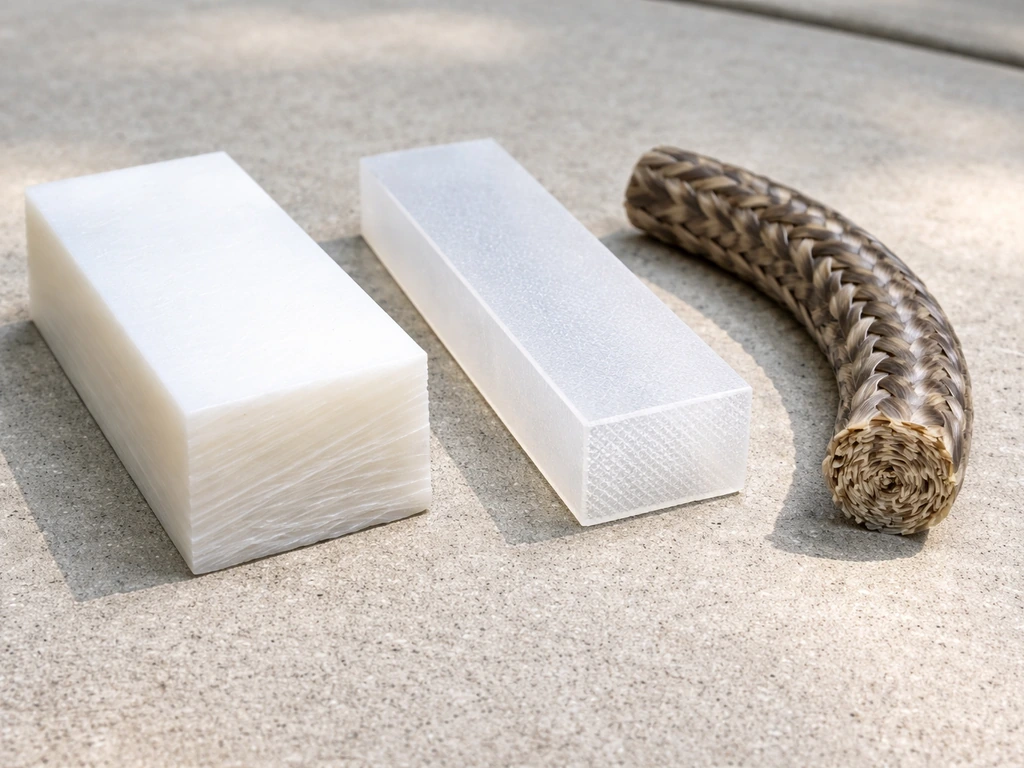
Not all plastic is the same, and the material type is the single biggest predictor of how long patio furniture lasts. Here's what to know about the most common options.
| Material | Durability | Weight | Best For | Typical Lifespan |
|---|---|---|---|---|
| HDPE / Poly Lumber | Excellent | Heavy (15–40 lbs/chair) | Year-round outdoor use, harsh climates | 20+ years |
| Reinforced Polypropylene | Good | Light (6–12 lbs/chair) | Stackable, portable seating, moderate climates | 5–10 years |
| Standard Polypropylene | Fair | Very light (4–8 lbs/chair) | Budget, light seasonal use | 2–5 years |
| Resin/Fiberglass Composite | Very Good | Medium (10–20 lbs/chair) | Decorative sets, covered patios | 10–15 years |
| PVC/Vinyl | Fair | Light–Medium | Poolside, very wet environments | 5–8 years |
Wall thickness matters more than most shoppers realize. Industry testing standards like ASTM D4329 use specimen bars around 3.2mm (about 0.125 inches) thick as a baseline for polymer weathering tests, and that's for a test bar under controlled lab conditions. A patio chair that's going to sit in full sun in Phoenix needs structural sections considerably thicker than that. For injection-molded polypropylene chairs, look for wall thickness of at least 3–4mm in the seat and back panels. For legs and structural members, thicker is always better.
Hardware quality is an overlooked durability factor. Screws, bolts, and connectors that hold plastic furniture together should be stainless steel or marine-grade aluminum. Cheap zinc or uncoated steel hardware rusts through in two seasons in humid climates, staining the furniture and weakening the connections. If a brand doesn't specify hardware material, that's usually a sign they used whatever was cheapest.
HDPE and poly lumber deserve a special mention because they're genuinely a cut above standard plastic. These materials are manufactured with UV inhibitors and colorants mixed throughout the material, not just a surface coating, which means the color runs all the way through and doesn't chip or peel. They're also made partly or entirely from recycled plastic in many cases, which is worth considering if sustainability matters to you. They're also made partly or entirely from recycled plastic in many cases, which is worth considering if sustainability matters to you best recycled plastic patio furniture. Poly lumber and recycled plastic furniture options are worth exploring as a natural upgrade path from standard resin pieces.
Weather resistance, UV fade, and heat/cold performance
UV degradation is the primary enemy of plastic patio furniture. Ultraviolet radiation breaks down polymer chains over time, causing surface chalking, color fading, brittleness, and eventually structural cracking. The best manufacturers test their products using accelerated weathering protocols, equipment like QUV chambers that simulate years of UV exposure, moisture cycling, and heat in a compressed timeframe. Intertek describes QUV accelerated weathering as exposing polymer test samples to aggressive weathering components like ultraviolet radiation, moisture, and heat, then measuring changes after set exposure cycles Intertek describes QUV accelerated weathering as exposing polymers to ultraviolet radiation, moisture, and heat. A product that's been tested using cycles of UV exposure at 70°C followed by condensation at 50°C (a standard automotive-grade weathering cycle) is significantly more likely to hold up in real outdoor conditions than one with no disclosed testing.
For hot climates and full-sun exposure: prioritize HDPE or poly lumber. Their UV stabilizers are compounded into the resin, not applied as a topcoat. Standard polypropylene without UV additives will start chalking in 12–18 months of intense sun. Dark colors absorb more heat and can feel uncomfortably hot to the touch in direct sun, lighter colors (gray, white, tan) are more practical in sun-heavy zones. In extreme heat, even good-quality plastic can flex slightly if thin. Heavier, thicker HDPE holds its shape far better.
For cold climates and freeze-thaw cycles: HDPE and poly lumber are your best bet. They don't absorb moisture, so there's nothing to freeze and expand inside the material. Cheap hollow polypropylene pieces can trap water in cavities, which then freezes and cracks the piece from the inside. If you're in a zone that sees hard winters and you're leaving furniture outside, HDPE is worth the premium price. A cover still helps protect hardware and keep debris off.
For rainy, coastal, and humid climates: look for non-porous materials and corrosion-resistant hardware throughout. HDPE is ideal, but good-quality resin furniture also performs well. Avoid anything with metal inserts that aren't specifically rated for coastal or high-humidity use. Sling fabrics should be rated for mold and mildew resistance, look for textilene or solution-dyed acrylic mesh rather than standard polyester.
Comfort, ergonomics, and usability
Plastic furniture has a reputation for being uncomfortable, and cheap stackable chairs earn that reputation. But good plastic patio chairs, especially HDPE Adirondacks, contoured sling chairs, and well-designed resin dining chairs, can be genuinely comfortable for extended sitting. The difference comes down to seat angle, back curvature, and seat depth.
For dining chairs, a seat depth of 16–18 inches works for most adults, with a slight backward tilt of 3–5 degrees for comfort. For lounge and conversation seating, a more reclined angle (10–15 degrees) and a seat depth of 20–24 inches is appropriate. Adirondack chairs are aggressively reclined, which is great for relaxing but makes them poor choices as dining seats or anywhere you need to stand up frequently.
Armrests matter for older users or anyone who'll be sitting for long periods. A flat, wide armrest (3–4 inches wide) on an HDPE or poly lumber chair is far more comfortable than a narrow rounded one. Some resin chairs have contoured lumbar support molded into the back, this is worth seeking out and easy to check in product photos.
Weight is a real usability factor. Ultra-light polypropylene stackable chairs (under 8 pounds) will blow over in a moderate wind gust. If you're in a breezy area, choose heavier pieces or look for chairs with rubber or plastic foot caps designed to grip deck surfaces. Some HDPE sets come with anti-tip brackets for exposed locations. Conversely, if you're moving chairs frequently, between pool and patio, or stacking for storage, a 25-pound poly lumber chair gets annoying fast.
Maintenance, cleaning, and when to repair or replace
One of the genuine advantages of quality plastic patio furniture is low maintenance. But low maintenance doesn't mean no maintenance. Here's what actually needs doing and how often.
Regular cleaning
For most plastic and HDPE furniture, a mild soap and water scrub with a soft brush is all you need for routine cleaning. Do this at the start and end of each season, and spot-clean after heavy use. For mildew or algae (common in humid climates), a diluted solution of 1 part white vinegar to 3 parts water works well without damaging the plastic. Avoid bleach on colored plastic furniture, it can accelerate fading and break down UV inhibitors on the surface. Never use abrasive scrubbers, which scratch the surface and create microscopic grooves where dirt and mildew accumulate faster.
Protecting the finish
If you have standard polypropylene or resin furniture that's starting to look chalky or dull from UV exposure, you can restore some appearance with a UV-protectant spray designed for outdoor plastics. Products with 303 Aerospace Protectant or similar are popular and genuinely effective at slowing future degradation. Apply once at the start of the season and again mid-summer in high-UV climates. HDPE furniture generally doesn't need this treatment, the color and UV protection are built into the material itself.
Repair or replace?
Most plastic patio furniture problems come down to one of three things: broken hardware, cracked structural sections, or faded/chalky surfaces. Hardware issues are usually worth fixing, a $5 stainless replacement bolt can save a $200 chair. Surface fading is cosmetic and can often be addressed with UV protectant or spray paint designed for plastics. But structural cracks or brittleness in the chair frame are a sign the polymer has reached end of life. At that point, the material itself is compromised and won't hold weight safely, replace it. For HDPE and poly lumber furniture, this threshold can take 15–20 years to reach. For cheap polypropylene, you might be there in 3–5 seasons of hard use.
Price and value: what 'best' actually costs
Plastic patio furniture pricing spans a huge range, and the difference between a $30 chair and a $250 chair is very real in terms of lifespan and usability. Here's how to think about it.
| Price Range (per chair) | What You Get | Expected Lifespan | Cost Per Year (est.) |
|---|---|---|---|
| $20–$50 | Basic polypropylene, minimal UV protection, thin walls | 2–4 years | $8–$18 |
| $50–$120 | Reinforced polypropylene or resin, UV inhibitors, better hardware | 5–8 years | $8–$18 |
| $120–$250 | Quality resin composites, HDPE, or poly lumber entry-level | 10–15 years | $10–$18 |
| $250–$500+ | Premium HDPE/poly lumber, recycled content, heavy-duty hardware | 15–25+ years | $10–$20 |
The cost-per-year math consistently favors mid-to-upper tier plastic furniture over budget options. A $40 chair that needs replacing every three years costs more over a decade than a $180 HDPE piece that lasts fifteen. That said, budget polypropylene chairs are entirely reasonable for infrequent use, covered patios, or situations where you're genuinely okay replacing them every few years.
Warning signs of low-quality construction: flexible legs that wobble when you press them, mold seams that are rough or uneven (indicating a cheap mold), chairs that feel lightweight and hollow when you tap the frame, and hardware that looks zinc or uncoated. Any furniture that doesn't list the resin type in the product description is almost always standard polypropylene with no UV additive.
One useful middle-ground: buy budget stackable chairs for overflow seating (guests, kids, casual use) and invest in quality HDPE pieces for your everyday chairs. This way you get durability where it counts without overspending on pieces that rarely see use. If sustainability and long-term value are top priorities, HDPE and recycled plastic furniture options are worth a close look, the upfront cost is higher but the lifespan is genuinely impressive. If you care about end-of-life impacts, also check whether your specific plastic patio chairs are recyclable in your area are plastic patio chairs recyclable.
Your buying checklist before you order
Use this to cut through the noise and make a confident decision today, rather than getting stuck comparing specs indefinitely.
- Measure your patio space and note the dimensions — length, width, and any obstructions like doors or steps
- Identify your climate's main stressor: UV/heat, rain/humidity, or freeze-thaw cycles
- Decide on your primary chair style: stackable side chairs, armchairs/Adirondacks, or dining sets
- Look for HDPE or reinforced polypropylene with UV inhibitors listed in product specs — skip anything vague
- Check wall thickness or weight: heavier generally means thicker material and better durability
- Verify hardware is stainless steel or corrosion-resistant aluminum, especially in coastal or humid climates
- Calculate cost per year, not just sticker price — a longer-lasting piece almost always wins the math
- Read reviews specifically mentioning year 2+ or year 3+ durability — early reviews rarely reveal fading or warping issues
- If buying a set, check that chairs fit under the table with arms included — confirm table height and chair arm height compatibility
FAQ
Can I leave plastic patio furniture outside year-round, or should I cover it?
You can usually leave HDPE and poly lumber out year-round, but covering still helps protect hardware from corrosion and reduces dirt buildup that can trap moisture. Use a breathable cover (vents on the sides or top), avoid tight plastic sheeting that can hold condensation, and make sure chairs are dry before covering.
What should I do if my plastic patio furniture starts turning white or chalky?
Light chalking is typically surface UV breakdown on polypropylene or resin. First, wash with mild soap and water, let it fully dry, then apply an outdoor plastic UV protectant made for polymer plastics. If the chair feels brittle or you see stress cracks around joints, treat it as a lifespan issue and replace rather than trying to “seal” it.
Are dark-colored plastic chairs a bad idea for hot climates?
Dark colors absorb more heat and can feel much hotter to the touch, even when the plastic is UV-stabilized. If you use furniture in full sun, choose lighter tones or ensure the design is thick-walled (for less flex) and consider using armrest and seat cushions made for outdoor use that won’t trap moisture.
How can I tell whether a sling chair is actually mildew-resistant?
Check for UV-treated mesh specifications, and avoid slings that are described generically as “polyester” or “outdoor fabric” without mention of mildew resistance. Also look at the sling design, if water channels into seams or pockets it can become a mildew hotspot, especially near the frame end caps.
Is it safe to use plastic patio furniture indoors or near pool chemicals?
Indoor use is generally fine, but near pools, the main risk is chemical exposure and corrosion of metal hardware. Choose stainless or marine-grade aluminum hardware, rinse furniture after heavy splashes, and avoid storing it uncovered in chlorine mist because it can accelerate fast hardware failure.
Do plastic patio chairs scratch easily, and how should I clean them to avoid damage?
They can scratch, especially with abrasive brushes or dry scraping. Stick to a soft brush, mild soap and water, and rinse thoroughly. If you need to remove stuck-on grime, soak a cloth with soapy water first, then gently wipe, avoid “scouring pads” and abrasive sponges.
How do I prevent wobbling or tipping on stackable plastic chairs?
Wobble usually comes from thin, flexible legs or slightly uneven floor contact. Confirm the chair stacks deep and locks cleanly, look for robust frame ribs, and use the correct foot caps for your surface (deck boards vs. concrete). If your area is windy, prioritize heavier chairs, or use anti-tip brackets if included.
What hardware should I look for if I’m buying a set online?
If the listing does not specify stainless steel, marine-grade aluminum, or a clearly rust-resistant hardware description, assume it may use zinc or uncoated steel. For coastal and humid locations, that matters because rust stains can spread and the connections can loosen even when the plastic itself is still fine.
Can I repaint fading plastic furniture instead of replacing it?
Sometimes. Cosmetic fading can be improved with paint made for plastics, but you need proper surface prep first (wash, fully dry, scuff lightly, then apply a plastic-compatible primer if required by the product). If the chair is already cracked or brittle, repainting will not restore structural integrity.
How do I choose between HDPE and poly lumber if I’m stuck?
If you want maximum shape retention and stability in wind, HDPE and thick-walled poly lumber are both strong, HDPE is often better if you move furniture around because it can be easier to handle. If you are in a freeze-thaw region and leaving items outside, both are excellent, but prioritize non-porous construction and check whether the product includes anti-tip features for exposed areas.
Are recycled plastic patio chairs actually as durable as non-recycled ones?
Recycled plastic can perform very well when manufacturers blend it into the base material with UV inhibitors throughout, not just as an outer coating. The key is the same durability signals as with any best plastic patio furniture, UV stabilization details and thick structural sections, plus corrosion-resistant hardware if any metal parts are included.
What’s the practical way to measure whether dining chairs will fit under the table?
Don’t just check table height, check clearance when the chair is pulled in. Measure the distance from floor to the underside of the tabletop, confirm chair seat height matches the intended range, and if buying armed chairs, verify arm width so chairs can slide under without forcing the arms into the table edge.
How do I know when it’s time to replace rather than keep using the furniture?
Replace when you see cracks that propagate from joints, when structural pieces feel brittle in direct sunlight, or when hardware repeatedly loosens. Cosmetic issues like chalking and color fading can be addressed, but structural failure means the polymer chains have degraded and the chair may not support weight safely.
Next Articles
Is Teak Patio Furniture Good? Durable, Smart Buying Guide
Is teak patio furniture good? Evidence-based verdict, lifespan, care, buying tips, comparisons, and eco guidance.
How Long Does Teak Patio Furniture Last? Lifespan Guide
Teak patio lifespan ranges, factors that shorten or extend durability, and a maintenance plan to protect joints and fini
High Quality Teak Patio Furniture: How to Choose and Care
Checklist for buying high quality teak patio furniture, spot real construction, compare materials, and maintain it by cl