
For Cape May's coastal conditions, your best bets are powder-coated aluminum, Grade A teak, and synthetic resin wicker (HDPE). These three materials handle salt air, high humidity, freeze-thaw winters, and occasional nor'easter winds better than most alternatives. Cast iron can work but demands real upkeep. Untreated wood and standard steel are better left out of the equation entirely. If you already have furniture on your porch, this guide will also tell you exactly what to do to protect it and whether it's worth keeping.
Cape May Patio Furniture Guide for Coastal Durability

Marcus Kellerman
24 Jun 2026
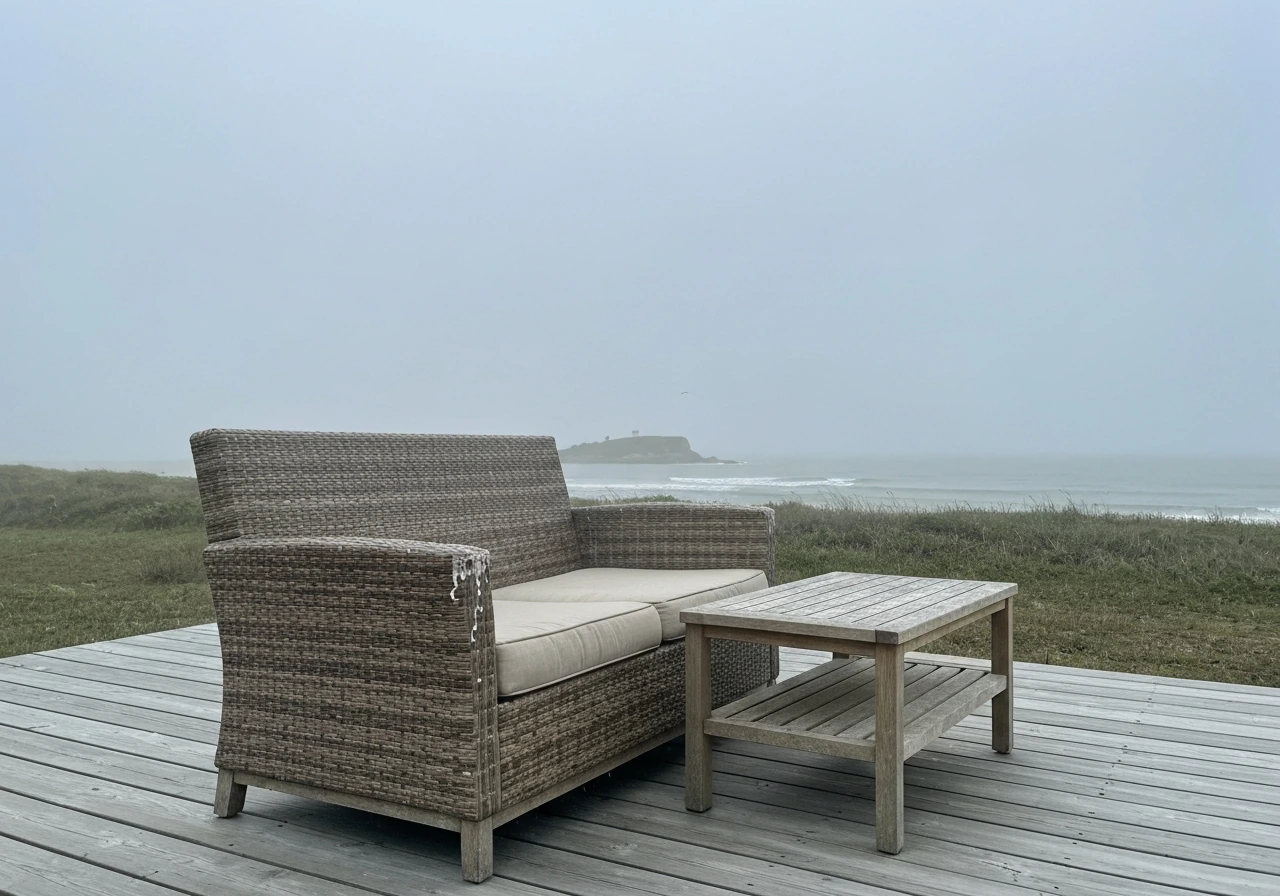
Why Cape May Is Hard on Patio Furniture
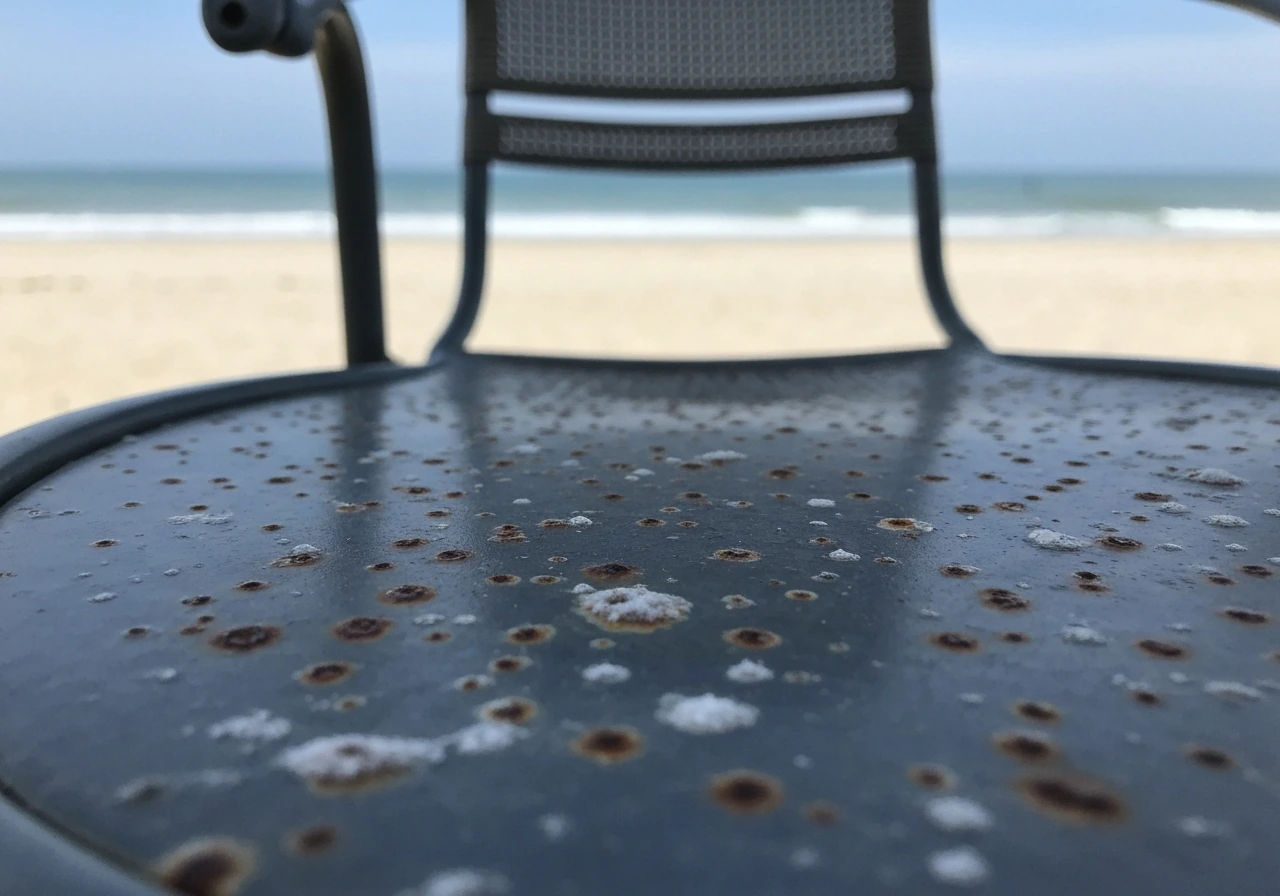
Cape May sits at the southern tip of New Jersey, and the environment is genuinely rough on outdoor furniture. Salt-laden marine aerosol blows in from the ocean and settles on every surface, accelerating corrosion on exposed metals dramatically faster than inland conditions. Humidity peaks around 82% by late May and stays elevated through summer, which means fabrics and wood never fully dry between rain events. Then winter hits with nor'easters: high winds, snow, ice, and freeze-thaw cycling that stresses joints, fasteners, and finishes. That's a four-season gauntlet that eliminates a lot of furniture options before you even start shopping.
The specific failure modes to watch for in a Cape May setup are rust and pitting on metal frames, rot and warping in wood, mildew on cushions and natural fibers, and cracked or flaking coatings that expose underlying materials. A piece that looks fine in a suburban backyard can deteriorate noticeably within a single season right on the Cape May shoreline if it's not built for that environment.
Choosing Furniture That Actually Fits the Coastal Climate
The single most important filter when evaluating any piece is corrosion resistance, not just weather resistance in a general sense. Salt spray plus wind plus moisture is a specific chemical and mechanical challenge. Here's what to check before you buy anything.
- Frame material: aluminum, teak, or synthetic resin wicker (HDPE/PE) at minimum. Avoid untreated steel, wrought iron without serious protective coating, and standard indoor-grade wood.
- Fasteners and hardware: 316 marine-grade stainless steel is the minimum acceptable spec for coastal New Jersey. Standard 304 stainless will still corrode under repeated salt spray exposure. Avoid zinc-plated or regular steel screws and bolts entirely.
- Coatings: powder-coated finishes on aluminum are excellent because aluminum already doesn't rust, and the powder coat adds UV and finish protection. Look for consistent, chip-free coverage with no thin spots at welds.
- Drainage design: joints, seat frames, and table bases should allow water to run off rather than pool. Trapped water in hidden corners accelerates rot in wood, weakens adhesives, and corrodes even good metals over time.
- Fabric and cushion spec: look for solution-dyed acrylic fabrics (Sunbrella is the benchmark) rather than polyester or canvas. Solution-dyed acrylics are mildew-resistant and breathable, which matters when Cape May humidity is keeping everything damp for days at a time.
If you're buying a set marketed as 'outdoor furniture' without those specifics, dig into the product details. A lot of furniture sold as 'rust-resistant' uses standard 304 stainless hardware or powder-coated steel frames, neither of which performs reliably this close to the ocean. Ask specifically about the grade of stainless on hardware, and if the seller can't tell you, that's a sign to look elsewhere.
Best Materials for Cape May Patios
Here's how the main material options stack up for a salt-air coastal environment. Each has a different risk profile, maintenance demand, and realistic service life.
| Material | Corrosion/Rot Risk | Typical Service Life | Maintenance Level | Cape May Suitability |
|---|---|---|---|---|
| Powder-coated aluminum | Very low (aluminum doesn't rust; coating protects finish) | 15–25+ years | Low to moderate | Excellent |
| Grade A teak | Low (natural oils resist moisture and mildew) | 25–50+ years with care | Moderate | Excellent |
| Synthetic resin wicker (HDPE) | Low (UV-stabilized, no rot) | 5–12 years | Low | Very good |
| Cast iron | High without protection (salt water accelerates finish failure) | 10–20+ years with upkeep | High | Fair, with commitment |
| Untreated or softwood | Very high (absorbs moisture, warps, rots) | 2–5 years | Very high | Poor |
| Standard steel (powder-coated) | Moderate to high (chips expose rust risk near salt air) | 5–10 years | Moderate to high | Fair at best |
Powder-coated aluminum
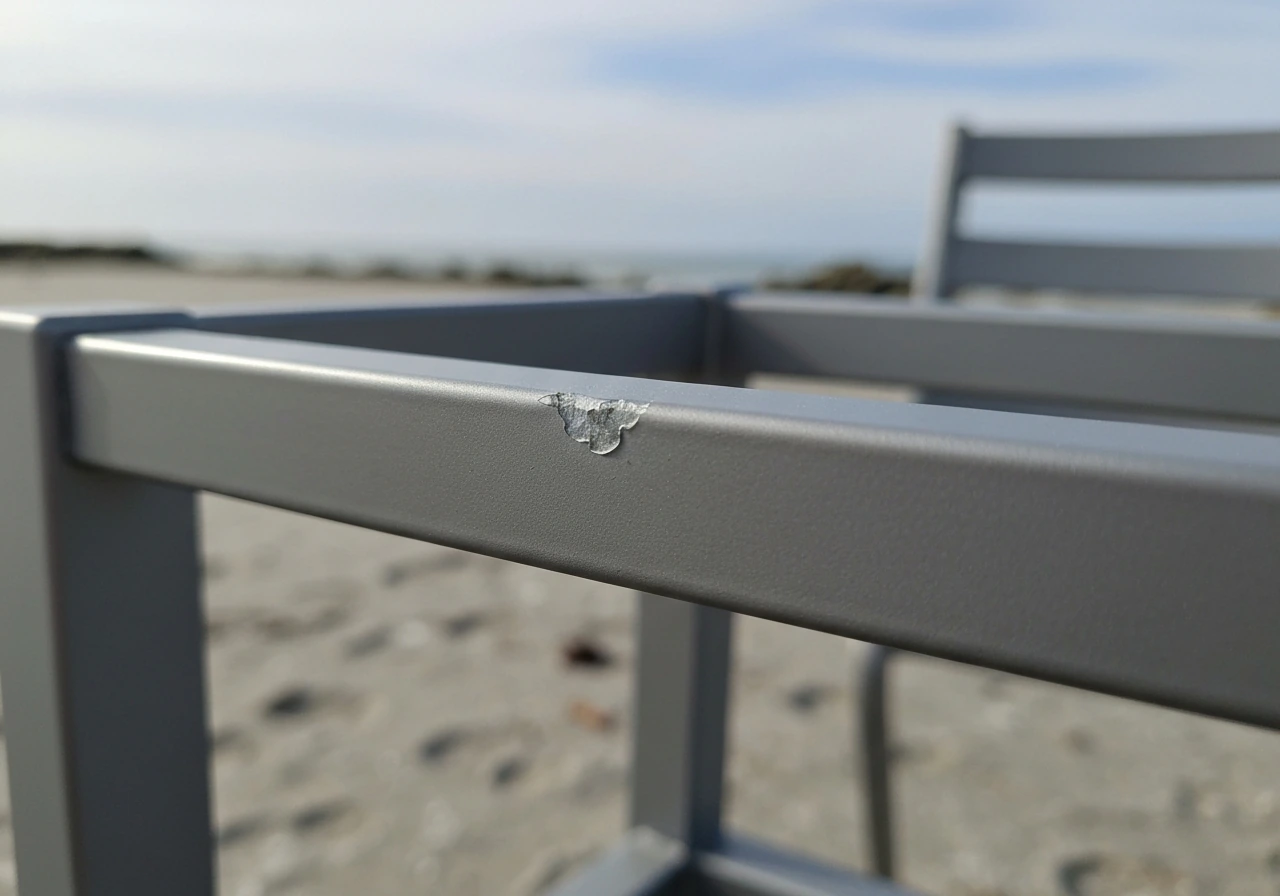
This is the most practical all-around choice for Cape May. Aluminum doesn't rust, and the powder coat provides UV resistance and a durable finish. The main vulnerability is chipping: if the coating gets damaged and salt water gets underneath, the exposed aluminum can corrode at the chip site. Inspect the coating every season and touch up any chips promptly with a matching powder-coat repair paint. In a coastal area, plan to rinse and wash the frame more frequently than you would inland, roughly every two weeks during summer, to prevent salt buildup from eating into the finish.
Grade A teak
Teak is the classic coastal furniture wood for a reason. Its natural oils make it genuinely moisture-resistant, and sunlight actually helps inhibit mold and mildew growth on the surface. Quality teak can last 50 years or more with appropriate care. The tradeoff is cost (it's expensive) and the need to manage its appearance: unprotected teak weathers to a silver-gray, and if you want to keep the warm honey color, you'll need to oil or apply a protectant sealant once or twice a year. Using a dedicated teak protectant rather than straight teak oil is worth considering because teak oil alone can attract dirt and create a sticky residue that actually promotes mildew if it's not fully absorbed. There's more detail on wicker and teak-specific Cape May furniture in related content on this site.
Synthetic resin wicker (HDPE)
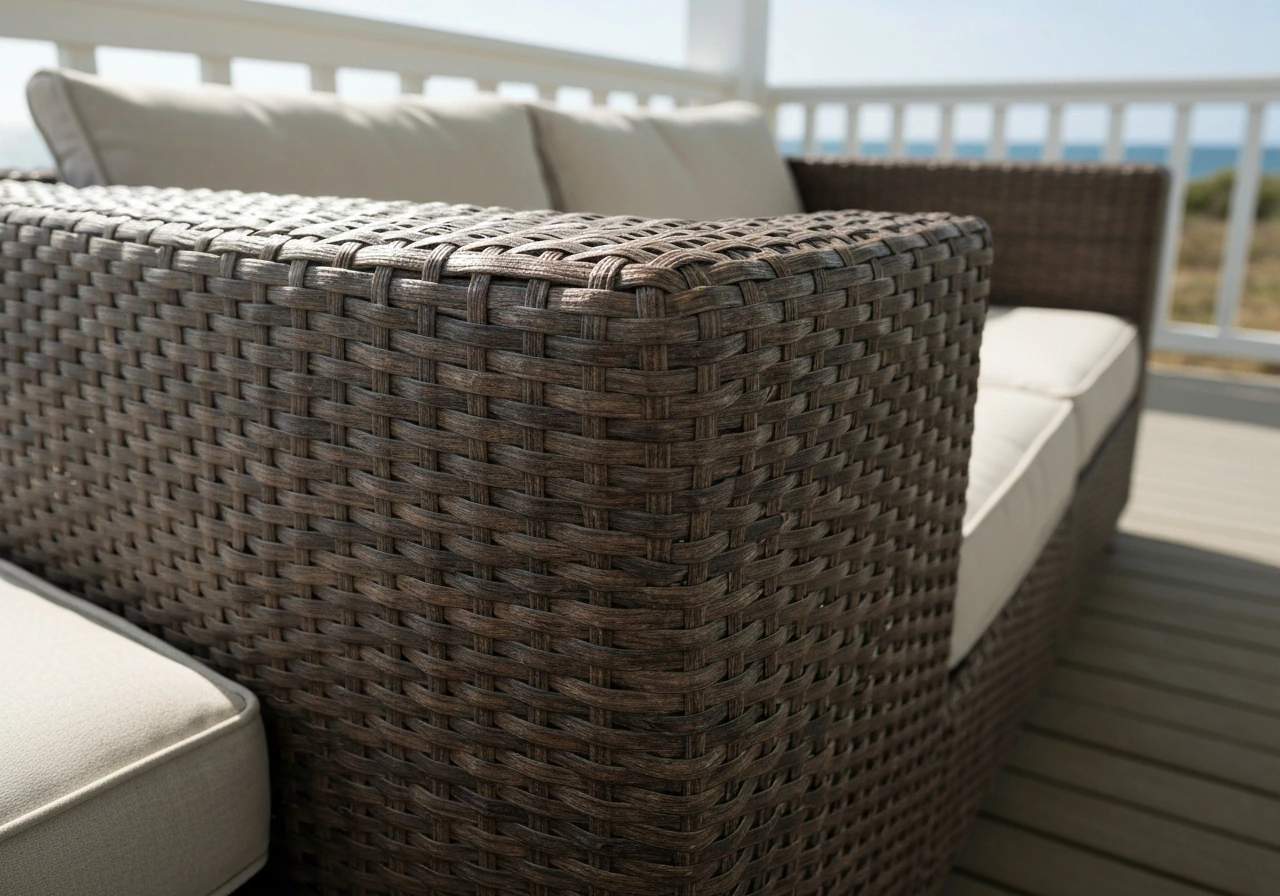
Modern synthetic wicker is very different from natural rattan or wicker. HDPE (high-density polyethylene) resin wicker is UV-stabilized, doesn't rot, and can stay outdoors year-round without the frame degrading. The typical realistic service life is 5 to 12 years depending on UV exposure and climate stress. If you want the quick answer for synthetic resin wicker (HDPE) specifically, the realistic lifespan is typically several years depending on UV exposure and how well you protect it season to season how long does wicker patio furniture last. The main caveat for Cape May is the cushions: the resin frame handles salt air fine, but the cushions need the same mildew-resistant fabric spec as any other outdoor set. Pull the cushions inside or store them when rain is forecast, and you'll get much longer fabric life. More on wicker's durability and outdoor storage considerations is covered in dedicated guides on this site.
Cast iron
Cast iron is heavy, stable in wind (which matters on a coastal porch), and classically good-looking. The problem is that salt water and salt air are particularly hard on iron finishes. Once the protective coating is compromised, rust moves fast in a marine environment. If you love cast iron, commit to touching up the paint or finish every year, applying a rust-inhibiting primer before any topcoat, and bringing pieces inside for the winter. Otherwise the salt-air maintenance load becomes more work than most people want.
Weatherproofing, Rust and Rot Prevention, and Protective Coatings
Even the right materials need proactive protection in a Cape May environment. Salt particles settle on surfaces continuously, and the combination of humidity and wind means they don't just sit there, they work into joints, coatings, and grain. Here's how to stay ahead of that.
- Rinse aluminum and metal frames every one to two weeks with fresh water during the active season to remove salt deposits before they can penetrate coatings. After rinsing, wash with warm water and mild dish soap, then rinse again.
- Apply a marine-grade paste wax to powder-coated aluminum once or twice a season to add an extra barrier between the coating and salt air. This is the same logic as waxing a car near the ocean.
- For teak, apply a teak protectant sealant once in spring and again in late summer. Avoid over-oiling: too much oil that doesn't absorb fully sits on the surface and becomes a mildew surface. If black spots (mold) appear, use a mild teak cleaner before re-applying protectant.
- Inspect all hardware fasteners at least once a year. If you find any that are not 316 marine-grade stainless, replace them before they corrode and compromise the joint. A corroded fastener in a joint is a structural problem, not just a cosmetic one.
- Touch up any chips or scratches in powder-coated finishes before the season starts. Left open, those spots will begin to pit even on aluminum.
- For cast iron, strip any rust with a wire brush, apply a rust-inhibiting primer, and repaint with a weather-resistant outdoor enamel before the rainy and humid season kicks in.
- Make sure furniture sits on a surface with good drainage and is positioned so water doesn't pool under it. Standing water under furniture increases corrosion at leg contact points and keeps humidity elevated around the frame.
Sizing, Layout, and Comfort Planning for a Coastal Porch or Patio
Cape May properties range from large Victorian wraparound porches to compact cottage decks, so sizing and layout decisions vary. But the coastal environment adds some specific layout considerations beyond just fitting furniture to square footage.
Wind is a real factor in exposed Cape May locations. Nor'easters can bring sustained high winds, and even off-season storms can scatter lightweight furniture. Heavier materials like cast iron and solid teak have a natural advantage here, but aluminum sets can be stabilized with tie-down covers and by positioning them against a wall or railing that provides a windbreak. Avoid lightweight sling chairs or pieces with large sail-like surfaces in fully exposed spots unless you plan to bring them in before any storm forecast.
For layout, leave a few inches of clearance between furniture and walls or solid railings. Pushing pieces tight against a wall traps moisture and condensation between the wall and frame, creating exactly the humid, dark environment where mildew and corrosion accelerate. Let air circulate around and under everything. Similarly, choose furniture with open-frame bases or legs rather than solid enclosed platforms that can trap water internally.
For cushion comfort in Cape May's humidity, solution-dyed acrylic fabric is worth specifying deliberately. It's breathable (reducing condensation buildup on the cushion surface), mildew-resistant, and holds its color better than most alternatives under UV exposure. If you're replacing cushions on an existing set, this is a smart upgrade. A standard dining set for a 12-by-16-foot patio typically works with a table seating six and a small conversation or lounge grouping, but measure your usable space with the door swing and traffic paths accounted for before you order anything.
Maintenance Routines by Material
Different materials need different rhythms. Here's a practical breakdown for each of the main options.
Powder-coated aluminum
Rinse every one to two weeks in summer with fresh water to remove salt. Wash monthly with warm water and mild soap (dish soap works fine), then rinse thoroughly. Inspect the coating for chips at the start of each season and after any major storm. Touch up chips immediately with a powder-coat repair pen or matching outdoor paint. Apply paste wax once or twice a season in coastal conditions. This material is genuinely low-maintenance if you stay ahead of the salt buildup.
Teak
Clean with a teak cleaner or a mild soap-and-water solution once or twice a season, brushing lightly along the grain. If mold spots appear, address them before they spread by using a diluted teak cleaner, scrubbing gently, and rinsing well. Allow the wood to dry completely before applying any protectant. Apply teak protectant sealant in spring and again mid-summer for Cape May conditions. If you prefer the silver-gray weathered look, you can skip oiling entirely, but you'll want to clean more regularly to prevent mildew from getting established in the grain. Inspect structural joints annually and tighten any loose hardware.
Synthetic resin wicker
The frame is easy: rinse with a garden hose and wipe down with soapy water a few times a season. Check for any cracks or UV degradation in the weave annually. The heavier maintenance load is on the cushions. Wash cushion covers when you see the first sign of mildew (don't let it spread) and allow them to dry completely before putting them back on. In Cape May's humid spring and early summer, take cushions inside any time extended rain or high humidity is forecast. If you're keeping cushions outside, store them upright so water can run off rather than pool in fabric folds.
Cast iron
Inspect and clean the finish annually, ideally in early spring. Wire-brush any rust spots back to bare metal, prime with a rust-inhibiting primer, then repaint. During the season, wipe down after rain and dry standing water off the surface to slow corrosion. Check leg tips and contact points with the patio surface: those areas tend to trap moisture and are usually where rust starts. Cast iron is a commitment near salt air, but if you already own pieces you love, consistent annual refinishing will extend their life substantially.
Wood (treated or hardwood species)
For any wood other than teak or another naturally oil-rich hardwood, re-seal or re-stain at least once a year to prevent moisture absorption. In Cape May's climate, twice a year is a better standard. Sand lightly before recoating to remove any surface mildew or failing finish. If the wood has already started to crack or warp from moisture absorption, that's a sign the protective finish has been failing for a while and the damage is progressive. Early-stage warping can sometimes be managed; significant checking or splitting usually means the piece is past practical repair.
Covering, Seasonal Storage, and Winterization
Cape May winters include nor'easters, freeze-thaw cycles, and extended periods of high humidity and cold. Furniture left uncovered and unprotected through a full Cape May winter will be meaningfully more degraded by spring than furniture that's been properly winterized. Here's how to handle it.
Choosing the right cover
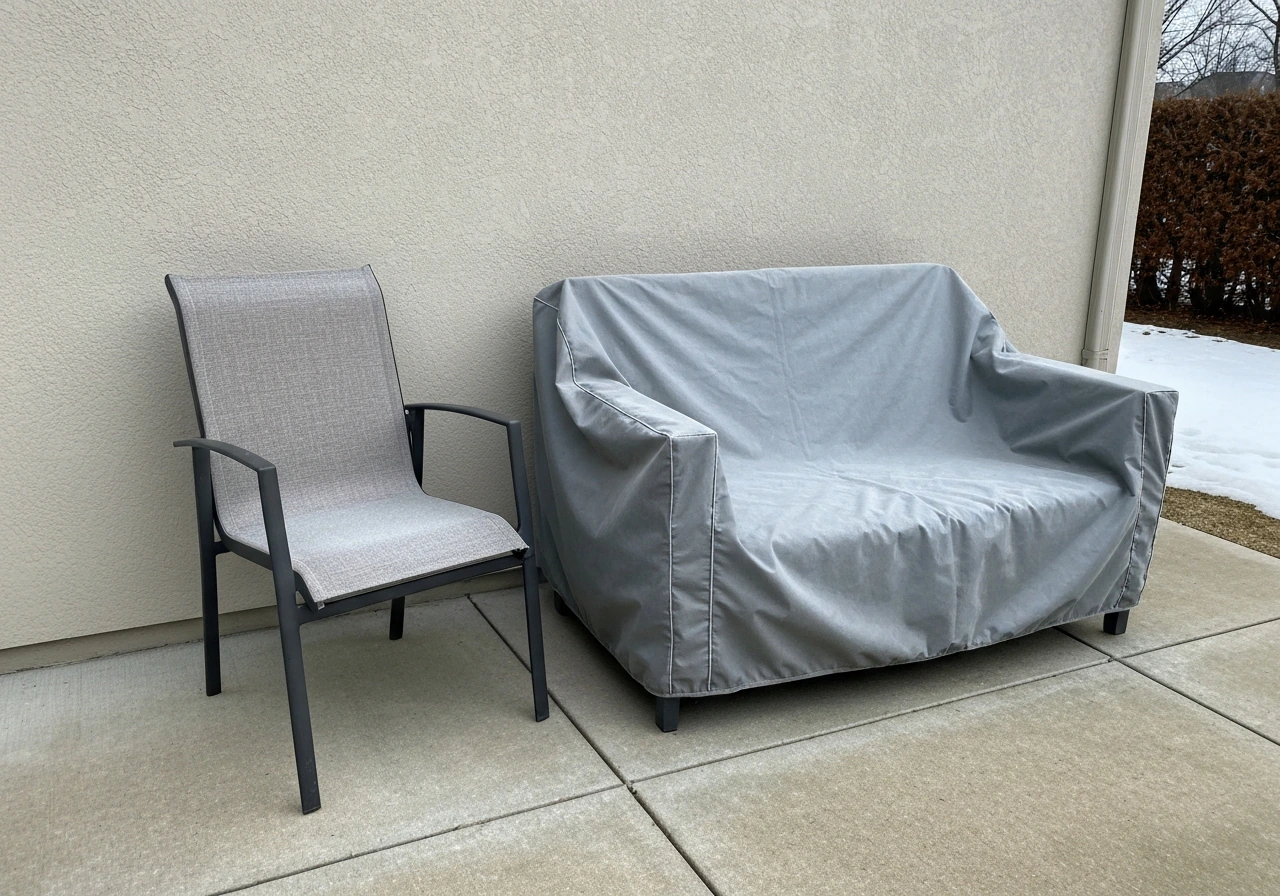
The cover needs to be waterproof on the outside and breathable on the inside. This is not a minor detail. A non-breathable waterproof cover traps moisture and condensation inside, which creates exactly the warm, dark, humid environment that produces mildew on frames and fabrics. Look for covers specifically described as 'breathable waterproof' or those with ventilation panels. For a coastal location, also prioritize windproof features: elasticized hems and tie-down straps that secure the cover against gusts. A cover that blows off in a nor'easter is worse than no cover at all because it can abrade surfaces as it flaps.
Before you cover anything
Never cover furniture that isn't completely clean and dry. Salt, dirt, and moisture trapped under a cover will cause more damage than the winter weather you're trying to block. Clean each piece with warm soapy water, rinse thoroughly, and let everything dry in the sun for at least a full day before applying covers. Remove all cushions and store them inside in a dry, temperature-stable space, ideally in breathable storage bags. Cushions that go into winter storage slightly damp almost always come out with mildew.
Winterization by material
Aluminum frames can stay outdoors under breathable covers without significant risk. Teak can also overwinter outdoors, though storing it inside a dry garage or shed eliminates weather stress entirely and is worth doing if you have the space. Synthetic wicker frames are designed to stay outside year-round; store the cushions. Cast iron should ideally come inside or at minimum be covered with a snug breathable cover after a fresh coat of protective finish. Wood furniture, unless it's quality teak or another oil-rich hardwood, genuinely benefits from indoor off-season storage in a dry, temperature-controlled space: this is the single biggest thing you can do to extend its service life in a coastal New Jersey climate.
Storm preparation
When a nor'easter or significant coastal storm is in the forecast, don't rely on covers to hold everything down. Bring lightweight furniture and any loose pieces inside, or stack and secure them in a sheltered corner with tie-downs. Tables can be flipped and stacked with chairs on top to reduce wind load. Cushions should come inside automatically. Post-storm, rinse everything with fresh water as soon as possible to remove the salt spray deposited during the storm. Salt left on surfaces after a storm accelerates corrosion more than the regular daily exposure does.
FAQ
Are there any “rust-resistant” labels I should still avoid for cape may patio furniture near the ocean?
Yes. If the seller cannot name the hardware grade and frame coating details, treat “rust-resistant” as marketing. In Cape May, powder-coated steel or 304 stainless hardware often still struggles because salt air finds any weak point (fasteners, welds, cut edges). For aluminum, look for actual powder-coat coverage plus guidance on chip repair, since salt corrosion usually starts where the coating is damaged.
How do I tell if my aluminum cape may patio furniture is truly powder-coated or just painted?
Check the product specs or documentation for “powder coating,” “electrostatic powder,” or “baked-on powder.” Visually, powder coat typically has a more uniform, fine texture than standard wet paint. If you cannot find the process in writing, assume it is more vulnerable to chips and plan to inspect and touch up more aggressively (and consider a matching repair paint before the season starts).
Do I need to rinse cape may patio furniture after every rainstorm?
You do not need to rinse after every light inland-style shower, but after coastal storms (including nor’easters) it helps to rinse promptly, especially around legs, joints, and any crevices where salt-laden mist settles. As a rule of thumb, if you see salt streaking or a gritty film after a windy storm, rinse that day or the next day with fresh water.
Is solution-dyed acrylic still the best cushion choice if I plan to bring cushions in during wet weather?
It will help, but it is not the only factor. Even if you bring cushions in, acrylic still performs better than many alternatives under constant humidity and UV swings. If you are upgrading cushions, prioritize mildew-resistant fabric and ensure covers fully zip closed so rain spray does not get trapped under the cushion on quick return trips.
What’s the safest way to store cushions during Cape May winters so they do not mildew?
Store cushions dry and in a breathable condition. Clean and fully dry first (a full day in sun is a good target), remove all covers if the design allows, and keep them in breathable bags rather than sealed plastic bins. Slight dampness at storage time is a common cause of winter mildew, even when the room feels “dry” to the touch.
Can I leave teak outdoors year-round in Cape May?
You can, but you should expect more maintenance and appearance change. Teak can overwinter outdoors, yet best results usually come from protecting it from winter damp exposure if you have space, such as storing it in a dry garage or shed. If you must leave it outside, clean before winter and use a breathable cover designed for outdoor furniture so condensation does not sit on the wood.
Will a breathable waterproof cover prevent mildew on resin wicker frames?
It will reduce the risk for the frame, but it does not solve cushion problems. HDPE resin wicker typically handles outdoor exposure well, however mildew often comes from trapped moisture in the cushion fabric. Use the right cover for the frame, and always store cushions indoors during extended wet or cold periods.
How should I winterize cast iron cape may patio furniture if I can’t bring it inside?
At minimum, refinish before winter, then use a snug breathable cover. Create a fresh barrier with rust-inhibiting primer and topcoat, then wipe off standing water after storms and dry contact points where the piece meets the patio. If your cover tends to shift during gusts, it can scrape off coatings, so add tie-downs or choose a model with elastic hems and secure straps.
What layout choices matter most for protecting cape may patio furniture from moisture buildup?
Avoid pushing furniture tightly against walls or solid railings. Small clearance helps airflow and reduces condensation sitting behind frames. Also prefer designs with open legs or elevated bases, because enclosed platforms can trap water internally, which then accelerates corrosion on metal and mildew in cushion stacks.
How do I handle salt spray on fabric or slings if I have a mixed set of materials?
Focus on the non-metal parts where mildew starts. Rinse fabric surfaces after windy coastal storms, dry completely, and do not store them while damp. For mixed sets, keep a consistent routine: salt removal after storms, monthly gentle cleaning during the season, and early attention to any small mildew spots before they spread.
Next Articles
Can Wicker Patio Furniture Be Left Outside? What Works by Material
Learn if wicker patio furniture can stay outdoors, split by natural vs synthetic, plus protection, prep, and care tips.
Wicker vs Metal Patio Furniture: Which Is Better?
Side by side wicker vs metal patio furniture comparison: weather, rust, comfort, upkeep, cost, and which to choose by cl
Cape May Wicker Patio Furniture: Coastal Buying and Care Guide
Buy and care for cape may wicker patio furniture: choose PE vs natural, corrosion-resistant frames, cushions, covers, an