
Yes, aluminum patio furniture does get hot in direct sunlight, but it heats up and cools down faster than materials like concrete, stone, or cast iron. In full summer sun, bare aluminum surfaces can reach 120–160°F depending on the finish color and how long it's been sitting out. That's hot enough to be uncomfortable on bare skin, but the good news is that aluminum's light weight, reflective finish options, and fast cool-down time make it much more manageable than most people expect.
Does Aluminum Patio Furniture Get Hot in the Sun?
Marcus Kellerman
11 Jun 2026
Why aluminum heats up in direct sun
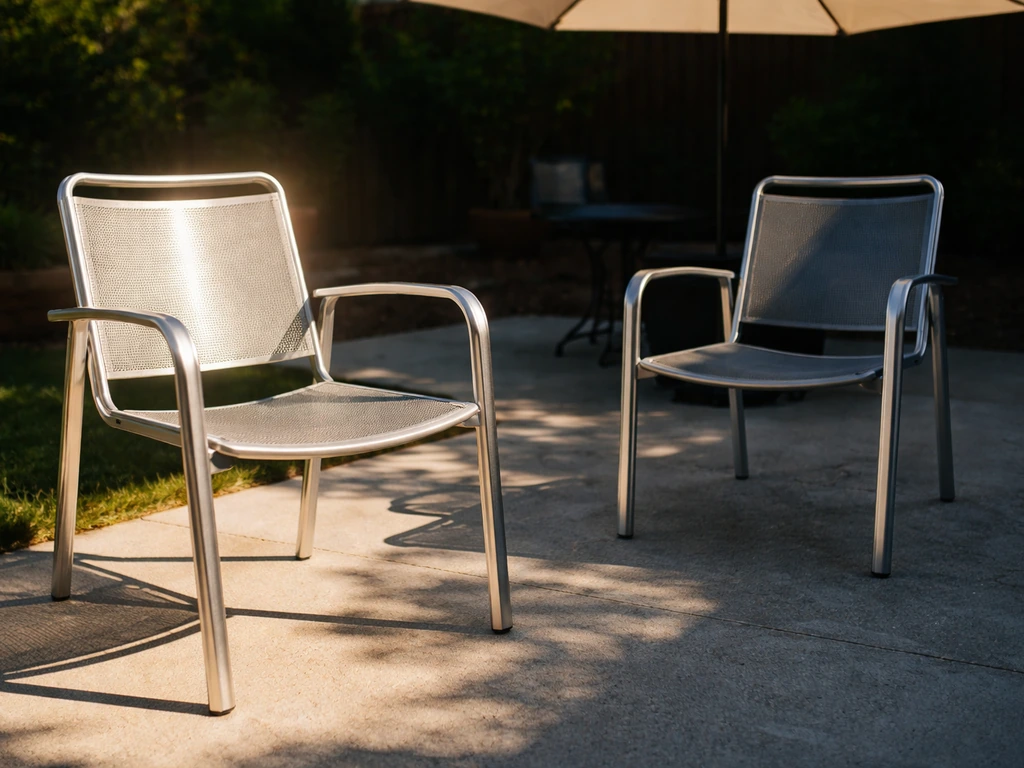
Aluminum heats up for the same reason any surface does: it absorbs solar radiation and converts it to heat. What's interesting about aluminum specifically is how much its surface finish controls that process. A polished or lightly anodized aluminum surface has a solar absorptivity in the range of 0.4 or lower, meaning it reflects a significant portion of incoming solar energy rather than soaking it in. A dark matte coating, by contrast, can have an absorptivity close to 0.95, which means it's absorbing nearly all the solar energy hitting it.
There's another side to this equation: emissivity, which is how efficiently a surface radiates heat back out. Highly polished aluminum has an emissivity as low as 0.04 to 0.057, which means it doesn't dump heat back into the environment very quickly. So while a polished surface absorbs less heat from the sun, it also holds onto what it does absorb longer. In practice for patio furniture, this means the finish color and texture are doing most of the work in determining how hot the piece feels.
What 'hot' actually feels like: surface temperature vs. safety
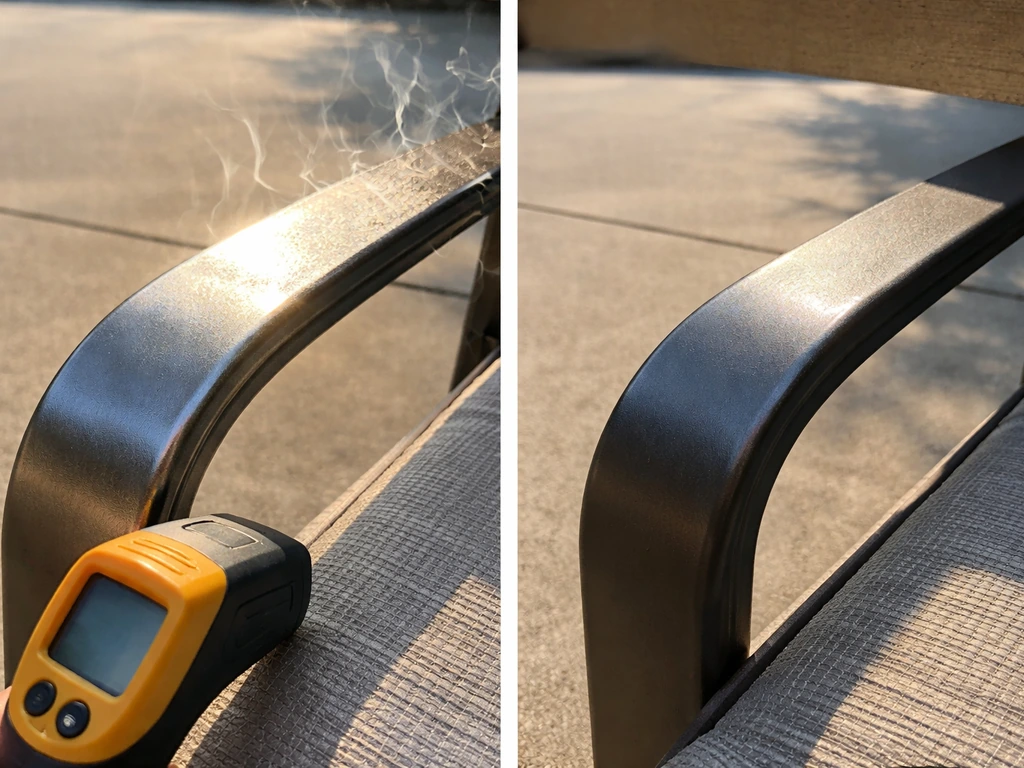
There's a big difference between a surface being hot and a surface being dangerously hot. Aluminum patio furniture sitting in afternoon sun in July can easily hit 130–150°F on a dark-painted armrest or seat surface. Aluminum patio furniture is often considered a practical choice in the heat, especially when you pick a lighter finish is aluminum patio furniture good. At that range, brief skin contact feels unpleasant but won't cause a burn in the fraction of a second it takes you to pull your hand away. Sustained contact, though, like resting your bare legs on a dark metal seat for several minutes without a cushion, can cause real discomfort and, at the high end, minor burns.
For comparison, concrete patio slabs have been measured running significantly hotter than air temperature throughout the day, and dark blacktop surfaces can hit 140–160°F under summer sun. Aluminum is in that same ballpark when it's dark-finished, but because it's thin and has relatively low thermal mass, it also cools down within minutes once you put shade over it or the sun moves. A thick slab of stone or concrete stays hot for hours after the sun shifts. That fast cool-down is a real practical advantage for aluminum.
What makes aluminum furniture hotter or cooler
Not all aluminum patio furniture behaves the same way in the sun. Several variables have a real, measurable impact on how hot it gets.
Color and finish
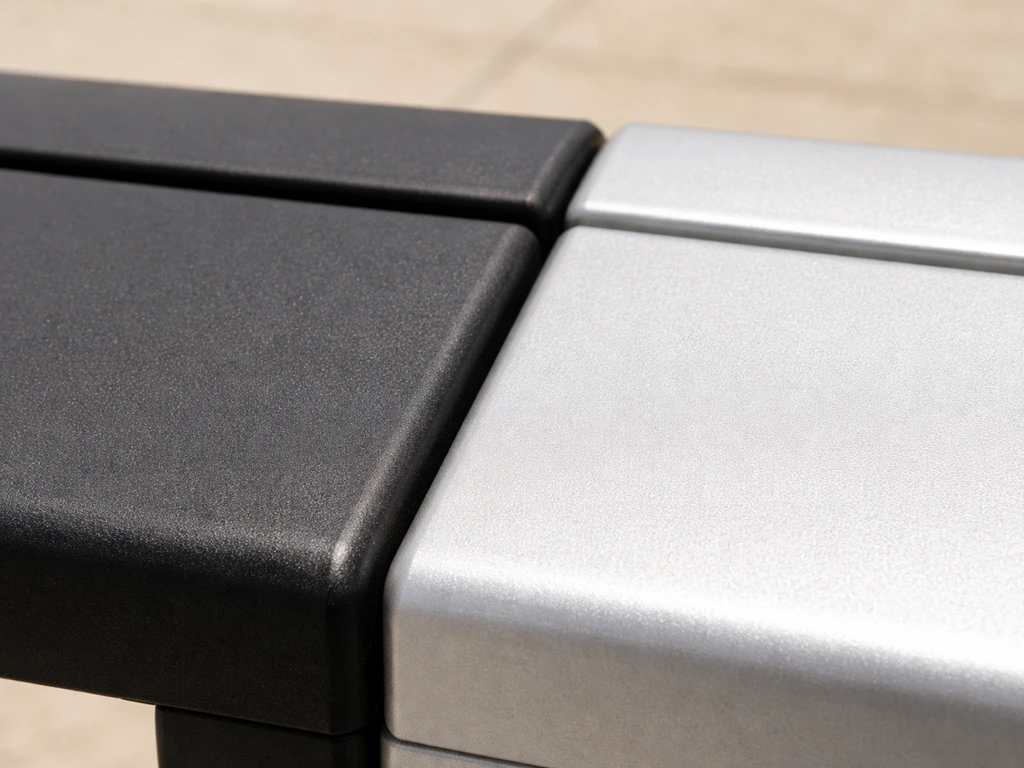
This is the biggest variable. Dark colors (matte black, deep bronze, dark brown) absorb far more solar radiation than light colors (white, silver, light gray, champagne). A published outdoor urban heat study comparing black and white roofs found black roofing warmed near-surface air in the immediate zone, while effects were limited farther away. A black powder-coated aluminum chair will run noticeably hotter than the same chair in a white or silver finish on an identical sunny day. If you're shopping for aluminum furniture and you live somewhere with long, hot summers, lighter finishes are a genuine comfort upgrade, not just an aesthetic choice.
Powder coat vs. bare/polished aluminum
Most outdoor aluminum furniture has a powder-coated finish rather than bare polished metal. blank" rel="noopener noreferrer">Powder coat paints actually have relatively high emissivity (similar to other paints, typically in the 0.85–0.95 range), which means they radiate heat more efficiently than polished bare aluminum. The trade-off is that dark powder coat also absorbs more solar energy to begin with. Light-colored powder coat gives you the best of both worlds: high emissivity to radiate heat out, and low solar absorptivity to take in less heat in the first place.
Placement and sun exposure
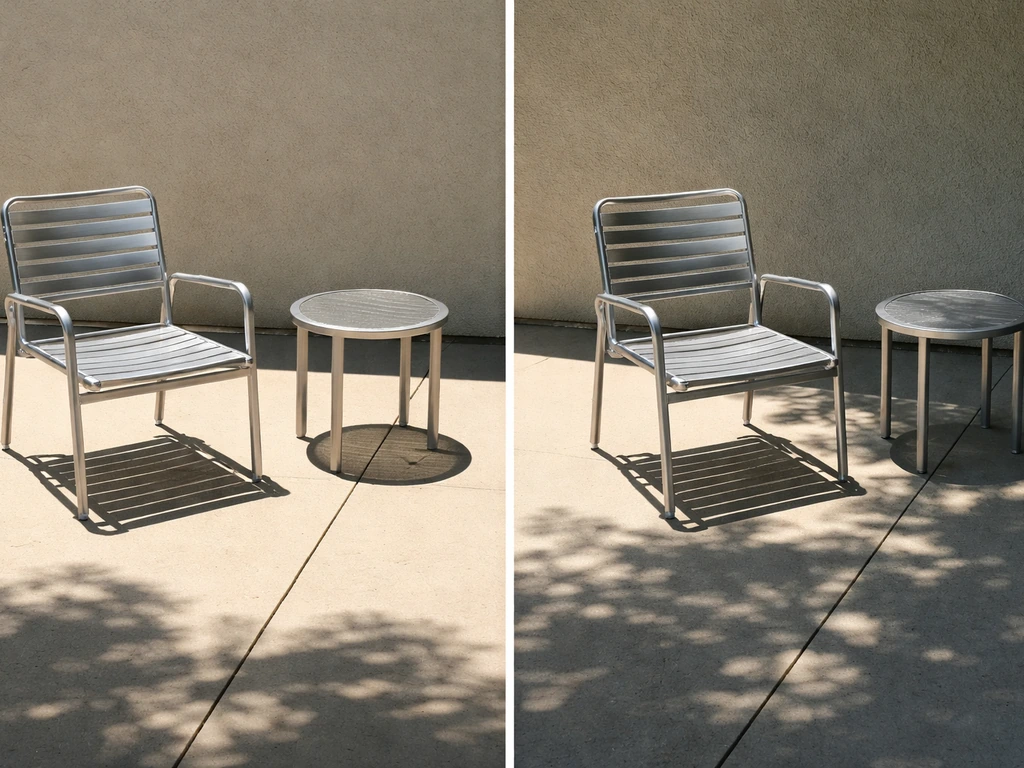
Full south-facing or west-facing exposure with no shade is the worst-case scenario. A piece sitting in unobstructed sun from 10 a.m. to 4 p.m. will be significantly hotter than one that gets partial shade from a tree or pergola. Time of year matters too. In June and July, the sun angle is higher and the days are longer, so peak surface temperatures are higher than the same piece would reach in September or October.
Ambient conditions and climate
Humidity and wind affect how hot furniture feels even if surface temperature is similar. In a dry desert climate like Phoenix or Las Vegas, aluminum furniture can get extremely hot because there's no cloud cover, humidity is low, and the air itself is scorching. In a humid Southeast climate, the air temperature is high but haze and cloud cover can moderate direct solar load. Coastal climates with afternoon sea breezes tend to be much more forgiving, even in summer.
| Factor | Makes it hotter | Makes it cooler |
|---|---|---|
| Finish color | Dark matte (black, bronze, brown) | White, silver, light gray |
| Surface texture | Rough or matte coating | Smooth or polished |
| Placement | Full south/west sun all day | Partial shade, north-facing |
| Season/time of day | Midday June–August | Morning, evening, or fall |
| Climate | Arid desert (high solar, no cloud cover) | Coastal, humid, or shaded yards |
How to reduce heat on your aluminum furniture
If your current setup leaves aluminum furniture sitting in full sun for hours, you have several practical options that don't require replacing the furniture.
- Use a shade sail or retractable pergola canopy: Blocking direct sunlight is the single most effective intervention. Even 50% shade cloth can cut surface temperatures dramatically. A shade sail positioned to cover the seating area from about 11 a.m. to 3 p.m. handles the hottest part of the day.
- Use furniture covers strategically in the morning: Covering dark-finished furniture with a light-colored or reflective outdoor cover during peak sun hours, then removing the cover when you want to use it, keeps the surface from preheating all day.
- Rethink furniture placement: Moving a seating group a few feet to benefit from afternoon shadow from a wall, fence, or tree can make a significant difference. West-facing areas typically get the worst afternoon heat, so placing furniture on an east-facing patio keeps it in shade for the hottest hours.
- Choose lighter finishes at purchase: If you're still shopping, prioritize white, light gray, champagne, or silver powder-coat finishes over dark bronze or matte black. The furniture will look slightly different but will be meaningfully more comfortable in summer.
- Add potted plants or a privacy screen for partial shade: These aren't just decorative. Tall potted plants or a lattice screen with climbing vines on the sun-facing side of your seating area can reduce direct solar exposure on the furniture surfaces.
Comfort upgrades for using aluminum in the heat
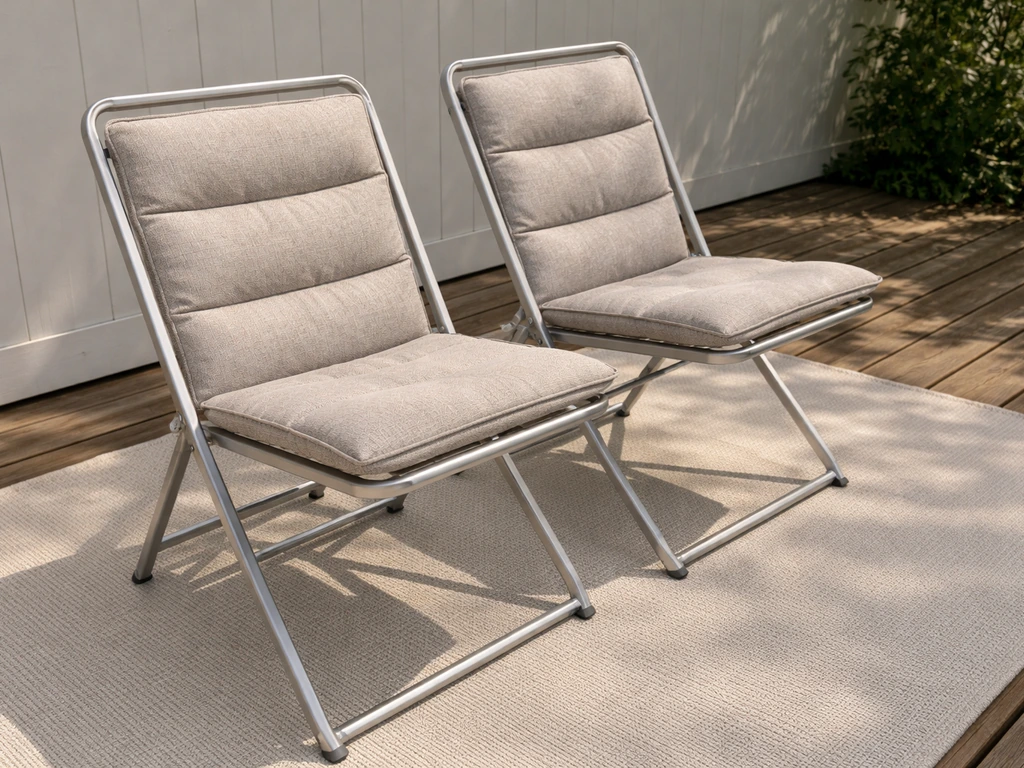
Even if you can't control the placement or shade situation, you can make aluminum furniture comfortable in hot weather with the right accessories. None of these are expensive or complicated.
Seat cushions (the most important upgrade)
A quality outdoor seat cushion with a breathable fabric cover eliminates direct contact with the metal surface entirely. Look for cushions covered in solution-dyed acrylic fabrics like Sunbrella, which resist UV degradation and don't retain as much heat as darker synthetics. Avoid thick foam cushions with non-breathable covers in humid climates as they trap moisture. In hot, dry climates, go thicker for comfort since moisture retention is less of an issue.
Outdoor rugs and floor mats
Your feet and legs matter too. Placing an outdoor rug under and around the seating area keeps your feet off hot deck surfaces and makes the whole space feel cooler. Polypropylene outdoor rugs work well because they dry quickly, resist UV fading, and don't trap heat the way solid rubber-backed mats can.
Table covers and placemats
If you have an aluminum dining table, the tabletop surface heats up just like the chairs. A fabric tablecloth or woven outdoor placemats make a big difference for any surface that comes in contact with skin. They also protect the powder coat finish from UV exposure over time, which is a bonus.
Misting fans and outdoor fans
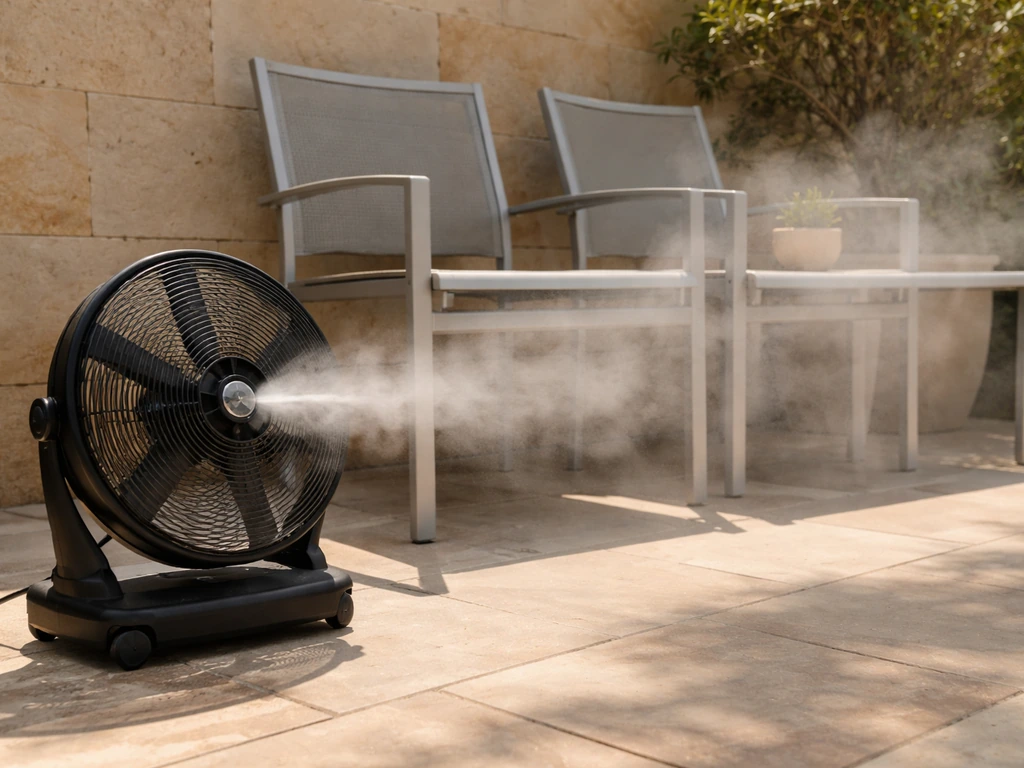
In very hot climates, a portable outdoor fan or misting fan near your seating area improves comfort dramatically and also cools the furniture itself by increasing convective heat loss from the metal surfaces. This is an especially worthwhile investment in desert regions where shade alone doesn't solve the heat problem.
Keeping your aluminum furniture in good shape through hot weather
Hot weather is harder on furniture finishes than most people realize, and aluminum is no exception. The metal itself holds up extremely well (aluminum doesn't rust, which is one of its biggest long-term advantages over steel), but the powder coat finish that protects the surface and determines how hot it gets can degrade with UV exposure over time.
Protect the finish from UV damage
Powder coat on aluminum furniture typically lasts 5 to 10 years before it starts to fade, chalk, or flake, depending on how much direct sun it gets. If you're in a high-UV region (the Desert Southwest, Florida, high-altitude areas), that degradation happens faster. Applying a UV-protective spray wax designed for outdoor metal finishes once per season can significantly extend the life of the powder coat. Products made for automotive clear coats or marine surfaces work well. Look for something that includes UV inhibitors, not just a standard wax.
Clean before and after summer
Heat causes any dirt, pollen, or residue sitting on the surface to bake into the finish over time. A quick wash with mild dish soap and warm water at the start of summer removes winter grime, and another wash at the end of the season removes sunscreen, food residue, and anything else that accumulated. Avoid abrasive scrubbers, which scratch powder coat and create micro-grooves that trap moisture and debris.
Touch up chips and scratches promptly
If the powder coat chips down to bare metal, address it quickly. Even though aluminum itself is highly corrosion-resistant and won't rust the way steel does, a damaged finish will look worse and degrade faster when repeatedly cycled through hot days and UV exposure. Small chips can be touched up with exterior metal paint matched to the finish color. It doesn't need to be perfect, just sealed.
Cover or store during peak summer if not in use
If you have furniture that sits unused for weeks at a time during summer, a fitted outdoor furniture cover is worth using. Light-colored covers reflect solar radiation rather than letting it pound the finish for hours each day. This is especially useful for dark-finished pieces where the heat-finish degradation cycle is most aggressive. Covers also keep the surface cooler so the furniture is immediately usable when you want it rather than needing to cool down first.
Aluminum is genuinely one of the more weather-resilient patio furniture materials available, and its behavior in heat is manageable with a little planning. Choosing the right finish color, adding a shade structure, keeping cushions on the seats, and giving the powder coat some seasonal care will keep it comfortable and looking good for many years.
If you're also weighing how it holds up beyond just heat, the material's resistance to corrosion and its typical lifespan make it a strong long-term investment for most climates. If you ever want to replace it, you may be able to recycle aluminum patio furniture through local metal recycling programs can you recycle aluminum patio furniture.
If you want to estimate overall durability, it helps to consider the finish and climate conditions that affect how long aluminum patio furniture lasts.
FAQ
If I touch aluminum furniture in the sun, how quickly can it become uncomfortable or unsafe?
It can feel uncomfortable within seconds because the skin warms fast, especially on dark powder-coated armrests and seat pans. It generally becomes a burn risk when you would keep contact for minutes without a barrier, such as sitting directly on the metal for an extended time. Using a cushion or fabric barrier is the simplest way to eliminate the contact risk.
Does aluminum patio furniture get hotter than blacktop or concrete in real life?
In many summers, dark surfaces across materials can land in the same ballpark temperature range, but aluminum often cools down faster after the sun shifts because it is thinner and has lower thermal mass than thick slabs. That means it may not be “cooler” at peak times, but it is often more manageable once you add shade or move into the evening.
Will polished or bare aluminum be safer to touch than powder-coated finishes?
Not necessarily. Bare polished aluminum can reflect more sunlight, but it may also retain absorbed heat longer due to low heat radiation back to the environment. In practice, light-colored powder coat usually gives the most comfort because it both absorbs less solar energy and radiates heat back out effectively.
Does the shape and thickness of the aluminum matter for how hot it gets?
Yes. Thicker or more solid-feeling components tend to store more heat, so they can stay uncomfortable longer after shade. Thin tube frames may feel hotter to the touch only briefly, but dark finishes can still make them feel surprisingly warm right away.
How much difference does color really make, for example white versus black?
Color can be one of the biggest drivers. Dark matte and deep tones absorb far more solar energy than light finishes, so the temperature at peak sun can rise noticeably more on dark pieces. If you are choosing new furniture for long, direct sun exposure, prioritizing light powder coat is often more impactful than adding extra shade later.
If I cover the furniture at night, will it cool down fast enough to be comfortable the next day?
A cover helps a lot, but cooling depends on how long it sat in direct sun beforehand and what the cover allows airflow to do. Light-colored fitted covers usually reflect additional solar heating and reduce re-radiation buildup. If the furniture will see full afternoon sun, consider shade and cushions too, not just overnight covering.
What’s the best way to protect an aluminum patio set when it’s regularly in full sun?
Use a two-part approach: shade and a barrier. A fitted cover helps reduce daytime heating when it is unused, and seat cushions or table placemats prevent direct skin contact during peak periods. For the finish, schedule a gentle seasonal wash and consider UV-protective spray wax for powder-coated surfaces.
Can I use sunscreen or food spills on aluminum, or do they stain or damage the finish?
Sunscreen residue and food oils can bake into the powder coat over time when temperatures stay high, leading to discoloration and dulling. Plan on a mild wash at the start of summer to remove winter grime, then another end-of-season cleaning to remove residues before they permanently bond to the finish.
What should I do if the powder coat chips, but the piece still gets hot in the sun?
Treat chips promptly. Even though aluminum resists corrosion, damaged coating accelerates finish breakdown under repeated heat and UV cycling. Touch up with an exterior metal paint matched to the finish color, then keep the area clean and protected from further abrasion until it cures fully.
Do fans or misting devices actually cool aluminum furniture, or just the people?
They can cool the metal surfaces a bit, not only the air. A portable fan increases convective heat loss from the furniture, and a misting setup can reduce perceived heat by lowering local air temperature and evaporation-driven cooling. The biggest effect is usually comfort for people, but in hot climates the extra airflow can noticeably reduce how long the metal stays “too hot” after shade.
Is there a simple checklist to make aluminum furniture comfortable without replacing it?
Yes. Start with a light-colored cushion set for seats, add a fabric tablecloth or placemats for tables, and use an outdoor rug to protect feet. Then improve the environment with shade (umbrella, pergola, or sail) or a fitted light-colored cover if it is left out during peak sun. Finally, keep the finish clean and consider UV protection for long-term performance.
Next Articles
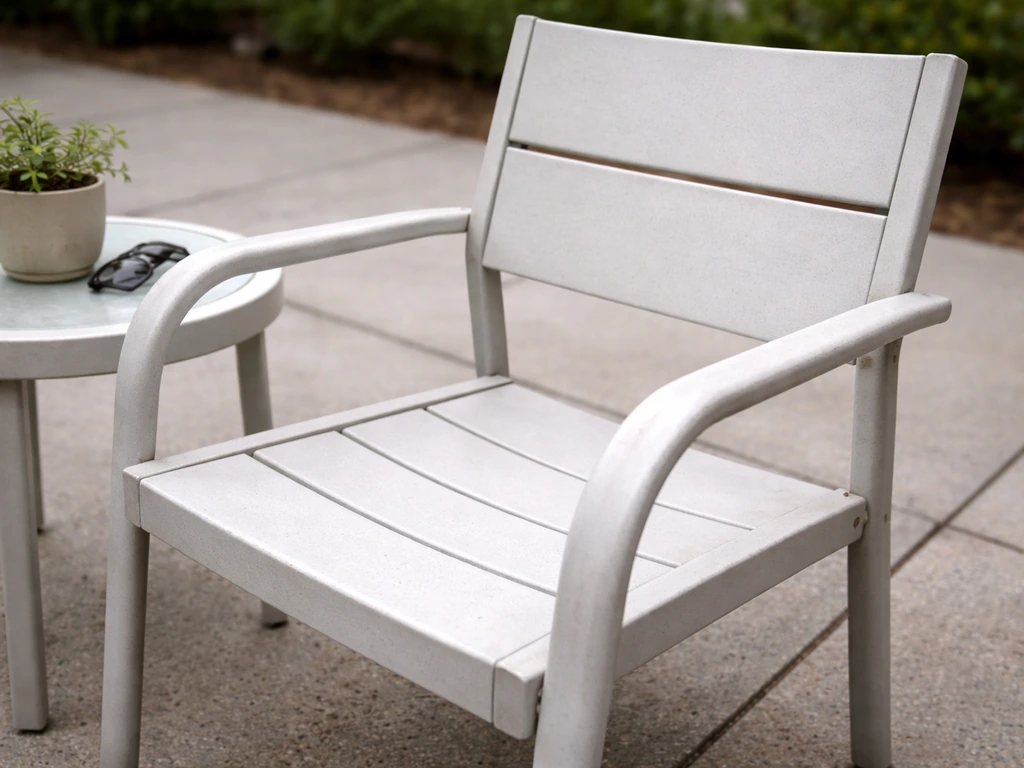
Does Aluminum Patio Furniture Rust? Causes, Fixes, Prevention
Learn if aluminum patio furniture rusts, how to spot oxidation or powder-coat damage, plus fixes and prevention steps.
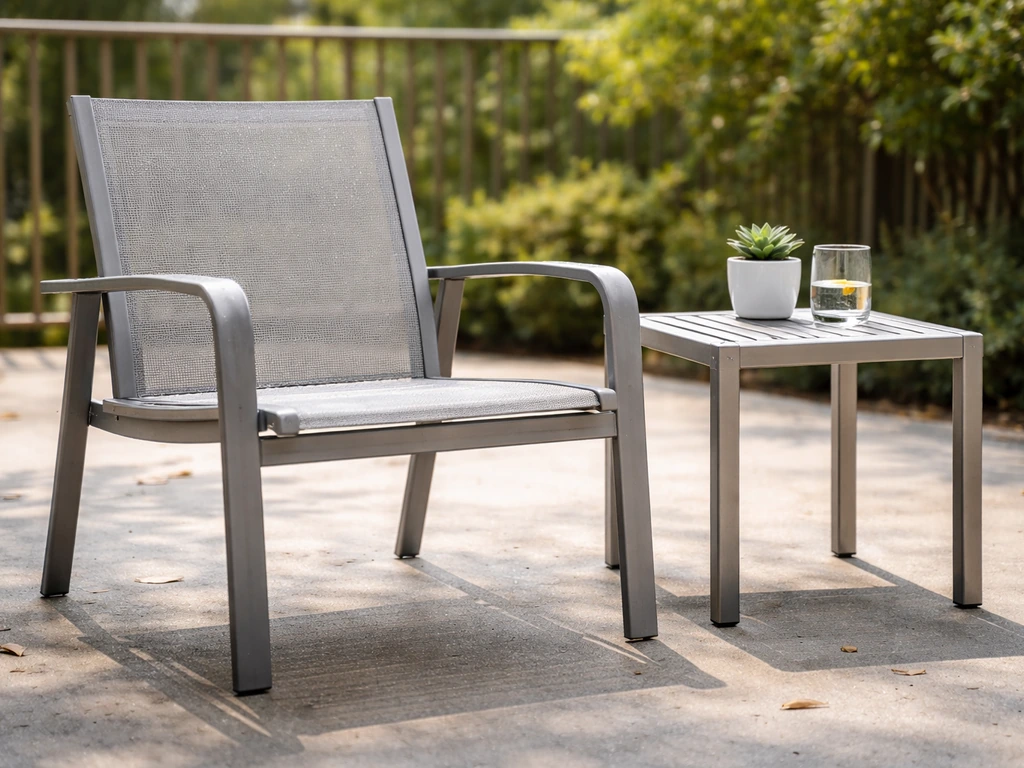
Is Aluminum Patio Furniture Good? Durability, Pros, Cons
Learn if aluminum or cast aluminum patio furniture is good for weather, rust resistance, and low-maintenance longevity.
Is Teak Patio Furniture Good? Durable, Smart Buying Guide
Is teak patio furniture good? Evidence-based verdict, lifespan, care, buying tips, comparisons, and eco guidance.