
Yes, aluminum patio furniture is genuinely good, and for most homeowners it's one of the smartest material choices available today. It doesn't rust the way steel or iron does, it's lightweight enough to move around without wrecking your back, and a quality powder-coated piece can realistically last 15 to 20 years with minimal effort. If you’re wondering how long aluminum patio furniture lasts in real life, plan on roughly 15 to 20 years for well-built, properly finished pieces. Cast aluminum in particular punches well above its weight class on durability. That said, 'good' depends heavily on how it's built, what finish protects it, and whether the way you actually use your patio lines up with what aluminum does well.
Is Aluminum Patio Furniture Good? Durability, Pros, Cons

Marcus Kellerman
27 May 2026
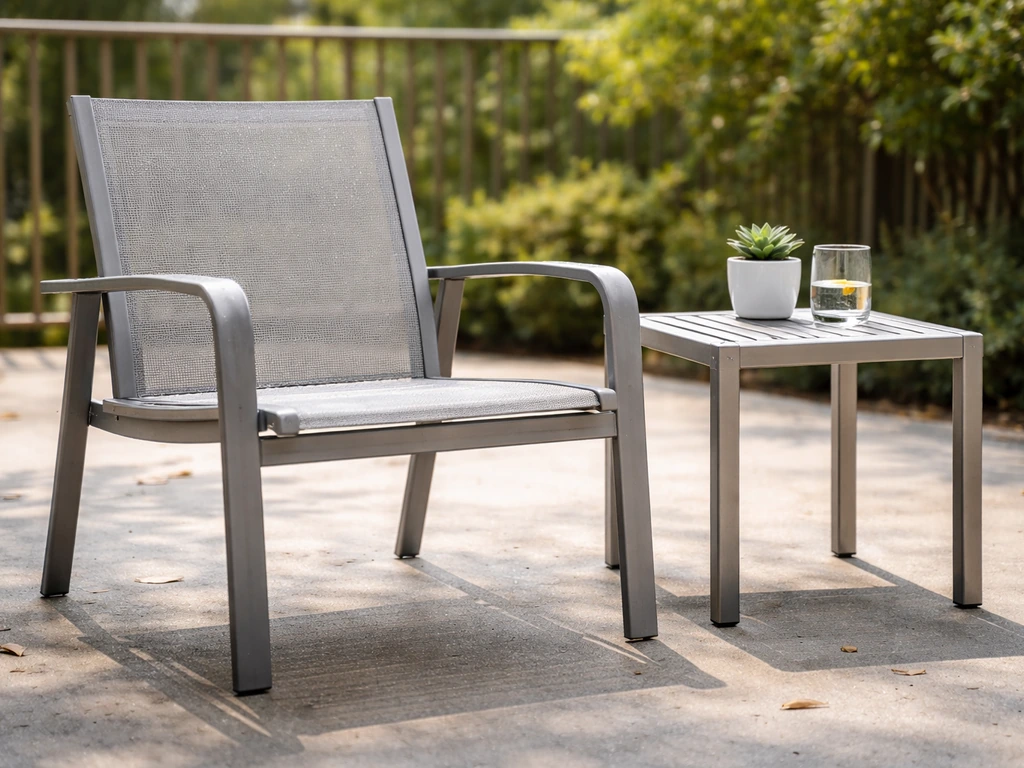
Quick verdict: is aluminum patio furniture a good choice
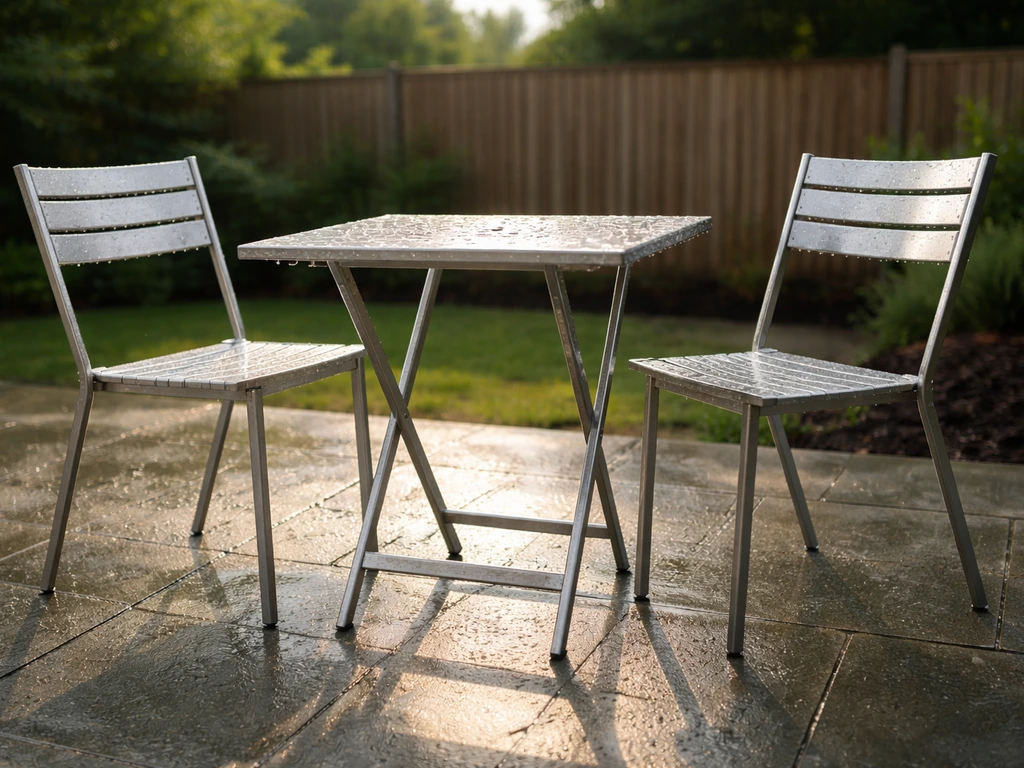
For most climates and most outdoor use cases, aluminum is excellent. It sits in a rare sweet spot: genuinely weather-resistant, lighter than wood or cast iron, and far less maintenance-intensive than teak or wrought iron. If you want furniture you can leave outside year-round without babysitting it, aluminum is one of the top two or three materials worth considering. The catch is that quality varies enormously. A $150 tubular aluminum set from a big-box store and a $900 cast aluminum dining set are both 'aluminum,' but they're very different products. Understanding what separates them is where the real decision happens.
Durability factors: what determines whether it lasts
Aluminum itself is a naturally corrosion-resistant metal. When exposed to air, it forms a thin aluminum oxide layer on its surface that acts as a barrier against further oxidation. That's why it doesn't develop red rust like steel. But durability in outdoor furniture isn't just about the raw metal. It's about wall thickness, construction method, and finish quality, and all three matter a lot.
Wall thickness is the first thing to check. Tubular aluminum furniture is often made with thin-walled extrusions, sometimes as thin as 1.2mm to 1.5mm. At that thickness, frames can bend or dent from moderate impact, and welds at joints become stress points. Better-quality extruded aluminum furniture uses walls of at least 2mm, which gives it meaningful rigidity. Cast aluminum pieces are solid (not hollow tubes), so the thickness conversation works differently, but more on that below.
Weld quality is the other structural variable. Look for smooth, complete welds at joints rather than tack welds or obvious gaps. TIG-welded aluminum frames hold up significantly better than MIG-welded budget versions under real outdoor stress, especially in areas with freeze-thaw cycles where expansion and contraction put repeated stress on joints.
Finish is the third pillar. Powder coating, when done properly at adequate thickness (typically 60 to 80 microns), protects the aluminum from surface pitting, UV damage, and scratches. A thin or poorly cured powder coat chips and fades within a few seasons, which opens the surface to localized corrosion. If you're buying aluminum furniture, the powder coat spec matters as much as the frame gauge.
Cast vs non-cast aluminum: differences for patio use
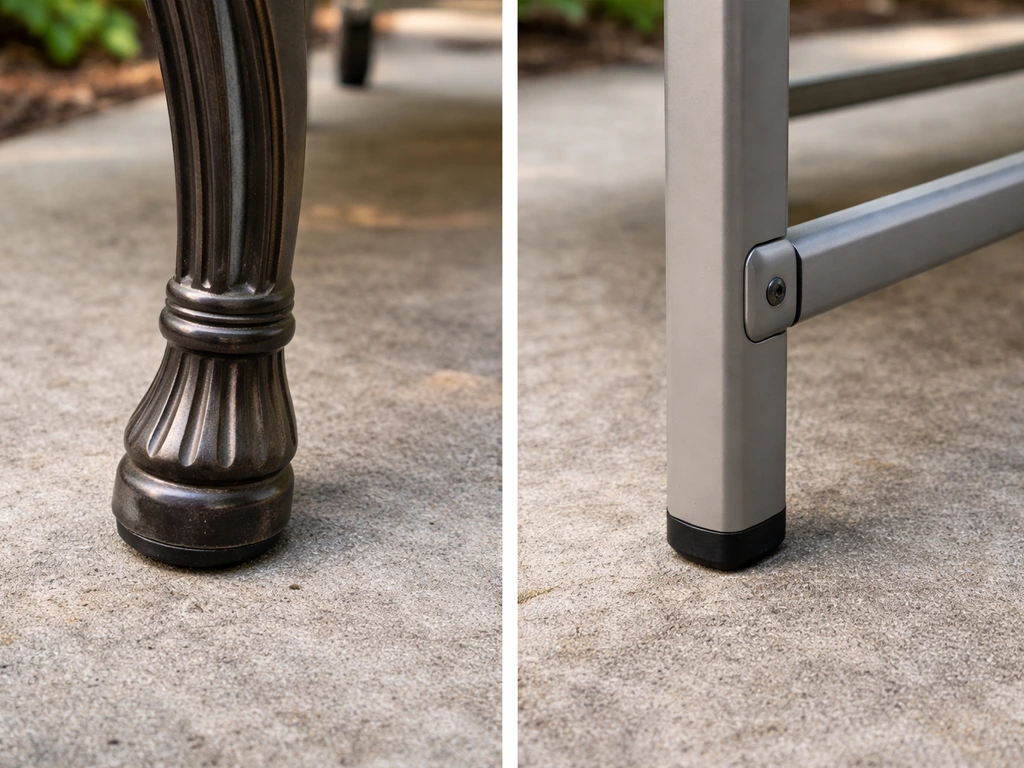
This is the distinction that trips up a lot of buyers. 'Aluminum patio furniture' covers two quite different construction methods, and they behave differently in use.
| Feature | Cast Aluminum | Extruded/Tubular Aluminum |
|---|---|---|
| Construction | Molten aluminum poured into molds, solid sections | Aluminum forced through a die to create hollow profiles |
| Weight | Heavier (stays put in wind) | Lighter (easy to move, can blow over) |
| Durability | Very high, resists denting and bending | Moderate, depends on wall thickness |
| Typical price | Higher ($400–$1,500+ per piece) | Lower ($80–$600 per piece) |
| Design range | Ornate, detailed, traditional styles | Modern, minimal, clean lines |
| Comfort | Requires cushions for most seating | Same, though sling designs exist |
| Repairability | Harder to weld if cracked | More repairable at joints |
| Longevity | 20–30 years with basic care | 10–20 years with quality build |
Cast aluminum patio furniture earns its reputation. The solid construction means there are no hollow sections to collect water and freeze, no thin walls to dent from a dropped planter, and no welds to crack at joints. It also tends to have a substantial feel underfoot when you move it, which many people read correctly as a quality signal. If you're asking specifically whether cast aluminum is good for patio furniture, the answer is yes, and it's the higher-performance end of the aluminum category. The tradeoff is price and the fact that if a casting does crack from severe impact, it's difficult to repair cleanly.
Extruded or tubular aluminum gets unfairly lumped together as 'cheap,' but that's not always accurate. A well-built extruded aluminum frame with 2mm+ walls, proper TIG welds, and quality powder coat is a solid piece of furniture. The modern outdoor furniture market has many excellent extruded aluminum collections. The issue is that budget extruded aluminum is everywhere, and it's visually almost identical to quality versions at the store. You need to handle it, check the wall thickness specs, and look at the weld points.
Weather resistance and maintenance: rust, powder coat, and cleaning
Aluminum doesn't rust in the traditional sense, which is one of its genuine selling points over steel or wrought iron. But 'no rust' doesn't mean 'zero corrosion risk.' blank" rel="noopener noreferrer">Aluminum is susceptible to pitting corrosion, especially in environments with high chloride concentrations, which means coastal areas with salt air. Chloride ions can penetrate and destabilize aluminum's natural oxide layer, creating small pits on the surface. NBS/NIST corrosion work on aluminum embedded in concrete emphasizes that corrosion behavior depends strongly on the chemical environment, including electrolyte chemistry, and can involve mechanisms such as galvanic corrosion under some conditions chloride ions can penetrate and destabilize aluminum's natural oxide layer. This isn't structurally catastrophic the way rust-through on steel is, but it does affect appearance and, over time, surface integrity.
Powder coating is the primary defense against this. A quality powder coat seals the aluminum surface against chloride contact, UV rays, and moisture. The problem is chips. Once a chip exposes bare aluminum in a coastal or humid environment, localized pitting can begin at that spot. That's why maintenance for aluminum furniture isn't really about the metal at all. It's about protecting the finish.
Practical maintenance routine
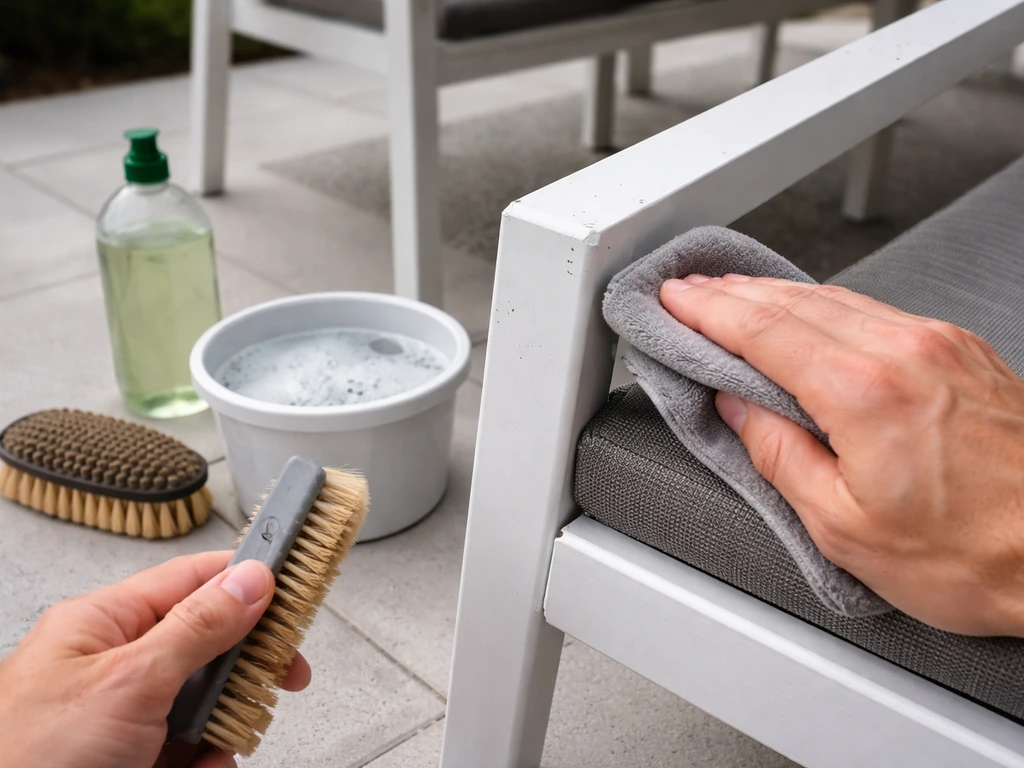
- Wash with mild soap and water two to four times per year, more often in coastal environments where salt deposits accumulate.
- Inspect the powder coat annually for chips, scratches, or flaking. Address chips promptly with touch-up paint rated for outdoor metal use.
- Apply a coat of automotive paste wax to the powder-coated surfaces once a year. This adds a layer of UV and moisture protection.
- In coastal areas, rinse furniture with fresh water monthly to remove salt buildup, which is the main accelerant for pitting.
- If storing for winter, covers help but aren't strictly necessary in most climates. Aluminum handles freeze-thaw better than wood or wicker.
- Check hardware: screws, bolts, and connectors on aluminum furniture are often steel or zinc, and those can corrode even when the aluminum doesn't. Stainless hardware is worth paying extra for.
The long-term rust question is worth understanding clearly. Aluminum does not develop the red iron oxide that people picture when they hear 'rust.' What you may see on neglected aluminum furniture is white or grey oxidation (aluminum oxide or hydroxide) at pitted spots or on worn areas. It's not structurally dangerous at early stages, but it is a signal that the protective layer has been compromised. Catching it early and treating it keeps the furniture performing for decades.
When aluminum is (and isn't) right for your climate and usage
Aluminum is the clearest win in humid, wet, or coastal climates. If you live near the ocean, in the Pacific Northwest, in Florida, or anywhere with high year-round moisture, aluminum handles those conditions better than wood (which warps and rots), steel (which rusts aggressively), and even powder-coated iron. For beach houses or waterfront properties especially, cast aluminum or quality powder-coated extruded aluminum is close to the ideal material. That said, in true coastal environments within a quarter mile of salt water, you'll want to maintain that powder coat actively and rinse more frequently.
Aluminum also works well in hot, dry climates, with one caveat: bare or dark-finished aluminum can get quite hot to the touch in direct sun in desert climates. This matters more for armrests and tabletops than for the overall furniture choice, but it's worth knowing, especially if you have kids. Lighter powder coat colors reflect more heat and are a practical spec choice in high-sun environments.
Where aluminum is a less obvious winner: if you're furnishing a high-traffic commercial space or a family patio that sees very rough daily use, cast aluminum holds up well but lighter tubular aluminum can dent or bend from constant impact. If comfort is a top priority and you don't want to deal with cushions, aluminum alone isn't particularly comfortable. Essentially all aluminum seating requires cushions or sling fabric to be genuinely comfortable for extended sitting, unlike something like a well-designed teak chair that can be comfortable without anything added.
Extreme cold alone isn't a serious problem for aluminum, but if your winters involve heavy snowfall and you leave furniture outside unprotected, water pooling in joints on tubular frames, then freezing and expanding, can stress welds over many cycles. Cast aluminum handles this better because there are no hollow sections to trap water. In very cold climates, storing tubular aluminum furniture or using covers is a reasonable step that extends its life.
Quick reference: aluminum patio furniture by climate
| Climate / Condition | Aluminum Performance | Notes |
|---|---|---|
| Coastal / salt air | Good with active maintenance | Rinse monthly, protect powder coat, prefer cast aluminum |
| Humid / rainy (Southeast, Pacific NW) | Excellent | Low maintenance needed, drains well |
| Hot and dry (Southwest, desert) | Good | Choose lighter colors to reduce heat absorption |
| Cold / freeze-thaw (Midwest, Northeast) | Good (cast) / Fair (tubular) | Cover or store tubular frames in winter |
| Year-round mild (West Coast, mild South) | Excellent | Near-ideal conditions for aluminum longevity |
| High-use commercial / rental | Moderate | Cast aluminum preferred; avoid thin-wall tubular |
What to actually look for when you're buying
When you're standing in a store or shopping online, here are the specs and details that actually separate long-lasting aluminum furniture from furniture that disappoints in two or three seasons.
- Frame wall thickness of at least 2mm for extruded/tubular aluminum, or 'cast aluminum' specification for solid-poured pieces
- Powder coat finish described as electrostatically applied and oven-cured, not spray-painted; thickness of 60 microns or more when specified
- Stainless steel or marine-grade hardware at joints rather than standard steel or zinc
- Smooth, complete welds at frame joints with no visible gaps or tack-only connections
- Weight as a proxy: heavier generally means thicker walls or cast construction, both positive indicators
- UV-stable fabric or Sunbrella-grade cushion covers if the set includes cushions, since the cushions often fail before the frames do
- Brand or manufacturer warranty of at least 3 years on the frame, which signals the maker stands behind the construction
One more thing worth knowing: aluminum is one of the most recyclable metals in common use, so at the end of its long life, your furniture has real material value and doesn't end up entirely as landfill. That's a minor point in the purchasing decision but a genuinely honest one when you're thinking about the full lifecycle of what you're buying.
Bottom line: aluminum patio furniture is a genuinely good choice for most homeowners, and cast aluminum is excellent. The people who end up disappointed are usually those who bought the cheapest tubular version available and expected cast-aluminum durability, or those who skipped basic maintenance in an aggressive coastal environment. Buy to spec, protect the finish, and aluminum will give you years of low-effort outdoor living.
FAQ
Is aluminum patio furniture good if I want to leave it outside year-round?
In most cases yes, especially if it has a thick, well-cured powder coat. The key exception is coastal or high-chloride locations, where you should plan on more frequent rinsing and touch-ups where the finish chips.
How can I tell if an aluminum set is “quality” without lab testing?
Check wall thickness in the product listing (tubular frames are typically 1.2mm to 1.5mm on budget models, while better pieces often quote around 2mm or more). Then inspect weld points in person for smooth, continuous joints, not small tack welds or visible gaps.
Is cast aluminum always better than tubular aluminum?
Cast aluminum is generally the higher-performance choice because it avoids hollow sections that trap water and it has fewer weld-joint stress points. Tubular/extruded aluminum can still be excellent, but it relies more on wall thickness, weld quality, and a durable powder coat.
Does aluminum patio furniture rust, and what should I look for?
It won’t rust like steel, but it can pit and oxidize where the finish is damaged. Watch for small white or grey spots, rough pitting, or spreading chalky discoloration, which usually means bare metal has been exposed.
What should I do if powder coating gets chipped?
Don’t ignore it, especially near the ocean. Clean the area, remove any loose oxidation, then apply an appropriate touch-up coating meant for outdoor metal. Keeping bare aluminum covered helps prevent localized pitting from starting or spreading.
Is aluminum patio furniture safe for pets and kids in hot weather?
The metal can get very hot in direct sun, particularly with bare or dark finishes. Choose lighter powder coat colors for armrests and tabletops, and consider shaded placement or quick surface checks before sitting.
Can aluminum furniture handle freeze-thaw winters?
It can, but tubular frames are more vulnerable if water pools in joints and then freezes repeatedly. If you get heavy snow or extended subfreezing periods, use covers, store pieces during the worst season, or ensure furniture sits where water drains.
How do I keep aluminum furniture looking good in humid climates?
Focus on finish protection, not the metal. Regularly rinse off salt or salty air residue, wash with mild soap, and dry. If you live in a very wet area, avoid leaving debris packed against frames since trapped moisture can accelerate surface dulling.
Is aluminum patio furniture comfortable without cushions?
Usually not for extended sitting, since aluminum is a hard surface and many aluminum seating designs need sling fabric or cushions to feel good for long periods. If comfort matters, prioritize a sling chair design or plan on cushions.
What maintenance schedule should I expect for aluminum furniture?
A realistic approach is seasonal cleaning and inspection. At minimum, check powder coat condition each spring, and in coastal locations rinse more often and treat chips early to prevent small defects from becoming visible pitting.
Is it worth buying aluminum furniture for a commercial or heavy-use patio?
It can be, but match the construction to the use. Cast aluminum tolerates impact better, while lighter tubular pieces can dent or bend under constant everyday collisions. Also verify the powder coat thickness and finish durability if the patio sees frequent cleaning chemicals.
Next Articles
Is Teak Patio Furniture Good? Durable, Smart Buying Guide
Is teak patio furniture good? Evidence-based verdict, lifespan, care, buying tips, comparisons, and eco guidance.
How Long Does Teak Patio Furniture Last? Lifespan Guide
Teak patio lifespan ranges, factors that shorten or extend durability, and a maintenance plan to protect joints and fini
High Quality Teak Patio Furniture: How to Choose and Care
Checklist for buying high quality teak patio furniture, spot real construction, compare materials, and maintain it by cl