
The best resin patio furniture is HDPE-based resin wicker woven over a powder-coated aluminum frame, paired with solution-dyed acrylic cushions. That combination handles UV exposure, rain, humidity, and coastal salt air better than any other resin option on the market, and it will realistically last 10 to 15 years with basic care. Everything else in this guide is about helping you confirm that's what you're actually getting when you shop, because a lot of what gets labeled 'resin wicker' doesn't meet that standard.
Best Resin Patio Furniture Guide: How to Choose and Care

Marcus Kellerman
10 Jun 2026
What resin patio furniture actually is
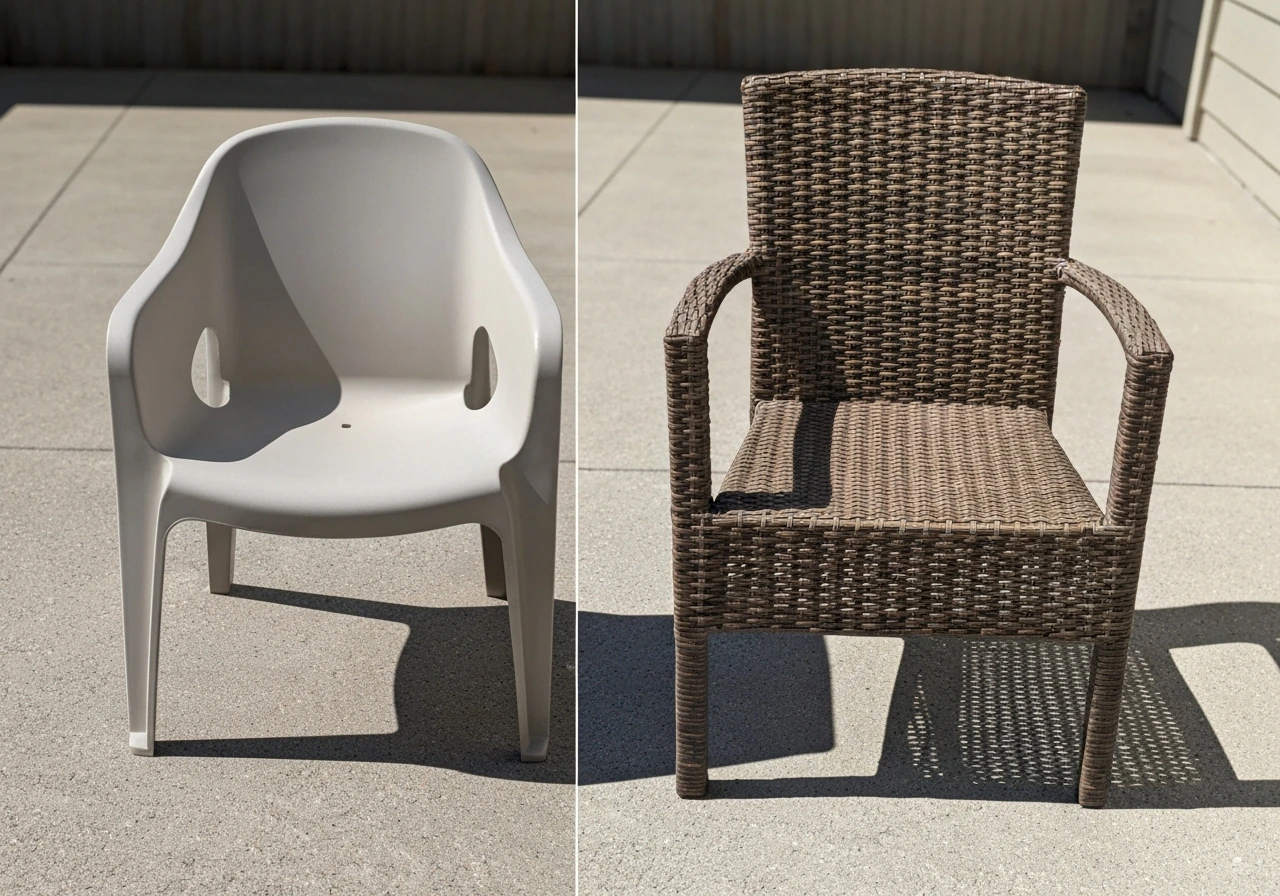
The term 'resin patio furniture' covers two pretty different things, and knowing which one you're looking at changes the buying decision entirely.
The first type is molded resin furniture: chairs, tables, and stacking pieces made from solid plastic that's been injection-molded into shape. You've seen this at every hardware store. It's lightweight, cheap, and purely functional. Most of it is polypropylene. It works fine as a budget seat for a few seasons but it's not what most people mean when they're researching 'best resin patio furniture.'
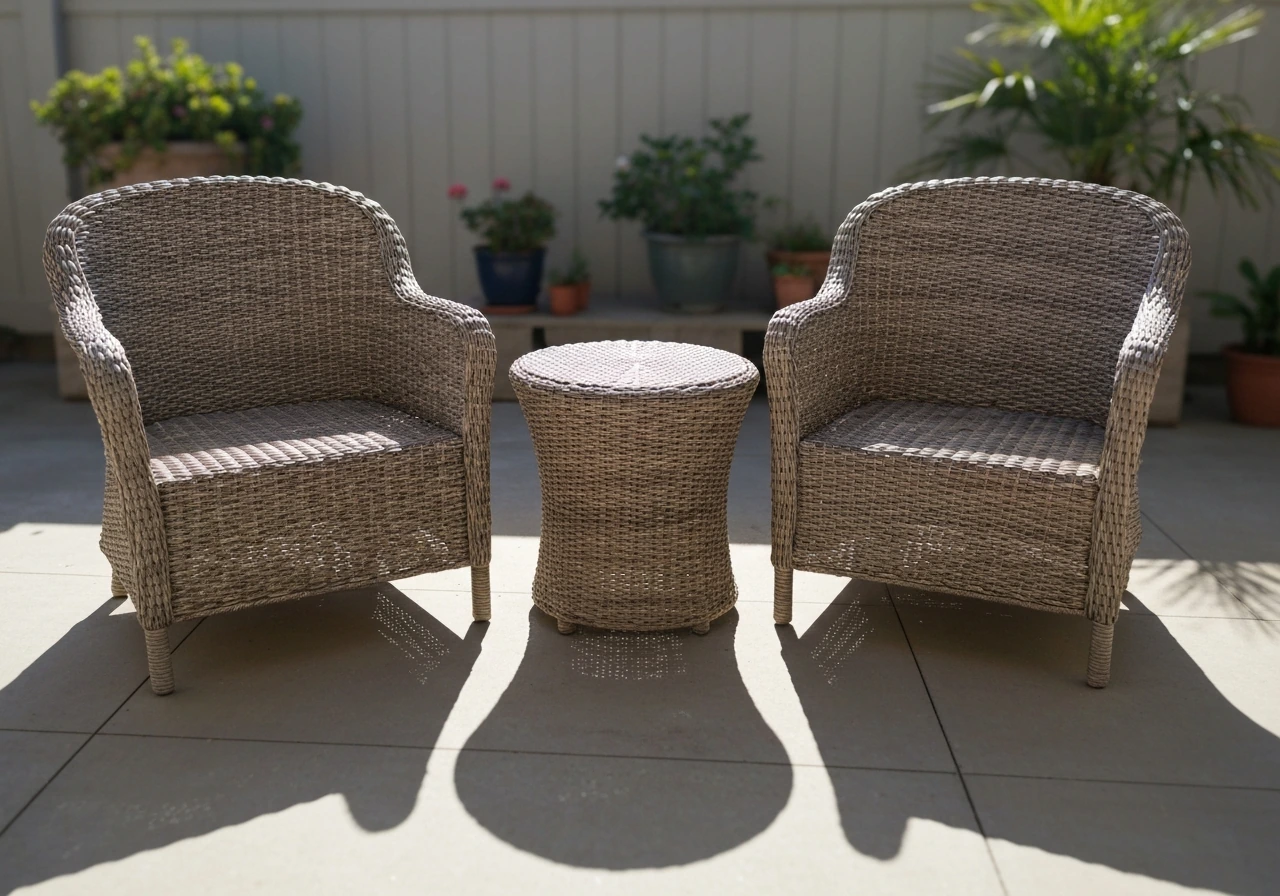
The second type, and the one this guide focuses on, is resin wicker (also called all-weather wicker or synthetic wicker). This is furniture made by weaving extruded plastic strands over a structural metal frame to replicate the look of natural rattan or wicker. The strands are formed into narrow, vine-like shapes and woven tightly around the frame. Done well, it looks close enough to natural wicker that most guests won't notice the difference. Done poorly, it looks and feels like cheap plastic rope.
The material those strands are made from is what really matters. High-quality resin wicker uses blank" rel="noopener noreferrer">HDPE (high-density polyethylene) that's been UV-stabilized during manufacturing, meaning the color and protective agents are built into the material rather than applied as a coating on top. High quality wicker patio furniture is usually made with HDPE resin wicker strands that are UV-stabilized and paired with a rust-free frame like powder-coated or marine-grade aluminum. PVC-based wicker is the cheaper alternative: it starts to crack, fade, and become brittle faster, especially in sunny or coastal climates. When a product listing just says 'resin wicker' without specifying HDPE, that's a yellow flag worth investigating before you buy.
The frame underneath the weave is equally important. HDPE wicker over a steel frame will rust from the inside out once moisture finds its way in, and it always does. Aluminum frames don't rust, they're lighter, and they hold up in salt air environments where steel deteriorates quickly. Powder-coated aluminum is the standard you should look for.
How to choose the best resin furniture for your climate
Climate is the single biggest variable in how long resin furniture lasts and which specific product is worth the money. Here's how to think about it by region.
Hot and sunny climates (desert Southwest, Florida, full-sun patios)
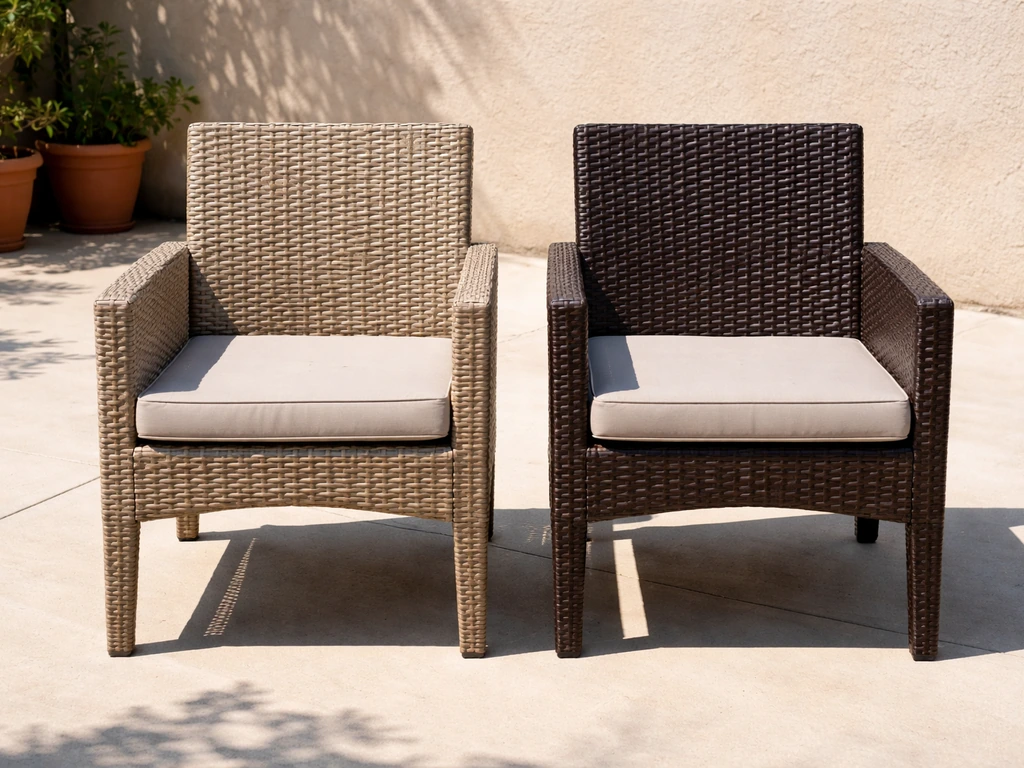
UV degradation is your primary enemy. Cheap PVC wicker will fade noticeably within one to two seasons in direct sun. Look specifically for HDPE strands with manufacturer-stated UV stabilization, not just 'UV resistant' marketing copy. Lighter colors show UV bleaching less, but well-made HDPE in darker colors holds for years. Avoid any framing that uses exposed plastic connectors at joints, since these tend to degrade and crack under sustained heat.
Coastal and high-humidity climates (Gulf Coast, Pacific Coast, Hawaii)
Salt air and constant moisture exposure demand rust-free framing, full stop. Aluminum is the right call here. Also check that the weave pattern doesn't trap standing water at contact points with the frame, since that's where frame corrosion typically starts even on powder-coated pieces. HDPE strands themselves handle salt air well. Cushion covers matter a lot here too: look for fabric rated for mold and mildew resistance, and consider open-cell foam cores that drain rather than holding moisture.
Cold and wet climates (Pacific Northwest, Northeast, high elevation)
Freeze-thaw cycles are the problem here. HDPE handles cold temperatures without cracking far better than PVC, which becomes brittle below about 40 degrees Fahrenheit. If you're in a climate where furniture will see frost, store cushions indoors over winter and consider whether you'll bring the frames in or leave them out. Quality HDPE wicker can typically stay outside year-round in moderate freeze-thaw climates; cheaper PVC wicker should be stored.
Mixed or variable climates (Midwest, mid-Atlantic, transitional zones)
You're dealing with a full range of stressors: UV in summer, rain in spring, and cold in winter. This is where HDPE-over-aluminum earns its premium most clearly. The versatility of that combination means you're not compromising for any single threat. Buy the best frame and strand quality you can justify here, because cheap furniture that would last three years in San Diego might last only one season in Ohio.
Key quality signals in construction, weave, and cushions
Once you know what climate you're buying for, here are the specific things to look at when evaluating a piece. These separate genuinely durable furniture from the stuff that looks fine in a showroom and falls apart in two years.
Frame
- Powder-coated aluminum is the best frame material for most buyers. It's rust-free, lightweight, and holds up in all climates.
- Stainless steel fasteners matter: even aluminum frames often use screws and bolts that can rust if they're not stainless or zinc-coated. Rust bleed from fasteners is a common failure point on otherwise decent furniture.
- Look for welded joints rather than bolted connections at major stress points. Bolted joints loosen over time, especially in pieces that get sat on and moved around regularly.
- Frame wall thickness matters. Thin-walled aluminum tubing (under 1.5mm) dents and bends more easily. Good commercial-grade or higher-end residential furniture typically uses 1.8mm to 2.0mm walls.
Weave and strand quality
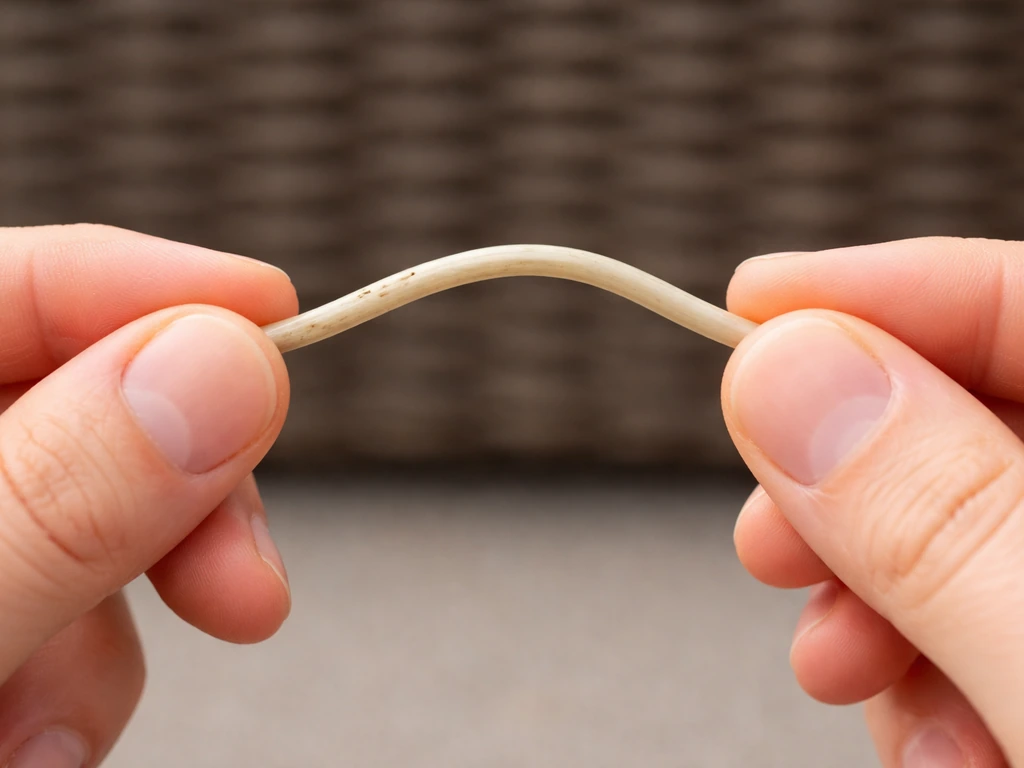
- HDPE strands should feel slightly waxy and firm, not brittle or hollow. Flex a strand between your fingers if you can: it should bend without cracking.
- Strand thickness matters for durability. Thicker, rounder strands hold their shape longer than flat ribbon-style weave. Flat weave is trendy but tends to loosen faster.
- A tight, consistent weave with no visible gaps or loose ends signals better construction. Loose weave means the furniture will look worn and baggy within a few seasons.
- Check the underside of seats and backs where weaving typically ends. Clean, tucked strand terminations indicate careful assembly; exposed, frayed, or roughly cut ends suggest rushed manufacturing.
Cushions
- Solution-dyed acrylic fabric (brands like Sunbrella are the benchmark) resists fading far better than polyester covers. The dye goes through the entire fiber, not just the surface.
- Look for cushion covers with hidden zippers and drainage holes or moisture-wicking inner liners. Covers that trap water grow mold faster and are harder to dry out.
- High-resiliency foam or quick-dry foam inserts are worth the premium over standard polyurethane foam. Standard foam holds moisture, compresses permanently, and breaks down in outdoor conditions within a few seasons.
- Cushion depth matters for comfort: seat cushions under 3 inches feel flat and insubstantial quickly. Well-made outdoor cushions typically start at 4 to 5 inches.
- Ties or fasteners that secure cushions to the frame reduce wear from wind and repositioning. Check that they're attached securely, not just looped through a thin grommet.
Best resin furniture for common outdoor uses and setups
Resin wicker works across a lot of configurations, but some setups suit it better than others. Here's how to match the furniture type to the actual use.
Small patios, balconies, and tight spaces
Resin wicker's lightweight advantage really shows here. A deep-seat chair or small bistro set in HDPE wicker is easy to move, stack, or reconfigure without help. Look for stackable designs if storage is limited. Many resin wicker sets come with matching resin or aluminum side tables that tuck under chairs when not in use.
Large lounge and living spaces
For full sectional setups or large conversation groups, HDPE resin wicker is one of the better choices because the lightweight frames make rearranging feasible, and the consistent woven aesthetic creates visual cohesion across large groupings. Pay attention to seat depth and cushion thickness in larger lounge pieces: deep-seat sectionals need cushions with at least 4 to 5 inches of quality foam to stay comfortable over hours of use.
Dining sets
Resin wicker dining chairs pair well with aluminum, glass-top, or solid resin-top tables. For dining, prioritize chairs with solid seat construction: the seat base should feel firm and evenly supported, not just fabric stretched over the weave. Some cheaper resin wicker dining chairs flex uncomfortably under weight because the seat frame isn't reinforced. Test it in person if possible, or look for brands that specify reinforced seat bases.
Covered patios and screened porches
Resin wicker is an excellent choice for covered spaces because the UV and rain exposure is reduced, meaning even mid-range quality holds up well. In this environment, you can sometimes justify spending less on the furniture itself and more on cushion quality, since cushions rather than the frame will typically be the first thing to look worn.
Full-sun, uncovered settings
This is where you absolutely need HDPE with UV stabilization and should not compromise. For the best all-weather wicker patio furniture, focus on UV-stabilized HDPE strands over powder-coated aluminum frames. Buy the best resin wicker you can afford for full-sun settings and skip the budget options entirely. A quality HDPE set in full sun will outlast a cheap PVC set by five or more years, making the cost-per-year math strongly favor the premium purchase.
Resin vs other patio materials: honest pros, cons, and value
Most people shopping for resin furniture are also considering alternatives. Here's a straightforward comparison across the materials that come up most often.
| Material | Weather Resistance | UV/Fade Resistance | Rust Risk | Maintenance | Typical Lifespan | Relative Cost |
|---|---|---|---|---|---|---|
| HDPE Resin Wicker (quality) | Excellent | Excellent (UV-stabilized) | None (aluminum frame) | Low | 10–15 years | Mid to High |
| PVC Resin Wicker (budget) | Moderate | Poor to moderate | Risk if steel frame | Low to moderate | 3–6 years | Low to Mid |
| Molded Resin (polypropylene) | Good | Moderate | None | Very low | 3–7 years | Low |
| Natural Rattan/Wicker | Poor | Poor | N/A | High | 2–5 years outdoors | Low to Mid |
| Teak Wood | Excellent | Good (with oiling) | None | Moderate (oiling) | 20–30 years | High |
| Aluminum (non-wicker) | Excellent | Excellent | None | Very low | 15–25 years | Mid to High |
| Cast Iron | Good | Good | High if unpainted | High | 20+ years | High |
| Steel | Moderate | Good | High | High | 5–12 years | Low to Mid |
Teak and aluminum are the only materials that clearly beat quality HDPE resin wicker on longevity, and both cost more. If you're trying to narrow down the best wicker patio furniture for your space, use these longevity comparisons to decide whether to prioritize HDPE resin wicker, teak, or aluminum. Teak requires periodic oiling to maintain its natural oils and resist cracking; if you skip the maintenance, teak grays out and eventually dries. Quality aluminum furniture is arguably the lowest-maintenance patio material available, but it doesn't have the warmth and visual softness that woven resin wicker brings to a space.
Natural rattan and wicker are not outdoor materials in any serious sense. They look beautiful but will deteriorate quickly in sun, rain, or humidity. If you like the woven look for an outdoor setting, resin wicker is the practical replacement. The best resin wicker furniture is covered in more depth in guides specifically comparing all-weather wicker options, where you can also dig into how different brands handle strand quality and frame construction.
Cast iron is heavy, almost indestructible structurally, and develops rust if paint chips aren't addressed. It's a completely different use case: think permanent bistro tables and classic garden benches rather than reconfigurable lounge sets. Steel has similar durability concerns with more maintenance burden and is harder to justify at any price point for outdoor use compared to aluminum.
Maintenance and cleaning to extend lifespan
Resin wicker is genuinely low maintenance compared to wood or iron, but 'low maintenance' doesn't mean 'no maintenance.' A simple routine keeps it looking good and prevents the kind of slow deterioration that gets blamed on the material when it's really just neglect.
Cleaning the wicker
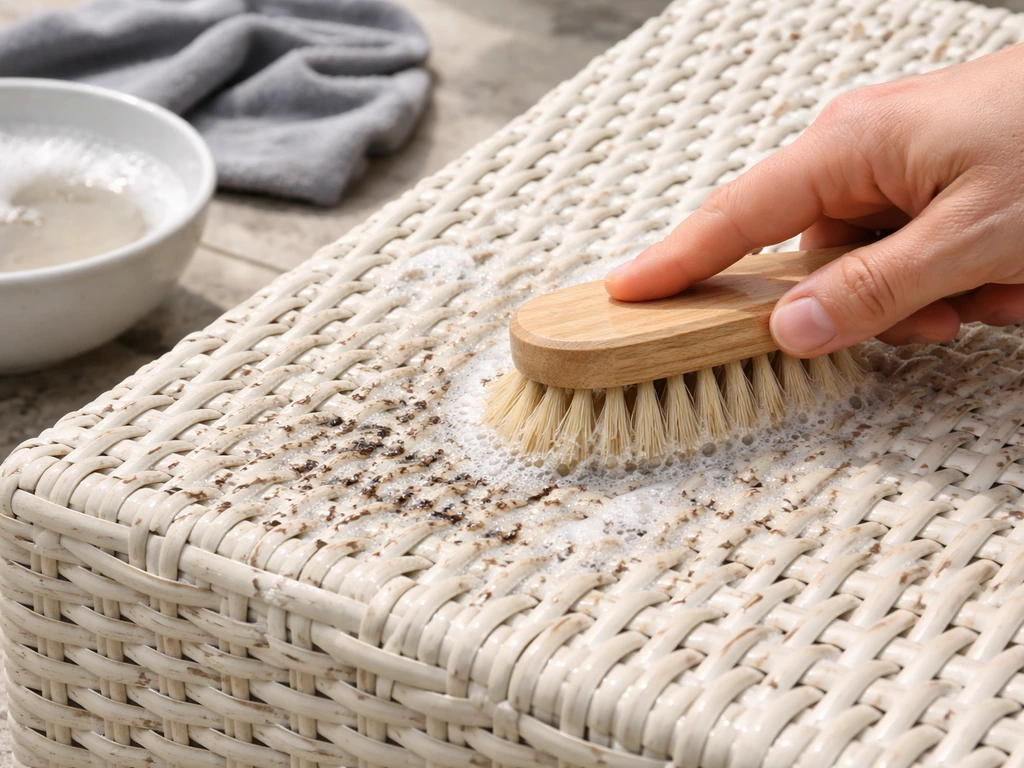
Mild dish soap and warm water with a soft brush handles almost everything. Work the brush into the weave to pull out trapped dirt, pollen, and debris that collects in the gaps. Rinse thoroughly with a hose: leftover soap residue attracts more dirt. For mildew (common in humid climates), a diluted white vinegar solution (one part vinegar to four parts water) applied with a brush and rinsed off works well without damaging the strands. Avoid bleach on colored HDPE; it can affect the surface appearance even on UV-stabilized material.
Cleaning and caring for cushions
Remove and brush off loose debris before washing. Most solution-dyed acrylic covers (like Sunbrella) can be spot-cleaned with mild soap or machine-washed on gentle cycle with cold water. Always air-dry completely before putting them back on the furniture. Never put outdoor cushion covers in a dryer if they have any coating or backing; the heat degrades adhesives and backing materials. Store cushions indoors or in a waterproof storage box when the furniture won't be used for more than a few days in wet weather.
Seasonal storage and protection
HDPE resin wicker frames can typically stay outside year-round in mild and moderate climates. In freeze-thaw climates, storing them in a garage or shed over winter extends their life noticeably. If you leave them out, use breathable furniture covers rather than airtight plastic covers: airtight covers trap moisture and promote mildew on both the weave and the frame. Make sure covers fit properly and allow some airflow at the base.
Frame touch-ups
Inspect the powder-coated aluminum frame annually for any chips or scratches that expose bare metal. Even though aluminum doesn't rust, bare spots can develop oxidation and chalking over time. Touch up small chips with a spray paint formulated for metal (matched to the frame color) to maintain the protective layer. Check fasteners for any rust bleed and replace stainless screws if needed.
Common mistakes and when resin isn't the right choice
Mistakes that cut lifespan short
- Buying based on price alone and getting PVC wicker or a steel frame disguised with 'resin wicker' marketing language. Always verify HDPE and aluminum before purchasing.
- Using standard indoor foam cushions outside. They absorb moisture and develop mold within one season. Outdoor-specific quick-dry foam is not optional.
- Covering furniture with airtight tarps or plastic covers that trap moisture and create ideal mildew conditions under the cover.
- Ignoring loose weave ends or small tears in the wicker. These worsen quickly once the strand is free and will require more extensive repair if left unaddressed.
- Placing resin wicker directly on surfaces that stay wet (like low-drainage concrete) without furniture feet or glides. Constant contact with standing water accelerates frame corrosion even on aluminum.
- Expecting budget-tier resin furniture to perform like premium HDPE. The quality difference is real and shows up within the first summer in full-sun conditions.
When resin wicker is the wrong material entirely
Resin wicker has limits. If you're furnishing a commercial setting with very heavy daily use, aluminum furniture with sling or mesh seating is more durable under that kind of stress. Woven frames, even quality ones, can loosen with hundreds of cycles of hard use in a way that solid aluminum frames don't.
If you're in an extremely wet, shaded environment (like a rain forest climate or a permanently damp covered patio), the constant humidity can eventually stress even HDPE weave and promote mildew on cushion components despite good maintenance. In that case, solid aluminum or teak might serve you better long-term.
If aesthetics are your primary driver and you want a sleek, modern look with no warmth or texture, solid aluminum or polished cast aluminum furniture gives you cleaner lines that resin wicker can't match.
And if you love the look of woven furniture but want to understand the full landscape of all-weather wicker options before deciding, there's meaningful variation across HDPE formulations, frame quality, and weave styles that's worth exploring in detail before committing to a specific brand or price tier. The resin wicker category is broad, and knowing what separates a $400 set from a $2,000 set is knowledge worth having before you shop.
FAQ
How can I tell if a listing’s “resin wicker” is truly HDPE or just PVC pretending to be all-weather?
Look for explicit wording like HDPE (high-density polyethylene) and UV stabilization stated as part of the strand material, not only “UV resistant.” If the listing gives no polymer type or claims only a coating, treat it as a risk and confirm with the brand’s spec sheet or customer support before buying.
Are resin wicker frames supposed to be fully outdoors, or should I cover them year-round?
Frames can generally stay out year-round, but covers matter. Use breathable covers that allow airflow at the bottom, because airtight plastic can trap moisture and increase mildew risk inside the weave and on the frame joints.
What’s the fastest way to clean pollen and trapped dirt from the woven pattern?
Start by dry-brushing to remove grit, then wash with mild dish soap and warm water using a soft brush worked into the weave gaps. Rinse thoroughly, since soap residue can attract dirt and cause the surface to look dull even after it dries.
Can I use a power washer or stiff brush on resin wicker?
Avoid high-pressure washers and abrasive brushes. They can loosen weave strands, force water into frame joints, and accelerate wear on powder-coat. Stick to gentle brushing and a hose rinse, especially around seat bases and corners.
What should I do if the powder coating gets chipped and I see bare metal?
Touch up small chips promptly with a spray paint formulated for metal, matched as closely as possible to the frame color. Also check nearby fasteners for early oxidation or rust bleed, because those spots can widen if left untreated.
Will mildew come back even after cleaning, and how do I prevent it?
Mildew often returns if the furniture stays damp. After washing, let everything air-dry fully before covering, and prioritize cushion storage. In humid climates, use breathable covers and avoid keeping cushions on the furniture when rain is frequent.
How should I store cushions during winter or extended wet weather?
Bring cushions indoors or store them in a waterproof storage box so the fabric and foam are not exposed to recurring moisture. Never dry cushion covers in a heated dryer if they have any backing or coatings, since heat can degrade adhesives and backing materials.
If I live in a freeze-thaw area, do I need to bring the resin wicker chairs inside?
Often you can leave quality HDPE resin wicker frames outside in moderate freeze-thaw regions, but store cushions indoors. If your area has harsher freezes or frequent frost, it’s safer to store frames too, since repeated severe cycles can stress any joints and attachments over time.
Are stackable resin wicker chairs good for long-term storage on their side or upright?
Upright is usually better to reduce pressure points on the weave and cushions. If you store on their side, keep them on a dry surface and ensure airflow to prevent trapped moisture. Also confirm the stack design has reinforced connection points, since weak joints are where wear starts.
What’s a practical comfort check for dining chairs before buying?
Check seat firmness and support by sitting down and testing weight distribution. Some cheaper models flex because the seat base is not reinforced under the weave, which can feel uncomfortable during longer meals even if the chair looks sturdy.
Can resin wicker handle heavy everyday commercial use?
It’s not the best choice for high-frequency, high-weight commercial traffic. Under hundreds of hard use cycles, woven frames can loosen over time, while solid aluminum with sling or mesh seating typically tolerates stress better in everyday public use.
What cleaning products should I avoid on HDPE resin wicker?
Avoid bleach on colored HDPE, since it can affect surface appearance even when the plastic is UV stabilized. Also be cautious with strong solvents or unknown cleaners on powder-coated frames, because they can damage protective coatings and leave marks.
Next Articles
Best All Weather Wicker Patio Furniture Buyer’s Guide
Buyer’s guide to truly all-weather wicker: resin vs natural, frame durability, cushions, care tips, and long-life value
High Quality Wicker Patio Furniture: How to Choose
Learn how to spot high quality wicker patio furniture, compare resin vs natural, and choose durable sets and cushions.
Best Outdoor Wicker Patio Furniture: How to Choose
Choose the best outdoor wicker patio furniture by material, frame, weather resistance, comfort, and real climate tips.