
High quality patio chairs share a handful of measurable traits: frames built from materials that won't rust, warp, or crack under your specific climate, hardware that's stainless or powder-coated rather than bare steel, joinery that's welded or mortise-and-tenoned rather than screwed together with drywall hardware, and cushions (if included) covered in solution-dyed acrylic fabric like Sunbrella. Get those four things right and you'll have chairs that stay comfortable and structurally sound for a decade or more. Miss any one of them and you'll be replacing something within two or three seasons.
High Quality Patio Chairs: How to Choose by Material

Marcus Kellerman
25 Jun 2026
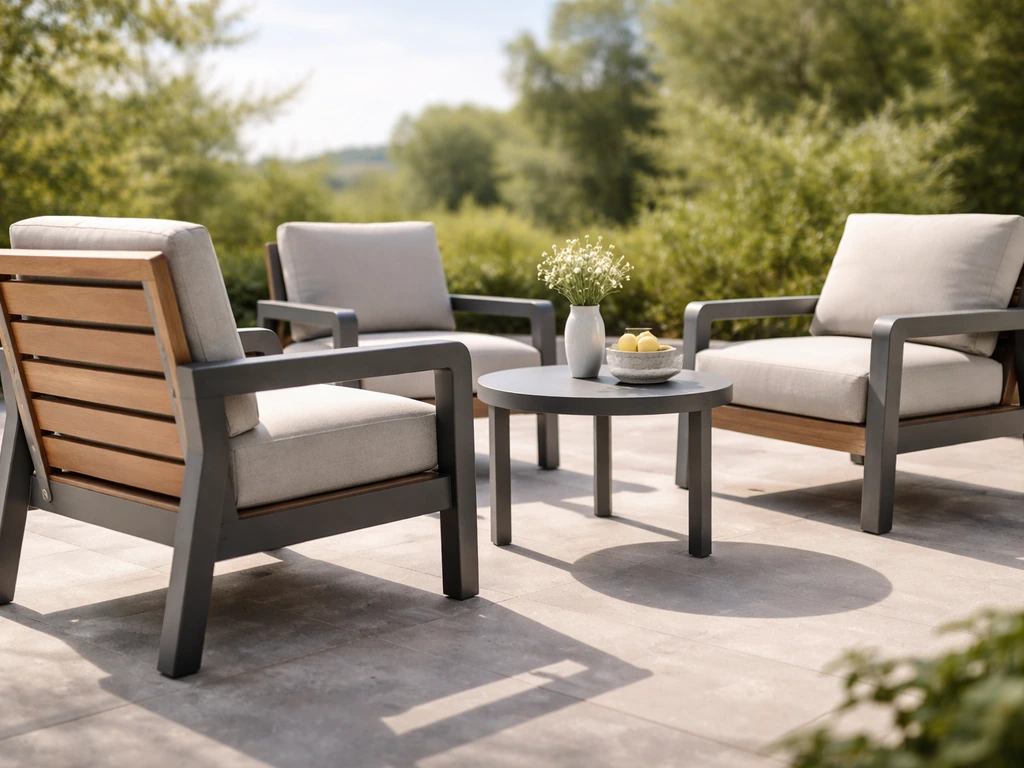
What "high quality" actually means for patio chairs
The word "quality" gets slapped onto everything at every price point, so it helps to strip it down to specifics. For patio chairs, quality is really four things working together: structural durability (how long the frame holds its shape and weight capacity), weather resistance (how well it handles your local sun, rain, humidity, salt air, or freezing temps), comfort and ergonomics (seat depth, back angle, armrest height, cushion density), and long-term value (what it costs per year of actual use). A $800 teak chair that lasts 25 years costs $32 per year. A $150 chair that falls apart in two seasons costs $75 per year and leaves you with landfill guilt on top.
When evaluating any chair, ask these questions before buying: Does the manufacturer offer a warranty, and what exactly does it cover? Is the frame material inherently resistant to the weather conditions at your address, or does it need coatings to survive? Are the fasteners stainless steel or galvanized, or are they bare hardware-store bolts that'll bleed rust onto your patio by spring? Is comfort built into the frame geometry, or does the whole thing depend on a cushion that will eventually need replacing? Genuine quality answers those questions before you even ask them.
Material by material: what each one is actually good at
Material choice is the single biggest decision you'll make, and it should be driven by your climate first, aesthetics second. Here's the honest breakdown of every major patio chair material on the market right now. If you want the best high end patio furniture, focus on premium materials and construction details, then match the chair style to your actual climate and use.
Teak
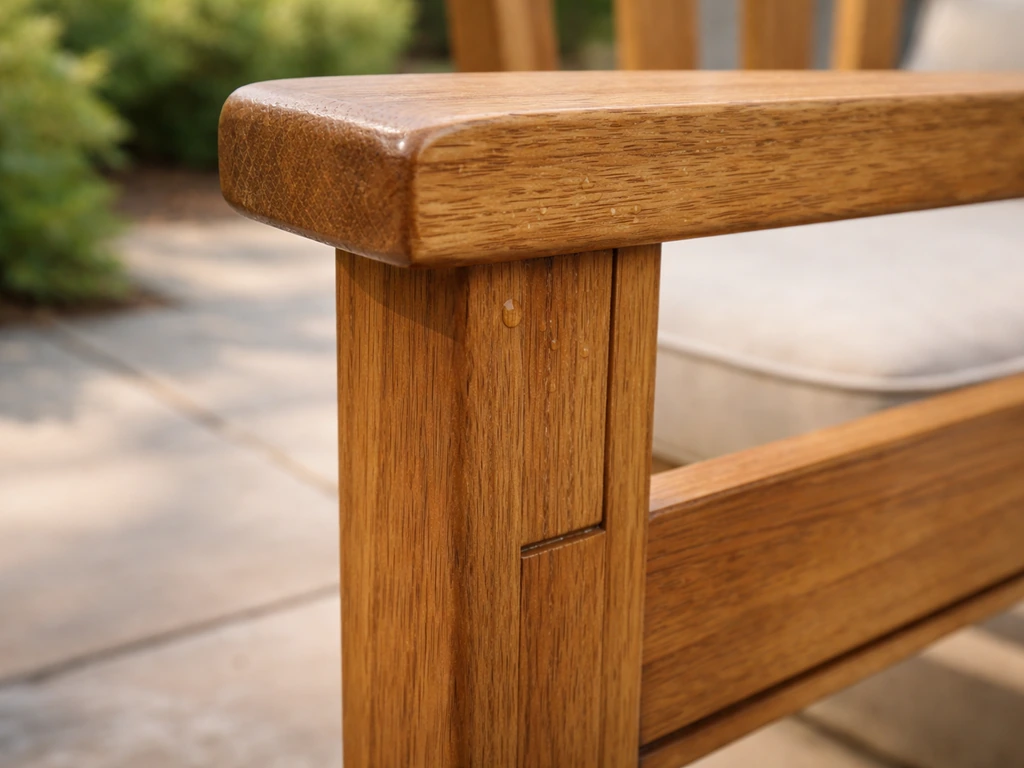
Teak is the benchmark hardwood for outdoor furniture, and for good reason. Its natural silica and oil content make it inherently resistant to water, rot, and insects without any treatment at all. A Grade A teak chair (cut from the dense heartwood of a mature tree, not the outer sapwood) will realistically last 25 to 50 years with minimal care.
It weathers to a silver-grey patina naturally, which many people love, or you can oil it annually to keep the warm honey color. The downside is cost: expect $300 to $800 per dining chair and $600 to $2,000 or more for a quality lounge chair. If you see "teak" chairs priced under $100 each, they're almost certainly plantation teak from juvenile trees or a different species altogether. Teak is ideal for coastal, humid, and rainy climates.
Other hardwoods (eucalyptus, shorea, acacia)
Eucalyptus and shorea (also marketed as "Philippine mahogany" or "teak substitute") are the most common teak alternatives. They share some of teak's density and oil content, typically last 10 to 20 years with proper oiling, and cost 30 to 60 percent less. Acacia is beautiful and genuinely durable but needs more consistent oiling than teak or eucalyptus, especially in dry or high-UV climates where it can crack. None of these alternatives match Grade A teak outright, but properly maintained eucalyptus or shorea chairs are a legitimate step down at a significantly lower price, not a scam.
Aluminum
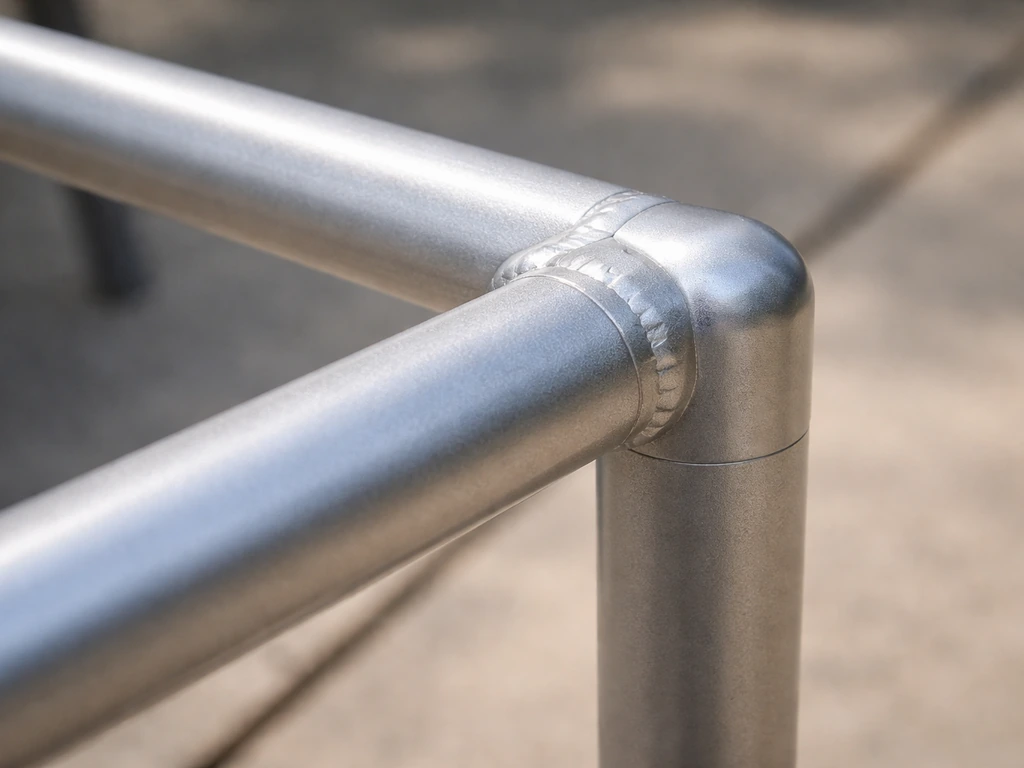
Cast or extruded aluminum is probably the most versatile high-quality patio chair material available today. It's rust-proof by nature (aluminum oxidizes but doesn't corrode the way steel does), lightweight, and when powder-coated properly it resists UV fading and chipping for years. Brands like POLYWOOD use UV-stable powder coatings and back their aluminum furniture with a 5-year residential warranty. Aluminum chairs range from $100 to $600 per chair depending on construction method: extruded aluminum is lighter and less expensive, cast aluminum is heavier and more ornate, and both are significantly lighter than steel or cast iron. Aluminum works in virtually every climate, including coastal environments where salt air destroys steel.
Recycled HDPE (POLYWOOD and similar)
High-density polyethylene lumber made from recycled plastic is worth its own category at this point. POLYWOOD and Trex Outdoor Furniture are the two biggest names. Trex carries a 20-year residential lumber warranty and explicitly states its POLYWOOD-style material won't splinter, crack, chip, peel, rot, or suffer insect damage under normal use. UV stabilizers are built into the material itself, though Trex's own warranty acknowledges some color change can still occur with prolonged sun exposure. These chairs are ideal if you want zero maintenance and plan to leave furniture outdoors year-round in wet, humid, or snowy climates. They're heavier than aluminum, not quite as aesthetically warm as wood, but the lifetime cost is extremely low.
Steel
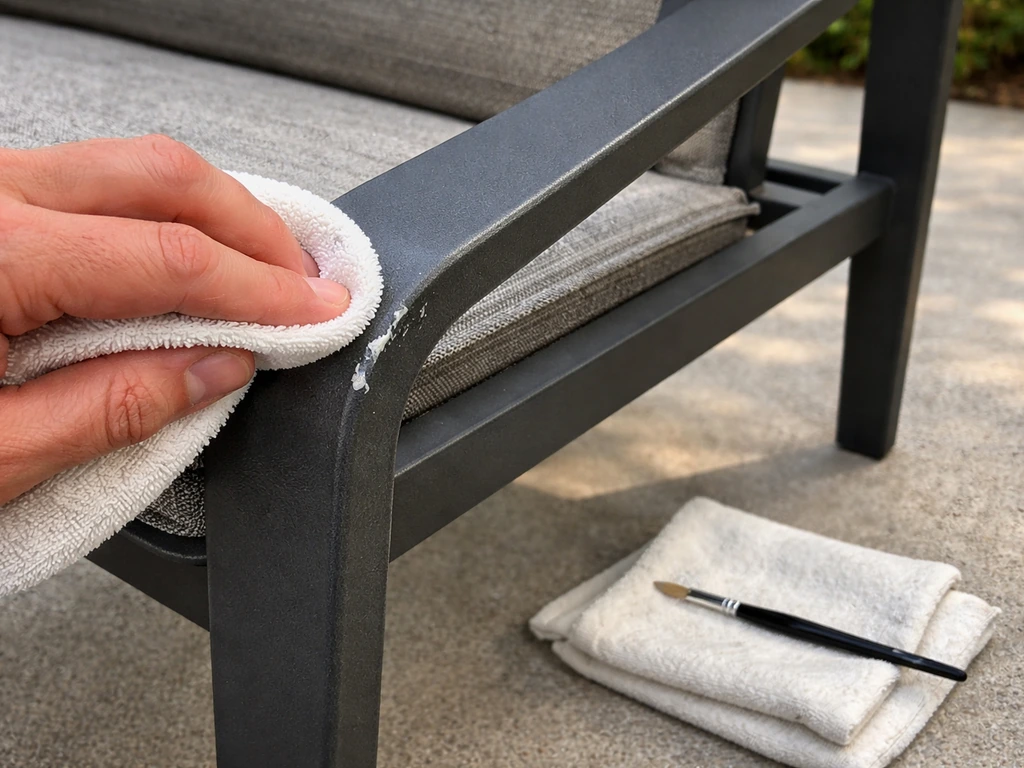
Steel is strong and inexpensive but requires more scrutiny than any other frame material. Powder-coated steel can perform well in dry climates, but bare or thin-coated steel rusts fast, especially in humid or coastal environments. Some manufacturers don't warrant rust at all beyond 12 months, which tells you exactly what they expect. A Home Depot-hosted patio furniture warranty PDF example states that [rust is not a warranted item beyond a defined period](https://images.
thdstatic. com/catalog/pdfImages/2c/2ceedf08-3aa5-4f33-8522-3672e9cdf5dd. pdf) (for example, beyond 12 months). If you're buying steel chairs, check every joint and weld area for bare metal, and make sure the warranty explicitly covers rust for more than one year.
Steel is not appropriate for coastal or consistently wet climates. In drier climates like the Southwest, a well-powder-coated steel chair can last many years, but aluminum gets you similar strength with far less maintenance risk.
Cast iron
Cast iron has a beautiful, substantial look that suits classic and formal patio styles, and it's nearly indestructible structurally. The problem is the same as steel: iron rusts aggressively if the coating is scratched or chips, and cast iron is extremely heavy (a single chair can weigh 40 to 60 pounds). You won't be rearranging these chairs casually. For covered patios in dry or moderate climates where you want permanent, furniture-as-architecture pieces that will outlast the house, cast iron makes sense. For anything else, the weight and rust maintenance are harder to justify.
Wicker and rattan
Natural rattan and wicker are indoor materials that look beautiful on a covered patio but will crack, splinter, and deteriorate quickly when exposed to rain, direct sun, or temperature swings. Synthetic resin wicker woven over an aluminum or powder-coated steel frame is a completely different story: good-quality all-weather wicker chairs with aluminum frames can handle rain and UV reasonably well, are comfortable, and look great. The key word is aluminum frame. All-weather wicker over a steel frame will eventually rust at the welds and weld-through points even if you can't see it until the chair starts to wobble. Price range for quality all-weather wicker chairs runs $200 to $700 per chair.
| Material | Best Climate | Expected Lifespan | Maintenance Level | Price Per Chair (approx.) |
|---|---|---|---|---|
| Teak (Grade A) | All climates, especially coastal/humid | 25–50 years | Low to moderate (oiling optional) | $300–$2,000+ |
| Eucalyptus / Shorea | Most climates | 10–20 years | Moderate (annual oiling) | $150–$600 |
| Cast Aluminum | All climates including coastal | 15–30 years | Low | $100–$600 |
| Recycled HDPE (POLYWOOD/Trex) | All climates, especially wet/snowy | 20+ years | Very low | $150–$500 |
| Powder-coated Steel | Dry/moderate climates only | 5–15 years | Moderate (monitor coating) | $80–$400 |
| Cast Iron | Dry/covered patios | 20+ years (with care) | Moderate (rust prevention) | $200–$800 |
| All-weather Wicker / Aluminum frame | Most climates, covered preferred | 8–15 years | Low to moderate | $200–$700 |
Construction details that separate real quality from the look of quality
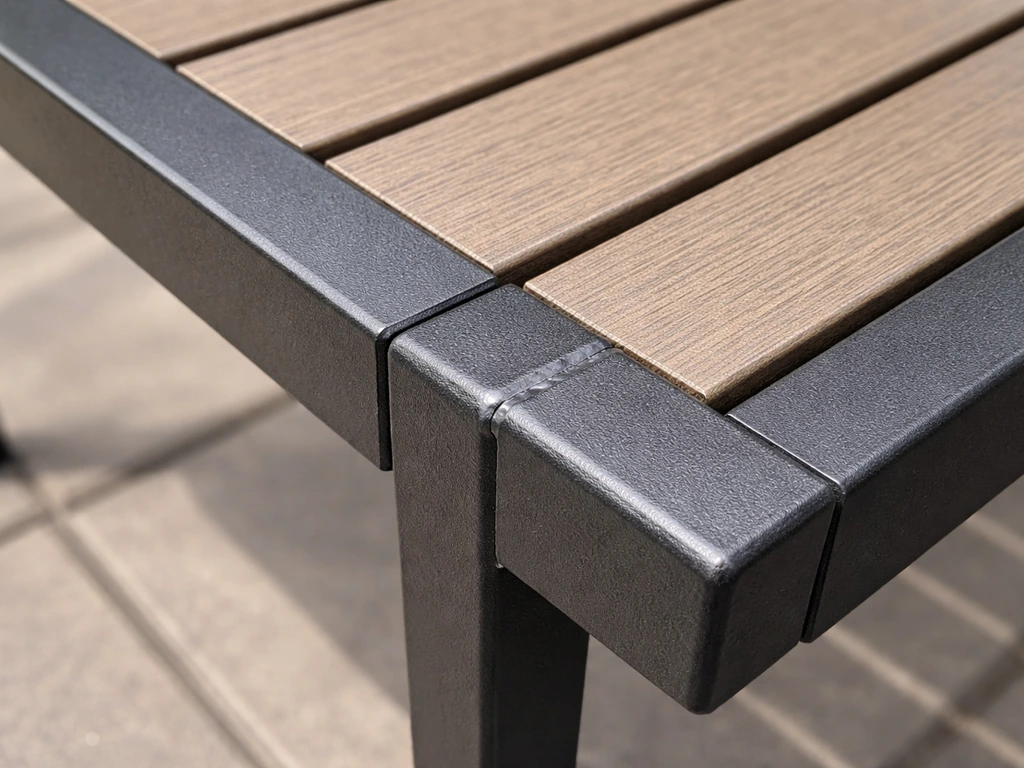
Material is the foundation, but how the chair is built determines whether that material reaches its potential lifespan or falls short. These are the structural signals worth examining before you buy.
Frame joinery and welding
On metal chairs, look for fully welded joints with smooth, continuous weld seams rather than separate bolted connections. Bolted joints on metal frames flex over time and eventually loosen, especially on chairs that get moved around frequently. On wood chairs, mortise-and-tenon joinery or dowel construction is stronger than screwed connections. You can sometimes check this on a floor sample by sitting in the chair and shifting your weight side to side: a quality frame won't flex or creak. On wicker chairs, look at where the weave meets the frame legs. If the wicker is just wrapped thinly over visible frame corners with no structural reinforcement, the weave will unravel at those stress points first.
Hardware and fasteners
This is where a lot of mid-range chairs cut corners. Stainless steel or marine-grade fasteners (316 stainless for coastal environments, 304 stainless for inland use) won't rust or corrode. Zinc-plated or galvanized hardware is acceptable in moderate climates. Plain steel hardware will rust within a season or two and leave stains on your patio surface. Consumer Reports explicitly advises checking for bare, unpainted areas on metal furniture, and bare metal near fasteners is exactly what you're looking for. Flip a chair over at the store or zoom into product photos: visible hardware should look finished, not raw.
Slat design, stability, and glides
Wider slats on wood or HDPE chairs look better and support weight more evenly than narrow ones. Slat spacing matters for comfort: around 1/4 inch to 3/8 inch gaps allow drainage without creating a surface that digs into the backs of your legs. Chair glides or feet caps on metal chairs should be plastic or rubber plugs that cap the hollow frame tube completely, preventing water from pooling inside the leg and causing interior rust that you'll never see until the leg collapses. Check that the chair sits flat on all four legs without rocking. A rocker at the store is a rocker on your patio forever.
Ergonomics and comfort dimensions
Seat height for a dining chair should be 17 to 19 inches from the ground to pair correctly with a standard 29 to 30 inch table. Seat depth of 16 to 18 inches works for most adults in a dining chair. For lounge chairs, seat depth increases significantly to 20 to 26 inches, and back angle is crucial: a near-vertical back on a lounge chair is uncomfortable within an hour. Armrest height of 7 to 9 inches above the seat surface allows relaxed shoulder positioning. If the chair you're considering has no ergonomic specs listed, that's a flag. Good manufacturers publish dimensions because they're proud of them.
Cushion quality (when cushions are included or paired)
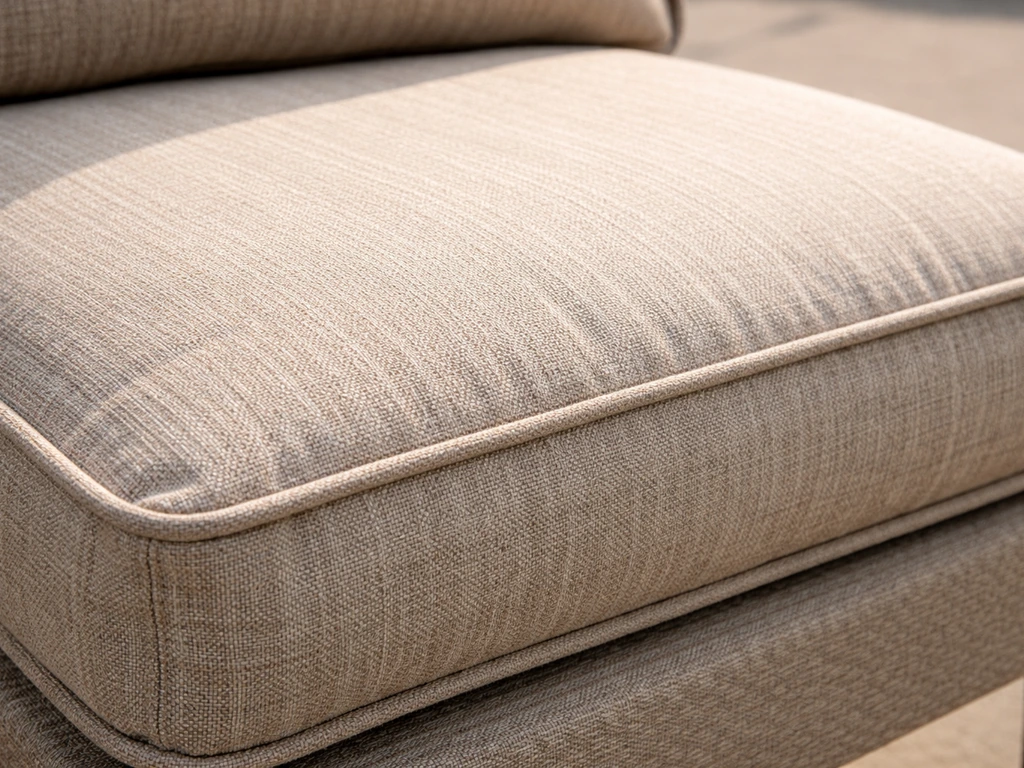
Cushion quality varies enormously. The fabric is the most critical element: solution-dyed acrylic (Sunbrella is the industry standard) is woven with color baked into the fiber itself, making it inherently fade-resistant and UV-protective in ways that printed or coated fabrics simply aren't. Sunbrella fabrics come with multi-year limited warranties depending on product line. Inside the cushion, closed-cell foam or quick-dry foam cores resist moisture better than traditional open-cell foam, which can stay wet for days and develop mildew. Cushion thickness of 3 to 5 inches for seating and 4 to 6 inches for lounging provides adequate support without bottoming out. Cushions with ties that attach to the chair frame stay put in wind and won't need constant repositioning.
Matching your chair to your climate
This is the section most buying guides skip, and it's arguably the most important. The right chair for a beachfront home in coastal Florida is a different chair than the right one for a dry patio in Phoenix or a shaded deck in the Pacific Northwest.
- Coastal/salt air environments: Aluminum, teak, or HDPE only. Salt air accelerates corrosion on steel and even some powder coatings dramatically. If you're within a mile or two of the ocean, treat any steel or iron furniture as incompatible unless you're prepared to refinish it annually. Marine-grade 316 stainless hardware is a must on any coastal chair.
- Hot/high-UV climates (Southwest, desert): UV degradation is the main enemy here. Look for UV-stable powder coatings on metal, UV stabilizers built into HDPE lumber (Trex and POLYWOOD both use these), and solution-dyed fabrics for cushions. Light-colored chairs will feel cooler to the touch. Dark powder-coated metal can get extremely hot in direct sun.
- Humid/rainy climates (Southeast, Pacific Northwest): Moisture resistance and mold/mildew resistance are top priorities. Teak, quality aluminum, and HDPE perform best. Wood species other than teak need more frequent oiling to prevent cracking and rot. Make sure cushions have quick-dry foam cores and are easy to bring inside or store when not in use.
- Snow/freeze climates (Midwest, Northeast, mountain regions): Freeze-thaw cycles stress materials differently. HDPE lumber is particularly good here because it doesn't absorb moisture that can freeze and expand inside the material. Aluminum is fine. Solid wood species need to be stored or covered. Steel and cast iron should be stored indoors through winter or refinished before storing.
- Moderate/temperate climates: You have the most flexibility. Any material performs well with basic care. Focus on what you love aesthetically and what maintenance level you'll actually commit to.
Chair styles, sizes, and use cases
Patio chairs fall into a few clear categories, and picking the wrong type for your actual use case is one of the most common (and most expensive) mistakes buyers make.
Dining chairs
Outdoor dining chairs pair with a table and prioritize upright support and compact footprint over deep relaxation. Standard seat height is 17 to 19 inches. Width per chair at the table should account for 24 inches of table width per person to feel comfortable. Armless dining chairs tuck under the table cleanly and seat more people in a given space. Armed dining chairs are more comfortable for lingering after meals. If you're buying a set, measure your table and calculate: a 72-inch rectangular table comfortably seats six armless chairs but only four armed ones without crowding.
Lounge and deep seating chairs
Lounge chairs are built for extended relaxation with deeper seats (20 to 26 inches), reclined back angles, and typically require thick cushions for real comfort. They're usually paired with an ottoman or coffee table rather than a dining table. Deep seating sectionals use the same geometry. If your patio use is primarily socializing and relaxing rather than outdoor dining, this is the category to invest in. These chairs are bulkier, so make sure your patio dimensions work before buying: a quality three-seat deep seating arrangement with two chairs typically needs at least a 10 by 12 foot space to breathe properly.
Swivel and rocking chairs
Swivel chairs (and swivel rockers) are popular for conversation sets because they let you turn to face whoever you're talking to without moving the whole chair. The swivel mechanism is a potential weak point: look for heavy-duty swivel bases rated for 250 to 300 pounds or more, made from aluminum or stainless steel rather than zinc alloy, and make sure the mechanism is serviceable if it ever needs lubrication or replacement. Rocking chairs for patios are almost always solid wood or HDPE for the same reason: the rocking motion creates stress patterns that lighter frame materials handle poorly.
Stackable chairs
Stackable patio chairs are the practical choice when you need seating for occasional large gatherings but don't want chairs scattered everywhere the rest of the time. Quality stackable chairs are almost always aluminum or HDPE because those materials handle the scratching contact of stacking without the coating damage that steel chairs suffer. Look for chairs rated to stack at least four to six high without structural stress. The stackable feature shouldn't come at the cost of comfort: the seat geometry should still meet the ergonomic minimums above.
Brand and price guidance: cutting through the marketing
Price is not a reliable proxy for quality in patio furniture. There are genuinely excellent chairs at $200 per piece and overpriced mediocre chairs at $600 per piece. Here's how to evaluate what you're actually paying for. If you want high quality patio furniture, focus on the materials, construction, and warranties that back up the price.
What different price tiers actually get you
| Price Range (per chair) | What You Typically Get | Expected Lifespan | Watch Out For |
|---|---|---|---|
| Under $100 | Steel or thin aluminum, painted finishes, minimal warranty, basic comfort | 2–4 years | Rust, weld failures, no replacement parts |
| $100–$250 | Decent powder-coated aluminum, entry HDPE, basic all-weather wicker | 5–10 years | Thin-walled aluminum, cheap hardware, short warranties |
| $250–$500 | Quality cast aluminum, solid HDPE, eucalyptus, good wicker over aluminum | 10–20 years | Brand markup vs. actual construction quality |
| $500–$1,000 | Grade A teak, premium cast aluminum, high-end all-weather wicker | 15–30 years | Aesthetic premium over functional premium (some brands charge for looks) |
| $1,000+ | Heirloom teak, designer cast aluminum, fully custom cushions, Sunbrella fabric | 25–50 years | Diminishing returns on function vs. aesthetics above this level |
How to evaluate a brand before buying
Start with the warranty, not the marketing copy. If you want the top of the line patio furniture experience, focus on the best materials and the construction details that keep everything serviceable and warranty-backed. A brand that offers a 20-year warranty on its lumber (like Trex or POLYWOOD) or a 5-year warranty on aluminum is standing behind the product in a way that a 90-day or one-year warranty simply doesn't.
Read the warranty exclusions carefully: some brands exclude rust, fading, and cushion wear from coverage, which tells you those are known failure points they don't want to be responsible for.
Look for published weight ratings and dimensions, because brands that know their products are well-built publish the numbers. Look for replacement parts availability: can you order new slats, new cushions, new glides, or a new swivel mechanism in five years? Brands built for longevity support their products after the sale.
For context on price positioning: at the mid-to-upper tier you'll find brands like Brown Jordan, Telescope Casual, Woodard, and Tropitone producing genuinely high-quality aluminum and cast aluminum frames with long track records. POLYWOOD and Trex dominate the high-quality HDPE space with strong warranties. For teak specifically, brands like Skagerak, Barlow Tyrie, and Smith & Hawken (when it was active) set the quality standard. Be skeptical of import brands with no domestic customer service footprint selling "teak" or "cast aluminum" chairs at prices 40 to 60 percent below established names: the discount usually means either inferior material grade, inferior joinery, or both.
Red flags in product listings and marketing
- "Teak-finished" or "teak-look" chairs: these are not teak, they're stained or painted wood of unknown species
- Weight ratings absent from the product listing entirely
- Warranty language that excludes fading, rust, and structural defects in the first few years
- "Commercial grade" with no actual spec sheet to back up the claim
- Assembly required with no mention of hardware quality or what tools you need
- No mention of powder coat thickness or UV stabilization on metal chairs
- Cushion fabric listed only as "polyester" or "fabric" with no brand or treatment specification
Keeping your chairs in good shape for years
Even the best patio chairs need some attention. The good news is that proper maintenance for most high-quality materials is simple and infrequent. Here's what actually matters by material type.
Regular cleaning (all materials)
Mild soap and water does the job for almost every patio chair material. Use a soft brush or cloth, rinse thoroughly, and let chairs dry completely before covering or storing them. Don't use bleach on wood or wicker (it degrades the fibers), pressure washers on wicker (it forces water into the weave), or abrasive scrubbers on powder-coated metal (they scratch the coating and accelerate rust). For Sunbrella and other solution-dyed acrylic cushion covers, the manufacturer recommends a mild soap solution and air drying, and most covers are machine-washable on a gentle cycle. Clean cushion covers at least twice a season to prevent mildew buildup.
Wood-specific care
Teak that you want to keep its warm color needs oiling once or twice a year with a teak-specific oil (not boiled linseed or generic wood oil). Clean the wood first, let it dry fully (at least 24 hours), then apply a thin coat. Over-oiling attracts mildew, so less is more. If you prefer the silver-grey weathered look, no treatment needed beyond occasional cleaning. Eucalyptus and acacia benefit from oiling twice a year in most climates, and three times a year in high-UV or dry environments. Sand lightly with 120-grit paper before oiling if the surface feels rough or splintery.
Metal chair care
Inspect powder-coated aluminum or steel chairs at least once a year for chips, scratches, or areas where the coating has worn through. Touch up bare metal spots immediately with matching touch-up paint or a powder-coat repair spray before rust can establish itself. On cast iron, wipe down with a dry cloth after rain, and apply a thin coat of car wax or furniture paste wax once a season to protect the painted surface. Lubricate swivel mechanisms with a dry lubricant (not WD-40, which attracts dirt) once a year.
Seasonal storage and covers
HDPE and quality aluminum can genuinely live outdoors year-round in most climates without degradation. Everything else benefits from either covered storage or high-quality furniture covers through the off-season. A good patio furniture cover is worth the investment: it reduces cleaning time in spring, slows UV degradation on cushions, and keeps moisture from pooling in frame cavities. High quality patio furniture covers also help protect cushions and frames from rain, UV, and trapped moisture during long off-seasons high-quality furniture covers.
When storing cushions, make sure they're completely dry before bagging them. Storing damp cushions in a closed bag or bin is the fastest way to guarantee mildew that no amount of washing will fully eliminate. Stack chairs on a clean, dry surface and store them off concrete if possible, since concrete wicks moisture into frame legs.
Basic repairs to know
Wobbly chairs almost always need tightened fasteners, not replacement. Check every bolt and screw annually and snug them down before the looseness causes frame damage. Peeling or chipping powder coat can be touched up at home with aerosol powder coat paint available online. Broken wicker strands on all-weather wicker can be rewoven with replacement resin wicker strand sold by the foot, using a heat gun to soften the material for weaving. Cracked wood slats on teak or HDPE chairs can often be replaced individually if the brand sells replacement parts, which is another reason to buy from a brand that supports its products long-term.
If you're investing in high quality patio chairs, it's worth coordinating with the rest of your outdoor setup. These guidelines also apply when choosing high-quality outdoor patio furniture sets, not just individual chairs. The same material and quality principles that apply to chairs extend to tables, sofas, and deep seating as you build out a complete patio. Covers, cushions, and overall furniture selection all benefit from a consistent approach to material quality and climate suitability. Getting the chairs right first gives you a clear benchmark for everything else you add.
FAQ
Can I leave high quality patio chairs outside year-round, or should I bring them in?
Yes, but only if the chair is built for it. Before leaving chairs out year-round, confirm the frame material and the warranty specifically include outdoor all-season use (especially for coastal or freeze-thaw areas). For cushions, make sure they are solution-dyed acrylic with quick-dry foam, and use breathable covers or at minimum store cushions dry, since trapped moisture is the usual failure point.
How can I tell if a “high quality” patio chair will actually handle my weight and feel sturdy?
Look for two numbers on the product spec sheet: maximum supported weight and the chair’s seat dimensions. If a chair only lists a vague “supports up to X” without ergonomic seat depth, back angle, or armrest height, it’s harder to predict comfort and durability. Sitting in the chair before buying, shift weight side to side, and check for creaks or wobble, which often indicates joint flex or thin wall tubing.
What measurements should I double-check beyond seat height, like clearance and spacing?
Sometimes the chair you want is limited by your patio layout, not just comfort. If you use a standard dining height table, confirm seat height matches 17 to 19 inches, then verify clearance under the chair with armrests, since wider arms can hit table aprons. For lounge chairs, check the space behind the chair if it reclines or needs to be pulled out from a wall, especially on compact decks.
If my patio is humid or near the ocean, which weak points should I inspect for corrosion?
For aluminum and HDPE chairs, corrosion is usually not the frame issue, it’s the hardware and trapped water. Flip the chair and inspect for fully sealed glides, capped hollow legs, and finished fastener areas. For steel chairs, avoid any product that does not explicitly cover rust beyond the first year, and look closely for coating wear around welds where rust typically starts.
What cushion details separate truly durable comfort from cushions that fail quickly?
Choose cushions last, even if the chair frame is premium. Check whether the cushion cover is solution-dyed acrylic, verify the foam is quick-dry or closed-cell, and confirm the thickness matches the seating type (about 3 to 5 inches for dining, 4 to 6 for lounging). Also confirm the cushion has a tie or strap system if you get wind, otherwise you may end up constantly readjusting them.
What are the most common cleaning mistakes that damage high quality patio chairs over time?
The safest approach is to use the manufacturer’s recommended method for your specific material. For wood and wicker, avoid bleach and abrasive tools. For powder-coated metal, never use harsh scrubbers, since scratches can expose bare metal and start a rust cycle. If you aren’t sure, do a small test in a hidden area first, then rinse thoroughly and let everything dry completely.
Why do some chairs rust or mildew even when the material sounds weatherproof?
It depends on where the chair will sit, especially if it contacts concrete or stays damp. Many chairs wick moisture through frame legs if placed directly on concrete, and that can accelerate internal rust on metals. Use chair glides, place on a dry mat, and store off concrete when possible, with covers that do not trap moisture.
My patio chair is wobbly, should I replace it or fix it first?
For metal chairs, re-tighten loose bolts annually, and for swivel chairs confirm the mechanism is serviceable (grease points, replaceable parts, or an accessible service manual). If the chair wobbles, don’t replace immediately, most of the time it’s a tightening or a worn glide. When powder coating is chipped, touch up quickly to stop corrosion at the scratch edge.
How do I avoid getting stuck with “teak” that is actually a lower-grade material?
If the chair uses “teak look” or “teak substitute,” verify what wood species it actually is and whether the warranty treats the wood as a finished product or raw lumber that can be affected by weathering. Also watch the price floor. If the chair is marketed as teak at a deep discount, it may be juvenile plantation material or a different species entirely, which reduces the realistic lifespan you should plan for.
Is it worth buying high quality patio chairs that have spare parts available, and how do I check?
Yes, and it can be a big lever for long-term cost. Before buying, confirm replacement availability for your chair model, including cushions, slats, glides, and swivel components. If replacements are not offered and the warranty is short or excludes common wear items like fading or cushion wear, plan on replacing the chair rather than repairing it.
Next Articles
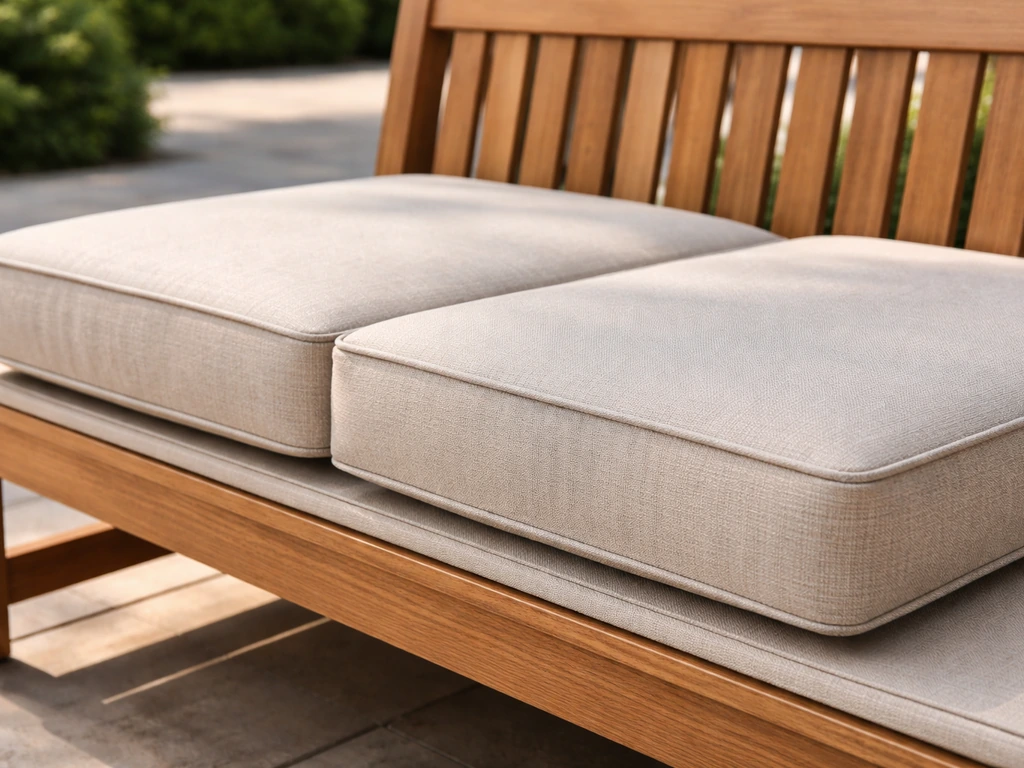
High-Quality Patio Cushions: How to Choose and Evaluate
Choose high-quality patio cushions with a quality checklist for materials, construction, weather resistance, fit, and li
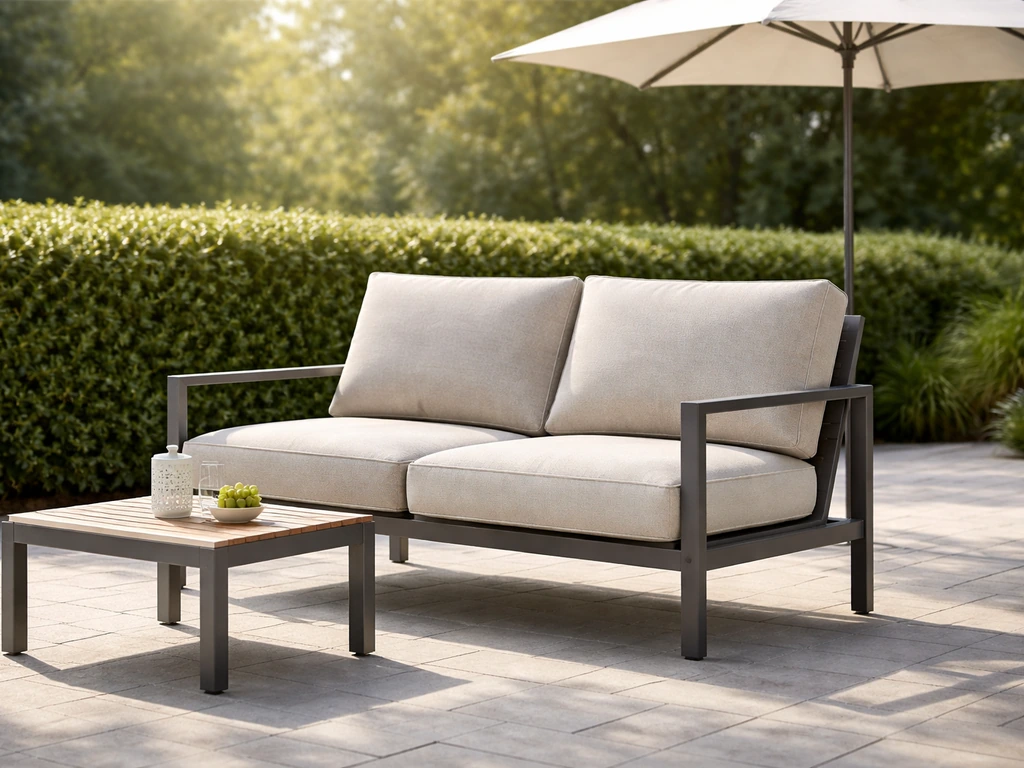
Top of the Line Patio Furniture: Buyer’s Guide to Criteria
Buyer’s guide to top of the line patio furniture: materials, weatherproofing, comfort, build quality, and long-term valu
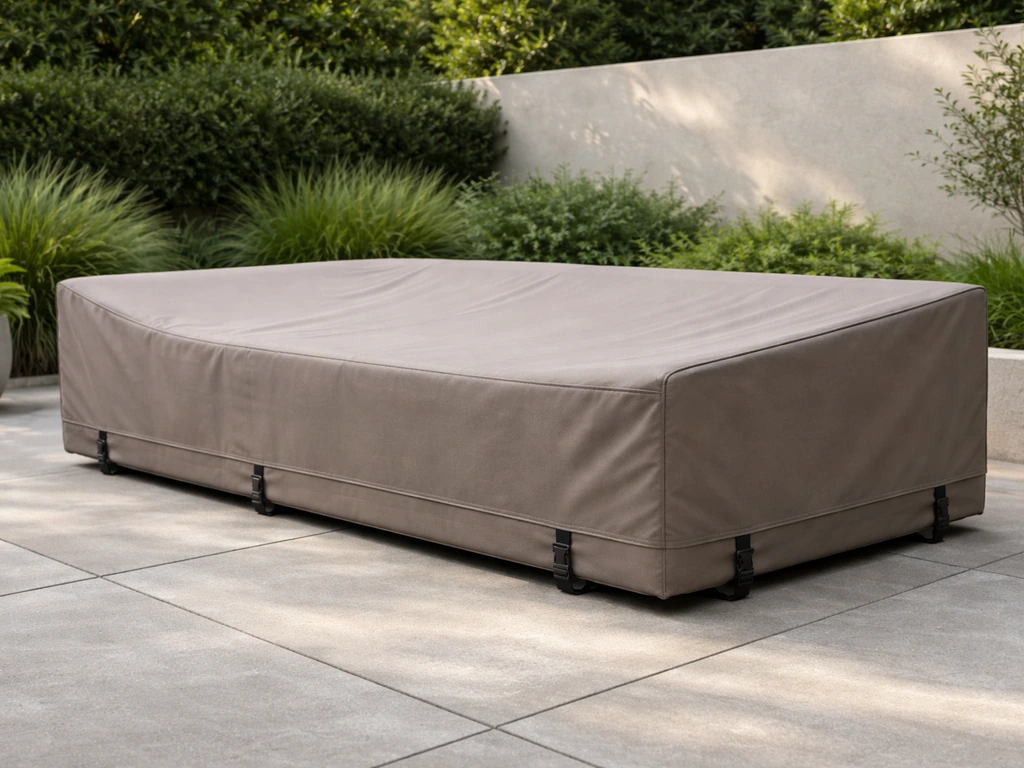
High Quality Patio Furniture Covers: How to Choose Best
Choose high quality patio furniture covers by size, fabric, seams, UV and waterproofing, fit, breathability, and upkeep.