
A truly high-quality patio furniture cover is made from a breathable, UV-stabilized fabric with waterproof or water-resistant coating, reinforced seams and corners, a secure hem system (drawstring, elastic, or straps), and is sized to fit your specific furniture within an inch or two. Get all of those right and a good cover will protect your furniture for five or more years. Get even one of them wrong and you'll be dealing with mildew, wind damage, or prematurely rotted cushions within a season.
High Quality Patio Furniture Covers: How to Choose Best

Marcus Kellerman
21 May 2026
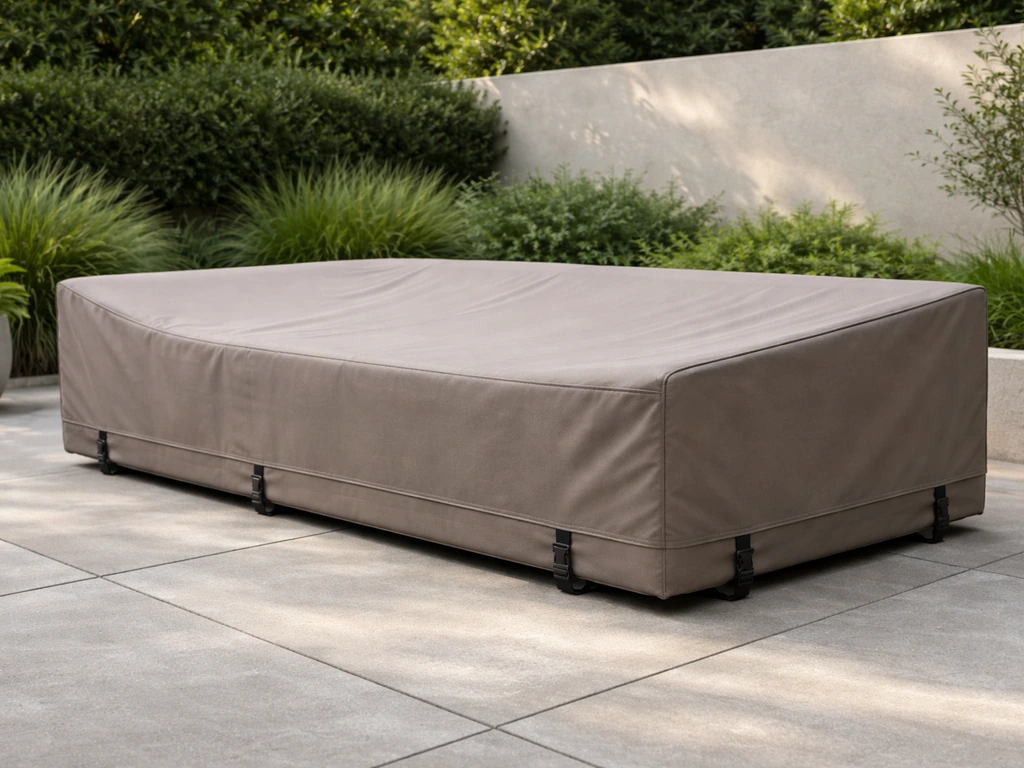
What 'high quality' actually means in a patio furniture cover
The word 'quality' gets thrown around on every cover listing, so it helps to know exactly what separates a cover that lasts from one that falls apart. There are four things that matter most: fabric construction, waterproofing method, UV resistance, and breathability. A cover that nails all four is genuinely worth paying more for.
Fabric construction refers to how the base material is made. Woven polyester with a laminated or coated backing is the most common high-quality option for residential covers. Commercial-grade vinyl covers use a 12-gauge (or heavier) vinyl laminated over a woven polyester liner. Reinforced HDPE fabrics, which are woven from high-density polyethylene tapes with UV additives built into the weave itself, sit at the heavy-duty end of the spectrum. What you want to avoid is thin, single-layer nonwoven fabric that's been lightly sprayed with a water repellent coating. That coating wears off within a season.
Waterproofing method matters because there's a real difference between 'water resistant' and 'waterproof.' Water-resistant covers use a DWR (durable water repellent) finish that sheds light rain but will eventually wet out. Waterproof covers use a laminated or PVC/vinyl coating that blocks water entirely. The tradeoff is breathability: completely waterproof vinyl or laminated covers trap moisture inside, which can cause condensation to build up under the cover and create mildew on your furniture. The best covers balance both by using breathable woven fabric with a water-resistant (not fully sealed) backing, or by incorporating air vents.
UV resistance is often overlooked because people think covers only need to block rain. But UV degradation kills covers from the outside and furniture from the inside if the cover doesn't block enough radiation. Look for fabrics tested to at least 1,500 hours of UV exposure per industry standards, or covers made from solution-dyed acrylic (where the color is locked into the fiber, not printed on top). UV additives woven into HDPE fabrics are also a legitimate high-performance option.
Seam and corner construction is where cheap covers reveal themselves fastest. High-quality covers use double-stitched or heat-welded seams and reinforced corners, because those are the exact points where stress concentrates when wind catches the cover. If you can easily pull a seam apart with moderate hand pressure in the store or on delivery, it will fail in the first real storm.
Measure first, or you're guessing
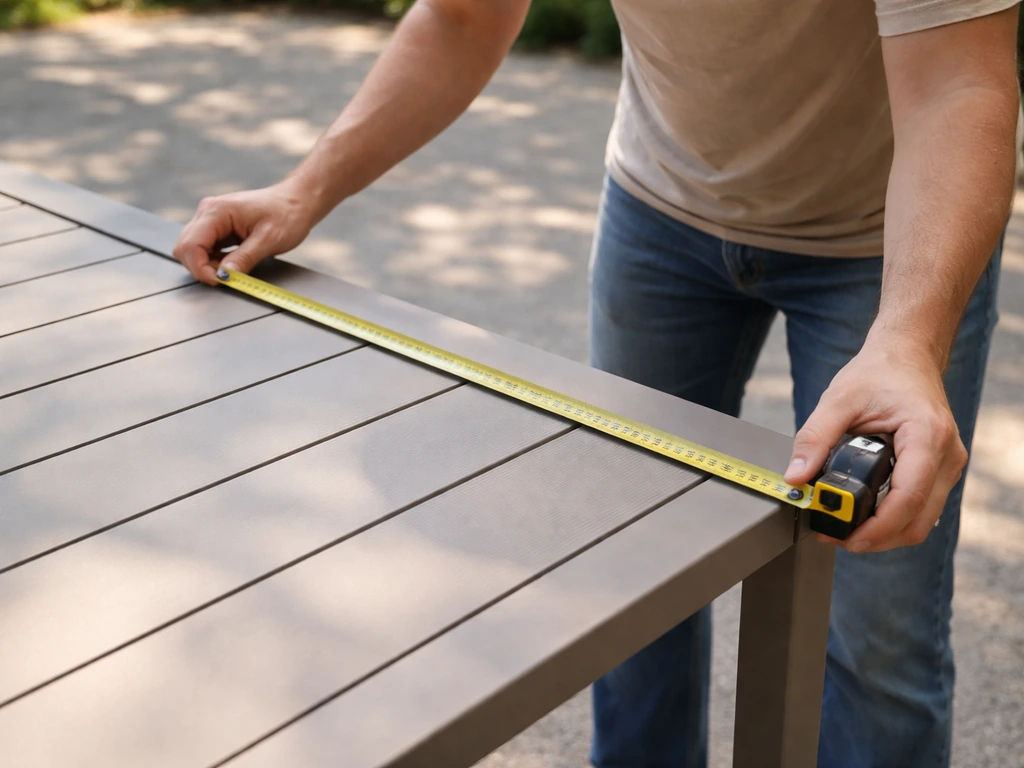
The number-one reason covers fail isn't material quality, it's wrong sizing. A cover that's too large pools water and catches wind. One that's too small doesn't protect fully and strains at the seams. Measuring takes five minutes and saves a lot of frustration.
For a table (with or without chairs), measure the width at the widest point of the table surface, the depth front to back, and the height from the ground up to the highest point of the set including chair backs. If your table has an umbrella hole, note that too since some covers have umbrella openings built in. For lounge chairs or recliners, extend them to their fullest position before measuring, because that's the position you'll likely cover them in.
When it comes to choosing a cover size, slight snugness is better than excess material. Coverstore advises selecting a cover about 1 to 2 inches shorter than the furniture's width to encourage a close, taut fit. Shield Outdoor Covers recommends going 1 to 2 inches wider than the chair width for good airflow underneath. In practice, this means you're looking for a cover that fits closely but isn't stretched, where the hem sits near or at ground level without bunching. A loose, billowing cover acts like a sail in the wind.
- Measure width at the widest point, including arms or extended leaves
- Measure depth front to back at the deepest point
- Measure height from the ground to the tallest point (usually chair backs for a dining set)
- For recliners or chaise lounges, measure in the fully extended position
- Note any features that need accommodating: umbrella poles, armrests, curved backs
- Cross-reference your measurements against the manufacturer's size chart, not just the cover's listed name
One more thing: cushion-only covers are a different product entirely from full-set covers. If you're protecting cushions separately (which is smart for high-quality cushions you've invested in), measure the stack height and dimensions of the cushions themselves, not the furniture.
Cover materials: what you're actually choosing between
There are four main material categories you'll encounter. Each has a real use case. Here's what you need to know about each one before spending money.
| Material | Waterproof? | Breathable? | UV Resistance | Best For | Watch Out For |
|---|---|---|---|---|---|
| Coated polyester (600D–900D) | Water-resistant | Moderate | Good if solution-dyed | General residential use, most furniture types | Lower denier fabrics thin out fast; check coating weight |
| Heavy vinyl / PVC laminate (12-gauge+) | Fully waterproof | Low | Good | Long-term storage, winter cover-ups, high-rain climates | Traps condensation; needs vents or periodic removal to air out |
| Solution-dyed acrylic | Water-resistant | High | Excellent (1,500+ hours) | Sun-heavy climates, year-round use, premium furniture | Higher cost; not always fully waterproof in sustained rain |
| HDPE woven / reinforced fabric | Water-resistant to waterproof depending on coating | Moderate to high | Excellent (UV additives in weave) | Heavy-duty or commercial use, windy/snowy environments | Stiffer and heavier; overkill for sheltered patios |
| Basic polypropylene / nonwoven | Water-resistant (temporary) | Moderate | Poor to fair | Budget short-term use | UV degrades quickly; coating wears off in one season |
For most homeowners covering a dining set or lounge furniture year-round, a 600D solution-dyed polyester with a water-resistant backing and vent panels is the sweet spot. It handles rain, resists UV degradation, and breathes enough to prevent mildew. Heavy vinyl covers make more sense for extended off-season storage, especially in wet climates, but you should air out the furniture before covering for a long stretch.
Solution-dyed acrylic is the premium choice if UV protection is your top priority (think desert Southwest or Florida) and if your furniture is a significant investment worth protecting with the best available. If you are shopping for the best high end patio furniture for year-round outdoor use, matching it with a truly high-quality cover is what helps it stay in great shape.
Features that stop covers from failing early
Beyond fabric, specific construction features determine whether a cover survives real conditions. These are the ones worth checking before buying.
Wind resistance
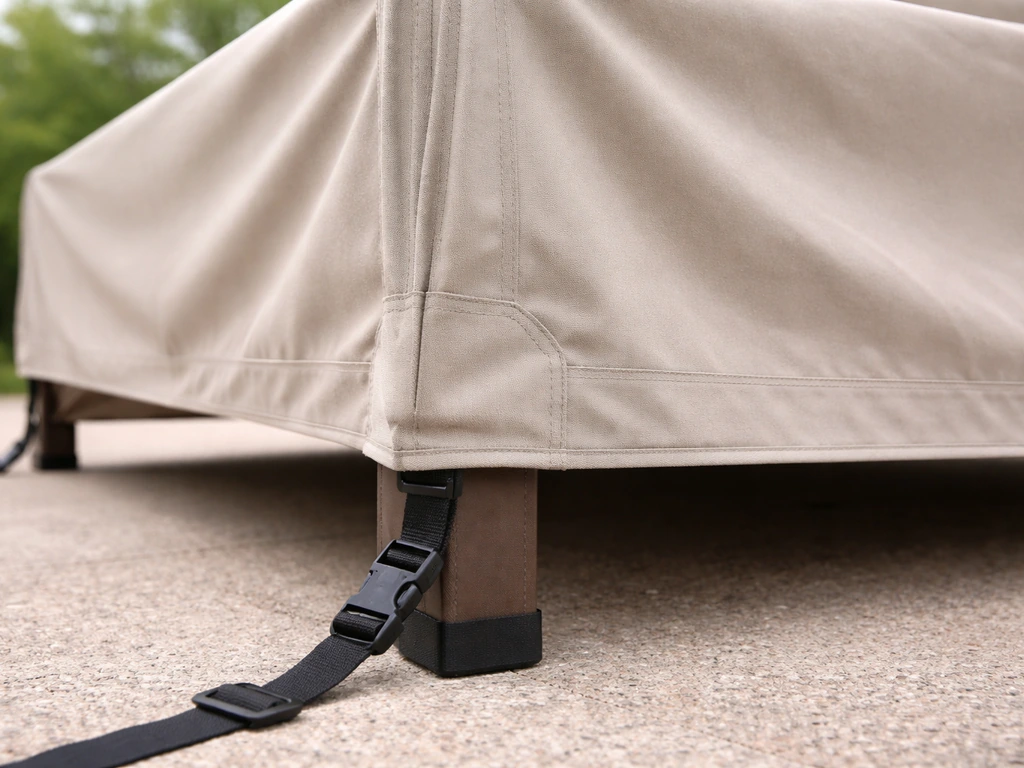
Wind is the most destructive force for covers in day-to-day use. A cover that lifts and flaps does two things: it damages the cover itself at the stress points, and it lets rain and debris blow underneath, defeating the whole purpose. The solution is a combination of a close-fitting hem and an active fastening system. A drawstring or elastic hem cinched tightly at the base significantly reduces the air gap that allows uplift.
Anti-wind straps that cinch at the hem or connect to anchoring loops beneath the furniture take it further, especially useful in coastal or open-yard settings where gusts are common. FrenchCovers and other specialists offer strap systems as standard; if your cover doesn't include them, aftermarket tie-down kits work fine.
Seams, corners, and reinforcement
Double-stitched or bound seams with a reinforced overlay at corners are non-negotiable on a quality cover. Corners experience the most stress when wind catches the cover and when you're pulling it on and off repeatedly. Heat-welded seams (common on vinyl covers) are waterproof by design; stitched seams should be taped or sealed on the interior to prevent needle holes from becoming leak points. Run your hand along every seam on a cover before buying or before accepting a delivery. If it feels like the thread is sitting on top of a single-layer hem with no reinforcement, it will fail.
Vents
Air vents (usually mesh-lined openings near the top of the cover) serve two purposes: they allow moisture vapor to escape from inside the cover, reducing condensation and mildew risk, and they reduce the pressure differential that causes wind to lift the cover. Any cover you're leaving on for extended periods, especially over teak, rattan, or cushioned furniture, should have at least two vents. Non-breathable covers without vents trap humidity and can actually cause more moisture damage to wood and wicker than leaving furniture uncovered in mild conditions.
Handles and storage bags
Handles sewn into the cover make installation much easier for large sectionals or deep sofa covers. Covers without handles tend to get grabbed by the hem, which over time stresses the drawstring channel. A storage bag that comes with the cover is a sign the manufacturer expects it to be used seasonally and removed (which is the right approach), rather than left on indefinitely.
What to prioritize depending on your climate
Where you live should directly influence the cover spec you choose. A cover that's ideal in Seattle is not the same one you need in Phoenix or Miami.
High-rain climates (Pacific Northwest, Gulf Coast, Southeast)
Sustained rain and high humidity are the enemy here. You need a cover with excellent water resistance or full waterproofing on the outer layer, combined with good breathability or regular ventilation to prevent moisture from building up underneath. Heavy vinyl covers work well for winter storage but need vents or periodic removal in shoulder seasons. For year-round use, breathable polyester with a durable water-repellent finish and mesh vents is the smarter choice. Furniture materials matter here too: teak and aluminum tolerate moisture better than wicker or rattan, but even those will degrade faster without consistent cover protection in high-humidity environments.
Hot, sunny climates (Southwest, Southern California, Arizona, Florida)
UV degradation is your biggest threat, both to the furniture and to the cover itself. Prioritize solution-dyed acrylic or fabrics with a UV resistance rating of at least 1,500 hours. Breathability is critical because heat builds up under non-breathable covers in direct sun, which accelerates fading and warping in wood furniture. In these climates, even aluminum frames and powder-coated finishes can suffer if trapped heat causes expansion and contraction cycles. A well-ventilated, UV-stabilized cover that doesn't trap heat is worth every extra dollar.
Cold and snowy climates (Midwest, Northeast, Mountain West)
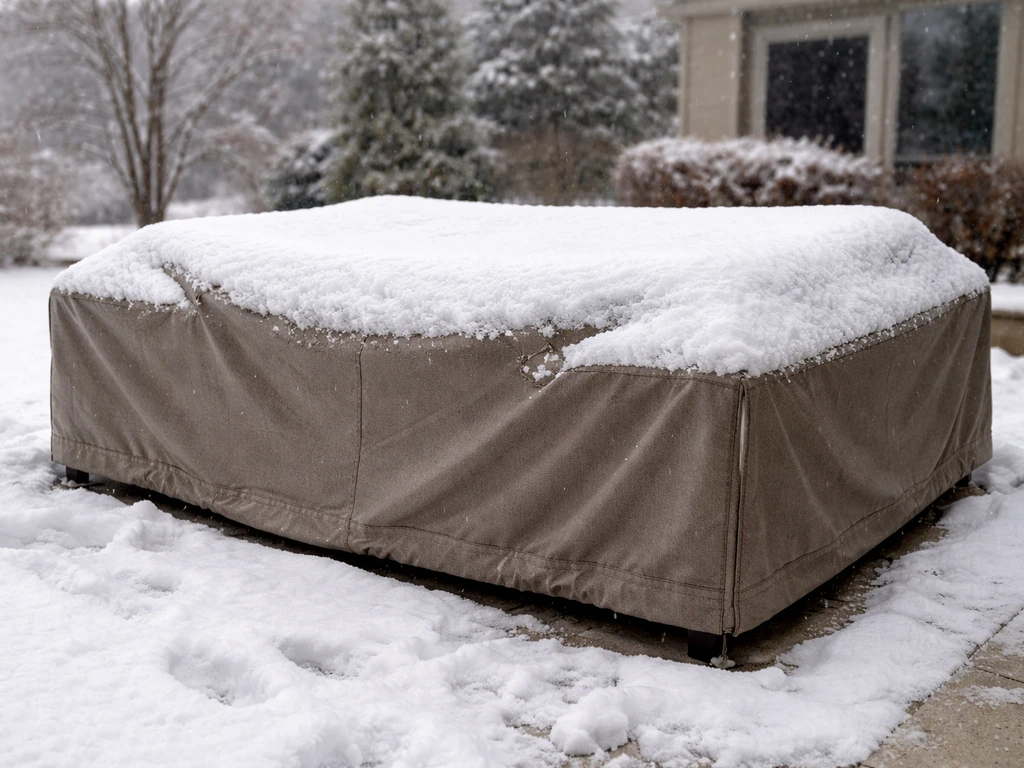
Snow load and freeze-thaw cycles are the main concerns. A heavy-duty HDPE woven or thick vinyl cover that handles snow weight without tearing is your priority. Look for a cover with enough structure to shed snow rather than pool it. Reinforced corners and strong hem fastening matter more here than in any other climate because frozen covers become brittle and stiff, making them harder to handle without tearing seams. Teak and powder-coated aluminum handle cold reasonably well under covers; cast iron needs consistent protection from freeze-thaw moisture intrusion; wicker and rattan are best stored indoors during hard winters regardless of cover quality.
Coastal and windy environments
Salt air accelerates corrosion, particularly on metal furniture, and wind will test every strap and seam you have. In coastal settings, prioritize anti-wind strap systems, reinforced seams, and materials that resist salt absorption (polyester and acrylic hold up; vinyl can stiffen and crack with prolonged salt exposure). If your furniture is cast iron or untreated steel, the cover is especially critical because salt-driven corrosion under a leaky cover is devastating. Even high-quality aluminum and powder-coated frames benefit from covers that prevent salt deposits from building up on surfaces.
Installing, maintaining, and troubleshooting your covers
Getting the cover on correctly
Always make sure furniture is clean and dry before covering. Covering damp furniture traps moisture inside from day one. If you have cushions on outdoor chairs or sofas, either remove them and store them separately (best practice for high-quality cushions) or ensure they're fully dry before covering. High-quality patio cushions are also best kept dry and stored separately when you cover outdoor seating.
When placing the cover, start from the top and work it down evenly rather than pulling from the hem, which can stretch the drawstring channel. Once the cover is seated, cinch the drawstring or elastic hem firmly at the base and fasten any buckle straps. For large sectionals, have a second person help to get even positioning.
Routine maintenance
Inspect and re-tension covers every four to six weeks during active use seasons. Wind loosens straps, drawstrings slip, and a cover that starts flapping will wear itself out quickly. Clean covers two to three times per year with mild soap and a soft brush (never bleach or harsh solvents, which degrade coatings). Allow covers to air dry completely before refolding for storage. Re-applying a DWR spray to polyester covers once a season extends their water resistance significantly, especially after the first year when the factory coating starts to wear.
When mildew appears
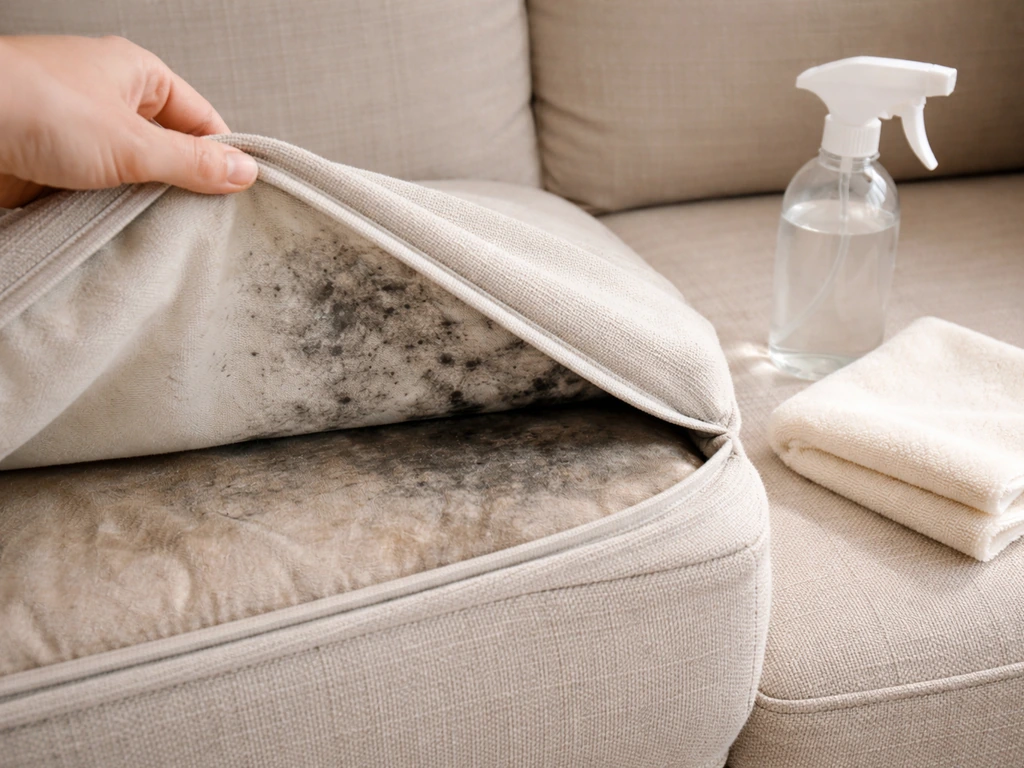
If you lift a cover and find mildew on the furniture surface, the cover is either non-breathable and trapping humidity, or it's been on over damp furniture. Covers & All AU notes that breathable fabric covers help prevent mold and mildew by reducing moisture accumulation compared with non-breathable covers [non-breathable covers trap humidity](https://www. coversandall. com.
au/blog/breathable-fabric-covers-vs-non-breathable-covers-choose-only-the-best/). The fix is twofold: clean the furniture with a diluted white vinegar or commercial mildew remover appropriate for the material (always check what's safe for teak vs. aluminum vs. wicker), and then reassess the cover.
If the cover has no vents, either add aftermarket vent strips or switch to a breathable fabric cover. Going forward, make a habit of lifting covers briefly after rain events to allow air circulation underneath.
When water pools on top
Water pooling on top of a cover means one of two things: the cover is slightly too large and isn't sitting taut over the furniture's highest point, or the furniture itself has a flat top profile with nothing to channel water off. For the first issue, sizing down or tightening the fit system usually solves it. For the second, a cover prop (a simple plastic or aluminum wedge placed under the center of the cover) creates a slope that sheds water. Persistent pooling leads to seam failure and accelerates wear at the pool point.
What to buy and what to avoid
Connecting cover quality to furniture quality is the right way to think about this. If you've invested in high-quality patio furniture, high-end patio chairs, or premium teak and aluminum pieces, a cover budget of 15 to 25 percent of the furniture's value is reasonable and will pay back in years of additional life. Choosing high-quality outdoor patio furniture for your space also helps, because well-made pieces are easier to protect and hold up better under cover protection. Don't buy the cheapest cover you can find for furniture worth protecting. Choosing the best high end patio furniture you can afford also means selecting a cover that matches its materials and storage needs.
- Buy: 600D or heavier solution-dyed polyester or acrylic with a water-resistant backing, double-stitched and reinforced seams, drawstring or elastic hem plus buckle straps, and built-in mesh vents
- Buy: Heavy 12-gauge vinyl covers for off-season storage in wet or snowy climates, as long as you air out furniture before covering for extended periods
- Buy: Covers sized to fit closely, 1 to 2 inches within your actual furniture dimensions, not covers that are noticeably larger 'just to be safe'
- Avoid: Single-layer polypropylene or thin nonwoven covers with spray-on water repellent, especially for year-round use
- Avoid: Fully sealed non-breathable covers used year-round on wood (teak, eucalyptus), wicker, or rattan furniture without any ventilation plan
- Avoid: Covers with single-stitch seams, plastic grommets instead of reinforced vent mesh, or drawstring channels made from the same thin fabric as the cover body
- Avoid: Buying based on listed cover name alone (e.g., '3-piece sectional cover') without cross-checking dimensions against your measured furniture
The bottom line is that a high-quality patio furniture cover is a real product category, not just a premium label. It has specific, verifiable specs: fabric weight and construction, UV rating, seam method, vent design, and a proper fit system. For your patio chairs, look for high quality patio chairs that pair great materials with durable design so they stay comfortable and protected longer proper fit system.
Once you know what to look for, it takes about ten minutes to evaluate any cover listing and decide whether it's actually worth buying. Measure your furniture first, match the cover to your climate's primary threat (rain, UV, wind, or snow), confirm the construction details, and you'll end up with a cover that genuinely protects your investment instead of creating new problems.
FAQ
Can I use the same high quality patio furniture cover year-round in every climate?
Usually no. Even if the cover is “high quality,” the best spec changes by your main threat (rain, UV, wind, snow, or salt air). For example, a breathable, water-resistant cover with vents is typically better for humid regions year-round, while snow-heavy areas often need a more structured, thicker fabric that can handle weight without pooling or tearing.
What’s the fastest way to tell if a patio furniture cover is breathable enough?
Look for intentional moisture escape design, usually at least two vents positioned near the upper portion. If the listing only mentions waterproofing or UV resistance but doesn’t describe venting, assume it may trap humidity, which increases mildew risk on cushions and on materials like wicker and rattan.
Is “water resistant” good enough, or do I need true waterproof for heavy rain?
Water resistant is fine for light to moderate rain, and it often performs better because it breathes. If you get sustained downpours, coastal storms, or long wet seasons, you want a waterproof outer layer method (laminated or vinyl/PVC coating) paired with breathability features like vents, or you risk condensation building underneath.
Why does my cover smell musty even if it seems waterproof?
Musty odor commonly means moisture is getting trapped, not stopped. This usually happens when the cover is non-breathable, lacks vents, or it was placed over furniture that was still damp. The fix is to dry the furniture first, clean any affected areas, then use a vented or more breathable cover going forward.
How tight should high quality patio furniture covers fit to prevent wind damage?
Snug is better than billowy, but you should avoid stretching the cover. Aim for a close fit near the ground level without bunching, and cinch the hem system firmly. If you can easily lift and see a large air gap around the base, wind will likely get under it and loosen seams over time.
Will a cover with vents still protect cushions from getting wet?
Vents help moisture escape, but they do not replace a proper outer water-resistant or waterproof layer. For cushion-heavy seating, prioritize a cover with both a water-shedding outer fabric and vent panels near the top, and consider removing cushions if storms are frequent or you can store them indoors.
Do I need to measure my patio furniture differently if it has an umbrella hole?
Yes. Some covers require an umbrella opening cutout, otherwise the fit will be wrong and water can pool around the highest point. Measure the widest table surface and also note whether the product specifies an umbrella-compatible configuration before choosing a size.
What’s the biggest mistake people make when sizing covers?
Choosing a cover that is too large. Excess fabric pools water and creates extra surface area that catches wind, which increases stress at seams and corners. If between two sizes, the guidance is typically to go slightly snug rather than overly loose, as long as the cover still reaches near ground level.
Can I leave a patio furniture cover on while furniture is being cleaned or dried?
Don’t. Covering damp or recently rinsed furniture traps moisture, which promotes mildew and can accelerate material degradation under the cover. Ideally, clean, then let surfaces dry fully, and only then cover.
How should I clean and reproof my cover without damaging it?
Use mild soap with a soft brush and avoid bleach or harsh solvents that degrade coatings. If your cover uses a polyester fabric with a DWR layer, reapplying a DWR spray once per season (especially after the first year) can restore water shedding. Make sure the cover is fully air-dry before refolding for storage.
If I find mildew on the furniture, should I throw away the cover?
Not automatically. First clean the furniture with a mildew method appropriate for the material, then reassess the cover. If the cover lacks vents or traps humidity, switching to a vented, more breathable cover often prevents recurrence, even if the cover itself looks intact.
What’s the best way to reduce pooling on top of the cover?
Pooling usually indicates either a fit issue (the cover is too large or not taut over the highest point) or a flat furniture top that doesn’t channel water. Tightening the hem system or moving to a slightly smaller size helps for fit problems, while adding a cover prop wedge can create a slope to shed water.
Are cushion-only covers worth it, and do they require different measurements?
Yes, cushion-only covers are a different product category and should be measured based on cushion stack dimensions and each cushion’s shape. If you measure only the chair or sofa frame, the cushion cover may be loose (billowing) or too tight (straining seams), leading to moisture issues.
How often should I inspect and adjust high quality patio furniture covers in active weather?
Check and re-tension every four to six weeks during use season. Wind can loosen drawstrings and straps, and even small gaps can cause flapping that wears seams and corners faster. If you notice increased movement after storms, adjust immediately rather than waiting for the next scheduled inspection.
What should I look for in seams and corners before buying?
Inspect seams by feel and construction type, look for double-stitched or reinforced corner areas, and for stitched seams confirm they are sealed or taped on the interior to prevent needle holes from becoming leak points. If you can pull a seam apart with moderate pressure, expect early failure in windy conditions.
Do I need tie-down straps in addition to a drawstring or elastic hem?
In many locations, yes. Drawstring or elastic helps reduce lift at the base, but anti-wind straps add redundancy by securing the cover to anchoring points. Coastal or open-yard settings, where gusts are common, benefit most from straps or tie-down systems.
Next Articles
High Quality Patio Furniture: Buyer Guide by Material
Buyer guide for high quality patio furniture: choose by material and climate with a checklist for durability, comfort, a
High-Quality Outdoor Patio Furniture: What to Buy
Learn how to choose high-quality outdoor patio furniture by material, cushions, coatings, climate fit, and long-term val
Is Teak Patio Furniture Good? Durable, Smart Buying Guide
Is teak patio furniture good? Evidence-based verdict, lifespan, care, buying tips, comparisons, and eco guidance.