
Top-of-the-line patio furniture means furniture built from materials that genuinely resist weather in your specific climate, assembled with hardware and joints that won't loosen or corrode after two seasons, and cushioned with fabrics that hold color and repel mildew for years. It is not a brand name, a price tag, or a showroom finish. The real markers are measurable: powder-coat thickness, wood grade, stainless steel fastener grade, UV test hours on fabric, and warranty terms that actually break down coverage by component rather than offering a vague "lifetime" claim. Once you know what to look for, separating genuine quality from premium-marketed products becomes straightforward.
Top of the Line Patio Furniture: Buyer’s Guide to Criteria

Marcus Kellerman
14 Jun 2026
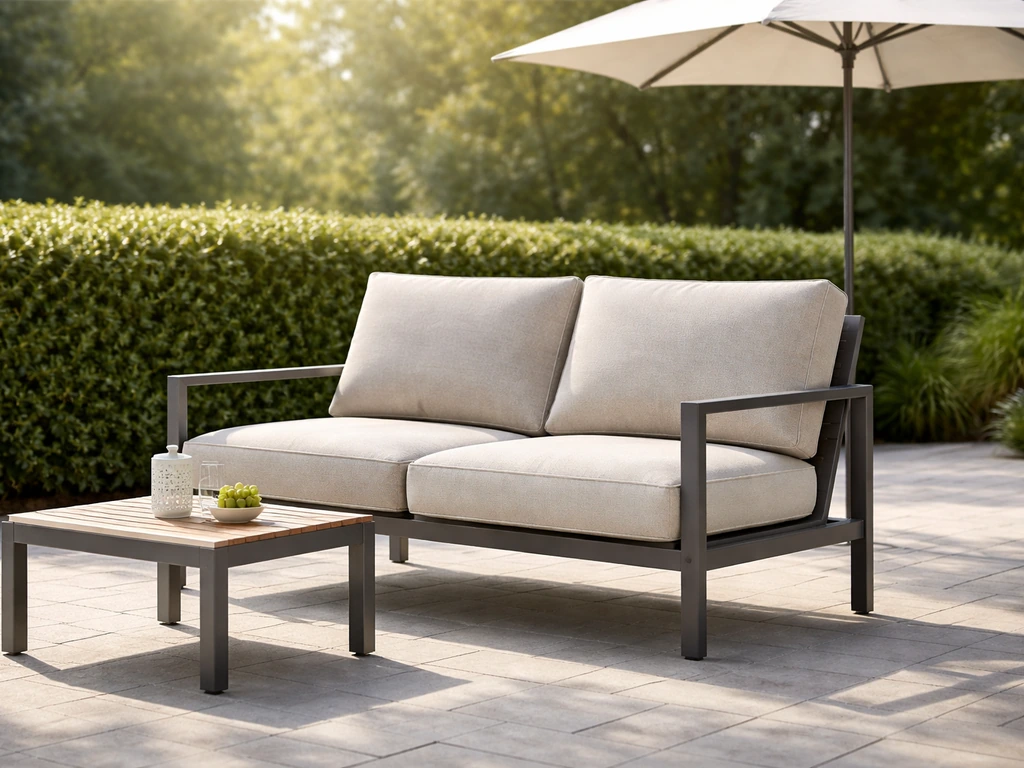
What 'top of the line' actually means in patio furniture
The word "premium" gets applied to almost everything now, so it's worth building a real definition. When I evaluate whether a set is truly top of the line, I look at five things: material grade, structural integrity, corrosion resistance of hardware and coatings, fabric quality backed by tested specs, and warranty honesty. Any brand can say "commercial grade" or "resort quality." The ones that deserve those labels can point to specifics: Grade A teak, powder coat tested to ISO 9227 salt spray standards, 316 marine-grade stainless fasteners, Sunbrella or solution-dyed acrylic fabric with documented UV test hours, and warranties that distinguish between frame, finish, and cushion coverage.
Price matters, but it is not the definition. A $4,000 cast aluminum dining set with a cheap zinc-alloy hinge and no warranty documentation is not top of the line. A $1,800 teak bench from a supplier who can show you their Grade A certification, stainless hardware specs, and a 10-year structural warranty often is. Long-term value framing helps: divide the price by expected useful years, and suddenly a $3,000 set that lasts 20 years beats a $900 set you replace every five years, every time.
- Material grade: Grade A solid teak, 6000-series or marine-grade aluminum alloy, HDPE or high-density polyethylene resin wicker, high-carbon cast iron
- Hardware: Grade 316 stainless steel for coastal environments, Grade 304 for inland use at minimum
- Powder coat: minimum 48 μm average thickness with no thin spots below the minimum, verified against QUALICOAT or equivalent standards
- Fabric: solution-dyed acrylic or polyester with 1,500+ UV test hours (ASTM G154 or AATCC-16), weight of at least 7–10 oz per square yard
- Warranty: separate coverage for frame (look for 10–15 years), finish (3–5 years), and cushions/fabric (1–5 years), with written claim conditions
Material matchups: teak, aluminum, wicker/rattan, and cast iron
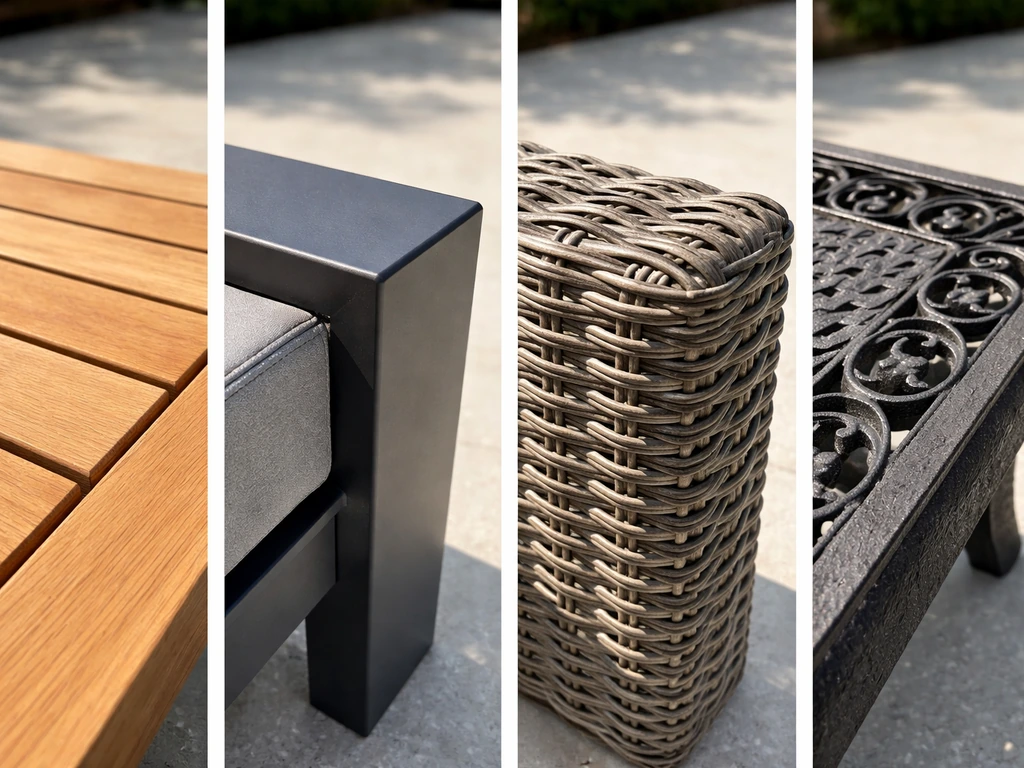
Each major material has a real use case and real weaknesses. Choosing the right one for your situation is more important than choosing the most expensive option in any category.
Teak and hardwood
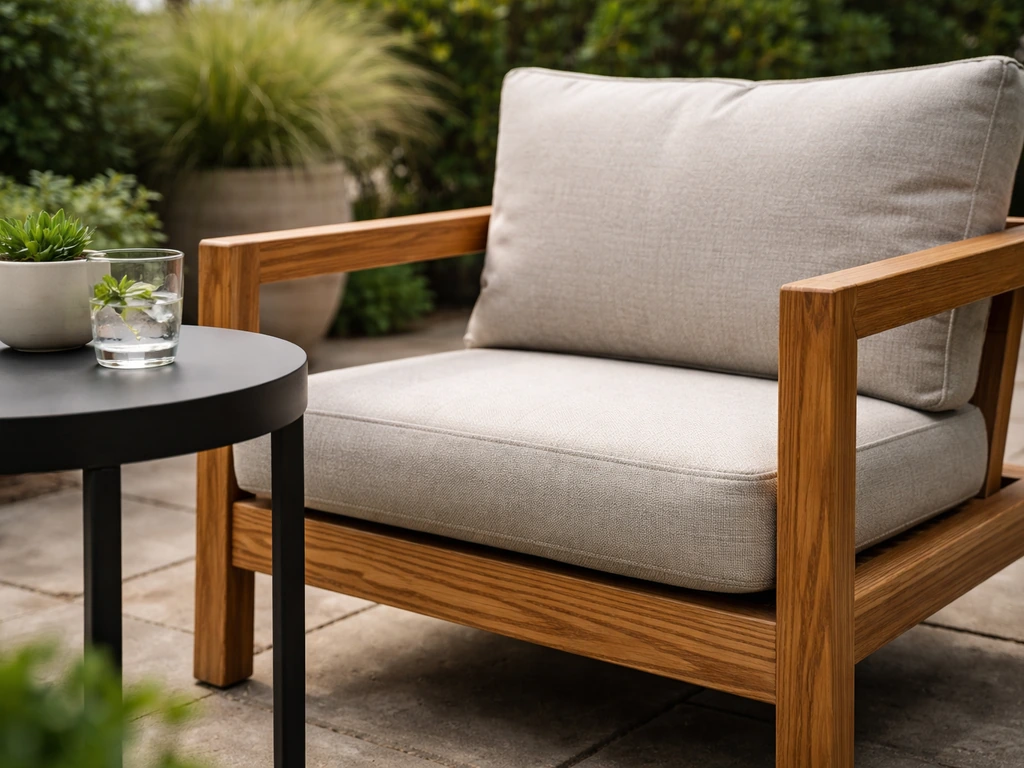
Teak is the gold standard for outdoor wood because its natural oils resist water, insects, and rot without treatment. But not all teak is equal. Grade A teak comes from the heartwood of mature trees, has the highest oil and rubber content, and is what you want. Grade B includes more sapwood and is less dense, meaning it weathers faster and requires more maintenance to stay serviceable. Grade C is essentially offcuts and should be avoided entirely for outdoor use. Reputable suppliers like Chic Teak and Windsor Teak are explicit about specifying Grade A solid teak with brass or marine-grade stainless hardware. If a listing just says "solid teak" without a grade statement, ask. Some suppliers even offer 10-year warranties specifically on stainless steel and teak component combinations.
The maintenance commitment with teak is real. If you want the warm honey color, you need to oil it roughly 3–4 times per year, cleaning the surface first before each application. Perigold's guidance suggests reapplying every 2–3 months during the outdoor season. If you skip this, teak turns a silver-gray patina that is structurally fine but aesthetically different. Also: skip "teak oil" products for serious refinishing. Teak and Deck Professionals are clear that those products don't penetrate deeply enough for real protection compared with a quality sealer.
Aluminum
Cast aluminum and extruded aluminum are the most versatile top-tier options for most climates. Aluminum doesn't rust, it's light enough to reposition easily, and when finished correctly it survives decades. The finish system is where quality separates. Look for powder coat with a verified minimum thickness of 48 μm average, with no local thin spots, tested against corrosion standards like ISO 9227 (the acetic acid salt spray test referenced in QUALICOAT specifications). Oxford Garden, for example, offers a five-year limited structural warranty and a three-year limited finish warranty on powder-coated aluminum, which gives you a real benchmark to compare other brands against. For coastal environments, the coating adhesion and thickness matter even more, since salt air attacks weak points in the finish first.
Wicker and rattan
Natural rattan wicker looks beautiful but degrades outdoors quickly with moisture and UV exposure. For outdoor use, you want resin wicker, specifically furniture made with synthetic polyethylene fiber. High-density polyethylene (HDPE) resin wicker resists water damage and UV fading in a way natural rattan simply cannot match. The weave density and the quality of the aluminum or steel frame underneath the wicker both matter enormously. A tightly woven, consistent weave over a powder-coated aluminum frame is what top-of-the-line resin wicker looks like. If the frame is steel (not aluminum), check whether it is stainless or galvanized, because bare steel under the weave is a rust problem waiting to happen.
Cast iron
Cast iron is heavy, beautiful, and genuinely durable when maintained. It is a classic choice for stationary pieces: bistro tables, benches, and accent chairs that you don't intend to move often. The weakness is rust. Cast iron requires a good protective coating and periodic touch-ups, especially in humid or coastal climates. It's not the right choice if you want furniture you can shift around a deck or store easily. But for a covered patio or a garden setting where it stays put, a quality cast-iron piece with a proper powder-coat finish can last generations. Telescope Casual's warranty documentation, for example, covers cast iron and steel base components under a 15-year frame warranty, which shows that quality makers stand behind it long-term.
| Material | Best For | Main Weakness | Maintenance Level | Coastal Suitability |
|---|---|---|---|---|
| Grade A Teak | Timeless look, durability without painting | Requires regular oiling; premium price | Moderate to high | Good if oiled/sealed regularly |
| Cast/Extruded Aluminum | All-climate versatility, lightweight | Finish quality varies widely by brand | Low (if well-coated) | Excellent with quality powder coat |
| HDPE Resin Wicker | Comfort, style, low maintenance | Frame underneath must also be quality | Low | Good if frame is aluminum |
| Cast Iron | Heavy, stationary accent pieces | Heavy; rusts if finish is damaged | Moderate | Poor without frequent maintenance |
Build quality to inspect before you buy
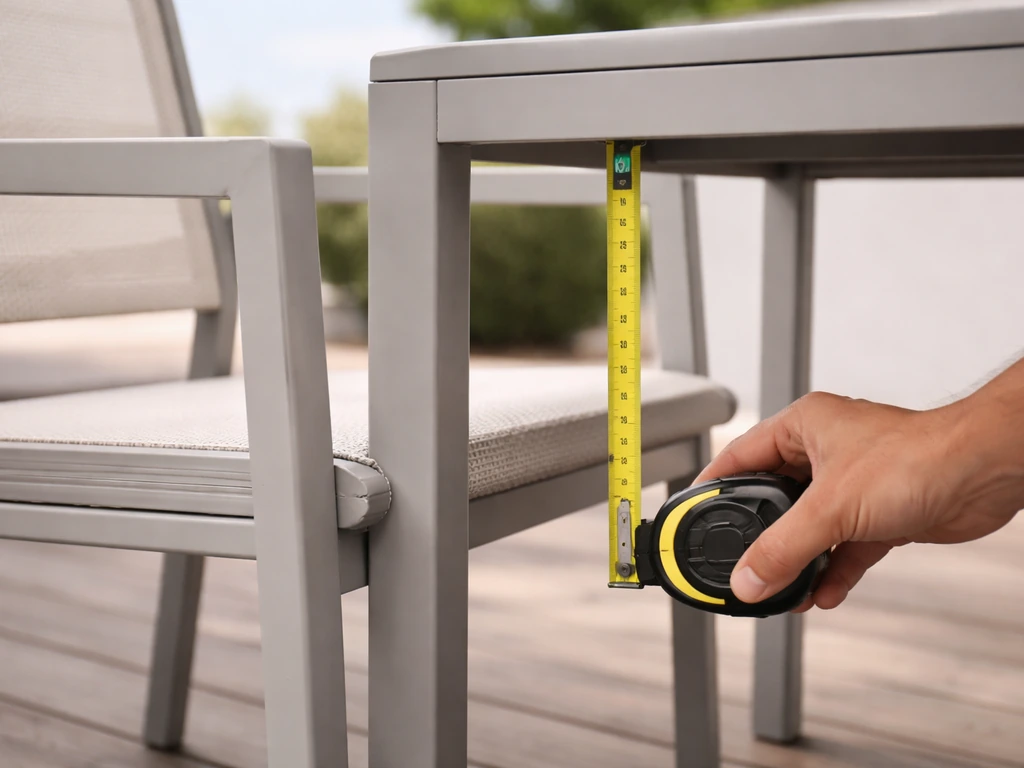
Material is only half the story. How a piece is assembled determines whether it holds together for 5 years or 25 years. Here's what to actually look at, whether you're buying in a showroom or reviewing specs online.
Frames and joints
Welded aluminum or cast aluminum frames are stronger than bolt-together frames. Look for smooth, fully closed welds with no visible porosity or gaps. On teak furniture, mortise-and-tenon joinery with stainless or brass bolts is a sign of quality construction. Avoid pieces where the main load-bearing connections are just screwed together with zinc or uncoated hardware. Rock the piece gently in the showroom. A well-built frame should feel completely rigid, not flex or creak.
Coatings and hardware
On aluminum pieces, ask about powder coat thickness. A minimum average of 48 μm is the target, but more important is consistency: thin spots are where corrosion starts. ASTM D610 is the standard used to measure rust progression under paint on steel surfaces, and quality brands reference equivalent standards in their specifications. For hardware, Grade 316 stainless steel is the right choice for coastal or high-humidity environments. Grade 304 is acceptable for most inland settings. Zinc-alloy or ungraded hardware is a dealbreaker on anything calling itself top of the line.
Cushion construction
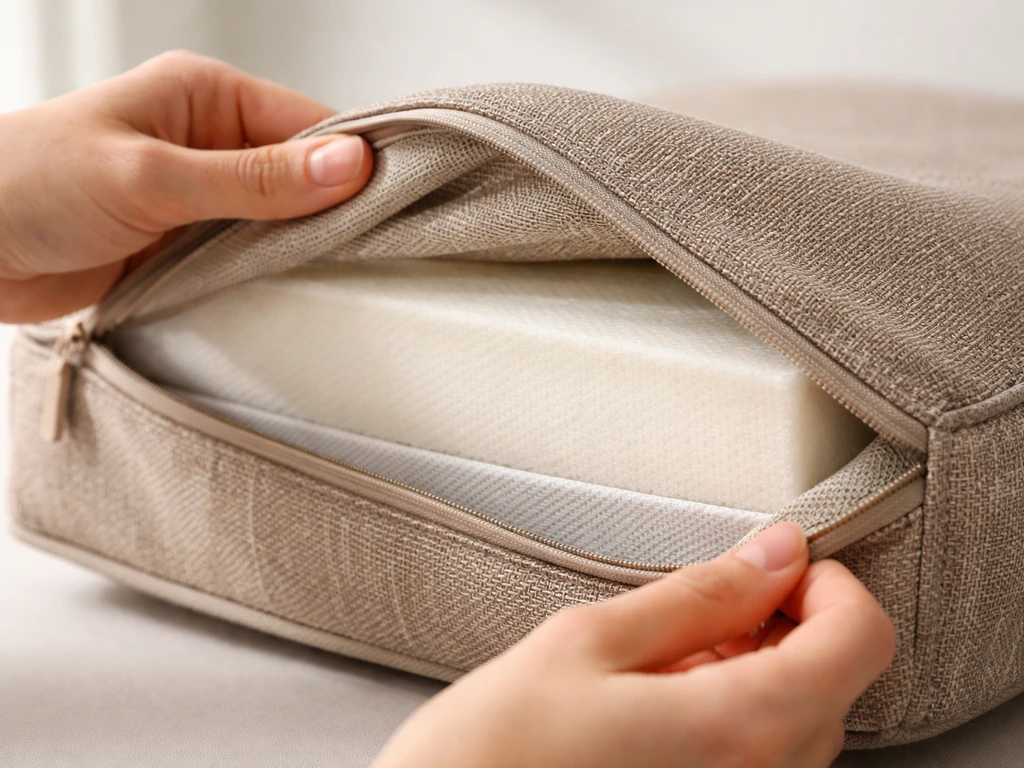
High-end cushions use solution-dyed acrylic fabric (where color goes through the fiber, not just printed on the surface) over a foam core that won't compress flat in a season. Sailrite lists Sattler marine-grade acrylic fabric as a 9 oz/sq yd solution-dyed acrylic intended for high UV and abrasion resistance blank" rel="noopener noreferrer">solution-dyed acrylic fabric. If you want high-quality patio cushions, focus on solution-dyed acrylic fabric, durable foam cores, and warranty terms that define coverage. Sunbrella is the most recognized brand here, and their structured limited warranty covers fabric becoming "unserviceable" under defined conditions, with the Specialty 5-year limited warranty being a key benchmark. Look for fabric weight of at least 7–10 oz per square yard and UV resistance ratings exceeding 1,500 hours under AATCC-16 or ASTM G154 testing. Cushion covers with full-perimeter zippers that allow you to remove and wash them are another mark of quality construction.
Climate-first buying guide
Your climate should drive your material choice before style does. A material that's top of the line in Denver is not necessarily top of the line in coastal Florida.
High UV (Southwest, desert climates)
UV is fabric's biggest enemy. Choose solution-dyed acrylic or polyester fabric with verified UV test hours. Look for benchmarks of 1,500 hours or more under ASTM G154 or AATCC-16. Frames here are less of a concern than in coastal areas, but UV will still degrade lower-quality powder coats over time. Teak holds up well structurally but will weather and gray faster with intense UV unless oiled consistently.
Coastal salt air
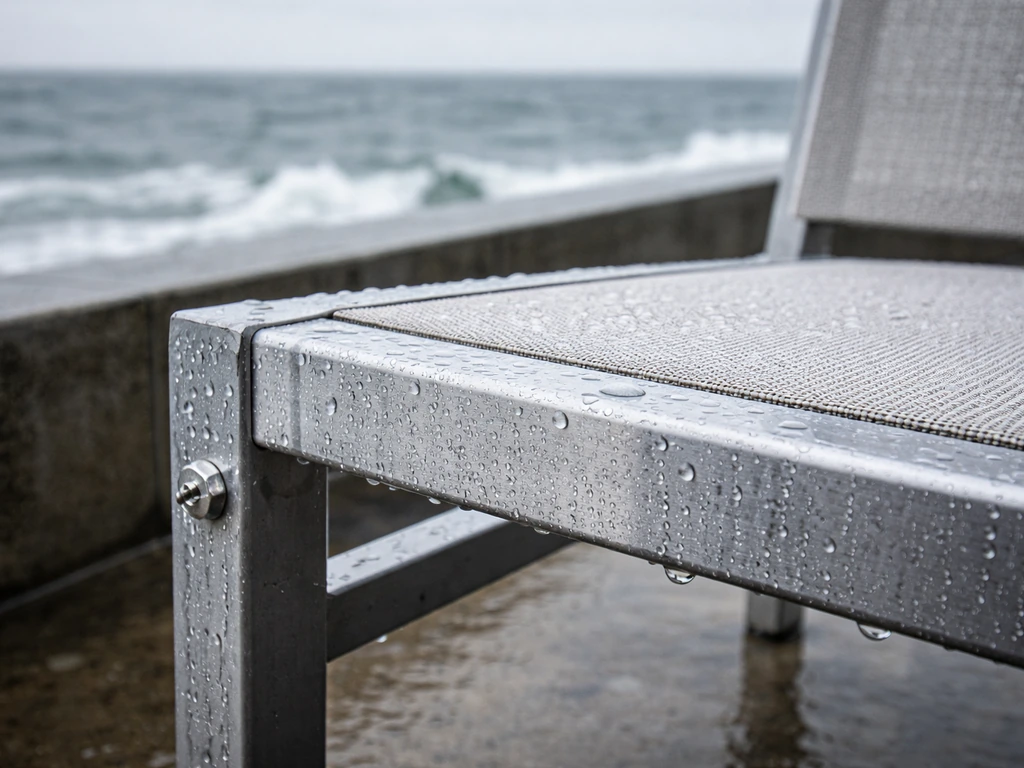
Salt air is aggressive toward metal. Grade 316 stainless hardware is non-negotiable here. For aluminum, coating adhesion and thickness matter more than anywhere else: salt finds thin spots and attacks from underneath. QUALICOAT-certified powder coatings reference acetic acid salt spray testing (ISO 9227), and that's the kind of verified coating performance you want if you're within a few miles of the ocean. Teak works well coastally with proper maintenance. Cast iron is a poor choice near the ocean without very frequent maintenance.
Rain and humidity (Southeast, Pacific Northwest)
Moisture encourages mildew on cushions and softwood degradation on untreated wood frames. HDPE resin wicker over aluminum frames handles rain and humidity better than almost anything. Teak is fine but requires more frequent cleaning before oiling to prevent mildew buildup. Sunbrella and similar solution-dyed fabrics can develop surface mildew in very humid conditions but are cleanable, which is what matters practically. The fabric being cleanable and resistant to permanent staining is more realistic than the marketing claim that it's inherently mold-proof.
Snow and freeze (Midwest, Northeast, Mountain regions)
Freeze-thaw cycles stress joints and expand any moisture that has gotten into wood grain or coating cracks. The practical solution: store cushions inside for winter, and consider furniture you can either store or cover with high-quality fitted covers. Aluminum handles freeze-thaw cycles better than cast iron, which can develop coating cracks as the metal expands and contracts. If you're buying teak for a cold climate, use fitted covers for winter and do a thorough cleaning and oiling in spring before the outdoor season starts.
Comfort and layout planning
The most durable, best-built set is a bad investment if it's uncomfortable or doesn't fit your space. For buyers hunting the best high end patio furniture, that comfort-and-fit reality is what turns strong materials into a worthwhile long-term set best-built. Ergonomics and space planning deserve the same attention as material specs.
Seating ergonomics
For dining chairs, seat height of 18–20 inches pairs correctly with a standard table height of 28–30 inches, leaving 10–12 inches of clearance between the seat and the table bottom, which is what you need to sit comfortably. For lounge and deep-seating chairs, backrest angles between 90° and 120° cover the full range from upright dining-style to fully reclined lounging, and quality pieces often let you adjust within that range. Evidence-based ergonomic standards for seating design target that 90°–105° range for general-purpose comfort. Test the seat depth too: most adults need 16–20 inches of seat depth to sit with their back against the backrest without the front edge of the seat cutting into the back of the knees.
Space planning
Measure your outdoor space before you order, and account for traffic flow, not just footprint. As a rule, allow at least 36 inches of clearance behind dining chairs for someone to pull out and sit down. If you're shopping for high quality patio chairs, use the same clearance and traffic-flow planning so the seating stays comfortable for years. For conversation groupings, a 48-inch coffee table clearance from the sofa allows comfortable foot traffic. Sectionals look great in showrooms but can overwhelm smaller patios; if your space is under 200 square feet, a paired loveseat-and-chairs layout often works better. Think about sun orientation too: position seating so the afternoon sun (the hottest exposure) hits the backs of the chairs, not guests' faces.
Tables and surfaces
Tabletop material matters separately from frame material. Tempered glass is elegant but heavy and can be dangerous in high-wind areas. Aluminum slat tops drain rain well and stay cooler than solid tops in sun. Teak tops are beautiful and practical. Porcelain and sintered stone tops are gaining popularity for their durability and easy cleaning, and they're genuinely worth the premium if you entertain frequently outdoors.
Premium brands vs. premium specs: how to judge value
Brand recognition is a starting point, not a destination. Some brands with excellent reputations have quietly lowered specs on certain product lines while keeping prices high. The way to protect yourself is to evaluate the specs themselves, not just the brand name.
Reading warranties honestly
A warranty that says "lifetime" without defining what it covers is nearly meaningless. Look for warranties that break down coverage by component: frame, finish, and fabric/cushions separately. Castelle, for example, offers a 15-year frame warranty while limiting fabric, cushion, sling, and umbrella coverage to 1 year, which tells you exactly what they're confident in and what they're not. Tropitone similarly structures consumer warranties with 15-year aluminum frame coverage alongside shorter-term finishes and fabric coverage. Telescope Casual's 15-year frame warranty covers cast iron and steel base components specifically. These tiered structures are what honest warranty documentation looks like. Compare them by category: frame warranty (aim for 10–15 years from top brands), finish warranty (3–5 years is reasonable), and cushion/fabric warranty (1–5 years depending on fabric grade).
Calculating long-term value
If you're comparing a $2,500 aluminum set with a 15-year frame warranty to a $900 set with a 1-year warranty, the cost-per-year math often favors the premium set. The $2,500 set costs about $167 per year over its warranted life. If the $900 set requires replacement in 5–7 years, that's $128–$180 per year, before accounting for disposal, shopping time, and the fact that budget sets rarely make it to their theoretical maximum lifespan without significant maintenance issues. Add in the comfort and style factor, and the value case for genuine quality becomes clear.
Lead times and buying logistics
Top-tier outdoor furniture brands often have lead times of 8–16 weeks, especially for custom finishes or fabric choices. If you're buying for a specific season, order in late winter. In-stock items at retailers can ship faster, but custom orders through direct brands or specialty dealers are worth the wait for the right piece. Also factor in whether assembly is required and what tools that involves, since complex knockdown assembly on a large sectional can be a significant time investment.
Care, maintenance, and repairs to protect your investment
Even the best-built outdoor furniture needs maintenance. The difference is that top-tier pieces are designed to be maintainable: components can be replaced, finishes can be touched up, and materials respond well to proper care.
Teak care
Clean teak before every treatment. Oiling uncleaned teak seals in mildew and discoloration. The recommended frequency is 3–4 times per year from most manufacturers, with a first-time saturation treatment when the furniture is new. Skip the cheap teak-oil products and use a quality penetrating sealer. If you let teak go gray and want to restore it, a two-part teak cleaner and restorer will bring back the warm tone before you reseal. High-quality teak furniture covers for winter are worth the investment for cold climates. For the best results, choose high quality patio furniture from makers who back it with clear specs and warranties you can actually verify High-quality teak furniture covers.
Aluminum and coated metal care
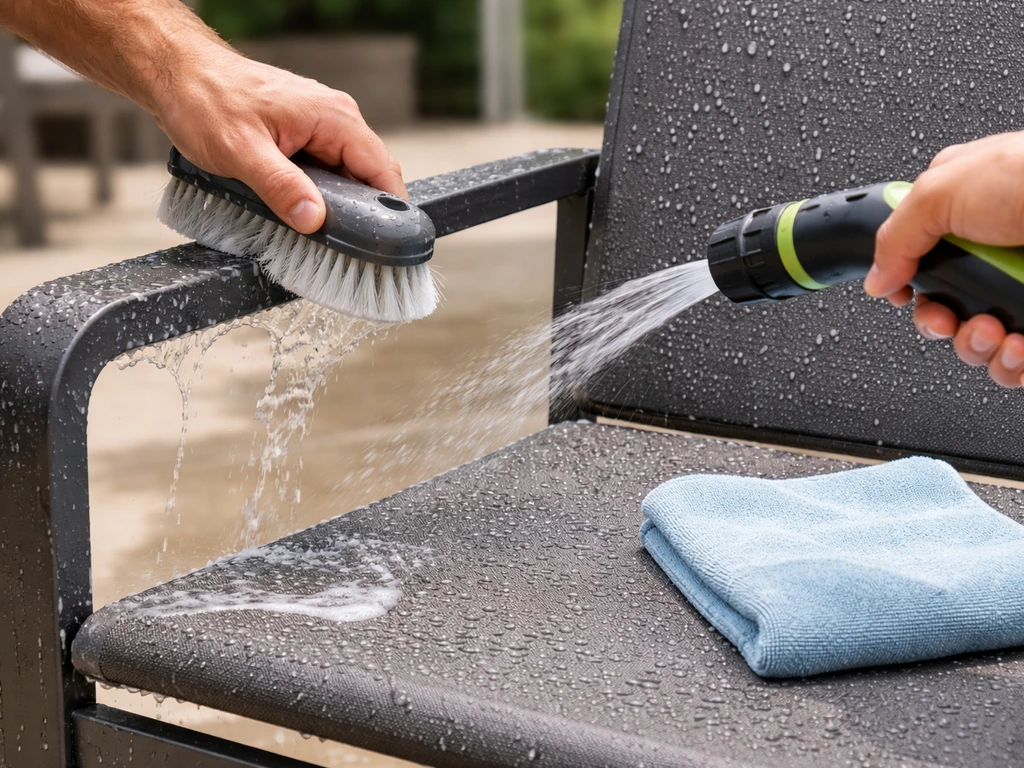
Rinse aluminum furniture regularly, especially near the coast, to wash off salt accumulation. Use mild soap and water for cleaning, and avoid abrasive pads that scratch the powder coat. If you find a chip or scratch in the coating, touch it up promptly with a matching touch-up paint to prevent corrosion from starting underneath. Check bolts and hardware annually and retighten as needed. The joints are where most aluminum furniture fails first, and keeping hardware snug prevents wear that leads to wobbling and stress on welds.
Cushion and fabric care
Remove cushions when heavy rain is coming, or at minimum stand them on their edge so water drains rather than pools. For Sunbrella and similar solution-dyed fabrics, a mild bleach-and-soap solution removes mildew from the surface without damaging the fabric. The key point here: the fabric is not inherently mold-proof, but it is highly cleanable, which is the practical equivalent for outdoor use. If covers have full-perimeter zippers, wash them in a front-loading machine on a gentle cycle. Air dry only. Storing cushions in a deck box or indoor closet over winter dramatically extends their life.
Repairs worth making
Quality furniture is worth repairing rather than replacing. Replacement slings for sling chairs are widely available and usually manufacturer-offered. Cushion foam and cover fabric can be replaced independently. Teak joints that loosen can be disassembled, cleaned, re-glued with exterior-grade adhesive, and re-fastened. Cast-iron pieces with surface rust can be sanded, primed with a rust-inhibiting primer, and repainted with a matching powder coat or enamel. This repairability is itself a mark of genuine quality: cheap furniture is designed to be thrown away, not fixed.
Quick pre-season checklist
- Inspect all hardware and tighten any loose bolts or screws
- Check powder coat and paint for chips, scratches, or rust bubbles and touch up immediately
- Clean teak before applying fresh oil or sealer (3–4 applications per year)
- Wash cushion covers and inspect foam for compression or moisture damage
- Rinse aluminum and resin wicker frames with fresh water to remove winter grime or salt
- Check wicker weave for any loose or broken strands and address before the season starts
- Confirm patio cover fit and condition if you use them for storage or weather protection
FAQ
If a set says it is “top of the line” but the warranty is vague or “lifetime,” how can I tell whether it is real quality?
Yes, but only if the warranty is component-specific and backed by measurable coverage. Look for separate lines for frame, finish, and cushions or fabric, and confirm whether “lifetime” applies to the structural frame only, or also to powder coat, rust-through, and fabric fading. Also check the required maintenance conditions, such as proof of periodic cleaning, to avoid having coverage denied after neglect.
What should I verify about cushion fabric to ensure it will not fade or mildew quickly?
Ask for the exact fabric type and whether color is solution-dyed (not just “fade resistant”). Then look for a specified UV test standard and hours (for example, ASTM G154 or AATCC-16) plus whether the warranty defines when fabric becomes “unserviceable.” If the listing shows only a brand name on the cushion, not test hours or warranty trigger wording, treat it as marketing.
Do “mildew resistant” cushions actually resist mildew, or is that marketing?
Solution-dyed fabrics are cleanable, but mildew can still occur when cushions stay wet. Your best defense is drying and storage: stand cushions on edge after rain, use covers only as a top layer, and store cushions indoors or in a dry deck box in winter. If you live in very humid areas, plan on periodic mildew checks and cleaning even with premium fabrics.
Can I focus only on the powder coat thickness for aluminum furniture, or are hardware specs just as important?
Not necessarily. Powder coat can be excellent, but if the hardware is zinc-alloy, ungraded steel, or poorly specified, corrosion often starts at joints and fastener points. For top-of-the-line performance, require Grade 316 stainless hardware for coastal or high-humidity settings, and confirm whether hinges, brackets, and arm attachments use stainless fasteners too (not only the main frame).
Will Grade A teak stay golden without frequent oiling?
Teak color protection depends on maintenance, not just wood grade. Grade A teak is more stable, but the warm honey look still requires regular cleaning and oiling. If you want low-maintenance aging, consider whether you prefer silver-gray patina, because chasing the original color means repeated seasonal upkeep.
What are the common mistakes when buying resin wicker, and how do I avoid them?
Yes, but you want to ensure it is not just “synthetic wicker” in name. Confirm it is polyethylene resin wicker (such as HDPE) and ask about weave density and the frame material under the weave. For top-level protection, the frame should be powder-coated aluminum or properly protected steel, because bare steel beneath the weave will rust before the wicker noticeably fails.
How do I prevent premature loosening or wobble on high-end patio furniture after assembly?
Even with premium materials, installation and fit errors can cause problems. Make sure you have the correct fasteners for the frame and that bolts are tightened to spec during assembly, then recheck them after the first month and annually. For sliding or moving parts, confirm there are replaceable wear components rather than sealed assemblies that cannot be serviced.
What is the best way to store cushions and covers for freeze-thaw climates?
If you get heavy rain or freeze-thaw conditions, “covering” is not the same as proper storage. For winter, cushions usually need to go indoors or into dry storage, or at least under fitted, breathable covers with cushions kept dry. For frames, choose covers that fit tightly enough to reduce wind-driven moisture and check periodically for trapped condensation.
What measurements should I take beyond the furniture footprint to avoid discomfort or cramped walkways?
Measure today, then add operating clearance for future use. For dining chairs, the clearance behind seating must allow someone to pull out comfortably, and for movement, account for where bags, kids, and table legs will pass. If you entertain often, also measure for walkway widths between groups and ensure the coffee table clearance allows chairs to slide without scraping.
Is tempered glass tabletop always a safer, better choice than other tops?
It can be, especially in coastal or snowy regions where temperatures and moisture change repeatedly. But it becomes a safety and durability risk if the tabletop is not adequately rated and properly attached. If you buy tempered glass, confirm thickness and anchoring method, and consider whether wind loads in your area make a heavier, more stable table preferable to lighter setups.
How should I compare prices fairly if one set has a long frame warranty but shorter cushion coverage?
Yes, and the math should include useful life and replacement frequency. Take the warranted frame years as your baseline, then estimate cushion replacement and re-upholstery needs based on fabric grade and your climate. Also consider repair costs, if replacement parts like slings and cushions are available, because premium furniture often stays in service longer without full replacement.
Next Articles
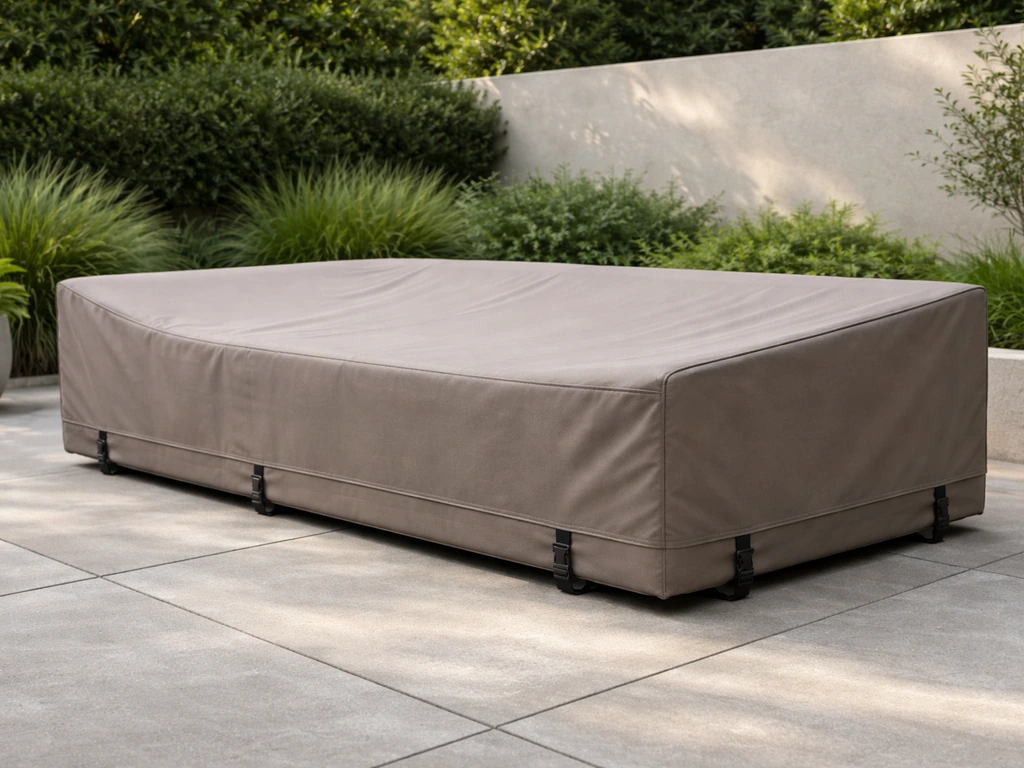
High Quality Patio Furniture Covers: How to Choose Best
Choose high quality patio furniture covers by size, fabric, seams, UV and waterproofing, fit, breathability, and upkeep.
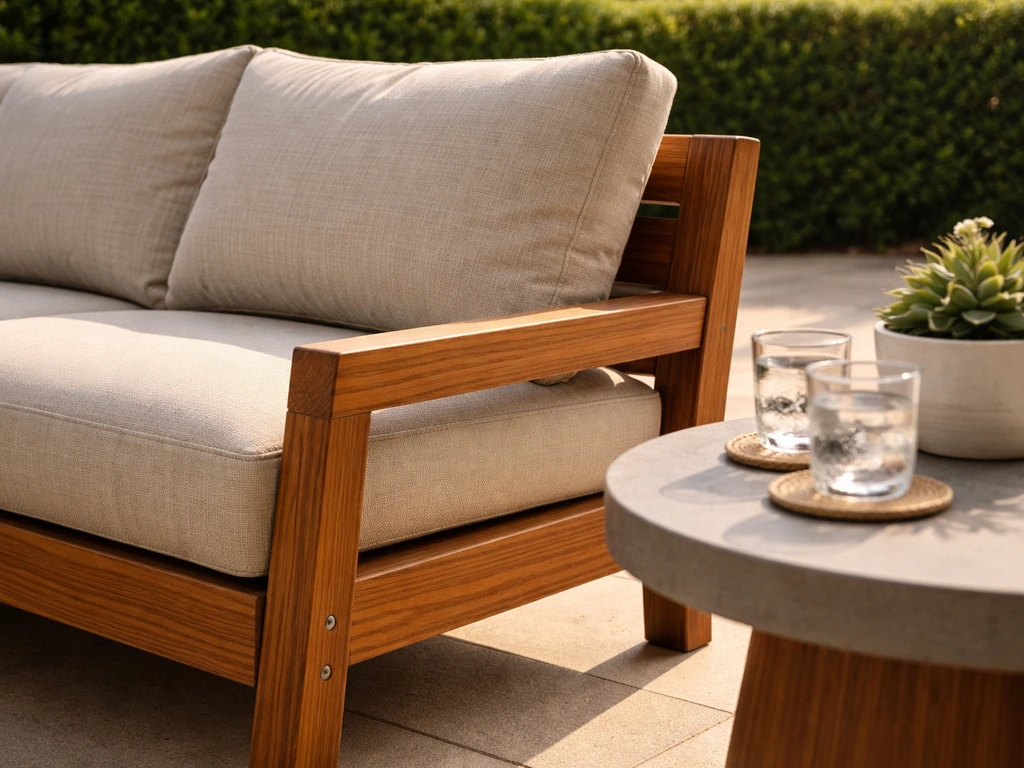
High Quality Patio Furniture: Buyer Guide by Material
Buyer guide for high quality patio furniture: choose by material and climate with a checklist for durability, comfort, a
High-Quality Outdoor Patio Furniture: What to Buy
Learn how to choose high-quality outdoor patio furniture by material, cushions, coatings, climate fit, and long-term val