
Truly high-quality patio cushions use solution-dyed acrylic fabric (Sunbrella being the gold standard), high-density foam or quick-dry fill, double-stitched and UV-stabilized seams, rust-resistant zippers, and a non-slip backing. They should carry documented UV and mildew resistance ratings, not just marketing language. Get those fundamentals right and a set of cushions will realistically last 5 to 10 years outdoors with basic care. Get them wrong and you will be replacing faded, moldy foam in 18 months.
High-Quality Patio Cushions: How to Choose and Evaluate

Marcus Kellerman
15 Jun 2026
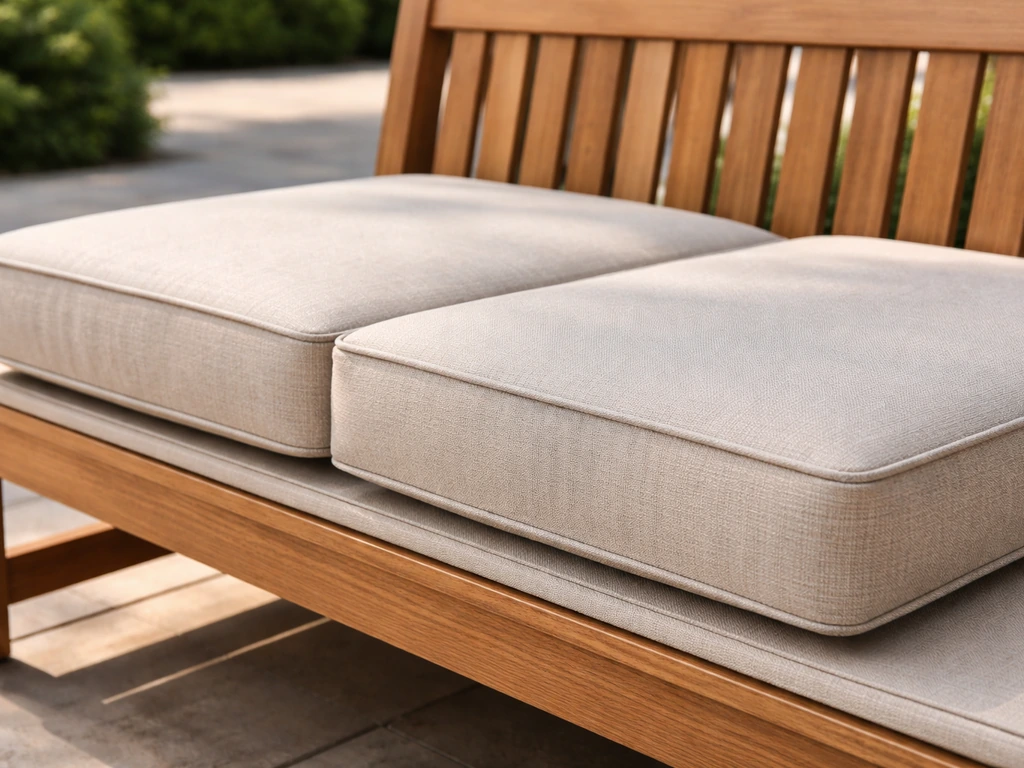
What 'high-quality' actually means on a patio cushion
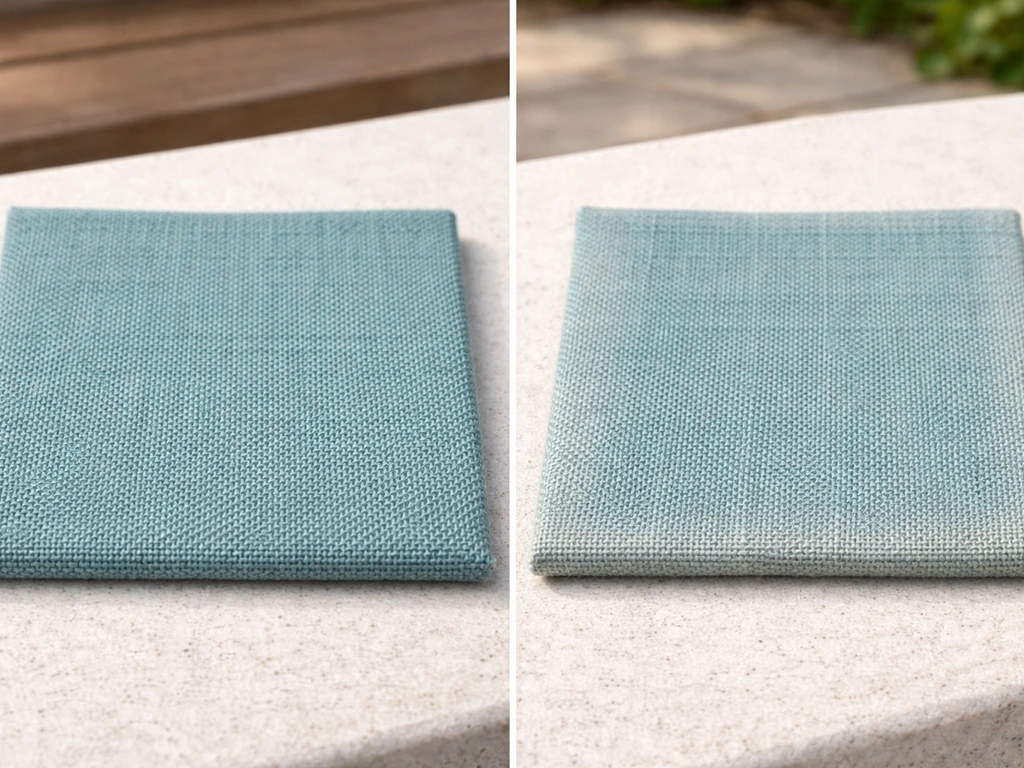
The phrase gets thrown around on every product listing, so it helps to anchor it to specific, testable things. A high-quality patio cushion is one where every component, not just the cover fabric, is built to survive outdoor conditions. That means the cover resists UV degradation, the fill sheds water and dries fast, the seams stay intact under repeated wet-dry cycles, and the hardware (zippers, snaps, ties) does not rust or crack after one winter.
The single most meaningful indicator is how the fabric was dyed. Solution-dyed acrylic, where color is baked into the fiber before the fabric is woven, holds color dramatically longer than piece-dyed or printed fabrics. Sunbrella, the most recognized solution-dyed acrylic brand, publishes ISO 105-B02 lightfastness ratings for its fabrics. An ISO 105-B02 rating of 8 (the maximum on the scale) means the fabric held its color under intense artificial light exposure equivalent to years of sun. That is a concrete, verifiable spec. A cushion marketed as 'fade-resistant' with no stated testing standard is making a claim you cannot verify.
Sunbrella backs this up with a 10-year limited warranty covering loss of strength and other issues from normal outdoor exposure including sunlight and mildew, and a 5-year limited warranty on other fabric programs. Sunbrella’s 10-year limited warranty specifically covers “loss of strength” and other problems from normal exposure conditions that include sunlight and mildew Sunbrella’s 10-year limited warranty covering loss of strength and other issues from normal outdoor exposure including sunlight and mildew. That warranty does not cover every scenario, but it signals that the manufacturer is willing to put a real timeline on real-world performance, which is more than most budget brands offer.
The full construction checklist: cover, fill, seams, and closures
Buying by cover fabric alone is a mistake. The fill and internal structure matter just as much for comfort and longevity, and the seams and closures are where cheap cushions fall apart first.
Cover fabric
- Solution-dyed acrylic (Sunbrella, Outdura, Bella-Dura): best UV and mildew resistance, longest lifespan, premium price
- Olefin (polypropylene): good UV resistance, lower cost, softer hand feel, but less durable over 3 to 5 years
- Polyester with UV coating: budget-friendly but coating degrades in 1 to 2 seasons, fades and stiffens
- Canvas or untreated cotton: avoid for outdoor use unless the cushion lives under a full cover or indoors when not in use
Fill material
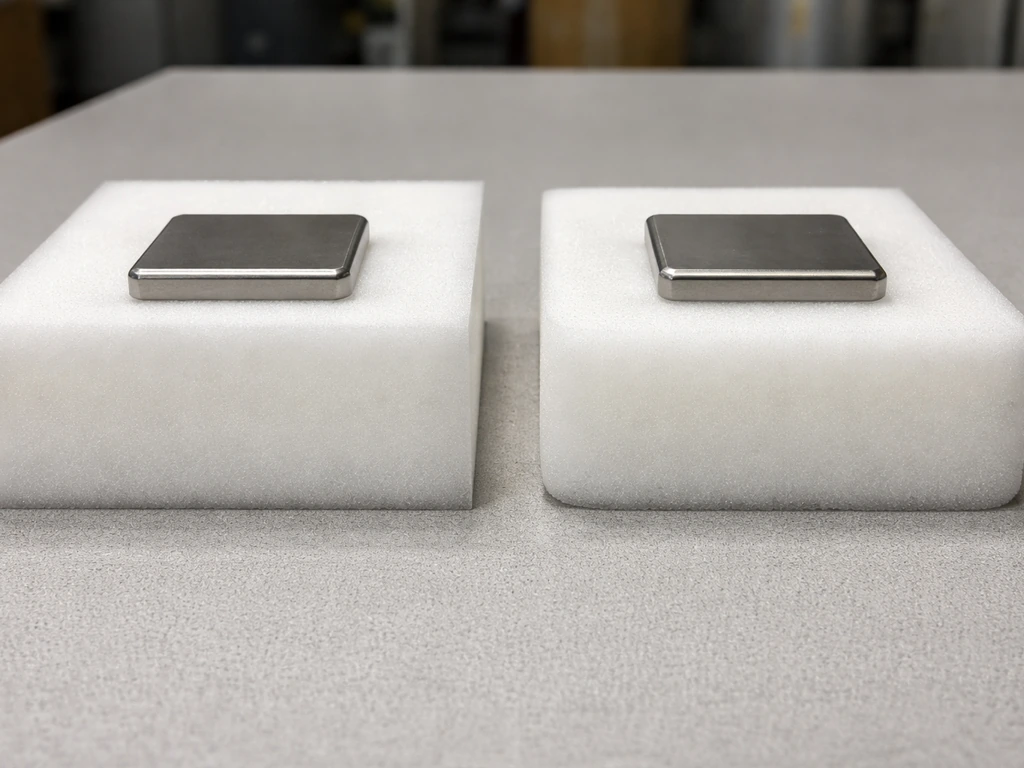
- High-density polyurethane foam (1.8 lb density or higher): holds shape, resists compression, but must be paired with a breathable or quick-dry cover since solid foam holds moisture
- Open-cell quick-dry foam: engineered to drain and dry fast, best for fully exposed settings with frequent rain
- Polyester fiberfill: soft and inexpensive but compresses quickly and holds water; rarely appropriate for anything calling itself high-quality
- Foam wrapped in fiberfill: a good middle-ground, providing shape from the foam core and softness from the wrap
Seams and stitching
Look for double-stitched or French seams using UV-stabilized thread. Single-stitch seams with standard polyester thread degrade in direct sun and start unraveling within a season or two. Welt cord (the piping around the edge of a cushion) should be tightly wrapped and double-stitched at corners, since corners take the most stress from sitting and repositioning.
Zippers, ties, and closures
Zippers should be brass, marine-grade, or coated nylon, not bare steel. Bare steel zippers will rust and seize after one wet season. Hidden zippers along the bottom or back of the cushion are preferable because they are less exposed. Tie straps for securing cushions to chair frames should be wide and reinforced at the base; thin ties tear away at the attachment point. If the cushion uses button closures or snaps, those should be UV-stabilized plastic or coated metal.
Backing
A non-slip backing, usually a rubberized or textured material sewn onto the underside, keeps cushions from sliding off furniture and protects the bottom surface from abrasion. This detail is skipped on a lot of cheaper cushions and it matters more than it sounds, especially on smooth aluminum or resin furniture.
Weather resistance and comfort tradeoffs by climate
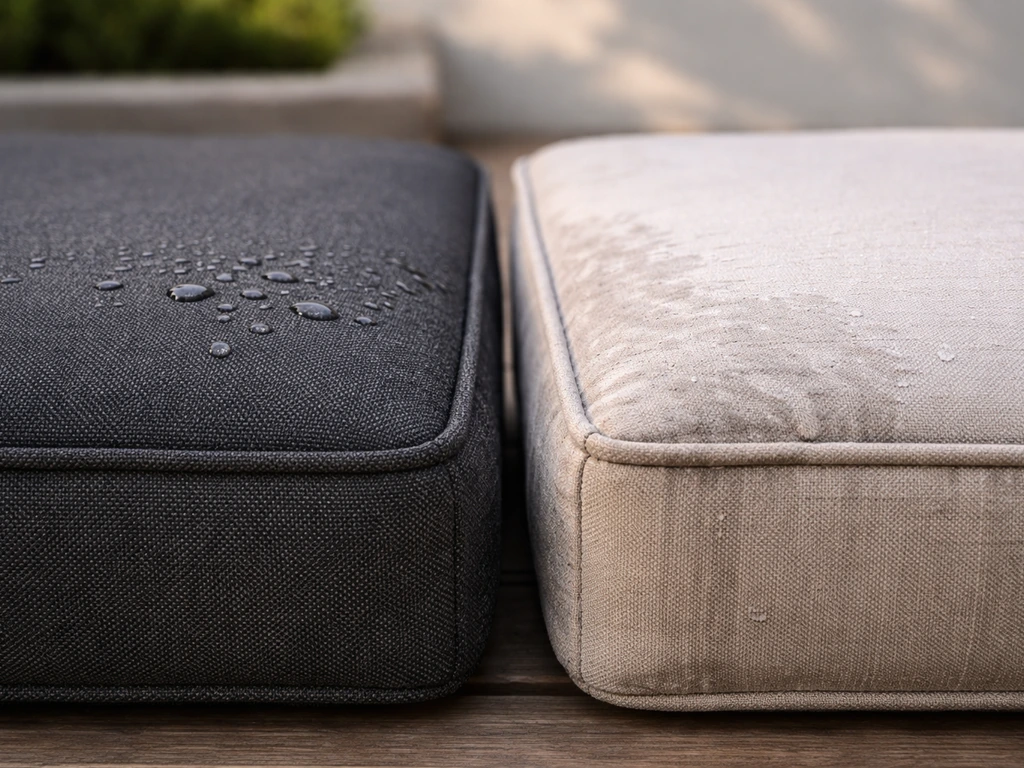
One cushion spec does not work equally well in every climate. The right material choices shift depending on whether your biggest outdoor threat is intense UV, constant humidity and rain, or hard freeze winters.
| Climate Challenge | Priority Features | Best Fill Choice | Cover to Prioritize |
|---|---|---|---|
| Intense sun (Southwest US, desert, high altitude) | ISO 105-B02 lightfastness rating of 7 or 8, solution-dyed acrylic | High-density foam (dark covers absorb heat, so consider lighter colors) | Sunbrella or equivalent acrylic |
| High humidity and frequent rain (Gulf Coast, Pacific Northwest, Southeast) | Quick-dry foam, mildew-resistant cover, hidden zippers | Open-cell quick-dry foam | Solution-dyed acrylic or olefin with mildew inhibitor |
| Cold winters with freezing temps (Midwest, Northeast, Mountain regions) | Cushions that can be stored, UV-stable for short summers, moisture-resistant for wet spring/fall | High-density foam (does not absorb water during storage) | Sunbrella or olefin; store cushions or use covers off-season |
| Mild, coastal conditions (California coast, Pacific Northwest summers) | Salt-air mildew resistance, moderate UV protection | Foam wrapped in fiberfill acceptable | Olefin or solution-dyed acrylic both work well |
The comfort tradeoff worth knowing: quick-dry open-cell foam, which is the best choice for wet climates, tends to feel slightly firmer than high-density closed foam. If you want cloud-soft seating in a rainy climate, you will need to compromise a little on drying speed or accept that the cushions need to be brought in during heavy rain. There is no version that is simultaneously the softest, fastest-drying, and most durable.
Choosing the right size and cushion type for your furniture
Cushion sizing is where a lot of buyers run into trouble, especially when replacing cushions on existing patio sets. Most manufacturers list nominal dimensions, not exact fit dimensions, so a cushion labeled 20 inches may actually measure 19.5 inches to allow for seam finishing. Always measure your furniture seat and back surfaces directly, not the old cushion, since old cushions compress over time.
What to measure before you buy
- Seat depth: measure from the front edge of the seat frame to the back rail (front to back)
- Seat width: measure the inner width of the seat frame left to right
- Back height: measure from the top of the seat frame to the top of the back rail
- Back width: measure the inner width of the back frame
- Cushion thickness: check the frame depth to confirm the cushion fits without overhanging more than 1 inch on any side
- Tie placement: if the chair has tie slots, measure their position so tie straps on the cushion align
Standard cushion sizing fits most mass-market patio sets (chairs commonly take 20x20 inch seat cushions, deep-seat lounge chairs typically take 25x25 inch or 24x24 inch seats with a matching back). But if your furniture is high-end, older, or European, you are likely looking at custom or semi-custom sizing. Custom cushions from quality outdoor cushion makers (BenchCraft, Sunbrella-licensed sewers, or direct-from-manufacturer retailers) typically run 30 to 50 percent more than standard sizing but are genuinely worth it if the alternative is a cushion that shifts or bunches constantly.
Seat cushions vs. back cushions vs. chaise cushions
Seat cushions carry the most weight and wear, so they need the highest foam density. Back cushions take less compression load and can use a softer fill, which is why many well-made sets use different foam specs for each. Chaise cushions are long and often fully exposed, so quick-dry foam and a mold-resistant cover are especially important. If you are buying for a dining set versus a deep-seating lounge set, know that lounge cushions are almost always thicker (4 to 5 inches) while dining seat cushions typically run 2 to 3 inches thick.
How to evaluate brands and spot marketing traps
Almost every patio cushion listing today includes words like 'premium,' 'weather-resistant,' 'fade-resistant,' and 'high-quality.' None of those terms are regulated or standardized, so they tell you essentially nothing on their own. Here is how to cut through the noise.
- Ask for the fabric brand and spec sheet: Legitimate quality cushions will name the fabric (Sunbrella, Outdura, Phifertex, etc.) and ideally link to a technical data sheet with lightfastness ratings
- Check for ISO 105-B02 or ASTM G155 test ratings: These are the textile lightfastness standards that actually mean something. A rating of 7 or 8 on ISO 105-B02 is excellent
- Look for a warranty with real terms: A 1-year warranty covers almost nothing outdoors. Three years is acceptable. Five or more years on cover fabric signals the manufacturer is serious
- Read the fill density spec: High-density foam should be stated as 1.8 lb/cubic foot or higher. If the listing just says 'foam' with no density spec, assume it is low-density
- Check the return and replacement policy: Brands confident in their quality typically offer reasonable returns and do not make you fight for warranty service
- Search for the product or brand on outdoor furniture forums and Reddit's r/patio: Real user experience over 2 to 3 seasons is the most reliable quality signal you will find
One common trap is brand association without substance. A cushion might be sold by a recognizable outdoor furniture brand but actually manufactured under a separate contract with cheaper materials. Check whether the fabric is Sunbrella or another named solution-dyed acrylic, or whether the listing just says 'outdoor fabric' with no further detail. That omission is usually intentional.
This same scrutiny applies when you are shopping for high-quality patio chairs or a complete outdoor furniture set where cushions are included in the package. If you are choosing high-quality outdoor patio furniture, it helps to evaluate the included cushions with the same standards you would use for frames and fabric alone. Bundled cushions on even expensive furniture frames are sometimes the lowest-cost component in the set, which is why many buyers eventually replace them within a few years.
Cleaning, maintenance, and storage that actually extend cushion life
The difference between a cushion lasting 4 years and lasting 9 years is almost entirely care. These are the habits that actually matter.
Routine cleaning
For solution-dyed acrylic like Sunbrella, a simple mix of mild soap and water handles most surface dirt and light stains. Rinse thoroughly and let the cushion air-dry in a sunny spot before storing or covering. Do not trap moisture inside a storage bag or cushion box while the cushion is still damp.
Mold and mildew removal
Mold and mildew can appear on even high-quality cushions in humid climates, but they are surface problems, not permanent damage, if addressed quickly. Sunbrella officially supports cleaning with a diluted bleach solution (1 cup bleach per gallon of water) combined with mild soap. Apply it, let it sit for 15 minutes, scrub with a soft brush, and rinse completely. The key is rinsing out all bleach residue, which can degrade fabric over time if left to concentrate. That bleach tolerance is actually a major practical advantage of solution-dyed acrylic over other fabrics.
Off-season storage
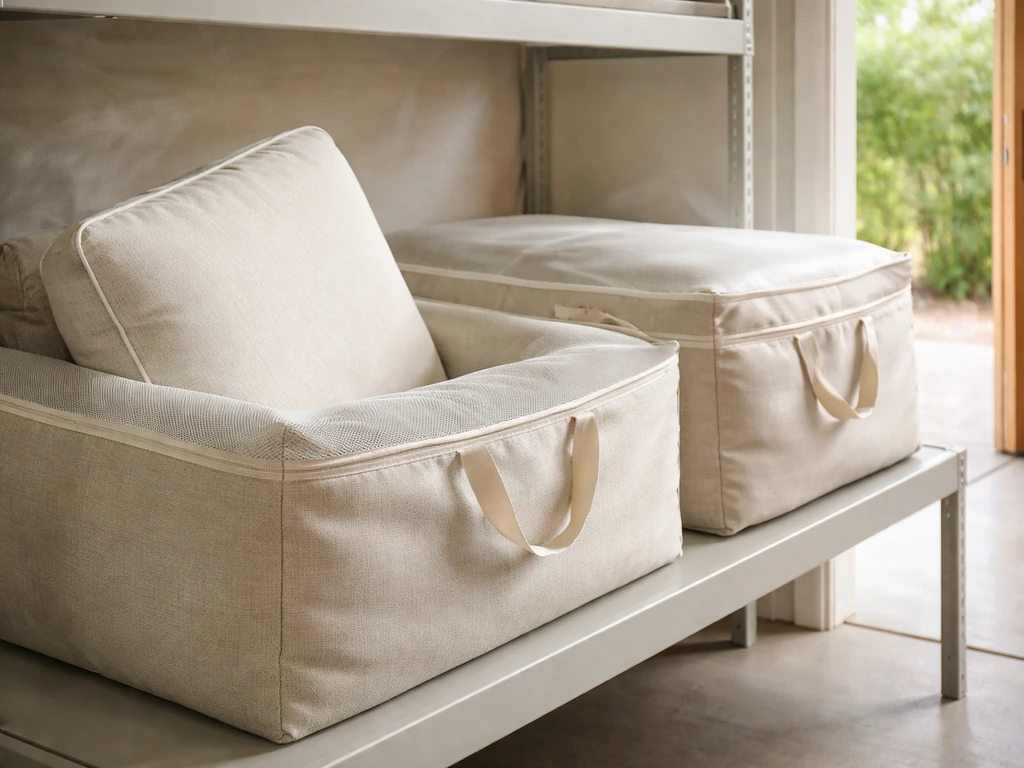
- Clean and fully dry cushions before storage, every time without exception
- Store in breathable bags or bins, not sealed plastic that traps humidity
- Keep stored cushions in a dry, climate-controlled space if possible; a garage or basement beats an outdoor shed in cold or wet climates
- Do not compress or stack heavy items on top of foam cushions during storage; it creates permanent indentations
- For climates with mild winters, high-quality patio furniture covers can let you leave cushions on the furniture between uses, but bring them in for any extended wet period
When to repair vs. replace
If seams are unraveling but the fabric and fill are still good, a sailmaker or upholstery shop can resew them for $15 to $40 per cushion, which is well worth it on quality covers. If the foam has lost its shape and compresses flat within minutes of sitting, the fill needs replacing. Many cushion covers with quality zippers are designed to be opened for fill replacement, which can extend the life of a high-quality cover by another 4 to 5 years for the cost of new foam inserts.
Budget vs. longevity: how to decide what tier makes sense for you
Patio cushions fall into three realistic tiers, and the right tier depends on your usage pattern, climate, and whether you want to think about cushions again in two years or ten.
| Tier | Price Range (per chair set) | Realistic Lifespan | Best For | Fabric/Fill to Expect |
|---|---|---|---|---|
| Good (entry outdoor quality) | $15 to $40 per cushion | 1 to 3 years | Seasonal use, covered patios, renters, low-stakes spaces | Olefin or UV-coated polyester, polyester fiberfill |
| High-Quality (outdoor-grade) | $50 to $120 per cushion | 4 to 7 years | Regular outdoor use, most homeowners, moderate weather exposure | Solution-dyed acrylic (Sunbrella or equivalent), high-density foam |
| Best (premium/custom) | $120 to $300+ per cushion | 7 to 12+ years | Heavy use, harsh climates, high-end furniture, full outdoor living spaces | Sunbrella or equivalent with full spec sheet, quick-dry high-density foam, custom sizing, marine-grade hardware |
Running the math helps. A $25 cushion that lasts 2 years costs $12.50 per year. A $90 Sunbrella-covered cushion that lasts 8 years with proper care costs about $11.25 per year. At 10 years, that same cushion costs $9 per year. The high-quality option is almost always the better value when you plan to stay in the home and actually use the outdoor space. The entry tier makes sense when the cushions are a placeholder, the space is secondary, or budget is genuinely tight this season.
If you are building out a full outdoor living space with high-quality patio furniture, think of the cushions as part of the same investment. When you pair quality cushions with high quality patio furniture frames, you get a set that stays comfortable and looks better for longer. The best patio furniture frames, whether teak, powder-coated aluminum, or high-quality wicker, can outlast three or four sets of budget cushions. Pairing them with quality cushions from the start makes more sense than constantly refreshing the soft goods while the frames hold up fine.
The bottom line: if you are shopping for high-quality patio cushions, spend the extra $30 to $50 per piece to get into the solution-dyed acrylic tier, verify the ISO lightfastness rating and fill density, measure your furniture before you order, and commit to the basic maintenance habits. For the same reasons, choosing high quality patio furniture covers that protect against sun and moisture can significantly extend the life of both cushions and frames high-quality patio cushions. That combination will give you cushions that actually earn the description the marketing copy already claims.
FAQ
What should I look for if a product says “fade-resistant” but doesn’t list any testing or ratings?
Look for two things on the spec sheet: fabric construction (solution-dyed acrylic or another named solution-dyed fiber) and an actual test standard or rating for lightfastness or UV exposure. If the listing only uses words like “fade-resistant” without a numeric result or standard, treat it as an unverified claim.
In a rainy climate, will quick-dry foam automatically prevent mildew?
Yes, consider how the cushion is designed to dry. Quick-dry open-cell foam typically leaves less trapped moisture after rain, but if you often leave cushions outside during storms, choose covers with mildew-resistant backing and plan to bring cushions in or stand them to promote airflow after heavy rain.
Is “weather-resistant” enough if I’m leaving cushions outdoors under a cover?
Not necessarily. “Water-resistant” often means the cover repels splashes, but mildew grows when moisture stays trapped between the cover and the fill. After storms, rinse off residue if needed, fully dry before covering or storing, and avoid sealed storage until the cushion is dry all the way through.
How do I ensure a replacement cushion won’t shift or gap if the old cushion is compressed?
Measure the seating surface and back supports at multiple points and allow for how the manufacturer finishes seams. If your furniture is aluminum or resin with rounded edges, also check whether the cushion has a non-slip underside and whether the ties or straps will keep the cushion from rotating.
Is it worth buying cushions designed to replace foam inserts later?
Prefer solutions that let you access the fill without replacing the entire cover, such as quality zippers along the bottom/back and covers designed for insert swaps. Then, refresh foam later when it loses loft, rather than treating the cushion as disposable.
What changes should I make to cushion hardware choices for coastal or very humid areas?
At the hardware level, yes. Coastal and high-humidity areas accelerate corrosion, so prioritize coated zippers, marine-grade or brass hardware, and UV-stabilized thread. Also check whether tie straps are reinforced at the base, thin ties fail sooner when the cushion is frequently lifted and reattached.
How should foam density differ between seat, back, and chaise cushions?
For seat cushions, you want the highest foam density because that zone compresses the fastest. Back cushions can use softer fill because they carry less compression load, and chaise cushions need quick-dry materials since they are often fully exposed and receive less natural airflow.
Do non-slip backings really make a difference, or is it just a comfort feature?
A non-slip backing helps prevent sliding, but it also reduces abrasion on the cushion underside when furniture is moved. If your patio furniture has smooth surfaces or you frequently hose down areas, non-slip backing plus properly secured ties usually matters more than buyers expect.
How can I tell whether I should resew seams or replace the foam?
If seams unravel but the fabric and fill are still intact, resewing is often the best value. If foam compresses quickly or you see permanent loss of thickness after normal use, plan on replacing inserts, because patching seams will not restore support.
What’s the safest way to clean mildew on solution-dyed acrylic cushions without damaging them?
Follow the cleaning approach, then verify fully dry before storing. The practical caveat is that bleach, even when diluted, should not be left behind in fabric or seams, and cushions should be rinsed thoroughly and allowed to air-dry completely.
Why do cushions that match the label size still feel wrong on my furniture?
If the listing does not specify dimensions as exact measurements (and only provides nominal size), confirm fit by measuring your furniture directly. Also check thickness, because a 4 to 5 inch lounge cushion and a 2 to 3 inch dining cushion may both be “square,” but they will feel and fit very differently.
When a patio set is expensive, how do I know the included cushions are not the weak link?
Consider total package value, not the frame price alone. Bundled cushions are frequently the cheapest component, so compare the cushion fabric type, seam construction, zipper/hardware quality, and return or warranty terms before assuming bundled “premium” cushions are truly high-end.
How does day-to-day use affect how long high-quality patio cushions actually last?
Budget for care based on use, not just weather. If you frequently host and cushions stay in place with crumbs, sunscreen, or spills, plan more frequent spot cleaning and rinsing, because residue can reduce water repellency and accelerate wear of seams and closures.
Next Articles
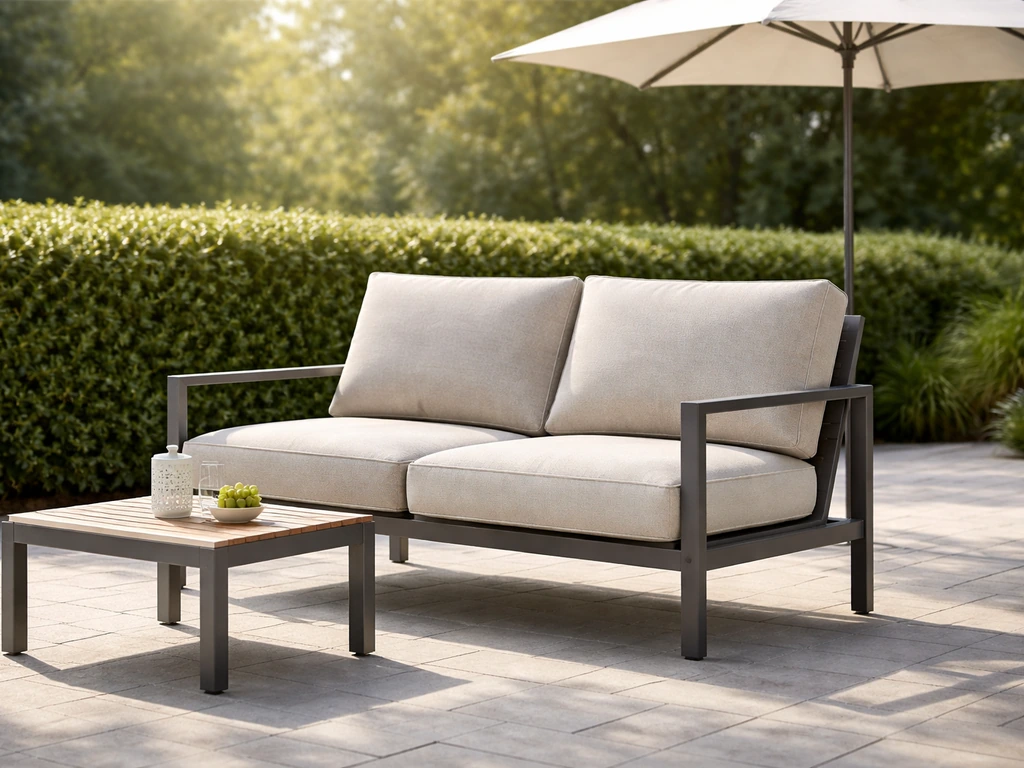
Top of the Line Patio Furniture: Buyer’s Guide to Criteria
Buyer’s guide to top of the line patio furniture: materials, weatherproofing, comfort, build quality, and long-term valu
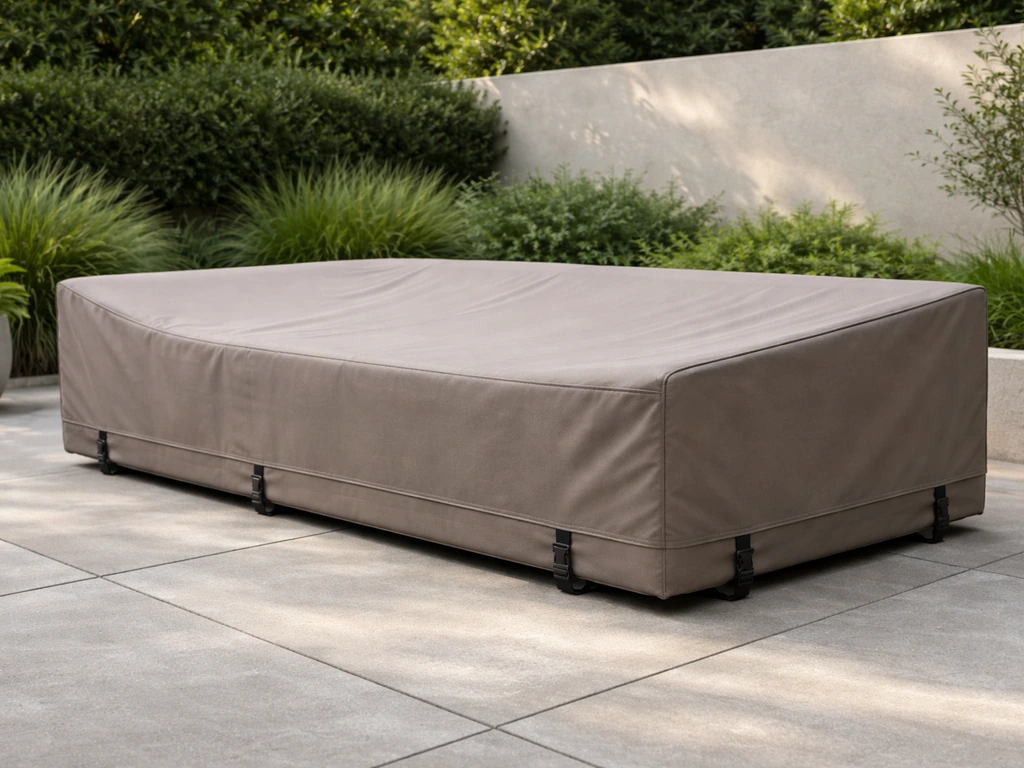
High Quality Patio Furniture Covers: How to Choose Best
Choose high quality patio furniture covers by size, fabric, seams, UV and waterproofing, fit, breathability, and upkeep.
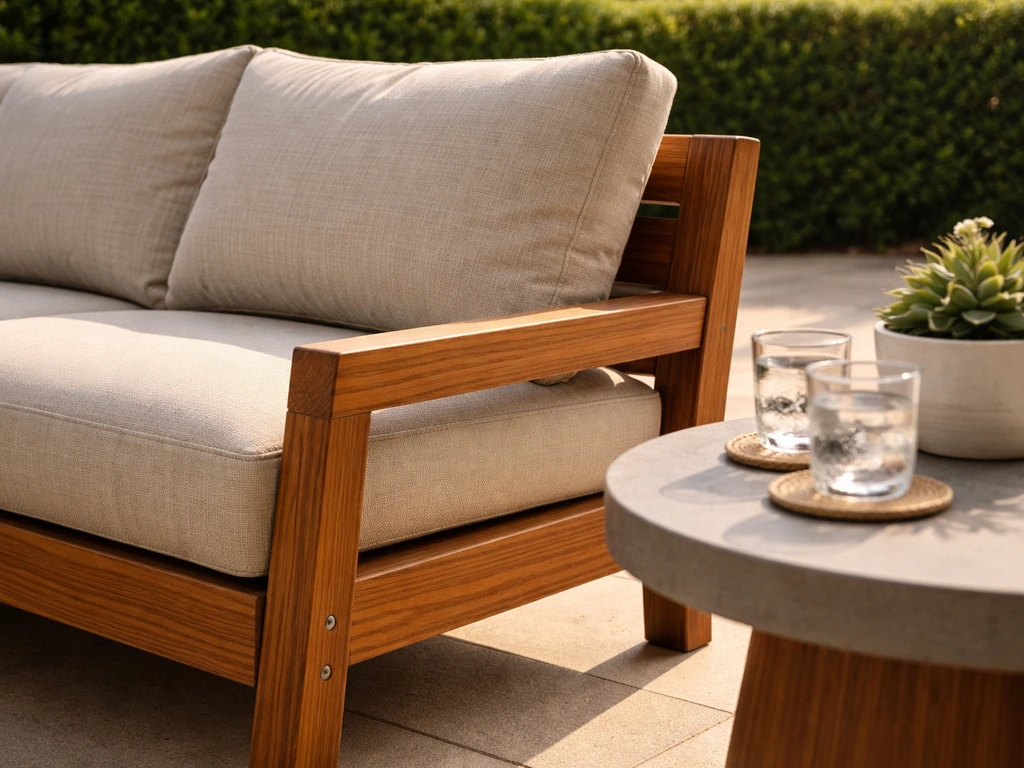
High Quality Patio Furniture: Buyer Guide by Material
Buyer guide for high quality patio furniture: choose by material and climate with a checklist for durability, comfort, a