
Most damaged patio furniture is worth repairing, not replacing, as long as the frame is structurally sound and the material hasn't corroded or rotted through. The real decision is whether you call a pro or handle it yourself. For simple fixes like mildewed cushions, loose screws, or faded wood, DIY is almost always the right call. For anything involving sling replacement, powder-coat refinishing, welding cracked cast iron, or rewrapping wicker, a patio furniture repair pro will save you time, money on wasted materials, and frustration. This guide walks you through exactly how to triage damage, match the fix to the material, decide when to call a pro, and then actually find one worth hiring. If you have Homall four-piece patio furniture, use the manufacturer’s homall 4 pieces outdoor patio furniture instructions to confirm part fit and repair steps before you start. If you are trying to decide who makes Allen and Roth patio furniture, this guide can also help you track down the right manufacturer or parts source to match replacement needs find one worth hiring.
Patio Furniture Repair Pros: DIY vs Repair Guide

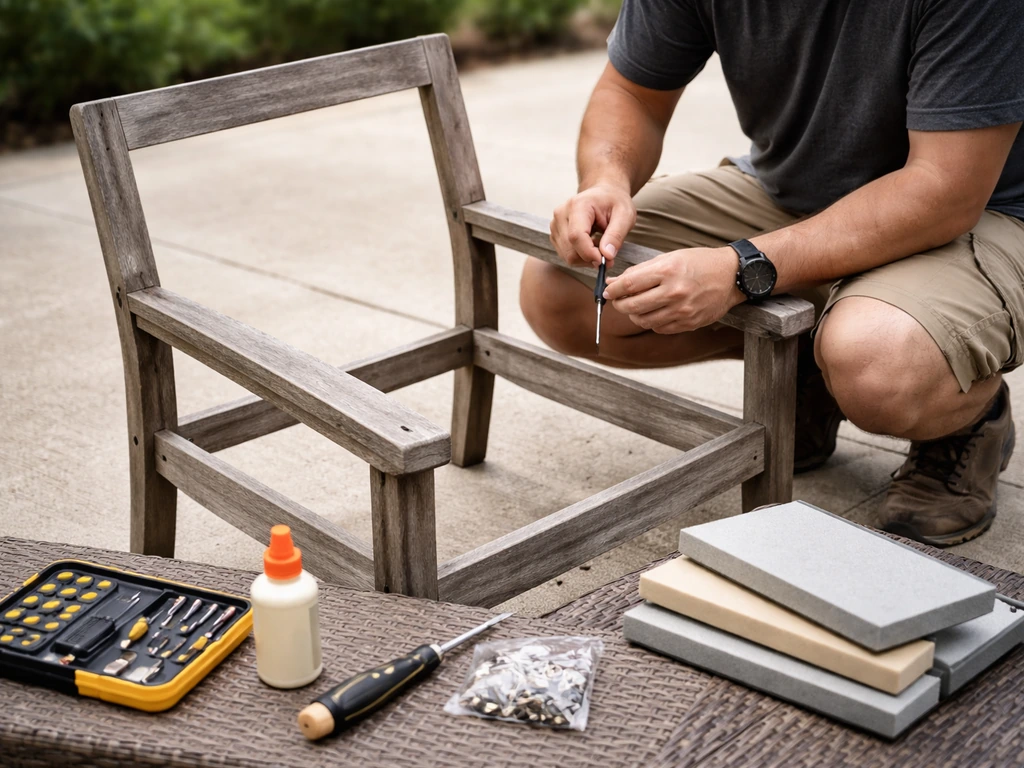
Quick triage: what to repair first and what to replace
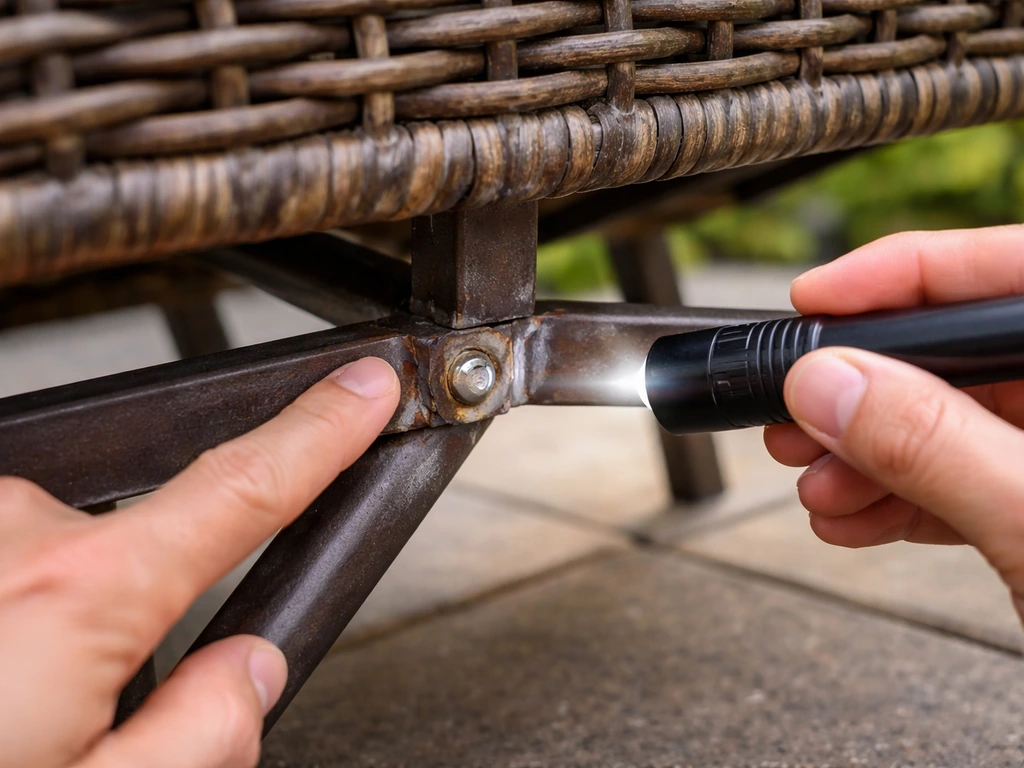
Before spending a dollar, do a quick structural inspection. Flip frames over, press on joints, check welds, and look at the underside of wood or wicker. The rule of thumb: if the bones are good, repair. If the frame is compromised, cracked at load-bearing points, or riddled with deep corrosion, you're throwing money at a lost cause.
Here's how to triage fast. Start with the frame, because everything else is secondary. A chair with a cracked aluminum weld or a table with a rust-eaten steel leg isn't safe to sit on or eat at, no matter how nice the cushions look. Then move to the fabric and surface components, which are almost always repairable or replaceable at reasonable cost.
| Damage Type | Repair or Replace? | Priority |
|---|---|---|
| Loose screws or bolts | Repair (DIY) | High — fix before use |
| Surface rust spots on steel/cast iron | Repair (DIY or pro) | Medium — treat before it spreads |
| Cracked weld on frame | Repair (pro: welder) | High — structural safety issue |
| Faded or chalky aluminum finish | Repair (pro: powder coat) | Low — cosmetic only |
| Sagging sling fabric | Repair (pro or confident DIY) | Medium — affects usability |
| Broken or missing slats | Repair (DIY or pro) | Medium — depends on material |
| Mold/mildew on cushions or fabric | Repair (DIY) | High — health concern |
| Rotted teak or wood core | Replace piece | High — structural failure risk |
| Shattered cast iron arm or leg | Replace piece or set | High — not safely weldable in most cases |
| Deep corrosion through aluminum wall | Replace piece | High — frame integrity gone |
A quick note on vintage pieces: if you're dealing with older wrought iron or cast iron furniture, identifying what you actually have matters before you decide to repair or restore. Misidentifying the alloy can lead to the wrong treatment approach and wasted effort. Similarly, if you own older Woodard or similar heirloom-grade sets, the repair math shifts toward professional restoration because replacement value is high and original parts may be available.
Pros vs DIY: cost, time, risk, and when to call a patio furniture repair pro
The honest answer is that most homeowners can handle about 60 percent of common patio furniture repairs themselves. The other 40 percent, especially anything involving specialty equipment, structural welding, powder-coat application, or precise fabric measurement and fitting, is better left to a pro. The cost math is usually clear once you price out materials.
What DIY actually costs you
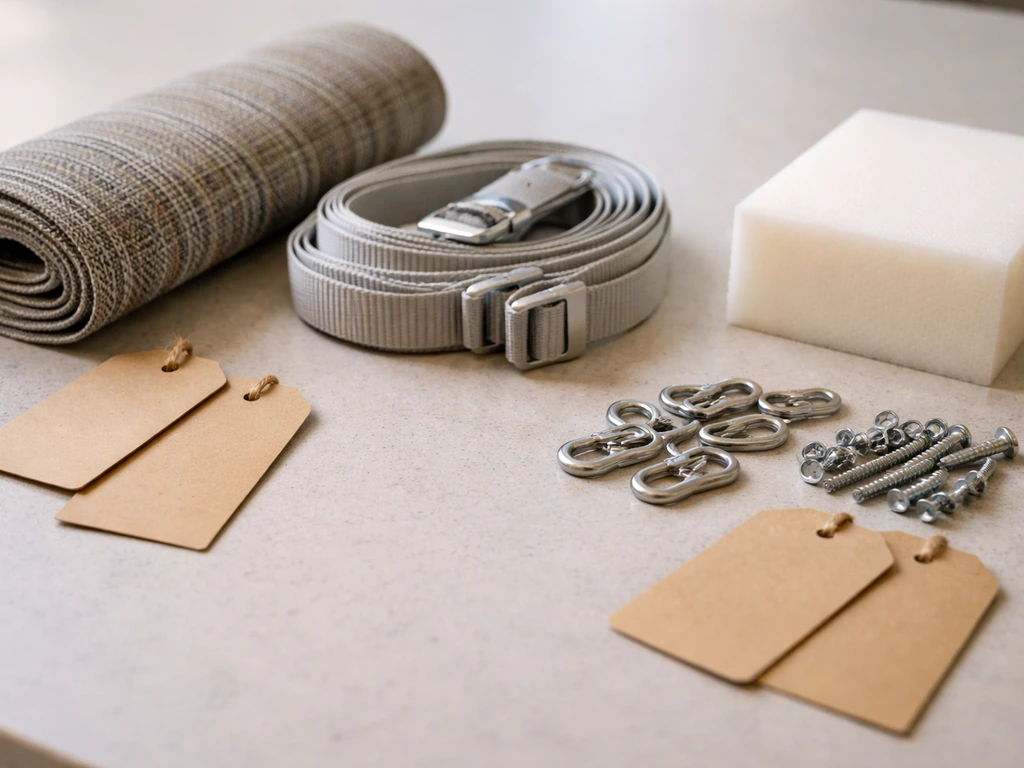
DIY repair saves labor but not always materials. Replacement sling fabric for a single chair can run $30 to $80 in fabric alone, and if you measure wrong, you're buying again. Spray cans of rust converter, primer, and topcoat add up fast, often $40 to $75 for a chair-sized job. Wood sealers and teak cleaners are another $20 to $50 per application. The real cost of DIY is time: sling replacement on a single chair with a spline system can take 2 to 4 hours the first time you do it. Budget realistically before assuming DIY is cheaper.
What pros charge and where it's worth it
Professional repair costs vary by material and region, but here are reliable benchmarks. Sling and strap repairs typically run $50 to $155 per piece. Cushion reupholstery generally lands between $75 and $400 depending on fabric choice and piece size, with full outdoor sets sometimes pushing toward $500. Powder-coat refinishing for a single piece runs $100 to $500, and a full set like a wicker table-and-two-chairs refinish can average around $800. Those numbers reflect real shop pricing, not inflated estimates. The value proposition for pros is strongest when: the repair requires specialized tools or materials (welder, powder-coat booth, commercial sewing machine), precision fit matters (sling and strap replacement), or you're restoring a high-value or vintage set where mistakes are expensive.
| Repair Type | DIY Cost Estimate | Pro Cost Estimate | When to Go Pro |
|---|---|---|---|
| Sling replacement (per chair) | $30–$80 materials | $50–$155 labor + materials | When spline fit is critical or multiple chairs |
| Cushion reupholstery | $20–$60 fabric | $75–$400 per piece | When custom fit or thick foam replacement needed |
| Powder-coat refinishing | Not realistic DIY | $100–$500 per piece | Always — requires a booth |
| Rust treatment (spot) | $20–$50 products | $50–$150 per piece | DIY fine for spots; pro for full-frame corrosion |
| Weld repair (frame crack) | Not safe DIY | $75–$200+ per weld | Always — structural safety |
| Wicker rewrapping | $30–$80 resin kit | $200–$600 per piece | Large areas or natural rattan |
| Wood sealing/staining | $20–$50 products | $80–$200 per piece | DIY fine unless stripping needed |
Repair by material type
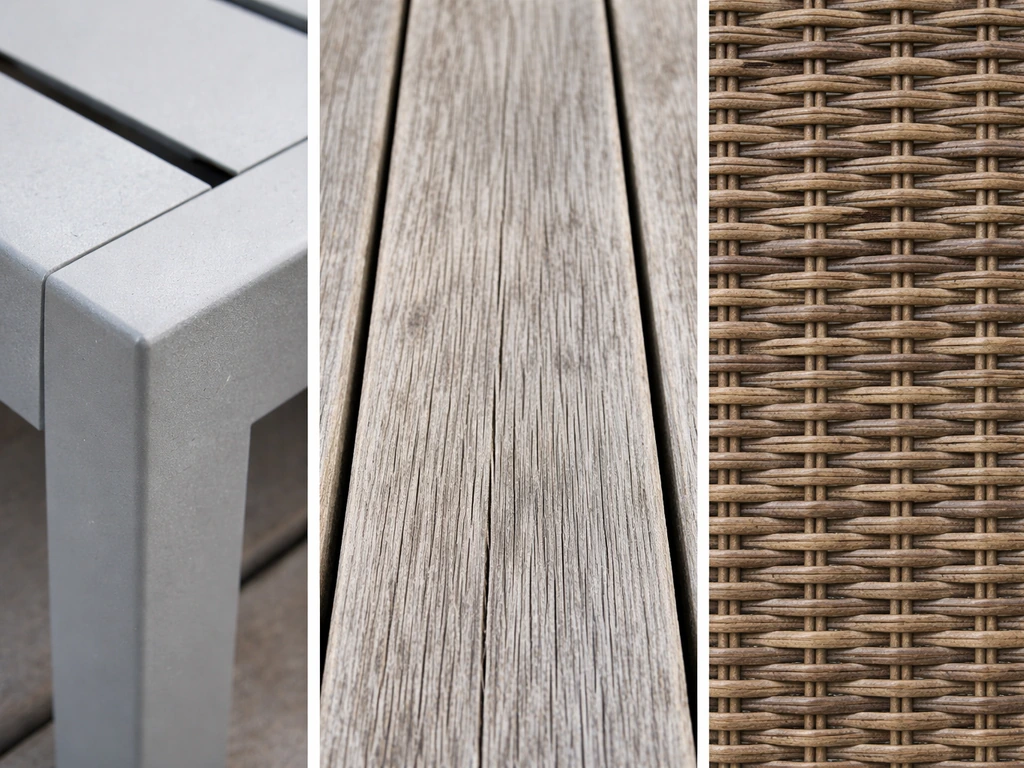
Different materials fail in different ways, and matching the repair approach to the material is where most homeowners go wrong. Here's what actually works for the most common outdoor furniture materials.
Aluminum
Aluminum doesn't rust, but it does oxidize, pit, and develop a chalky white haze. The powder-coat finish is what protects it, so when that finish cracks, blisters, or peels (which better brands like Telescope cover under warranty for structural frame issues and finish defects), the bare aluminum underneath starts to degrade. DIY fix for surface oxidation: wash with a mild detergent, apply an aluminum brightener or light sandpaper, then touch up with spray paint matched to the original color. For peeling or widespread finish failure, professional powder coating is the only durable solution. You cannot replicate a powder-coat finish with spray cans, period.
Wood and teak
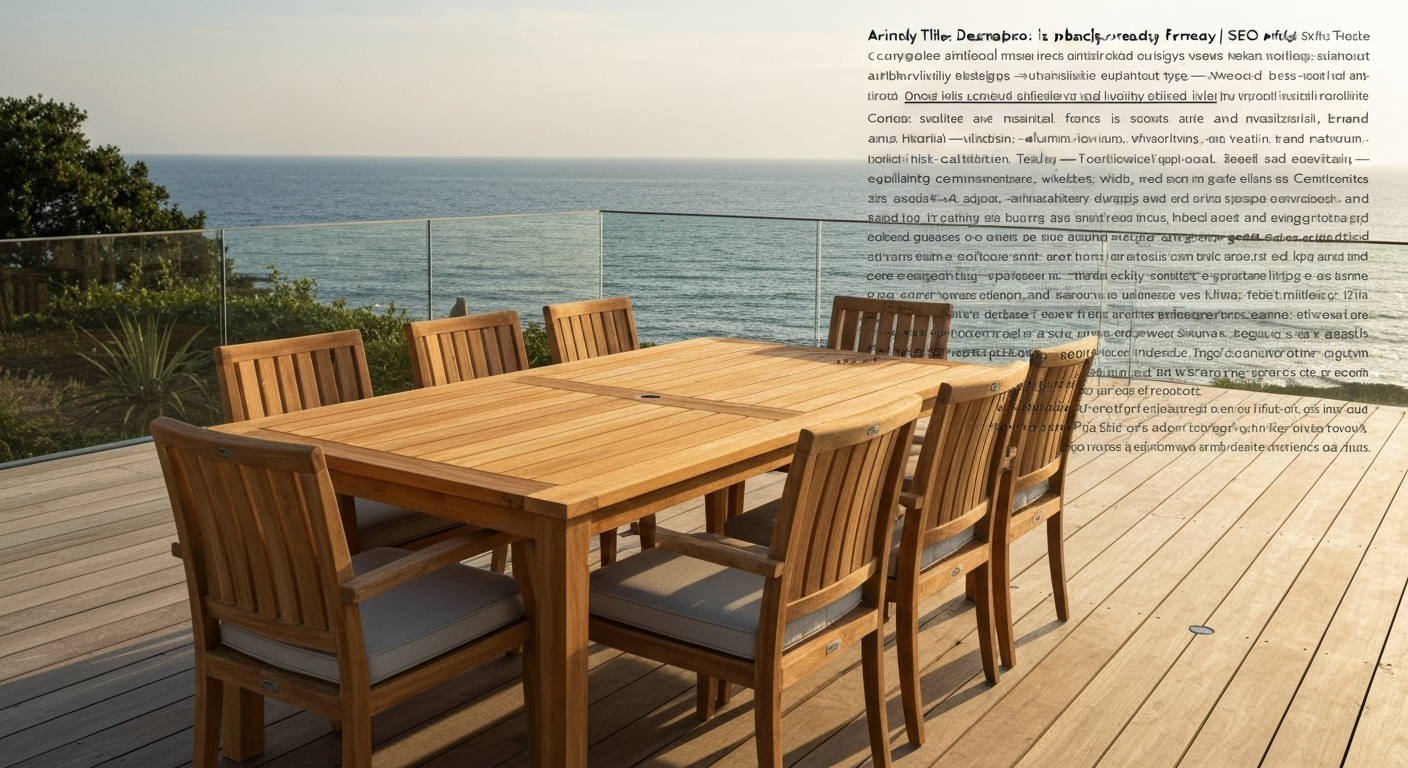
Teak is the most forgiving outdoor wood because of its natural oil content, but it still needs attention. Surface graying is normal and purely cosmetic. To restore color, use a dedicated teak cleaner followed by teak brightener, then apply a sealer or teak oil. One word of caution: some teak care guides advise against certain oil products on specific finish types, so check the manufacturer's guidance before you apply anything. Resealing frequency depends on your climate: about once a year is standard, but twice a year if you're near saltwater. For other hardwoods, sanding, restaining, and sealing is a legitimate DIY job as long as the wood isn't rotted through. Check for soft spots and probe corners of joints. Rot that's spread to load-bearing sections means replacement, not repair.
Wicker and rattan
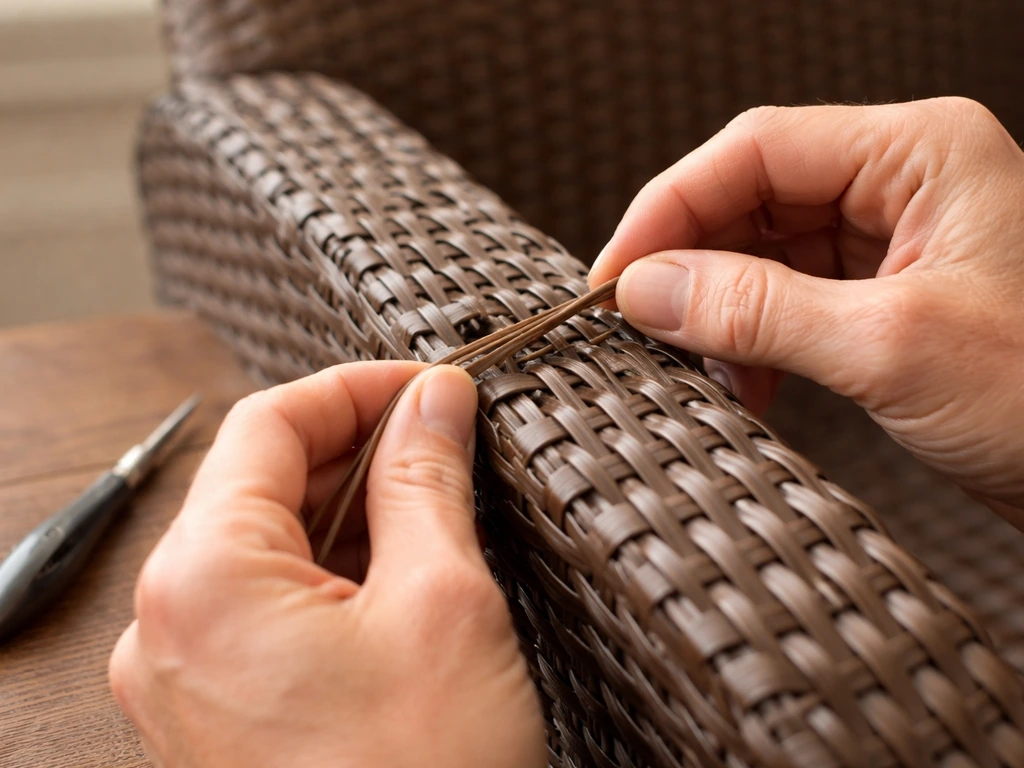
Synthetic resin wicker is far easier to repair than natural rattan. Loose or broken strands on resin wicker can be reglued or re-woven with matching replacement strands from the manufacturer or a patio supply house. Natural rattan is trickier because it can dry out, split, and lose structural integrity if improperly cleaned or stored. Large-area rewrapping on either type is a pro job. Refinishing wicker (strip, prime, repaint) runs around $800 for a small table-and-chairs set when done professionally. DIY repainting of synthetic wicker is doable with the right spray technique and adhesion primer, but natural rattan should almost always go to a pro for anything beyond touch-up work.
Cast iron
Cast iron is heavy, durable, and almost never needs replacing unless it physically cracks or breaks. Surface rust is its main enemy. The good news is that even heavy rust can be treated: wire brush to bare metal, apply a zinc-rich epoxy primer (products like SteelKote 829 or Logic DP+ are designed for exactly this type of corrosion control on metal surfaces), then topcoat with an oil-based enamel. A cracked or shattered cast iron section is a different story. Standard MIG welding doesn't bond reliably to cast iron, and brazing or specialized cast iron welding is a specialized pro repair. Don't try to JB Weld a structural leg and call it safe.
Steel (tubular and wrought)
Steel is the most rust-prone of the common frame materials and requires consistent maintenance. Surface rust: grind or sand to bare metal, apply a zinc-rich primer, then topcoat. Rust that has eaten through the wall of a hollow tube means the structural integrity is gone, and the piece needs professional evaluation or replacement. Wrought iron (which is actually low-carbon steel in most modern furniture) repairs similarly to cast iron for surface issues, but welds much more predictably for structural repairs. If you are not sure whether your frame is wrought iron or another steel type, use a quick guide on how to identify wrought iron patio furniture before you choose a repair method.
Cushions and fabric
Outdoor cushions take the most abuse from UV exposure and moisture. Mold and mildew on cushion covers is almost always DIY-fixable with a diluted bleach or oxygen cleaner solution, good scrubbing, and thorough sun-drying. Zipper-closure covers can often be removed, machine-washed, and re-used. When the foam core is waterlogged and no longer bounces back, replace the foam insert, not the whole cushion. When the fabric is beyond cleaning or torn, reupholstery runs $75 to $400 per piece depending on fabric grade. UV rays and cleaning frequency are the biggest lifespan factors for cushion fabric, so choosing a quality Sunbrella-type outdoor fabric at replacement time extends the life significantly.
Common problem fixes
Rust and corrosion
Catch rust early and it's a one-afternoon DIY fix. Let it go two or three seasons and you're looking at professional refinishing or frame replacement. For spot rust on steel or cast iron: sand to bare metal with 80-grit, wipe clean, apply a rust converter or zinc-rich epoxy primer, let cure fully, then topcoat with an exterior enamel. On aluminum, pitting that looks like rust is actually oxidation: treat with an aluminum-safe cleaner, don't use steel wool (it embeds particles that cause actual rust), and protect with a clear coat or new paint.
Loose joints and wobbly frames
Loose bolted joints are easy: re-tighten with the correct wrench size, add a thread-locking compound if the bolt keeps backing out, and check the washer and nut condition while you're in there. Loose glued or press-fit joints on wood are more work: clean out old adhesive, reapply exterior-grade wood glue, clamp for 24 hours, then reinforce with a stainless corner bracket if the joint takes heavy load. Loose welded joints mean a weld has cracked or separated, and that's a structural repair that belongs with a pro welder. Don't patch a failed weld with epoxy and consider it done.
Broken slats
Wood slats are the easiest to replace: source matching lumber (teak, eucalyptus, or whatever species you're working with), cut to length, sand smooth, pre-drill for screws, and seal before installation. Aluminum slats on tables or chairs sometimes require the same profile extrusion, which may only be available from the original manufacturer. If your set is from a brand that still makes replacement parts, call them directly. If not, a local metal fabricator can often cut matching profiles. Plastic or resin slats can sometimes be sourced from patio parts suppliers online.
Sling sag and torn straps
A saggy sling on an aluminum sling chair is the most common patio furniture complaint. The sling fabric stretches over time with UV exposure, and replacement is the only real fix (tensioning a stretched sling never holds). Replacement involves measuring the sling (height, width, and critically the spline size that fits into the sling rail channel), ordering custom-cut fabric to match, trimming and seating new spline, and reseating the fabric into the rail. This is a doable DIY project if you're patient and precise, but the measurement step is where most people go wrong. A single off measurement means the sling either won't seat or will sag again immediately. For vinyl strap furniture, replacement involves removing old straps (usually riveted or e-clipped), ordering matching straps by width and stretch ratio, and reinstalling with the correct hardware. This is also a good time to repaint the frame if needed, since the straps have to come off anyway.
Mold and mildew
Mold on patio furniture is common in humid climates and after covers trap moisture. On hard surfaces (aluminum, resin, sealed wood), a solution of one cup bleach per gallon of water, scrubbed with a stiff brush and rinsed thoroughly, handles most mold. On cushion fabric, use an oxygen-based cleaner to avoid bleaching out color. Always wear an N95 respirator, gloves, and eye protection when cleaning heavy mold growth. The CDC and OSHA both specifically recommend N95-rated respiratory protection for mold cleanup work, and that advice applies even for outdoor furniture in a well-ventilated space. Make sure the area is ventilated, rinse completely, and let pieces dry in direct sun before reassembling or storing.
Finding and vetting the right repair pro
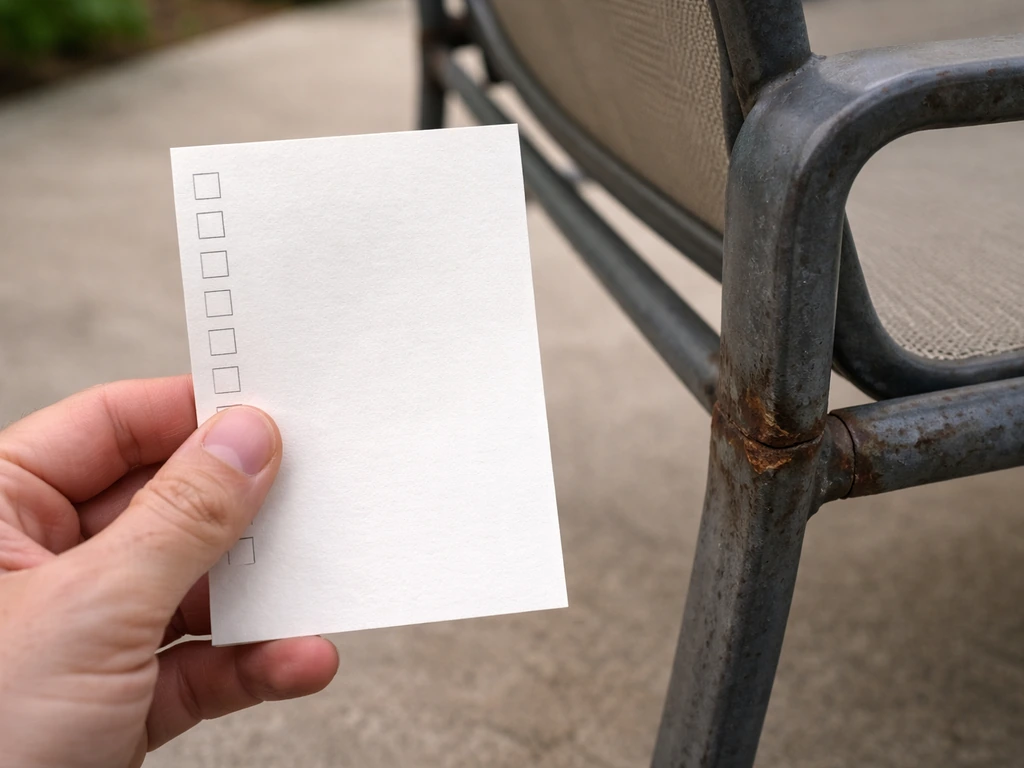
Finding a good patio furniture repair pro takes more than a Google search. If you want garden treasures patio furniture repaired or restored, look for a pro who offers material-matched sling, fabric, or powder-coat work. If you're trying to figure out who makes HalMuz patio furniture, the same vetting step helps you identify the right manufacturer support and parts availability. The category spans upholsterers, metal fabricators, powder-coat shops, and handymen with varying skill levels. Here's a step-by-step process that actually filters for quality. When hiring a contractor, Angi advises verifying the contractor’s license, insurance, and experience, and also requesting a Certificate of Insurance (COI) and asking about written warranty terms verify a contractor’s license, insurance, and experience.
- Search specifically, not generically. Search for 'patio furniture sling replacement,' 'outdoor furniture refinishing,' or 'powder coat furniture' in your area rather than just 'patio furniture repair.' More specific searches surface specialists, not general handymen.
- Use multiple platforms. HomeAdvisor, Angi, and local Facebook groups all surface different providers. Cross-reference reviews across platforms rather than relying on one.
- Ask for material-specific experience. A pro who refinishes wood furniture all day isn't necessarily qualified to rethread sling channels or handle cast iron welding. Ask specifically: 'Have you done sling replacement on [brand] chairs?' or 'How many powder-coat refinishing jobs have you done on aluminum frames?'
- Request before-and-after photos of comparable jobs. Not stock images, not a general portfolio. Ask for photos of the same type of repair on the same material you need. Any legitimate pro has these.
- Verify licensing and insurance. Ask for a Certificate of Insurance (COI) that covers both general liability and workers' compensation. Don't accept verbal assurances. Get the document and verify it's current.
- Get itemized written estimates from at least two providers. The estimate should list labor, materials, and any subcontracted work separately. A vague 'flat rate' quote with no breakdown is a red flag.
- Ask about warranties explicitly. What's covered? For how long? Does it cover both labor and parts? Get the warranty terms in writing, not just a handshake. A reputable pro stands behind the work for at least 90 days on labor.
- Ask for local references. Not online reviews, but actual customers you can call. A pro who works regularly in your area should have two or three local customers willing to speak to their experience.
- Confirm parts sourcing. Ask how they source replacement slings, straps, or fabric. A pro who orders generic parts instead of manufacturer-matched components produces a lower-quality result. This matters especially for branded furniture with proprietary hardware.
- Never pay in full upfront. A standard payment structure is a deposit (25 to 50 percent) to cover materials, with the balance due on completion.
If you're evaluating a shop that also does quality interior furniture repair alongside outdoor work, that breadth of experience is often a good sign: it means they have real upholstery and refinishing skills, not just a spray can and a website. Working with a shop that offers quality interiors & patio furniture repair can also improve your results when you need reupholstery, refinishing, or specialty maintenance. The reverse isn't always true, so still ask the material-specific questions.
Maintenance plan to prevent repeat damage
The single biggest mistake homeowners make after spending money on repair is going back to the same habits that caused the damage. A realistic maintenance calendar based on your climate prevents most of the common failure modes.
Cleaning schedule
- Monthly during use season: wipe down frames with mild soap and water. Don't let bird droppings or salt air residue sit.
- After rain or heavy use: rinse sling and strap furniture to clear debris from rail channels where moisture collects.
- End of season: deep clean all frames, cushions, and fabric before storage. Mold that isn't cleaned before storage blooms aggressively over winter.
- Cushion covers: wash or spot-clean every few weeks in humid climates. Remove covers and wash separately if they're zipper-equipped.
Sealing and weatherproofing
Teak and hardwood furniture should be resealed approximately once per year in most climates and twice per year near saltwater or in consistently wet environments. Store new teak cushions separately from the furniture for the first year to avoid oil staining as the wood cures. For steel and cast iron, inspect the paint and primer layer annually. Any chips, scratches, or rust bubbles should be touched up immediately, before the next wet season, not after. Aluminum frames in good condition need only a periodic wax or clear-coat application to protect the finish. Powder-coated aluminum that is chipping needs professional attention, not touch-up spray.
Storage and cover strategy
Covers trap moisture if they're not breathable or if they're put on wet furniture. Use breathable outdoor furniture covers, not tarps, and always let furniture dry fully before covering. Follow these fdw patio furniture instructions when you store, clean, and reassemble your pieces each season to help prevent repeat damage. In climates with hard freezes, bring cushions and slings indoors entirely, because freeze-thaw cycles crack vinyl straps and degrade sling fabric faster than anything else. Metal frames that stay outside in freezing climates should be inspected for new rust spots each spring before the season starts. If you're in a coastal or high-humidity region, every single metal fastener (screws, bolts, rivets) should be stainless steel. Swapping out zinc or steel hardware with stainless when you do repairs is cheap insurance against accelerated corrosion at joint points.
Annual inspection checklist
- Check all bolts and screws: tighten anything that has loosened over the season
- Inspect welds and joints on metal frames for cracks or separation
- Look for rust bubbles under paint on steel and cast iron pieces
- Check sling fabric and vinyl straps for UV cracking, tears, or significant stretching
- Inspect cushion covers for mold, fabric wear, or zipper failure
- Assess powder-coat finish on aluminum for peeling, chalking, or chipping
- Check wood pieces for soft spots, checking (surface cracks), or graying that indicates the sealer has worn off
- Look at foot glides and caps on chair and table legs: these protect both the frame and your patio surface and are cheap to replace
The furniture that lasts 15 to 20 years isn't necessarily the most expensive set: it's the set that gets a few hours of attention each season. A $1,200 aluminum set with annual maintenance will outlast a $2,000 set that gets ignored until something breaks catastrophically. Budget the time, not just the money, and most patio furniture repair pros will tell you the same thing.
FAQ
What should I ask a patio furniture repair pro before I approve a quote?
Ask for a written scope that lists the specific parts they will replace (for example, sling fabric plus spline, straps plus rivets, cushion foam insert) and what they will keep. Also ask whether pricing includes sand prep, corrosion treatment, and topcoat or powder-coat, because many quotes look cheap until finishing steps are added.
How do I decide what kind of pro I actually need for my patio furniture repair?
Choose based on the repair type, not just the brand they advertise. Powder coating is a specialty process, sling and strap work needs accurate measurements and matching materials, and metal structural repair requires proven welding on the specific frame material (aluminum weld vs cast iron brazing, for example).
How can I tell if a pro can match my sling, straps, or fabric correctly?
A good pro will tell you whether they can match your existing parts or whether you need custom sizing. If they cannot match the spline size, strap width, or fabric grade, expect either a shortened lifespan or a repeat sagging issue, so confirm material compatibility before work starts.
Is it worth repairing aluminum if the powder coat is peeling, or should I just refinish it myself?
If the frame is sound but the finish is failing, prioritize durable finishing work. For aluminum with peeling powder coat, DIY paint touch-ups usually fade and do not bond like a proper powder coating, so for widespread failure, insist on professional powder coating instead of localized spray paint.
What should I know about mold removal and preventing it from coming back after repair?
For any job involving mold, confirm they will let everything dry completely before reassembling. If they re-wrap or reattach fabric over damp components, you can trap moisture and get repeat mildew quickly, even if the visible growth is gone.
Should I upgrade hardware to stainless steel when my furniture is getting repaired?
Get confirmation on hardware choices, especially in coastal areas or places with winter salt. Upgrading to stainless steel screws, bolts, rivets, and washers at repair time is a high-impact way to prevent fasteners from corroding again at joints.
When a chair or table joint is loose, when is it a DIY fix versus a job for a welder?
Do not treat loose or cracked structural joints as cosmetic. If a weld has separated or a load-bearing piece is cracked, expect a pro welder or cast-iron specialist, because adhesives and general epoxies are not a substitute for structural integrity.
What questions should I ask if my furniture needs cast iron welding or crack repair?
If they are offering “weld repair” for cast iron, ask what process they use (cast-iron brazing or specialized cast iron welding) and whether they have experience with your specific crack type. Standard MIG welding guidance is different for cast iron, so you want the right method to avoid brittle failure later.
Why does my prior cleaning or staining matter for a furniture repair pro?
Tell the pro your cleaning history and finish type (for example, whether you used oil, brightener, or sealers on wood or whether the aluminum was ever sanded). Prior products can interfere with adhesion, especially for refinishing and powder coat, so disclosure helps them prep correctly.
Can I lower costs by doing some prep work myself before hiring a pro?
Yes, but only if you keep it accurate and consistent with the repair plan. If you DIY prep without damaging parts, you can often save shop labor on cleaning or hardware removal, but do not sand structural areas aggressively or remove rust to the wrong depth before the corrosion system is applied.
What’s the most common reason sling replacement fails and how do I prevent it?
For sling replacement, the key decision is spline size and rail channel fit, not just overall chair dimensions. Many repeat sagging problems happen from measurement error, so ask the pro how they measure and whether they verify spline fit on the rail before ordering or installing.
After the repair, what maintenance schedule should I follow to avoid needing it again next season?
Request an expected maintenance interval in writing. A sealed wood or teak schedule, touch-up plan for steel rust bubbles, and an inspection cadence for fasteners helps you prevent the same failure mode that triggered the repair.
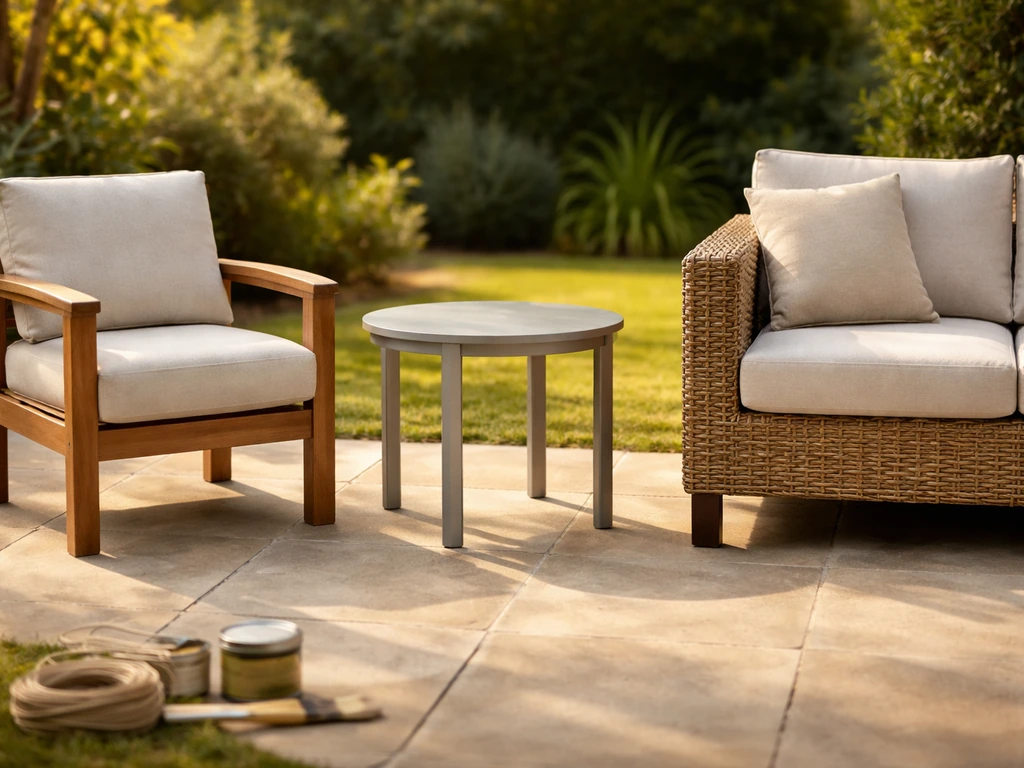
Step-by-step quality patio furniture repair for wood, aluminum, wicker, teak, cast iron plus cushions, fixes and lasting
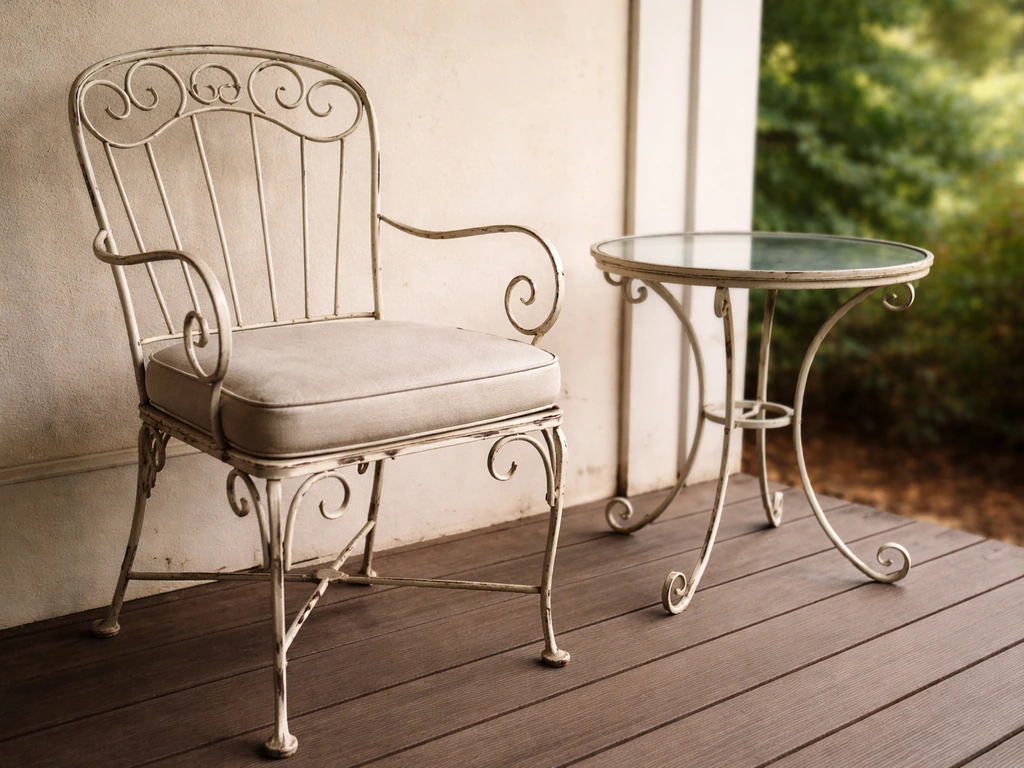
Step-by-step checklist to verify vintage Woodard patio sets using stamps, design cues, materials, and maker marks.
Is teak patio furniture good? Evidence-based verdict, lifespan, care, buying tips, comparisons, and eco guidance.