
Allen + Roth patio furniture is made and sold exclusively through Lowe's. It is a Lowe's private label, trademarked under LF, LLC, a Lowe's subsidiary registered at 1000 Lowe's Boulevard, Mooresville, NC. That means Lowe's owns the brand, controls what goes under it, and sources the actual furniture from multiple third-party manufacturers, most of them overseas. There is no single factory that makes every Allen + Roth piece. If you’re also wondering who makes Garden Treasures patio furniture, see our guide on who makes Garden Treasures patio furniture. The manufacturer behind any given set depends entirely on the SKU, the season it was produced, and which supplier Lowe's contracted that year.
Who Makes Allen + Roth Patio Furniture, Owner, Makers & Quality

Marcus Kellerman
12 Aug 2026
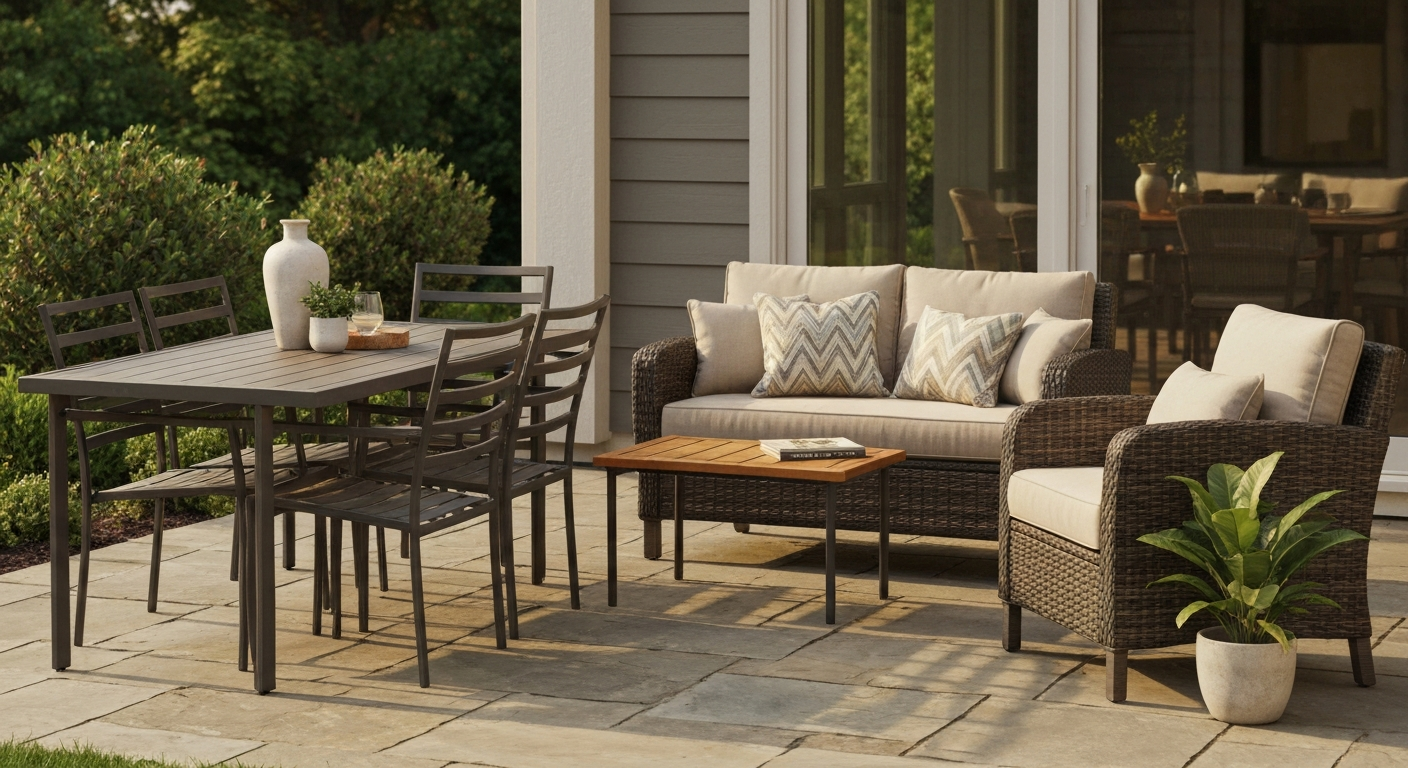
Allen + Roth is a Lowe's private label, not a furniture brand
Lowe's operates a portfolio of owned and exclusive brands across home improvement and décor categories. Allen + Roth sits within that portfolio alongside newer additions like Origin21, which Lowe's explicitly named as a complement to the existing allen + roth private brand lineup. U.S. and Canadian trademark records confirm that the ALLEN + ROTH mark is registered to LF, LLC, the entity Lowe's uses to hold private-brand intellectual property. In practical terms, this means the name on the furniture is not a manufacturer's identity. It is a retail brand that Lowe's applies to products it commissions, designs specifications for, and sells through its own stores and website.
This model is common in retail. Large home improvement and big-box stores routinely develop house brands where they set the design brief, approve materials, approve pricing, and handle customer service, while the physical production happens at contracted factories. The quality that results depends heavily on the specifications Lowe's sets for each product line and how rigorously those specs are enforced during production.
Why collections vary so much: OEM sourcing and seasonal lines
Because Allen + Roth uses an original equipment manufacturer (OEM) sourcing model, the actual maker of your patio set could be any one of several factories, most of them in China based on the country-of-origin markings that appear in product manuals and on packaging. Assembly manuals hosted on Lowes. If you own a Homall 4-piece outdoor patio set, consult the homall 4 pieces outdoor patio furniture instructions for model-specific assembly guidance and parts diagrams. com, such as the one for MODEL #MW-5165-R-HF, carry a 'Printed in China' notation, and CBP country-of-origin rules require that origin markings appear on cartons and product packaging at import. A CBP ruling (example: country‑of‑origin/carton‑marking guidance) confirms that country‑of‑origin markings on cartons or retail packaging can satisfy U.S. import marking requirements A CBP ruling (example: country‑of‑origin/carton‑marking guidance) confirms that country‑of‑origin markings on cartons or retail packaging can satisfy U.S. import marking requirements.. This is not unusual for mid-range patio furniture, but it does explain why quality, frame thickness, weld quality, and hardware can vary noticeably from one Allen + Roth collection to the next.
Seasonal rotation adds another layer of variation. Lowe's refreshes outdoor collections each spring, retiring some lines and introducing new SKUs. That means a well-reviewed set from 2023 may not be available in 2026, and the 2026 replacement may come from a different factory with different tolerances. If you are comparing notes with a friend about their Allen + Roth experience, the year of purchase matters almost as much as the collection name.
How to identify the specific maker or model of your Allen + Roth set
Lowe's does not publish a public list of the factories it uses for private-label products. For readers wondering who makes HalMuz patio furniture, see our guide on who makes HalMuz patio furniture for tracing private‑label manufacturers and identifying specific OEMs. However, you can get close to confirming the origin and sourcing chain through a combination of physical markings on the furniture, product documentation, and online resources. Here is the approach I recommend working through in order. For guidance on identifying older metal patio makers, see how to identify vintage Woodard patio furniture.
Where to look on the furniture itself
- Frame tags or stickers: Check the underside of seat frames, the inside of table aprons, and the backs of chair legs. Tags often list the model number, a part code, country of origin, and sometimes an importer name.
- Stamped or etched marks: On cast aluminum or steel frames, look for stamped codes near weld points or on the underside of cross members. These are typically internal part codes rather than factory names, but they match back to the parts lists in the assembly manual.
- Hardware markings: Bolts, brackets, and hinge plates occasionally carry a manufacturer logo or country-of-origin stamp. On Chinese-manufactured furniture these are often unmarked, but it is worth checking.
- Cushion labels: Sewn-in fabric labels on cushions list the fabric brand (such as Sunbrella or STAINMASTER), fill material, care instructions, and sometimes a vendor code. If the cushion uses Sunbrella fabric, that fabric is made by Glen Raven and carries its own separate warranty regardless of who assembled the cushion.
- Packaging and shipping carton: If you still have the original carton, check all six sides. CBP rules require country-of-origin marking on the outermost container. Import or distributor names sometimes appear on inner flaps.
Using online resources to confirm maker or model
The model number on the tag is your most reliable starting point. Enter it directly on Lowes.com's search bar or in the model/item number field in Lowe's product finder. Product pages for Allen + Roth patio sets typically publish the full model code (examples follow internal formats like MW-XXXX), the item number, and a list of included components. The product page also links to downloadable assembly manuals in PDF format, which include exploded-parts diagrams and part codes that match the stamps on the hardware. These manuals are critical for ordering replacement parts.
- Lowe's product page and item number: Search the item number (a five- or six-digit code on the receipt or tag) on Lowes.com. This page lists exact materials, finish descriptions, cushion fabric specs, and links to the warranty document.
- UPC/barcode lookup: The GS1 Verified by GS1 database (gs1.org) lets you enter a product's UPC barcode and return the brand owner associated with the GS1 company prefix. This confirms the brand owner (Lowe's/LF, LLC) but will not typically reveal the manufacturer.
- Assembly manual PDFs: Manuals hosted on Lowes.com contain the model number, all part codes, and a replacement-parts contact. The warranty and parts support contact for Allen + Roth is 1-866-439-9800 or [email protected], routed through Lowe's Parts/PartsPlus team.
- Reverse image search: If you have photos of the set, running a reverse image search through Google Images or Bing can surface identical furniture sold under other brand names or through other retailers, which can indicate the OEM source factory.
- Third-party patio forums and enthusiast communities: Sites and forums where homeowners post photos and model numbers often have threads where the same frame mold shows up under multiple brand names, helping identify the likely OEM.
Materials and construction you will actually find under the Allen + Roth name
Allen + Roth patio lines have used several material combinations over the years. The most current and widely available collections at the time of writing lean on aluminum frames, powder-coated steel, resin wicker wrapping, and polyester or solution-dyed acrylic cushion fabric. If you need help identifying whether a set is wrought iron rather than steel or aluminum, see our guide on how to identify wrought iron patio furniture. Here is what each of those materials actually means in practice.
| Material | Common use in Allen + Roth | Typical quality level | Watch out for |
|---|---|---|---|
| Aluminum frame (extruded) | Conversation sets, dining frames | Mid-range; wall thickness varies by SKU | Thin-wall extrusions flex under load; check welds at joints |
| Powder-coated steel | Accent pieces, some dining frames | Economy to mid-range | Steel rusts if coating chips; check edges and welds after first season |
| Resin wicker (HDPE or PVC) | Conversation set wrapping, accent chairs | Mid-range; HDPE outlasts PVC | UV fade over 3-5 years on cheaper PVC; HDPE holds color longer |
| Hardwood accents (eucalyptus, acacia) | Tabletops, armrests on some sets | Mid-range; FSC certification varies by SKU | Needs annual oiling; acacia can crack in low-humidity climates |
| Polyester cushion fabric | Entry-level collections | Low to mid-range | Fades and mildews faster than solution-dyed acrylic |
| Sunbrella / STAINMASTER cushion fabric | Premium Allen + Roth lines | Good; fabric carries 5-year limited warranty | Cushion fill and sewing quality varies; inspect seams at purchase |
The aluminum-frame lines are generally the most durable option in the Allen + Roth catalog. Aluminum does not rust, which matters a great deal if you live in a humid coastal climate. The powder-coat finish is the vulnerability, and quality varies by SKU. Better sets use a conversion pretreatment under the topcoat (similar to what ASTM B117 salt-spray testing measures), while budget lines may skip that step. Lowe's does not publish salt-spray hours or Qualicoat ratings for Allen + Roth, so you are relying on price tier and customer reviews as proxies.
Durability and climate suitability: what holds up where
Where you live should drive which Allen + Roth material type you choose, and honestly, whether you choose Allen + Roth at all for demanding climates. Here is my honest read on each common construction type by region.
| Climate type | Best Allen + Roth material | Expected frame lifespan | Main durability concern |
|---|---|---|---|
| Coastal/salt air (e.g., Gulf Coast, Pacific coast) | Aluminum frame with HDPE wicker | 5-8 years with maintenance | Powder coat degradation; salt accelerates paint failure on steel |
| Hot/high UV (e.g., Southwest, Florida sun) | Aluminum frame; HDPE wicker; Sunbrella cushions | 6-10 years | Resin wicker and polyester cushions fade or become brittle faster |
| Humid subtropical (e.g., Southeast US) | Aluminum frame; avoid wood accents | 6-10 years | Wood joints absorb moisture; resin wicker resists humidity well |
| Dry/high-altitude (e.g., Mountain West) | Aluminum or hardwood accents work well | 8-12 years | Wood can crack in dry winters without seasonal oiling |
| Cold-winter regions (freeze-thaw cycles) | Aluminum frame; store cushions | 8-12 years | Powder coat can crack with freeze-thaw if pretreatment is inadequate |
| Temperate/mild (e.g., Pacific Northwest, mid-Atlantic) | Most Allen + Roth materials acceptable | 7-12 years | Mildew on cushions; keep covered or store off-season |
For genuinely harsh coastal environments, I would push back on relying on any entry-to-mid-range private-label brand, including Allen + Roth, without being very selective about the specific SKU. Marine-grade or cast aluminum with verified corrosion-resistance coatings, or HDPE poly lumber frames, consistently outlast powder-coated extruded aluminum in high-salt exposure. Industry guides and manufacturer technical pages note that reputable outdoor frames use marine‑grade or cast aluminum (with specified alloy and wall thickness), HDPE/poly lumber, or teak for longevity, and that premium cushions use solution‑dyed acrylic such as Sunbrella in coastal or high‑UV climates reputable outdoor frames use marine‑grade or cast aluminum (alloy and wall thickness specified), HDPE/poly (recycled poly lumber) or teak for long life; premium cushions use solution‑dyed acrylic (Sunbrella). If you are set on Allen + Roth for a coastal property, choose the all-aluminum collections, avoid steel or wood accents, and plan for a more aggressive maintenance schedule.
Maintenance and care for each material type
Most Allen + Roth sets will last longer than their sticker price implies if you maintain them properly. The majority of premature failures I see come from neglected cushions, ignored rust spots on powder-coated steel, or wood accents that dried out and cracked. Here is the practical maintenance routine by material.
Aluminum and powder-coated steel frames
- Wash frames twice a year with mild dish soap and water; rinse thoroughly to remove soap residue that can trap moisture.
- Inspect the powder coat each spring for chips, cracks, or bubbling. Catch chips early and touch up with matching powder-coat spray paint to prevent rust initiation on steel frames.
- On aluminum frames, look for white oxidation at joint welds. Light oxidation wipes off; heavy oxidation at welds signals moisture infiltration and structural concern.
- Apply a thin coat of carnauba wax or automotive paste wax to powder-coated surfaces annually to slow UV degradation of the finish.
- In coastal environments, hose down aluminum frames monthly to remove salt deposits.
Resin wicker (HDPE and PVC)
- Brush loose debris from wicker weave with a soft-bristle brush, then wash with mild soap and warm water.
- Avoid pressure washing directly into the weave at close range; it can loosen the wicker strands from the frame attachment points.
- For UV protection, apply a UV-protectant spray designed for plastics once per season, particularly on PVC wicker in high-UV regions.
- Check the wicker attachment points at the frame each spring. Loose or fraying ends can be re-secured with furniture epoxy or UV-resistant zip ties as a temporary fix.
Hardwood accents (acacia, eucalyptus)
- Apply teak or hardwood oil at the start and end of each outdoor season. In dry climates, add a mid-season application.
- Sand lightly with 220-grit sandpaper before oiling if the wood has greyed or roughened over winter.
- Never leave hardwood tabletops standing in pooled water; use furniture feet or pads to allow drainage.
- In humid climates, allow wood to dry fully before covering with a furniture cover, as trapped moisture accelerates mold and rot.
Cushion and fabric care
If your Allen + Roth set came with Sunbrella fabric cushions, you have a meaningful advantage. Sunbrella, made by Glen Raven, uses solution-dyed acrylic that resists fading, mildew, and staining far better than polyester. Glen Raven's published care procedure for Sunbrella is straightforward: brush off loose dirt, hand wash with a mild soap solution (they specifically allow 1/4 cup of bleach per gallon of water for mildew), rinse completely, and air dry. The fabric carries a multi-year limited warranty from Glen Raven, separate from the Allen + Roth furniture warranty.
- Store cushions indoors or in a weather-resistant storage box during extended wet periods or winter months.
- Stand cushions on edge when wet to allow full drainage and airflow; laying flat traps moisture in the fill.
- For polyester cushion covers, wash on a gentle cycle and air dry. Avoid the dryer, which degrades both the fabric and the foam fill faster.
- Inspect zippers and seams each season. Failed seams on mid-range cushions let in water that saturates the fill and promotes mildew.
Warranty, parts, and repair
Allen + Roth warranty claims and parts requests are handled entirely by Lowe's. There is no separate manufacturer support line because, as explained above, there is no single manufacturer. The contact for replacement parts and warranty service is Lowe's Parts/PartsPlus team at 1-866-439-9800 or [email protected]. Have your model number (from the tag or the product page) and item number (from your receipt or Lowes.com) ready before you call. The assembly manual, downloadable from Lowes.com under the product listing, contains the exploded-parts diagram and individual part codes you will need to order specific components.
For older Allen + Roth sets where the original SKU has been discontinued, parts availability drops sharply. Lowe's typically maintains parts support for a limited period after a line is retired. If you find yourself with a discontinued model that needs structural repair such as a cracked weld, stripped hardware, or a broken frame section, a qualified furniture repair professional can often fabricate or source compatible hardware. For help finding local experts who can handle frame repairs and parts fabrication, see patio furniture repair pros. For trusted local service, consider contacting quality interiors & patio furniture repair for professional fabrication and parts sourcing. General repair guidance and when to call a pro are topics covered in depth elsewhere on this site for those dealing with older pieces.
Realistic quality positioning and cost-versus-longevity
Allen + Roth patio furniture generally sits in the value-to-mid-range tier. A typical conversation set runs between $300 and $1,200 depending on size and material. That is below what you would pay for commercial-grade aluminum or FSC-certified teak, but above the absolute lowest-end imported sets. The honest lifespan for a well-maintained aluminum Allen + Roth set in a moderate climate is roughly 7 to 10 years. In a punishing coastal or high-UV environment, plan on 5 to 7 years. Divide the purchase price by expected years to get your cost-per-year framing. A $600 aluminum conversation set that lasts 8 years costs about $75 per year. A $2,400 commercial-grade set lasting 20 years costs $120 per year but typically requires far less maintenance and holds its structural integrity better.
For buyers who want more predictable quality and do not want to investigate SKU-by-SKU sourcing, brands that publish material specifications, coating test data, and use named manufacturing partners offer more accountability. Brown Jordan, Telescope Casual, and Woodard in the premium tier, and Polywood (HDPE poly lumber) at a more accessible price point, all give buyers a clearer picture of what they are actually buying. If you are drawn to the mid-range price point but want better material traceability, Polywood is worth serious consideration because every piece is made from high-density polyethylene in the US and comes with a 20-year warranty.
Should you buy Allen + Roth patio furniture?
Allen + Roth is a reasonable choice for buyers in moderate climates who want a complete patio set at a mid-range price, are comfortable doing some seasonal maintenance, and are buying from a retailer with accessible parts support. It is not the right choice if you want to know exactly who made your furniture, need maximum corrosion resistance without extra maintenance, live in a high-salt or extreme climate, or are buying for a commercial or high-use setting. For those situations, investing in a brand that publishes material specs and stands behind a named warranty from an actual manufacturer makes more sense over the full ownership period. The private-label sourcing model works fine for many buyers, but going in with eyes open about what it means for consistency and parts longevity makes you a better-prepared owner.
FAQ
Who owns the Allen + Roth brand and who makes Allen + Roth patio furniture?
Allen + Roth is a private‑label/home décor brand owned and managed by Lowe’s (trademark filings show LF, LLC at Lowe’s address as the owner). Lowe’s sources Allen + Roth patio furniture from multiple third‑party manufacturers and suppliers rather than producing everything in a single factory; many Allen + Roth items and their documentation are manufactured or printed overseas for specific SKUs.
Why doesn’t a single manufacturer’s name appear on every Allen + Roth piece?
Allen + Roth is a retailer label. Lowe’s contracts multiple suppliers to produce sets to its specifications. As a result, individual SKUs may come from different factories, countries, and vendors; Lowe’s controls branding, specifications, and quality requirements while suppliers supply, assemble, and ship the finished products.
How can I verify which company actually made a specific Allen + Roth patio set?
Check the product: look for tags, labels, or stickers on frame parts, cushions, or packaging that show a model number, ‘Printed in …’ markings, or manufacturer codes. Use the Lowe’s product page and the model/SKU listed there (product manuals and parts lists on Lowes.com often show model numbers). You can also: 1) check the installation manual or parts sheet (Lowes.com PDFs often list origin and part codes); 2) look up the UPC/GTIN with GS1/Verified by GS1 to find the company prefix; and 3) contact Lowe’s customer/parts support with the model number for supplier traceability.
What product documentation will help identify maker, parts and warranty info?
Product pages on Lowes.com, the downloadable installation/assembly manual, the parts list, and the Lowe’s warranty PDF for Allen + Roth are the primary documents. These commonly include model numbers, part codes, assembly diagrams, origin markings (e.g., ‘Printed in China’), warranty contact info, and replacement‑parts procedures. Lowe’s product/parts support phone and email are listed in those documents.
What materials and construction are typical under the Allen + Roth patio line?
Allen + Roth offers a range: metal frames (aluminum or powder‑coated steel), resin/wicker (PE wicker over a metal frame), hardwoods or poly/HDPE slats for tabletops, and industry‑standard outdoor cushions (sometimes using Sunbrella or STAINMASTER performance fabrics). Construction quality varies by SKU — higher‑end SKUs will use cast or marine‑grade aluminum, thicker wall sections, and UV‑stable, solution‑dyed fabrics; lower‑cost SKUs may use thinner steel or less robust wicker and lower‑grade cushions.
How durable are Allen + Roth patio pieces and how suitable are they for different climates?
Durability depends on the materials and finish specified for the SKU. Powder‑coated aluminum with good pretreatment and quality powder coat performs well in many climates; marine/coastal exposure requires heavier‑duty alloys, conversion coatings, and proven salt‑spray performance (look for ASTM B117 / Qualicoat data). Resin wicker and HDPE/poly options resist moisture and UV better than untreated wood. Cushions with solution‑dyed acrylic (Sunbrella) are best for sun and mildew resistance. Always check the specific model’s material claims and, for high‑exposure sites, request corrosion/coating test data or choose proven marine‑grade construction.
Next Articles
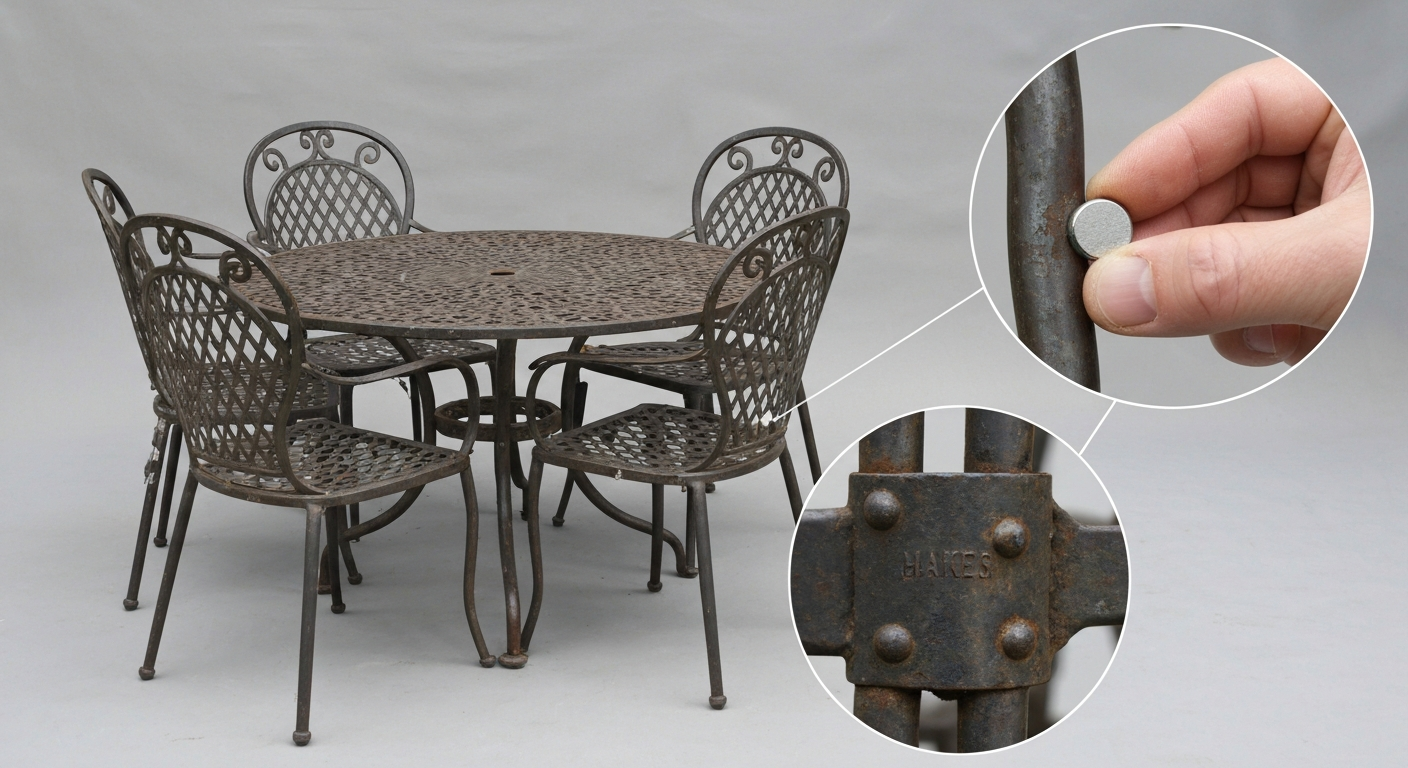
How to Identify Wrought Iron Patio Furniture: Quick Guide
How to identify wrought iron patio furniture: clear ID steps, simple tests, restoration tips & buy/restore checklist.
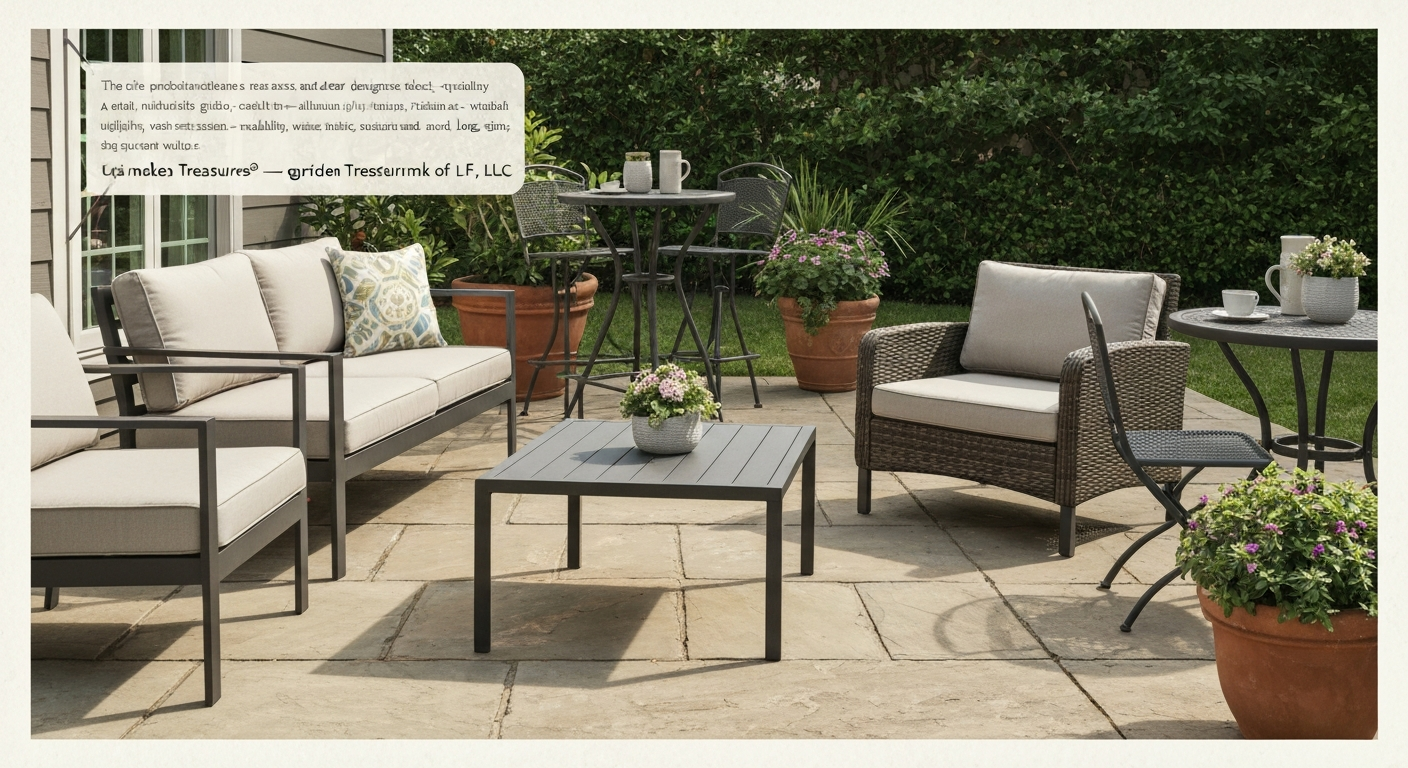
Who Makes Garden Treasures Patio Furniture: Origin & Guide
Who makes Garden Treasures patio furniture? Origin, ID checks, materials, buying & warranty tips, repairs, alternatives.
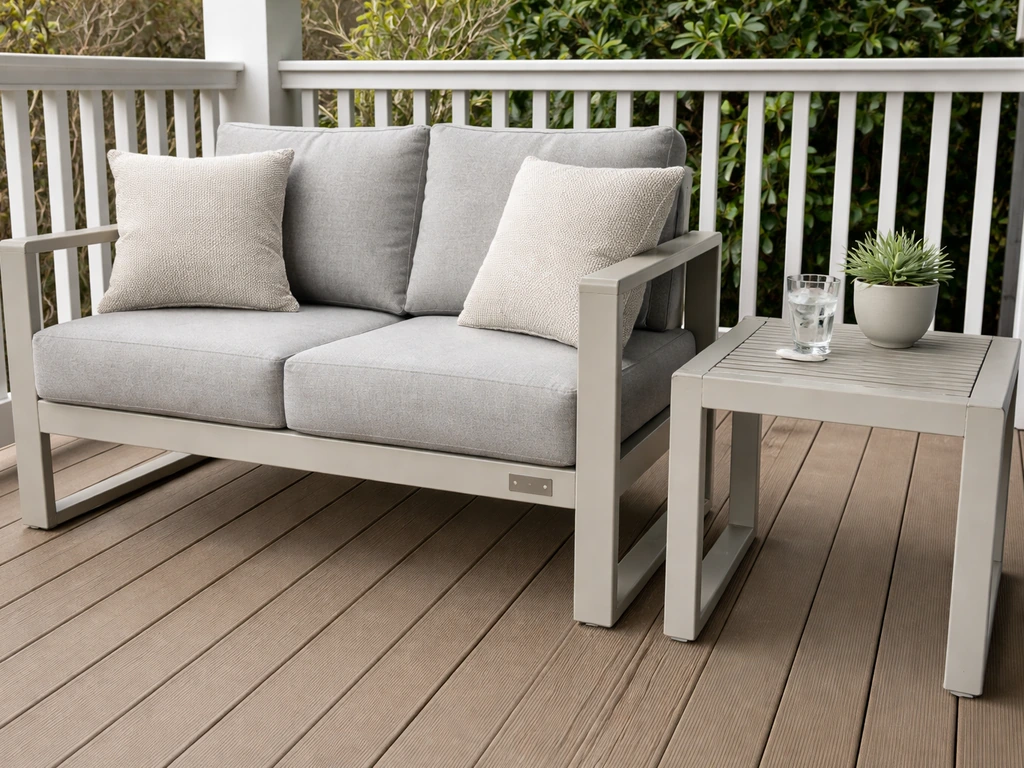
Who Makes Halmuz Patio Furniture? How to Verify the Maker
Learn how to confirm who makes Halmuz patio furniture using labels, documents, listings, and quality checks.