
If you need something that holds up to coastal salt air or years of wet winters with almost no maintenance, go with powder-coated aluminum or 316 stainless steel. If you want warmth, natural beauty, and are willing to seal or oil annually, quality teak or cedar will outlast most expectations. The real decision comes down to your climate, how much upkeep you'll actually do, and whether you're optimizing for longevity, aesthetics, or lifecycle value. This guide walks through every combination so you can make that call with confidence.
Metal vs Wood Patio Furniture: Buying, Care & Climate Tips

Marcus Kellerman
7 Aug 2026
Who this guide is for
Whether you're a homeowner replacing a weathered set, a landscape designer speccing furniture for a client's rooftop terrace, or a buyer staring at a showroom floor full of options, this comparison is built for you. I've pulled in material engineering data, USDA Forest Products Lab species classifications, coating performance specs, and field corrosion research to cut through the marketing noise. You'll come away with a clear framework for matching material to climate, a realistic picture of what maintenance actually looks like year over year, and a checklist you can take into any buying decision.
Quick verdict: best pick by common need
- Coastal or salt-air environment: powder-coated 6061 aluminum or marine-grade 316 stainless steel — both resist chloride-driven corrosion far better than raw steel or iron
- Humid subtropical / rainy climate: teak or eucalyptus with annual oil, or aluminum framing if you want zero wood maintenance
- Cold climate with snow and freeze-thaw cycles: aluminum (won't rust when bare metal is exposed by chips) or teak (dimensionally stable under moisture cycling)
- Hot, sunny, dry climate: cedar or eucalyptus for comfort and lighter weight; aluminum with UV-stable TGIC-free powder coat for color retention
- Maximum lifespan with minimal work: thick-coat powder-coated or anodized aluminum — properly finished sets routinely last 15–25+ years
- Best natural aesthetic on a budget: eucalyptus or FSC-certified plantation teak with annual oiling — lower entry price than old-growth teak
- Heavy commercial or rental use: welded tubular steel with hot-dip galvanizing under a powder coat, or cast aluminum — both handle stacking and daily abuse well
- Upgrade from a worn set: if your existing frame is solid wrought iron or solid teak, repair and refinish before replacing — lifecycle cost is almost always lower
Side-by-side at a glance
| Criterion | Aluminum | Steel (powder-coated) | Cast / Wrought Iron | Teak | Cedar | Eucalyptus |
|---|---|---|---|---|---|---|
| Durability (structural) | High — won't rust bare | High when coating intact | Very high — heavy gauge | Very high — dense hardwood | Moderate — softer (330–350 lbf Janka) | Moderate-High — species-dependent |
| Weather resistance | Excellent — alloy oxide layer | Good — depends on coating quality | Poor uncoated; moderate with finish | Excellent — high natural oil/silica | Good — extractives resist rot | Variable — specify species/grade |
| Maintenance demand | Low — clean and inspect annually | Medium — touch-up chips promptly | High — annual paint/seal | Low-Medium — oil 1–2x/year | Medium — seal or stain annually | Medium — oil annually |
| Comfort (bare contact) | Can feel cold or hot to touch | Similar to aluminum | Gets very hot in sun | Warm, smooth feel | Warm, lightweight | Warm, smooth feel |
| Aesthetics | Clean modern lines; many colors | Industrial to traditional | Classic ornate profiles | Rich golden-brown grain | Light natural grain | Similar to teak, lighter tone |
| Entry cost (typical set) | $400–$2,500+ | $300–$1,800+ | $500–$3,000+ | $800–$5,000+ | $400–$1,800+ | $350–$1,500+ |
| Expected lifespan (maintained) | 15–25+ years | 10–20 years | 20–40+ years | 20–75+ years | 10–20 years | 10–20 years |
The metals: steel, aluminum, and iron explained
Aluminum
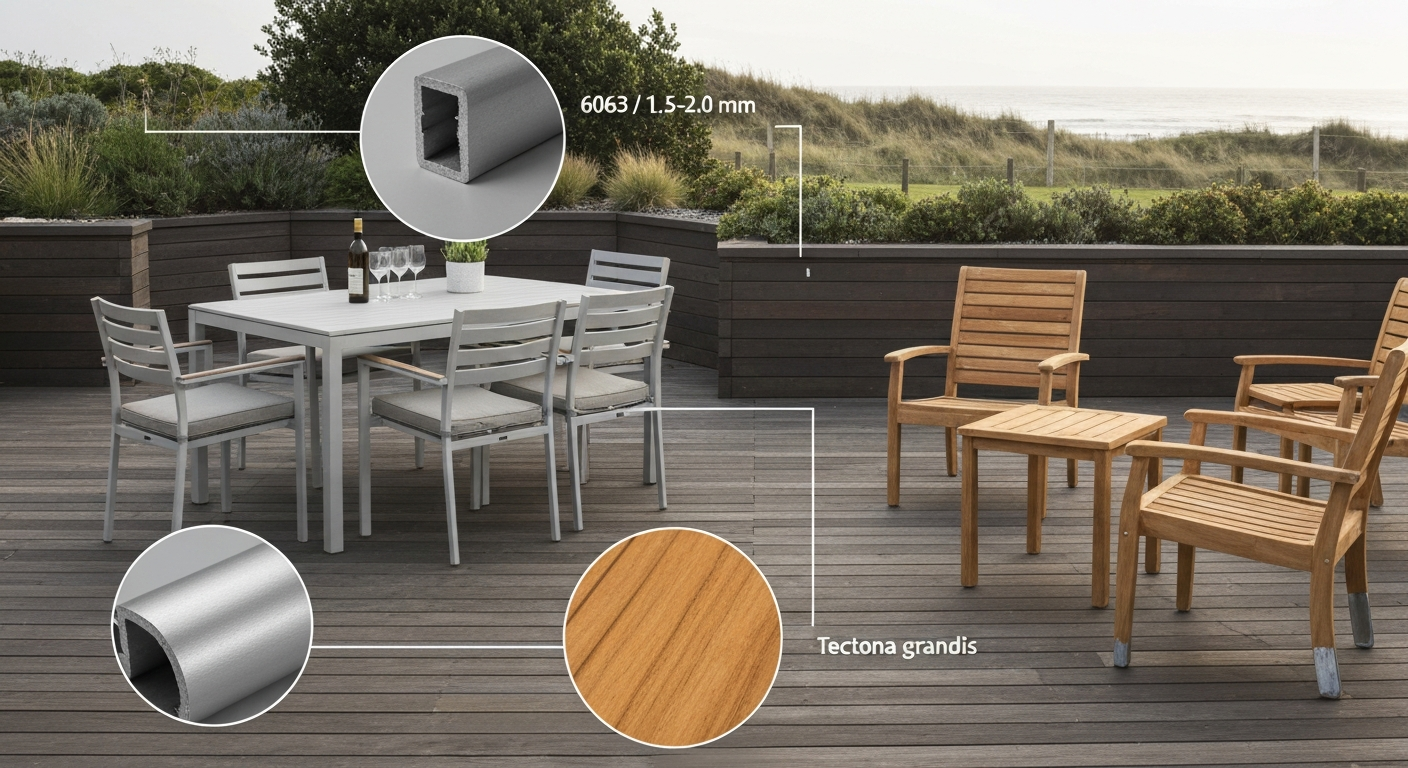
Aluminum is the most practical all-around metal for outdoor furniture. It's lightweight (density ~2.70 g/cm³), forms a self-healing aluminum oxide layer that prevents bulk corrosion, and it never rusts in the way ferrous metals do. The two alloys you'll see most often are 6061-T6 (tensile strength 290–324 MPa, used in heavier cast or structural pieces) and 6063-T6 (softer at 152–241 MPa, used extensively in extruded frames and architectural profiles). For most residential furniture, 6063-T6 extrusions are perfectly adequate, they're what you get in the majority of quality tube-frame sets. Where you're speccing something that takes real abuse, cast 6061 feet or arms add meaningful rigidity. The key quality signal isn't just the alloy: it's wall thickness on tubes (look for 1.5–2.0 mm minimum on structural members), weld quality, and the coating system applied over it.
Steel: cold-rolled and stainless
Cold-rolled carbon steel is cheaper and heavier than aluminum, and it forms rust the moment the protective coating is compromised. For a focused rundown of steel patio furniture pros and cons, see the dedicated steel patio furniture pros and cons guide. For a focused steel vs aluminum patio set comparison, see our detailed buyer's guide. For a focused explanation of corrosion risk, prevention, and when steel is a practical choice, see our internal guide Does steel patio furniture rust Does steel patio furniture rust?. That's not a reason to avoid it, it's just the operating reality. If you're asking "is steel good for patio furniture", read the dedicated steel guide for pros, cons, and maintenance tips. A well-applied powder coat on clean, properly pretreated steel can last a decade or more before needing touch-ups. The problem is at edges, welds, and scratches, where moisture gets underneath and drives rust outward. If you're considering steel, ask specifically about the pretreatment process (phosphate conversion or zinc phosphate wash before coating makes a real difference) and the coating dry film thickness (DFT). Industry guidance targets 60–80 µm for general outdoor use and 100 µm or more for harsher or coastal environments. Stainless steel changes the game: grade 304 is common and handles mild conditions well, but grade 316 (with 2–3% molybdenum) is the spec for anything near salt water, it's rated for resistance to chloride-induced pitting that destroys 304 in coastal applications. Even 316 can develop pitting under high chloride and sustained wetness, so it isn't truly maintenance-free near the ocean, but it's dramatically more resistant than any painted carbon steel.
Cast iron and wrought iron
Cast and wrought iron furniture is extremely heavy, which is actually a functional advantage if you live somewhere windy. A cast iron bistro set isn't moving in a storm. The trade-off is relentless maintenance. Bare iron corrodes quickly, so any chip, scratch, or holiday in the paint layer needs addressing promptly with rust converter and a touch-up coat. The classic approach is oil-based paint, but a professional powder-coat strip-and-recoat every several years is more durable. Despite the maintenance overhead, well-maintained wrought iron sets regularly last 40-plus years, there are Victorian-era pieces still in active use. For most modern buyers, though, the weight and upkeep argue against iron unless you specifically love the ornate aesthetic and commit to the maintenance.
Powder coat, galvanizing, and other finishes
Powder coating is the dominant finish on outdoor metal furniture today, and quality varies widely. The architectural coatings industry uses AAMA 2604 (high performance) and AAMA 2605 (super-durable) as graded acceptance criteria, which include salt spray, humidity, and accelerated UV weathering tests under ASTM B117 and ASTM G154 protocols. When you're evaluating a brand or finish, asking whether coatings meet AAMA 2604 or 2605 is a legitimate quality screen. Most good residential furniture coatings are TGIC or TGIC-free polyester powder; TGIC-free chemistries using HAA (beta-hydroxyalkylamide) crosslinkers have matured to match TGIC performance in most applications. Sherwin‑Williams lists TGIC polyester P‑Series powder coatings and documents product mapping to AAMA 2604/2605 architectural powder coatings Sherwin‑Williams TGIC polyester P‑Series. For steel used in commercial or high-exposure settings, hot-dip galvanizing under ASTM A123 adds a metallurgically bonded zinc/iron alloy layer that provides sacrificial protection even after surface coating is breached, a meaningfully more durable substrate than bare steel before powder coating.
The woods: teak, cedar, eucalyptus, and treated hardwoods
Teak
Teak (Tectona grandis) is the benchmark outdoor hardwood for a reason. The USDA Forest Products Laboratory classifies its heartwood as very durable in natural decay resistance, and its high natural oil and silica content gives it exceptional dimensional stability, it doesn't swell, crack, or warp the way most woods do through wet-dry cycling. Janka hardness runs over 1,000 lbf, meaning it resists denting and surface damage well. Left untreated, teak weathers to a silver-grey that many people find attractive. Oiled once or twice a year, it holds a warm golden-brown tone indefinitely. The entry price is high, but teak's expected lifespan under normal maintenance is 20–75+ years depending on grade and source. Old-growth teak is scarcer and more expensive; FSC-certified plantation teak is a credible lower-cost alternative, though growth ring density is slightly lower than old-growth material. If budget allows and longevity is the priority, teak is hard to beat as a wood choice.
Western red cedar
Western red cedar (Thuja plicata) is classed as durable to very durable against decay, owing to its extractive chemistry. It's significantly lighter than tropical hardwoods, Janka hardness is only 330–350 lbf, which means it dents more easily but also makes pieces easy to move. Cedar's light weight and dimensional stability are genuine advantages for furniture that gets rearranged regularly. It needs sealing or staining to prevent checking and surface weathering, and in high-UV environments you'll want a UV-blocking exterior finish. Expect to refinish every one to two years to keep it looking sharp. Cedar is a reasonable mid-range wood choice for temperate climates where teak pricing is prohibitive.
Eucalyptus and acacia
Eucalyptus and acacia species have flooded the mid-price outdoor furniture market as alternatives to teak. The honest assessment is that performance is highly species-specific. The USDA Forest Products Laboratory and Tropical Timbers handbooks show wide variation in decay resistance and dimensional stability across Eucalyptus and Acacia species, some are comparable to lower-grade teak, others are significantly less durable. When you're buying a set marketed as "eucalyptus" or "acacia," ask for the specific species designation and whether the wood has been kiln-dried to an appropriate moisture content (ideally below 12–15% for furniture). Plantation-grown material that's been properly dried and is free of sapwood can perform well with annual oiling, but the lack of species transparency in many retail sets is a genuine risk. Treat eucalyptus and acacia as serviceable 10–20 year options at a lower entry cost rather than the multi-decade investment that quality teak represents.
Treated hardwoods and pressure-treated lumber
Pressure-treated pine and other treated softwoods show up in entry-level outdoor furniture and decking. Modern treatments (ACQ, copper azole) are less toxic than the old CCA chemistry, but treated lumber is still primarily a structural material. It checks and splinters more readily than naturally durable hardwoods, and the appearance requires more ongoing maintenance to keep acceptable. For furniture where you're sitting directly on wood surfaces, treated pine is a budget option that will need more aggressive upkeep. Some higher-end manufacturers use ipe (Brazilian walnut) or other certified tropical hardwoods, these can rival teak in durability but come with sourcing complexity and FSC certification considerations.
Wicker, rattan, and synthetic (HDPE/resin) options
Natural rattan and wicker are beautiful but genuinely unsuitable for full outdoor exposure. Natural fibers absorb moisture, support mildew growth, and break down in UV without aggressive seasonal protection. If you want the woven aesthetic outdoors, synthetic resin wicker is the practical choice. Quality synthetic wicker is made from UV-stabilized polyethylene (PE/HDPE) or polypropylene extruded into rattan-like profiles, with heat stabilizers added to resist embrittlement. The key quality variable is the UV additive package and the extrusion profile consistency, cheap synthetic wicker fades, becomes brittle, and starts cracking within two to three seasons. Ask vendors for xenon arc or ASTM G154 UV test results before buying; a brand that can't provide accelerated weathering data for their resin is a brand to avoid.
The frame under synthetic wicker matters enormously. Aluminum frames are strongly preferred over steel for woven sets: if moisture gets behind the weave and contacts a steel frame (which it will), rust staining and structural degradation follow. Powder-coated aluminum under synthetic wicker is the combination that consistently delivers the longest service life. Some higher-end sets use teak accents on arm caps or table surfaces paired with aluminum-framed synthetic wicker bodies, this is a genuinely durable combination that also looks excellent. Pure wood-framed wicker sets are fine for covered porches but need protection from standing water and direct rain.
Rust and corrosion: what actually happens and how to prevent it
Rust is iron oxide, it only affects ferrous metals. Aluminum does not rust. What aluminum can do is develop white oxidation or pitting in extreme environments, but this process is far slower and less structurally damaging than iron rust. The ISO 9223 corrosivity classification system (categories C1 through C5 and CX) links measured chloride deposition, sulfur dioxide, and time-of-wetness to expected annual corrosion rates for standard metal coupons. At a C5 coastal site, carbon steel corrodes at roughly 200–700 µm per year; zinc (galvanizing) corrodes at 4–15 µm per year; aluminum alloys corrode at 1–2 µm per year. That's not a small difference, it's multiple orders of magnitude, and it's why aluminum and stainless are the default recommendations for coastal buyers.
For steel furniture, the coating system is everything. Powder coat at 60–80 µm DFT over properly pretreated steel handles typical residential exposure well. At coastal or high-humidity sites, a two-coat system at 100 µm or more, meeting AAMA 2604 or 2605 criteria, is a meaningful upgrade. Hot-dip galvanizing under ASTM A123 adds a zinc/iron alloy layer that provides sacrificial protection even after topcoat failure, a base-galvanized, powder-coated steel frame is substantially more corrosion-resistant than powder coat alone. ASTM B117 salt-spray testing (the standard accelerated corrosion test) is the benchmark for evaluating how coating systems perform: 1,000+ hours without corrosion is a reasonable minimum expectation for quality outdoor furniture coatings.
If you want truly non-rust options, the clearest choices are aluminum (alloy frame with or without powder coat), 316 stainless steel, or HDPE/resin furniture. For more on which steel types hold up where, the steel-specific material reviews on this site go deeper into the tradeoffs between grades and coatings.
Metal vs wood: detailed pros and cons by criterion
Durability
- Metal (aluminum, stainless): structurally consistent, does not rot, crack, or split; resists insects; performance stable over decades with minimal degradation to the base material
- Metal (steel, iron): highly durable structurally but dependent on coating integrity; weld points and edges are vulnerability zones; heavy gauges resist impact well
- Wood (teak, dense hardwoods): extremely durable against rot and insects due to natural extractives; surface checking and weathering are cosmetic, not structural; vulnerable to physical impact at thin sections
- Wood (cedar, eucalyptus): moderate durability; softer woods dent; species variation in eucalyptus makes durability harder to predict without species-level data
- Verdict: for raw longevity with minimal maintenance, aluminum and teak are the standout choices in their respective material categories
Weather resistance
- Metal (aluminum): excellent in all climates; freeze-thaw has no effect on aluminum itself; self-healing oxide layer persists even when coating is chipped
- Metal (steel): good in dry inland climates; degrades in coastal or high-humidity environments when coating is compromised; not recommended unprotected in any outdoor application
- Metal (cast/wrought iron): poor bare; adequate with annual maintenance; weight advantage in high-wind environments
- Wood (teak): excellent; high oil/silica content limits moisture uptake; handles tropical humidity, freezing winters, and dry heat better than almost any other wood
- Wood (cedar): good in temperate and rainy climates; extractives limit rot; needs sealing in high-UV or arid environments to prevent checking
- Wood (eucalyptus/acacia): variable; well-specified, kiln-dried plantation material performs well; unspecified or damp material risks early degradation
- Verdict: coastal or high-humidity environments favor aluminum; tropical or rainy environments are well-served by teak; steel needs active coating management everywhere
Maintenance
- Aluminum: rinse annually, inspect for coating chips and touch up with compatible paint; no other regular treatment required
- Steel: inspect annually for rust spots, especially at welds and edges; address with rust converter and touch-up paint; consider professional strip-and-recoat every 5–8 years on older sets
- Cast/wrought iron: annual inspection and paint touch-up minimum; rust removal with wire brush and rust inhibitor primer before repainting; highest maintenance of all metal types
- Teak: brush off debris, wash with mild detergent and soft brush; apply teak oil or sealant once or twice per year to maintain color; let weather to silver-grey if appearance is acceptable and skip oiling entirely
- Cedar: clean annually; seal or stain every 1–2 years with exterior-grade penetrating oil or film-forming stain; sand lightly before recoating if finish is peeling
- Eucalyptus: similar to cedar; annual oiling recommended; sand and re-oil immediately if checking or cracking appears to prevent moisture ingress at splits
Comfort
- Metal (general): can become uncomfortably hot in direct sun (especially dark-finished steel and cast iron) or cold to touch in winter; cushions are typically required for comfort in metal seating
- Aluminum: slightly better than steel for temperature moderation due to lower thermal mass in thin profiles but still gets hot in direct summer sun
- Teak and cedar: wood is a natural insulator; surface temperature stays closer to air temperature than metal; more comfortable for bare contact in hot or cool conditions
- Wicker/resin: comfortable contoured seating when well-designed; requires cushions for extended sitting on sling or open-weave profiles
- Verdict: wood wins for bare-contact comfort; metal with quality cushions is comparable for seating but cushion maintenance adds its own overhead
Aesthetics
- Metal: highly versatile — aluminum extrudes and casts into almost any form; powder coat delivers any color in the spectrum; suits contemporary, industrial, or transitional styles
- Cast/wrought iron: unmatched for traditional ornate profiles — scroll work, classic bistro forms; ages with a character that other materials don't replicate
- Teak: rich, warm grain that ages beautifully to silver-grey; works well in modern, coastal, and traditional garden settings; the gold standard for natural outdoor furniture aesthetics
- Cedar: lighter grain and color than teak; rustic or Craftsman-style appeal; paint or stain to customize
- Eucalyptus: similar warmth to teak at lower cost; grain varies by species; a reasonable aesthetic stand-in for teak in casual or relaxed outdoor settings
- Verdict: purely subjective, but teak offers the hardest-to-replicate natural warmth; metal offers the most flexibility in color and form
Cost and lifecycle value
- Entry price alone is a poor guide: a $400 eucalyptus set that needs replacing in 8 years costs more per year than a $1,200 teak set lasting 30 years
- Aluminum sets in the $800–$1,500 range from quality brands can realistically deliver 20+ years of service — among the best lifecycle costs of any outdoor furniture material
- Cast iron sets are expensive upfront but can last 40+ years with consistent care; cost-per-year is low if you commit to maintenance
- Steel sets require coating maintenance budget; factor in touch-up paint and potential professional refinishing costs every decade
- Teak commands the highest entry price for wood but has the lowest wood maintenance cost per year over a 20–40 year horizon
- Cedar and eucalyptus offer lower entry prices but higher annual maintenance costs and shorter realistic lifespans — viable for buyers who redecorate every 10–15 years anyway
- Cushions add $200–$800+ to any seating set and typically need replacement every 5–7 years; factor this into total cost regardless of frame material
Climate-specific recommendations
| Climate / Region | Best Metal Choice | Best Wood Choice | Avoid |
|---|---|---|---|
| Coastal / salt air | Powder-coated 6061 aluminum or 316 stainless steel | Teak (high oil content resists chloride damage) | Bare or painted carbon steel; untreated cast iron |
| Humid subtropical (hot, wet summers) | Powder-coated aluminum | Teak or well-specified eucalyptus with annual oil | Uncoated steel; cedar without regular sealing |
| Cold / snow / freeze-thaw | Aluminum (no rust when coating chips in winter) | Teak (dimensionally stable through freeze-thaw cycles) | Cast iron (okay if maintained, but weight makes storage hard); cedar without UV sealing |
| Hot, sunny, dry (desert/arid) | Aluminum with TGIC-free UV-stable powder coat in light colors | Cedar or eucalyptus (lower thermal mass; lighter) | Dark powder-coated steel (extreme surface heat); bare teak without UV sealant |
| Temperate / mild (UK, Pacific Northwest, coastal NW) | Aluminum or galvanized steel powder coat | Cedar, eucalyptus, or teak | Untreated iron or bare steel |
Step-by-step maintenance by material
Aluminum and powder-coated steel
- Rinse with fresh water at least twice per year (monthly in coastal areas to remove chloride deposits)
- Wash with mild dish soap and a soft cloth or sponge; avoid abrasive pads that scratch the coating
- Inspect all welds, joints, and edges for coating chips or rust (on steel); mark any problem areas
- Apply touch-up paint with a compatible powder coat or epoxy touch-up pen to any bare metal spots; for steel, use rust converter on any active rust before touching up
- Inspect fasteners (bolts, screws) annually — stainless or zinc-plated hardware is preferable; replace any that are rusting
- Apply a UV-protective wax or metal polish once a year to maintain gloss and add a secondary barrier on powder-coated surfaces
Cast and wrought iron
- Clean with a dry or slightly damp cloth to remove dust and debris; avoid prolonged water contact
- Inspect the entire surface for rust spots, especially at ornamental curves and underneath joints where water pools
- Remove active rust with a wire brush or sandpaper, feathering the edges to the surrounding intact paint
- Apply rust converter to any bare or rusted areas; let cure per product instructions (typically 24 hours)
- Prime with a rust-inhibiting primer, then topcoat with oil-based exterior paint or a spray-applied finish matched to original color
- Wax or seal annually with a paste wax to slow moisture ingress between paint maintenance cycles
Teak and dense hardwoods
- Brush off any surface debris or leaf tannin stains with a soft brush
- Wash with a teak cleaner or mild soapy water; scrub lightly along the grain; rinse thoroughly and let dry completely (24–48 hours minimum before oiling)
- If the surface has weathered grey and you want to restore color, use a two-part teak brightener or oxalic-acid-based cleaner before oiling
- Apply a penetrating teak oil, tung oil, or purpose-made teak sealant with a brush or cloth along the grain; wipe off excess after 15–30 minutes
- Allow 24 hours before a second coat if needed; two coats at the start of the season is standard
- Inspect joints and mortise-and-tenon connections annually for cracking — small checks (surface cracks) are cosmetic; cracks at structural joints should be glued with waterproof epoxy or exterior PVA and clamped
Cedar and eucalyptus
- Wash with mild soap and water; let dry completely before any coating application
- Sand lightly (120–150 grit) if the previous finish is peeling or flaking; remove all loose material before recoating
- Apply an exterior penetrating oil stain or film-forming deck stain with a UV blocker; follow with a second coat after the first has tacked but not fully cured (wet-on-tacky application improves adhesion)
- Pay special attention to end grain on boards and slats — end grain absorbs moisture fastest and needs extra sealer
- For eucalyptus showing early checking or cracking, fill shallow cracks with exterior wood filler before refinishing to prevent water infiltration
Long-term value: thinking in cost per year
The sticker price of outdoor furniture is genuinely misleading as a comparison tool. A set that costs $500 and lasts 8 years costs $62.50 per year before maintenance. A set that costs $1,800 and lasts 25 years costs $72 per year before maintenance, and that gap closes or reverses once you factor in the replacement labor and disposal cost for the cheaper set. Teak furniture has the most favorable long-term math of any wood option: high entry cost, low annual maintenance cost, and a lifespan that can outlast everything else in the yard. Powder-coated aluminum is comparable in lifecycle terms: a quality set in the $900–$1,500 range, maintained correctly, should deliver 20+ years with only cleaning and occasional touch-up costs.
Cast and wrought iron deserves recognition here too: the maintenance cost is real, but a properly cared-for iron set truly can last 40–50 years. The practical caveat is that most buyers underestimate maintenance frequency and let iron sets deteriorate until a full strip-and-refinish is needed, which costs $150–$400+ for a professional job. Budget for it or be honest that you won't do it, and choose accordingly. On the resale side, quality teak and cast iron hold value remarkably well, sets that are well-maintained regularly sell on secondary markets for 40–60% of original retail price after a decade. Powder-coated aluminum from recognizable brands also holds value. Entry-level steel or eucalyptus sets effectively have no resale value after use.
Brands, warranties, and quality signals
A warranty tells you what the manufacturer believes about their own product. A lifetime warranty on a powder-coated aluminum frame from an established brand is a genuine quality signal, these companies are betting their service costs on the frame lasting. A one-year warranty on any frame material should give you pause. Look for: frame warranties of 5 years minimum (10–15 years from quality aluminum brands); fabric/sling warranties of 3–5 years; and explicit coating specs (not just "powder coated" but DFT, pretreatment details, or AAMA rating). Brands that publish ASTM B117 salt-spray test results or AAMA 2604/2605 compliance for their coatings are demonstrating a meaningful level of technical rigor. For wood sets, FSC or PEFC certification is a baseline quality and sourcing signal; species-level identification and kiln-dried moisture content certification separate serious manufacturers from commodity importers.
Practical buying checklist
- Identify your primary climate challenge: coastal salt air, humidity, freeze-thaw, UV/heat, or a combination — this narrows your material shortlist immediately
- Determine your realistic maintenance commitment: honest answer to 'will I oil this annually?' or 'will I touch up paint chips?' shapes the right material choice more than anything else
- Set a total budget that includes cushions and covers, not just the frame — cushions can add 30–50% to cost and need periodic replacement
- Check frame wall thickness for aluminum/steel tubes (aim for 1.5 mm minimum); for wood, check that joints are mortise-and-tenon or properly bolted hardware, not just doweled or stapled
- Ask for species designation on any wood marketed as eucalyptus or acacia; ask for kiln-dried certification
- Request coating spec for metal: pretreatment method, DFT in µm, AAMA rating, and ASTM B117 results if available
- Check the frame warranty length and what it covers; note whether it covers rust versus structural failure separately
- For synthetic wicker: ask about frame material (aluminum preferred) and UV test data for the resin weave
- Evaluate hardware: stainless or hot-dip galvanized fasteners are minimum spec for any outdoor furniture; zinc-plated or bare steel screws are a quality red flag
- Calculate cost per year: divide purchase price by expected lifespan for the maintained case, then add estimated annual maintenance cost to get a true comparison number
The bottom line
Metal and wood are both excellent outdoor furniture materials, the question is always which one suits your specific combination of climate, maintenance habits, aesthetic preferences, and budget horizon. Powder-coated aluminum is the most universally practical metal: low maintenance, corrosion-resistant, long-lived, and available in every style. For recommendations and vetted options, see our guide to the best metal patio furniture. Quality teak is the equivalent for wood: more expensive upfront, but the least demanding natural material for long-term outdoor performance. Steel and iron are worth considering for specific use-cases, heavy commercial use, classic ornate aesthetics, or high-wind environments, but demand more active maintenance than most buyers plan for. Cedar and eucalyptus fill the mid-range wood tier reasonably well if you're willing to refinish annually and accept a 10–20 year service life. Run the lifecycle cost math, match the material to your climate category, and be honest about maintenance. That process will steer you to the right choice for your situation every time.
FAQ
What primary standards and lab tests should I cite to evaluate metal finishes and corrosion resistance for outdoor furniture?
Reference ASTM B117 (salt‑spray), ASTM G154 (accelerated UV), AAMA 2604/2605 (architectural coating performance), and ISO 9223 (atmospheric corrosivity categories). Also include ASTM A123/A123M for hot‑dip galvanizing requirements and industry powder‑coat DFT (60–120 µm) benchmarks. Report vendor test hours, test methods, and specimen preparation so readers can compare like‑for‑like.
Which material property datasheets and authoritative sources are required for aluminum and steel performance claims?
Use material datasheets (e.g., MatWeb) for common alloys (6061‑T6, 6063‑T6) for density, tensile strength and corrosion behavior. For stainless steel, cite metallurgical guidance on 304 vs 316 (marine grade) and peer‑reviewed atmospheric exposure studies that show pitting and mass‑loss trends by chloride exposure. Include ISO 9223 corrosivity mapping to connect environment to expected degradation.
What wood sources and metrics should be used to compare teak, cedar, eucalyptus and treated hardwoods?
Cite the USDA Forest Products Laboratory (Wood Handbook, FPL‑GTR‑190) and species‑specific FPL/USFS datasheets for decay resistance classifications, Janka hardness, dimensional stability, and oil/extractive content (e.g., teak). Report species, grade, kiln‑drying status, preservative treatments (type and retention), and expected service life under different exposure regimes.
What field and lab evidence is needed to compare synthetic wicker/rattan performance to natural wicker?
Request manufacturer datasheets showing UV/xenon (ASTM G154) results, tensile/elongation after UV, and accelerated freeze/thaw/heat cycling. Prefer substrate proof (aluminum frames) and supplier QC on UV stabilizers, polymer type (HDPE/PE), and extrusion process. Supplement with independent field exposure photos and multi‑season consumer test data where available.
Which measurable criteria quantify durability and weather resistance for metal versus wood?
Quantifiable metrics: coating DFT (µm), ASTM B117 hours to failure, AAMA 2605 compliance, stainless grade (304 vs 316) and pitting potential, galvanizing thickness (µm) per ASTM A123, wood decay‑resistance class, Janka hardness, dimensional change (%) in humidity cycles, and ISO 9223 corrosivity index for site. Report expected service life estimates tied to these metrics.
What lifecycle cost and value data should be collected for comparative analysis?
Collect upfront purchase price, expected service life (years) under defined climates, average annual maintenance costs (materials/labor), typical repair costs (parts, welding, refinishing), and resale/value retention. Use net‑present‑value or simple cost-per-year metrics and provide ranges based on conservative, median and optimistic lifespan assumptions.
Next Articles
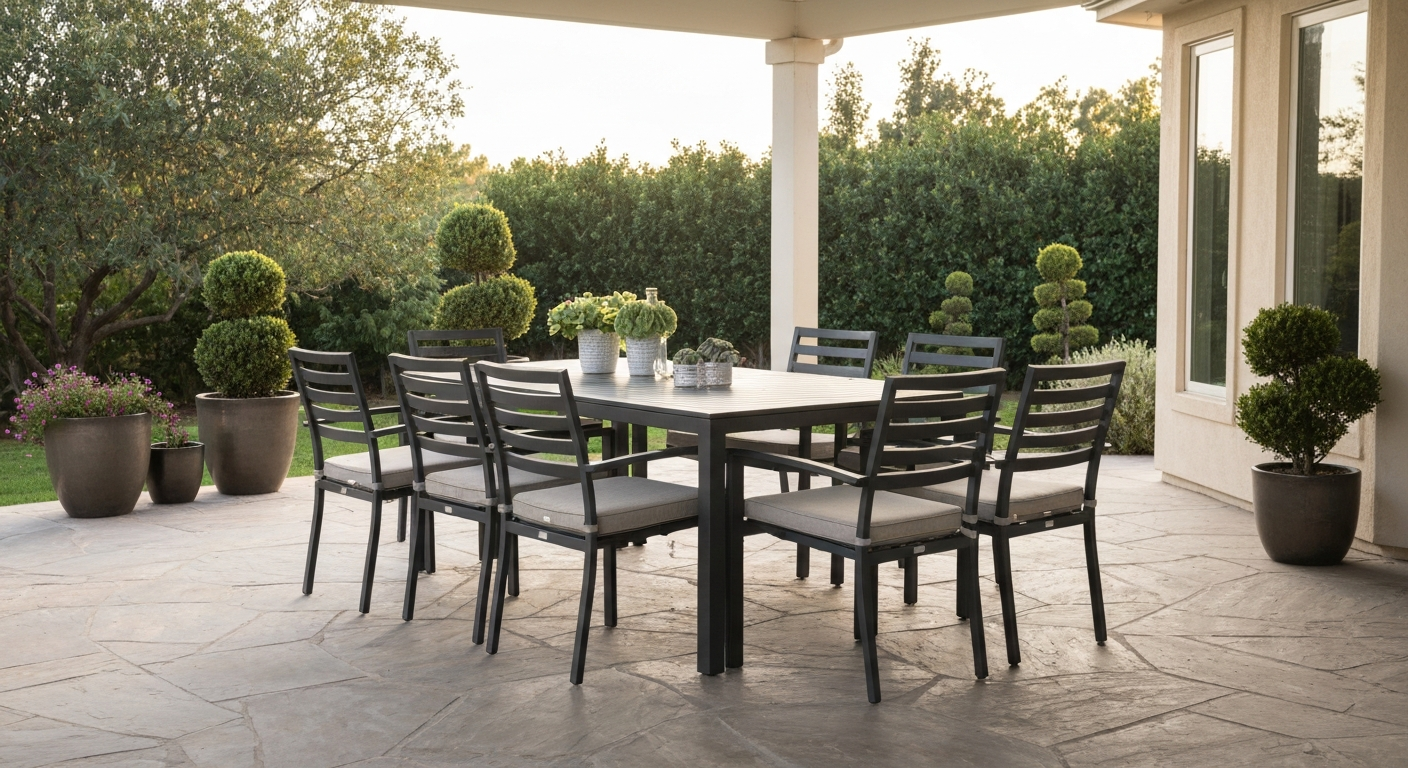
Is Steel Good for Patio Furniture? A Practical Guide
Is steel good for patio furniture? Research-backed guide on types, rust prevention, buying checklist, and care tips.
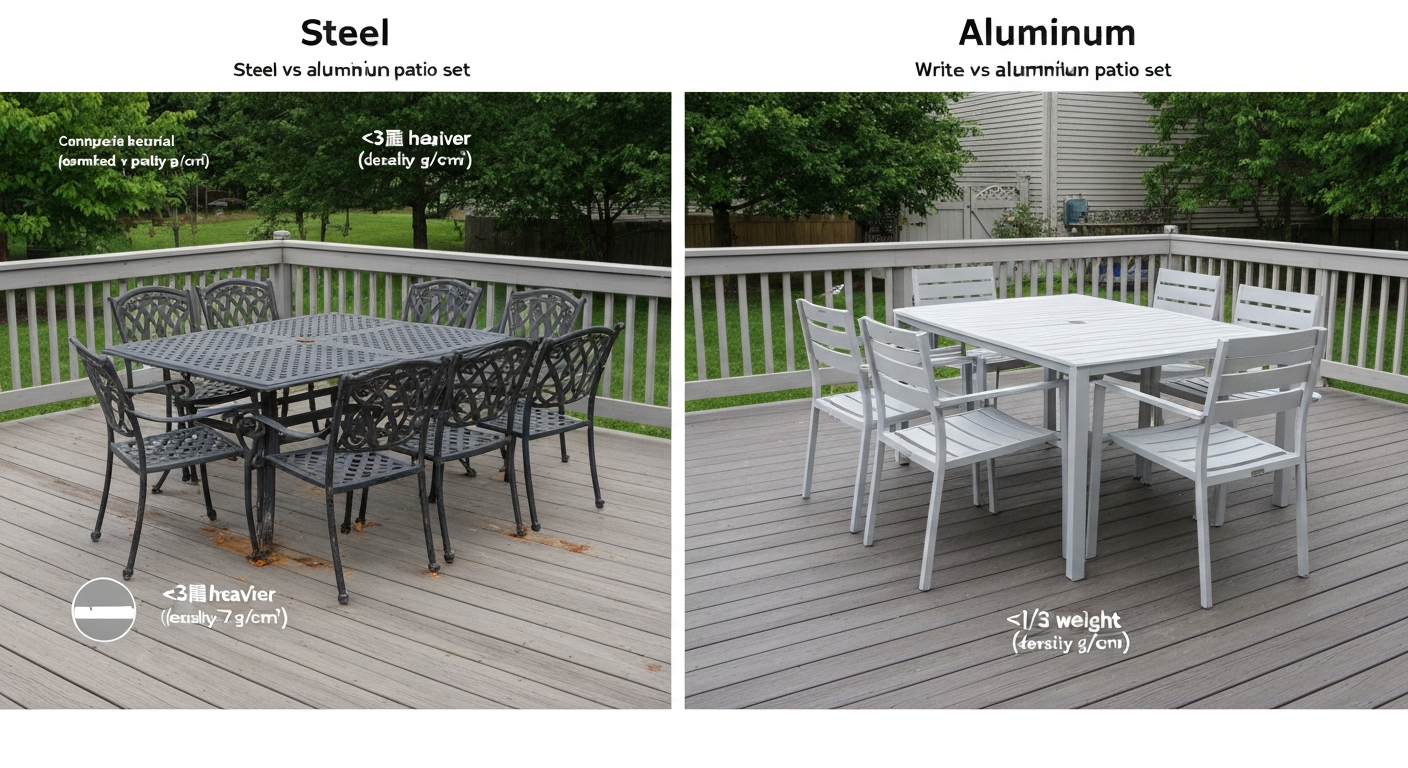
Steel vs Aluminum Patio Set: Which Material Should You Buy?
Steel vs aluminum patio set: expert comparison of durability, corrosion, cost, maintenance, and best picks.
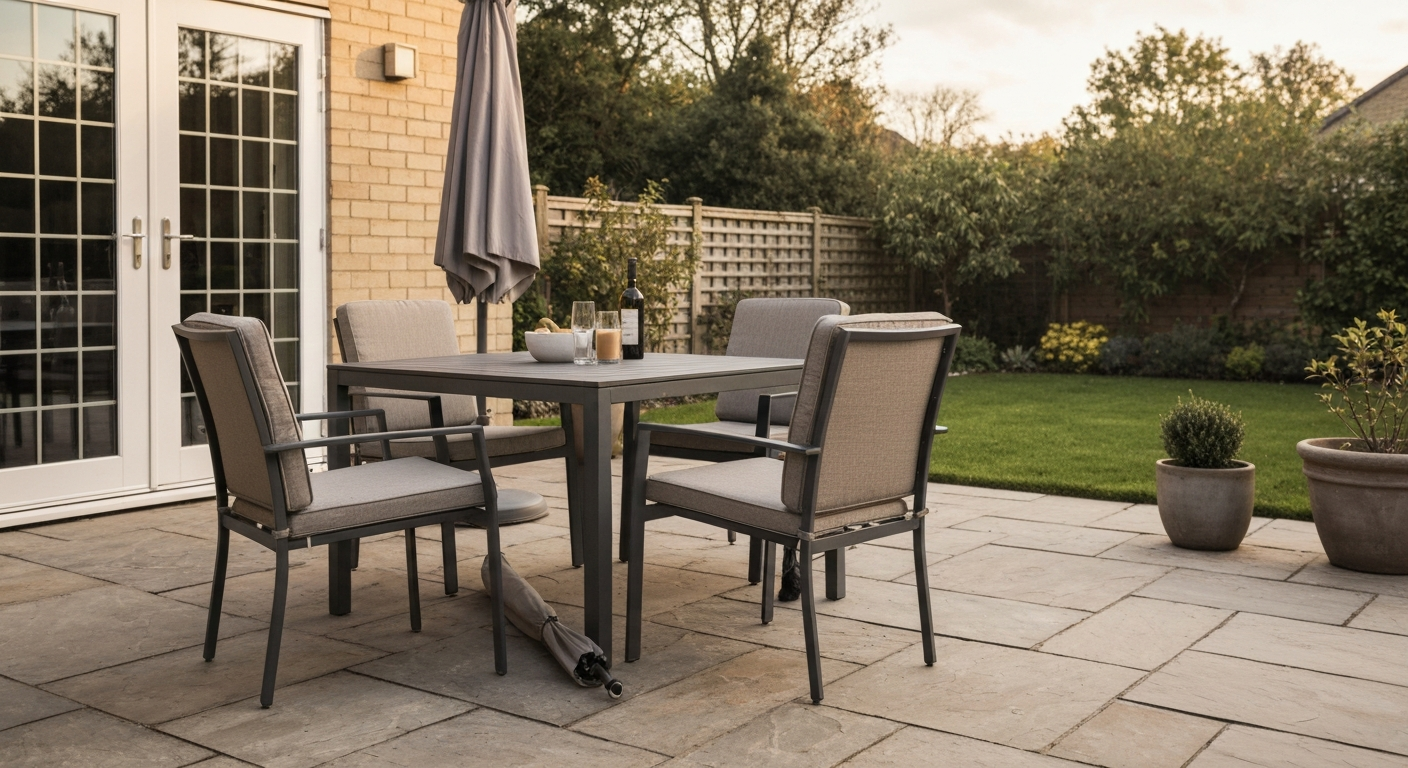
Steel Patio Furniture Pros and Cons: Buy Care & Rust Guide
Steel patio furniture pros and cons: verdict, rust prevention, buying checklist, maintenance & lifespan guide.