
If you live somewhere dry and mild, powder-coated steel is a solid, budget-friendly choice that looks great and holds up well with basic care. But if you're in a coastal area, a wet climate, or you just don't want to think much about maintenance, aluminum wins almost every time. It doesn't rust, it weighs less, and a decent aluminum set will outlast a powder-coated steel one by years without you doing much beyond hosing it off. That's the short version. Here's everything you need to make the right call for your specific situation.
Powder-Coated Steel vs Aluminum Patio Furniture: Which Wins?

Marcus Kellerman
1 Jul 2026
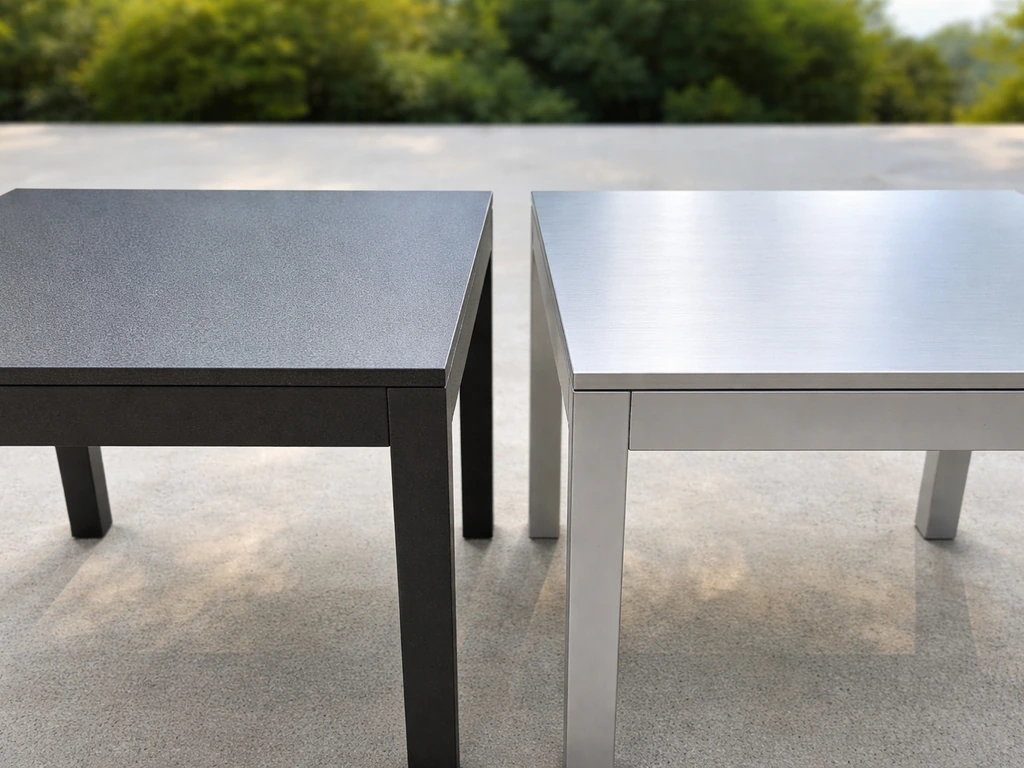
What these materials actually are
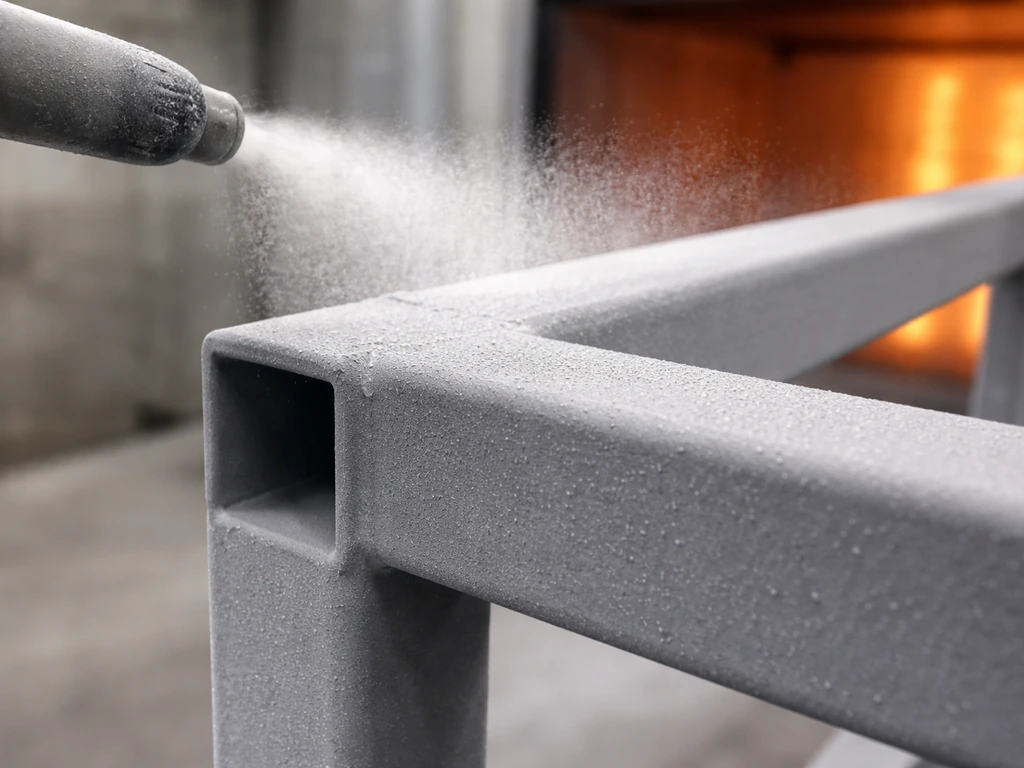
Powder-coated steel starts with a steel frame, which is then electrostatically coated with a dry powder and cured in an oven. The result is a hard, smooth finish that bonds tightly to the metal and provides a barrier against moisture and UV. The keyword here is 'barrier.' Steel itself will rust the moment that barrier is compromised, whether from a chip, a scratch, or a spot where the coating was thin from the factory. The coating is doing all the protective work.
Aluminum patio furniture works differently at a fundamental level. Rattan vs aluminum patio furniture is also worth comparing for comfort, maintenance, and long-term durability, especially if you live in a humid or coastal area. Aluminum naturally forms a thin aluminum oxide layer on its surface when exposed to air, and that layer actively resists corrosion on its own. It doesn't need a coating to stay rust-free because aluminum doesn't rust in the same way steel does. Most aluminum furniture also gets a powder coat or anodized finish on top for color and extra protection, but even if that finish chips, the base metal isn't going to corrode rapidly the way bare steel would. That's a huge real-world difference.
One thing worth clarifying: when you see 'cast aluminum' or 'extruded aluminum' in product listings, those refer to how the aluminum was formed, not a different material category. Cast aluminum tends to be heavier and more ornate; extruded aluminum is the lighter, more modern tube-frame style. Both have the same underlying corrosion resistance. Powder-coated steel, by contrast, is nearly always tubular or flat-bar construction.
Weather resistance: rust, corrosion, coastal air, and UV
This is where the gap between the two materials is most significant, and it's the main reason most outdoor furniture experts default to aluminum for anything other than sheltered, low-humidity environments.
Rust and corrosion
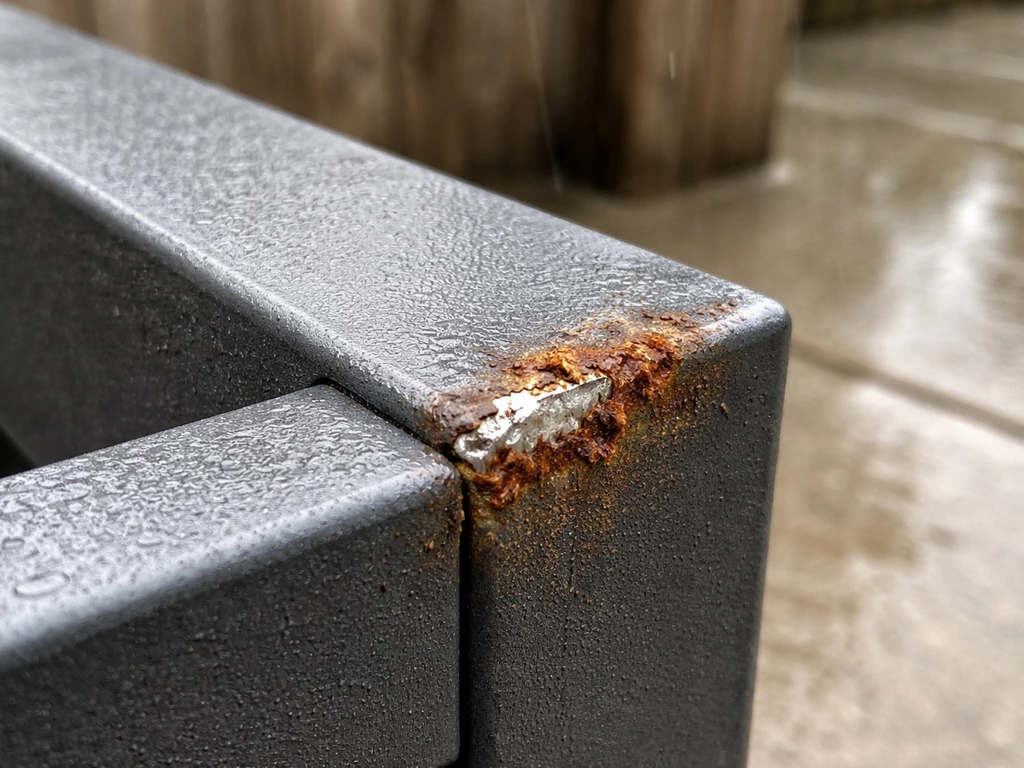
Steel rusts. Full stop. Powder coating delays this, sometimes for years if the coating quality is good and the furniture is treated carefully. But once the coating chips or scratches, you have exposed steel in a wet outdoor environment, and oxidation starts almost immediately. Cheaper powder-coated steel furniture often shows rust spots within two to three seasons, especially at welds and joints where coating coverage tends to be thinner. Higher-quality pieces with thick, even coatings last longer, but the vulnerability is always there.
Aluminum's natural oxide layer is genuinely protective under most conditions. Even untreated aluminium forms a thin oxide layer outdoors, but corrosion resistance and surface appearance can still change over time depending on environmental conditions [thin aluminium oxide layer outdoors](https://www. alumeco. com/media/rmxmuzsn/maintenance-of-untreated-aluminium.
pdf). In dry, stable environments, this layer is often enough on its own. In more aggressive conditions (high humidity, salt air, industrial pollution), the oxide layer can still be compromised through pitting corrosion, particularly if chloride ions are present. [Pitting corrosion](https://en.
wikipedia. org/wiki/Pitting_corrosion) in passivated alloys, including aluminum alloys, can occur in chloride-containing environments even though a tenacious oxide film normally protects the metal. However, even when pitting occurs on aluminum, it's typically a surface or cosmetic issue rather than a structural one. You might see white powdery spots or surface etching, not the kind of deep structural rust that hollows out a steel tube.
Coastal and high-humidity climates
If you're within a few miles of saltwater, the choice is straightforward: aluminum. Salt air is brutal on powder-coated steel. Chloride particles settle into every crevice and aggressively undermine the coating from the edges and at any microscopic gap. I've seen steel patio sets near the coast look presentable for one summer and show serious rust streaks by the end of the second. Marine-grade aluminum with an anodized or high-quality powder coat finish, on the other hand, can last a decade or more in coastal conditions with minimal intervention.
UV and finish fading
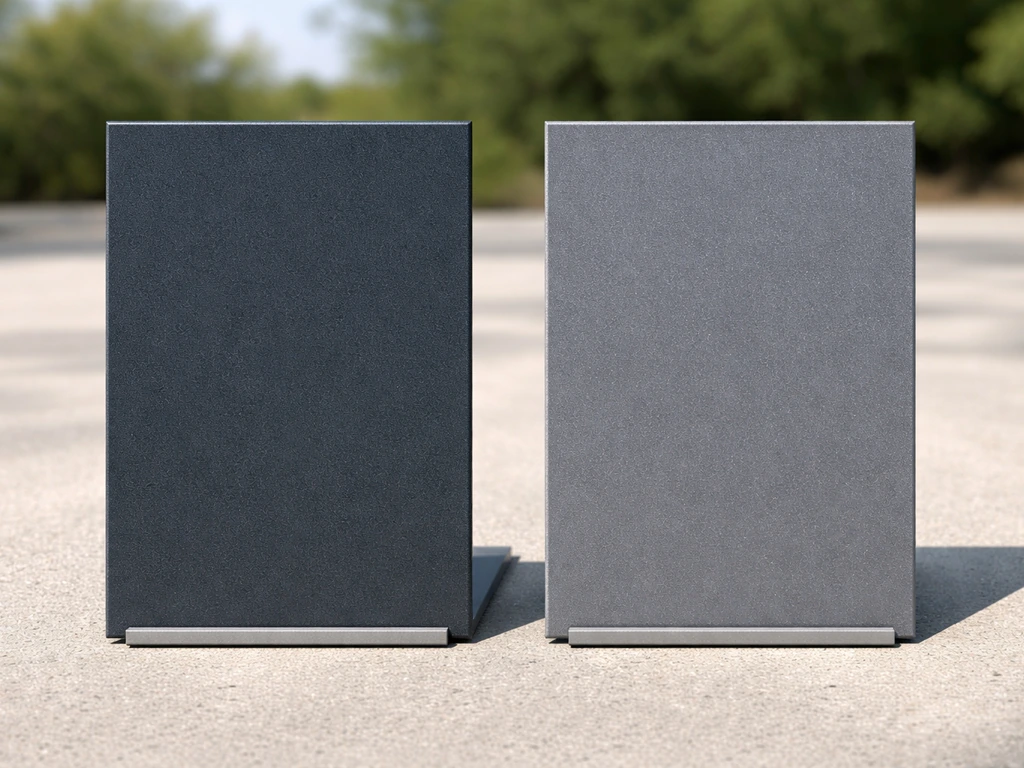
Both materials use powder coat finishes, so UV fade resistance depends more on finish quality than the base metal. That said, because aluminum frames can tolerate a chip or scratch without immediate structural consequences, you have more flexibility to touch up or repaint aluminum if the color fades. With steel, any repainting project also has to address rust prevention, which adds complexity. For both materials, look for finishes rated for outdoor use and marketed with UV inhibitors. Dark colors will fade faster than lighter ones regardless of the material underneath.
Durability and how much maintenance you're really signing up for
Dents, chips, and structural damage
Steel is harder and more rigid than aluminum, which means it resists denting and bending better under impact. If you have kids or pets that regularly crash into furniture, or if you move pieces around frequently, steel frames are less likely to get dented from routine abuse. The tradeoff is that any dent or chip in the coating becomes a rust entry point. Aluminum is softer and more prone to denting, but a dent in aluminum is usually just cosmetic. It won't trigger a chain reaction of corrosion.
Maintenance routines
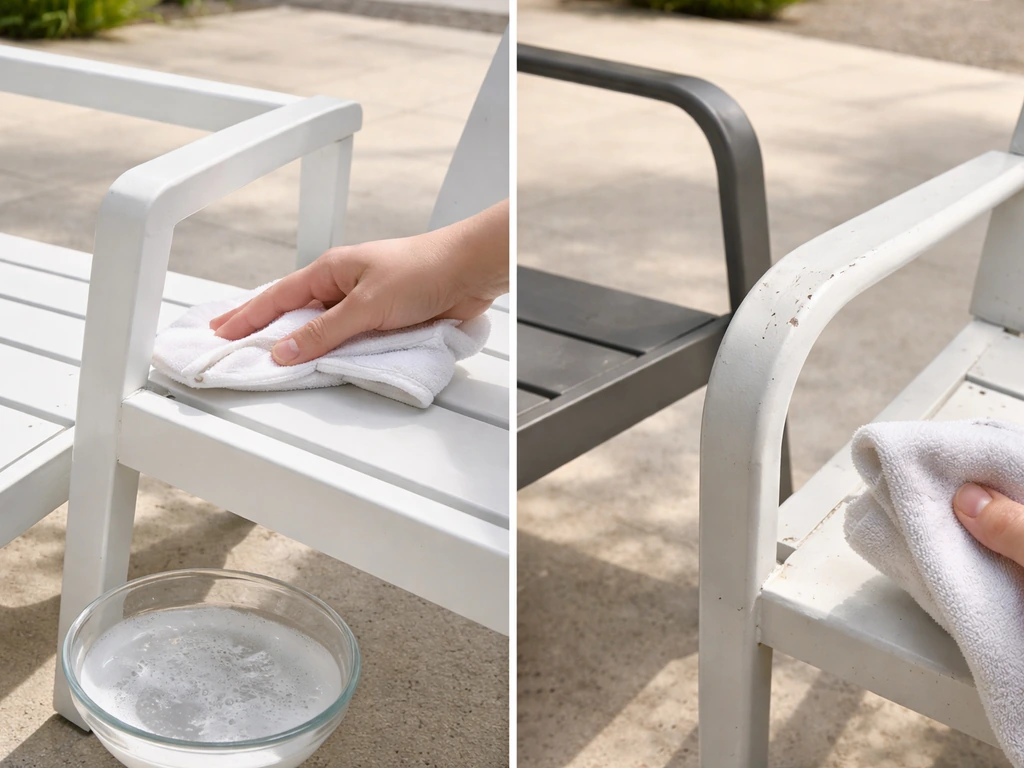
Aluminum is genuinely close to 'wipe and go' for most climates. An annual rinse with mild soapy water and a quick inspection for surface pitting or loose hardware is typically all it needs. You don't have to stress about every scratch.
Powder-coated steel needs more active attention. You should inspect it at least twice a year for chips, scratches, or areas where the coating looks thin or bubbly. Touch up any exposed metal promptly with rust-inhibiting primer and matching paint. Letting even a small rust spot sit for a season can mean the damage spreads under the surrounding coating. If you store the furniture indoors or under weatherproof covers during wet seasons, you'll extend its life significantly. Leaving steel furniture uncovered through wet winters in humid climates is a fast path to replacement.
Expected lifespan
Well-maintained aluminum patio furniture regularly lasts 15 to 20 years or more. Quality powder-coated steel, with diligent care and good storage habits, might reach 10 to 15 years in a forgiving climate. In a harsh climate with average care, realistic expectations for powder-coated steel drop to 5 to 8 years. That lifespan gap matters a lot when you're calculating value.
Comfort, weight, and day-to-day usability
Weight and handling
Steel is noticeably heavier than aluminum, which has real implications. Heavy furniture stays put in wind, which is actually a plus if you live somewhere gusty. But it also means rearranging your patio, moving chairs to mow, or pulling furniture into storage is a much bigger chore. Aluminum's lighter weight makes it easy to drag chairs around and move sets in and out of storage solo. Cast aluminum is denser and heavier than extruded aluminum, so if you want aluminum's corrosion benefits with more wind-stability, cast aluminum is the sweet spot. If you're shopping specifically for cast pieces, compare cast iron vs cast aluminum patio furniture for weight, corrosion behavior, and long-term value.
Heat and cold feel
Both metals conduct heat and cold quickly, which means a chair left in full afternoon sun will be hot to the touch. Aluminum and steel behave similarly here, though steel is slightly denser and holds heat marginally longer. For most people, this is a non-issue with cushioned furniture. For uncushioned dining chairs or loungers, dark-colored metal frames of either type will be uncomfortable without a brief wait in the shade.
If you are comparing wicker versus aluminum patio furniture, the material choice mostly comes down to weather resistance and how much upkeep you want to do uncomfortable without a brief wait in the shade. . If you're buying sling chairs or woven seats where the metal frame doesn't contact skin much, this matters even less.
Stability and perceived quality
Steel's rigidity gives it a solid, planted feel that many people associate with quality. Thin-walled extruded aluminum furniture can feel slightly flexible by comparison, which some buyers interpret as flimsiness even when it's structurally fine. If you want aluminum with a more substantial feel, look for thicker-walled tubing (at least 1mm wall thickness) or cast aluminum construction. If you want a deeper comparison of different aluminum casting and frame styles, see patio furniture aluminum vs cast aluminum.
The heaviest, most ornate patio furniture styles, like traditional European bistro designs or elaborate dining sets with decorative scrollwork, are almost always made from cast aluminum or wrought iron (which is a different steel category entirely), partly because the material suits the aesthetic.
Cost and real value over time
Powder-coated steel typically costs less upfront. You can find steel patio sets at mass-market retailers for noticeably less than comparable aluminum sets, and that price gap can feel significant at the register. But run the math over a decade and the picture changes.
| Factor | Powder-Coated Steel | Aluminum |
|---|---|---|
| Typical entry-level set cost | Lower (often $150–$500 for dining sets) | Moderate to higher ($300–$1,000+ for comparable sets) |
| Expected lifespan (good care, mild climate) | 10–15 years | 15–20+ years |
| Expected lifespan (harsh/coastal climate) | 5–8 years | 12–18 years |
| Annual maintenance cost/effort | Moderate (touch-ups, storage) | Low (rinse, inspect) |
| Rust repair cost if neglected | Moderate to high (can require repainting or replacement) | Minimal (cosmetic only) |
| Approximate cost-per-year (rough estimate) | Higher over full lifespan | Lower over full lifespan |
The math consistently favors aluminum when you factor in lifespan and maintenance. A $600 aluminum set that lasts 18 years costs you about $33 per year. A $350 steel set that lasts 8 years in the same climate costs about $44 per year, and that's before any touch-up paint, covers, or early replacement costs. The upfront savings on steel shrink fast once you account for what the climate is actually going to do to the finish.
Sustainability and what happens at end of life
Aluminum has a strong recycling story. It can be recycled indefinitely without losing material quality, and recycled aluminum uses roughly 95% less energy than producing new aluminum from raw ore. Most scrap metal recyclers will accept aluminum furniture frames. Steel is also highly recyclable, and steel recycling infrastructure is mature and widely available globally. Both materials are far better end-of-life options than plastics or composite materials that typically go to landfill.
The sustainability edge goes to aluminum if you're thinking about longevity as an environmental factor. A set that lasts twice as long means half the production energy, half the shipping, and half the eventual disposal. Furniture that rusts out and gets replaced every five years has a larger environmental footprint even if the material itself is recyclable. Buying a quality aluminum set and keeping it for 20 years is genuinely the more sustainable choice in most climates.
How to choose the right one for your situation
Work through these steps before you buy, and you'll know exactly which material makes sense for you. If you are deciding between polywood vs aluminum patio furniture, the right pick mainly comes down to weather exposure and how much maintenance you want to handle.
- Check your climate first. If you're within 5 to 10 miles of the ocean, in a high-humidity region, or in an area with significant rainfall across multiple seasons, go aluminum without hesitation. Powder-coated steel in those conditions requires constant vigilance that most people simply won't keep up with.
- Assess your storage situation. If you have a garage, covered storage area, or plan to use quality furniture covers through wet or winter seasons, powder-coated steel becomes more viable. If your furniture lives outside year-round uncovered, aluminum is the safer choice.
- Be honest about your maintenance commitment. Do you actually inspect furniture twice a year and touch up chips? If yes, quality powder-coated steel is manageable. If the honest answer is 'no,' aluminum's self-protecting nature matters a lot.
- Consider how often you move the furniture. If you rearrange frequently, have a larger patio to work across, or store pieces seasonally, aluminum's lighter weight saves real effort. If the set stays in one place all summer and stability in wind matters, steel's weight is a genuine advantage.
- Factor in kids and pets. Both materials handle rough use reasonably well, but consider that a dent in aluminum is cosmetic while a chip in steel's coating needs prompt attention to prevent rust.
- Set your budget honestly. If budget is genuinely tight right now and you're in a dry, mild climate with covered storage, a quality powder-coated steel set is a reasonable choice. If you're in a challenging climate, spending more on aluminum upfront almost always saves money over five to ten years.
- Decide on style and weight class. For heavy, ornate, traditional styles, cast aluminum gives you corrosion resistance with a substantial feel. For modern, lightweight, easy-move furniture, extruded aluminum is the go-to. For a planted, wind-stable feel in a dry climate with a tighter budget, steel works.
What to check when you're actually shopping
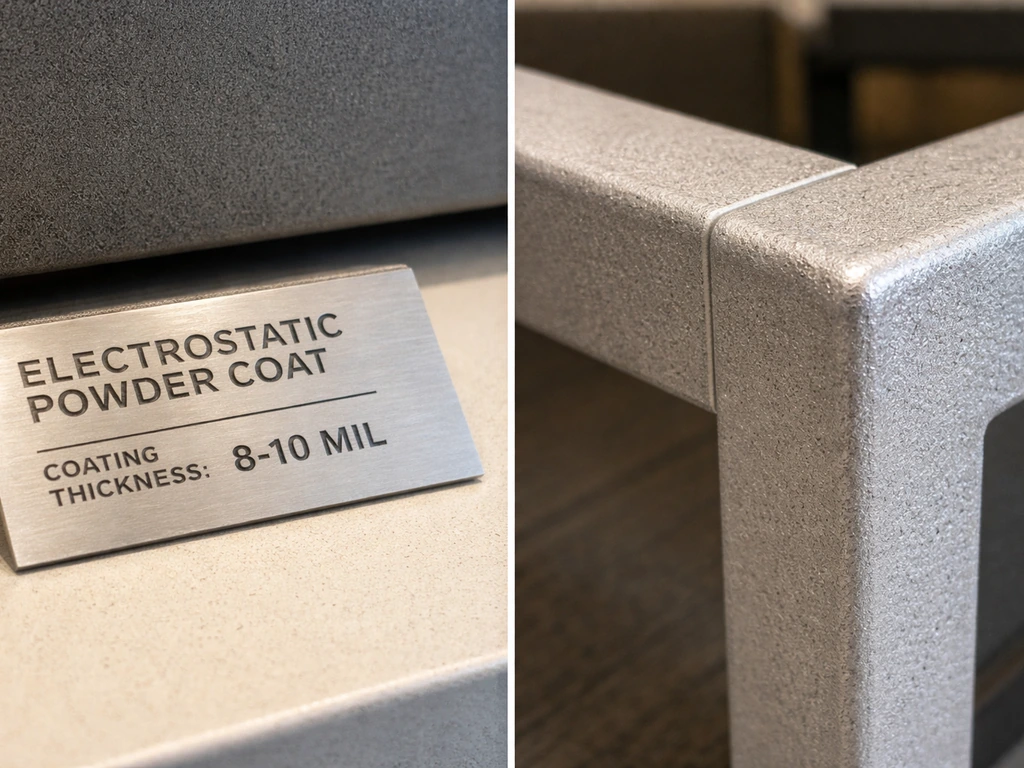
For powder-coated steel
- Look for furniture that specifies 'electrostatic powder coat' with a minimum 3 to 4 mil coating thickness. Thicker coatings chip less and protect longer.
- Check welds and joints carefully in the store or in product photos. These are the highest-risk spots for thin coating coverage and early rust.
- Ask whether the steel was treated with a rust-inhibiting primer before powder coating. Quality manufacturers do this; budget brands often skip it.
- Look for a warranty of at least 2 years on the finish, ideally 5 years for anything you're spending real money on.
- Confirm the furniture is carbon steel or mild steel, not galvanized steel. Galvanized steel with powder coat offers better corrosion protection but costs more and is less common in outdoor furniture.
For aluminum
- Check whether it's cast aluminum or extruded aluminum. Cast is heavier and more durable under impact. Extruded is lighter and better for furniture you move often.
- Look for wall thickness on tubing. Anything under 1mm feels flimsy and dents easily. Quality extruded aluminum furniture specifies 1.2mm to 2mm wall thickness.
- Confirm the finish type: powder coat or anodized. Both work well. For coastal environments, anodized finishes or marine-grade powder coat with UV inhibitors are preferable.
- Look for rust-proof or stainless hardware at connection points. A quality aluminum frame undermined by rusting steel bolts is a common failure point on cheaper sets.
- Check for a warranty of at least 3 to 5 years on the frame. Premium aluminum outdoor furniture brands often offer 10-year or even lifetime structural warranties.
If you're still weighing aluminum against other materials entirely, the comparisons with teak, polywood, wicker, rattan, and cast iron all follow a similar framework: climate exposure, maintenance commitment, and how the cost math plays out over a realistic ownership period. Aluminum tends to outperform most options in weather resistance and low maintenance, but each comparison has its own nuances depending on your priorities.
The bottom line
For most homeowners in most climates, aluminum is the smarter long-term buy. It handles weather without depending on a coating staying intact, requires far less maintenance, and lasts longer. The only real cases where powder-coated steel makes clear sense are: you're in a dry, mild inland climate; you have covered storage; and you're working with a tighter budget where the upfront savings genuinely matter. In those conditions, a quality steel set with diligent care will serve you well for a decade or more. Everywhere else, pay the premium for aluminum and stop worrying about your patio furniture. If you're deciding between aluminum vs steel patio furniture, use the weather and maintenance guidance above as your main filter.
FAQ
What should I do if powder-coated steel gets a scratch or chip?
Yes, but do it immediately and correctly. If you spot a chip or bubble, clean off surface rust first (wire brush or rust remover), then apply a rust-inhibiting primer and topcoat that matches the original finish. For steel, waiting until spring after the first wet season can let rust creep under the coating edge and spread.
How can I tell if powder-coated steel furniture is likely to last?
Look for a finish warranty that covers corrosion and rust-through, and check whether the brand specifies coating thickness or multi-stage coating (common on better lines). Also inspect joints and welds in person, because those areas often show early failure when coating coverage is thin or uneven.
Will aluminum patio furniture blow around more than steel in windy weather?
Use wind stability and lift-and-move convenience together. Aluminum is lighter and easier to reposition, but in gusty areas lighter sets can tip unless they have wider bases or are paired with weights, seat cushions that resist sliding, or a tethering plan. If you want aluminum with more “stays-put” behavior, prioritize cast aluminum, thicker-walled frames, and designs with heavier bases.
Can aluminum still corrode or pit in coastal climates?
Yes, aluminum can pit, especially near salt spray or where sprinklers frequently wet it. To reduce long-term pitting risk, rinse off salt residue after storms, avoid letting sprinkler water repeatedly wet the frame for long periods, and check for white powder or surface etching so you can address it before it worsens.
Are weatherproof covers enough to protect powder-coated steel through winter?
Covers help both materials, but they need airflow. A fully sealed cover that traps moisture can accelerate rust on steel and promote corrosion spotting on aluminum. Use breathable covers when possible, remove the cover periodically to let the furniture dry, and don’t store steel in damp conditions.
Is “powder-coated” the same quality across brands?
Powder coating performance depends on the underlying prep and curing, but also on how smooth the topcoat is. If the surface has a very rough texture or visibly thin areas at welds, it can fail earlier. The practical test is to examine the edges, seams, and hardware locations, then choose a set that has consistent coverage everywhere those stresses concentrate.
What if my patio set has mixed metals, like aluminum frames with steel parts?
Yes, mixing often happens. Many sets have aluminum frames with steel hardware (or vice versa), and that can change the maintenance needs. Before buying, confirm which material is used for the frame, fasteners, and feet. If the hardware is steel, it may need more frequent rinsing and inspection even if the main frame is aluminum.
Can I repaint powder-coated steel or aluminum if the color fades?
Don’t assume you can repaint steel without addressing rust. Any repaint should start with removing loose rust and treating remaining surface corrosion, then priming with a rust-inhibiting primer. On aluminum, you can usually repaint after cleaning and lightly profiling the surface, but you still need a finish made for outdoor metal.
How often should I clean and inspect each material if I want “low maintenance”?
For aluminum, a yearly rinse is usually enough, plus a quick check that fasteners are tight and that any surface film (like pollen or grime) is not building up in crevices. If you live near the coast or in heavy pollution, plan extra rinses after salty storms or industrial fallout events.
When does powder-coated steel become a sensible choice instead of aluminum?
If your patio is mostly sheltered from rain and you never store the set uncovered during wet winters, powder-coated steel can be a reasonable budget choice. The key risk is exposure to repeated wetting, chips from moving it around, and coastal salt. If any of those are true, the “steel lasts a decade” scenario becomes less likely.
Next Articles
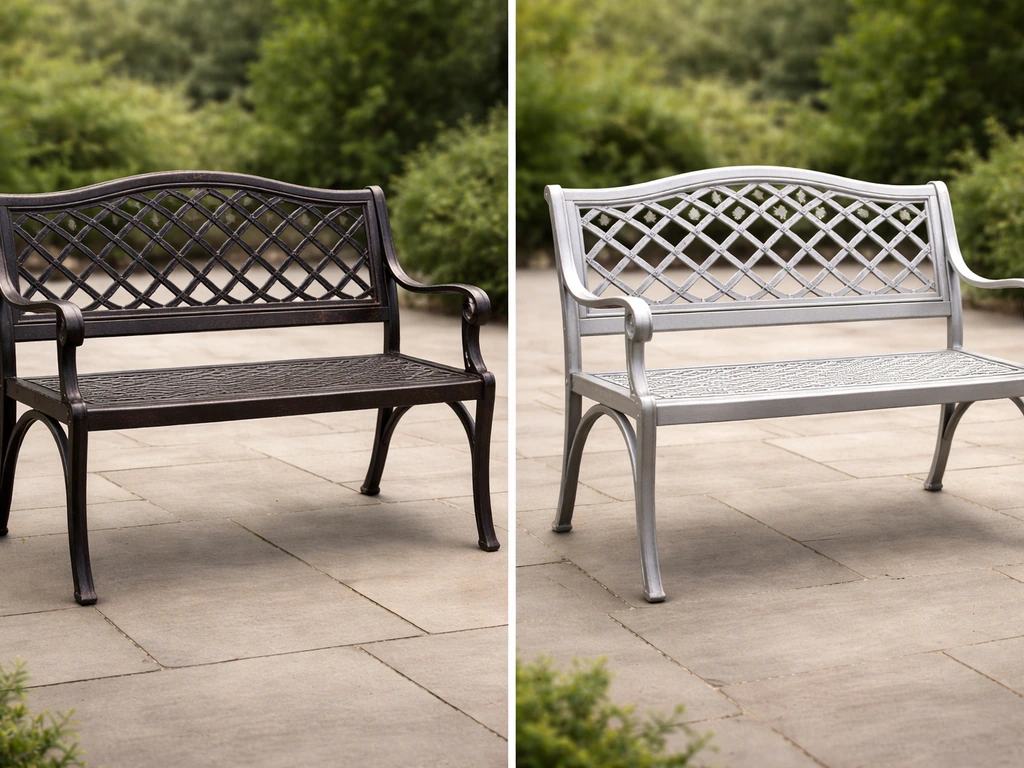
Cast Iron vs Cast Aluminum Patio Furniture: Which Lasts Longer?
Cast iron vs cast aluminum patio furniture durability, rust, weight, maintenance, lifespan by climate, and a quick buyin
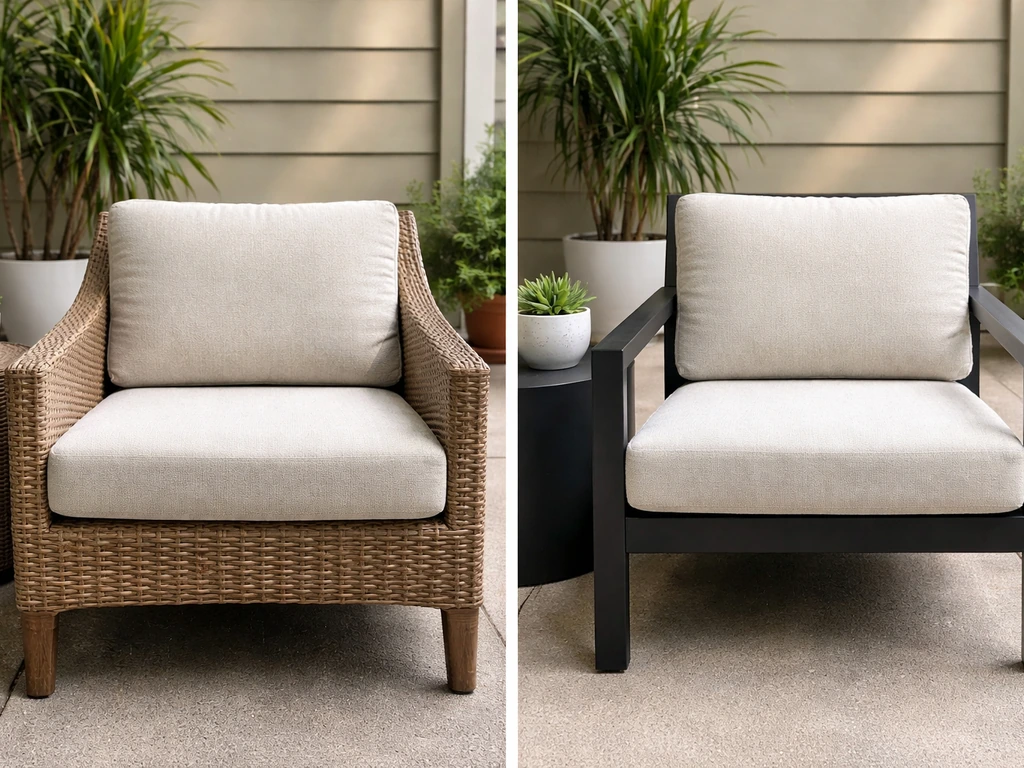
Wicker vs Aluminum Patio Furniture: Which Is Better?
Compare wicker and aluminum patio furniture for weather, durability, maintenance, comfort, and how to choose by climate
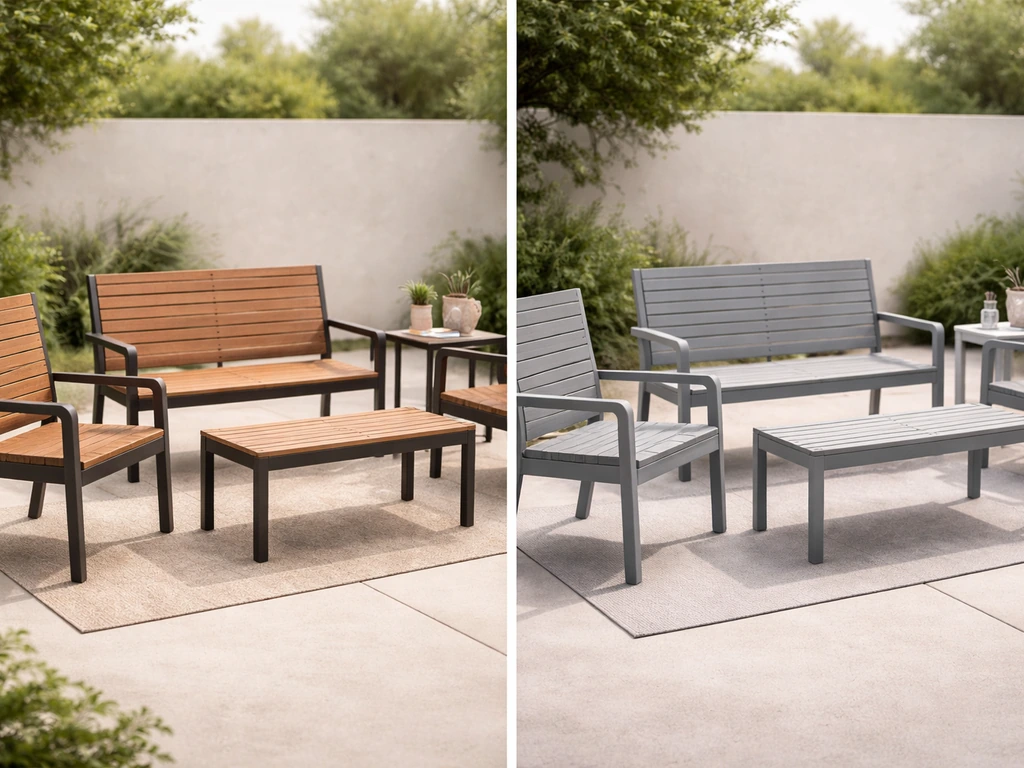
Polywood vs Aluminum Patio Furniture: Durability, Cost, and Best Choice
Side-by-side polywood vs aluminum patio furniture guide: durability, weather damage, maintenance, and real value by clim