
For most homeowners, Polywood (HDPE recycled-plastic lumber) is the better long-term bet if you want zero maintenance, true rot/rust immunity, and a 20-year warranty you can actually lean on. Aluminum wins when you want lighter weight, a broader range of sleek modern styles, and don't mind periodic coating upkeep. The honest answer is that both materials can outlast cheap wood or wicker by years, but they fail in completely different ways, and the right choice depends on your climate, how hard you use the furniture, and whether you'll ever want to repaint or refinish.
Polywood vs Aluminum Patio Furniture: Durability, Cost, and Best Choice

Marcus Kellerman
9 Jun 2026
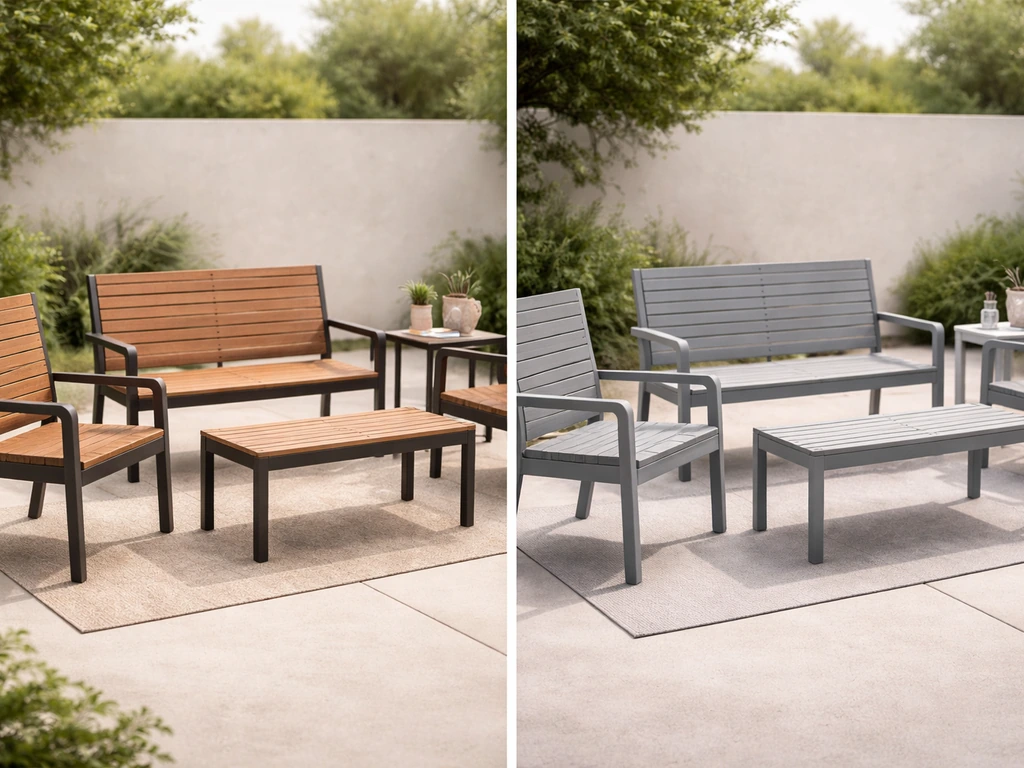
What each material actually is
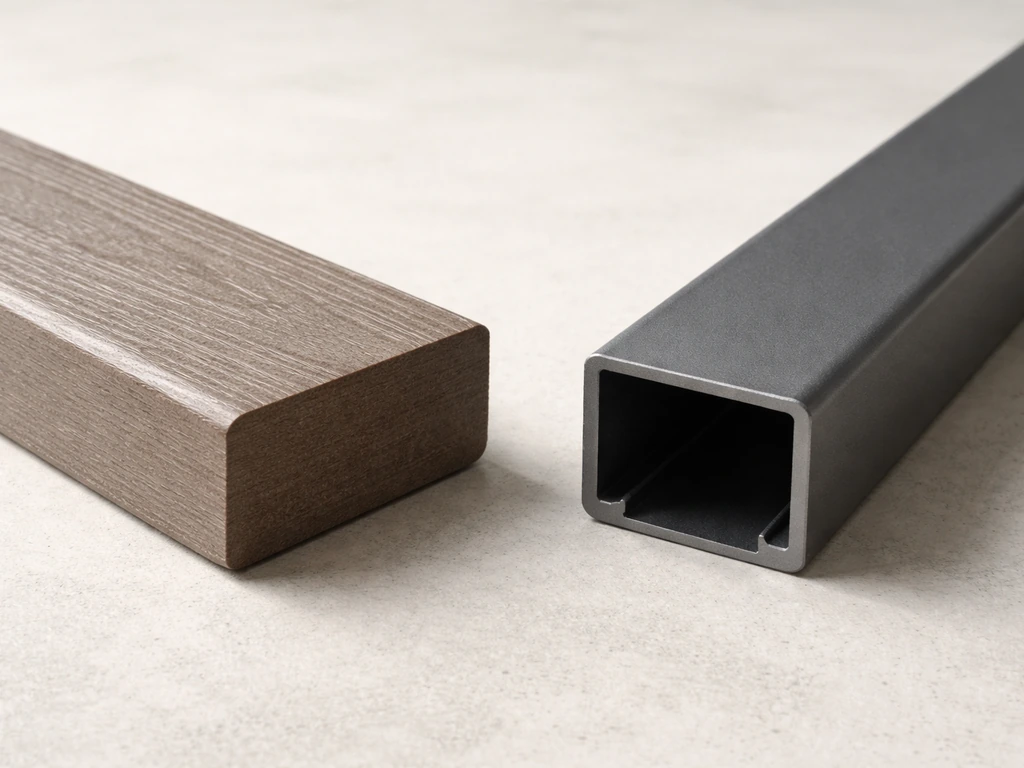
Polywood is a brand name, but it's become a shorthand for HDPE (high-density polyethylene) outdoor furniture made to look like wood. The lumber is manufactured from recycled plastic, and the color runs all the way through the material rather than sitting on the surface as a coating. UV stabilizers and light-stable pigments are blended into the HDPE during production. The brand's 20-year residential warranty explicitly states the furniture will not splinter, crack, chip, peel, rot, or suffer structural damage from insects. That's a big promise, and for the most part the material delivers on it.
Aluminum patio furniture is not one single product. It comes in two main forms: extruded aluminum (pushed through a die to create uniform tubes and profiles, typically lighter and used for modular or stackable designs) and cast aluminum (poured into molds, heavier, and usually shaped into more ornate, traditional styles). Cast aluminum and extruded aluminum differ in how they are made, which affects their weight, shapes, and overall style options cast aluminum vs extruded aluminum. Both are then finished, almost always with powder coating, which is a dry paint applied electrostatically and cured in an oven. The coating thickness typically runs 2.4 to 3.9 mils (60 to 100 microns) for a quality application. That powder coat is doing the heavy lifting on corrosion resistance, so how well it's applied and how thick it is matters enormously for long-term performance.
Quick side-by-side: the basics
| Category | Polywood (HDPE) | Aluminum (powder-coated) |
|---|---|---|
| Core material | Recycled HDPE plastic | Aluminum alloy, extruded or cast |
| Finish type | Color throughout material | Powder-coat surface finish |
| Warranty (structural) | 20 years residential | Varies: 3–5 years finish, 5–20 years structural |
| Rust/rot risk | None | Low to moderate (depends on coating integrity) |
| Weight | Heavier than aluminum | Light (extruded) to medium (cast) |
| Heat in direct sun | Gets warm, stays manageable | Gets very hot, especially dark colors |
| Typical price range | $300–$2,000+ per set | $200–$3,000+ per set |
| Repairability | Replacement lumber parts available | Refinishing possible; joints harder to repair |
| Style range | Classic/cottage/Adirondack-heavy | Wide: modern, transitional, ornate |
How each material holds up in real weather
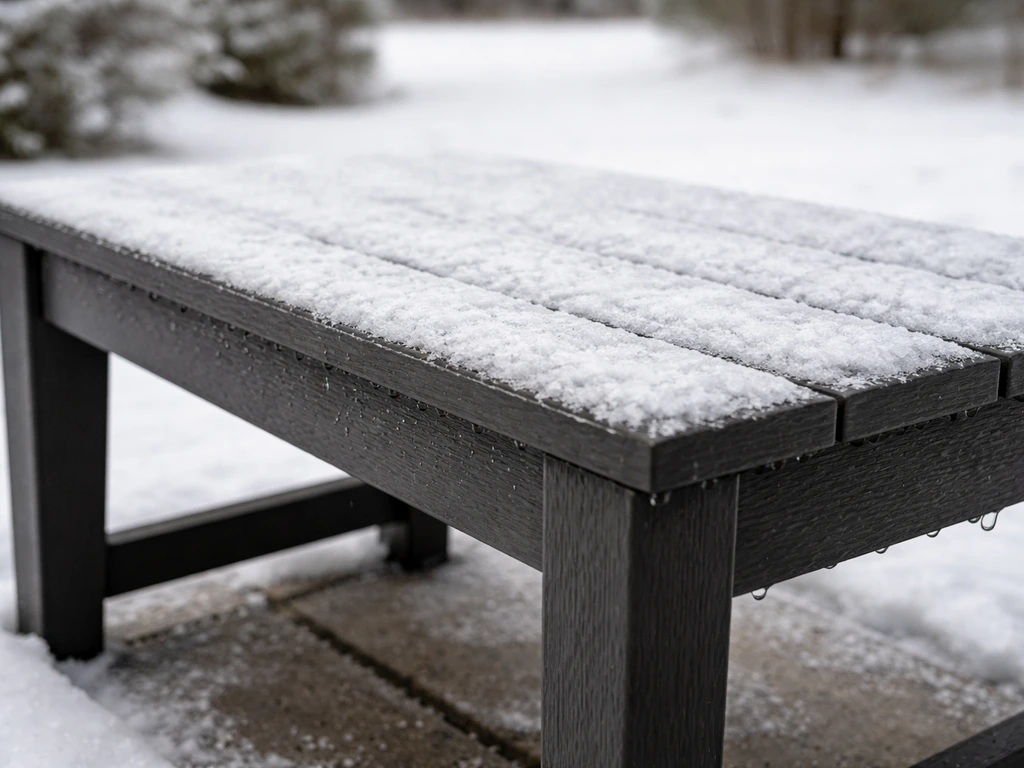
Rain, snow, and freeze-thaw cycles
This is where Polywood has a genuine structural advantage. HDPE doesn't absorb water, so it won't rot when snow piles up on it or when it stays wet through a long Midwest winter. Reddit users from northern climates and high-elevation areas like Nevada mountains have reported years of trouble-free use with no cracking or dimensional change. Aluminum handles cold fine as a raw material, but here's the catch: hollow aluminum frames can trap water inside. One manufacturer's warranty (Kannoa) explicitly warns that storing furniture upside down can cause water to accumulate inside the frame, freeze, and crack it from the inside out, and that damage is not covered. If you live in a hard-freeze climate and buy aluminum furniture, you need to either store it properly or make sure the frame has drainage holes.
Coastal salt air
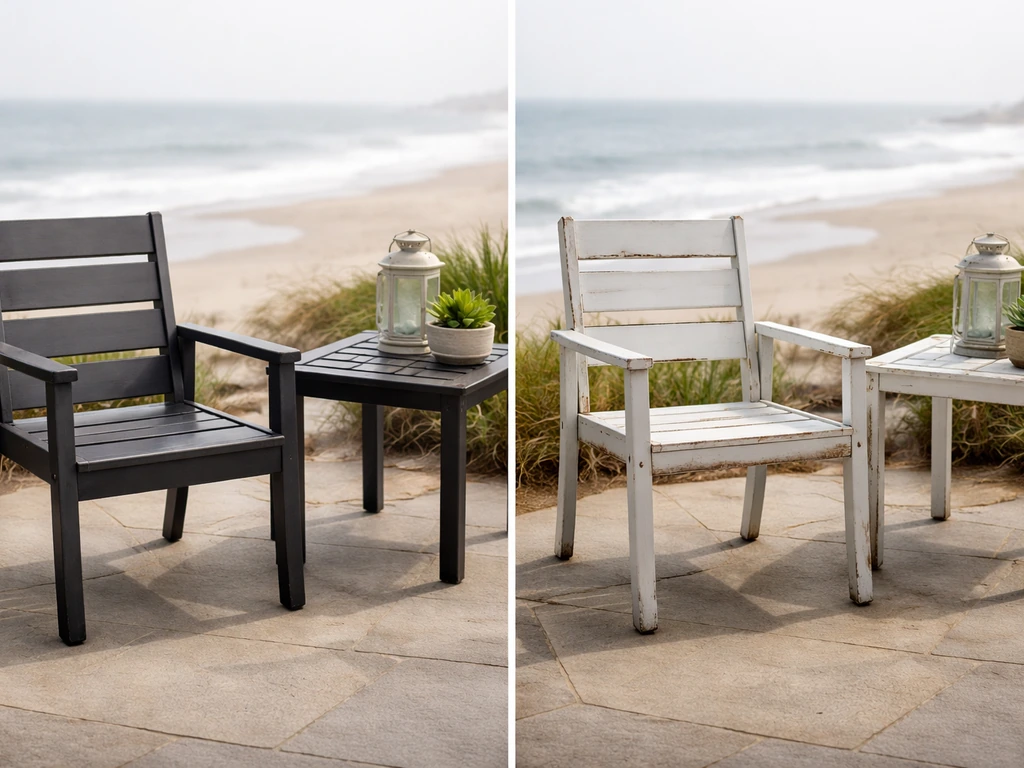
Polywood is genuinely immune to salt air because there's no metal and no surface coating to corrode or peel. Aluminum in coastal environments depends entirely on coating quality. Powder coat protects against salt spray, but once that finish chips or scratches, bare aluminum oxidizes and corrosion can creep under the coating from beneath. Coastal homeowners buying aluminum furniture should look specifically for marine-grade powder coat claims, stainless steel hardware (not just aluminum or zinc fasteners), and avoid any set with visible welds that look rough or uneven, since those are often where coating adhesion is weakest. Anodized finishes offer better adhesion than standard powder coat for salt-air environments, though fewer residential lines offer it.
Intense sun and UV exposure
Both materials fade with prolonged UV exposure, but they fade differently. Polywood's official colorfastness policy is honest about this: the brand uses UV stabilizers to minimize fading but acknowledges some fading is expected. Because the color runs throughout the HDPE, fading is gradual and even, not peeling or patchy. Reddit users in sun-heavy climates describe a slow chalking or lightening of color over many years rather than dramatic surface failure. Aluminum's powder coat fades on the surface, and in low-quality finishes you can get chalking, peeling, or flaking that exposes bare metal underneath. If fading is a concern for aluminum, darker colors show it more visibly, and lower-priced sets with thinner coatings are especially vulnerable.
Comfort, heat, and day-to-day feel
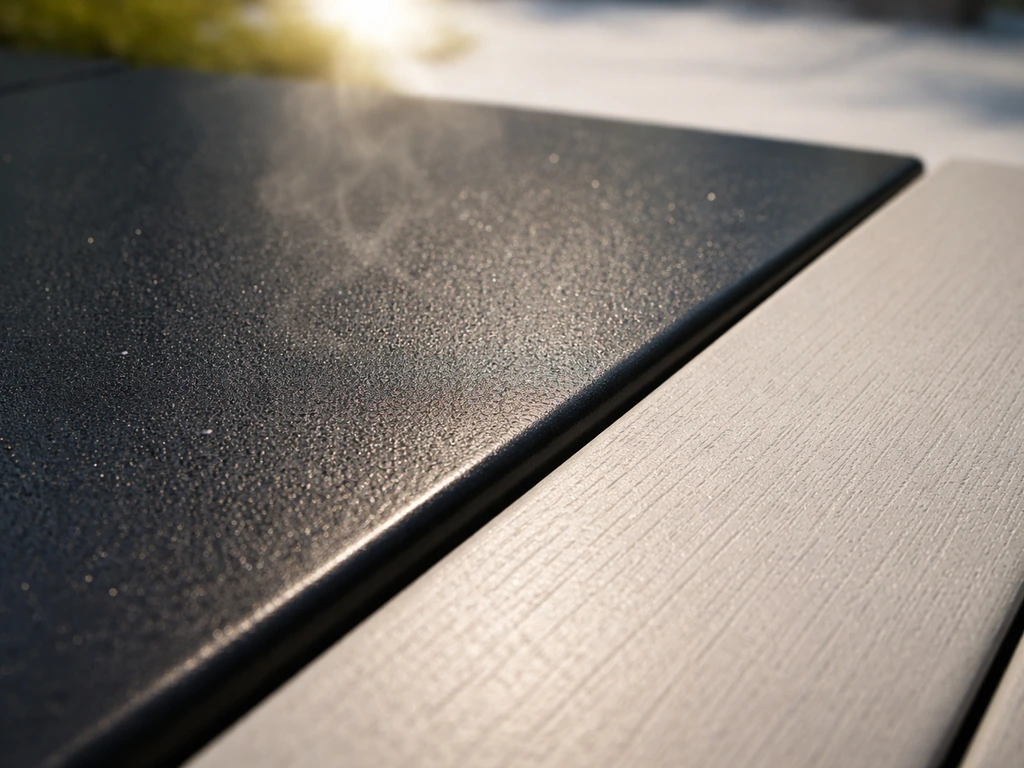
Aluminum gets hot. Bare metal frames in direct summer sun can become uncomfortable to touch, and a dark powder-coated aluminum table surface in July sun can be genuinely unpleasant to rest your arms on. This is one of the most consistently cited reasons Reddit users end up choosing Polywood over metal: plastic lumber doesn't conduct heat the way metal does. Polywood does warm up in the sun, but it stays at a tolerable level considerably longer before becoming an issue. One Reddit poster specifically said they avoided metal tables because of the heat factor and framed Polywood as the comfortable long-term investment.
The feel is different too. Polywood has a matte, somewhat plastic texture that's not quite like real wood but is closer to it than painted metal. Some people find it perfectly fine; others who expected something that feels like natural teak or cedar are occasionally disappointed. Aluminum frames with fabric slings or cushions sidestep this entirely since you're sitting on the upholstery, not the frame. If you want a Polywood dining chair without cushions and you're expecting a natural wood feel, calibrate expectations accordingly.
Maintenance: what you actually have to do
Polywood's pitch is essentially zero required maintenance: no painting, no staining, no waterproofing. Cleaning is soap, water, and a soft brush. For deeper cleaning, a pressure washer works, but Polywood specifically cautions to keep the nozzle moving and not concentrate the spray in one spot, since that can gouge the surface. Harsh solvents, acetone, or paint thinners can damage the surface sheen and should be avoided. Sanding is also off the table: it scratches the HDPE and voids the warranty. Reddit owners note that abrasive pads can leave cloudy marks, so stick with soft brushes. Beyond cleaning, there's genuinely nothing else required.
Aluminum is almost as low-maintenance when the coating is in good shape. Soap and water handle routine cleaning. The issue comes when the powder coat gets chipped or scratched, which will eventually happen with years of outdoor use. At that point you either live with it, touch up with a matching spray paint (Reddit owners mention using Rustoleum for spot repairs), or face more serious refinishing. One Reddit commenter reported a powder-coated extruded aluminum set lasting about 20 years, but specifically called out the importance of checking finish warranty terms, since structural warranties are often 5 to 20 years while finish warranties can be as short as 3 years. That gap matters.
What happens when things go wrong: repairability
Polywood's replacement parts story is actually pretty good. The brand sells replacement lumber parts, so if a slat cracks or a board gets damaged, you're not buying a whole new set. That said, the 20-year warranty has exclusions: cosmetic surface wear and user-caused damage aren't covered, and cushions carry only a 1-year warranty against fading, mildew, or tearing. Cushion replacement is the real recurring cost in a Polywood setup. Also worth knowing: some off-brand HDPE furniture performs worse than genuine Polywood lumber. One Reddit buyer who purchased Breezesta (a competing brand) reported splintering edges that turned sharp and jagged, bowing, and cracks around hardware joints after a few years, showing that "plastic lumber" is not universally created equal.
Aluminum furniture is harder to repair at a structural level. Cracked welds or bent tubes on cheaper frames typically mean the piece is done. Higher-quality cast aluminum is thicker and more impact-resistant, but it's also heavier and pricier. If you're comparing patio furniture aluminum vs cast aluminum, the extra weight and thickness of cast aluminum are usually what drive the feel and durability differences. Powder coat can be touched up or professionally refinished if you're motivated, but that costs time and money. The upside is that aluminum slings, strapping, and cushion fabrics are often sold separately, so seating systems that use fabric or cushions can be refreshed relatively affordably.
Real cost: upfront price vs. what you'll actually spend
Polywood furniture costs more at purchase than most aluminum sets at similar size. A quality Polywood dining set runs roughly $800 to $2,000 or more. Entry-level aluminum sets start around $200 to $400, though anything worth buying for more than a few seasons tends to land in the $600 to $1,500 range for a complete set. The math shifts when you factor in lifespan and maintenance costs.
A Polywood set bought today and maintained properly (meaning cleaned occasionally and cushions replaced every 5 to 7 years) carries a realistic 20-plus-year lifespan backed by the warranty. If you spend $1,200 and use it for 20 years, you're paying $60 a year before cushion costs. A $500 aluminum set that holds up for 10 years before finish degradation or joint failure requires replacement costs money over that same 20-year window, plus any touch-up or refinishing in between. The higher-quality aluminum sets from brands with strong structural warranties can match Polywood on lifespan, but you're also spending in the $1,000 to $2,000+ range at that tier. At the high end, both materials represent good long-term value. At the low end, aluminum tends to disappoint faster.
Style options and color choices
Aluminum has the broader style range, full stop. You can find aluminum frames in sleek modern sling chairs, ornate traditional cast designs, transitional sectionals, and everything in between. It takes powder coat in virtually any color and can be shaped into forms that HDPE lumber simply can't replicate. If your aesthetic is clean-lined contemporary with a dark matte frame and neutral cushions, aluminum is almost certainly the right material.
Polywood's style vocabulary leans toward the classic and cottage end: Adirondack chairs, traditional dining sets, classic farmhouse tables. The brand has expanded into more modern profiles, but the material's plank-and-board construction means there are structural limits to how minimal the design can get. Color options for Polywood are solid and varied (think classic white, black, slate grey, teak brown, coastal tones) and colors are permanent in the sense that they won't chip off. You can't repaint Polywood, though, so if you choose a color you later dislike, you're stuck with it or you void the warranty by trying to change it.
What to check before you buy (and what Reddit warns you about)
This is where forum research really earns its keep. People who've been burned share specific things that don't show up in product listings, and those details matter.
For Polywood and HDPE furniture
- Check whether you're buying genuine Polywood lumber or a competing HDPE brand. Quality varies significantly by manufacturer, and the warranty difference can be dramatic.
- Expect gradual color lightening over many years in intense sun. The UV stabilizers slow it down but don't eliminate it entirely. Choose a color with that in mind.
- Don't use abrasive pads, solvents, or acetone. They'll leave cloudy marks or damage the surface sheen, and no amount of cleaning will fix it.
- Budget for cushion replacement every 5 to 7 years. The lumber may last 20 years; the cushions won't.
- Polywood feels like smooth plastic, not natural wood. If you've never sat on it, try to see a floor sample before committing to a full dining set.
- Do not sand or paint it. Both void the warranty and ruin the surface.
For aluminum furniture
- Ask specifically about powder coat thickness and finish warranty length. A 3-year finish warranty on a $1,200 set tells you something about the manufacturer's confidence in the coating.
- Check the hardware: stainless steel fasteners are significantly better than aluminum or zinc screws, especially in coastal or humid environments where galvanic corrosion accelerates joint failure.
- Look at the welds. Rough, blobby, or inconsistent welds are a red flag for structural quality and for coating adhesion right at the joint.
- If you live in a freeze-thaw climate, make sure frame tubes have drainage holes so water can escape. Without them, trapped water that freezes inside the tube can crack the frame, and most warranties exclude that damage.
- For coastal buyers: ask whether the finish is specifically rated for salt-air exposure, or look for anodized options in addition to powder coat.
- Dark powder-coat colors in full sun get very hot. This affects comfort and can accelerate UV degradation of the finish over time.
Which one should you actually buy
Choose Polywood if you're in a coastal area, a freeze-thaw northern climate, or a high-UV region and you want furniture you can genuinely ignore for years. It's also the right call if you have kids and pets and need something that can take abuse without showing corrosion or flaking finish. The higher upfront cost is real, but the math works out over a decade or two. It's also worth noting that some patio setups combine both materials productively: powder-coated aluminum frames paired with Polywood tabletops or seat slats, which gets you the weight advantage of aluminum with the surface durability of HDPE.
Choose quality aluminum if style flexibility is your priority, you prefer contemporary or transitional aesthetics that Polywood's plank construction can't match, or you're in a mild climate where harsh freeze-thaw and salt air aren't major factors. For colder or coastal conditions where those coating concerns matter, rattan vs aluminum patio furniture is a useful comparison point alongside aluminum vs Polywood. Cast iron patio furniture tends to be heavier and prone to rust unless it's well protected, which makes the comparison more about maintenance and corrosion risk than style cast iron vs cast aluminum patio furniture. If you're comparing wicker vs aluminum patio furniture, focus on how each material handles sun, moisture, and long-term finish upkeep. Just buy at the quality tier where the structural warranty is at least 5 to 10 years and the finish warranty is at least 3 years from a brand that's been around long enough to honor it. The aluminum comparison landscape also extends beyond this matchup: if you're weighing aluminum against steel, cast iron, or wicker frames, the core questions around coating quality and hardware remain the same regardless of which pairing you're evaluating.
Quick buyer checklist before you commit
- Confirm warranty length: structural vs. finish warranty, and what's actually excluded (surface wear, freeze damage, cushion fade).
- Verify hardware material: stainless steel fasteners are a meaningful quality signal, especially for coastal or wet climates.
- For aluminum: check frame tube wall thickness. Thicker walls resist denting and hold joints better over time.
- For Polywood/HDPE: confirm it's genuine Polywood lumber or a brand with a comparable warranty, not a generic import with no service behind it.
- Factor in cushion costs separately. They wear out faster than any frame material and should be treated as a recurring line item.
- Consider your local climate: freeze-thaw, salt air, intense UV, or mild and dry each changes which material wins the long-term value calculation.
- If buying aluminum for a coastal or freeze region, ask specifically about drainage holes and whether the finish is rated for marine-adjacent conditions.
- Sit on it if you can. Polywood's surface feel and heat retention are things you'll notice every time you use it.
FAQ
Is Polywood or aluminum better if I get lots of snow and ice buildup on my patio furniture?
Polywood is usually the safer pick because the HDPE material does not absorb water, so you avoid internal freezing damage. With aluminum, the key risk is water trapping in hollow frames, so look for drainage holes and avoid storage orientations that let water collect inside.
What should I check on an aluminum patio set to know if the finish warranty is actually worth anything?
Ask for the finish or coating warranty terms separately from the structural warranty, since coating coverage can be much shorter. Also check what is included, for example rust-through versus cosmetic fading or small chips, because touch-up repairs may not be covered.
Can I repaint or refinish aluminum powder coat if it gets damaged?
Yes, but it is usually a repair process rather than a simple DIY repaint. You typically need thorough cleaning, surface prep, and a compatible coating system, and spot touch-ups may be more visible than an even professional refinishing job.
Can I repaint Polywood if I don’t like the color later?
No. Polywood color is integrated into the HDPE, so traditional painting is not a straightforward option. Attempting a color change can also void warranty coverage and may leave the surface looking uneven.
If I choose aluminum, how do I protect it from coastal salt air beyond “buying powder-coated”?
Focus on coating thickness and damage tolerance, and confirm you have stainless steel or marine-grade hardware, not mixed fasteners. After storms, rinse off salt residue with fresh water, and address chips early because corrosion can begin underneath the coating.
What’s the biggest user mistake that causes aluminum patio furniture to fail early?
Neglecting finish damage. Small scratches and chips are where corrosion can start, so waiting until there is widespread coating failure usually means you are moving from touch-up to full refinishing.
Is Polywood truly maintenance free, or are there exceptions?
Routine cleaning is minimal, but you still need to avoid improper cleaning methods. For example, heavy solvent use and concentrated pressure washing can damage the surface, and abrasive pads can leave cloudy marks that do not go away easily.
How do cushion warranties differ between Polywood and aluminum sets?
Polywood cushions are often covered for a shorter time and have separate warranty terms, typically around a year for issues like fading, mildew, or tearing. With aluminum, cushion coverage depends on the brand and fabric system, so verify cushion warranty length and whether it covers water-related damage.
Do Polywood and aluminum feel very different in extreme heat?
Yes. Aluminum can become uncomfortable to touch in direct sun, especially with darker powder coat finishes. Polywood also warms, but it generally stays more comfortable on the surfaces people contact most, like chair arms and tabletops.
Which material is better for kids and pets if they scratch, drop objects, or move furniture often?
Polywood tends to hide abuse better because it does not rust or corrode, and its integrated color avoids flaking. Aluminum can still be durable, but repeated impacts that chip powder coat increase the likelihood of future corrosion, so you may need faster spot repairs.
What’s the best approach if I want the style of aluminum but the durability of Polywood?
Consider mixed sets, such as powder-coated aluminum frames paired with Polywood tabletops or slat-style seat surfaces. This lets you keep aluminum’s design flexibility while reducing corrosion risk on the most failure-prone surfaces.
How can I tell whether “plastic lumber” is truly comparable to Polywood?
Avoid assuming all HDPE or “poly lumber” brands behave the same. Look for a clear warranty that addresses structural failure and check whether the brand provides replacement parts, because lower-tier products may crack near hardware joints or warp over time.
Next Articles
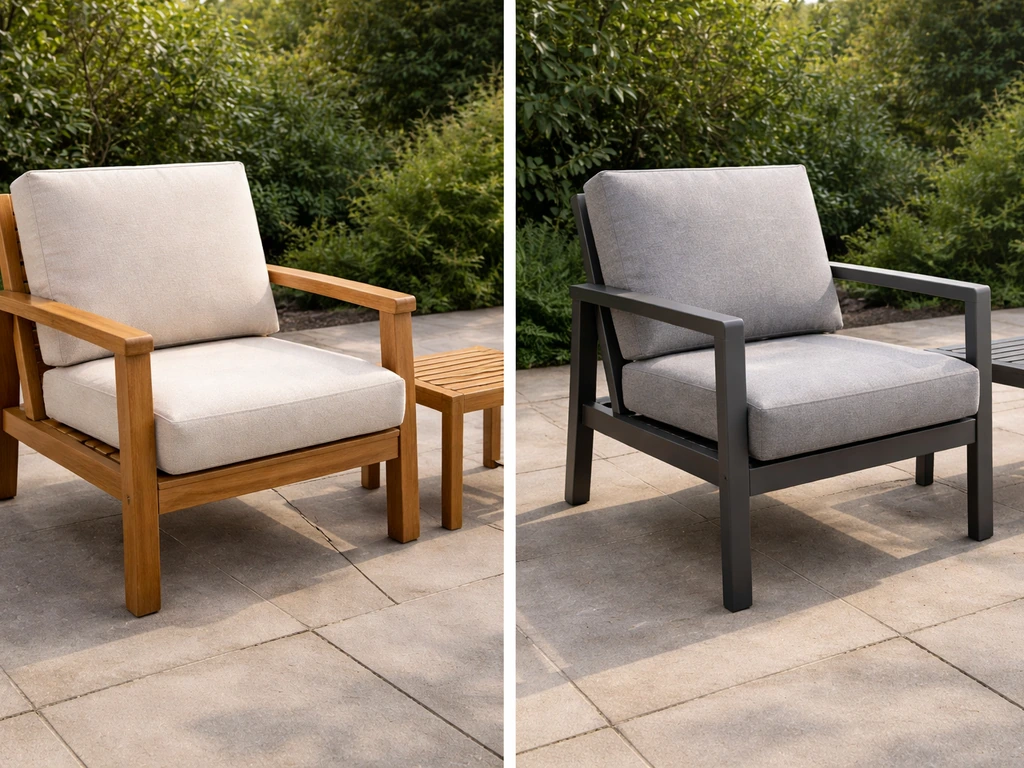
Teak vs Aluminum Patio Furniture: Durability, Care, Value
Teak vs aluminum patio furniture comparison for durability, care, aging, weather performance, lifespan, and cost of owne
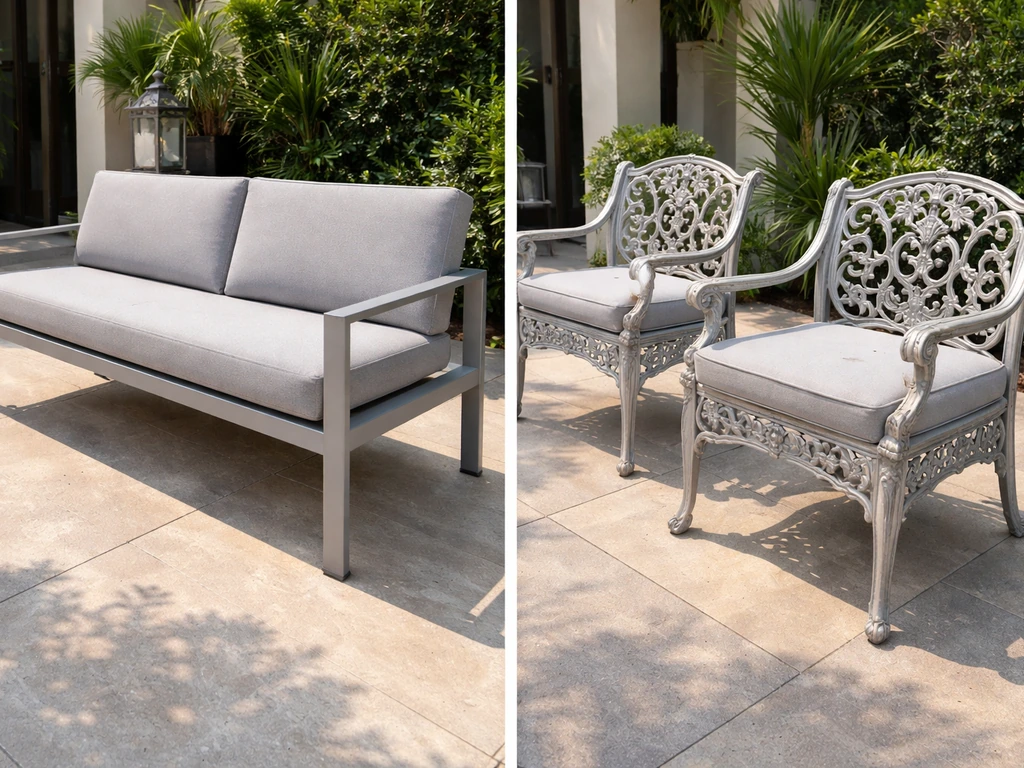
Aluminum vs Cast Aluminum Patio Furniture: Differences
Compare aluminum vs cast aluminum patio furniture by strength, weight, corrosion, durability, maintenance, and cost for
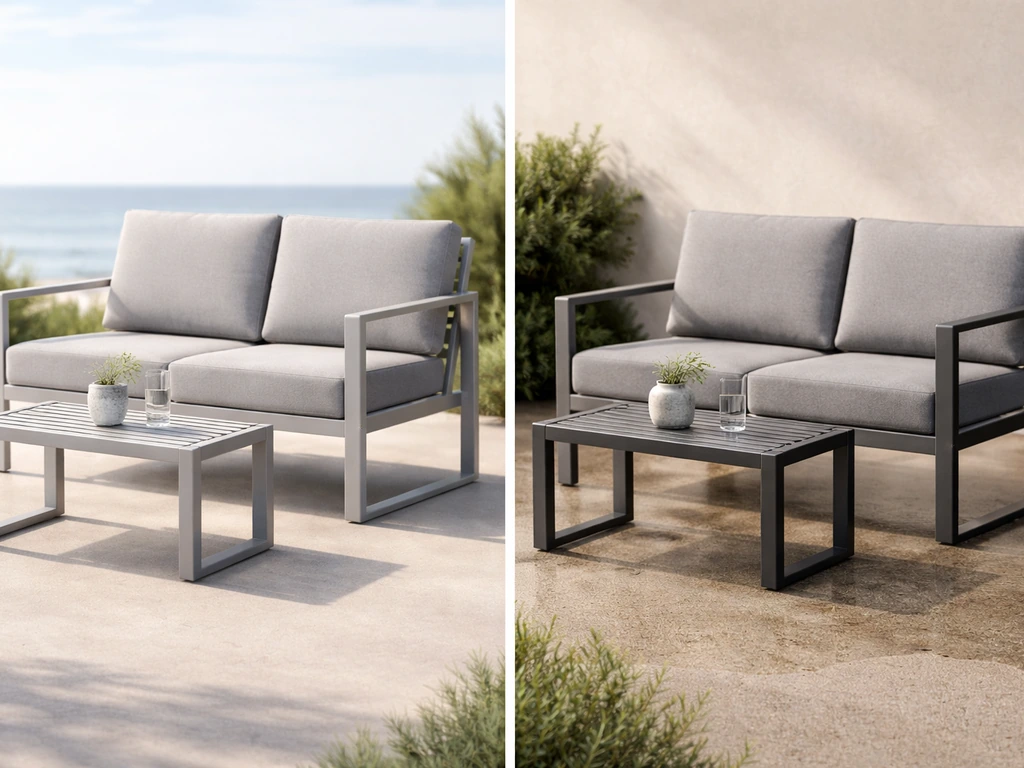
Aluminum vs Steel Patio Furniture: Best Choice Guide
Aluminum vs steel patio furniture: choose by rust resistance, dent risk, maintenance, weight, and climate for lasting va