
If you want the short version: all-weather resin wicker and powder-coated aluminum are both solid outdoor furniture choices, but they're built for different priorities. Aluminum wins on raw durability, near-zero maintenance, and longevity in harsh climates. Resin wicker wins on comfort, aesthetics, and that relaxed, layered look most people actually want in a backyard or covered porch. The trap most buyers fall into is confusing natural wicker (genuinely terrible outdoors) with all-weather resin wicker (genuinely good outdoors), or assuming all aluminum furniture is the same quality when it absolutely is not. Get those distinctions right, and the rest of this decision becomes pretty straightforward.
Wicker vs Aluminum Patio Furniture: Which Is Better?

Marcus Kellerman
19 Jun 2026
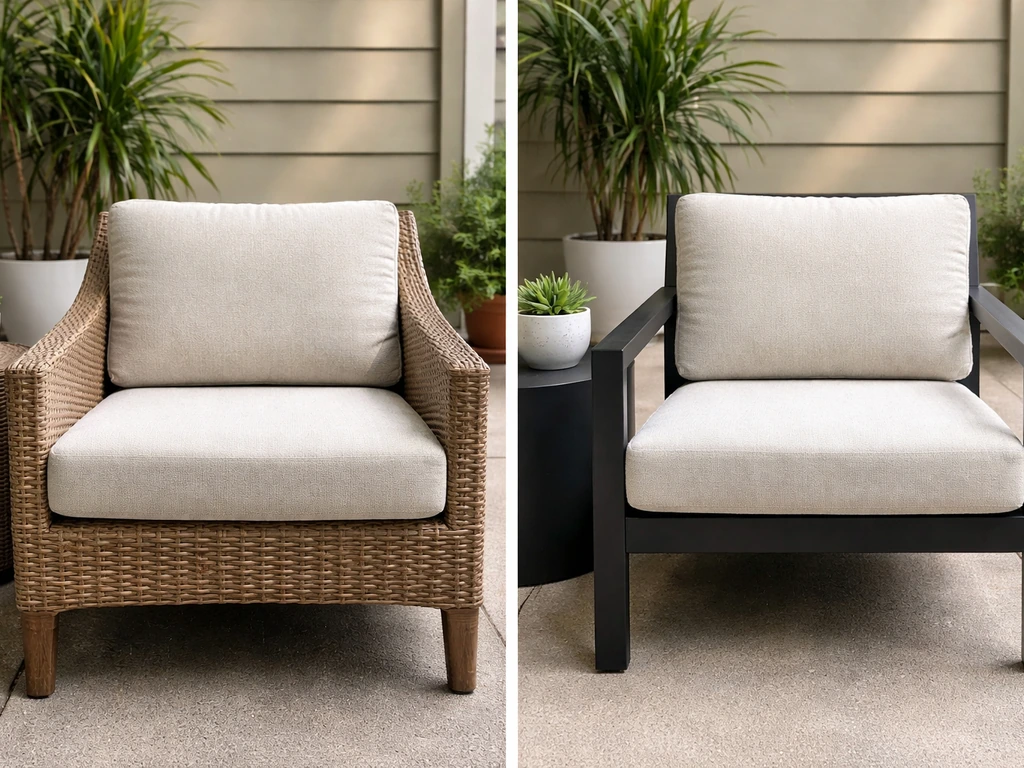
What 'wicker' and 'aluminum' actually mean when you're shopping for patio furniture
The word 'wicker' describes a weaving technique, not a material. That matters because the fiber being woven changes everything. Traditional wicker uses natural materials like rattan, cane, bamboo, or paper fiber. Those look beautiful indoors but fall apart outdoors.
Lowe's is straightforward about this: natural rattan is not water resistant and belongs inside, full stop. PatioProductions goes further, noting that natural wicker deteriorates with sun and moisture exposure and no amount of waterproofing spray will protect it from mold, mildew, and UV breakdown over time.
PatioProductions cautions that natural wicker such as rattan, cane, bamboo, or paper fiber is not meant for prolonged outdoor exposure because sun and moisture can cause deterioration natural wicker deteriorates with sun and moisture exposure. If you've found a beautiful antique wicker chair at an estate sale, keep it inside.
What most patio retailers sell today under the label 'wicker' or 'rattan' is something completely different: synthetic resin fiber, typically HDPE (high-density polyethylene), woven over a metal frame (usually aluminum or steel). That distinction matters when comparing rattan vs aluminum patio furniture, since only the all-weather resin version holds up outdoors resin wicker or 'rattan'. This is sometimes called '[all-weather wicker](https://www. wickerparadise.
com/blog. html)' or 'resin wicker,' and it's a genuinely durable outdoor product. HDPE is the same family of plastic used in cutting boards and outdoor play equipment. It doesn't absorb water, won't rot, and resists UV degradation far better than PVC alternatives.
When shopping, look for HDPE specifically. PVC-based resin wicker is cheaper but more prone to cracking and fading over time. Wicker Warehouse specifically advises choosing HDPE resin wicker and avoiding PVC resin wicker, noting HDPE wicker is strong and less prone to cracking, fading, or peeling [PVC-based resin wicker is cheaper but more prone to cracking and fading over time. ](https://www.
wickerwarehouse. com/resin-wicker-patio-furniture).
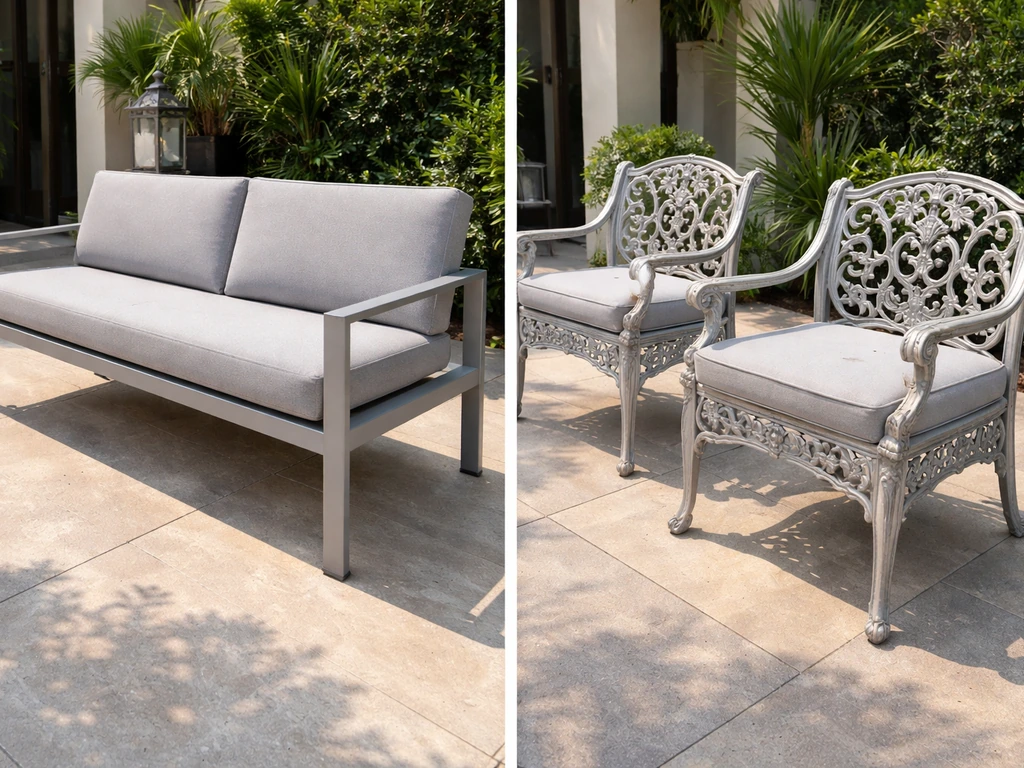
Aluminum patio furniture, on the other hand, describes the structural frame material. Most outdoor aluminum furniture is either extruded aluminum (formed into tubes and profiles, lighter and more affordable) or cast aluminum (poured into molds, heavier, more ornate, and generally more durable). The vast majority of what you'll find at mid-range retailers is powder-coated extruded aluminum with sling fabric or cushions. Powder coating is a dry paint process that bonds to the metal under heat, creating a hard shell that resists chips and rust far better than standard paint. Frame quality, coating thickness, and weld quality vary widely between brands, so you can't just assume 'aluminum' means bulletproof.
How each material holds up in real weather
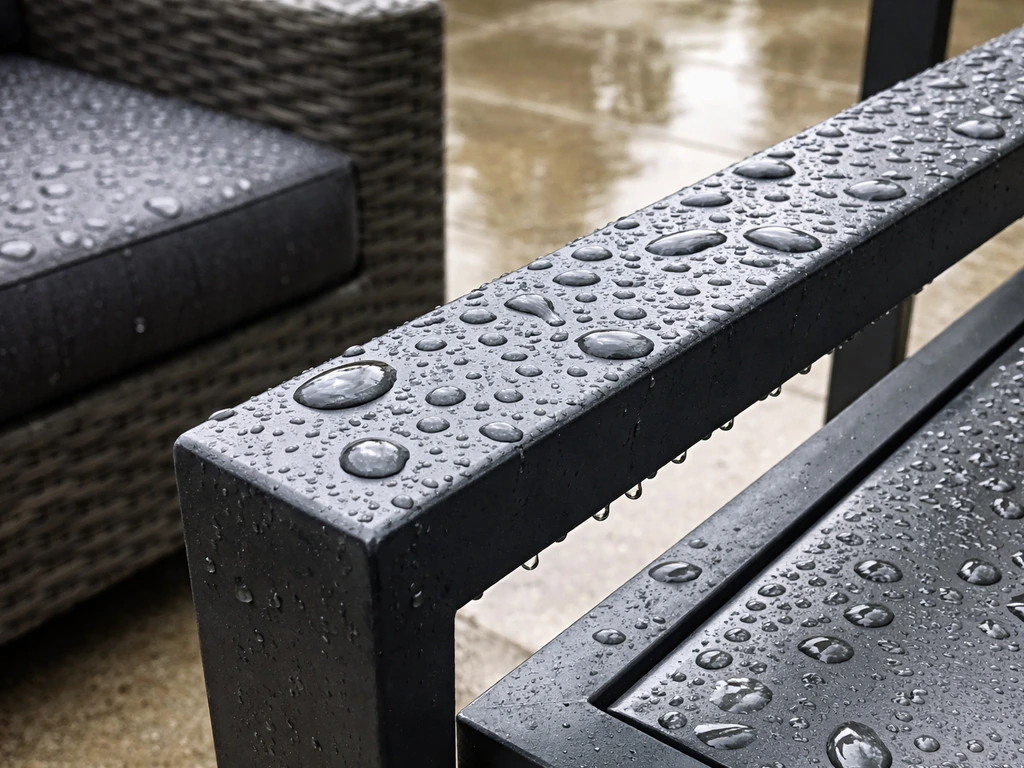
Rain and humidity
Powder-coated aluminum handles rain and humidity exceptionally well. Aluminum doesn't rust the way steel does. It forms a thin oxide layer when exposed to moisture, but that layer actually protects the metal underneath rather than continuing to corrode. As long as the powder coating remains intact and scratches are addressed early, an aluminum frame can sit in a rainy climate for 15 to 20 years without structural problems.
Resin wicker (HDPE) also handles rain well because the fiber itself doesn't absorb water. The bigger concern with resin wicker is the frame underneath, which is almost always steel or aluminum. If the wicker is woven over a steel frame with poor corrosion protection, that frame will rust before the fiber shows any wear. Always ask what the frame material is before buying resin wicker furniture.
Snow and freezing temperatures
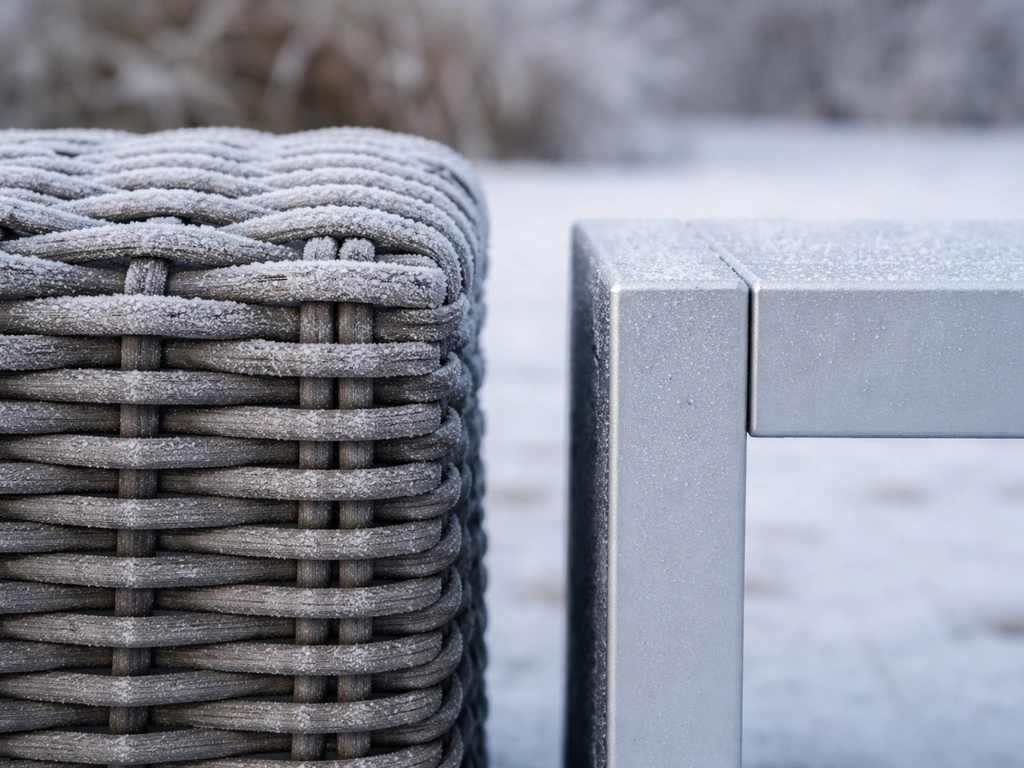
Aluminum is the clear winner here. It handles freeze-thaw cycles without cracking or warping. Resin wicker can become brittle at very low temperatures, and the weave may be more susceptible to cracking if something heavy (like a snow load or a dropped object) impacts it in winter. If you're in a zone that gets hard freezes and snowfall, aluminum furniture that you can cover or store is the safer bet. Resin wicker in a four-season climate really should be stored indoors or in a shed during winter, which adds effort and storage space to the equation.
UV and sun exposure
Both materials can fade under intense UV if the quality is low, but good powder-coated aluminum holds its color well for years. HDPE resin wicker is engineered with UV inhibitors and performs much better than PVC or natural fiber alternatives. That said, cheaper resin wicker will still fade and look chalky within a few seasons in a high-UV climate like Arizona or Florida. Cushion fabric is actually your biggest UV vulnerability regardless of which frame material you choose: low-grade polyester cushion covers fade and degrade far faster than either the aluminum or the wicker.
Coastal and salt air environments
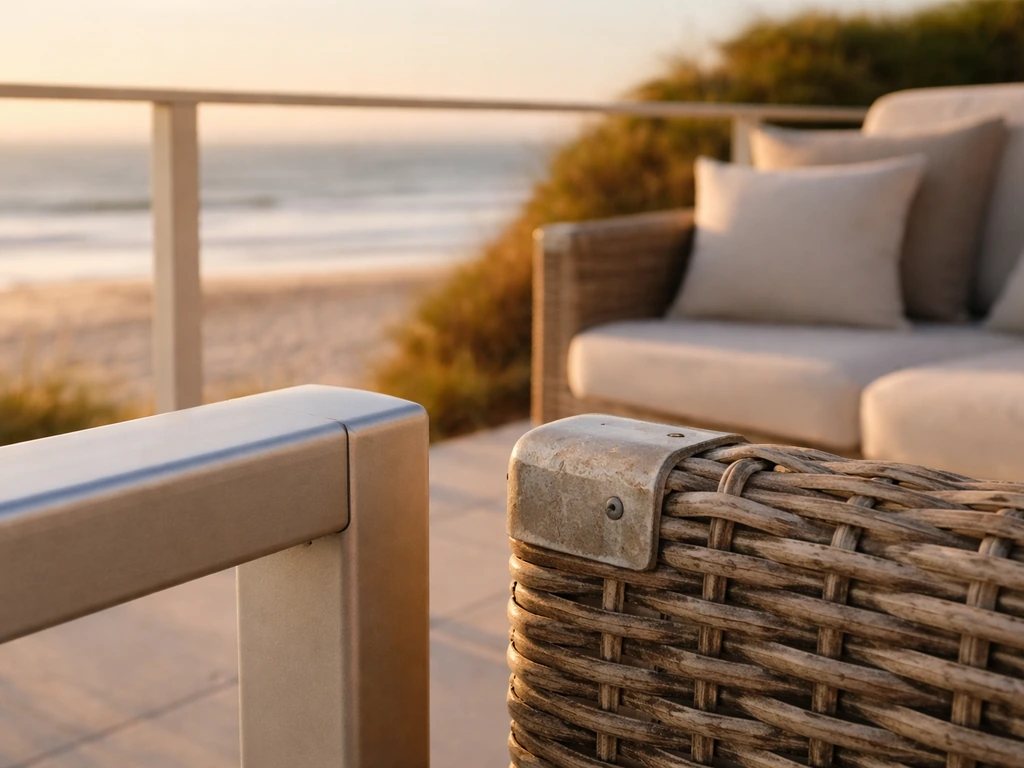
Coastal environments deserve special mention. Salt air accelerates corrosion on any metal surface. Aluminum is significantly more corrosion-resistant than steel in salty conditions, but the powder coating still takes a beating over time. Marine-grade or anodized aluminum finishes perform better here. Resin wicker with an aluminum frame (not steel) is a reasonable coastal option as long as you're rinsing the furniture regularly to remove salt buildup. If you're comparing aluminum to other metals in coastal settings, the aluminum vs. If you want a quick buying decision, the aluminum vs steel patio furniture guide below breaks down how these two materials compare for durability, maintenance, and comfort. steel comparison is worth reading before you decide.
Maintenance and what it actually costs you over time
Powder-coated aluminum is about as low-maintenance as outdoor furniture gets. Wipe it down with soapy water a few times a year, rinse off pollen and debris, and touch up any chips in the coating before rust can get a foothold. That's essentially it. No sealing, no special treatments, no annual refinishing. Over a 15-year lifespan, your time investment is minimal and your product cost is close to zero.
Resin wicker takes a bit more attention but is still manageable. Bob Vila's cleaning guidance recommends removing cushions first, then cleaning the wicker with warm water and mild soap, rinsing thoroughly, and drying completely before putting cushions back. KETTLER suggests a mix of about 2 oz of mild soap per gallon of lukewarm water as a safe cleaning solution.
The reason complete drying matters is that moisture trapped inside the weave, especially near the frame, can accelerate hidden corrosion on the underlying metal. Doing a thorough clean once or twice a year and letting the furniture dry fully in the sun keeps this under control. Weave density matters here too: tightly woven HDPE wicker is much harder to damage and easier to clean than loosely woven or lower-quality versions.
Cushion maintenance is the hidden cost most buyers underestimate. Whether you're buying aluminum or wicker furniture, cushions need to be stored during heavy rain or winter. Leaving outdoor cushions exposed year-round destroys them within two to three seasons. Budget for cushion replacement every three to six years depending on fabric quality and your climate. Sunbrella and solution-dyed acrylic fabrics last significantly longer than standard polyester and are worth the upcharge if you're not religious about storing cushions.
Comfort, style, and how each one actually feels to sit in
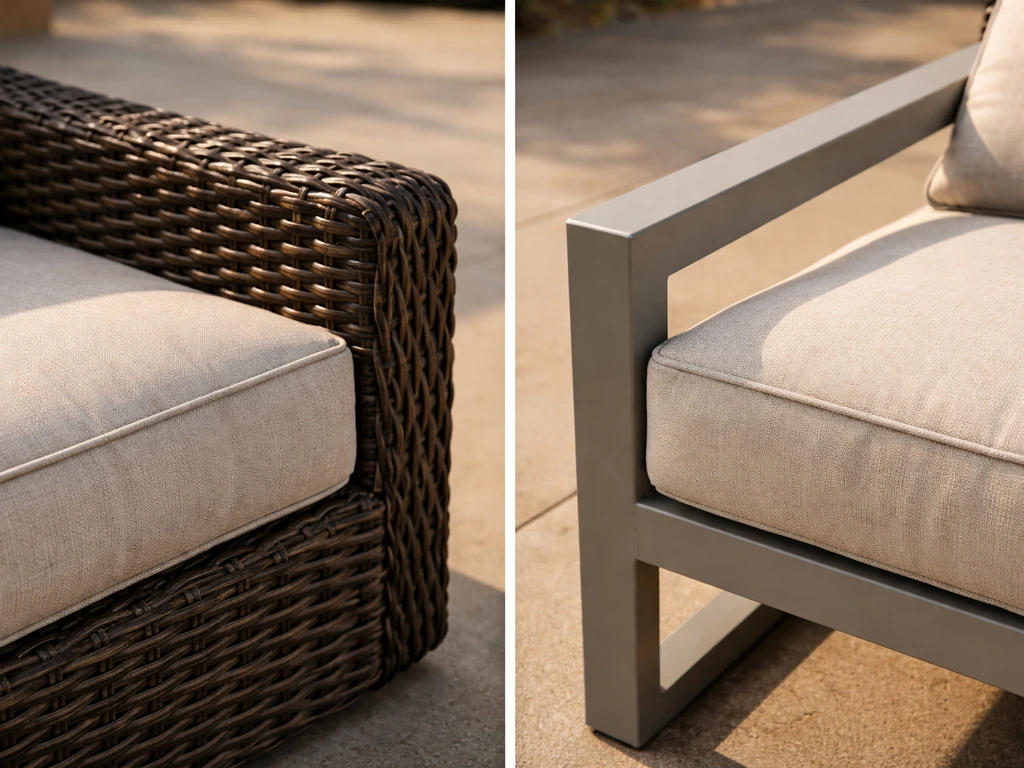
This is where wicker tends to win hearts. Resin wicker furniture, especially deep seating lounge sets, has a warm, textured, layered look that reads as genuinely relaxed and inviting. It's the aesthetic most people picture when they imagine a nice patio. The woven surface also has a slight give that feels more organic than sitting on a metal frame. With thick cushions, a quality resin wicker lounge chair is genuinely comfortable for hours.
Aluminum furniture has come a long way aesthetically. Modern powder-coated aluminum dining sets and sectionals can look sleek, contemporary, or even rustic depending on the finish and design. If you're weighing cast aluminum versus extruded aluminum patio furniture, the manufacturing method affects how the pieces handle impacts and long-term wear powder-coated aluminum dining sets. But bare aluminum frames with thin sling fabric feel utilitarian by comparison. The best aluminum furniture for comfort usually combines the frame with thick, high-density foam cushions, similar to what you'd find on wicker sets. Without cushions, aluminum chair seats and backrests can get hot in direct sun (metal conducts heat), which is a real comfort issue in warm climates during peak summer.
Weight is a practical comfort consideration too. Cast aluminum furniture is heavy and stays put in wind, which some people like and others find annoying when rearranging. In this aluminum vs cast aluminum choice, cast aluminum is typically heavier and more ornate, while many powder-coated extruded options are lighter and easier to rearrange. Resin wicker sets vary widely: a wicker chair over a steel frame can be quite heavy, while one over a thin aluminum frame might be light enough to tip in a strong gust. If you're in a windy location, check the weight and consider whether you'll need to anchor or store pieces during storms.
Common failure modes and how to prevent them
| Failure Mode | Material | How It Happens | Prevention |
|---|---|---|---|
| Powder coat chipping and frame rust | Aluminum | Impact damage breaks the coating; moisture reaches bare metal | Touch up chips immediately with matching paint; avoid dragging furniture on concrete |
| Wicker fiber fraying or splitting | Resin wicker | Low-quality PVC fiber or UV degradation; physical snagging | Choose HDPE over PVC; avoid sharp edges near weave; use covers |
| Hidden frame corrosion | Resin wicker (steel frame) | Water trapped inside weave corrodes the frame before visible damage appears | Rinse and fully dry after rain; choose furniture with aluminum (not steel) frames |
| UV fading and chalking | Both | Prolonged direct sun exposure degrades color in low-quality coatings or fiber | Choose UV-stabilized HDPE wicker; quality powder coat; use covers when not in use |
| Cushion mold and mildew | Both | Moisture trapped in cushion foam; no drainage; stored wet | Use cushions with drainage holes; store indoors during rain and winter; choose solution-dyed acrylic fabric |
| Joint and weld failure | Aluminum | Cheap furniture uses thin tubing and poor welds that fail under load or over time | Check weld quality before buying; look for thick-walled tubing (1.5mm+ wall thickness) |
| Weave loosening over time | Resin wicker | Thin or loosely woven fiber loses tension; cheap frames flex and distort the weave | Buy tightly woven HDPE; check that the frame is rigid before purchasing |
The single most preventable failure across both materials is cushion neglect. Cushions left outside through rain, freezing, or prolonged wet conditions fail fast and expensively. Covers help, but bringing cushions inside or into a covered space during bad weather extends their life dramatically. For resin wicker specifically, the second-biggest failure is buying cheap furniture with a steel frame and no visible weave gaps, then discovering a year or two later that the frame underneath has corroded while the fiber looked fine from the outside.
How to choose: a decision checklist by climate and lifestyle
Use these questions to point yourself toward the right material before you start shopping.
- What climate do you live in? Four-season climates with freezing winters and snow favor aluminum. Mild, humid, or coastal climates work well with both, provided the resin wicker has an aluminum frame and you rinse for salt.
- Do you have covered outdoor storage or a garage? If yes, resin wicker is practical year-round. If you have no indoor storage and leave furniture exposed all winter, aluminum is more forgiving.
- How much maintenance are you willing to do annually? Aluminum: very little. Resin wicker: a couple of thorough cleanings per year and cushion care. Natural wicker: avoid it entirely for outdoor use.
- Is aesthetics a top priority? If you want a warm, relaxed, textured look, resin wicker is hard to beat. If you prefer a modern, clean-lined, or industrial aesthetic, aluminum furniture has excellent options.
- Are you furnishing a covered porch, lanai, or pergola? Resin wicker performs beautifully in covered outdoor spaces with reduced UV and rain exposure. Fully exposed patios in high-UV or high-rain climates favor aluminum.
- What's your 10-year budget? Aluminum frames rarely need replacement. Resin wicker with an aluminum frame also lasts well, but cheap steel-framed wicker may need replacement in five to seven years. Always factor in cushion replacement costs for either choice.
- Do you have kids, pets, or high-traffic use? Aluminum is more forgiving of rough use, dropped items, and dragging. Resin wicker weave can snag or be damaged by sharp objects and claws.
- Are you in a hurricane or high-wind zone? Heavier cast aluminum stays put better. Light resin wicker sets should be brought inside or secured during storms.
What to look for (and avoid) when buying either material
For aluminum furniture
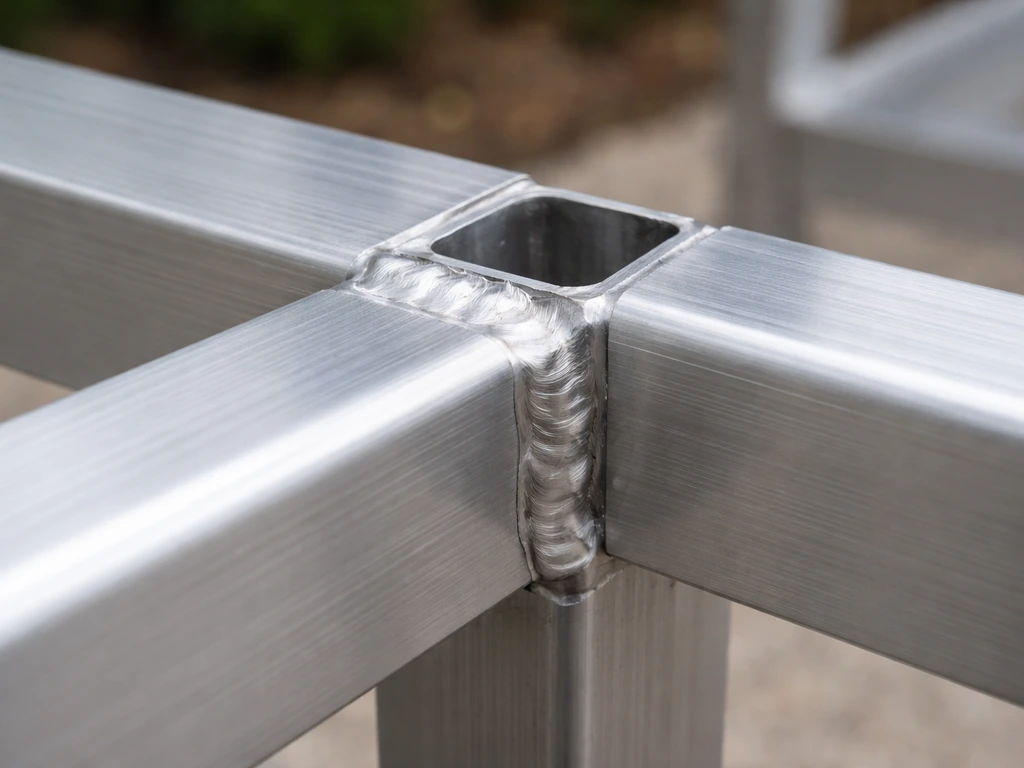
- Look for wall thickness of at least 1.5mm on frame tubing; thinner than that flexes and welds fail faster
- Check weld quality at joints: clean, fully bonded welds indicate better construction; rough or porous welds are a red flag
- Confirm powder coat thickness and finish quality; quality powder coat should feel smooth and hard, not thin or chalky
- Ask whether it's extruded or cast aluminum; cast is heavier and more durable for long-term use
- Check if replacement parts (cushions, slings, hardware) are available from the brand; furniture you can't repair becomes landfill
- Avoid furniture where the frame tubing feels light enough to flex when you apply hand pressure to the seat frame
For resin wicker furniture
- Confirm the fiber is HDPE, not PVC; HDPE resists cracking and fading significantly better
- Look for tight, dense weave patterns; a high-quality wicker weave is very difficult to distort with hand pressure
- Ask what the underlying frame is made of; aluminum frames under the wicker last far longer than steel
- Check weave edges and transitions; well-finished wicker has no sharp ends, raw cuts, or loose strands
- UV-stabilized HDPE will be noted in product specs; if the listing doesn't mention UV resistance, assume it's lower-quality fiber
- Sit in the piece before buying if possible; the frame should feel rigid with no creaking or flex
- Avoid natural wicker, rattan, cane, or bamboo for any outdoor application; these materials simply are not built for outdoor exposure
Cushion buying guidance that applies to both
- Choose solution-dyed acrylic fabric (Sunbrella is the most recognized brand) for the longest color retention and mildew resistance
- Look for cushions with drainage holes in the bottom foam; this prevents water pooling after rain
- High-density foam (2 lb/ft³ or higher) holds its shape far longer than low-density alternatives
- Cushion covers should be removable and machine washable; check zippers and seam quality before buying
- Even with quality fabric, store or cover cushions during extended rain and always during winter
The bottom line on which one to buy
If you live somewhere with cold winters, high UV, or genuinely brutal weather, and you want furniture that you don't have to think about much, quality powder-coated aluminum is the safer long-term investment. If you want a beautiful, comfortable, lounge-focused patio with a warmer aesthetic and you're willing to do a couple of cleanings per year and store cushions properly, HDPE resin wicker over an aluminum frame is a genuinely excellent choice that will last many years.
If you are trying to decide between polywood and aluminum patio furniture, the same durability, maintenance, and climate fit you use for wicker comparisons will help you pick the right option polywood vs aluminum patio furniture. The people who regret their resin wicker purchase almost always bought a cheap set with a steel frame, PVC fiber, and budget cushions. The people who regret their aluminum purchase usually bought thin extruded furniture that bent or scratched easily.
In both cases, the problem wasn't the material category. It was cutting corners on quality.
If you're also weighing other frame materials, comparisons like teak vs. For a deeper comparison, see how teak vs aluminum patio furniture stacks up on durability, maintenance, and weather resistance teak vs.. aluminum and polywood vs. aluminum are worth a look for a fuller picture, since both offer different tradeoffs on weight, aesthetics, and long-term cost. But for most homeowners who've narrowed it down to wicker versus aluminum: buy the best quality you can afford in whichever style you actually love, confirm the frame and fiber specs before you order, and sort out your cushion storage plan before the first rain.
FAQ
How can I tell if “wicker” I’m buying is actually all-weather resin (HDPE) or natural wicker?
Look for wording like “resin wicker,” “all-weather wicker,” or “HDPE” on the label or spec sheet. Natural wicker products often mention rattan, cane, or bamboo and are typically not sold as outdoor all-weather items. If the listing only says “wicker” or “rattan” without specifying synthetic resin and the frame material, treat it as a red flag.
Does resin wicker mean the entire furniture is rust-proof?
No. Resin wicker describes the woven fiber, not the frame. If the weave sits over a steel frame with weak corrosion protection, the frame can rust first even while the fiber looks fine. Always confirm the frame material and whether it is powder-coated aluminum or a corrosion-treated steel.
What should I check on aluminum furniture to avoid thin, bend-prone frames?
Request or look for details like tube thickness or gauge, warranty length, and how well the joints are welded or braced. In practice, furniture that feels light without substantial cross-bracing is more likely to flex. Also inspect the coating at stress points (corners, arm joints) for even coverage, since thin powder coat can chip and expose metal.
Is cast aluminum better than extruded aluminum for patios?
Often, yes, cast aluminum is heavier and can be more impact-resistant, which helps with durability and wind stability. Extruded aluminum is typically lighter and may be easier to rearrange. Your safest decision factor is quality of the powder coating and construction, not the category alone.
Do I need to cover aluminum or resin wicker when it rains or during winter?
During normal rain, aluminum usually does not require a cover, but covering cushions is still crucial. In winter, you should plan to protect cushions and consider storing or covering pieces in freeze-heavy areas. Even all-weather materials benefit from covers when snow, road salt, or prolonged wet conditions are common.
What’s the biggest “hidden” cost difference between wicker and aluminum?
Cushions. Regardless of whether you choose wicker or aluminum frames, cushion fabric can fade and deteriorate quickly if it stays wet or sun-baked year-round. Budget for cushion replacement every few years, unless you have a storage habit or high-end, fade-resistant fabric.
How do I clean resin wicker without trapping moisture in the weave?
Remove cushions first, wash with mild soap and lukewarm water, rinse thoroughly, then dry completely with airflow and sun. Pay attention to water pooled near the frame, because trapped moisture can accelerate corrosion under the weave. Don’t use high-pressure washing that can force water deeper into the joints.
Can I use bleach or harsh chemicals on aluminum or resin wicker?
Avoid harsh chemicals unless the manufacturer specifically allows them. Strong cleaners can break down coatings, fade pigments, or leave residue that attracts dirt. For most routine cleaning, soapy water and gentle rinsing are enough, and any chip in the powder coat should be touched up promptly.
What’s the best choice for coastal areas with salt air?
Choose aluminum with marine-friendly finishes such as anodized or a higher-quality powder coat, and minimize exposed steel components. If you choose resin wicker, make sure the frame is aluminum, then rinse the furniture regularly to remove salt buildup. For maximum peace of mind, avoid “wicker over steel frame” setups near the ocean.
If I get hard freezes, is resin wicker truly unsafe?
Not unsafe, but higher risk. Resin fiber can become more brittle in very low temperatures, and impacts (like snow clearing or dropped items) are more likely to crack the weave. Aluminum handles freeze-thaw better, so in four-season climates, aluminum plus thick cushions is usually the lower-maintenance choice.
Will aluminum chairs get too hot in summer?
They can, especially sling seats and thin surfaces in direct sun, since metal transfers heat quickly. If comfort matters, look for cushions with substantial thickness and supportive foam, similar to what many resin wicker sets include.
What’s a practical “buying checklist” before I order either option?
Confirm fiber type (HDPE for resin wicker), confirm frame material (prefer powder-coated aluminum over steel), inspect powder coat coverage and warranty length, and plan cushion storage. If you can only verify one thing, verify the frame material and coating quality, because the frame determines corrosion and long-term structural stability.
Next Articles
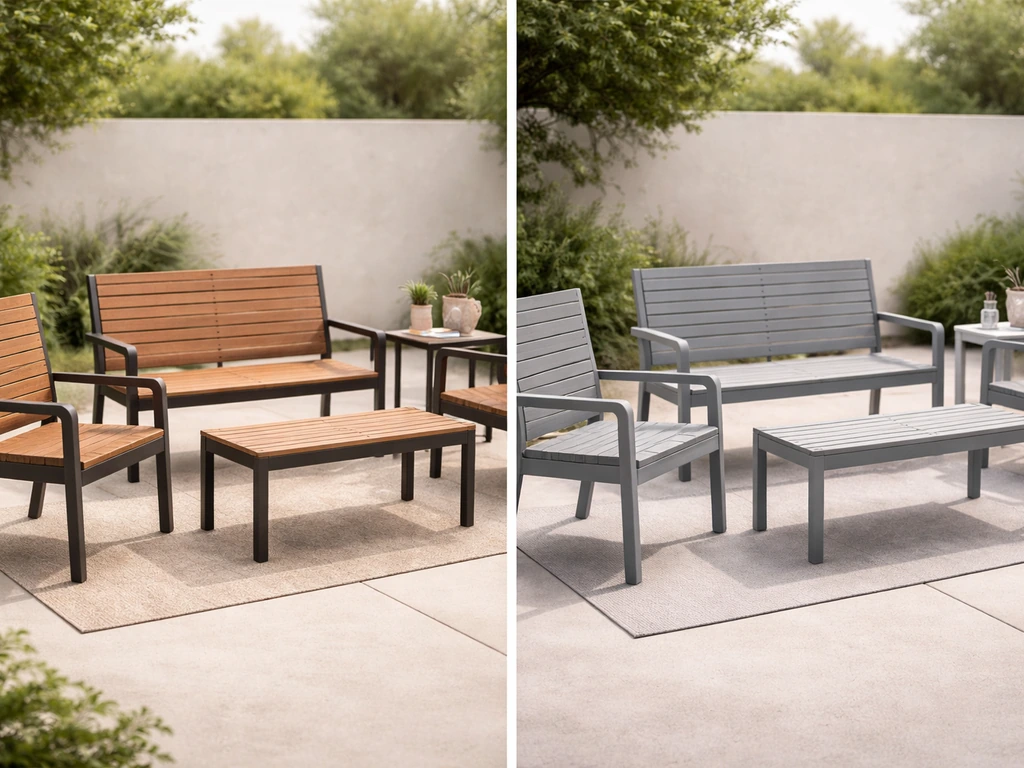
Polywood vs Aluminum Patio Furniture: Durability, Cost, and Best Choice
Side-by-side polywood vs aluminum patio furniture guide: durability, weather damage, maintenance, and real value by clim
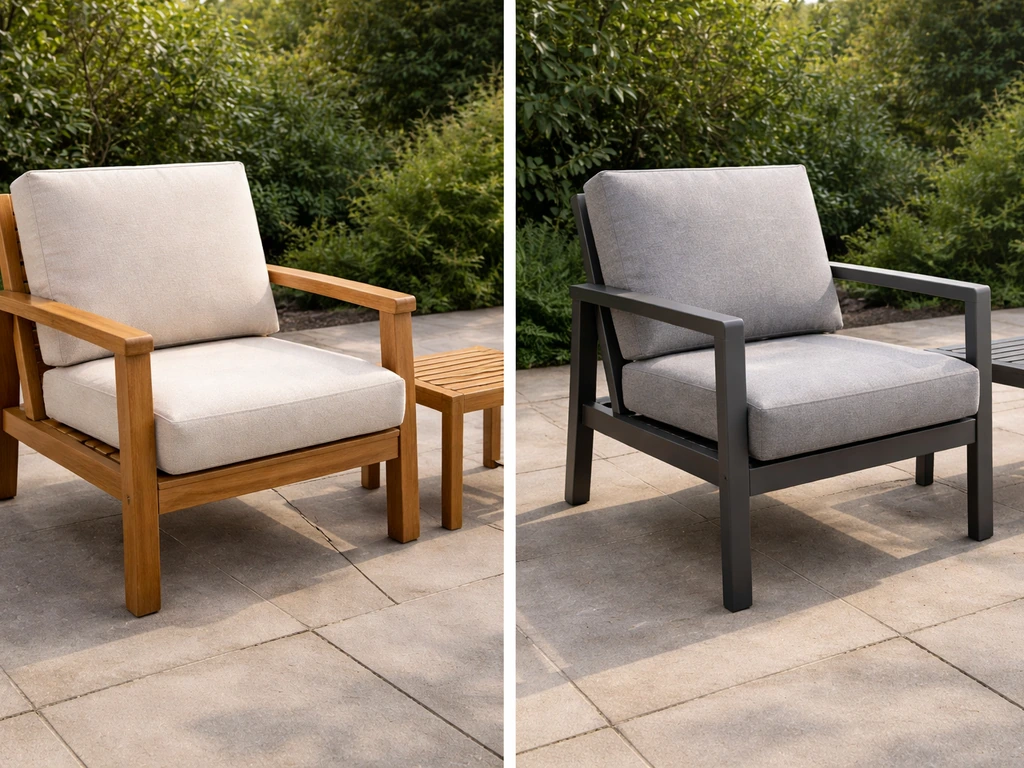
Teak vs Aluminum Patio Furniture: Durability, Care, Value
Teak vs aluminum patio furniture comparison for durability, care, aging, weather performance, lifespan, and cost of owne
Aluminum vs Cast Aluminum Patio Furniture: Differences
Compare aluminum vs cast aluminum patio furniture by strength, weight, corrosion, durability, maintenance, and cost for