
Cast aluminum wins for most buyers today. It is lighter, naturally corrosion-resistant, holds a powder-coat finish better over time, and handles every climate from coastal salt air to freeze-thaw winters without the rust risk that comes with cast iron. Cast iron has its place, but that place is increasingly narrow: you want maximum visual heft, you live somewhere genuinely dry, and you are ready to commit to regular maintenance. For anyone else, cast aluminum delivers comparable aesthetics, a longer service life with less effort, and better long-term value even when the sticker price is higher.
Cast Iron vs Cast Aluminum Patio Furniture: Which Lasts Longer?

Marcus Kellerman
20 Jun 2026
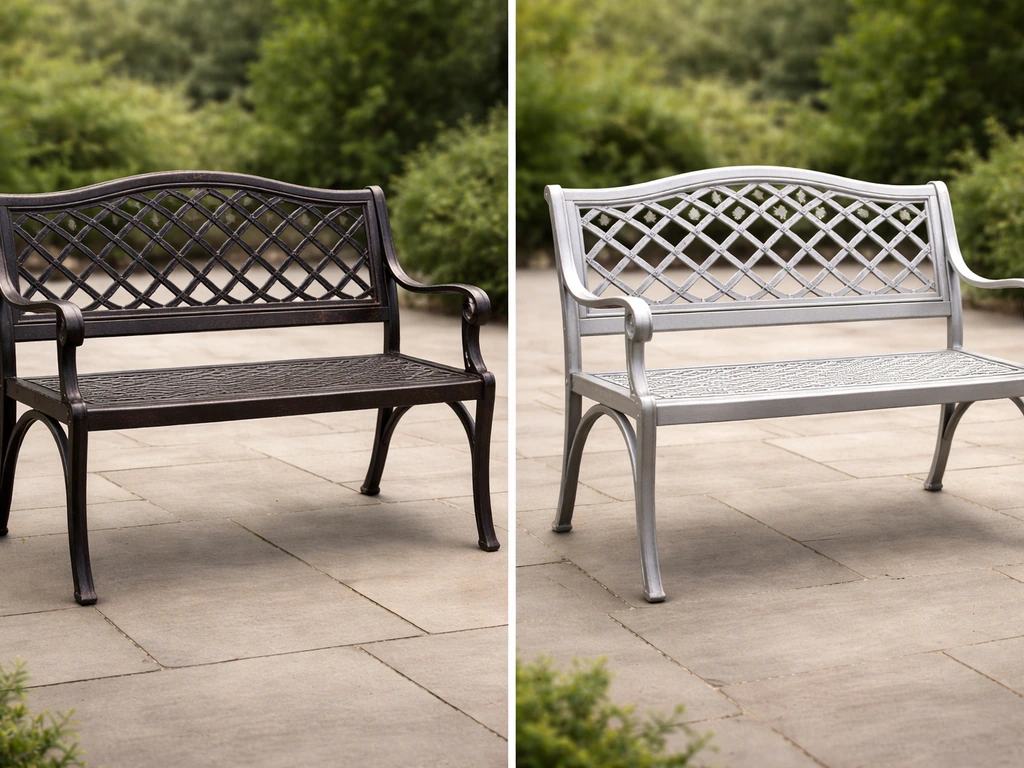
What these materials actually are (cast, wrought, iron, aluminum)
The terminology around outdoor metal furniture is genuinely confusing because the same words get used loosely in marketing. Here is what actually matters when you are shopping.
Cast iron vs. wrought iron
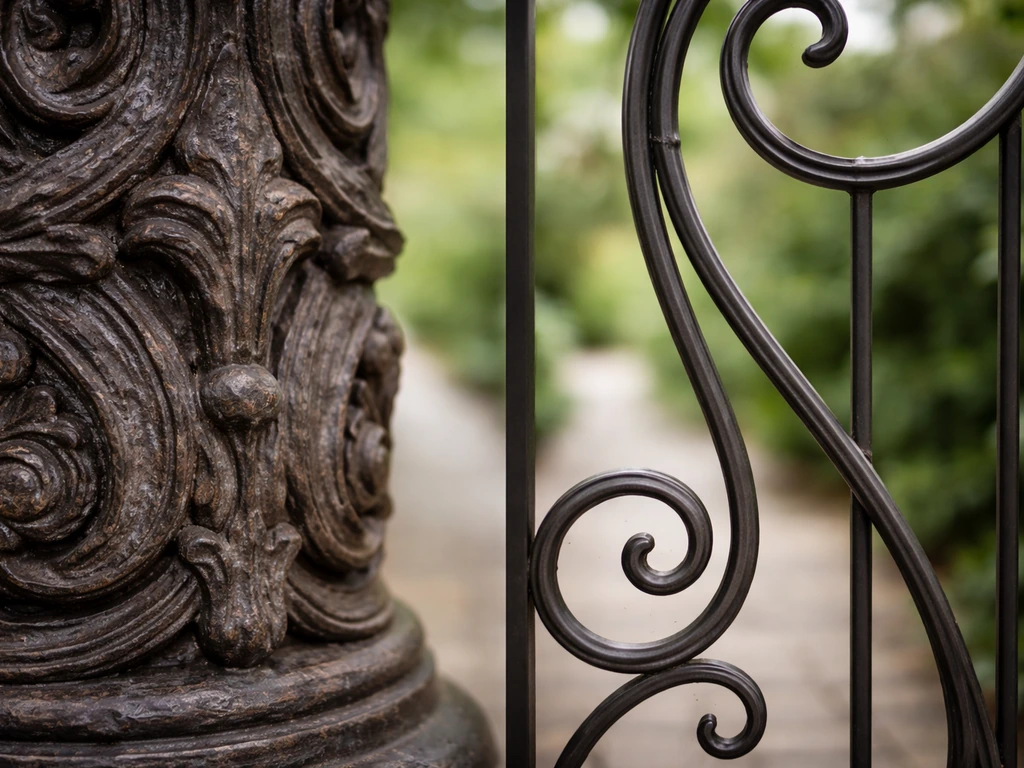
Cast iron is iron that has been melted and poured into a mold. A bridge-terminology source distinguishes cast iron and wrought iron as different types of iron members for structural context terminology distinguishes cast iron and wrought iron as two different types of iron members. It produces thick, heavy, ornate shapes but is brittle compared to wrought iron, which is iron that has been heated and worked (hammered, rolled, or drawn) into shape. Wrought iron is tougher and more ductile. In practice, much of what is sold today as 'wrought iron' patio furniture is actually steel tubing or steel rod bent into traditional silhouettes, not true wrought iron at all. If a retailer labels a piece as wrought iron, it is worth asking exactly what alloy it is, because steel and true wrought iron behave very differently under coastal or humid conditions. Cast iron in patio furniture is most common in vintage or reproduction pieces: classic bistro chairs, park benches, ornate Victorian-style tables.
Cast aluminum
Cast aluminum follows the same process as cast iron: molten aluminum is poured into a mold, which allows complex decorative shapes like scrollwork, leaf patterns, and lattice backs that extruded aluminum profiles simply cannot replicate. The result is denser and heavier than extruded or tubular aluminum furniture, which is why some retailers describe cast aluminum as more resistant to denting and wind movement than lighter aluminum options. It is not the same as standard aluminum patio furniture, which is typically extruded tubing or sheet. If you are weighing cast aluminum against extruded aluminum, that is a separate comparison worth looking at in depth. If you are trying to decide between patio furniture aluminum and cast aluminum, the differences show up most in weight, damage resistance, and how the finish ages over time.
The key difference that drives everything else
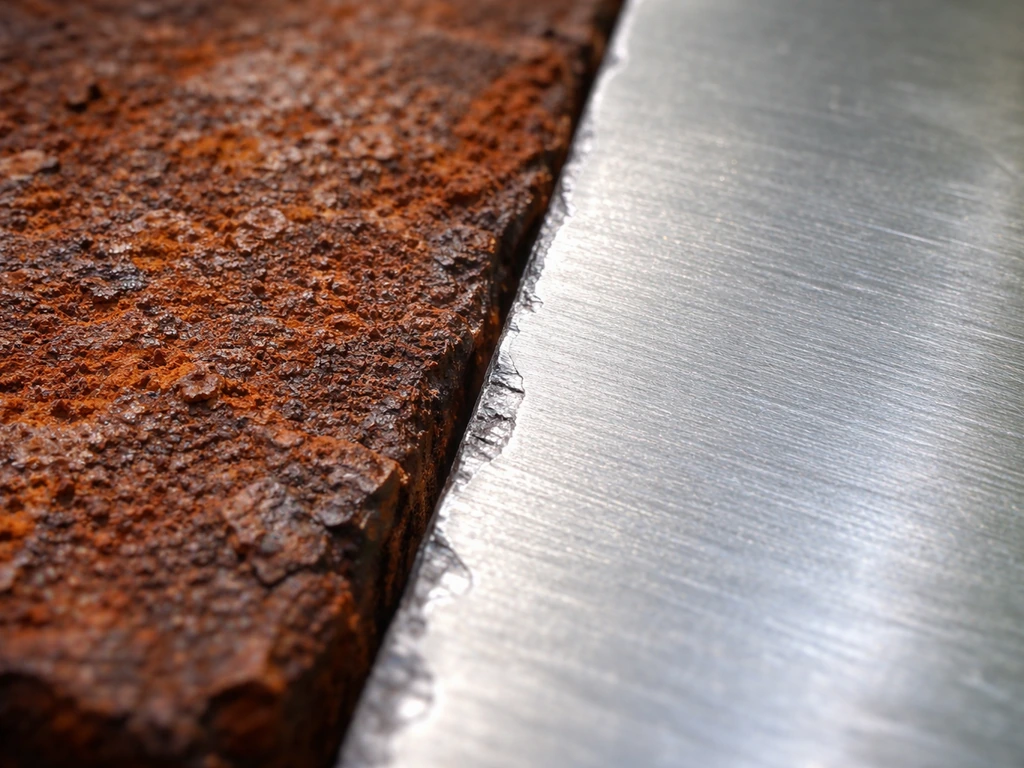
Iron (and steel) rust when exposed to oxygen and moisture. Aluminum does not rust. Instead, aluminum forms a thin, stable layer of aluminum oxide on its surface almost immediately when exposed to air, and that layer acts as a natural barrier against further corrosion. This one difference cascades into everything: finish requirements, climate performance, maintenance load, and long-term durability.
How each material performs by climate
Climate is probably the single biggest factor in this decision. The same piece of furniture that lasts 30 years in Arizona can be a corroded mess in five years on a Florida Gulf Coast patio if it is the wrong material.
| Climate | Cast Iron Performance | Cast Aluminum Performance |
|---|---|---|
| Coastal / salt air | High rust risk; coating failures accelerate in salt spray; requires frequent inspection and refinishing | Better suited; pitting corrosion can occur over years of direct salt exposure, but oxide layer provides meaningful protection; use marine-grade coatings |
| Humid / wet (Southeast, Pacific Northwest) | Constant moisture accelerates rust once coatings fail; not recommended without serious maintenance commitment | Handles humidity well; no rust; rinse regularly to remove moisture and debris from crevices |
| Freeze-thaw (Midwest, Northeast) | Ice expansion can physically crack cast iron; freeze cycles are a structural risk, not just a surface issue | Drain hollow sections before winter; do not store upside-down (water can freeze inside the frame); aluminum itself handles cold well |
| Hot / high-UV (Southwest, desert) | UV degrades coatings; chalking and finish fading are the main risks; rust less of an issue in dry climates | UV degrades standard polyester powder coat over time; look for UV-resistant topcoats; aluminum itself is unaffected by heat |
| Mild / temperate (most of the country) | Manageable with annual maintenance; still requires coat touch-ups | Lowest maintenance of the two; a quality powder coat lasts years with basic care |
Coastal environments deserve special emphasis. Salt spray testing (referenced in ISO 9227 and ASTM B117 standards) is used specifically to predict how coatings hold up in marine conditions, and the results make clear that blank" rel="noopener noreferrer">not all finishes or aluminum grades are equal at the coast. Even aluminum, despite its oxide layer, develops time-dependent pitting corrosion under sustained salt-air exposure. Cast iron in the same environment faces a much more aggressive degradation path because the underlying metal actively rusts once the coating is compromised.
Durability and damage risks side by side
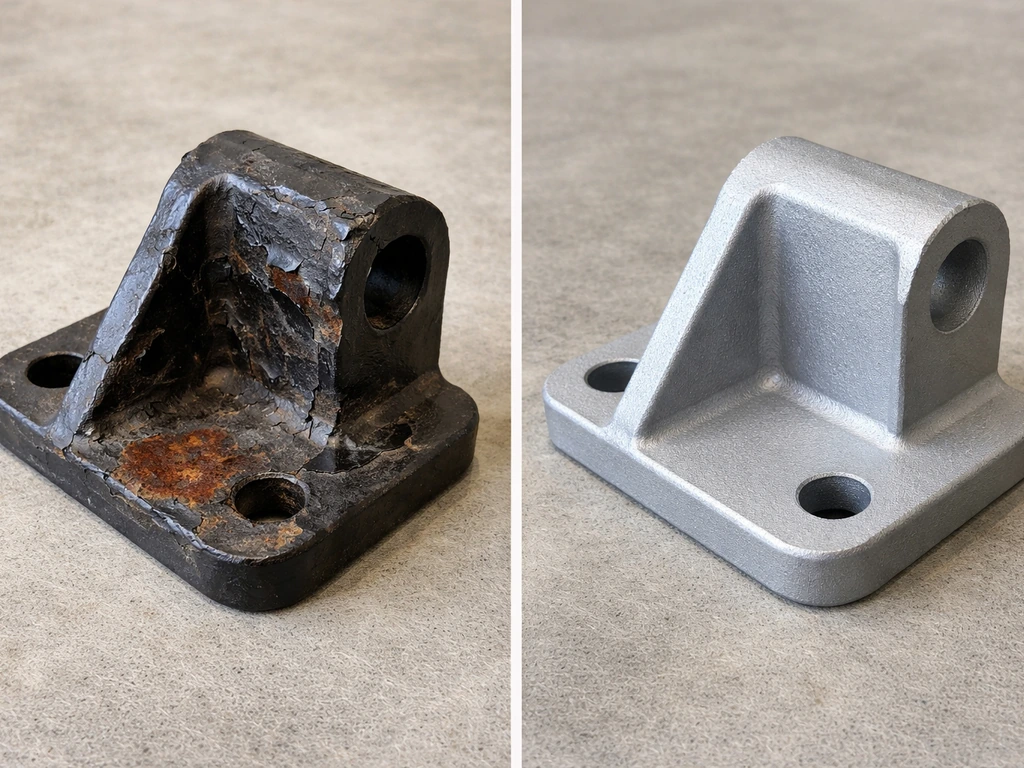
Rust and corrosion
This is where cast iron's weakness is most stark. Once the protective coating on cast iron wears, cracks, blisters, or peels, moisture gets beneath the film. That trapped moisture accelerates corrosion at defect points in a feedback loop: rust forms, expands, pushes the coating up further, more moisture gets in, more rust forms. If you catch it early and touch up the finish, you can stop it. If you miss it for a season, the corrosion can spread significantly. Cast aluminum does not rust. If its powder coat chips, the exposed aluminum forms its own oxide layer rather than actively corroding, which buys you time to address it without the same urgency. If you are specifically choosing between powder-coated steel vs aluminum patio furniture, the coating and coastal behavior details below are the most relevant comparison point.
Cracking and structural failure
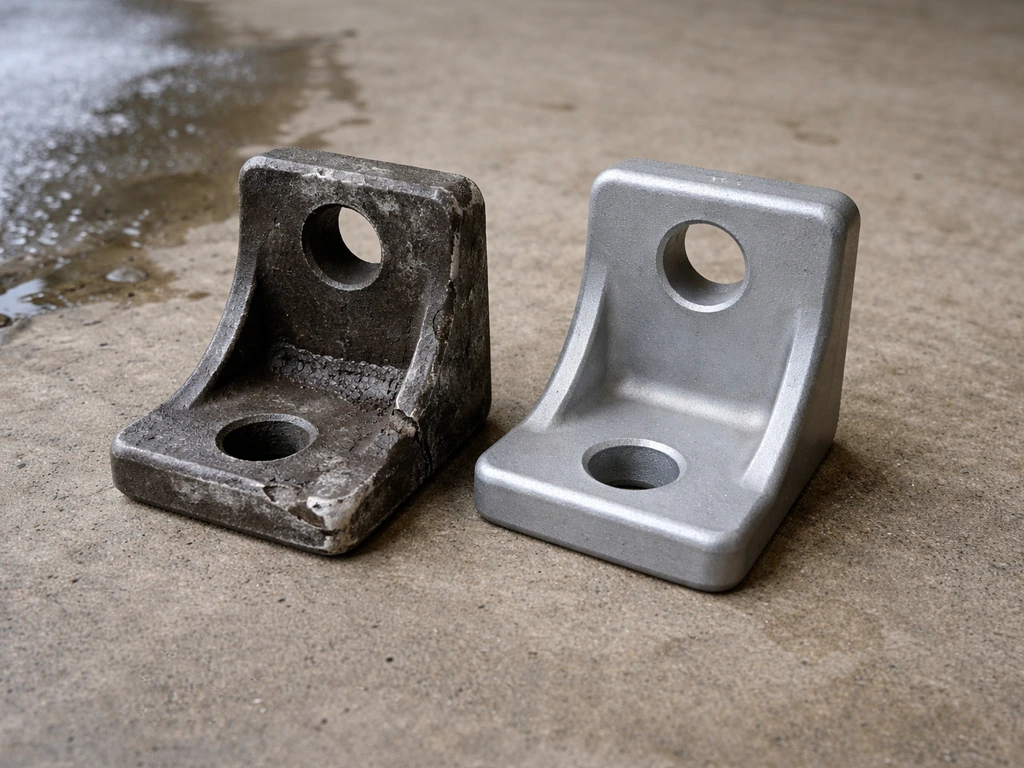
Cast iron is brittle. It can crack under impact or, critically, when water infiltrates a casting and freezes. Ice expansion inside a casting is a real structural risk in freeze-thaw climates, not a rare edge case. Cast aluminum is also a cast material and can crack under high impact, but it is generally less brittle than cast iron and does not face the same freeze-related structural risks. For freeze-thaw regions, cast aluminum is the clearly safer choice.
Coating failure and UV degradation
Both materials depend on their powder coat or paint finish for a significant portion of their protection and appearance. UV photodegradation is a real and documented issue for outdoor coatings: standard polyester powder coat can begin chalking, losing gloss, and shifting color under intense sun over time. Once chalking starts, it is hard to reverse. The stakes of coating failure differ, though. On cast aluminum, a degraded finish is primarily an aesthetic problem and a maintenance flag. On cast iron, a degraded finish is the beginning of a rust and corrosion sequence that can become structural. Soluble salts or contamination under a coating can also cause osmotic blistering, where moisture is drawn under the film and creates bubbles that eventually rupture, another reason to clean furniture regularly and address any chips promptly.
Typical lifespan expectations
Well-maintained cast aluminum with a quality powder coat can realistically last 20 to 30 years. Powder coat on outdoor aluminum is commonly warrantied at 3 years for finish and 5 to 10 years for structure by mid-to-premium brands, with some lifetime structural warranties on cast and extruded frames. Cast iron, also well-maintained in a dry climate, can last generations, which is part of its appeal for heirloom or restoration pieces. In wetter or coastal climates, that longevity shrinks fast without consistent upkeep.
Maintenance and repair in practice
Day-to-day cleaning
For both materials, the routine is the same: mild dish soap, warm water, and a soft cloth or non-abrasive sponge. Do not use bleach, abrasive cleaners, steel wool, or solvents on either material. Bleach and abrasives can strip finish color and damage the powder coat on aluminum. Solvents, including ketones, alcohols, and aromatics, can attack powder-coat chemistry. After cleaning, rinse with cold water and let the furniture dry fully before covering or stacking. If you are near the coast, rinsing more frequently, even just with a hose, removes salt deposits before they concentrate and work under the finish.
Touching up and repairing damage
On cast aluminum, a chip or scratch should be addressed with a matching touch-up paint or cold-galvanizing compound relatively soon, but it is not an emergency. The underlying aluminum is not going to start rusting overnight. On cast iron, treat any chip or breach in the coating as urgent. Wire-brush the affected area down to bare metal, address any rust that has formed, apply a rust-inhibiting primer, and then repaint. Skipping the primer step is one of the most common DIY mistakes; rusting after short outdoor exposure almost always traces back to inadequate primer or bare metal exposure. If corrosion is already deep in a cast iron piece, sandblasting before recoating is the right move, but be aware that older cast iron can become porous under sandblasting if corrosion has already penetrated the casting. In that case, you may need a sealer before priming.
Seasonal storage and winter care
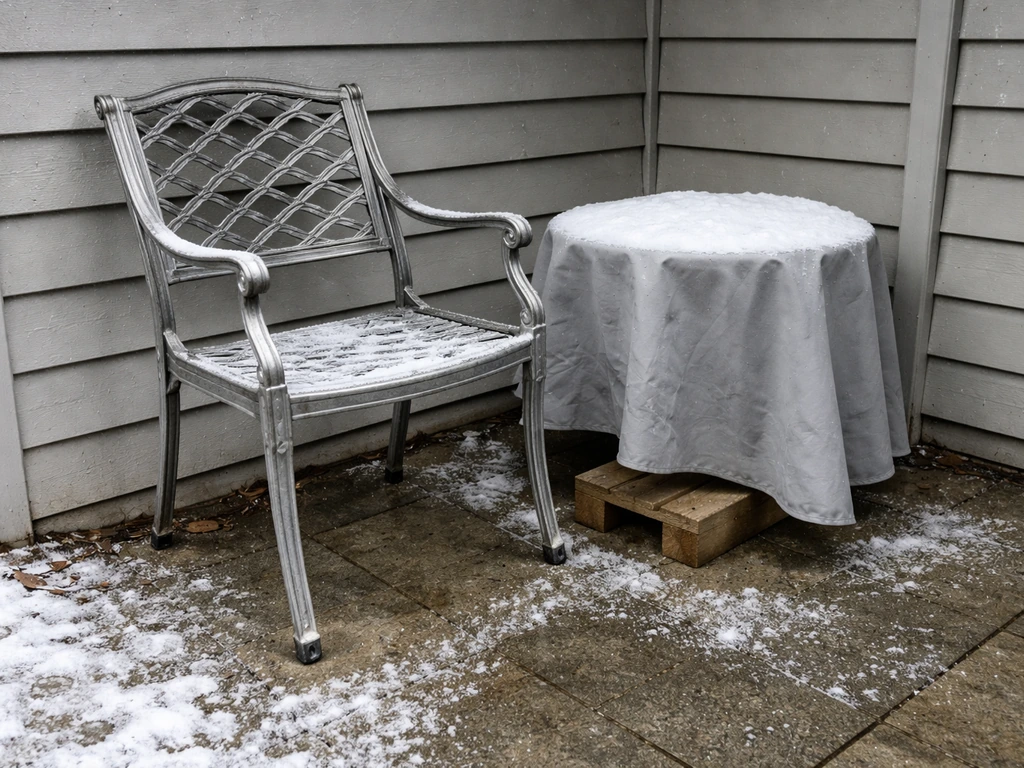
If you are in a freeze-thaw climate and your cast aluminum furniture has hollow sections or tubular elements, drain them before winter storage. Storing furniture upside-down sounds intuitive but can allow water to pool inside frames, where it then freezes and can cause serious structural damage that most warranties explicitly do not cover. Cast iron furniture in freezing climates should be stored under cover or indoors if at all possible; a winter in the elements significantly shortens its life unless you have sealed every joint and casting perfectly.
Weight, comfort, and real-world practicality
Weight is the most immediately practical difference between these two materials. If you are deciding between wicker and metal patio furniture, knowing how aluminum holds up versus cast iron can help you narrow the best option for your climate wicker vs aluminum patio furniture. Cast iron furniture is heavy, often 15 to 30 pounds heavier than comparable cast aluminum pieces. For some buyers that is a feature: a cast iron bistro table or bench stays planted in wind without any anchoring. For others, it is a genuine limitation: if you rearrange your outdoor space seasonally, host events where you move furniture frequently, or need to carry pieces up stairs, cast iron becomes a real physical burden. Cast aluminum is substantial enough to resist moderate wind but light enough to reposition without a second person.
Comfort is roughly comparable between the two materials for seating. Both tend toward firm, structured seating unless cushions are added, and cushion compatibility is something to check before buying either. The intricate designs that casting enables in both materials can create sharp edges or uncomfortable back profiles on cheaper pieces, so sit in the chair before you buy it when possible. Surface temperature is worth considering too: both metals absorb heat in full sun, though neither gets as brutally hot as dark steel. Shade or cushion covers help with both.
For large dining sets or anything you plan to move seasonally, cast aluminum is the practical choice. For a statement bench, a gate-adjacent accent piece, or a small bistro set on a covered terrace in a mild climate, cast iron's weight and character may be exactly what you want.
Cost, value, and the 'cheaper now' trap
Cast iron patio furniture is often less expensive upfront than high-quality cast aluminum, and that price gap can look compelling. If you weigh teak versus aluminum for an outdoor set, the same climate and maintenance tradeoffs will usually decide the winner cast iron patio furniture. But the long-term math usually favors cast aluminum when you account for maintenance costs, refinishing, and replacement timelines. A cast aluminum set in a humid or coastal climate that needs only annual cleaning and an occasional touch-up over 20-plus years is a better value than a cast iron set that needs refinishing every three to five years and replacement after rust compromises a joint. In dry, mild climates the gap narrows, and cast iron's longevity with basic upkeep makes it more competitive. Think in cost-per-year rather than sticker price: a $1,200 cast aluminum set lasting 20 years costs $60 per year. A $700 cast iron set lasting 8 years before significant rust work or replacement in a humid climate costs $87.50 per year, plus refinishing expenses.
How to choose and what to inspect before buying
Questions to ask about construction and coating
- Is this true cast iron or cast aluminum, or is it steel or steel tubing marketed as wrought iron? Ask specifically what alloy is used.
- What powder coat or finish system was applied? Is it a UV-resistant formulation or a standard polyester coat?
- What is the warranty on the finish vs. the structure? A 3-year finish warranty is reasonable; anything less than 2 years on a new piece should prompt questions.
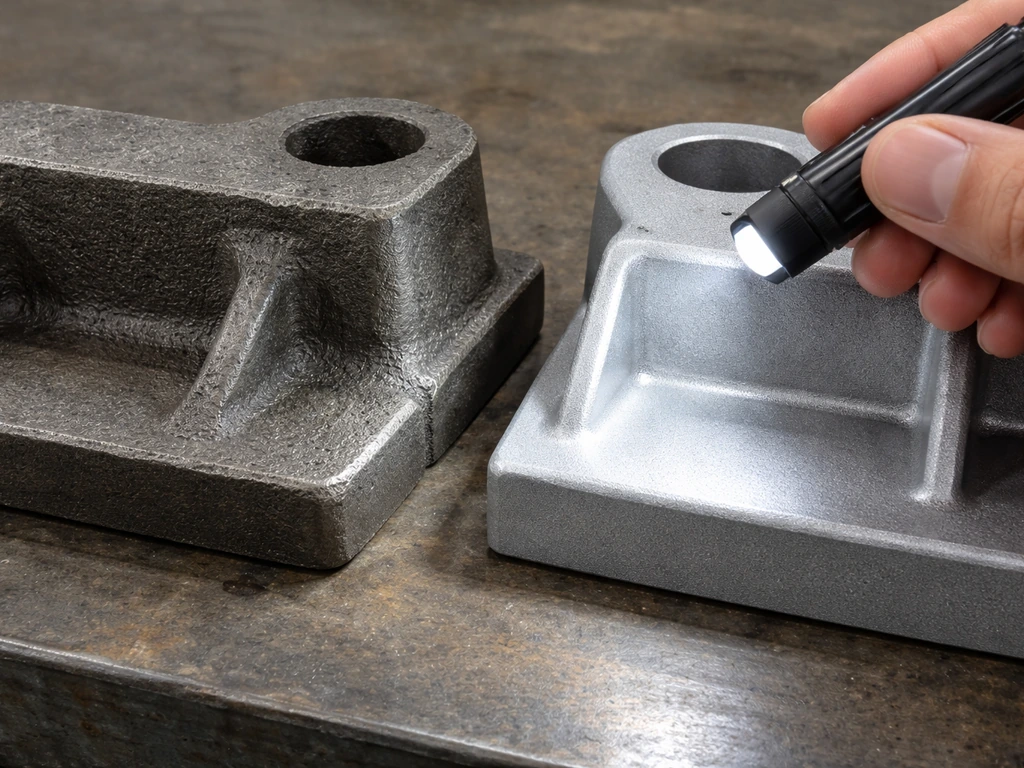
- Are the joints welded or mechanically fastened? On cast pieces, look for clean, smooth casting where ornamental components meet structural ones, with no visible gaps, cracks, or rough porous surfaces.
- Has the piece been galvanized or had any pre-treatment before powder coating? Galvanization adds a meaningful layer of protection under the topcoat on iron and steel pieces.
- Is this piece designed for your climate? If you are coastal, ask specifically about salt-air performance or look for marine-rated finishes.
What to inspect on a piece in front of you
- Run your hand along joints and edges: rough, porous texture under the paint on a cast iron piece can signal porosity from prior corrosion or poor casting quality.
- Look for bubbling, blistering, or lifting paint anywhere, especially under flat surfaces and at joints where water pools. These are early signs of osmotic blistering or rust beginning beneath the coating.
- Check the finish color and sheen consistency across the whole piece. Uneven coverage or thin spots around detail work indicate a rushed finishing job.
- On cast aluminum, press on ornamental sections and check for any flex or creak that suggests thin casting walls or a weak alloy.
- Look at the feet and any ground-contact points: these corrode first on iron pieces and are often overlooked in manufacturing. Rubber feet or protective caps are a good sign.
- For used or vintage cast iron: use a magnet (iron is magnetic, aluminum is not) to confirm the material, then check every surface for orange-brown rust staining, especially at crevices and screw holes.
Quick decision checklist: cast iron or cast aluminum?
Choose cast aluminum if any of the following apply to you: Rattan vs aluminum patio furniture is a common choice as well, especially when you care about corrosion resistance and long-term upkeep.
- You live within a few miles of the coast or in a consistently humid climate
- You are in a freeze-thaw region with hard winters
- You want to move furniture seasonally or rearrange frequently
- You want low-maintenance performance over 15 to 20-plus years
- You want a strong warranty on both structure and finish
Cast iron may be the right call if all of the following are true: Polywood vs aluminum patio furniture is another common comparison, especially if you want low-maintenance materials that still look great outdoors.
- You are in a genuinely dry, mild climate with low humidity
- You want the specific visual weight and traditional character that cast iron delivers
- The furniture will stay in a fixed, sheltered location
- You are committed to annual inspection and touch-up maintenance
- You are restoring or matching existing vintage ironwork
If you are still weighing aluminum broadly, it is worth understanding how cast aluminum compares to extruded aluminum, which uses a different manufacturing process and trade-offs, or how aluminum stacks up against other materials like teak, wicker, or powder-coated steel, since all of those comparisons hinge on similar climate and maintenance questions. For many shoppers, aluminum vs steel patio furniture comes down to corrosion resistance, coating durability, and the maintenance schedule you are willing to keep how cast aluminum compares to extruded aluminum.
FAQ
If I live on the coast, how can I tell whether a cast aluminum set will truly hold up?
Look for two details that are often missing in listings: the powder-coat warranty terms (finish vs frame structure) and whether the manufacturer states a marine-grade coating process or salt-spray performance. If the listing only mentions a short “finish” warranty and is vague on structure, assume the coast lifespan will be closer to the low end and plan on more frequent rinsing and touch-ups.
What should I do when my cast aluminum patio furniture gets chipped or scratched?
For cast aluminum, chips are usually manageable as cosmetic damage, but you still need to clean and spot-prime before repainting touch-ups to prevent “ghost rust” from steel hardware. If the scratch exposes bare aluminum, apply the correct touch-up paint for the same system, then keep it dry for the cure time on the can before heavy use.
Can I store cast aluminum furniture outside in winter if I cover it?
Yes, but only if the piece is designed for drainage and you can access the hollow sections. For hollow legs and frames, check for plugs or drain openings, then shake and blow out water before closing the furniture for winter. If you cannot confirm drainage, store under cover indoors and keep cushions off the metal to reduce moisture trapping.
Is spot-repair enough for cast iron, or do I need full refinishing?
Cast iron can be patched, but long-term success depends on whether corrosion has reached the casting or only affected the surface film. If rust is bubbling or the area feels soft, surface-only touch-up often fails, and you may need more aggressive prep (grinding and sealing) rather than spot painting to prevent reappearance at the same spot.
What is the biggest DIY mistake people make when recoating cast iron?
Avoid universal “metal primer” products on cast iron. The higher-success route is rust-inhibiting primer matched to outdoor conditions, then a compatible topcoat system. Skipping compatibility can cause poor adhesion, which recreates the same moisture pathway that leads to coating failure.
Can other parts of the furniture fail even if the frame material is corrosion-resistant?
If the furniture has any steel-to-aluminum or steel-to-cast-iron hardware, that hardware can become the weak link. Check whether bolts are stainless or galvanized, and whether you see “tea staining” or rust at joints first, since corrosion often starts around fasteners even when the main frame resists rust.
Which material is better in high-wind areas, cast iron or cast aluminum?
Budget for wind and movement risk differently than for “rust risk.” Cast iron’s heaviness resists wind better, but it also means impacts are more likely to cause cracking or coating damage if furniture shifts during storms. Cast aluminum is lighter, so anchoring or placing on stable bases is often the better solution for both longevity and safety.
How often should I rinse patio furniture near salt air?
Use a timing rule: after any salt-air exposure, rinse as soon as you can, ideally within 24 to 48 hours, then dry before covering. If you wait until residues dry, the salt can embed under coating micro-defects and increase the odds you will need touch-ups sooner.
Next Articles
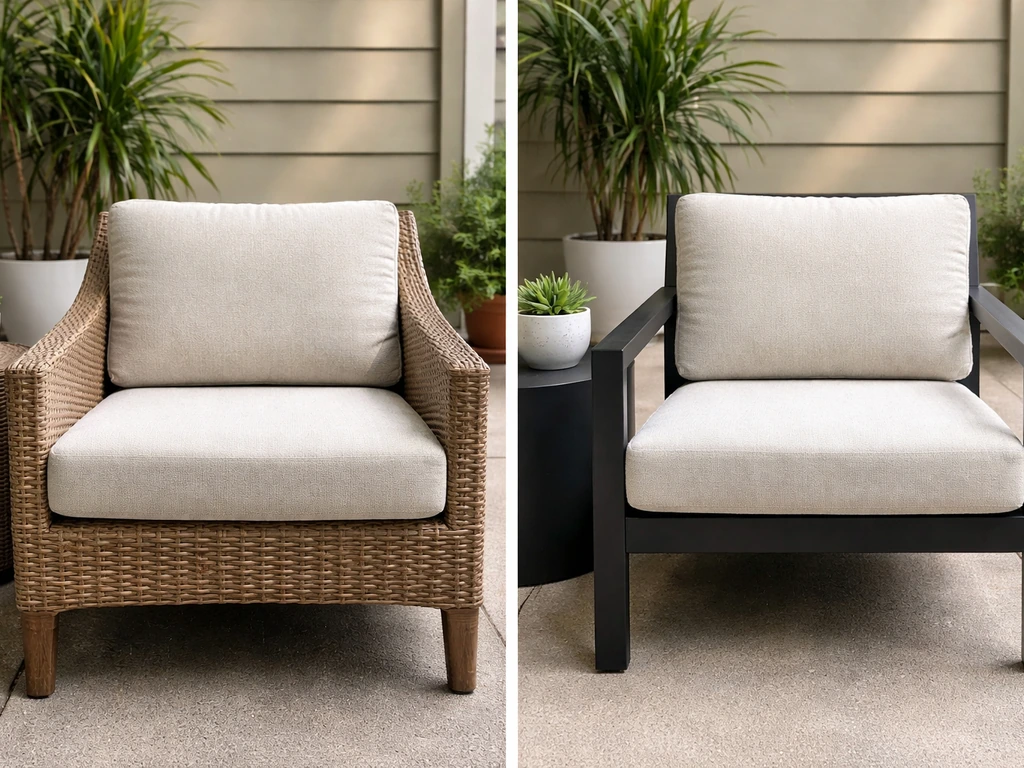
Wicker vs Aluminum Patio Furniture: Which Is Better?
Compare wicker and aluminum patio furniture for weather, durability, maintenance, comfort, and how to choose by climate
Polywood vs Aluminum Patio Furniture: Durability, Cost, and Best Choice
Side-by-side polywood vs aluminum patio furniture guide: durability, weather damage, maintenance, and real value by clim
Teak vs Aluminum Patio Furniture: Durability, Care, Value
Teak vs aluminum patio furniture comparison for durability, care, aging, weather performance, lifespan, and cost of owne