
Cast aluminum is a specific type of aluminum patio furniture made by pouring molten metal into detailed molds. When most stores and brands just say 'aluminum patio furniture,' they usually mean extruded aluminum: frames built from hollow tubes or profiles pushed through a die, then cut, mitered, and welded together. Both are aluminum, both resist rust, and both can last decades outdoors. But they feel, look, and perform differently enough that the choice actually matters, especially if you're spending real money or dealing with a harsh climate.
Aluminum vs Cast Aluminum Patio Furniture: Differences

Marcus Kellerman
4 Jun 2026
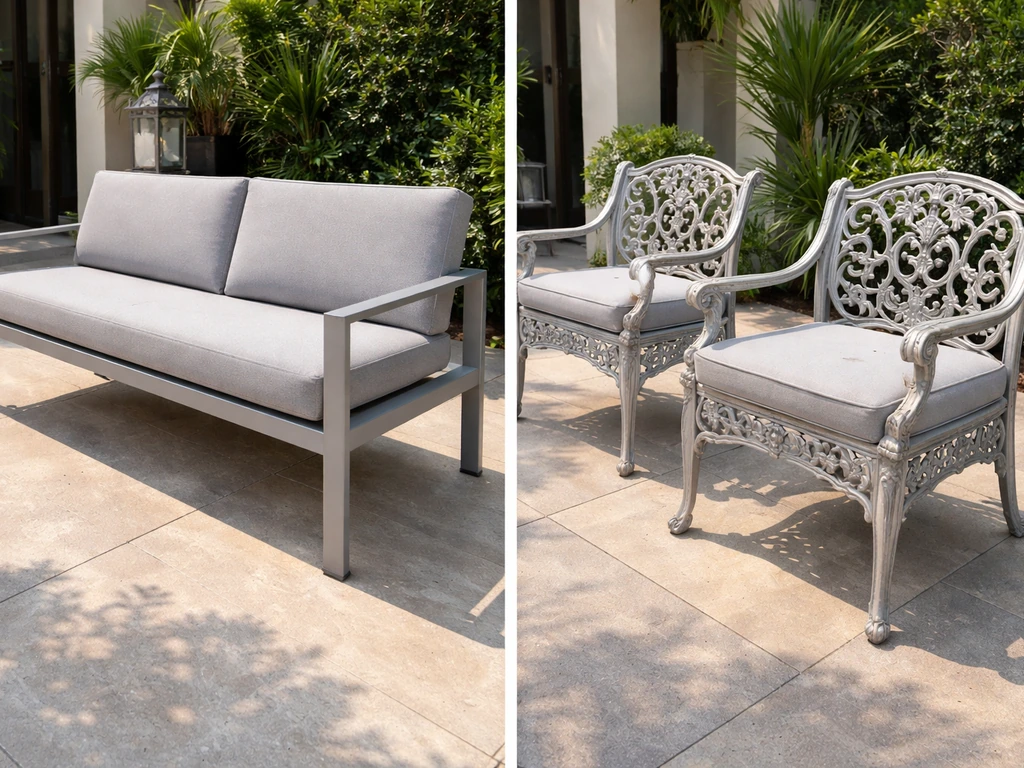
What 'aluminum' patio furniture usually means
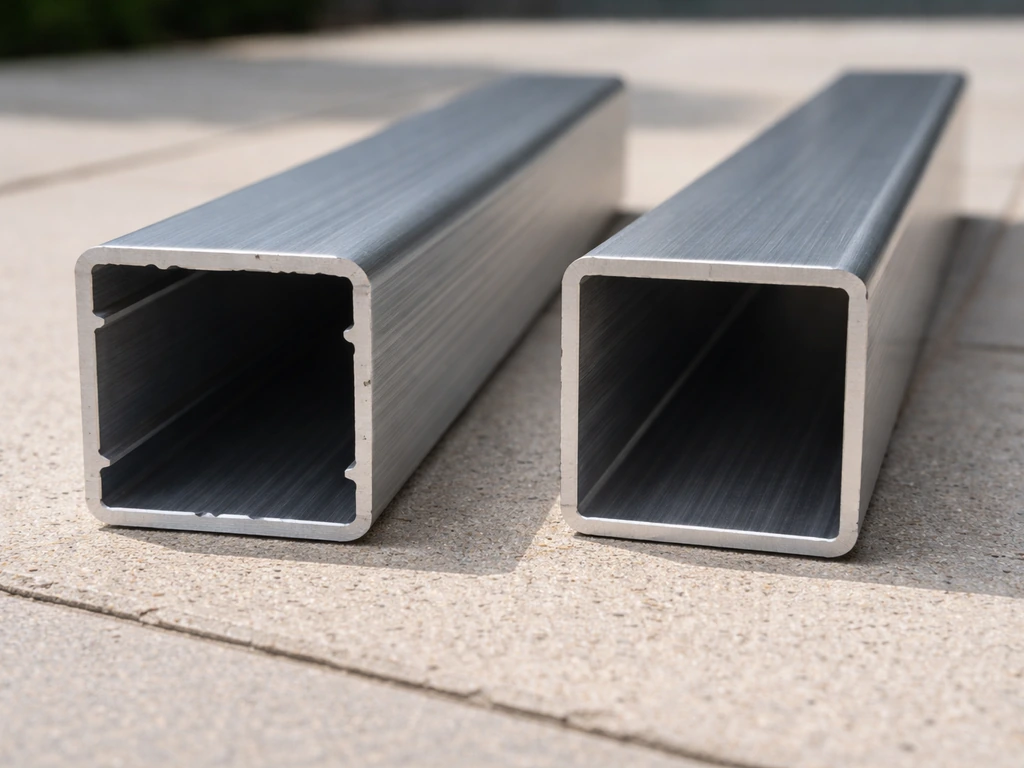
The vast majority of aluminum patio furniture on the market is built from extruded aluminum. Extrusion works by forcing heated aluminum through a shaped die, producing consistent hollow or solid profiles: tubes, channels, and custom cross-sections. Those profiles get cut to length, mitered at corners, and either welded or mechanically joined into frames. The most common alloys used are 6061 and 6063, both in the 6000-series, which offer a solid balance of strength, corrosion resistance, and weldability. PSI Industries also states that its aluminum extrusions are produced from 6061 and 6063. This is the material behind most modern sling chairs, sectional sofas, dining sets, and deep-seating collections you see at mid-range outdoor furniture retailers.
Extruded aluminum is relatively lightweight, consistent in wall thickness, and easy to manufacture at scale. That makes it cost-effective. The frames are usually finished with powder coating, which adds color, UV protection, and an extra layer of corrosion defense. The aesthetic is clean, contemporary, and angular. Because the profiles are hollow, you can make large pieces that aren't heavy, which is genuinely useful if you rearrange your patio often or store furniture seasonally.
What cast aluminum patio furniture actually is
Cast aluminum furniture is made by melting aluminum and pouring it into detailed molds, then letting it solidify. Each component, whether that's a chair leg, armrest, or table apron, is cast as a single piece rather than cut from extruded profile stock. The key difference this makes: casting allows for complex shapes and ornate surface detail that extrusion simply can't produce. That's why cast aluminum is the standard material for traditional and European-style patio furniture with scrollwork, floral motifs, lattice backs, and curved profiles. Think of the classic Victorian-inspired garden sets you see at upscale garden centers.
Because the sections are solid rather than hollow, cast aluminum pieces are significantly heavier than extruded aluminum counterparts. A cast aluminum dining chair can easily weigh 25 to 35 pounds versus 10 to 18 pounds for a comparable extruded frame. That heft isn't a flaw. It's part of what makes cast aluminum furniture feel substantial and stable. The casting process also allows variable wall thicknesses within a single component, which means a skilled designer can reinforce stress points while keeping decorative sections thinner.
Strength, weight, corrosion resistance, and stability compared
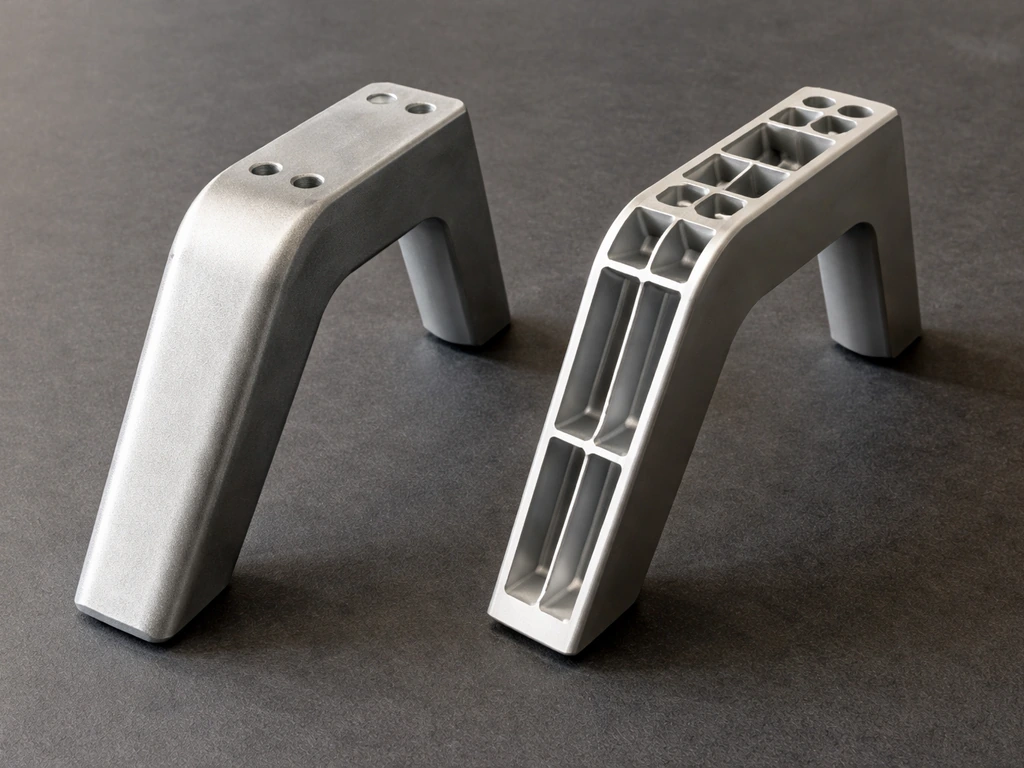
Both materials resist corrosion well. Aluminum doesn't rust the way steel does. What it does is oxidize: a thin layer of aluminum oxide forms on the surface and actually protects the metal underneath. This is true whether you're looking at extruded or cast aluminum. Neither will develop structural rust, which is a significant advantage over steel and cast iron options.
Where they diverge is in strength characteristics. Wrought (extruded) aluminum alloys like 6061 tend to have higher tensile strength and ductility than cast aluminum alloys, meaning they can flex slightly under load before failing. Wrought aluminum is shaped by mechanical working after solidification, while cast aluminum is made by pouring molten metal into molds, and wrought aluminum is generally associated with higher ductility and toughness wrought (extruded) aluminum alloys like 6061 tend to have higher tensile strength and ductility than cast aluminum alloys. Cast aluminum, depending on the alloy and casting quality, can be more brittle. A hard impact, like a heavy piece falling over on concrete, is more likely to crack or chip a cast component than to dent an extruded tube. That said, under normal seating loads and everyday use, both are more than adequate.
Wind stability is where cast aluminum has a clear, practical advantage. Its weight keeps pieces planted. If you live somewhere with regular afternoon gusts or weather events, cast aluminum furniture rarely blows over without assistance. Extruded aluminum sets, especially sling chairs and lighter sectional frames, can skitter across a deck or tip over in strong wind. You can add furniture anchors or weight bags, but the cast pieces just handle it naturally.
| Factor | Extruded Aluminum | Cast Aluminum |
|---|---|---|
| Weight (dining chair, typical) | 10–18 lbs | 25–35 lbs |
| Wind resistance (unanchored) | Moderate — lighter pieces can tip | High — weight keeps pieces stable |
| Rust resistance | Excellent (no iron content) | Excellent (no iron content) |
| Oxidation over time | Surface oxidation, manageable | Surface oxidation, manageable |
| Impact resistance | Good — can dent, less likely to crack | Fair — can crack or chip on hard impact |
| Salt-air suitability | Very good with quality powder coat | Very good with quality powder coat |
| Design complexity | Clean, geometric, contemporary | Ornate, curved, traditional detail possible |
| Joint construction | Welded or mechanically joined | Cast as individual components, assembled |
How both hold up over real years of weather
In dry inland climates, both materials can last 20 or more years with minimal effort. Powder-coated frames of either type need only occasional cleaning with mild soap and water to stay looking good. A good way to compare options is to look at powder-coated steel vs aluminum patio furniture for rust resistance, durability, and finish quality powder-coated frames. The powder coat does the heavy lifting: it seals the aluminum from moisture, UV, and airborne debris. If the coating gets chipped or scratched, touch it up quickly. Bare aluminum left exposed to consistent moisture will develop white oxidation (often called white rust, though technically it isn't rust), which looks bad and is harder to clean off once it builds up.
In coastal environments, salt air is the real stress test. Both extruded and cast aluminum outperform steel and cast iron here by a wide margin, but the quality of the powder coat and the thickness of the finish matter more than the specific aluminum type. Look for furniture that specifies marine-grade or coastal-rated powder coating if you're within a mile or two of salt water. Cheaper extruded sets with thin factory finishes will show chalking and coating failure within a few years in those conditions. Quality cast aluminum pieces, which tend to be premium products anyway, usually come with better finish systems.
Temperature swings, including freeze-thaw cycles in northern climates, are generally not a problem for either material. Aluminum expands and contracts with temperature but handles this much better than wood. Cast aluminum's thickness can actually be an advantage in cold climates because the mass moderates temperature cycling stress at joints and connection points.
Comfort, finish quality, and the details that matter
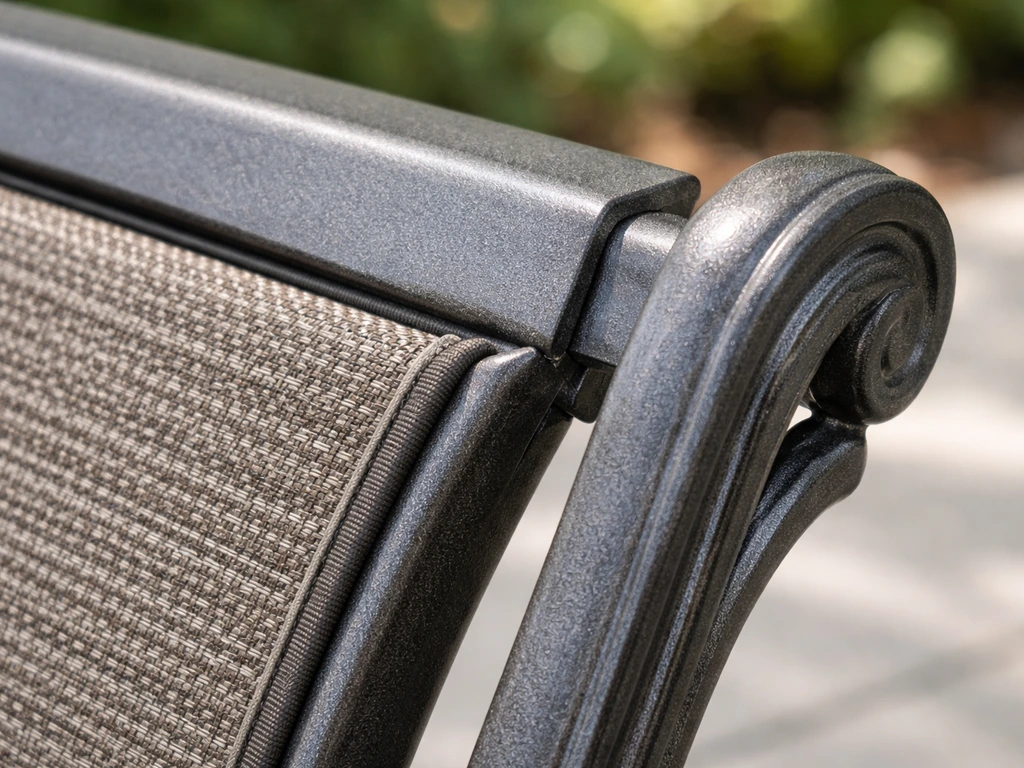
Comfort on metal patio furniture depends heavily on what's attached to the frame rather than the metal itself. Extruded aluminum sets are commonly paired with sling fabric, quick-dry cushions, or woven synthetic materials across the seat and back. If you are comparing materials beyond metal, see how wicker vs aluminum patio furniture stacks up for comfort, finish, and upkeep in real outdoor use. Cast aluminum sets, especially traditional dining chairs, often have solid cast seats or backs with minimal padding, which can feel hard and cold in cooler weather. A well-fitted cushion solves this, but cushion management is something to factor in.
Surface texture differs noticeably. Extruded aluminum has a smooth, machine-consistent finish. Cast pieces can have a slightly textured, matte, or hammered appearance from the casting and finishing process. Some people prefer the handcrafted feel of cast surfaces. Others find it looks dated. This is genuinely a personal preference, not a quality difference.
Detail work is one area where cast aluminum is objectively capable of more. If you want curved armrests, decorative scrolls, or furniture that looks like it belongs in a European garden, cast aluminum is really the only aluminum option. Extruded sets can't replicate those shapes economically. If your style runs contemporary, minimalist, or coastal modern, extruded aluminum looks better anyway because the clean tube-and-weld aesthetic fits those styles naturally.
Cost and long-term value
Extruded aluminum patio furniture ranges from budget sets under $300 for a complete dining set all the way to $3,000 or more for premium designer collections. The price spread is huge because the manufacturing process is scalable: cheap sets use thinner wall profiles, lower-grade alloys, and minimal surface finishing. Paying more in this category gets you thicker tube walls, better powder coat systems, tighter joint tolerances, and more generous warranty coverage.
Cast aluminum furniture sits at a higher floor. A quality cast aluminum dining set typically runs $800 to $2,500 or more, and individual pieces rarely bottom out in the discount-patio-furniture range because the casting and finishing process is labor-intensive compared to extrusion. What you're paying for is the detail, the weight, the feel, and often a longer expected lifespan at the high end of the market. Cheap cast aluminum does exist, usually from mass-market importers, and it typically means thinner casting walls and inconsistent finish quality.
On a cost-per-year basis, both materials can be excellent or poor depending on the specific product tier. A $1,200 quality cast aluminum dining set lasting 20+ years costs you about $60 a year. A $400 extruded aluminum set that degrades in 8 years costs about $50 a year but delivers a worse experience throughout. The real trap is budget extruded aluminum: thin-wall frames that bend under load, paint that chalks in two seasons, and wobbly joints that rattle from day one. Spend at least mid-range on extruded aluminum or step up to cast aluminum if you want longevity. If you're comparing polywood versus aluminum patio furniture for your setup, the best choice depends on how much weather exposure and maintenance you’re willing to handle polywood vs aluminum patio furniture.
Which one is actually right for you
The choice between extruded aluminum and cast aluminum really comes down to four things: your style preference, your climate conditions, how often you move furniture around, and your budget. If you're comparing metals more broadly, you may also want to look at cast iron vs cast aluminum patio furniture to see how weight and corrosion behavior stack up. Neither is universally better. Here's a direct framework for making the call. Rattan vs aluminum patio furniture is a common comparison, especially when you're weighing comfort, style, and long-term maintenance.
Choose extruded aluminum if
- You prefer contemporary, modern, or coastal-modern aesthetics
- You move furniture frequently, store it seasonally, or live in a smaller space where portability matters
- You're working with a budget under $800 for a set and want the best value in that range
- You want a wide selection of sling, woven, or cushion upholstery options
- Your patio is sheltered or you're in a calm inland climate without major wind events
- You're building out a large sectional arrangement where total weight would be unmanageable in cast
Choose cast aluminum if
- You want traditional, ornate, or classically detailed furniture that holds its design character over time
- Wind is a real issue on your patio and you'd rather not anchor or store furniture constantly
- You're furnishing a permanent outdoor living space and want pieces that feel substantial and high-end
- You're in a coastal or high-humidity environment and want proven long-term performance
- Longevity and heirloom-quality feel matter more than portability or upfront cost
- You entertain regularly and want furniture that impresses rather than disappears into the background
A quick decision checklist before you buy
- What's your climate? Coastal or high-humidity: prioritize finish quality in either type. Windy patio: lean cast aluminum. Dry inland: both work well.
- What's your style? Ornate or traditional: cast aluminum. Clean and contemporary: extruded aluminum.
- How often will you move this furniture? Daily or seasonal: extruded aluminum. Mostly stationary: either works, cast aluminum preferred for permanence.
- What's your realistic budget? Under $600 for a set: stick to quality extruded aluminum. $800 and up: both tiers open up. $1,200+: consider cast aluminum seriously.
- How long do you plan to keep it? Under 10 years or rental/staging use: extruded aluminum. 15+ years or forever home: cast aluminum pays off.
- Do you want ornate detail or integrated cushioned frames? Ornate detail: only cast aluminum delivers this. Integrated fabric or cushion systems: extruded aluminum has far more options.
If you're still torn, the honest recommendation is this: for most homeowners doing a full outdoor furniture refresh on a $1,000 to $2,000 budget, mid-range extruded aluminum from a reputable brand delivers excellent weather resistance, comfort, and longevity without asking you to manage heavy pieces or commit to a traditional aesthetic. If you have a larger budget, want furniture that anchors a space visually and physically, and you're not moving it around, cast aluminum is worth every extra dollar. If you want the full comparison of cast aluminum versus extruded aluminum patio furniture, focus on how each performs for strength, weight, and wind resistance cast aluminum is worth every extra dollar. This is the core question behind teak vs aluminum patio furniture, since the best material depends on how much wear and maintenance you expect cast aluminum is worth every extra dollar. It's genuinely a different class of outdoor furniture in terms of feel and presence, even if the material chemistry is closely related.
FAQ
How can I tell if a “cast aluminum” set is actually good quality and not just marketing?
Look for details like consistent, even wall thickness at joints and a uniform powder-coat finish with minimal pinholes or rough pores. Also check weight for the piece size, higher-quality cast items usually feel noticeably heavier than similarly sized “cast” look-alikes, and reputable brands often provide longer warranties on the frame and finish.
Do I need to worry about aluminum cracking over time, especially with cast pieces?
Cracking risk is mainly about impacts and mechanical stress, for example a chair kicked or dropped, or repeated rocking on uneven surfaces. To reduce risk, keep furniture on level flooring and avoid moving pieces by dragging them across concrete or deck boards, which can chip cast components and loosen powder coat.
Which is better if my patio furniture sits under constant sun and high heat?
Both materials handle heat well, but the coating is the differentiator. Choose a product that specifies a high-quality powder coating system and has good scratch and UV resistance, then plan on periodic cleaning to remove grit that can abrade the finish. If you notice chalking early, address it before it spreads.
What’s the best way to prevent wind tipping for extruded aluminum sets?
Use furniture anchors designed for outdoor use (not just straps), especially for sling chairs and lighter sectional frames. If you cannot anchor, add weight options like removable weighted bases, and keep seating pulled together so the set acts like a single mass instead of separate skittering pieces.
How do I maintain powder coating on either type without damaging the surface?
Use mild soap and water, avoid abrasive pads that can thin the coat, and rinse thoroughly after cleaning. If you see chips, apply touch-up paint promptly so moisture cannot creep under the finish and cause more coating failure. For stubborn spots, let cleaner dwell briefly instead of scrubbing hard.
Is white oxidation after a scratch normal, and can it be reversed?
It’s common to see a whitish oxidation layer where coating is compromised. In many cases you can clean it off with gentle cleaners, but if it keeps returning, it usually means the underlying finish is failing. Touch up the exposed area and monitor, if the chalking keeps spreading, you may need a professional refinishing.
Which type is a better choice for moving furniture between seasons?
If you move or store often, extruded aluminum usually wins because it is lighter and easier to handle, especially larger dining or deep-seating sections. Cast aluminum is easier to live with outdoors because it tends to stay planted, but it can be more tiring to carry and store due to its weight.
Are there weight limits I should consider with extruded vs cast aluminum chairs?
Yes, even within the same category. Prefer products that publish a rated weight capacity per seat and show reinforced construction where people tend to apply stress (arm-to-frame connections, back supports, and table aprons). Avoid “budget” frames with thin-wall tubing if you expect heavier use, since flex and rattling are early failure signs.
Does temperature change affect joints differently between cast and extruded furniture?
Freeze-thaw generally is manageable for both, but joint design matters. Cast pieces can have thicker mass that dampens cycling at some connection points, while extruded frames rely heavily on weld quality and hardware tightness. Check bolts and fasteners at the start of the season, especially after the first cold snaps.
What should I do if my set wobbles, especially for extruded aluminum?
Wobble usually comes from uneven surfaces, loose hardware, or thin-profile frames flexing under load. Start by leveling the placement, then re-tighten all connections, and inspect for cracked welds or deformed tubing. If the wobble persists after tightening, it may be a structural issue and a warranty claim is often the fastest route.
Which looks more “dated,” and how should I choose based on style preferences?
Cast aluminum tends to visually read as more traditional due to scrollwork and curved detail, it can feel classic or old-world. Extruded aluminum often reads more contemporary and linear because of the tube-and-weld construction. If you want longevity in appearance, pick based on your patio design first, then optimize for coating quality and frame thickness.
Can I expect similar lifespan if both are powder coated, or does one age better?
In general, both can last decades when the coating system stays intact. The practical difference is that cast furniture typically has more mass and decorative geometry, and it may resist tipping better in wind. Extruded furniture can last just as long in calm areas, but thin-wall and weaker coating systems on lower-priced extruded sets are more likely to show early finish failure.
Next Articles
Aluminum vs Steel Patio Furniture: Best Choice Guide
Aluminum vs steel patio furniture: choose by rust resistance, dent risk, maintenance, weight, and climate for lasting va
Is Teak Patio Furniture Good? Durable, Smart Buying Guide
Is teak patio furniture good? Evidence-based verdict, lifespan, care, buying tips, comparisons, and eco guidance.
How Long Does Teak Patio Furniture Last? Lifespan Guide
Teak patio lifespan ranges, factors that shorten or extend durability, and a maintenance plan to protect joints and fini